Virtus or Slavia: Buy?


Last Updated on: 13 Oct 2026
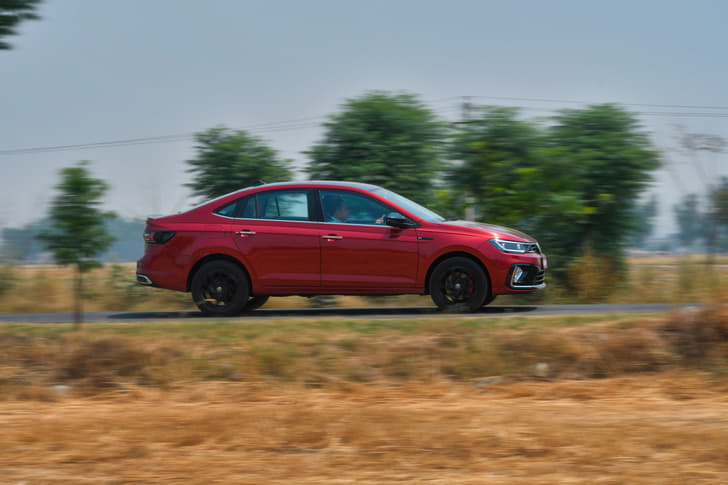
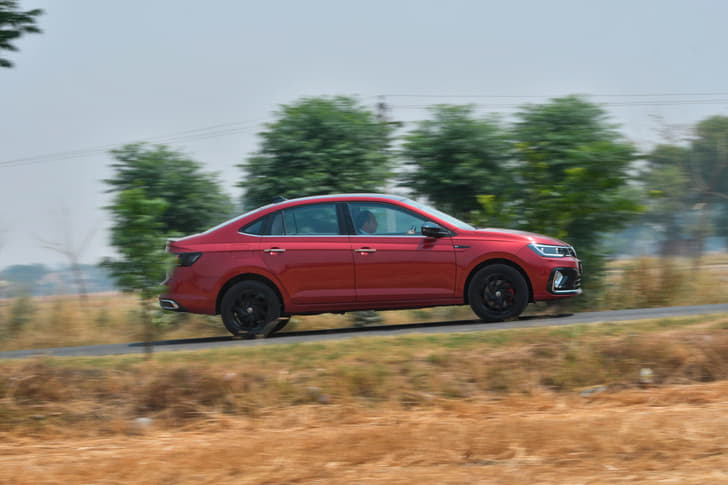
 Electronic Stability ControlPart Digital / Part Analogue Digital Instrument ClusterWired Android AutoFabric Seat MaterialLED headlampsHill Start Assist1-zone Climate ControlWireless Android Auto60:40 Rear Seat Backrest SplitCornering HeadlightsAutomatic HeadlampsPush Button StartCornering HeadlightsWireless Android Auto1-zone Climate ControlSingle Pane SunroofElectric Adjust for Driver's SeatCornering HeadlightsWireless Android AutoElectric Adjust for Front Passenger's SeatAutomatic Day Night Interior MirrorFully Digital Digital Instrument ClusterOver the air (OTA) updatesFront Only Ventilated SeatsFollow Me Home HeadlampsAutomatic Day Night Interior MirrorFully Digital Digital Instrument ClusterOver the air (OTA) updatesFront Only Ventilated SeatsFollow Me Home HeadlampsAutomatic Day Night Interior MirrorFully Digital Digital Instrument ClusterOver the air (OTA) updatesFront Only Ventilated SeatsFollow Me Home Headlamps
Volkswagen Virtus Official Brochure
Download the complete brochure with specs, features, and variants.
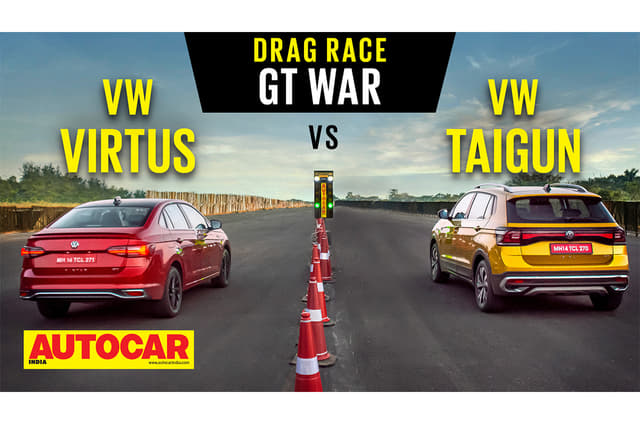


Hi, I am thinking of replacing Toyota Corolla (2006 model) with a car under the budget of Rs. 20 - 22 lakh. Which car do you suggest replacing the trustworthy Corolla with as it has served me very well. I am considering the VW Virtus/ Skoda Slavia, VW Taigun /Skoda Kushaq and Honda City Hybrid.

 Honda CitySkoda SlaviaVolkswagen VirtusVolkswagen TaigunSkoda KushaqToyota Urban Cruiser Hyryder
Hi guys, I’m looking for a four-car garage that can fulfil some specific roles. I need an EV for city use in Bangalore, and I’m considering either the Tata Tiago EV or Punch EV. I also need a high-mileage family hauler, for which I’m thinking of the Toyota Innova Hycross VX(O). For a fun car for myself, I’m considering the Volkswagen Virtus GT. Finally, I want another SUV that doesn’t need to be as large as the Hycross, so I’m considering the Mahindra XUV 7XO, Kia Seltos or Mahindra BE 6. I’ll be travelling frequently between Bangalore, Hyderabad and Coimbatore, and I’m also planning a road trip across India. My overall budget for the four cars is around Rs 1-1.5 crore. I’m open to suggestions, so I’d really appreciate any recommendations. Thanks in advance!
Tata Tiago EVTata Punch EVToyota Innova HyCrossToyota Urban Cruiser HyryderVolkswagen VirtusMahindra XUV 3XOKia SeltosKia SorentoSkoda Slavia (2022-2026)I am looking to buy a new car and am confused between two options: the Renault Duster Techno+ 1.3 DSG and the Volkswagen Virtus 1.0 GT Line. I will be driving the car daily for an office commute of about 20 km. I plan to keep the vehicle for 3 to 4 years and would like to know which one is the better choice in terms of features, resale value, premium feel, driving performance, and overall peace of mind.
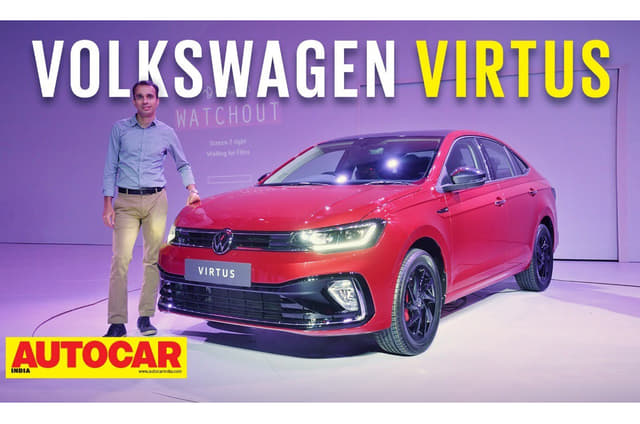
Volkswagen VirtusRenault DusterHey team, I wanted to ask about the difference between a 1.5 TSI and a 1-litre TSI for a Volkswagen Virtus in terms of driving pleasure. I have already watched too many videos about it and am pretty confused about which way to go when the facelift eventually arrives. My commute would be a 50/50 split within the city and on the highway. Would be grateful for an enthusiast's take on this. Regards Sabyasachi Mahapatra.
Volkswagen VirtusHi everyone, I have a budget around 13 lakh and my annual running is around 8,000 km. I'm confused between buying a sedan or compact SUV like Kia Seltos etc. as I have sold my Tata Punch last month that I owned almost for 4.5 years but now I want to purchase good and elegant looking car that can last for 7 to 9 year without any hassle. Me and my wife have shortlisted cars like New Honda City SV variant, New Skoda Slavia Base one, or Upcoming Virtus in sedan segment. In suv segment, I have shortlisted cars like Seltos, Grand Vitara, etc. My wife wants to shortlist sedan. Please suggest me which one should I go for as it's the matter of investing my hard earned money. Also, which car will have good resale value in future.
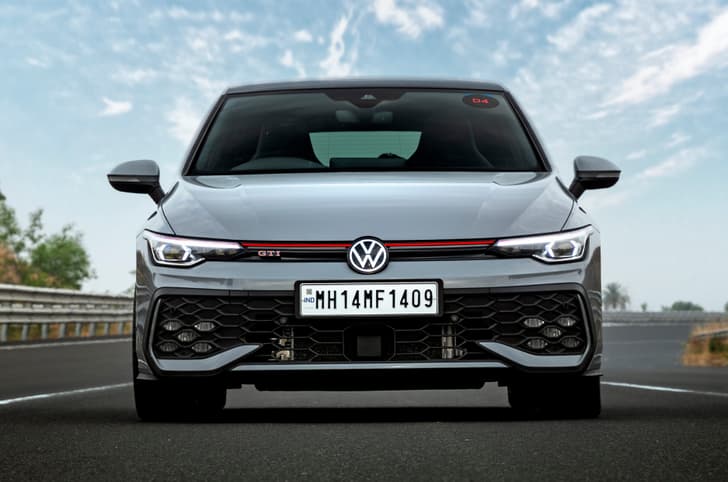
Honda CitySkoda Slavia (2022-2026)Volkswagen VirtusKia SeltosMaruti Suzuki Grand VitaraThe 1.0 TSI variants of the Virtus are value-for-money given their pricing and features list. The 1.5 TSI variants command a steeper premium, but if you're an enthusiast, the driving experience will be worth it.
If your usage is primarily within the city, go with the Virtus 1.0 TSI. If you want a bit more power and value fun-to-drive characteristics, go with the 1.5 TSI.
Buyers who want a smooth driving experience and reliable operation should for the 6-speed torque converter automatic available with the Virtus 1.0 TSI. Meanwhile, the 7-speed DSG with the 1.5 TSI delivers snappy gear shifts, erring on the sportier side.