Autocar India
2h

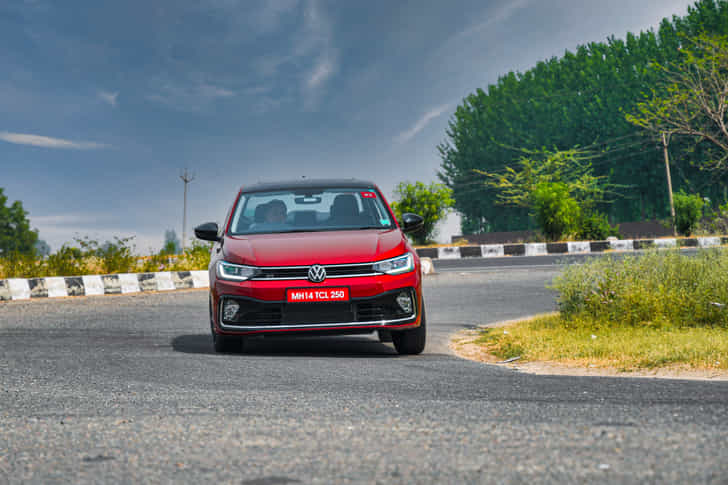
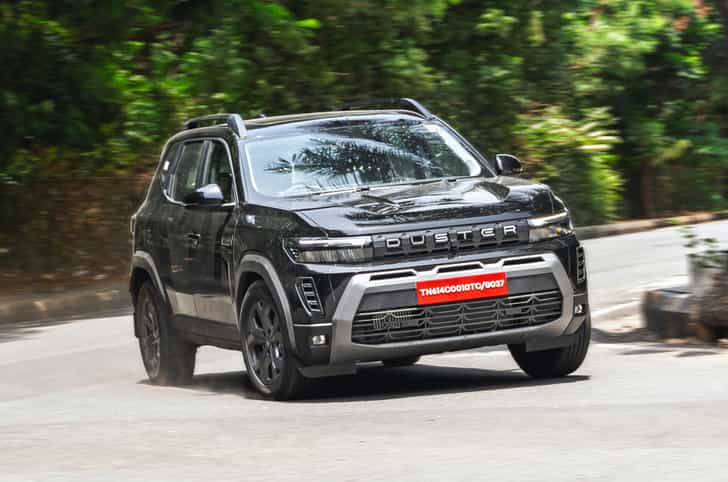
I am looking to buy a new car and am confused between two options: the Renault Duster Techno+ 1.3 DSG and the Volkswagen Virtus 1.0 GT Line. I will be driving the car daily for an office commute of about 20 km. I plan to keep the vehicle for 3 to 4 years and would like to know which one is the better choice in terms of features, resale value, premium feel, driving performance, and overall peace of mind.

Verified
3m
Go for the Virtus 1.0 GT Line. With a 20 km daily office commute and a 3-4 year ownership horizon, the Volkswagen Virtus is the more sensible and enjoyable choice. The 1.0 TSI engine paired with the torque converter automatic is smooth, efficient and well-suited to daily driving, while the GT Line trim gives you a genuinely premium feel inside the cabin. The Volkswagen car also offers a more refined ride and a lower centre of gravity, making it more confidence-inspiring on highways and in city traffic.
The Duster Techno+ 1.3 DSG is a genuinely appealing driver's car with strong performance and a robust, planted feel, but the 1.3 turbo petrol has 'turbo lag' at low revs, is not as efficient in daily stop-start conditions, and the DSG gearbox is not as smooth as Volkswagen's torque converter automatic. The Duster also doesn't feel as premium inside, and Renault's resale value is unlikely to match Volkswagen's over a 3-4 year ownership period.
The Virtus strikes the best balance between premium feel, driving performance, efficiency and overall peace of mind. It is the car you will be happier living with every day.
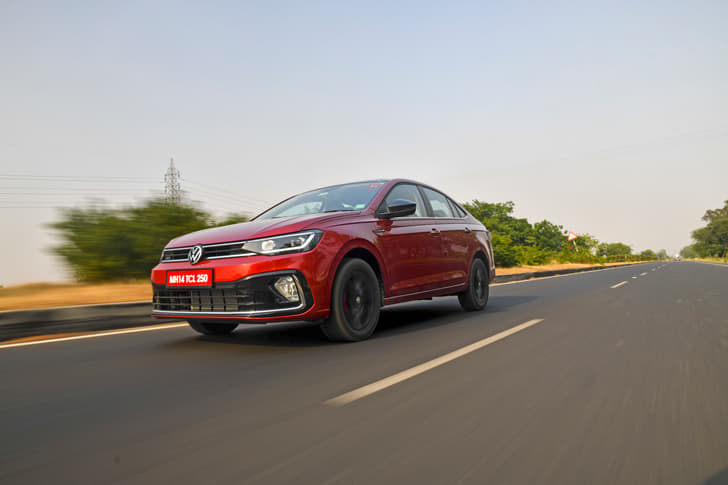
Volkswagen Virtus

Volkswagen Virtus

More posts on similar cars

1d

Hello Team, I currently own a 2013 Hyundai i20 Sportz CRDi and am planning to upgrade to a mid-size SUV. My budget is around Rs 20 lakh on-road in Kerala. My monthly running is approximately 700-800km, with occasional long drives, and I plan to keep the car for at least 10 years. I recently test drove the Duster 1.3-litre DCT automatic and was quite impressed with its driving dynamics and comfort. I really enjoyed the overall driving experience. Could you please share your insights on whether the Duster would be a good choice for long-term ownership, considering my usage and the fact that I plan to keep the car for 10 years? Also, are there any other alternatives in this budget that I should consider?

Verified
22h

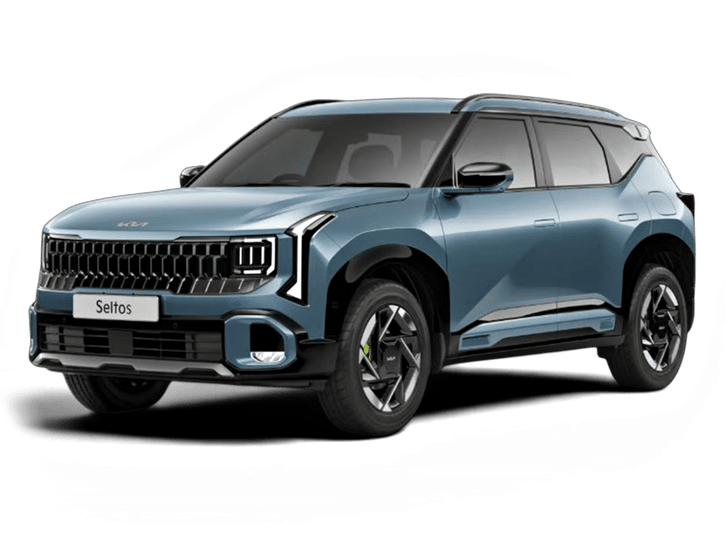
The Renault Duster actually sounds like a very good fit for your requirements. With just 700–800km of monthly running and occasional long drives, there is little reason to choose a diesel, and the 1.3-litre turbo-petrol gives you plenty of performance for both city use and highway trips. The Duster’s biggest strengths are its excellent balance of ride comfort and driving dynamics, along with 212mm of ground clearance.The 1.3 DCT is also a particularly good combination. It uses a wet-clutch DCT, and the gearbox is smooth enough in everyday driving while the engine provides strong performance when you are out on the highway.The only reservation is long-term ownership. This is a new-generation Duster, so there simply isn't enough 8 to 10 year Indian ownership data yet. The DCT is also mechanically more complex than a conventional torque converter, and Renault's service reach isn't as strong as Hyundai, Kia or Maruti.If you want alternatives, the Kia Seltos 1.5 IVT is the more conservative long-term choice, while the Skoda Kushaq 1.0 AT is worth considering if driving enjoyment is important.

VehicleRenault Duster
VehicleKia Seltos
VehicleSkoda Kushaq
1d

I am planning to buy a sub-4m SUV and have shortlisted the Skoda Kylaq Signature Plus Automatic and Hyundai Venue HX5 Diesel Automatic. My annual running is expected to be around 16,000 to 18,000 km, including approximately 12,000 km of highway driving. From an economic point of view, I am slightly concerned about the Kylaq’s real-world petrol mileage, especially given the high amount of highway running. I am also concerned about the long-term implications of E20 petrol and whether it could lead to any issues in the future. On the other hand, I have concerns about buying a diesel due to the possibility of future government restrictions and the uncertainty around long-term diesel ownership. Considering these factors, I would appreciate your advice on which of the two would be the better choice for at least eight years of ownership.

Verified
19h

Go for the Hyundai Venue Diesel Automatic. With your annual running of 16,000-18,000 km and a strong highway component, the diesel makes clear financial sense. The Venue’s diesel is refined and well suited to long-distance driving, and the 6-speed torque converter automatic is smooth and reliable. Hyundai’s service network and ownership experience are also strong, which matters over an 8-year horizon.The Skoda Kylaq Signature Plus Automatic is the better driver’s car, but the 1.0 TSI petrol will not match the diesel’s efficiency at your running, and the E20 concern is largely overstated – modern engines are engineered for it, and there is no official roadmap beyond E20. On the diesel side, the government has not announced any blanket restrictions on private diesel cars, and with Bharat Stage 6 and DPF technology in place, long-term ownership is not a major concern.The Venue is the more sensible and cost-effective choice for your usage pattern. If you want a more premium and spacious diesel SUV, the Kia Seltos Diesel Automatic is worth stretching for, but within your shortlist, the Venue is the right call.

VehicleHyundai Venue
VehicleKia Seltos
VehicleSkoda Kylaq
1d

I’m planning to buy a sub-compact SUV with a budget of around Rs 12 lakh. I prefer a manual transmission and am looking for a car that offers a smooth and comfortable driving experience in both the city and on highways. I also travel to hill areas about twice a year, so I’m unsure whether a turbocharged or naturally aspirated (NA) engine would be better suited to my requirements. The two cars I’m currently considering are the Maruti Suzuki Brezza with its 1.5-litre naturally aspirated engine and the Hyundai Venue with its 1.0-litre turbo-petrol engine. I’d like to understand which engine would be better suited to my usage, how the two compare in city traffic, highway driving and hill roads, and which would offer better long-term reliability and ease of maintenance. I’d also like to know the expected difference in real-world mileage between the two and, considering my overall requirements and budget, which of the two would be the better choice.

Verified
20h

Go for the Maruti Suzuki Brezza 1.5L naturally aspirated petrol. It is the better fit for your requirements. The 1.5L NA engine is smooth, refined and delivers linear power, which makes it easy to drive in the city, comfortable on highways and predictable on hill roads. It has enough torque to handle inclines without feeling strained, and you do not have to worry about turbo lag or the need to downshift aggressively on steep sections.The Hyundai Venue 1.0L turbo is a punchy engine and feels more energetic when pushed, but it does have some turbo lag at low speeds and requires more gear changes on hills. It is also a smaller three-cylinder engine, so it is not as refined as the Brezza’s four-cylinder unit. In terms of reliability and maintenance, Maruti has the edge with a simpler naturally aspirated engine and a wider service network.Real-world mileage will depend on driving style, but the Brezza should deliver slightly better consistency, especially on highways and hills, while the Venue turbo can be more efficient if driven gently in the city. Overall, the Brezza is the more dependable and easier-to-live-with choice for your usage pattern.

VehicleMaruti Suzuki Brezza
VehicleHyundai Venue

Popular discussions right now

Posted on: 14 Sept 2026