Last Updated on: 10 Jul 2026
Volkswagen Virtus User Reviews
Tell us about your experience
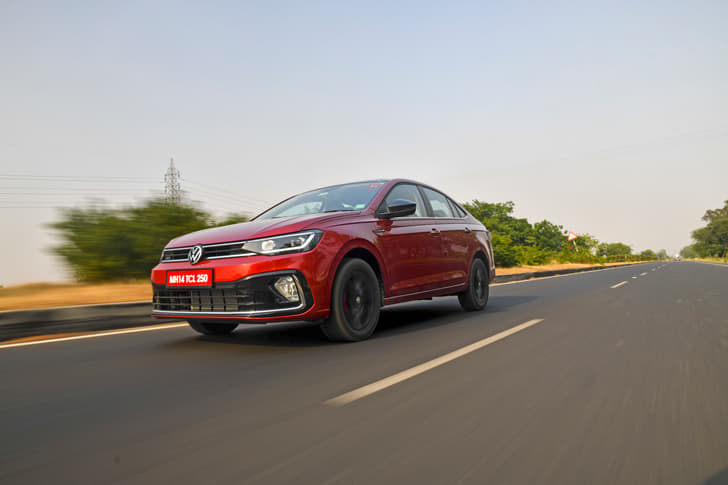
If performance is your top priority, pick the Virtus. It offers the best driving experience of the lot while still being reasonably efficient and safe. For your usage, the Virtus would be the best choice.
Consider the VW Virtus in this price range. You won't regret it.
In Pune traffic, the Virtus gives around 5-7 kmpl.
I am extracting 12-13 kmpl in Delhi NCR with my Virtus MT. On highways, I get 17-18 kmpl with an average speed of 110-115 kph.
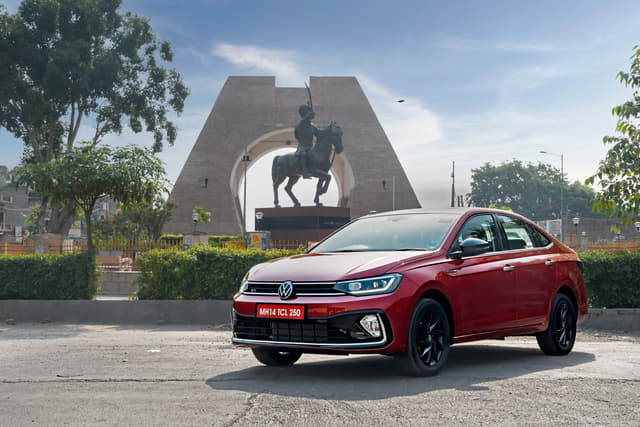
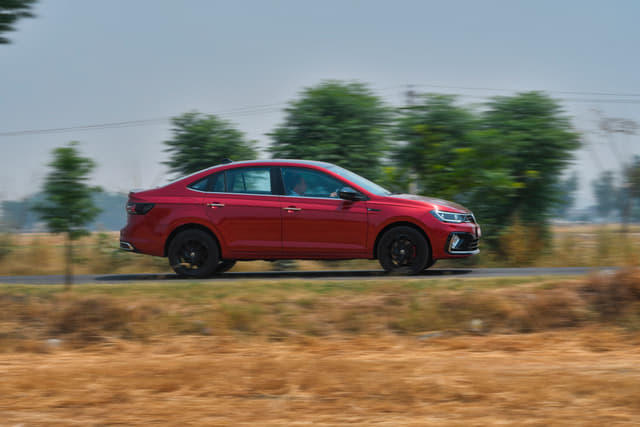
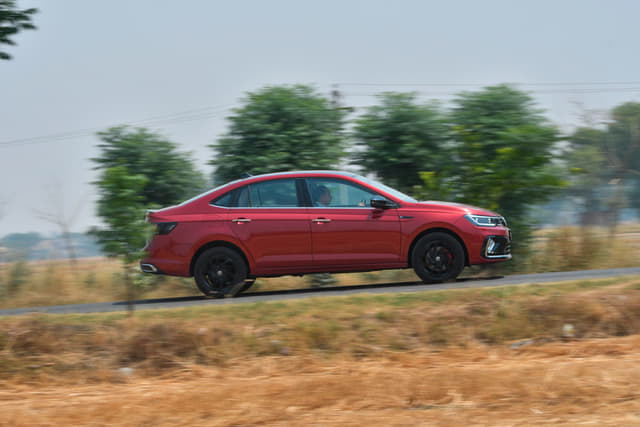
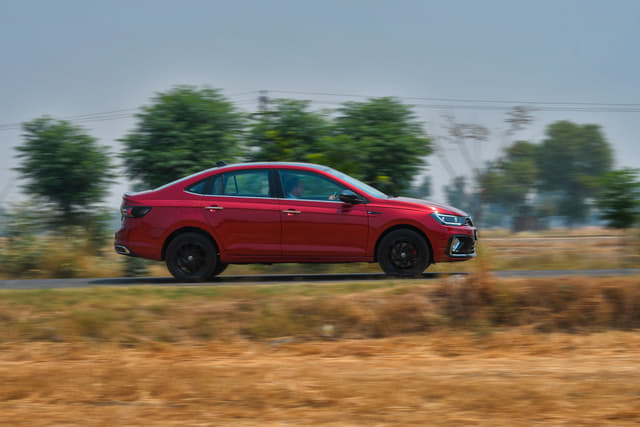
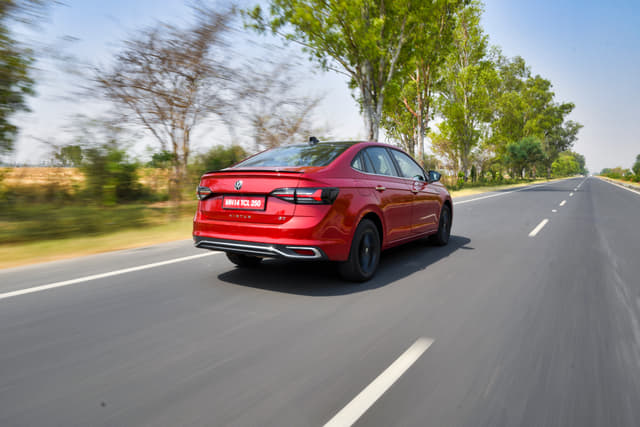
I liked the Virtus for its driving dynamics. However, the look feels 5 years old.
I booked this bike in March last year and have been waiting for more than a year now with no proper update on the launch timeline. The most disappointing part is the lack of clear communication from the company. After waiting this long, I have completely lost interest in the ultraviolet bike. A delay of this scale without proper communication affects customer trust badly.
The Honda CVT is reliable and can last up to 200K kms with regular transmission fluid changes every 20K.
Very smooth car, very comfortable for highway and city driving.
I drive this vehicle and have done around 16k so far. Drive quality is excellent. I haven't felt any issues overtaking on highways.
after driving virtus 1.5 you wont like the driving dynamics of anything else. german SUV feel is just unmatched, nothing else in this segment comes close
Volkswagen Virtus Expert Reviews
We like
Tough build
Ride and handling
We don't like
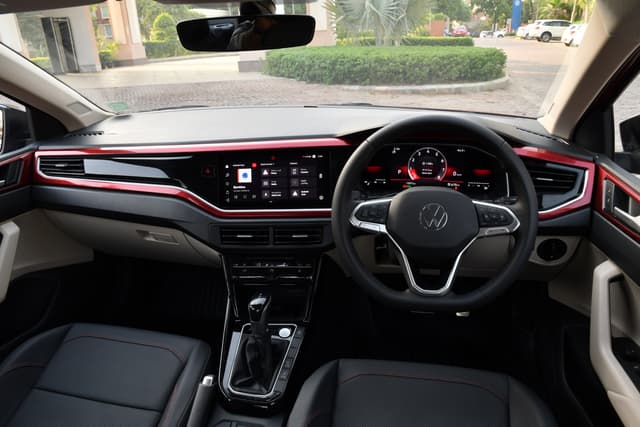
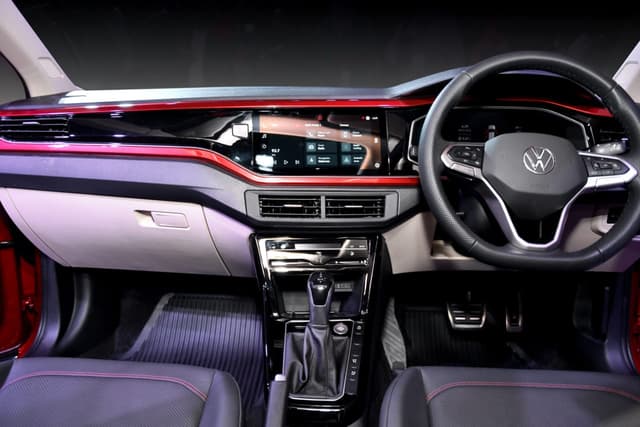
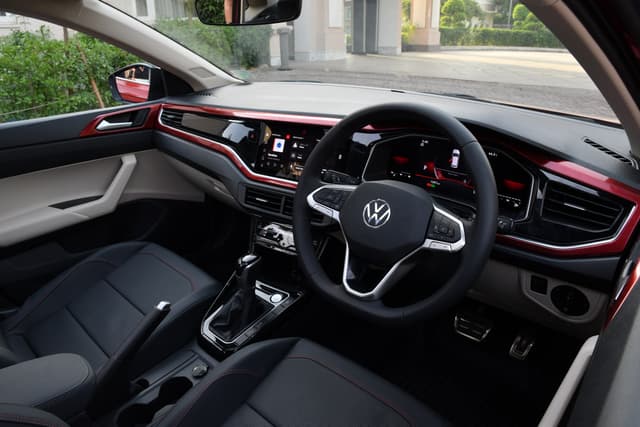
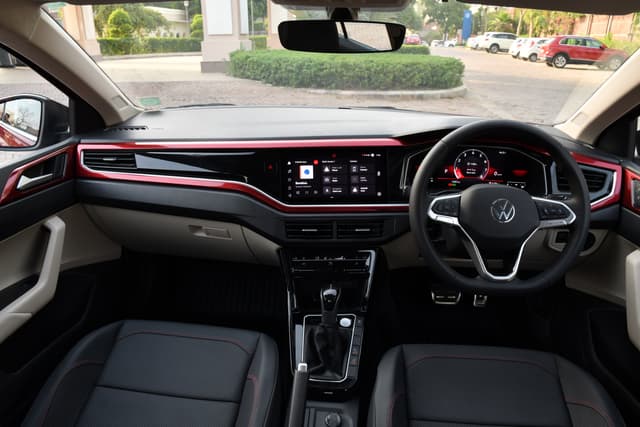
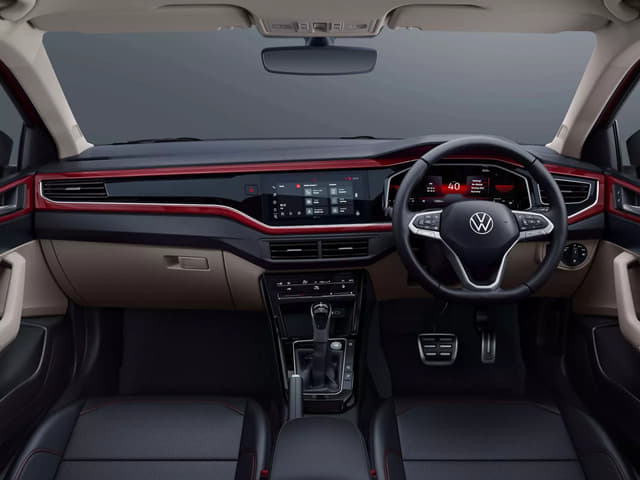
Some poor interior bits
No diesel or hybrid option
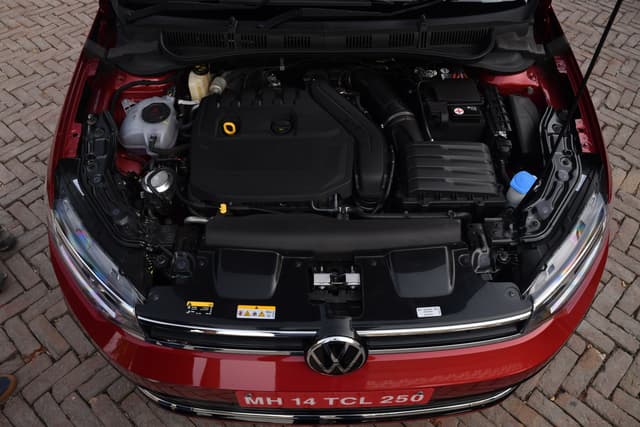
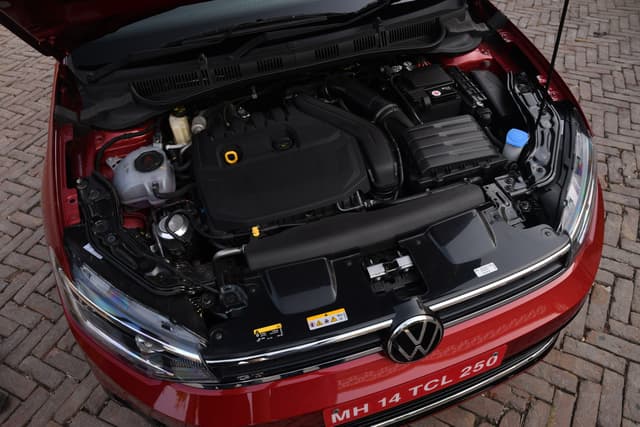
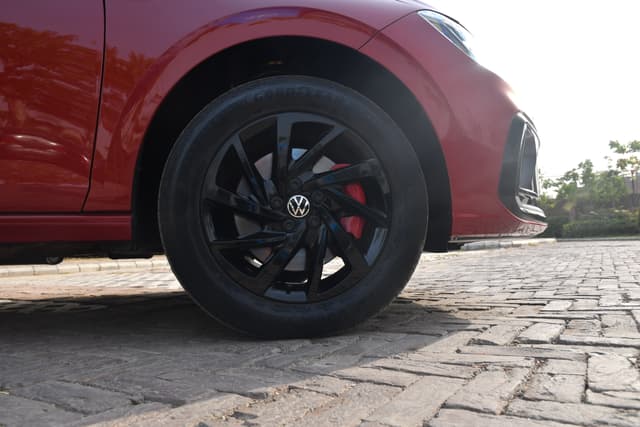
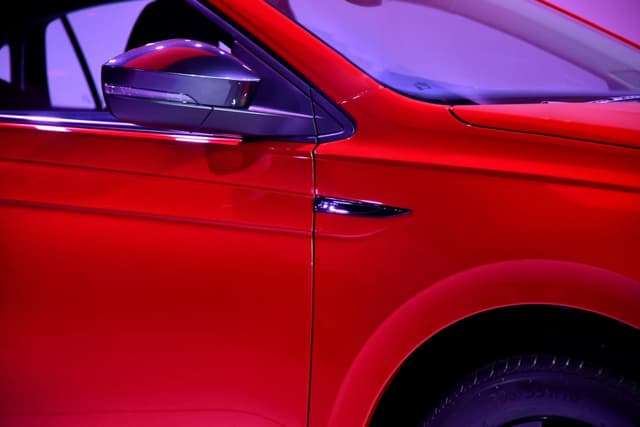
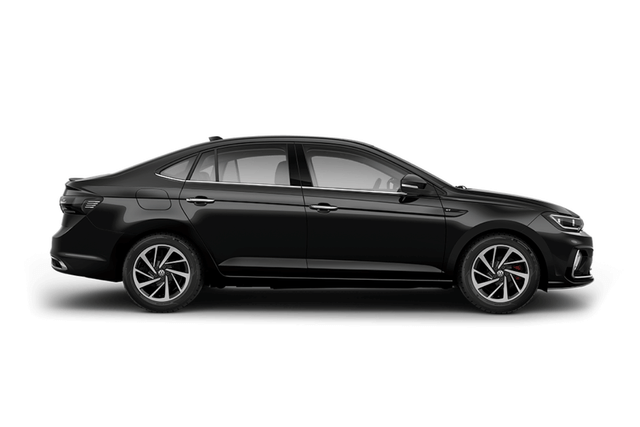
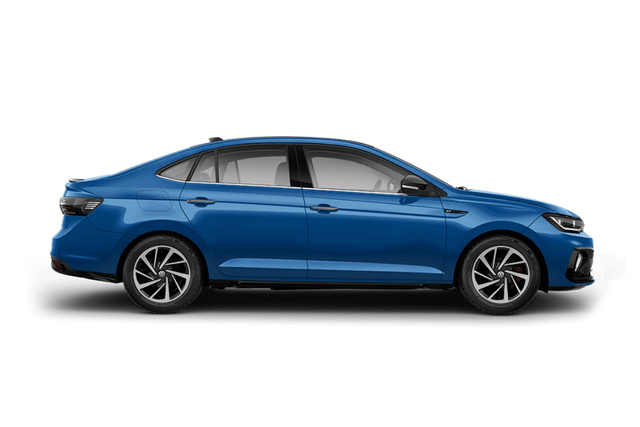
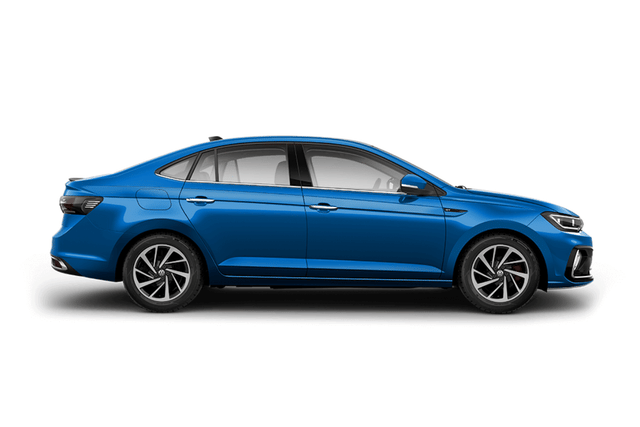
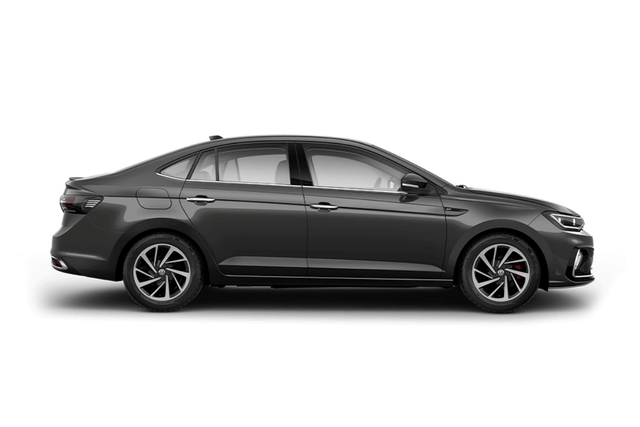
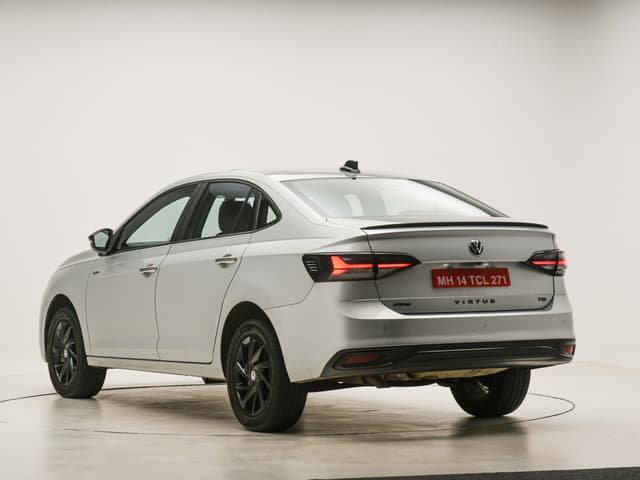
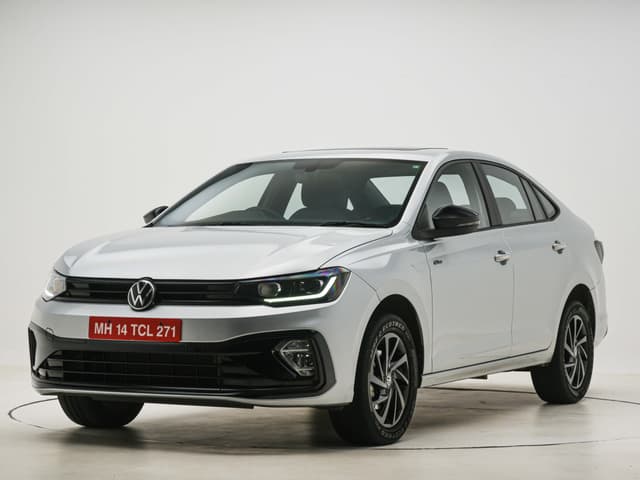
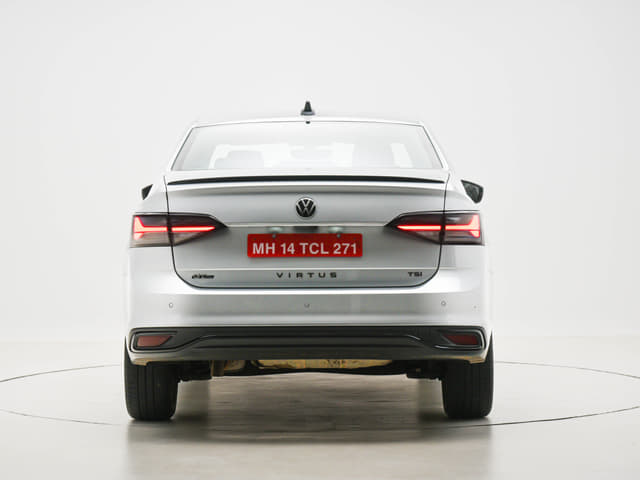
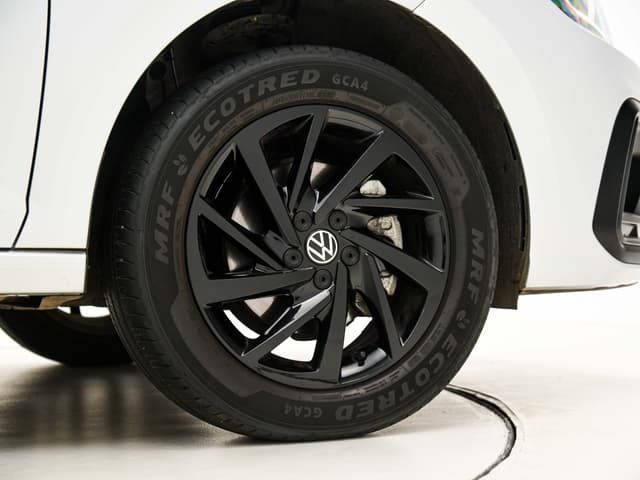
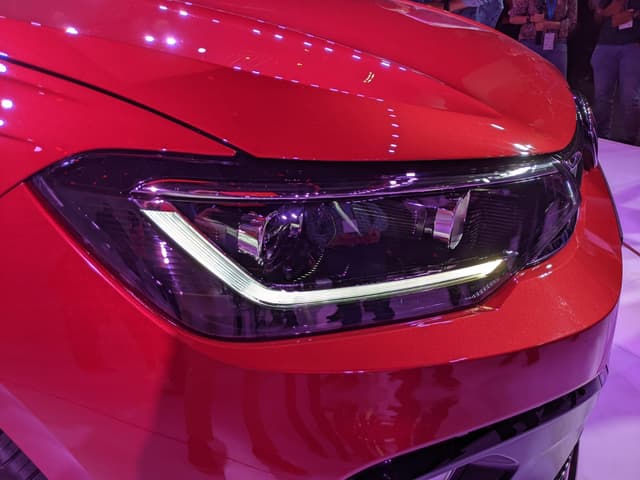
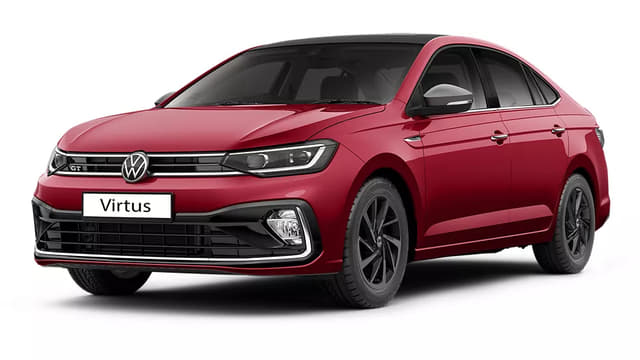
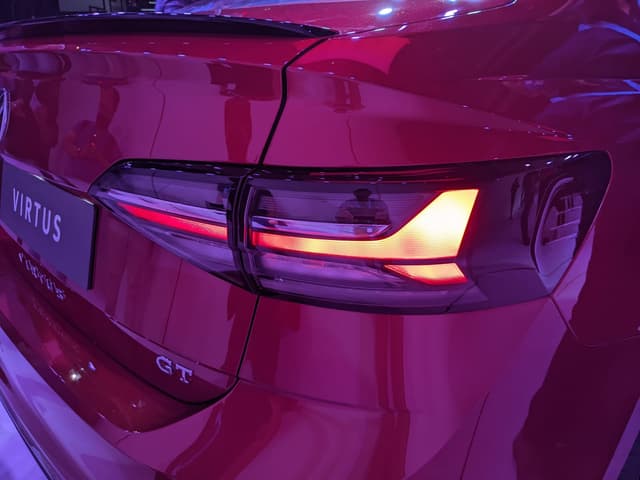
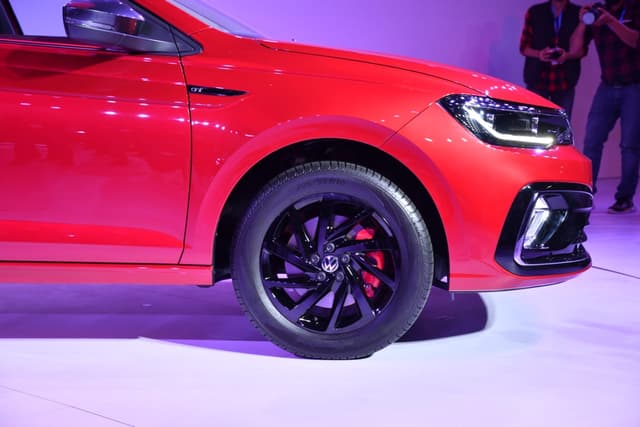
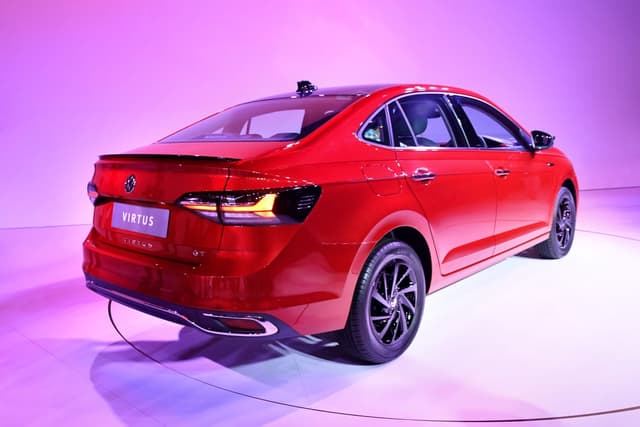
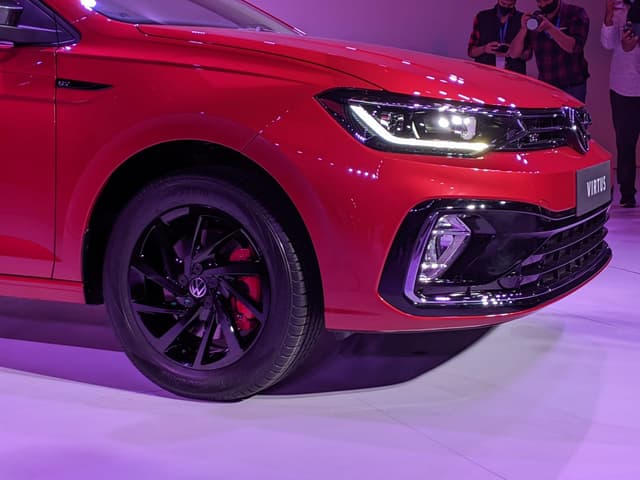
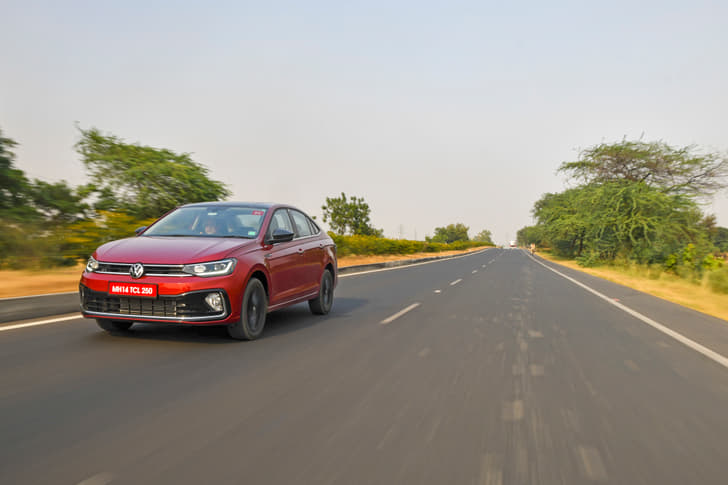
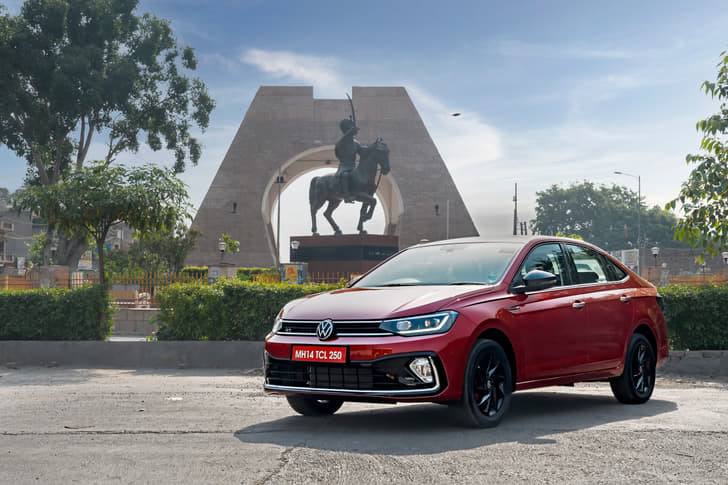
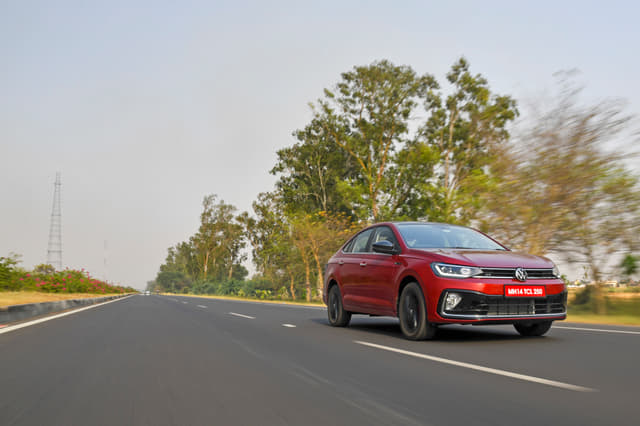
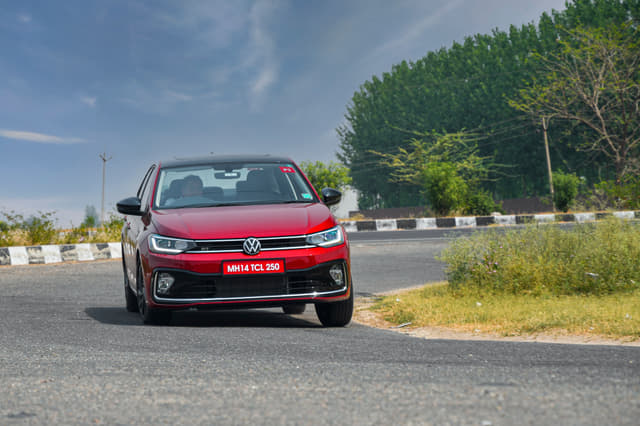
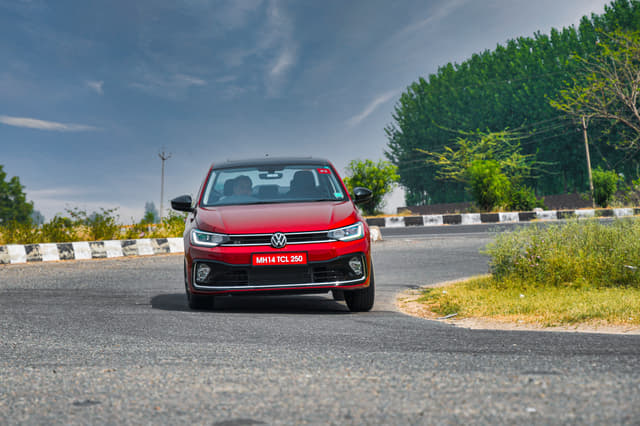
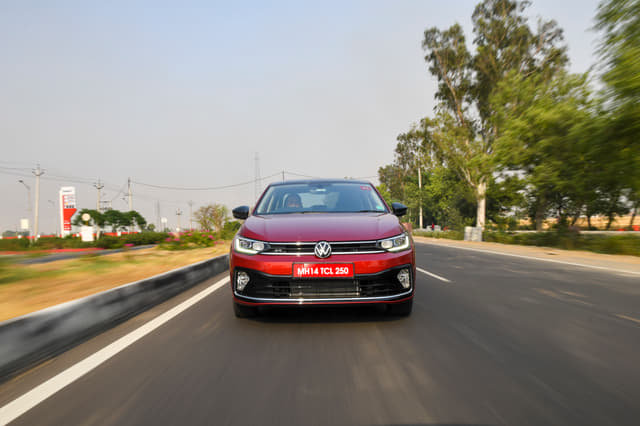
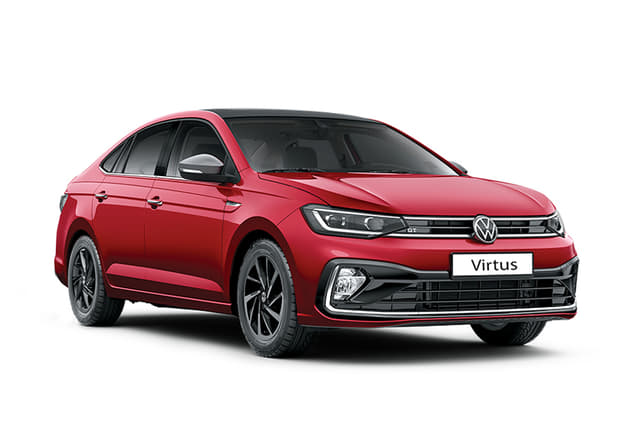
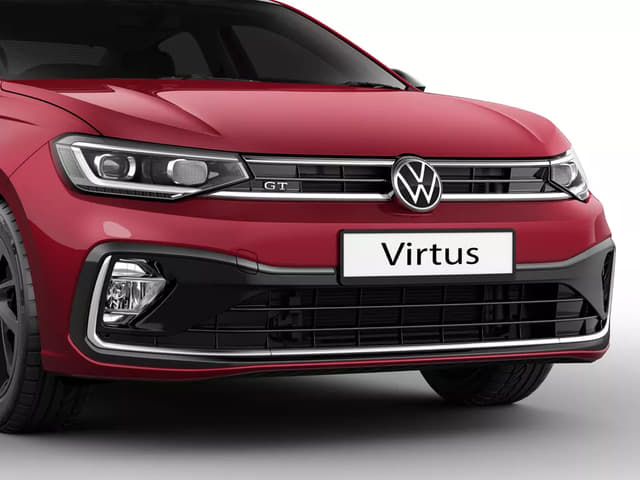
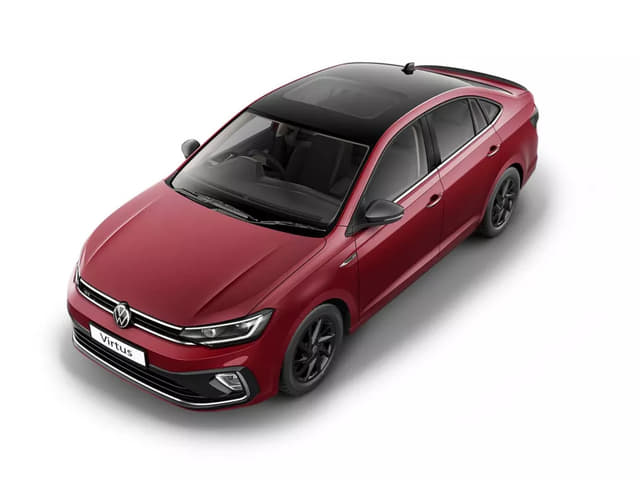
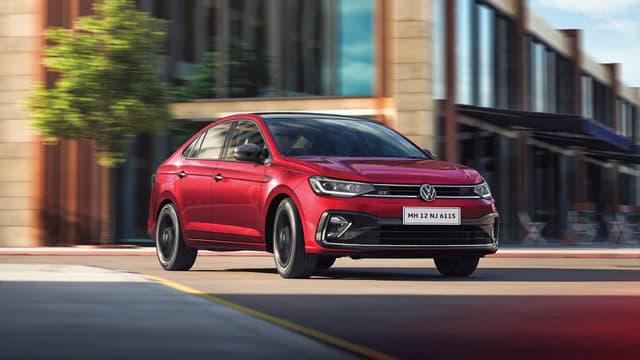
Volkswagen Virtus Images
Questions you may find useful
What would be the best upgrade from my 2015 Honda City i-DTEC VX, which has covered 1,05,000 km? I love almost everything about the car. In my next car, I would like telescopic steering, minimal to no screens, high safety ratings and long-term reliability.
Get the Honda City petrol, V trim, because you already like how a City drives, and this keeps the same easy, calm feel with a telescopic wheel, simple cabin and Honda reliability. The screen is modest, and there are still proper buttons and knobs, so it does not feel like a tablet on wheels. It is quiet, comfy over bad roads, and the petrol is smooth and efficient in real life, around 12-17 kpl depending on traffic.Safety kit is strong with 6 airbags, ESC and ISOFIX, and Honda’s service network is painless if you plan to keep the car long. One honest catch: there is no diesel now, but with your usage, the petrol will suit you just fine.If top-tier crash rating matters more than anything, look at the Skoda Slavia or VW Virtus 1.0 with lower trims for fewer screens. They are 5-star rated and drive well, but their ride is a bit firmer and long-term ownership can be fussier than Honda.
I currently have a Hyundai Eon and I am planning to upgrade to the Virtus GT. How good is the Virtus over bad roads in the city? Does it make passengers uncomfortable? If yes, should I consider Slavia?
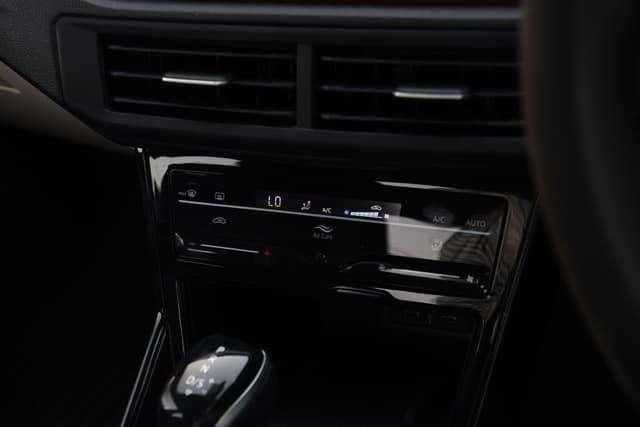
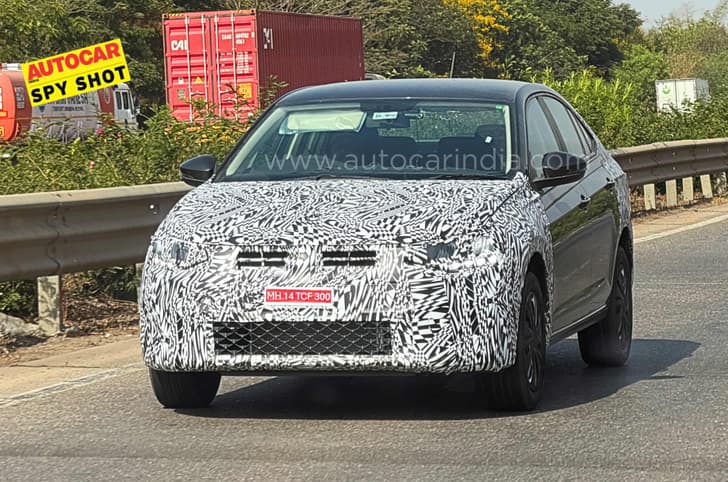
As far as your query regarding the Virtus GT or Slavia goes, both cars are mechanically identical, and the difference between their ride quality, if any, is negligible. Pick the one that appeals to you more. For bad city roads, these cars ride better than you’d expect, with enough ground clearance and suspension travel to clear tall speed breakers and swallow most potholes. Also, stability is rock-solid, which inspires great confidence at highway speeds.Volkswagen will be launching the updated Virtus towards the end of this year. It is likely to get some cosmetic enhancements, new features, and, more importantly, an upgraded air-con unit for more effective cooling. If you can, do wait for that.
My daily running is around 50 km, and I am looking for a 1.5-litre petrol manual sedan. Which would be the better choice among the Honda City SV, Volkswagen Virtus, and Hyundai Verna? Considering my usage pattern, which of these offers the best balance of performance, comfort, fuel efficiency, and long-term ownership experience?
Honda City SV manual suits your 50 km daily run best. Its 1.5 petrol is the smoothest here and the clutch and steering are light, so long city commutes will feel easier. In real traffic you will usually see better economy than the other two, and the rear seat space and ride comfort are still the class benchmark for family use.Volkswagen Virtus 1.5 TSI is no longer available with a manual so your choices are either the 1.5 TSI DSG or the 1.0 TSI manual. They are the fun pick if you love strong mid‑range and highway performance. For daily stop‑go, though, the turbo’s appetite will make it a bit costlier to run.Hyundai Verna 1.5 manual is very smooth and well equipped, but the Honda City still remains the better car to drive and be driven in.
Dear Editor, I currently own a Ford Aspire Petrol (top-end but one variant) and am planning to upgrade to a more spacious car in around Rs. 20 lakh (ex-showroom). My daily city commute is between 10 to 20 km with an additional 50-60 km once a week. I also take occasional long drives of around 500-700 km. I travel with 3 passengers, but occassionally my parents join us. I have a dedicated parking slot with home charging setup capability. Coming from a Ford, I deeply value sharp handling, tight body control, and steering feedback. I am highly intrigued by the MG Windsor EV Pro through corporate car lease due to its incredible tax benefits, low running costs, and lounge-like rear seats for my parents. However, I am worried about its soft suspension and light steering that will feel too disconnected as compared to my Aspire. Does the MG Windsor EV Pro offer enough driving engagement, and are its drive modes sporty enough for a driving enthusiast? Please suggest some other option if I buy a car myself or choose a corporate car lease. Also, between turbo petrol or EV, which one will be fun-to-drive?
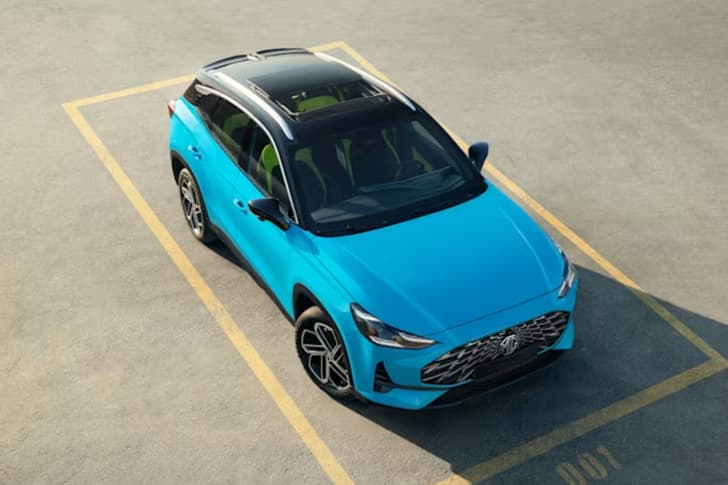
Go for the Volkswagen Virtus 1.5 TSI or Skoda Slavia 1.5 TSI. They're the closest to your Aspire’s feel for Rs. 20 lakh - quick turbo punch, crisp steering, and tight body control that stays clean at highway speeds. They're exciting enough to keep you connected, yet are easy in the city. They're spacious, have big boots for trips, and the rear benches will keep your parents happy, though they're not “lounge-like”. Do note, both sedans are due for updates soon, so its best to wait for the latest versions. If you'd prefer higher seating, the VW Taigun 1.5 TSI and Skoda Kushaq 1.5 TSI SUVs are good alternatives.About the MG Windsor EV Pro: it's got an airy cabin, being an EV runs quiet, and your parents will love the sofa-like rear. But if driver feel matters, you will miss your Ford. The steering stays light and a bit numb, and the soft suspension brings float over bumps. Drive modes mostly tweak weight and throttle, not real feedback. Lease it only if rear comfort and ultra-low running cost beat driving fun for you.
I have a budget of Rs. 12 lakh and am currently driving a Tata Tiago, which I have owned for the past 10 years. I am now looking to upgrade and would appreciate suggestions in both the sedan and SUV segments. My biggest dilemma is deciding whether I should choose a sedan or an SUV. In the sedan category, I am considering the Volkswagen Virtus and Skoda Slavia. In the SUV segment, I am looking at the Tata Nexon. Please suggest if there are any better options than these as well. My driving is evenly split between city and highway usage, and I am a light user with an average monthly running of around 1,000 km. Considering my requirements, which type of vehicle would be the better choice, and which models should I shortlist?
The first thing to note is that with a Rs. 12 lakh budget, the Volkswagen Virtus and Skoda Slavia may be difficult to fit in unless you're looking at entry-level variants or stretching your budget. The Tata Nexon, on the other hand, sits much more comfortably within your range.Between a sedan and an SUV, we'd lean towards a sedan for your usage pattern. With your driving split evenly between city and highway and a relatively modest monthly running of around 1,000km, a sedan generally offers better ride comfort, superior highway stability and a more engaging driving experience. Coming from a Tata Tiago, a Virtus or Slavia will feel like a substantial upgrade in terms of refinement, space and overall quality.If your budget is firm at Rs 12. lakh, we'd suggest looking at the Skoda Kylaq Automatic or Honda Amaze CVT as well. The Kylaq offers SUV practicality, strong safety credentials and a fun turbo-petrol engine, while the Amaze provides the smoothest automatic experience and excellent long-term ownership appeal.The Tata Nexon remains a good all-rounder with strong safety credentials and a practical cabin, but if your heart is set on a Virtus or Slavia and you can stretch the budget, they are the more rewarding cars to own and drive.


.jpg?w=640&q=75)
.jpg?w=640&q=75)