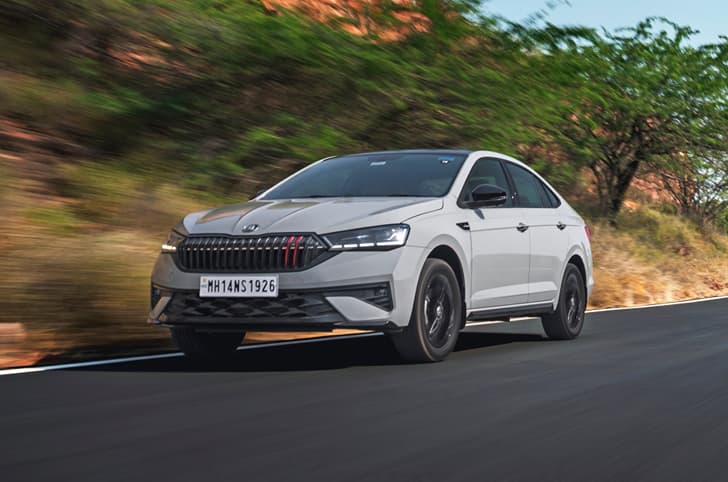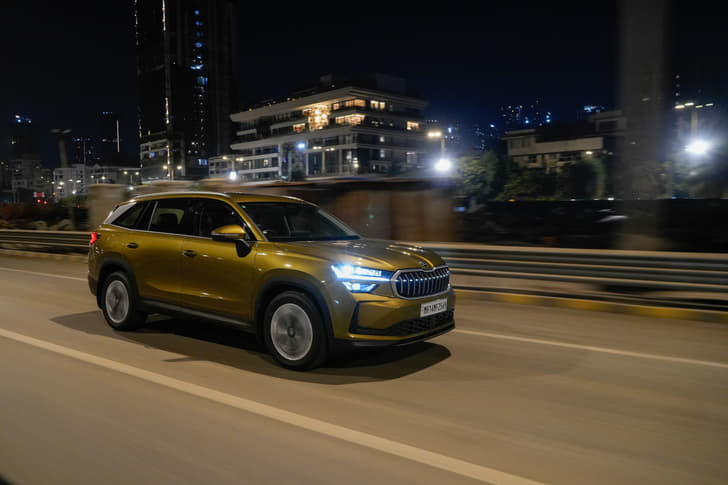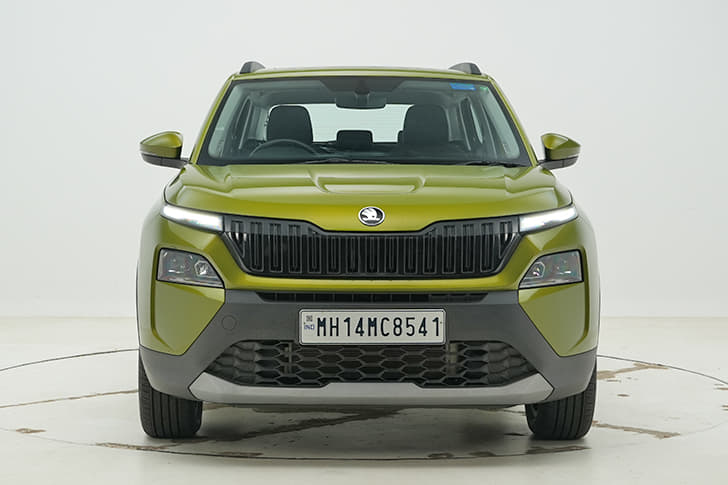
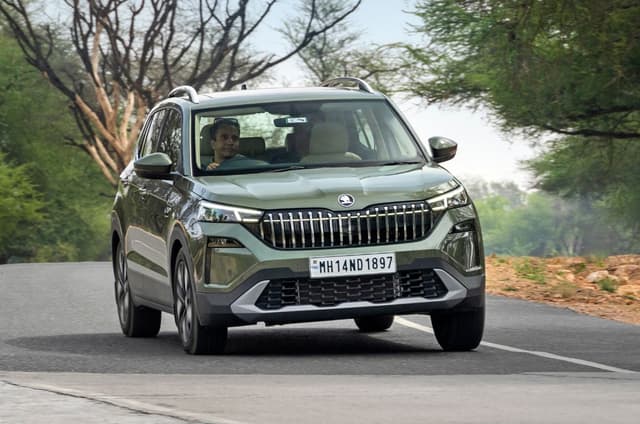
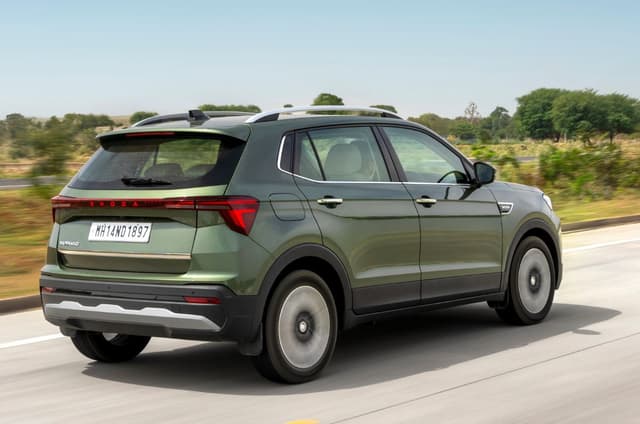
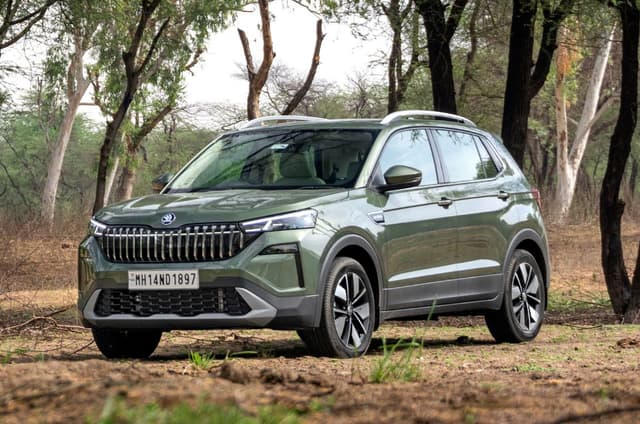


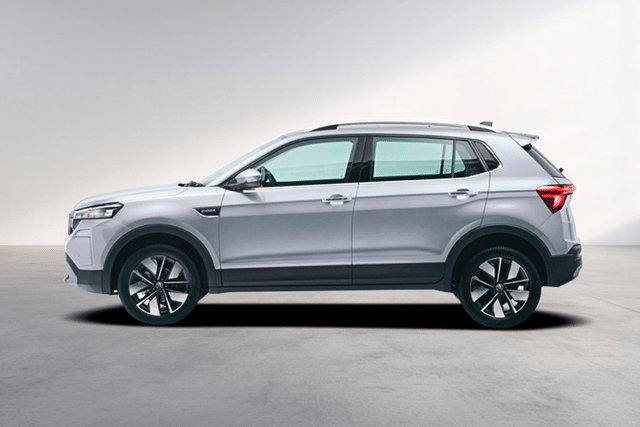
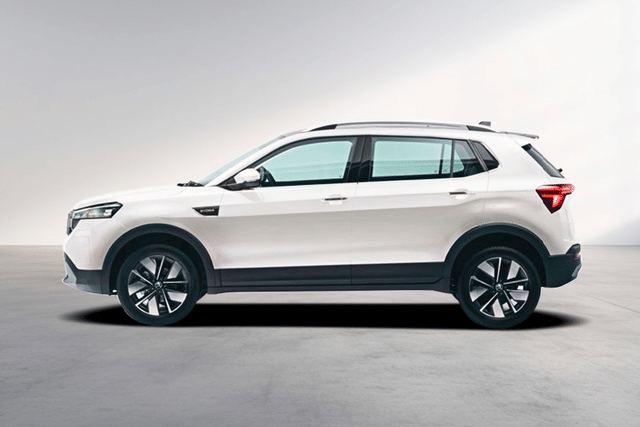
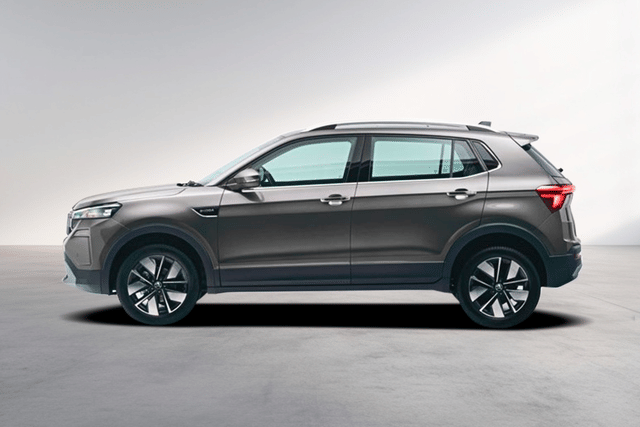
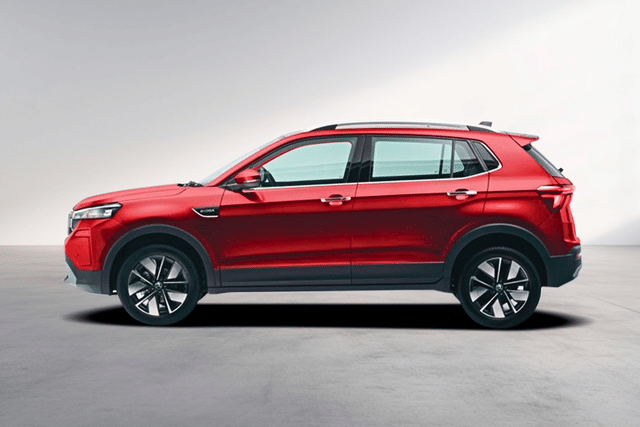
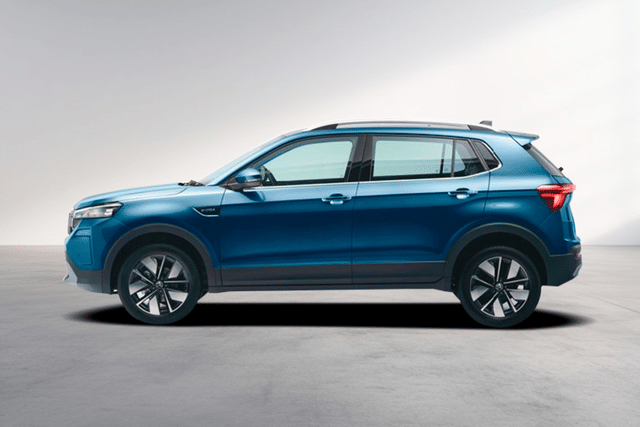


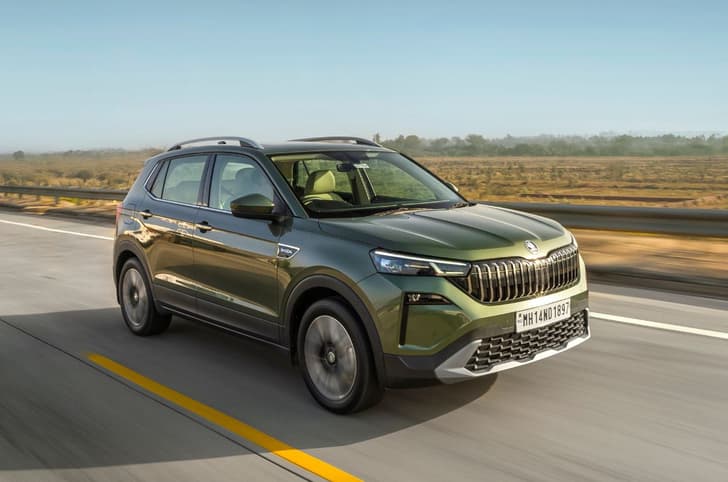
Taigun or Kushaq: Buy?


Last Updated on: 07 Nov 2026
Tell us about your experience
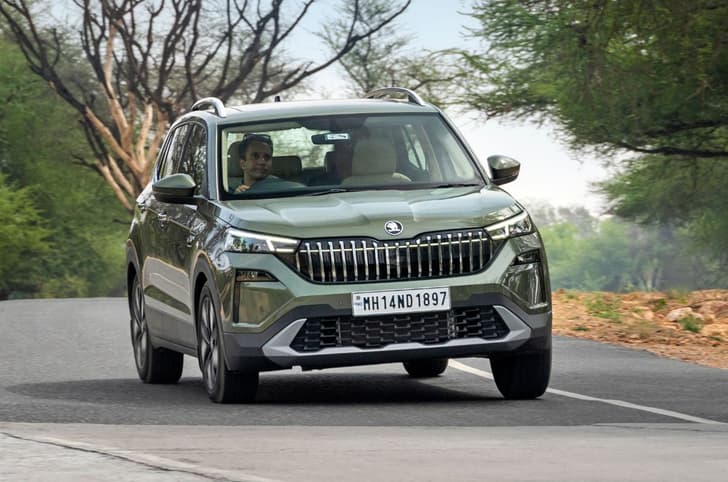
Go with Skoda Kushaq. Take service pack and extended warranty also, you will enjoy. Consider base model with dealer fitted display and alloy wheels if possible.
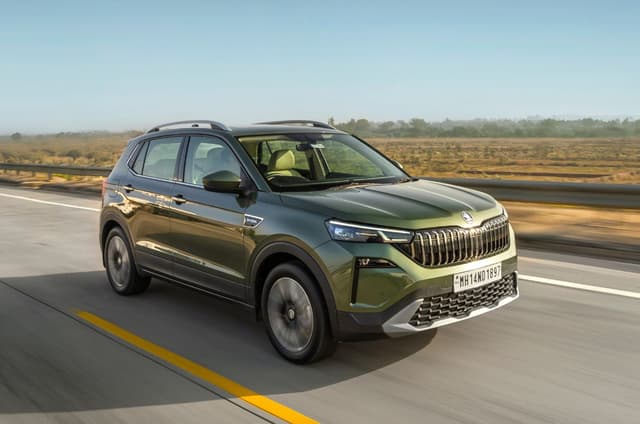
I bought the Skoda Kushaq Signature Plus last month, and I’m quite happy with my purchase. It ticks all the boxes for me, and I’m glad I chose it over the Tata Punch. In Mumbai’s bumper-to-bumper traffic, I’m getting an average mileage of 6–7 km/l, while on highways, it goes up to 16–17 km/l. AC works absolutely fine in Mumbai’s scorching heat. I took front sensors as an add-on since there’s no 360 camera.
The Škoda Kushaq Classic Plus AT offers the best value for money. It has good cabin space and impressive driving dynamics.
Facelifted Skoda Kushaq is a good pick.
It's a good car, but I would suggest the automatic variant. The clutch throw is quite long in the manual transmission. You will enjoy the power on highways, and it's quite spacious. Be a bit liberal on the economy front.
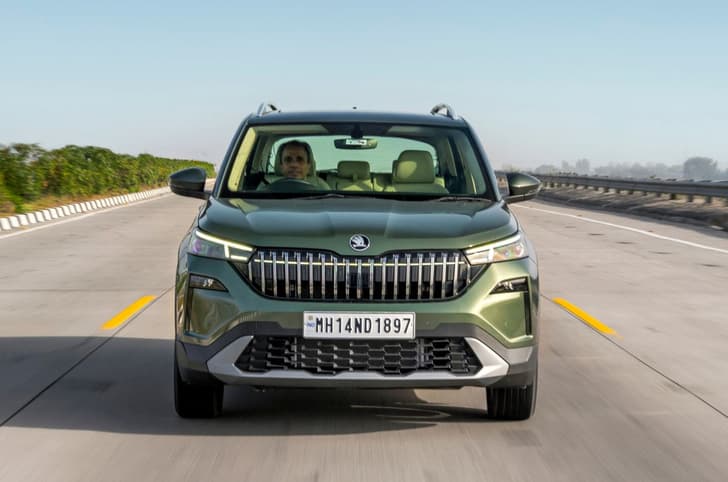
If you go for turbo engine then definitely I want suggest you Kushaq because it gives you more comfort, more refined engine and more safety.
Kushaq offers driving pleasure but is a bit tight on space.
Kushaq would be very much a driver's pleasure car, but everything else would need to be compromised, be it on features or family comfort.
Skoda Kushaq is really good, especially with the automatic option. It's 101 times better than Sonet.
I do have a Kushaq 1L manual. A gem of a machine! Love that power, balance and driving dynamics! It's strictly for 4 adults.
Smooth 8-speed AT, that’s also quick to shift
Drivetrains feel quick and energetic
Good body control and high-speed manners
Ride has a firm edge at lower city speeds
Overall NVH needs improvement
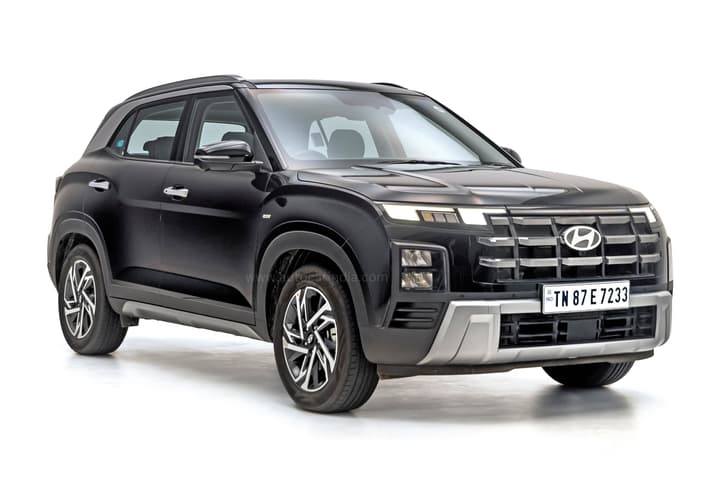
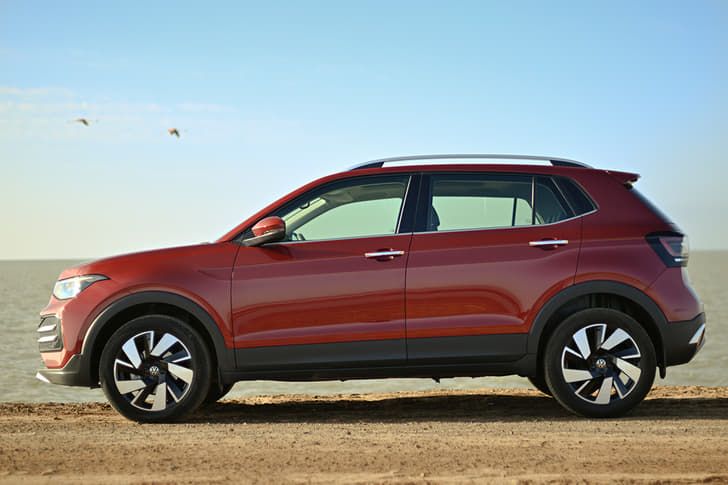
I have a 2013 Volkswagen Polo petrol, and my parents are retired. I need an automatic car that’s easy for them to get in and out of, with a very comfortable ride, excellent NVH levels and more rear-seat space. My usage is very low, about 5,000-7,000 km a year, mainly in the city, and I plan to keep the car for more than eight years. My budget is Rs 20 lakh. My shortlist includes the Mahindra XUV 3XO turbo-petrol, the Skoda Kushaq 1.0 AT and the Hyundai Creta IVT. I skipped the Kia Seltos because of its size. Which of these is the best, or are there any better options?

 Hyundai CretaSkoda KushaqMahindra XUV 7XO
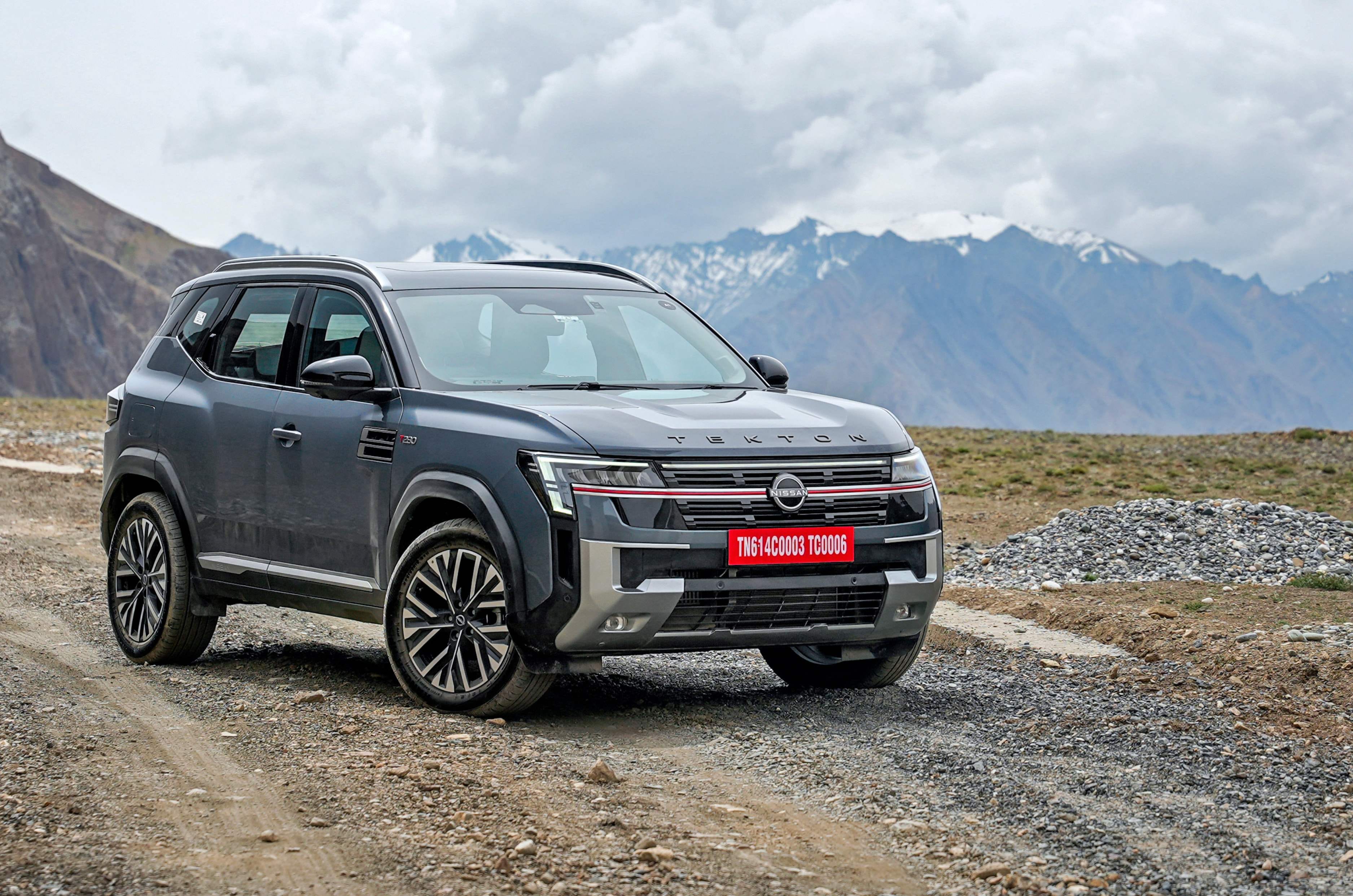
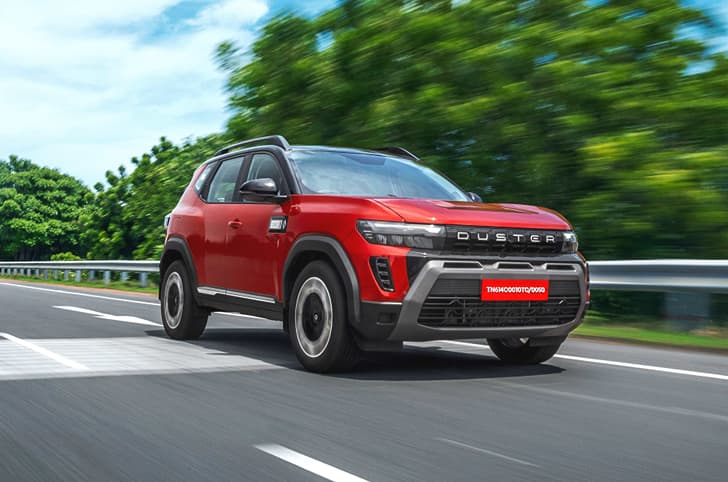
Hi, I’m planning to buy a new car, and it will be the first car in our family. I’m looking for safety, a strong and refined engine, and good comfort for rear-seat passengers, since my family members are about 5 ft 5 in tall on average. After multiple test drives, I’m confused between the Nissan Tekton 1.3 manual, the Renault Duster 1.3 manual, the Skoda Kushaq 1.5 and 1.0, and the Volkswagen Taigun 1.5 and 1.0. I’m mainly looking at the top-end variants. Which one would you suggest? If none of these, which car should I consider?
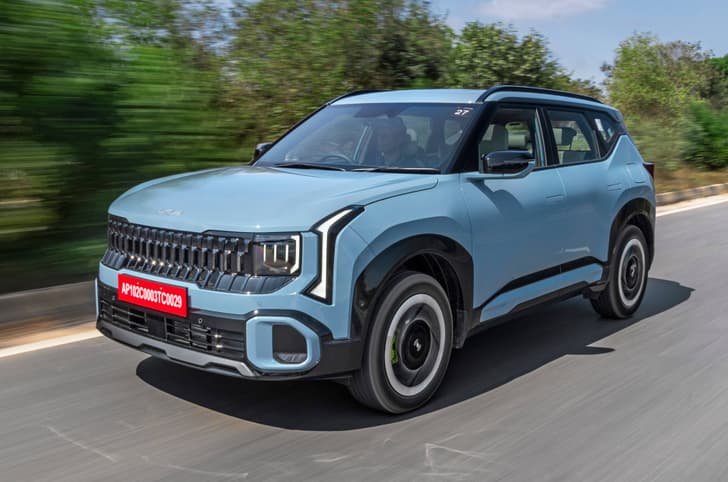
Nissan TektonRenault DusterSkoda KushaqVolkswagen TaigunI currently drive a 2022 Skoda Kushaq 1.5 TSI Monte Carlo and am planning to upgrade to a new car sometime next year. I am particularly interested in hybrid vehicles, with the upcoming JSW Combat and the next-generation Kia Seltos Hybrid being the two options I am keeping an eye on. My primary requirements are excellent fuel efficiency, a spacious and comfortable cabin, and practicality. I need a car that can comfortably accommodate my family while also serving my work requirements, including carrying equipment and occasionally travelling to operational sites in hilly areas. Considering these requirements, which of these two vehicles would be the better upgrade from my current Kushaq? I would appreciate a comparison of their expected real-world mileage, cabin and boot space, comfort, performance on steep and hilly roads, reliability, maintenance and overall value for money. Since both options may not have confirmed specifications or launch details yet, I would also like to know what information is currently available and whether it would be worth waiting for these hybrids or considering other alternatives.
Kia SeltosJSW Motors CombatSkoda KushaqDear Autocar team, I have just returned to India and am looking to purchase a compact SUV just for the two of us for 60-40% city and highway split. I want a car that feels lovely to drive and is engineered well. I am not into "features" for the sake of it. I almost bought the Sierra/Creta EVs, then realized that I don't want to spend so much, and haven't seriously thought about highway charging. I've tried the Kushaq/Taigun and really loved their built and handling. This is when I realized that I really care about the feel of driving. Only issues are firmer suspension and fuel economy. I've also booked the Duster hybrid which should solve these two problems, but I haven't test driven the petrol Duster long enough to know if I get a similar feeling on the drive. What I did feel was a cramped cabin on the duster as my left knee was on the center console and right knee was on the door. This was not a concern with the Kushaq and Taigun. I'll try the Duster petrol again, and then also the hybrid. But I wonder if I should just get the Skoda/Volkswagen since I love them. I should perhaps think about resale, maintenance etc.
Skoda KushaqVolkswagen TaigunRenault DusterI’m looking for my first personal car, although I’m in no hurry to buy one. I recently drove a friend’s Kylaq Signature+ AT and genuinely loved it. It felt mature, eager, and somehow familiar, almost like home. Since I intend to keep my cars for a long time, I started exploring larger European cars. The Kushaq’s exterior is jaw-dropping, but something feels missing in its dashboard design. The Taigun’s interior looks premium, even if the materials aren’t particularly soft-touch. Then there’s the European Duster Adventure AT, which costs around Rs 4 lakh less than some of my other options, but I’m not particularly keen on its reflector headlights. Now I’m tempted to test-drive the Scorpio-N Z6 D AT and XUV 7XO AX3 D AT as well, since they fall within a similar price range. However, fuel efficiency, servicing and overall ownership costs seem excessive for someone who drives barely 5,000km a year, mostly for pleasure. I commute on my Jupiter. Here’s my dilemma. The Kylaq Sportline AT would cost around Rs 13 lakh with BH registration. I loved driving it, and its space should be sufficient even if kids enter the picture five years from now. The Duster Adventure AT costs around Rs 16 lakh and sits a segment above the Kylaq, with a more substantial mechanical package. My heart has wanted a VW or Skoda ever since we bought Dad’s Honda City, which is why the Kushaq and Taigun remain tempting options. Then there’s the XUV 7XO AX3 D AT at around Rs 20 lakh. It’s huge and tempting, but I’m unsure about its body roll. My friend’s 2019 XUV500 impressed me, although its body roll was noticeable. I don’t really need a big SUV, but if I’m buying a car to keep for the long term, should I stretch my budget or stick with the Kylaq, which I already love driving?
Skoda KylaqSkoda KushaqVolkswagen TaigunRenault DusterMahindra XUV 7XO