Volkswagen Cars Under 20 Lakh in India (4)
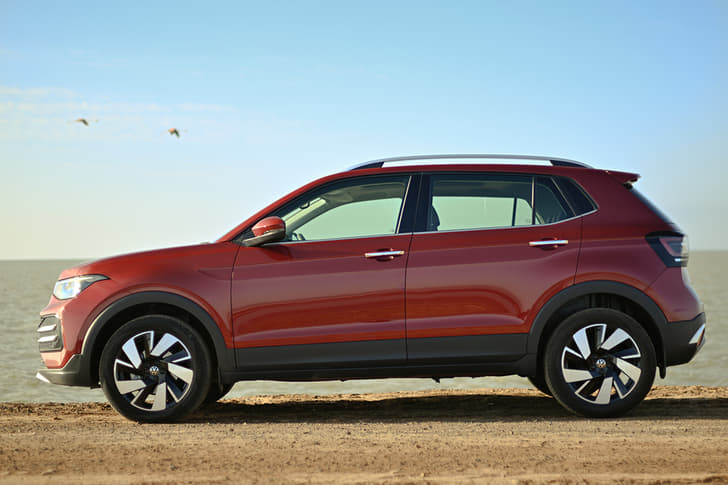
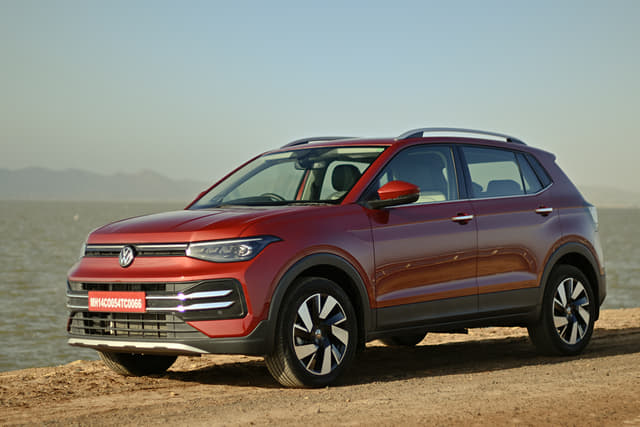
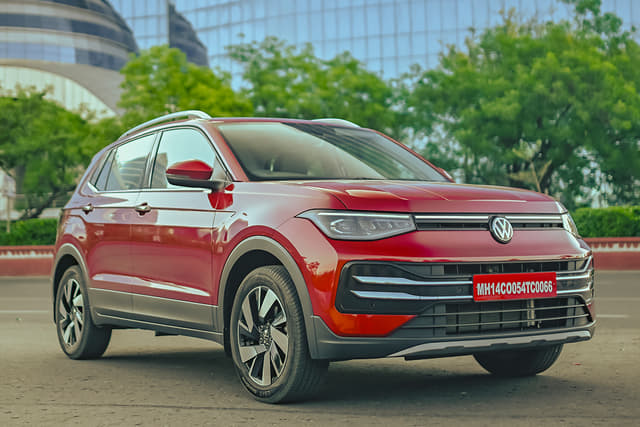
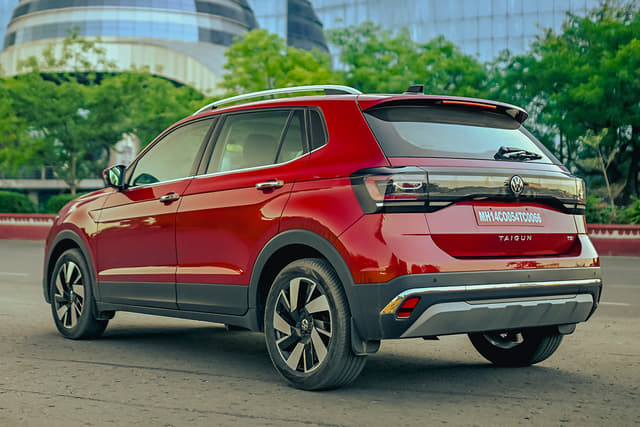
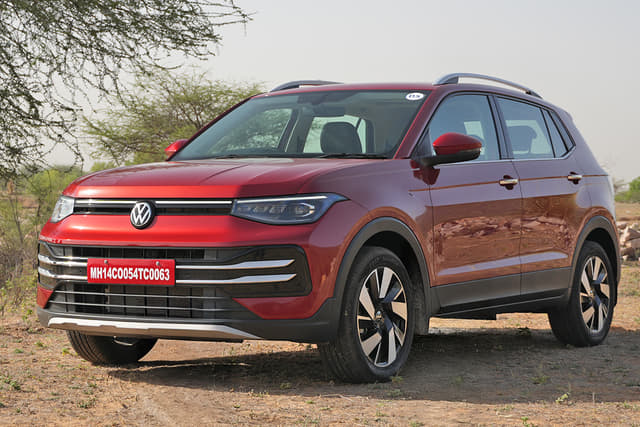
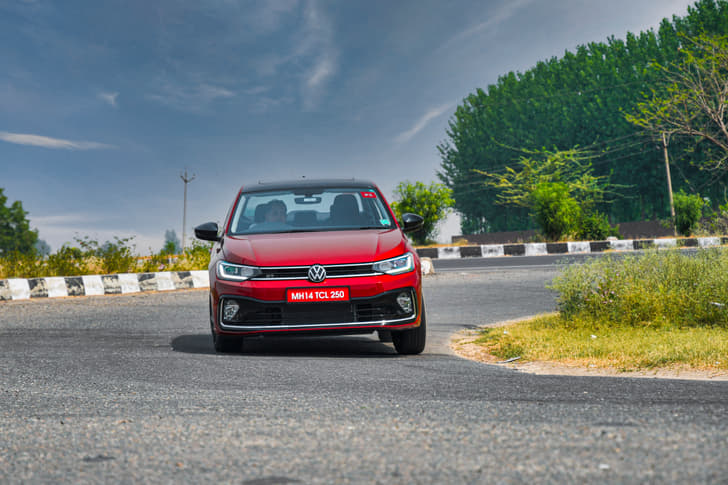
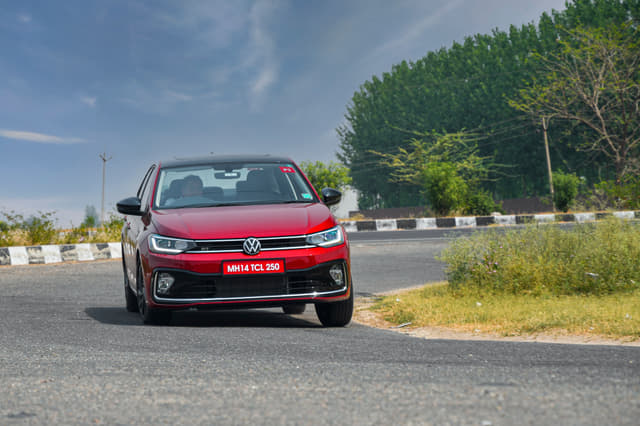
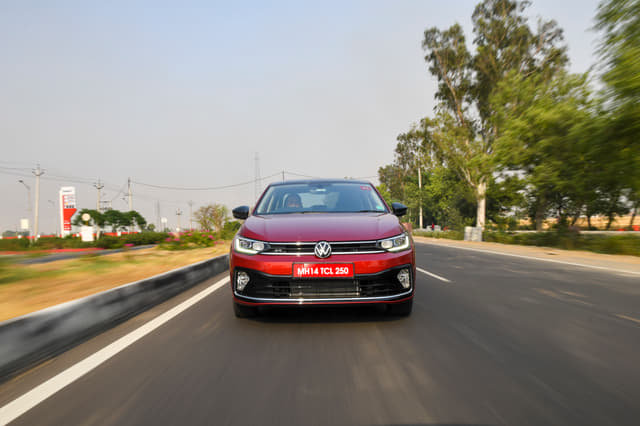
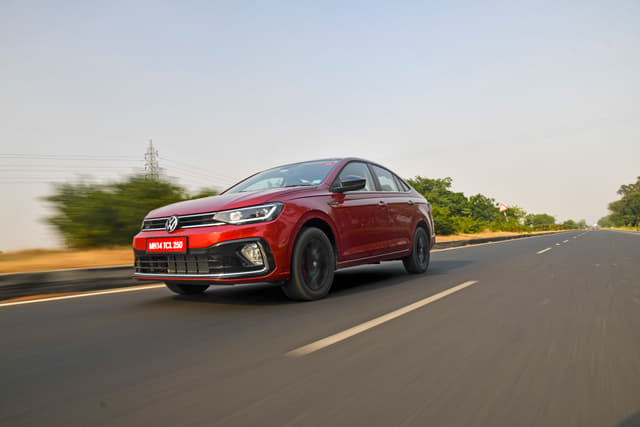
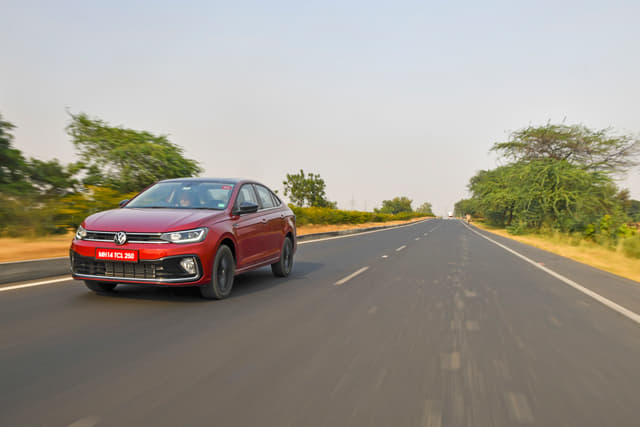
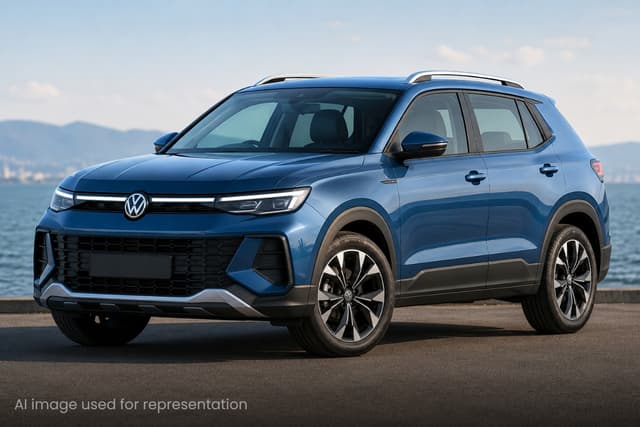
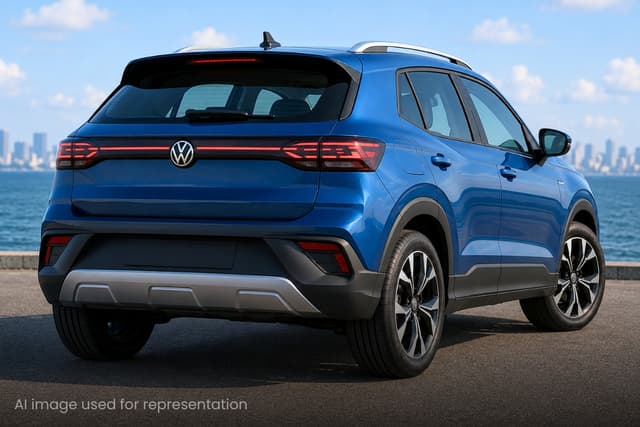
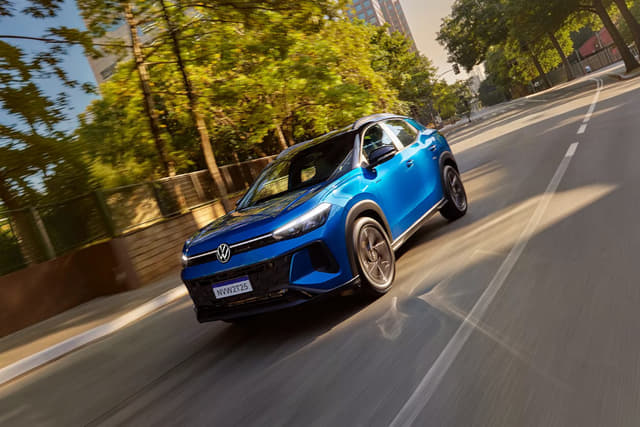
The Volkswagen cars under 20 lakh include the Virtus sedan and Taigun SUV, with the entire range of both models falling within this budget. The Virtus is priced from Rs 10.71 lakh to Rs 19.20 lakh, while the Taigun ranges from Rs 11 lakh to Rs 19.30 lakh, both ex-showroom.
What does the extra Rs 5 lakh bring?
Moving from a Rs 15 lakh to a Rs 20 lakh budget brings access to more powerful versions of both Volkswagen models. The 1.5-litre TSI engine produces 150hp and is paired with a 7-speed DSG automatic gearbox. It is available in the higher variants of both the Virtus and Taigun.
The additional budget also brings more equipment. Higher variants get features such as ventilated front seats, a panoramic sunroof, electric front seats and wireless Android Auto and Apple CarPlay. The top-spec Taigun GT Plus Sport combines the 1.5-litre TSI engine with the 7-speed DSG and this additional equipment.
Therefore, the jump to Rs 20 lakh is mainly about gaining access to the larger engine and higher equipment levels. It does not add another model to the Volkswagen range, as both the Virtus and Taigun are already covered within the Rs 15 lakh bracket.
Which Volkswagen Car Under Rs 20 Lakh Makes More Sense?
Choosing between the Volkswagen cars under 20 lakh largely comes down to body style and driving requirements. The Virtus suits buyers looking for a sedan with a large boot and engaging road manners, while the Taigun caters to those who prefer an SUV with a higher seating position and added practicality.
The Rs 20 lakh budget also gives buyers more flexibility when choosing between variants. Those prioritising performance can consider the 1.5-litre TSI versions, while buyers more focused on features can move up to the higher-spec variants. The choice ultimately comes down to whether the sedan format of the Virtus or the SUV layout of the Taigun better suits the requirement.


Filter your search

Filter your search
Volkswagen Cars Under 20 Lakh - FAQs
Volkswagen does not offer an All Wheel Drive car under Rs 20 lakh in India. The Taigun and Virtus models are strictly offered with a front-wheel-drive (FWD) configuration.
The Taigun GT Plus Sport 1.5 TSI DSG is the top variant at Rs 19.30 lakh ex-showroom, but its on-road price rises above Rs 20 lakh. For example, it costs about Rs 22.39 lakh on-road in Delhi.
Yes. Both the Volkswagen Virtus and Taigun are available with the 1.5-litre TSI engine under Rs 20 lakh ex-showroom. The engine is paired with a 7-speed DSG automatic, with the Virtus GT Plus starting at Rs 18.84 lakh and the Taigun GT Plus starting at Rs 18.89 lakh.
Trending Questions on Volkswagen Cars - Answered by Autocar Experts
Hi everyone, I have a budget around 13 lakh and my annual running is around 8,000 km. I'm confused between buying a sedan or compact SUV like Kia Seltos etc. as I have sold my Tata Punch last month that I owned almost for 4.5 years but now I want to purchase good and elegant looking car that can last for 7 to 9 year without any hassle. Me and my wife have shortlisted cars like New Honda City SV variant, New Skoda Slavia Base one, or Upcoming Virtus in sedan segment. In suv segment, I have shortlisted cars like Seltos, Grand Vitara, etc. My wife wants to shortlist sedan. Please suggest me which one should I go for as it's the matter of investing my hard earned money. Also, which car will have good resale value in future.
Go for the Honda City SV petrol manual. With your annual running of 8,000km, petrol is the right choice, and the City is one of the most reliable and hassle-free cars you can buy. It is also a car that is known to last well beyond 7-9 years with proper maintenance, which fits your ownership plan. The SV variant gives you the essentials within your budget, and the City’s strong resale value and Honda's wide service network make it a sensible long-term investment.The Skoda Slavia and Volkswagen Virtus are both excellent to drive, but the City is the safer long-term bet. Skoda and Volkswagen have improved their ownership experience, but Honda still has the edge when it comes to reliability and peace of mind over a long ownership period. On the SUV side, the Seltos and Grand Vitara are both good cars, but at your budget you will be looking at base variants, and neither will have as much resale as the City.Since your wife prefers a sedan and you are looking for a car that will last without hassle, the Honda City SV is the best option.
I’m planning to buy my first car and would appreciate some suggestions. My budget is around Rs. 13-15 lakh ex-showroom, and I’m planning to register the car under the BH series. Safety is my top priority, so I strongly prefer a car with a 5-star safety rating, preferably from Global NCAP. An automatic transmission is a must. The car will mainly be used for weekend family trips and highway drives rather than daily commuting. Since it will be a family car, I’d prefer something that looks classy and elegant while offering good comfort. A premium-looking interior would be a plus, and features such as leather/leatherette upholstery and ventilated seats would be nice to have, but they aren't deal-breakers. At the same time, I don’t want a car that is purely comfort-oriented. I enjoy driving, so I’d like something with a good engine, enjoyable handling, and a fun-to-drive character. Good rear-seat comfort and reasonable luggage space for family trips would also be appreciated.
Based on your requirements, the Skoda Kushaq 1.0 TSI automatic is the recommendation. It strikes the right balance between safety, driving enjoyment and family usability. The 1.0 TSI engine is strong, the handling is engaging, and the car feels solid and confidence-inspiring on the highway. The interior feels premium, and while it may not be the largest in its segment, overall comfort is quite good. If you prefer the look of the VW Taigun, it offers largely the same experience as the Kushaq. The Renault Duster 1.3 DCT is also a strong alternative, offering excellent driving dynamics and a larger cabin. Overall, though, the Kushaq 1.0 TSI automatic is the car that best aligns with your requirements.
Looking for a sedan that fulfils the following criteria, in order of preference: Smooth, non-bumpy ride that doesn’t wobble over potholes and speed breakers Good mileage Relatively low maintenance costs Comfortable rear seats with good legroom, as the car will be chauffeur-driven Budget: Rs. 12–16 lakh Usage: 95% in city traffic Please suggest suitable sedans based on the above criteria, ranked from highest to lowest preference. Brands such as Honda, Hyundai, Skoda and Volkswagen are preferred. I am currently using a Kia Sonet, which is absolutely disappointing in all the above respects. Thanks, Dr Chinwalla
For your requirements, the Honda City is what we would recommend. It offers the most comfortable rear seat in the segment, with excellent legroom and a well-cushioned bench that makes this Honda car ideal for chauffeur-driven city use. The ride quality is also very well judged, with the suspension absorbing potholes and speed breakers without the car feeling bouncy or unsettled. Honda’s reputation for reliability and relatively low maintenance costs further strengthens its case, and the City’s petrol engine is efficient enough for your predominantly city driving.The Hyundai Verna 1.5 MPI would be the second choice. It offers a comfortable ride and a premium cabin experience, but the rear seat is not as spacious or as comfortable as the City’s, which is a key consideration for your usage. And while the mileage is good, it's not quite as good as the City's. The Skoda Slavia and Volkswagen Virtus are both good cars, but their ride quality is firmer, and they are not as well suited to chauffeur-driven city use.Overall, the Honda City is the best fit for your requirements and budget. It delivers the right balance of comfort, ride quality, efficiency and ownership experience for a predominantly city-driven sedan.
I want to upgrade from my 12-year-old VW Vento to a comfortable SUV. My driving is not much, around 300-400 km per month. My budget is Rs 18-20 lakh, and I intend to keep the car for a long time. Which one should I go for?
Since you own a VW Vento, you are already familiar with VW's sales and service experience; hence, you could consider getting the Volkswagen Taigun 1.0 8AT. It is a solid mid-size SUV that is likely to feel very similar to your outgoing vehicle in terms of driving manners, but at the same time it packs in all the niceties, as well as a more powerful turbo-petrol engine with a modern 8-speed automatic. The Skoda Kushaq is also an option you could consider, which is the Taigun's mechanically identical Skoda counterpart.Alternatively, you could consider a Kia Seltos 1.5 IVT too. It is a bit larger, more spacious, comfier and better equipped than the two VW-Skoda SUVs From a long-term perspective, the Kia car mentioned above deserves serious consideration.
I am using a Volkswagen Virtus GT 1.5 TSI Turbo, purchased in August 2024. It has completed around 16,000 km and my current monthly usage is approximately 1,000 km. Should I continue with the same car, or would it make sense to switch to an EV within the amount I could get by selling the Virtus? The estimated resale value is around Rs 14 lakh, based on online valuation. Kindly suggest.
With a monthly running of around 1,000 km, the financial case for switching to an EV isn't particularly strong. The Volkswagen Virtus GT 1.5 TSI is an engaging car to drive, and with just 16,000 km covered so far, it is still relatively new. Selling it now would mean absorbing a significant depreciation loss, and the approximately Rs 14 lakh you receive is unlikely to buy an EV that offers a noticeable upgrade in terms of performance, space, or overall ownership experience.Electric cars make the most sense for buyers with very high monthly running or a usage pattern where lower running costs can quickly offset the purchase price. At your current usage, the savings are unlikely to be substantial enough to justify replacing a car that is already serving its purpose well. The Virtus GT is also a car that rewards long-term ownership.Our advice is to keep this Volkswagen car and continue enjoying it for the next few years. At this stage, neither the financials nor the practical benefits strongly support making the switch to an EV.
Last Updated on: 3 Sept 2026