Suv Cars Under 30 Lakh in India (88)
Discover the best Suv Cars Under 30 Lakh. Our comprehensive guide covers detailed specifications, expert reviews, pricing information, and buying advice for Suv Cars Under 30 Lakh. Find the perfect cars that matches your requirements and budget.


Filter your search
Filter your search


Trending Questions on Cars - Answered by Autocar Experts
I am a first-time car buyer with a budget of Rs. 24 lakh. I really like the Kia Seltos X-Line (A) CVT petrol variant. Around 80% of my driving will be in the city, with the remaining 20% on highways. However, I am quite confused about whether I should buy a petrol vehicle or consider an electric car, especially given the increasing ethanol blending in petrol. I am planning to keep the car for at least 10 years, so long-term reliability and running costs are important to me. What would you recommend in my situation? Should I go ahead with the Seltos petrol, or would an EV be a better choice for the next 10 years and which EV?
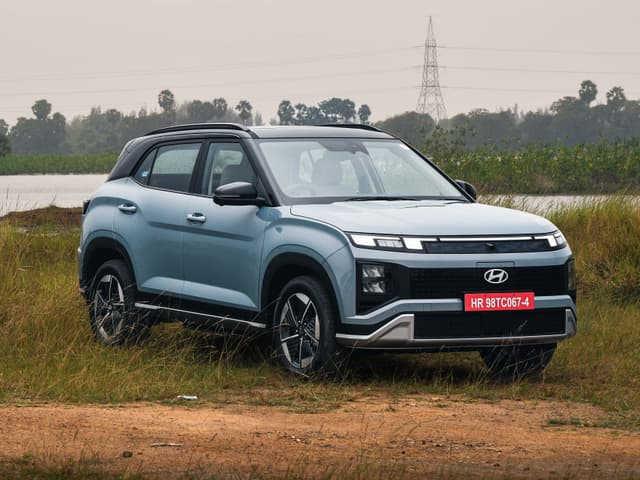
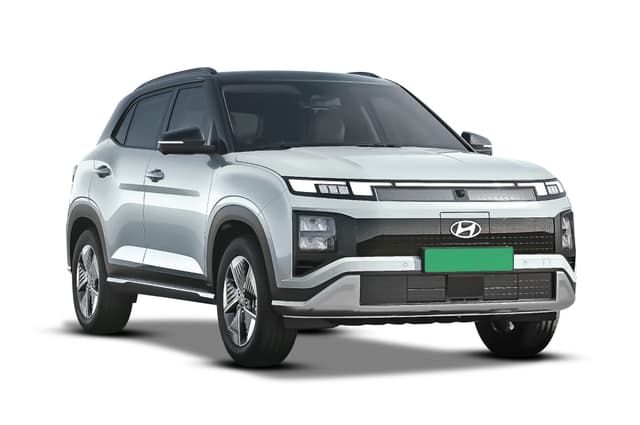
Go ahead with the Kia Seltos 1.5 petrol CVT (IVT). Your usage is 80% city and 20% highway, and you plan to keep the car for 10 years. In this scenario, a petrol automatic is the most sensible choice. The Seltos CVT is smooth, easy to drive in traffic and well suited to your usage pattern. It is also a proven product with a strong ownership track record.On ethanol blending, there is no need to worry. Modern petrol engines are engineered to handle E20, with a higher threshold for future blends. The impact is mainly a slight reduction in fuel economy, not a major long-term reliability concern.An EV only makes sense if you have home charging. If you were to consider an EV, the Hyundai Creta Electric would be our recommendation.
I am using a Datsun redi-GO 2016 model and am planning to upgrade to a 5-seater automatic car. I mostly use it in city traffic, with an average daily travel of 60 km. I have a bit of a back problem, so I need a car that is suited for long-term ownership. I am open to suggestions for current or upcoming cars, except Tata and Mahindra. I initially shortlisted the Creta S (O) and later tried the Kylaq, but the Creta is expensive for my budget. My budget is Rs. 15-18 lakh.
Given your requirements, the Skoda Kylaq automatic is the most sensible recommendation. Your daily running of 60 km in city traffic makes a petrol automatic the right choice, and the Kylaq's 6-speed torque converter automatic is well suited to stop-start conditions. The Kylaq also offers a comfortable ride and supportive seats, which is important given your back problem. It is also a more practical upgrade from your Redigo, offering a higher seating position and better overall comfort without stretching your budget.The Hyundai Creta S Optional is a good car, but it sits at the upper end of your budget and though it does offer additional value like a more spacious cabin. The Kylaq, on the other hand, offers a more engaging driving experience while still delivering a comfortable ride, making it better value for money for your requirements. If you are open to upcoming cars, the Honda Elevate facelift is worth considering as well, as it is expected to offer a comfortable ride and Honda's reputation for reliability. However, the Kylaq remains the stronger recommendation given your budget and requirements.
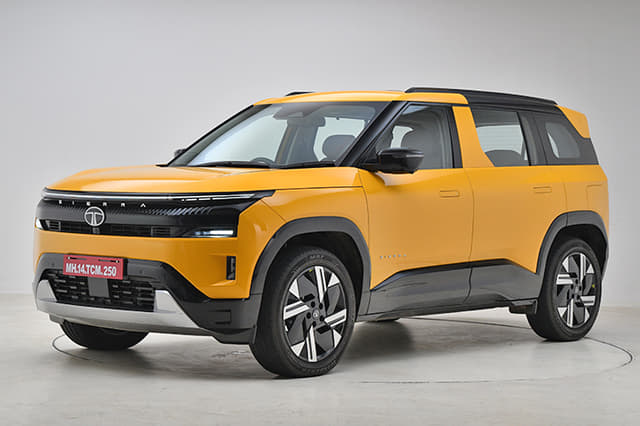
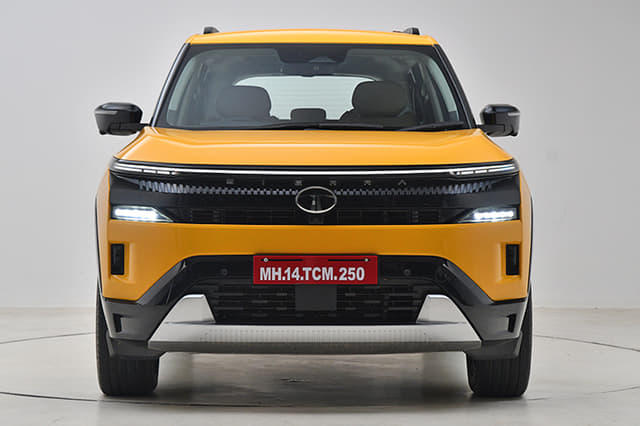
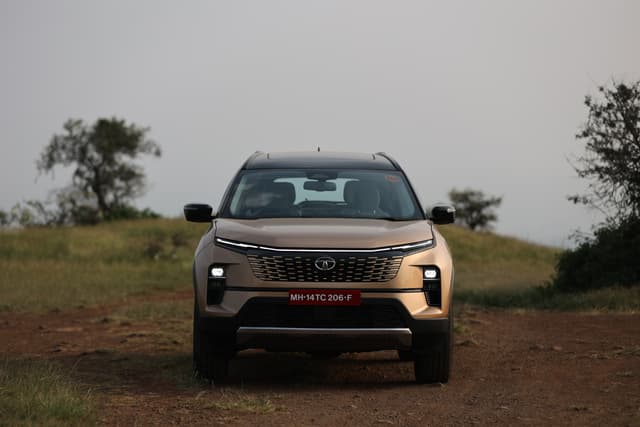
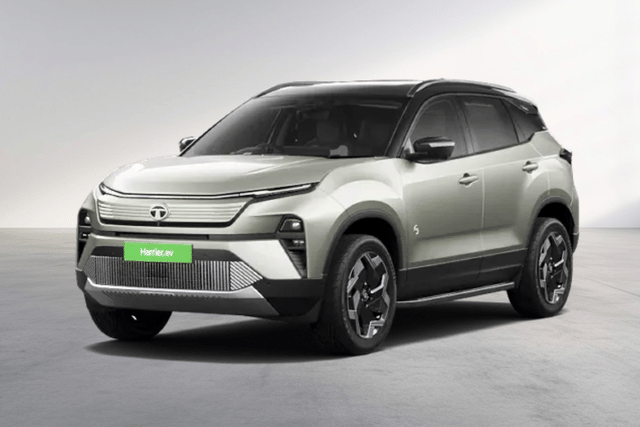
Hello, I am interested in buying an SUV EV and am leaning towards the Tata Harrier EV top-spec Empowered 75 ACFC. My main running is a mix of highway and city driving, but I am confused about the calculation, as everyone is saying EVs don't have any resale value. My question is: why are people buying EVs, and what is the maths? I am not able to understand it. I am going to use the EV for the next six years with an extended warranty. I hope in six years I will be able to get value from a Rs 30 lakh EV.
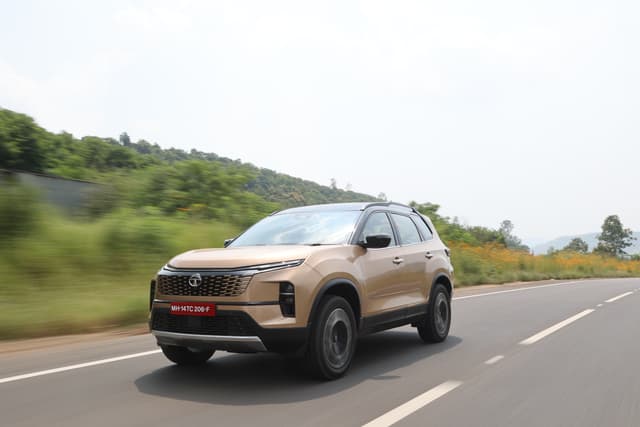
The Tata Harrier EV Empowered 75 ACFC is a strong product, but your question is the right one: what is the maths behind buying an EV, and does it make sense over six years?The simple answer is that electric cars make the most sense when you have predictable running, a mix of city and highway use, and a clear ownership horizon. Over six years, the biggest advantage is the running cost. Electricity is significantly cheaper than petrol or diesel, especially when you charge at home, and maintenance costs are lower because there are fewer moving parts and no engine oil changes. With an extended warranty, you are also protected against the biggest unknown, which is battery health.The resale value question is more difficult to answer. EVs do depreciate much faster than ICE cars today, largely because the technology is evolving quickly and buyers are still learning how to value a used EV. But that does not mean they have no resale value. The key is to look at total cost of ownership. If you save Rs 1.5-2 lakh a year on fuel and maintenance over six years, that is Rs 9-12 lakh saved. Even if the resale value is lower than a comparable diesel SUV, the running cost savings can more than offset that.The Tata Harrier EV itself is a good fit for your usage. It is a large, comfortable SUV with a strong feature set, and the 75 kWh battery gives it enough range for highway use without range anxiety. The ACFC (Active Cooling Fast Charging) system also helps with battery longevity and faster charging on long trips.The reason people are buying EVs is not just resale value. It is the combination of lower running costs, a smoother and quieter driving experience, and the convenience of home charging. Over six years, you will absolutely be able to squeeze value out of a Rs 30 lakh EV if you are doing a mix of city and highway driving and keeping the car for the full ownership period.The maths works when you look at the whole picture, not just the resale value. If you are comfortable with the technology and have a clear six-year plan, the Tata electric car mentioned above is a sensible choice.
We are planning to upgrade from a Hyundai i10 to an automatic petrol compact SUV under Rs 14 lakh. We have shortlisted the Hyundai Venue Turbo DCT and Skoda Kylaq Prestige AT. We liked the Venue, but we are not sure about the maintenance cost of its DCT gearbox.
Yes, dual-clutch automatic gearboxes are more complex and can be expensive to repair if something goes wrong. That said, the Hyundai Venue Turbo DCT is quite well-sorted. However, do keep in mind that if you drive a lot in stop-start traffic, it might not feel as smooth as a torque converter.The Skoda Kylaq AT uses a 6-speed torque converter automatic, which is far better suited to Indian conditions. It is smoother, and the Kylaq is more engaging to drive, with a strong turbo petrol engine and a well-balanced chassis. Overall, the Skoda car seems to be the safer and more sensible choice for you.
I used to own a Tata Nexon AMT petrol for five years, but I had to sell it due to a serious manufacturing-related rusting issue and a poor service experience. I’m now looking to buy a new automatic petrol SUV with a budget of up to Rs 14 lakh. The car will mainly be used for weekend driving within the city, with perhaps one long trip every month. The annual running is expected to be only around 5,000- 6,000 km. A car that does not require much hassle in terms of servicing would be a major plus. Good power output and decent fuel efficiency are also important. What options can be considered?
Given your low annual running, weekend city use and a monthly highway trip, a petrol automatic is the right choice. Since you had a poor experience with Tata cars, we would recommend the Maruti Suzuki Brezza automatic. It is a reliable, hassle-free SUV with a proven service network, which is exactly what you are looking for. The 1.5-litre petrol engine is smooth and the 6-speed torque converter automatic is far better than the AMT you had in the Tata Nexon. It is not the most powerful car in the segment, but it is dependable and easy to live with.If you want something with a bit more power and a more engaging driving experience, the Skoda Kylaq 1.0 TSI automatic is a good alternative. The turbo petrol engine is punchy and the 6-speed torque converter automatic is smooth in the city. Skoda's service network is not as extensive as Maruti's, but it has improved significantly in recent years.The Mahindra XUV 3XO petrol automatic is also worth considering. It is one of the most powerful cars in the segment and offers a strong feature list, but the boot is on the smaller side.Overall, the Brezza is the safest recommendation for your requirements. If you want more performance, the Kylaq is the better choice.
Last Updated on: 18 Aug 2026