


Last Updated on: 20 Apr 2026
Mahindra XEV 9e
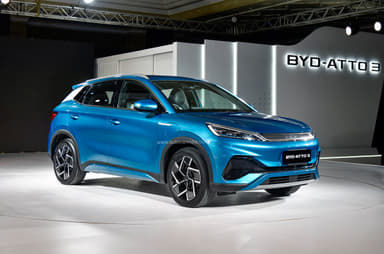
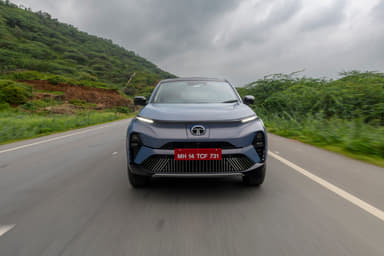
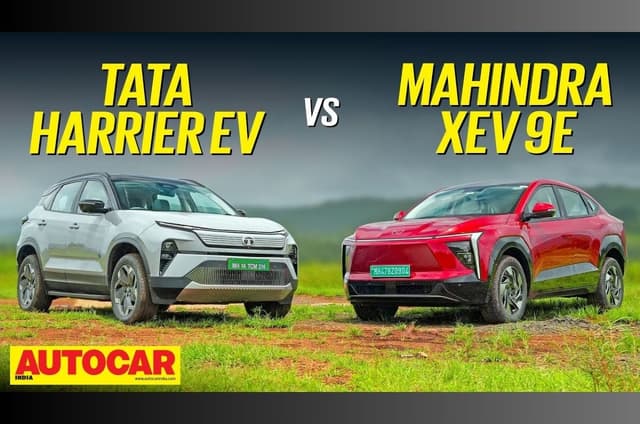
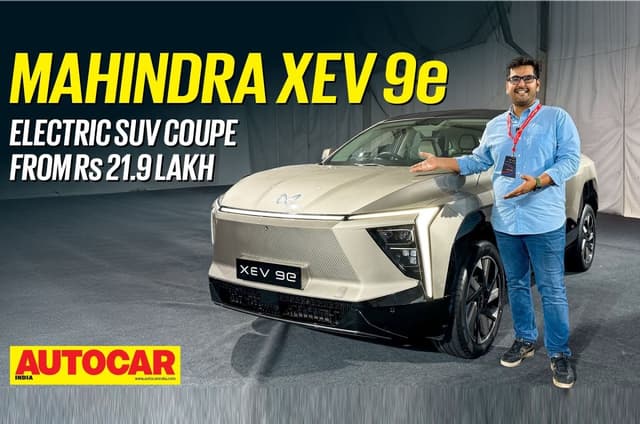
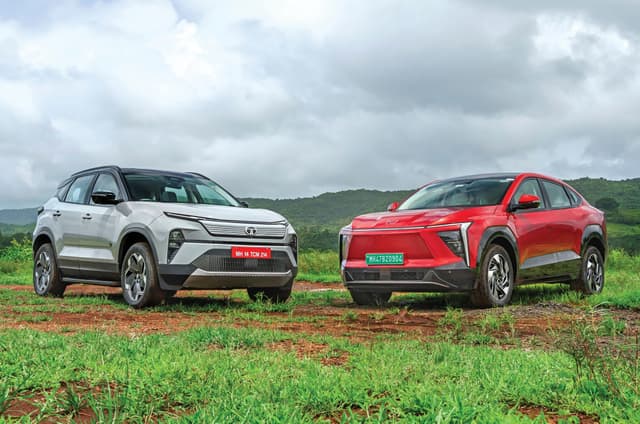
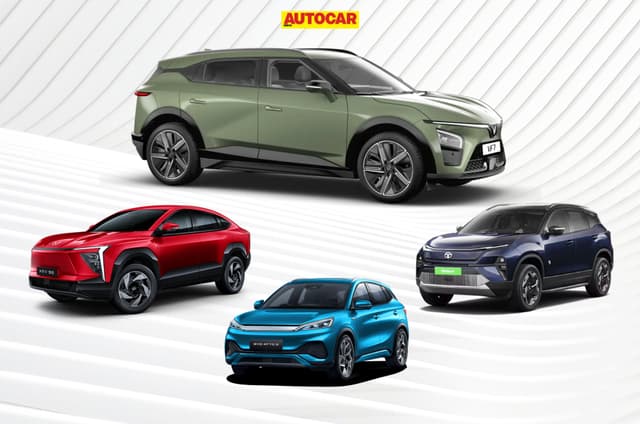
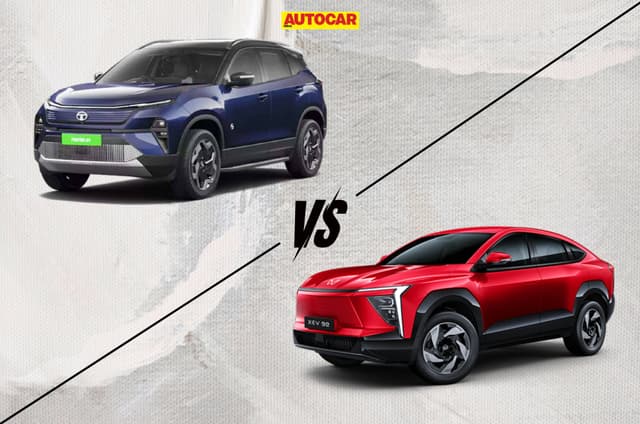
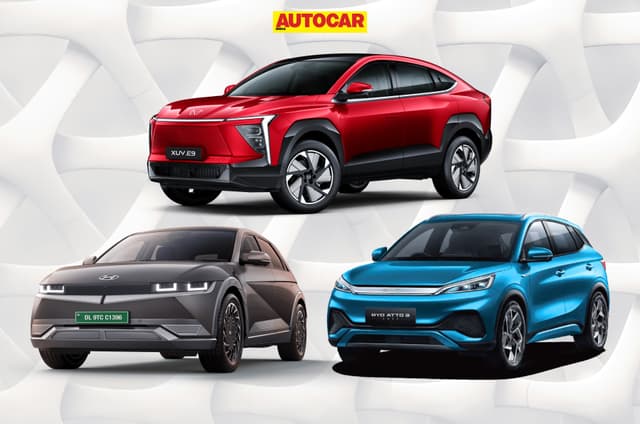
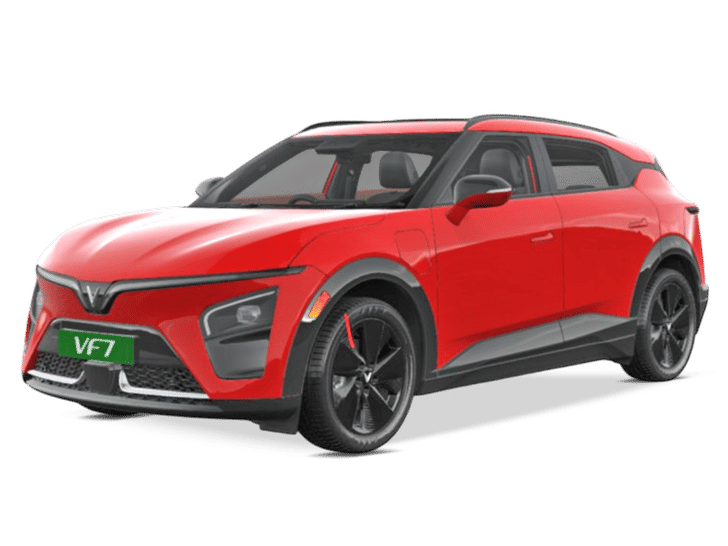
The Mahindra XEV 9e price in India starts at Rs 21.90 lakh to Rs 30.50 lakh (ex-showroom). At this price point, the XEV 9e rivals the BYD Atto 3, Vinfast VF7, and Tata Harrier EV in the electric midsize SUV segment. Mahindra XEV 9e on road price starts at Rs 23.26 lakh to Rs 32.33 lakh based on the variant and the city.
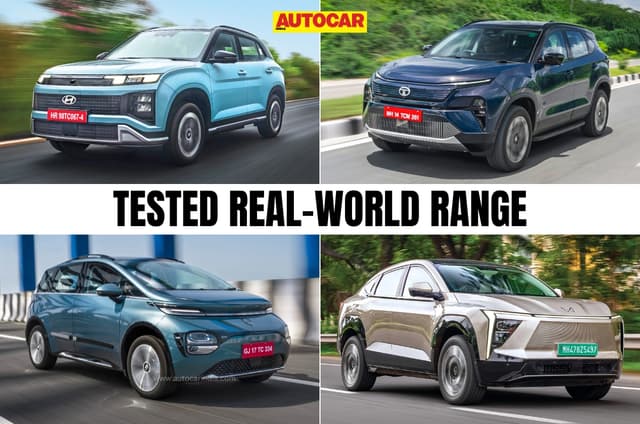
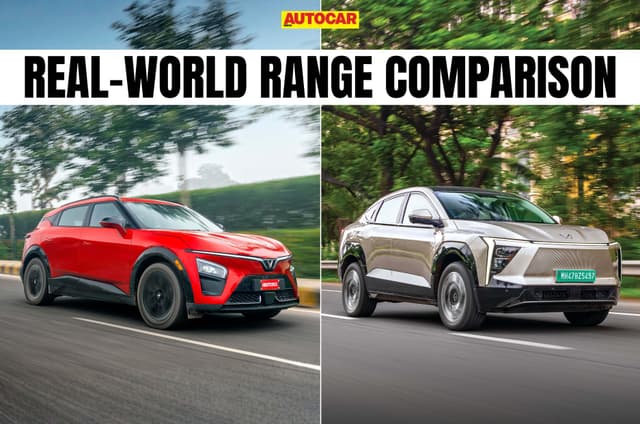
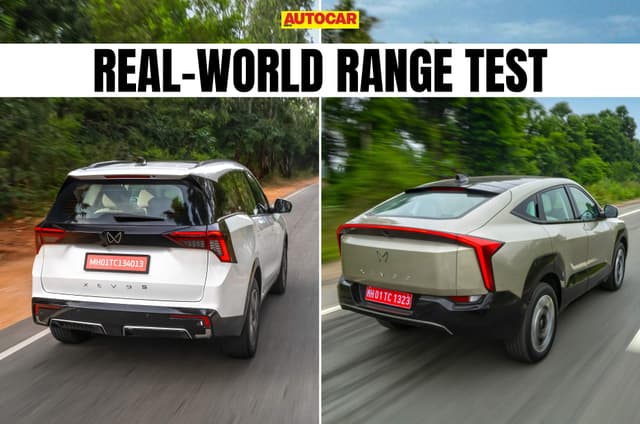
The Mahindra XEV 9e battery capacity is 59kWh in entry level variants and 79kWh in higher variants. Mahindra XEV 9e range is claimed at up to 542 km - 656 km (ARAI), with a real-world figure of around 456 km for the 79kWh variants. It has a single-motor RWD powertrain that makes up to 286 hp and 380 Nm. The Mahindra XEV 9e top speed is 202kph.
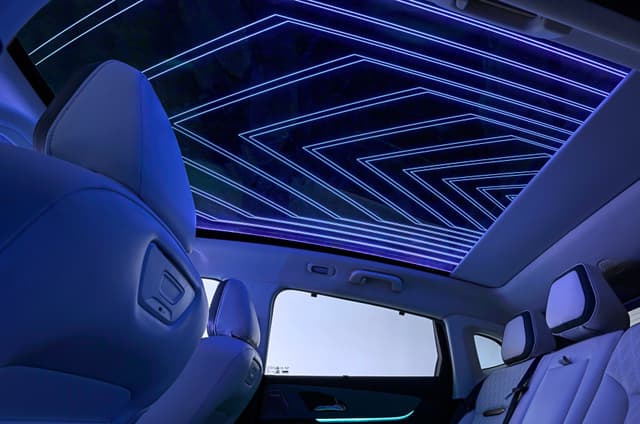
In terms of features, the Mahindra XEV 9e interior offers a fixed panoramic glass roof, floating 12.3-inch infotainment touchscreen with wireless Android Auto and Apple CarPlay, 12.3-inch digital driver display, 12.3-inch passenger screen, dual-zone climate control, ambient lighting, ventilated front seats, connected car tech, and leatherette upholstery. Practicality is also good, with the Mahindra XEV 9e boot space rated at 663 litres along with a 150-litre frunk.
Key Highlights of Mahindra XEV 9e
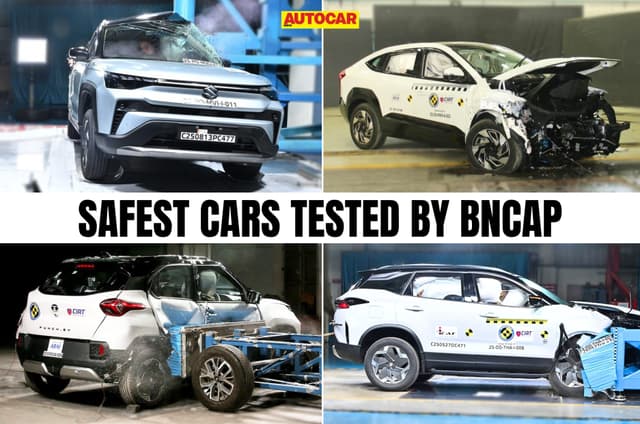
- The Mahindra XEV 9e safety rating is 5 stars as per Bharat NCAP. XEV 9e safety features include Level 2 ADAS, 6 airbags, electronic parking brake with auto hold function, hill start assist, ESP, traction control, ABS with EBD, a blind spot monitor, and more.
- Dimensions of the XEV 9e stand at 4,790mm in length, 1,905mm in width, 1,690mm in height, with a wheelbase of 2,775mm.
- The Mahindra XEV 9e charging time is just 20 minutes when using a 140kW DC charger.
- Mahindra XEV 9e ground clearance measures at 207mm, which is more than ample for Indian roads.
- The Mahindra XEV 9e launch date is November 26, 2024.
Mahindra XEV 9e Latest Updates
March 2026: Cineluxe Edition at Rs 29.35 lakh; based on Pack Three trim.
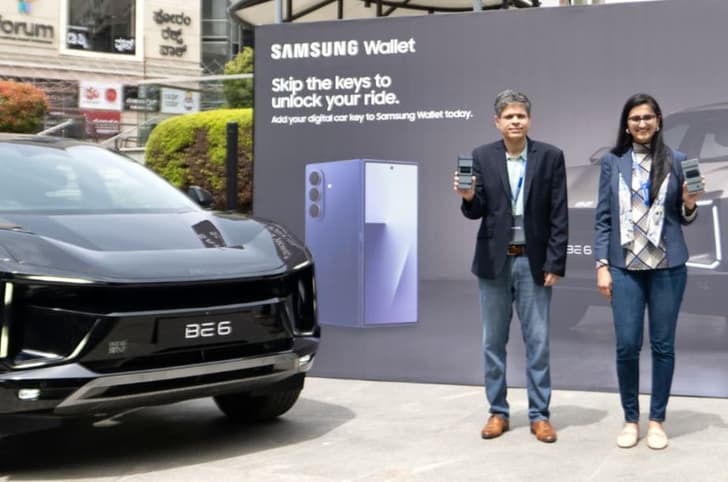
- Oct 2025: Mahindra XEV 9e digital key support extended to Samsung Wallet App.
- Aug 2025: Mahindra considering exporting XEV 9e to UK and Europe markets.
- Jul 2025: Mahindra XEV 9e Pack Two variant adds 79kWh battery option.
- Jun 2025: Mahindra XEV 9e Pack Three Select 79kWh variant launching soon.
- Apr 2025: Mahindra XEV 9e waiting period stretches to six months.
Mahindra XEV 9e Features and specifications
Our Rating | 8 |
Mileage | 542 km - 656 km |
Fuel Type | Electric |
Transmission | Auto |
Seats | 5 |
Body Style | Crossover |
Doors | 5 |
Claimed Electric Motor Range | 656 km |
Warranty Distance | 100000 km |
Warranty Duration | 3 Years |
| Fuel Type/ Propulsion | Electric |
| Motor Type | Permanent Magnet Synchronous Motor |
| Max Motor Power | 286hp |
| Max Motor Torque | 380Nm |
| Battery Capacity | 79 kWh |
| City Fuel Economy As Tested | 425.02 |
| Highway Fuel Economy As Tested | 488.22 |
| Drive Mode Types | Multiple |
| Front Brakes | Discs |
| Rear Brakes | Discs |
| Type of Power Assist | Electric |
| Steering Adjust | Tilt and Telescopic |
| Length | 4789 mm |
| Width | 1907 mm |
| Chassis Type | Monocoque |
| Height | 1694 mm |
| Power Windows | Front and Rear |
| Heated ORVM | |
| Cooled Cup Holders | |
| Flat Bottom Steering Wheel |
| Crash Test Rating | 5 |
| Front Collision Avoidance | |
| High Beam Assist | |
| Anti Theft Alarm |
| Body Coloured Bumpers | |
| Stop Lamp | |
| Sequential Turn Indicators | |
| Illuminated Logo |
| Speedometer | Digital |
| Tachometer | Digital |
| Trip Meter | |
| Average Fuel Consumption |
| Audio System | |
| Front Passenger Screen | |
| Branded Music System | Harman/Kardon |
| Speakers | 16 |
| Over the air (OTA) updates | |
| Alexa Compatibility | |
| Remote AC On / Off via App | |
| Find My Car |
Mahindra XEV 9e price & variants
The Mahindra XEV 9e price in India starts at Rs 21.90 lakh, (ex-showroom). Mahindra XEV 9e on road price ranges between Rs 23.26 lakh and Rs 32.33 lakh.
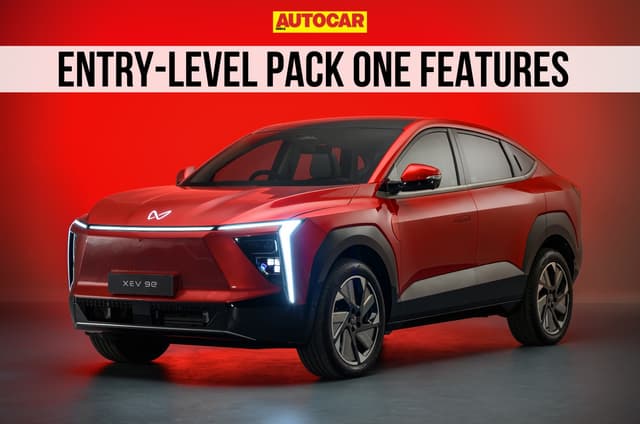
In India, the XEV 9e is offered in 5 trim levels: Pack One, Pack One Above, Pack Two, Pack Three Select, and Pack Three. The XEV 9e Pack One, Pack One Above, and Pack Three Select trims get only the 59kWh battery pack, whereas the Pack Three models are available only with the 79kWh battery. Meanwhile, the XEV 9e Pack Two trim offers both battery options.
The Mahindra XEV 9e Pack Three 79kWh features include a fixed panoramic glass roof with embedded lighting effects, powered and ventilated front seats, 12.3-inch infotainment touchscreen, 12.3-inch digital driver’s display, 12.3-inch passenger screen, 360-degree camera, wireless charger, ambient lighting, connected car tech, 16-speaker Harman Kardon sound system, leatherette upholstery, and more.
Mahindra XEV 9e Official Brochure
Download the complete brochure with specs, features, and variants.
Mahindra XEV 9e expert review
We like
Dazzling array of tech
Great to drive
World-class refinement
We don't like
Ergonomic flaws
Very restricted rear view
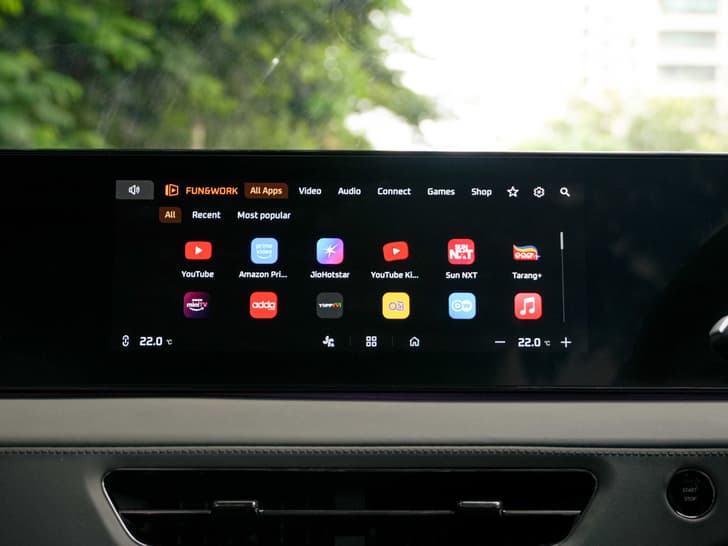
Confusing infotainment interface
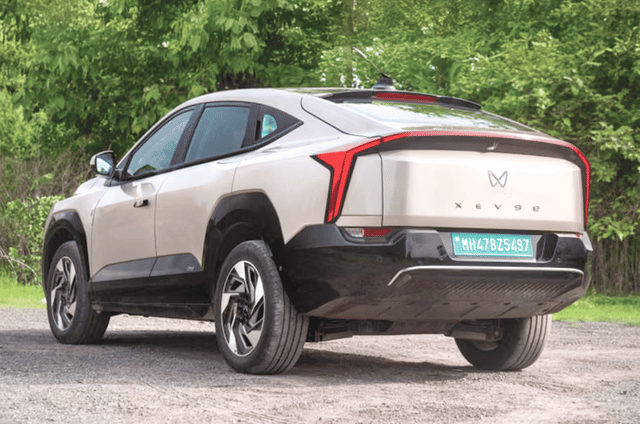
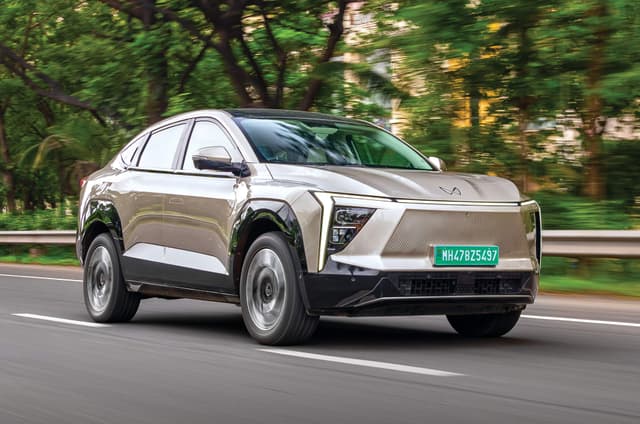
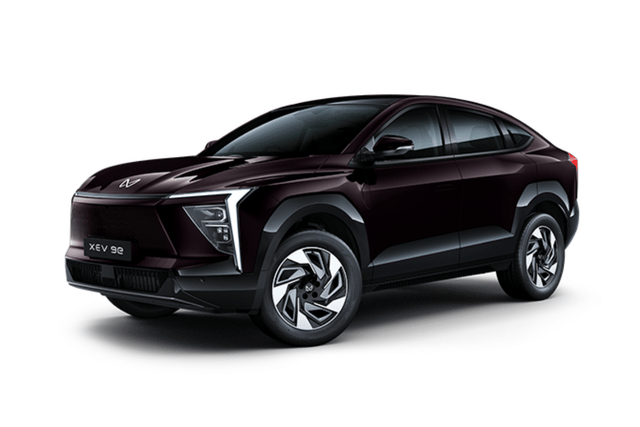
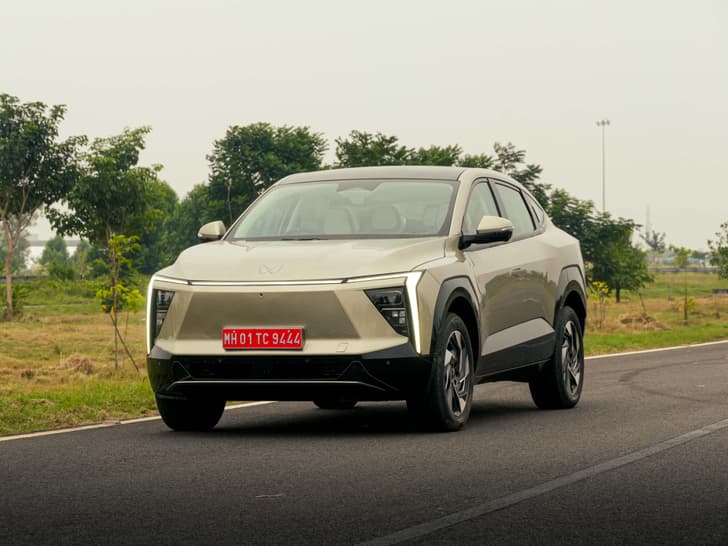
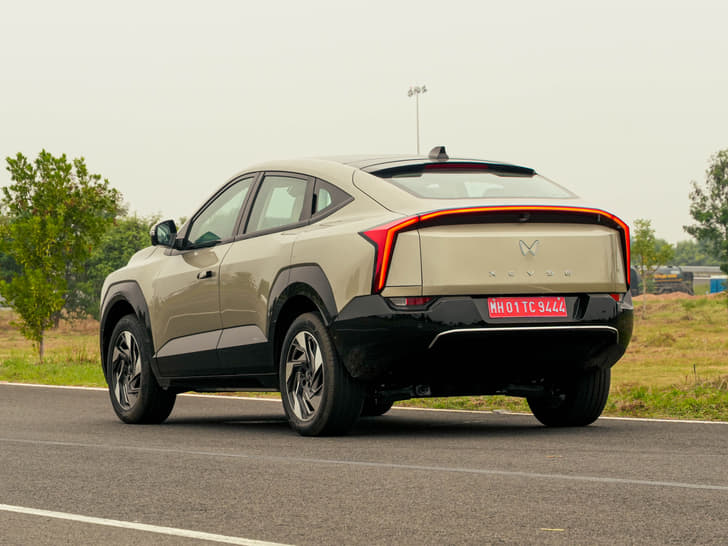
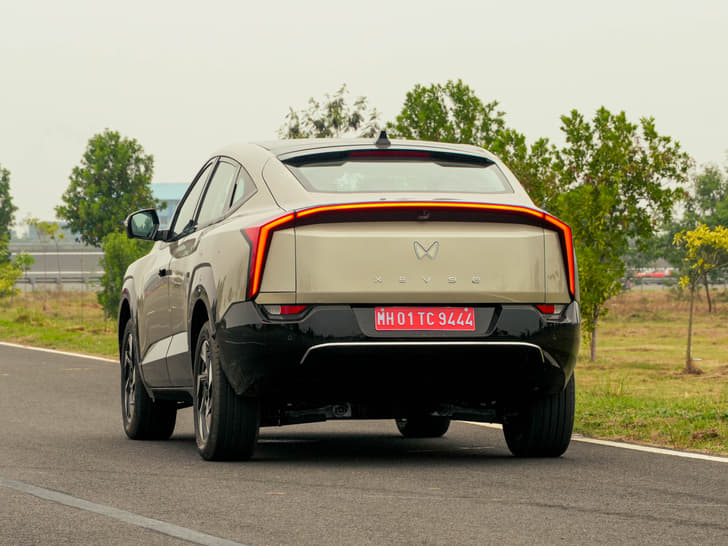
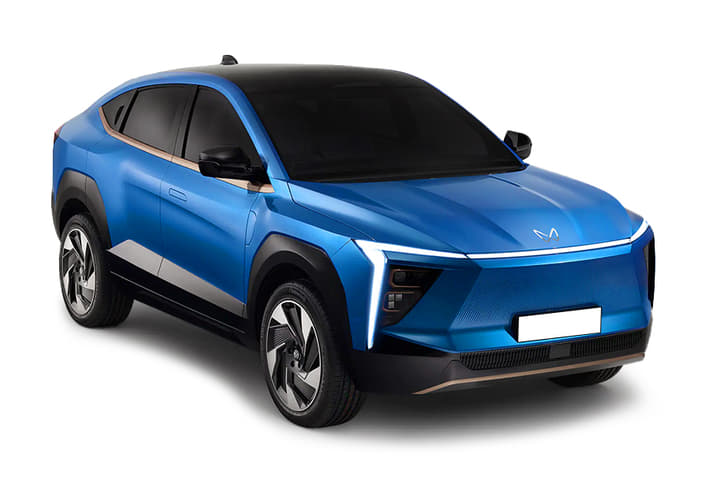
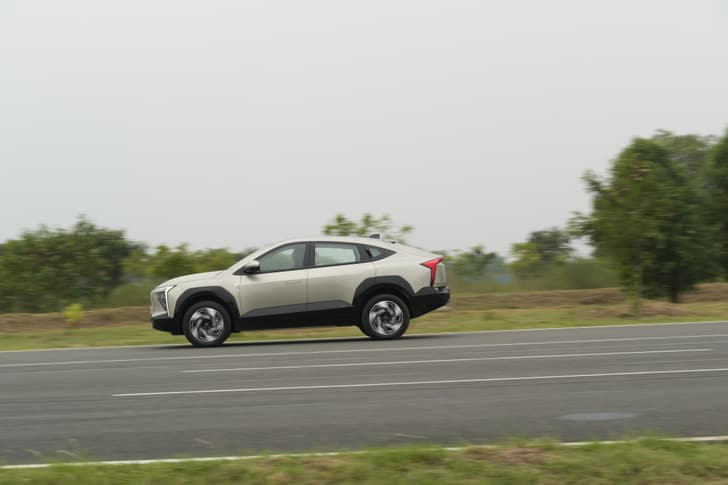
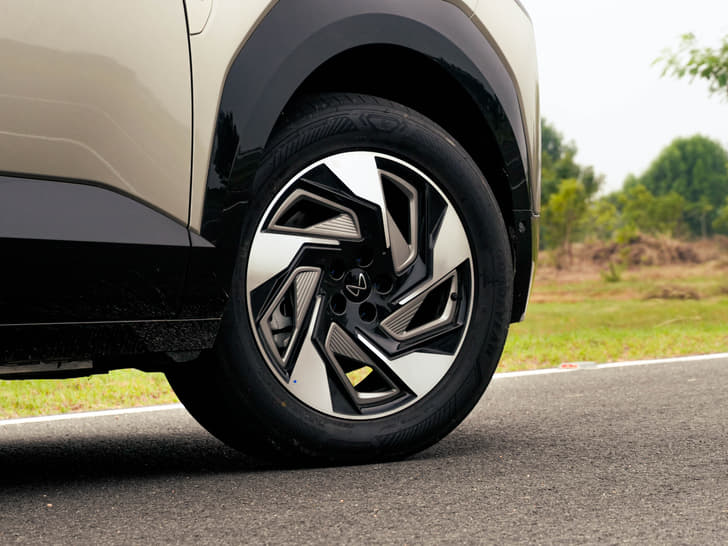
The XEV 9e resembles what a facelifted XUV700 might look like—muscular, angular, and new-age. At over 4.7 metres, the 9e is slightly longer than the XUV700. 19-inch rims are standard with 20 inchers available as an option. A coupe-SUV roofline and full-width LED tail lighting add drama and presence.
The powered tailgate has gesture control and opens to a 663-litre boot. While deep enough for large bags, it isn’t very tall. Under the bonnet is a 150-litre frunk, large enough for a few soft bags.
The 9e is a born-electric SUV, built on Mahindra’s new Inglo skateboard platform.
7.0
Wide-opening doors make entry to the cabin easy. Inside, the three-screen setup (digital dials, centre touchscreen, passenger screen), two-spoke steering, and new gear selector give a modern feel.
Front-seat comfort is good, and the rear seat is spacious with ample legroom and width. The flat floor helps the middle passenger, though headroom is tight for tall occupants due to the sloping roof.
8.0
Two battery options—59kWh and 79kWh — are on offer and power the rear-mounted motor. The motor produces 231hp when paired with the smaller of the battery pack and 286hp with the larger one. The 79kWh version offers strong performance and silent, refined driving. Drive modes let you fine-tune your experience.
10.0
MIDC range is 542km (59kWh) and 656km (79kWh), with over 500km claimed real-world. It supports 7.2kW/11kW AC charging and 175kW DC fast charging for 20–80% in 20 minutes.
9.0
Large tyres and a well damped suspension absorb bumps well, lending a toughness to the large EV. High-speed handling is surprisingly agile and the experience is helped by a well weighted steering. Regen braking is included and one-pedal driving is easy to get used to.
9.0
The XEV 9e comes loaded with features. The 12.3-inch digital dials are vibrant and versatile, displaying full maps, ADAS visuals, and side camera feeds. There’s also a head-up display with AR. The centre touchscreen is slick but cluttered and not intuitive in its layout. There’s also a dedicated screen for the front passenger. While it is a premium touch, the lack of a privacy filter is distracting for the driver. A 16-speaker, 1400W Harman Kardon system with Dolby Atmos and auto parking enhance the experience.
Safety-wise, the 9e boasts a full five-star Bharat NCAP rating. The safety suite includes seven airbags, ABS, ESC, hill controls, and ADAS using 12 ultrasonic sensors, five radars, and six cameras. The ADAS is well-calibrated for Indian conditions.
9.0
The Mahindra XEV 9e starts at Rs 21.9 lakh (ex-showroom), going up to Rs 31.25 lakh. It blends presence, comfort, and EV performance with a loaded feature set. The user interface needs polish, but the overall proposition is tempting enough to lure buyers from ICE SUVs.
8.0
Reviewed by: Nikhil Bhatia
Mahindra XEV 9e User Reviews
Tell us about your experience
Mahindra XEV 9e reviews

Mahindra XEV 9e comparison


Mahindra XEV 9e mileage
The Mahindra XEV 9e range is 542 km - 656 km km (ARAI) for the 79kWh battery pack, whereas the 59kWh option delivers a claimed range of 542km. Mahindra XEV 9e mileage in real world conditions should fall somewhere around 456 km (79kWh).
79kWh Mahindra XEV 9e variants get a 286hp electric motor, while the 59kWh models get a 231hp motor. Torque output remains fixed at 380Nm for both. The Mahindra XEV 9e charging time for 79kWh battery is 11.7 hours (7.2kW AC charger), 8 hours (11.2kW AC charger), and 20 minutes (180kW DC fast charger).
Meanwhile, charging time for 59kWh Mahindra XEV 9e battery is 8.7 hours (7.2kW AC charger), 6 hours (11.2kW AC charger), and 20 minutes (140kW DC fast charger).
| Fuel type | Displacement | Transmission | Mileage |
|---|---|---|---|
| Electric | 59 kWh | Auto | 542 km |
| Electric | 79 kWh | Auto | 656 km |
Mahindra Dealers in Mumbai
Planning to buy XEV 9e? Here are a few dealers in Mumbai
Bhavna Automobiles Pvt. Ltd. - Panvel
Shop No - 9 To 13, Plot No- 19 And 19B, Aditya Planet Chs, Sectot 10, Opp Kopra Village, Bride Panvel, Navi Mumbai, Maharashtra 410210
Bhavna Automobiles Pvt. Ltd. - Sector-19B
Shop No-5, Plot No-55, Sector-19B, Apmc Vashi, Next To Bhagat Tarachand Hotel, Navi Mumbai, Maharashtra 400703
Bhavna Automobiles Pvt.Ltd. - Nerul
Plot No.11/12, Sector 1, Behind LP Bus Stop, Nerul (E), Navi Mumbai, Maharashtra 400706
Hare Krishan Classic Car Cares Pvt. Ltd. - Mulund
1, Udyog Kshetra, Mulund Goregaon Link Road, Mulund, Mumbai, Maharashtra 400080
Nanavati Automotive - Gandhare
Shop No. 2 Sai Krupa Building, Near Hotel Sneha Garden, Gandhare, Wada, Maharashtra 421303
10:00 AM - 7:00 PM
9823382728Mahindra XEV 9e news
Mahindra XEV 9e Images
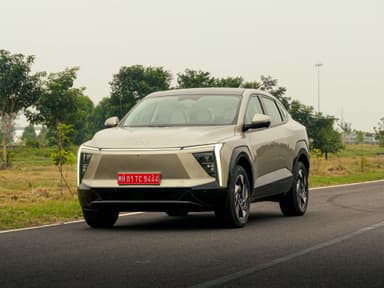
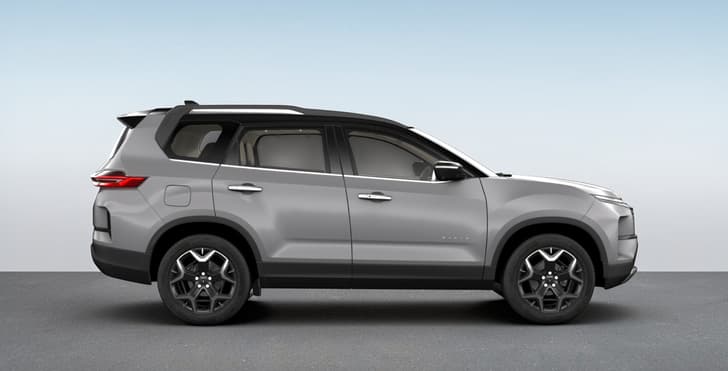
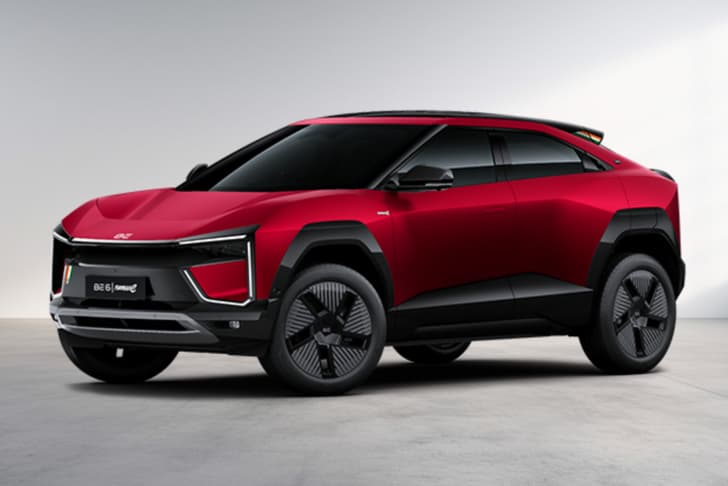
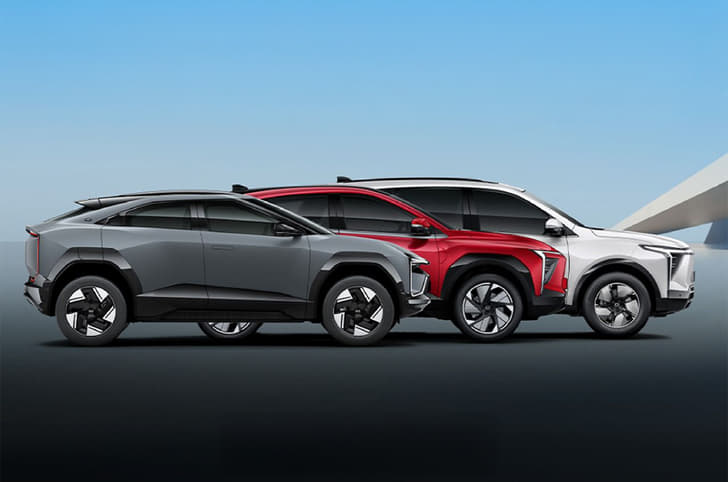
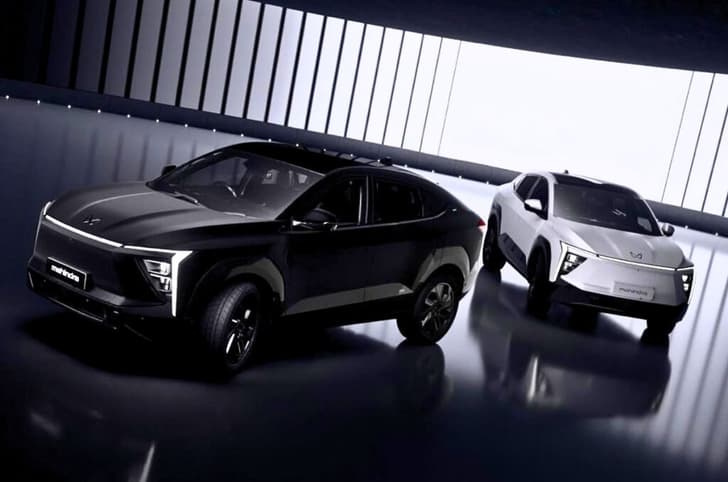
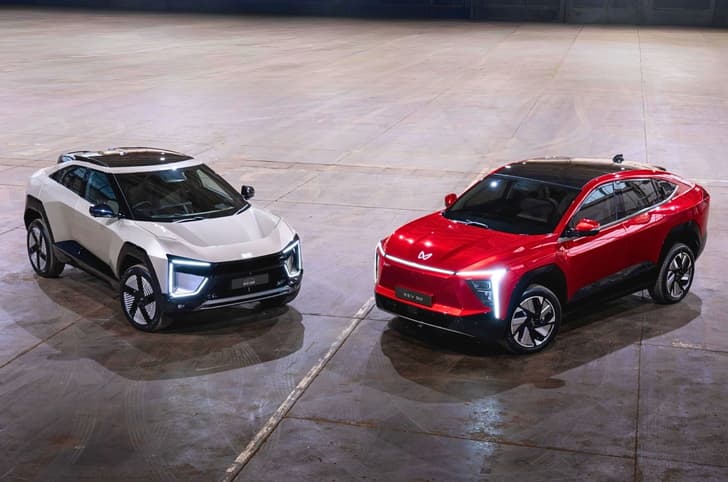
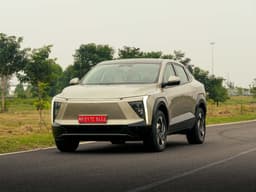
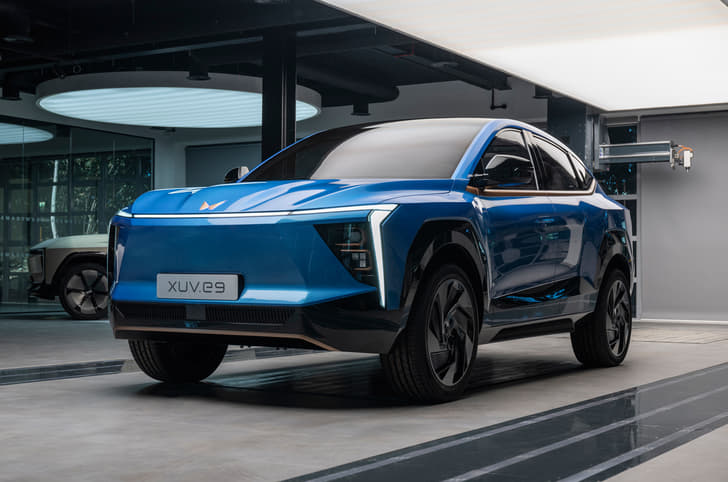
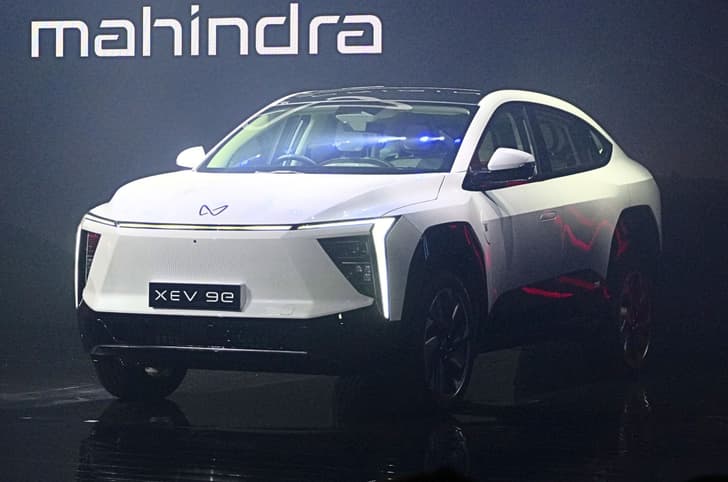
Images of the Mahindra XEV 9e showcase its distinctive coupe SUV form factor, upright stance, sleek front and rear LED light bars, aero-optimised alloy wheels, etc. XEV 9e interior images showcase the electric SUV’s tech-laden cabin, panoramic glass roof, triple screen setup, segment leading 663-litre boot, and more.
Mahindra XEV 9e videos
Mahindra XEV 9e video reviews cover ride comfort, real world range, handling, charging performance, and interior practicality. Watch the XEV 9e SUV video to see how it provides a perfect blend of compact dimensions and premium feel that makes it city-friendly yet versatile for longer drives.


Mahindra XEV 9e Colours
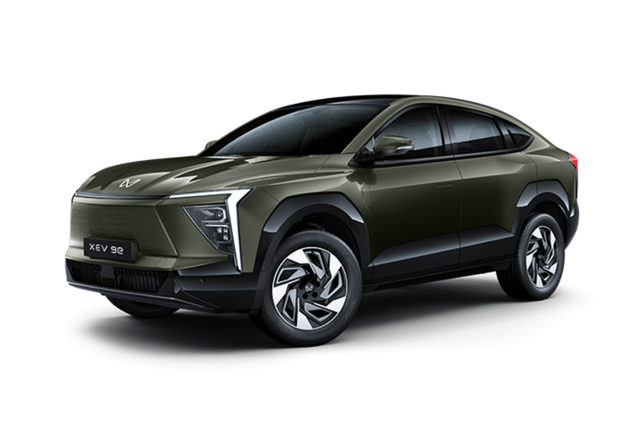
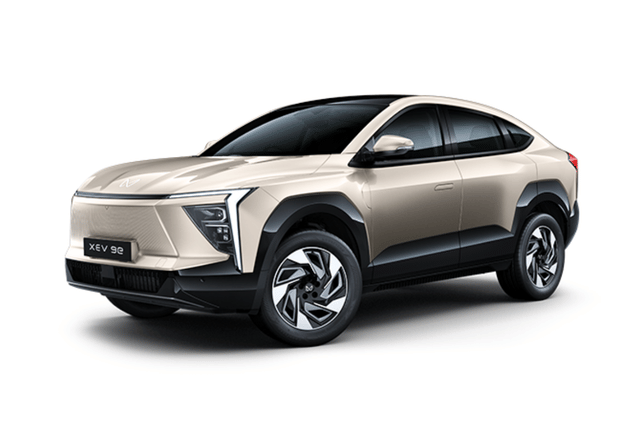
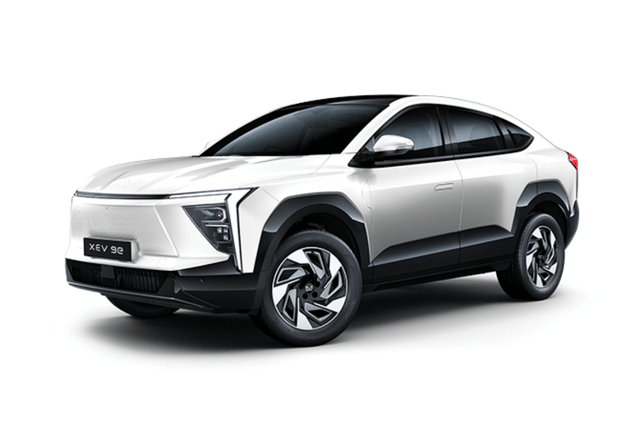
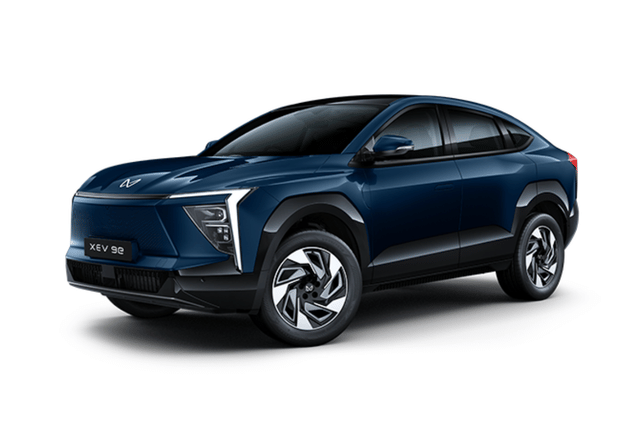
Mahindra offers 7 colours for the XEV 9e, namely . Dual tone paint finishes are yet to be offered for the XEV 9e. Regardless of the variant, the XEV 9e interior is finished in a black and white colour scheme.
Mahindra XEV 9e FAQs
The XEV 9e price in India ranges from Rs. 21.90 lakh to Rs. 30.50 lakh (ex-showroom).
The Mahindra XEV 9e launch date is November 26, 2024, with deliveries starting from mid-March 2025.
Mahindra XEV 9e booking officially began on February 14, 2025.
The XEV 9e is available with two battery options: 59kWh and 79kWh.
The XEV 9e on-road price starts at Rs. 25.28 lakh (Delhi) for the XEV 9e base model (Pack One 59kWh). The XEV 9e top model costs Rs. 35.14 lakh for the (Pack Three Select 59kWh).
Mahindra XEV 9e is a 5 seater car.
XEV 9e offers 6 airbags in Pack One and Pack Two variants. Meanwhile, the Pack Three and Pack Three Select come with 7 airbags.
Yes, XEV 9e has ABS.
XEV 9e range for the 59kWh battery capacity is 542km, and for the 79kWh battery capacity is 656km.
The XEV 9e has 207mm of ground clearance.
Our testing shows that the real world range of the XEV 9e 79kWh is roughly 456km.
The Mahindra XEV 9e boot space is 663 litres, plus a 150-litre frunk.
Questions you may find useful
Ankur aggarwal
•5hHow is the idea of buying the VinFast VF7 top model AWD? I currently drive a Jeep Compass.

Autocar India
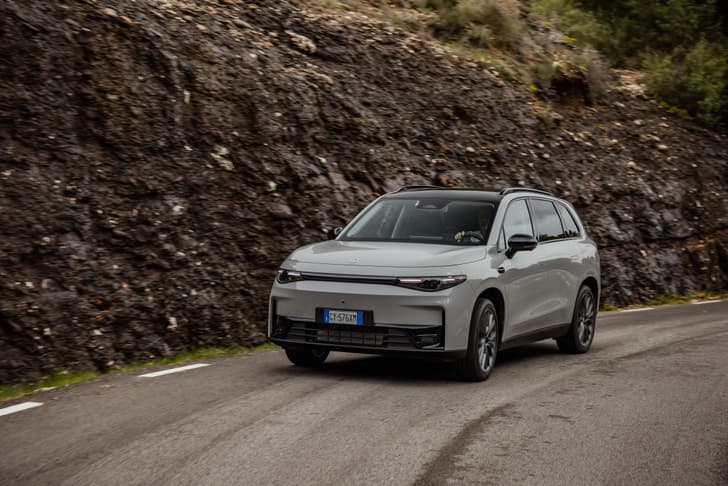
The VinFast VF7 is an able cruiser that's engaging to drive. The AWD version packs in plenty of performance, and you feel confident behind the wheel, with characteristics similar to the Jeep Compass. What also works in the VF7's favour is its upmarket interior that genuinely exudes a premium car vibe.To entice buyers, VinFast is also offering several attractive schemes, such as buyback offers, incentives to exchange your ICE car, free charging options, long warranty, etc.Do keep in mind, its high cabin floor could hamper comfort, the user interface isn't very easy due to the over-reliance on its touchscreen for all controls, and its (overall) range is around 391km, which is lower than the Mahindra XEV 9E's (456km).
satya narayana
•1wI am confused between the Mahindra BE 6 Pack 2 and the Mahindra XEV 9e (considering it as a 5-seater). My monthly driving is around 1,500-2,000 km, with approximately 60% highway usage.

Autocar India
Go for the Mahindra XEV 9S or Mahindra XEV 9E, both of which are more spacious than the Mahindra BE 6, which feels surprisingly cramped, especially for rear seat passengers. The 9E and 9S have front seats too, and they get a three-screen layout too, which your front passenger is likely to appreciate on long drives. The XEV 9E has an edge over the XEV 9S on account of its slightly firmer suspension setup, which results in a more settled highway ride.
Prashanth G
•1wRoad grip on wet and sand surfaces is really bad on my new xev 9e. Oem tyres are good year. Are there any better alternatives in the market which can provide better grip with out disturbing the company warranty.

Autocar India
What you’re experiencing is not unusual with EVs like the Mahindra XEV 9e. The standard Goodyear tyres are tuned more for efficiency and low rolling resistance, which helps maximise range, but that does come at the cost of outright grip, especially on wet roads and loose surfaces like sand. This is further amplified by the nature of the car itself — it is a relatively powerful, rear-wheel-drive EV, and the instant torque delivery means it is quite easy to overwhelm the rear tyres if you are not very progressive with the throttle in slippery conditions.The good news is that you can upgrade tyres without affecting your warranty, as long as you stick to the same size, load index and speed rating recommended by the manufacturer. Moving to a more grip-focused tyre will make a noticeable difference in wet braking, traction and overall confidence.Do keep in mind that while better tyres will improve grip, they will not completely eliminate the characteristics of a powerful rear-wheel-drive EV. Smooth throttle inputs and careful driving in low-grip conditions will still be important. That said, upgrading from the stock tyres is a worthwhile step if you are looking for more confidence and safety in challenging conditions.
Shammi
•2wI have had a Toyota Innova Crysta diesel automatic G variant for the past 4 years. I have been spending at least ₹20,000 on diesel for the past 3 years. The car has already covered 1,90,000km. I am also paying an EMI of ₹33,000, with a loan outstanding of ₹13 lakh. Please suggest whether I should plan to buy a new Innova or switch to an EV like the Mahindra XEV 9e to accommodate five people.

Autocar India
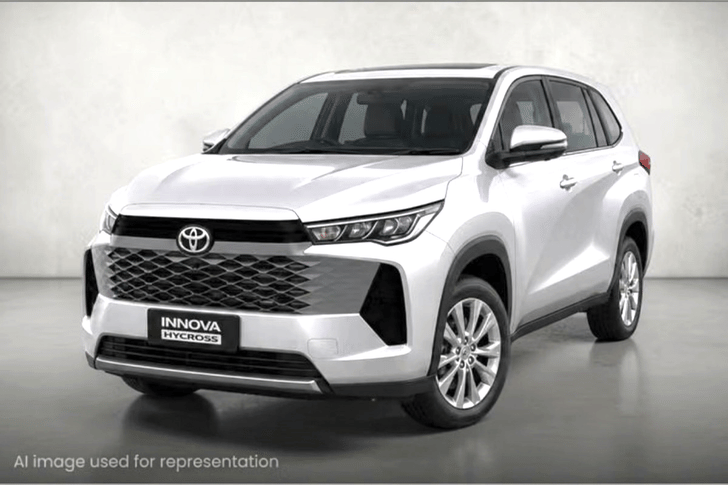
If you are planning to upgrade, the Toyota Innova HyCross hybrid is the most sensible choice. It will significantly reduce your fuel costs in daily use, especially in city conditions, while still offering the space, comfort and reliability you are used to. It is also a very easy car to live with for long-distance travel with five passengers.However, an important point to consider is your current financial situation. You still have a ₹13 lakh loan outstanding and are paying ₹33,000 EMI. Replacing the car now will increase your financial outflow unless you get a very strong resale value. If your current Toyota Innova Crysta is running well, continuing with it for some more time is actually the most cost-effective option.As for electric cars like the Mahindra XEV 9e, they can drastically reduce running costs, but they make the most sense if your usage is mostly within the city or predictable daily distances. For frequent long-distance travel with family and luggage, charging stops and planning can become a limitation.
Abhishek Sood
•3wI am confused between petrol, diesel, and electric options from Mahindra. My annual running is around 10,000 km, and I am considering the XUV700 (AXT automatic - petrol or diesel) or the XEV 9E. Mahindra is known for its diesel engines, but given my relatively low usage, will DPF (Diesel Particulate Filter) issues become a concern? On the other hand, I have heard that the petrol engine is not very refined and has poor fuel efficiency. Also, I am unsure about choosing an EV, as daily charging management could be challenging, especially with a 2-year-old child. Which option would be the most practical and suitable for my usage?

Autocar India
Your annual running of 10,000km isn’t very high, but the gap in running costs between petrol, diesel and EV is still significant over a few years.The Mahindra XEV 9e is naturally the cheapest to run, and it’s not a headache to live with if you can install a home charger and don’t regularly do very long drives beyond roughly 400-420km in a day. A home charger is like having a petrol pump at your house - you plug in at night and leave with a full “tank” every morning. It will actually make an EV more convenient to top up than a petrol or diesel car, where you always have to detour to a fuel station. However, if you don’t have home charging (or very reliable workplace charging), then an EV quickly becomes inconvenient because of the planning and the long waits for charging. Also, the uncertainty with public chargers, so in that case it’s best to avoid one.Between the petrol and diesel Mahindra XUV7XO automatics, the petrol is actually quite refined and much smoother than the diesel. The real issue is its very low real‑world fuel economy, especially in city use, which makes running costs shoot up. The diesel, on the other hand, is also reasonably refined and much more practical because of today’s pump prices and the efficiency gap. Moreover, you can recover the diesel XUV7XO’s roughly ₹1.4 lakh higher upfront cost in about a year of your usage.After that, you are clearly ahead on total cost of ownership. Also, the diesel’s resale value is likely to be higher as well. So between the petrol and diesel XUV7XO, the diesel is the better option for you. Between diesel and EV, it really comes down to whether you have stress‑free home charging.
Amit Khanna
•5wI am confused between the Mahindra XUV700 AX7T automatic and the Mahindra XEV 9S Pack 2 (above 70 kWh). My usage is mostly in the city with occasional long trips.

Autocar India
If you have home charging available, the Mahindra XEV 9e Pack 2 makes a lot of sense. Electric cars are extremely smooth in city traffic, offer instant torque and have much lower running costs compared to petrol SUVs.However, if home charging is not easily available and you prefer the convenience of quick refuelling for occasional long trips, the Mahindra XUV 7XO automatic is the safer and simpler choice. It removes the need to plan charging stops and will feel more convenient for highway travel.Choose the XEV 9e if you have home charging and want lower running costs with a smoother city drive. Choose the XUV 7XO automatic if you want maximum convenience for long trips without worrying about charging.
Prashanth Gorijala
•6wHow is XEV 9e? One of my friends who owns an XEV 9e is saying that the car wobbles after he crosses 60km/h. Is it true? How is the road grip and overall handling of the 9e? What is your take on the new variant Cinelux?

Autocar India
The Mahindra XEV 9e is actually one of the more impressive electric SUVs in its class, offering a strong mix of performance, space, comfort and technology. In typical Mahindra fashion, it also feels quite robustly engineered, which is important for Indian road conditions.Coming to your friend’s point about the car wobbling after 60kph, that hasn’t really been a characteristic we’ve experienced. The XEV 9e is generally quite stable at highway speeds. EVs, by design, have a low centre of gravity because the battery pack sits in the floor, and that usually gives them very good straight-line stability and planted road manners. So if your friend is experiencing a wobble, it could be due to something specific to that particular car, such as tyre pressure, wheel balancing, alignment or even poor road surfaces can cause that sort of sensation. It’s not something that appears to be an inherent trait of the vehicle.In terms of grip and handling, this Mahindra car feels secure and predictable. It’s not meant to be a sporty driver’s SUV, but the wide track, long wheelbase and low battery placement help it feel planted through corners. The steering is light and easy for city driving, though, like most electric SUVs, it’s tuned more for comfort and ease rather than outright driver engagement.As for the Cinelux variant, it’s essentially a cosmetic and feature-focused update rather than a mechanical one. The changes are mainly around new exterior colour options, fresh interior trims and some additional equipment aimed at making the cabin feel a bit more premium and lounge-like.
sudip
•6wI am planning to buy an EV, as I see the cost of a near top-end petrol vehicle is similar to a near top-end EV. I am confused between the Tata Harrier EV and XEV 9S (not because it’s a 7-seater, though). The XEV 9S cabin looks much more premium than the Harrier EV. However, hearing about the suspension in the 9S is a bit of a concern. I would mostly use it in the city. Can you suggest?

Autocar India
Since you are considering the Tata Harrier EV, we assume that having seven seats is not a must. In that case, you could also consider the XEV 9e, which is the more direct competitor to the Harrier EV. It has largely the same premium cabin you like in the XEV 9S, but without the third row of seats.In terms of suspension, the Mahindra XEV 9S has a softer setup than the XEV 9e, which results in noticeable vertical movement on undulating tarmac. It isn’t exactly uncomfortable, but it can feel a bit unsettling out on the highway. The XEV 9e, on the other hand, has a firmer setup and actually feels more composed because of it.Since most of your driving is in the city, the XEV 9S’s softer suspension may not bother you, but do drive the XEV 9e back-to-back to see which you prefer.
Jayanth Reddy
•8wHi, I want to buy my second car with a budget of ₹30 lakh. I am confused between the Harrier Empowered 75 model and the Mahindra XEV 9e Pack Three. I have test-driven both cars. My usage is mainly on the highway, about 3,000 kilometres monthly. I need a reliable car with more real-world range and good service support. Please advise which of the two is the best option for me.

Autocar India
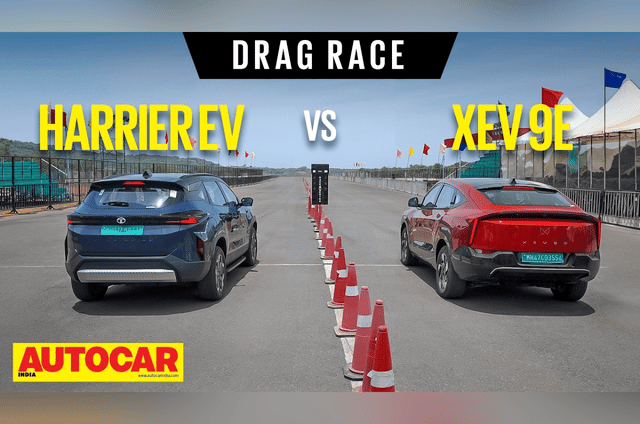
Both the Tata Harrier EV and the Mahindra XEV 9e make for very good highway cars. However, between the two, we would lean towards the Mahindra XEV 9e as the overall better package.The XEV 9e feels more like a ground-up EV, whereas the Harrier EV is derived from the combustion-engine Harrier. As a result, the Mahindra feels a touch more refined and slightly more stable at highway speeds. Both cars ride well and are smooth to drive, but the XEV 9e feels a bit more rounded and cohesive as a complete product.What really tilts the decision in Mahindra’s favour is the range. In our highway range tests, the XEV 9e delivered an impressive 488km, about 95km more than we achieved with the Harrier EV. For someone like you, doing around 3,000km a month largely on highways, that extra real-world range makes a meaningful difference and reduces charging frequency.The Harrier EV does offer a comfortable ride and a smooth driving experience, and Tata’s service network is fairly widespread. But when you combine better real-world range, slightly stronger highway manners and the more purpose-built EV feel, the XEV 9e Pack Three comes across as the stronger choice for your usage.
Mitesh Jasani
•8wI want to buy an EV for around ₹25-30 lakh. We already have a Tiago EV and Altroz petrol for family use. This car will be for daily commuting of around 80 to 100 km for work purposes and outstation family trips once a month. Home and office charging are possible, with a proper charging infrastructure available. I am confused between the Harrier EV and the XEV 9e. Please also suggest if any other option is available.

Autocar India
You already have a good mix in the family with the Tata Tiago EV for city duties and the Tata Altroz for regular use, so this new EV will clearly step up as your primary workhorse, covering 80 to 100km daily plus a proper outstation run once a month. With both home and office charging in place, you’re in the ideal situation to own a larger electric car.Between the Tata Harrier EV and the Mahindra XEV 9e, we lean towards the 9e. It simply feels more sorted to drive. The ride and handling balance is better resolved, whereas the Harrier EV feels heavier and slightly top-heavy in comparison. That weight is noticeable, especially when changing direction or driving briskly.Range is another important factor in your case. The Mahindra XEV 9e offers roughly 90 to 100km more real-world range than the Harrier EV, and that extra buffer makes a meaningful difference for your monthly highway trips. It reduces range anxiety and gives you more flexibility with charging stops.If you are open to stretching within the segment, an even more compelling option is the Mahindra XEV 9S. It offers more equipment, more space and the added flexibility of a third row, which could be useful for family trips. The range is similar to the 9e, so you’re not compromising there. The only trade-off is that the ride is tuned on the softer side, and at highway speeds, there is a bit of vertical movement. It’s not as tied-down as the 9e or even the Harrier EV, but it’s not a deal breaker either.Given your usage pattern involving high daily running and regular highway trips, range, efficiency and overall driving polish matter most. For that reason, the XEV 9e is the more rounded choice between the two you shortlisted. If space and flexibility are higher on your priority list, the 9S would be our overall pick in this bracket.
Mahindra XEV 9e price in India
Mahindra Cars