olar Charging



Last Updated on: 02 Sep 2026
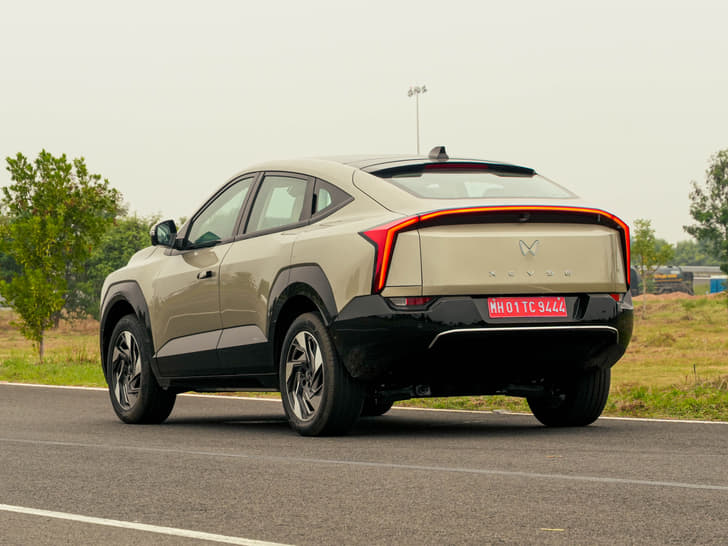
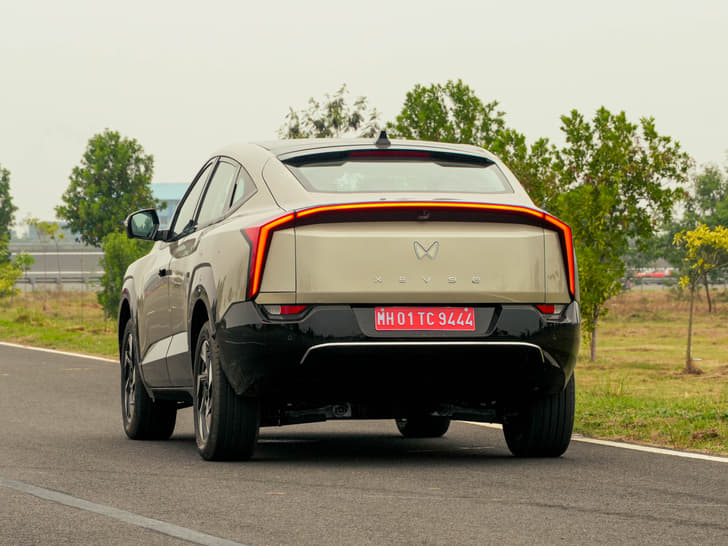
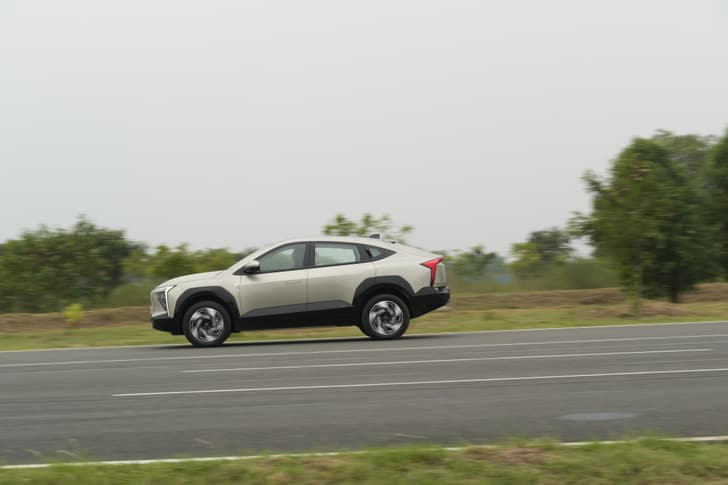
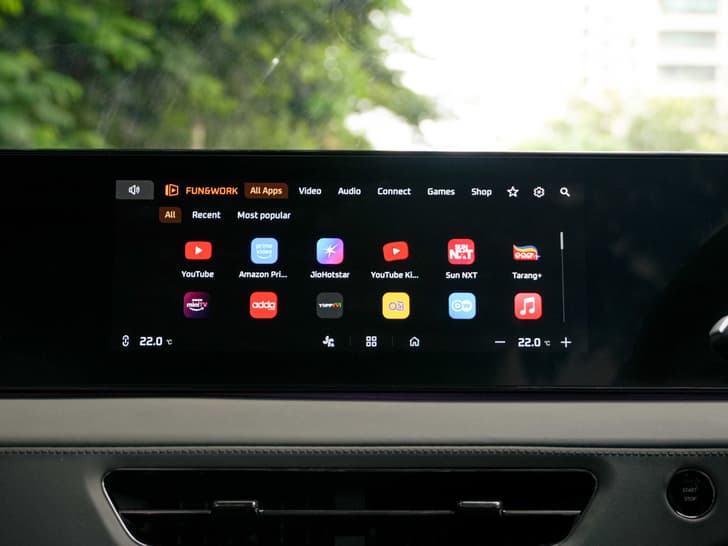
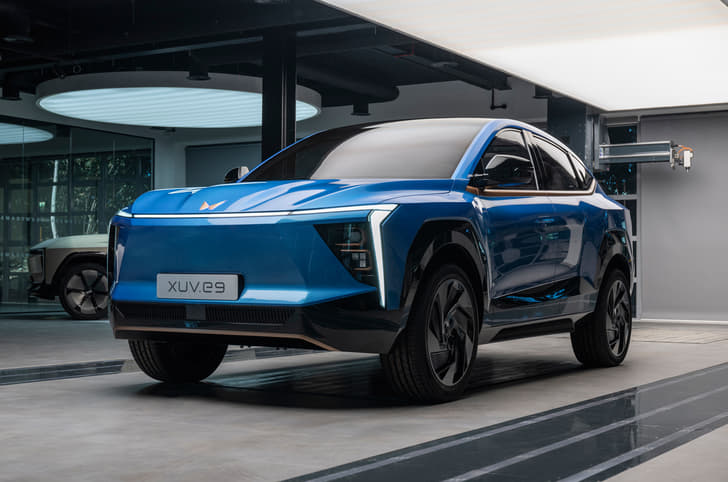
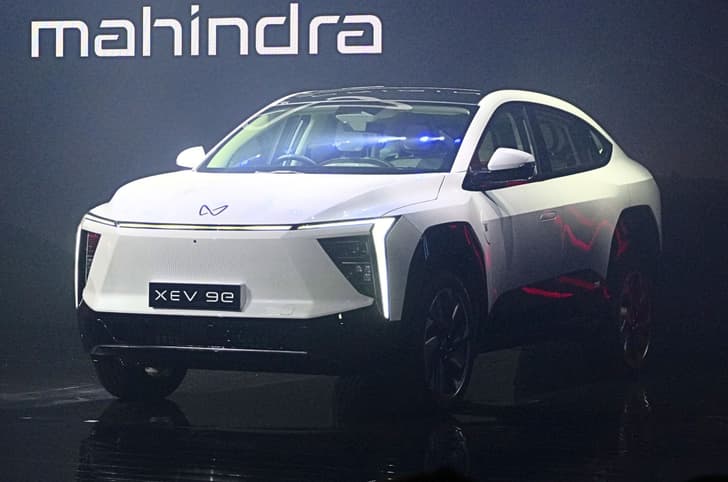
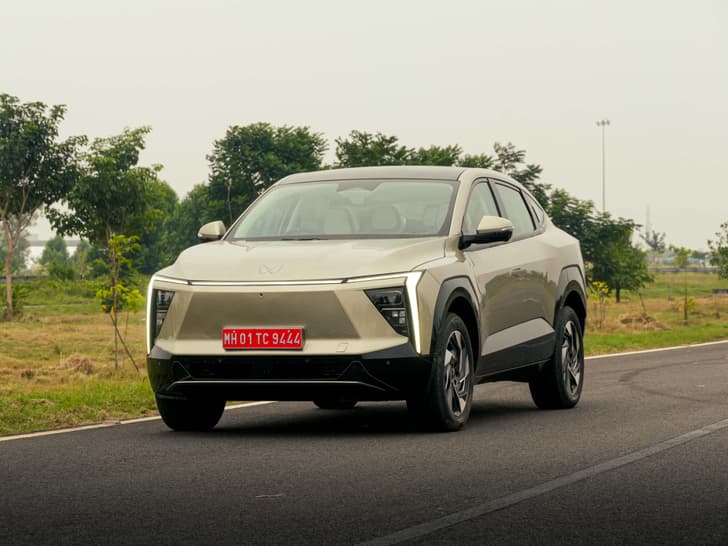
Fuel Type/ Propulsion | Electric |
Motor Type | Permanent Magnet Synchronous Motor |
Gearbox Type | Auto |
Number of Gears | 1 |
Manual Shifts via Gear Lever on Automatic Gearbox | No |
Paddle Shifters for Automatic Gearbox | No |
Sport Mode for Automatic Gearbox | No |
Drive Layout | Rear Wheel Drive |
Lockable Differential/s | No |
Max Motor Power | 231hp |
Max Motor Torque | 380Nm |
User Reported Mileage | 430 km |
Fuel Supply System | Other |
Drive Mode Types | Multiple |
Terrain Modes | Yes |
Auto Start/Stop | No |
Battery Capacity | 59 kWh |
Charging Time | 20 min 20% to 80% (140kW DC), 6 hrs 0% to 100% (11.2kW AC), 8.7 hrs 0% to 100% (11.2kW AC) hrs |
Claimed Range | 542 km |
Front Suspension Type | Independent, MacPherson Strut |
Front Springs | Coil Springs |
Rear Suspension Type | Independent, Multi-link |
Rear Springs | Coil Springs |
Damper Control | No |
Ride Height Adjust | No |
Type of Power Assist | Electric |
Steering Adjust type | Manual |
Steering Adjust | Tilt and Telescopic |
Turning Radius | 5 m |
Front Brakes | Discs |
Rear Brakes | Discs |
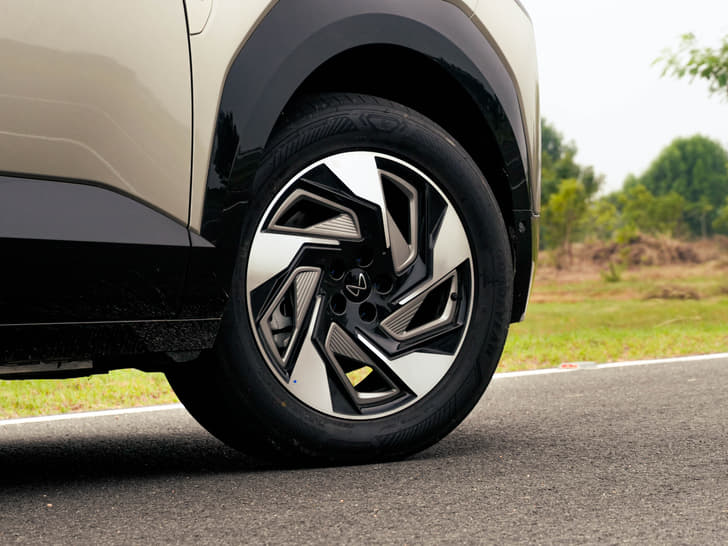
Wheel Size | 19 inches |
Front Tyre Size | 245/55 R19 |
Rear Tyre Size | 245/55 R19 |
Wheels | Steel Rims with Wheel Covers |
Spare Wheel | Space Saver |
Length | 4789 mm |
Width | 1907 mm |
Height | 1694 mm |
Wheelbase | 2775 mm |
Ground Clearance | 207 mm |
Chassis Type | Monocoque |
Boot Capacity | 663 litres |
Doors | 5 |
| Power Windows | Front and Rear |
| Driver Armrest Storage | |
| Single Pedal Driving | |
| Bottle Holder in Doors | |
| Charging Limiter | |
| Scheduled Charging |
| Crash Test Rating | 5 |
| Driver Attention Warning | |
| Speed Sensing Door Lock | |
| Driver Airbag | |
| Pretensioners & Force Limiter Seatbelts | |
| Blind Spot Collision Avoidance Assist |
| Body Coloured Bumpers | |
| Wheel Arch Cladding | |
| Pop-Out Door Handle | Manual |
| LED fog lamps | |
| ORVM turn indicators | |
| Outside rear view mirror (ORVM) |
| Speedometer | Digital |
| Tachometer | Digital |
| Trip Meter | |
| Average Fuel Consumption | |
| Average Speed | |
| Distance to Empty |
| Audio System | |
| Front USB port | 2 Type C |
| Front Passenger Screen | |
| Second Row USB port | 2 Type C |
| CD Player | |
| Branded Music System |
| Alexa Compatibility | |
| Driving Analytics | |
| Remote Engine Start/Stop | |
| Find My Car | |
| Remote Car Lock/Unlock via App | |
| Service Reminder Via App |
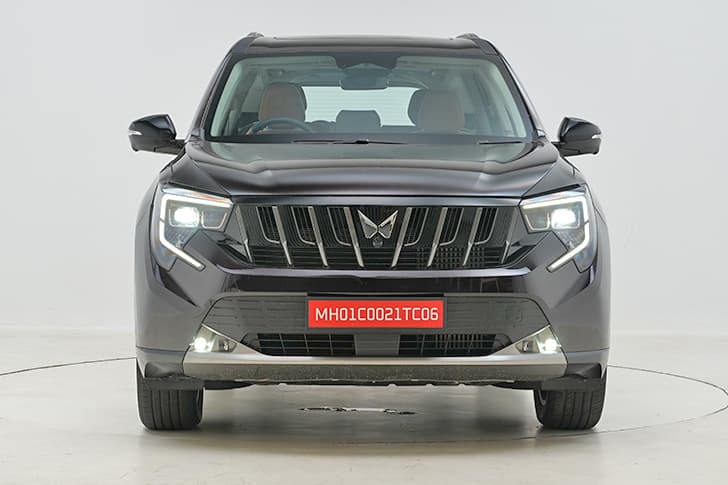
 Electronic Stability ControlFully Digital Digital Instrument ClusterFront Passenger ScreenDigital KeyFabric Seat MaterialAdaptive Cruise ControlFixed Glass SunroofHarman/Kardon Branded Music SystemDriver's Seat MemoryCornering HeadlightsBlind Spot MonitorAuto ParkingFront Only Ventilated SeatsAuto Pop-Out Door HandleAdaptive Cruise ControlRear Cross Traffic Collision AvoidanceAmbient LightingPuddle LampsAdaptive Cruise ControlFixed Glass Sunroof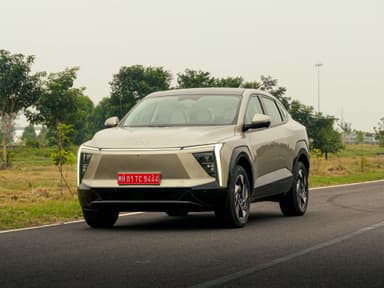
Join the Discussions
I am looking to buy a new EV for my daily office commute, which is roughly 100 km round-trip. My current ride is a Toyota Innova Crysta. While it is a reliable workhorse, I find it increasingly tiring for daily use. The constant body roll, low-speed bounciness, and typical ladder-frame wobble over uneven roads are wearing me down. I want to switch to a smooth, refined electric SUV. My usage will be a mix of self-driving and being chauffeur-driven. My absolute top priorities are: Ride Comfort & Stability: I need a car that glides over bad roads, handles speed bumps cleanly, and minimises vertical movement/head-toss. I want to avoid the wobbliness of the Crysta at all costs. Cabin Space: Generous legroom, good under-thigh support, and a spacious cabin environment are highly important. I am currently considering four upcoming/recently launched options, but I am torn between them: Mahindra XEV 9e, Mahindra XEV 9s, Tata Sierra EV, Tata Harrier EV. Given my 100 km daily run, battery efficiency is a factor, but comfort overrides everything else. Which of these four will offer the most stable, plush, and fatigue-free ride for someone moving away from an Innova Crysta? I do not intend to sell the Innova Crysta, as I want to keep it for the airport and family runs for long distance.

 Tata Sierra EVToyota Innova CrystaMahindra XEV 9eMahindra XEV 9S
Spent the weekend comparing the BE 6 and XEV 9e on paper. Interesting how different they feel despite sharing the same platform underneath.
I currently drive a Jeep Compass Diesel 4x2 and want to change my vehicle within a budget of Rs. 25-30 lakh. My annual running is around 10,000 km, with most of my driving being in the city and 4-5 highway trips a year. Please suggest whether I should go for an EV, petrol or diesel. I have shortlisted the following models: Mahindra XUV 7XO, Mahindra XEV 9e, Toyota Innova Hycross, and Kia Seltos Or is there any other option I should consider? Please suggest.
Mahindra XEV 9eMahindra XUV 7XOKia SeltosHello Autocar, I'm planning to buy an EV with a budget of around Rs. 20-22 lakh (ex-showroom). Although I can stretch it a bit if it's worth it. The models that I'm currently considering are Tata Sierra Adventure 75, Tata Harrier EV Adventure 65 and Mahindra XEV 9e 59 kWh (base variant). My usage will be around 70% city driving. I also own a 2025 Hyundai Creta Petrol CVT, so I'm looking for an EV that genuinely feels like an upgrade rather than just a different powertrain. Among these, I liked the XEV 9e the most, but I'm a bit concerned about the long-term practicality and battery life of the 59 kWh pack, since it's the smallest battery among the three. Which one would you recommend, and is there any other EV in this price range that I should consider?
Mahindra XEV 9eHyundai CretaTata Sierra EVTata Harrier EV