


autocar-logo
Mumbai

Last Updated on: 15 Mar 2026

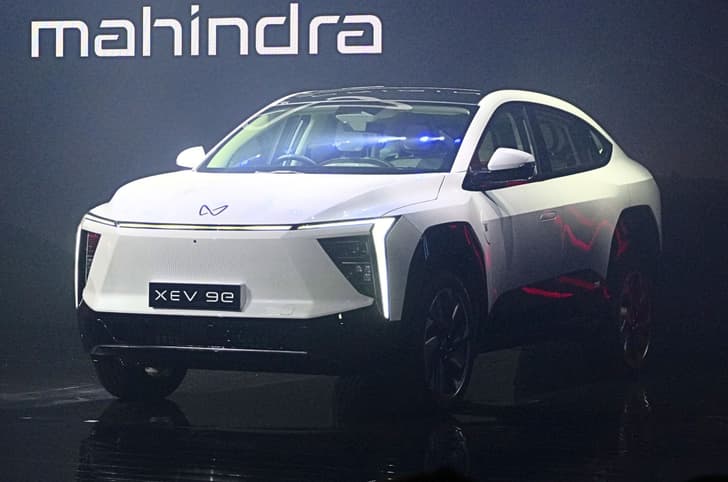
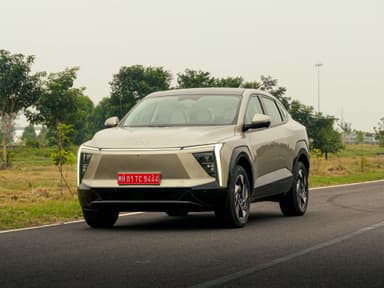
Mahindra XEV 9e variants
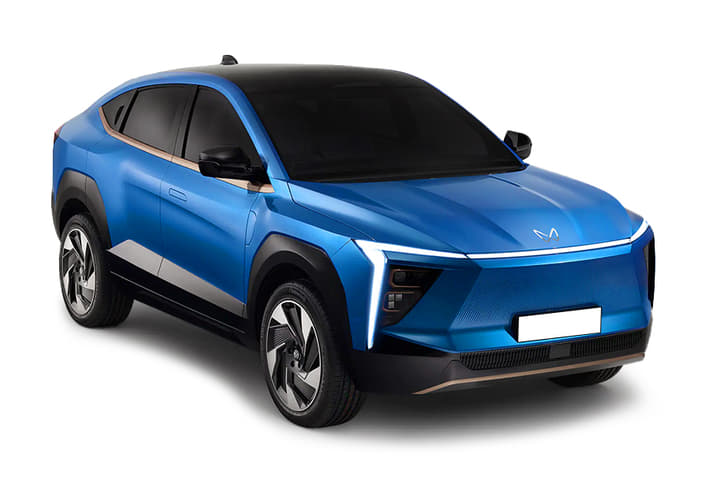
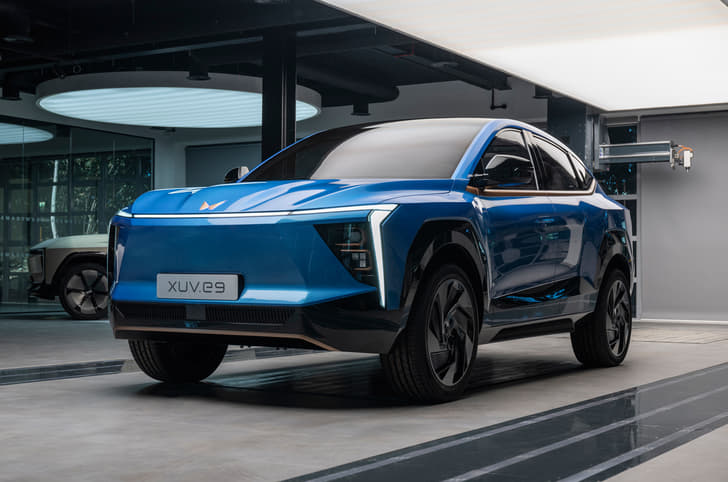
Front Right Three Quarter
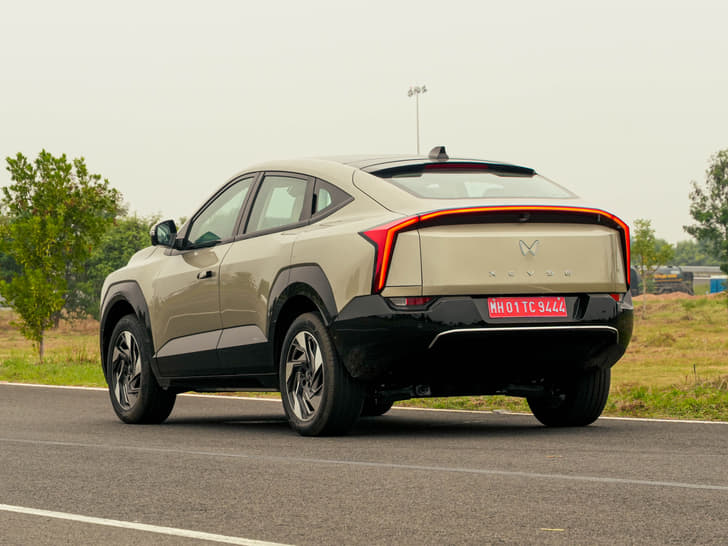
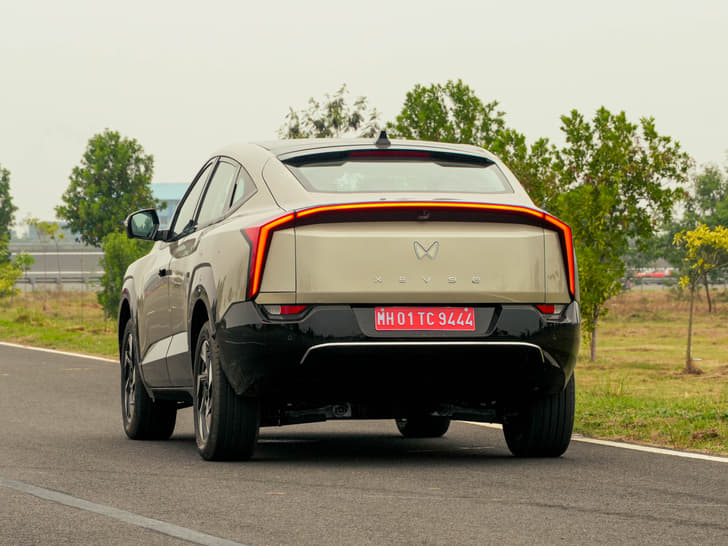
Rear View
Rear View
Front Right Three Quarter
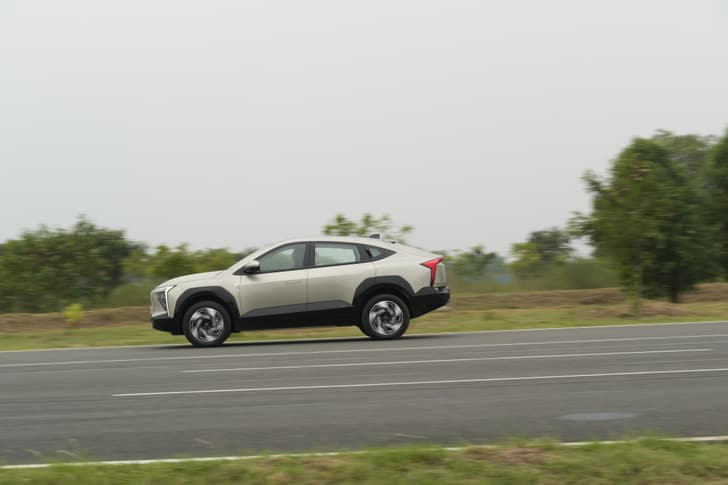
Right Side View
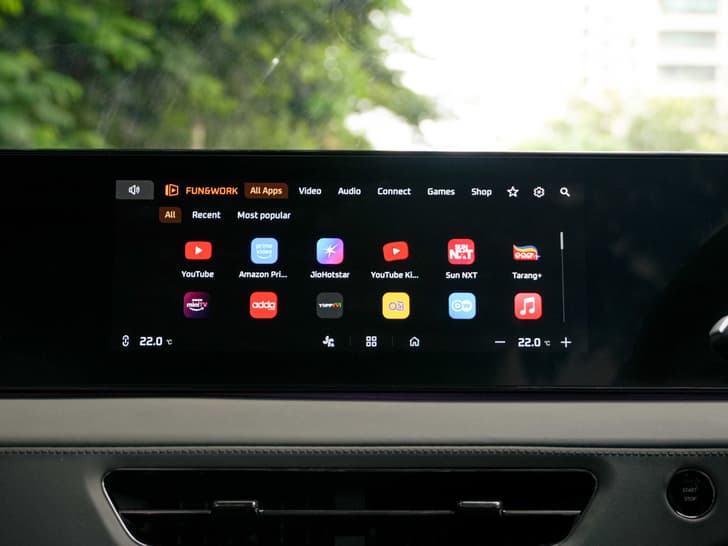
Dashboard
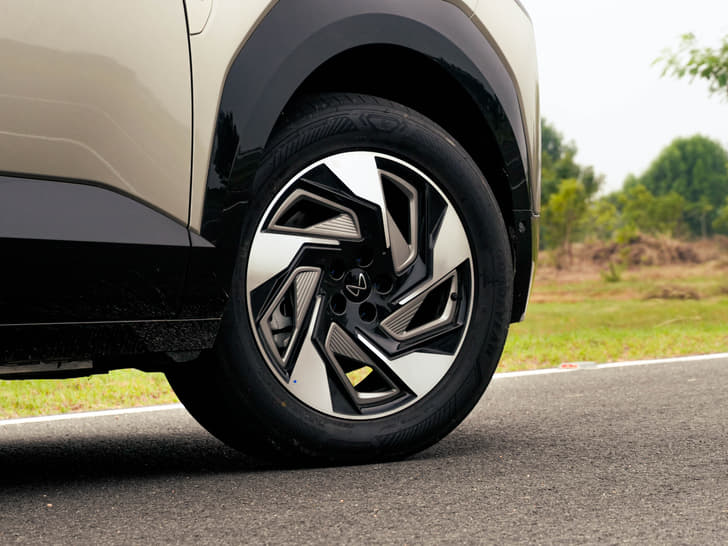
Alloy Wheels True
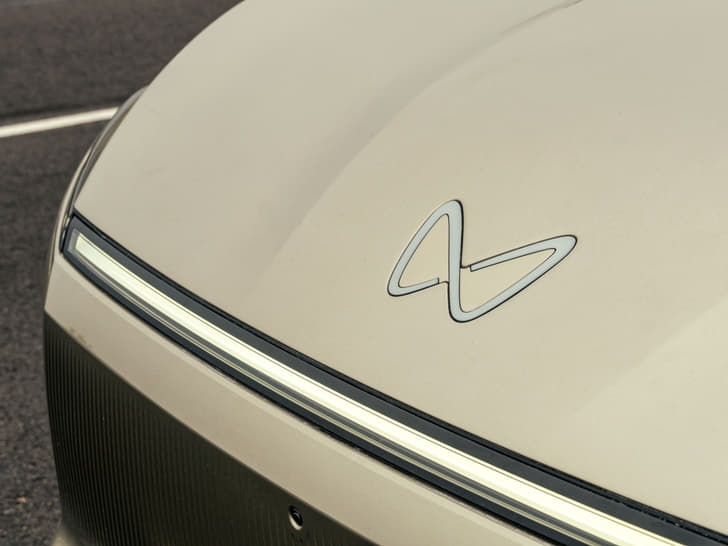
Front Logo
Front Right Three Quarter

Mahindra XEV 9e Pack Two 59kWh

VariantPack Two 59kWh
CityMumbai
₹26.43 Lakh
On road price, Mumbai
View price breakup
Starting₹38,292 /month
EMI calculator

Mahindra XEV 9e Pack Two 59kWh specifications

Engine & Transmission

Fuel Type/ Propulsion
Electric
Motor Type
Permanent Magnet Synchronous Motor
Max Motor Power
231hp
Max Motor Torque
380Nm
Drive Layout
Rear-Wheel Drive
Gearbox Type
Auto
Number of Gears
1
Lockable Differential/s
No
Sport Mode for Automatic Gearbox
No
Manual Shifts via Gear Lever on Automatic Gearbox
No
Paddle Shifters for Automatic Gearbox
No

Fuel & Performance

Battery Capacity
59 kWh
Drive Mode Types
Multiple
Terrain Modes
Yes
Fuel Supply System
Other
Claimed Range
542 km
Charging Time
20 min 20% to 80% (140kW DC), 6 hrs 0% to 100% (11.2kW AC), 8.7 hrs 0% to 100% (11.2kW AC) hrs
Auto Start/Stop
No

Suspension & Steering

Front Brakes
Discs
Rear Brakes
Discs
Type of Power Assist
Electric
Steering Adjust
Tilt and Telescopic
Steering Adjust type
Manual
Turning Radius
5 m
Front Suspension Type
Independent, MacPherson Strut
Front Springs
Coil Springs
Rear Suspension Type
Independent, Multi-link
Rear Springs
Coil Springs
Damper Control
No
Ride Height Adjust
No
Wheels
Alloys
Wheel Size
19 inches
Front Tyre Size
245/55 R19
Rear Tyre Size
245/55 R19
Spare Wheel
Space Saver

Dimensions

Length
4789 mm
Width
1907 mm
Chassis Type
Monocoque
Height
1694 mm
Wheelbase
2775  mm
Doors
5
Ground Clearance
207 mm
Boot Capacity
663 litres

Mahindra XEV 9e Pack Two 59kWh features

Comfort

Power Windows
Front and Rear
Driver Armrest Storage
Single Pedal Driving
Bottle Holder in Doors
Charging Limiter
Scheduled Charging

Safety

Crash Test Rating
5
Driver Attention Warning
High Beam Assist
Speed Sensing Door Lock
Blind Spot Collision Avoidance Assist
Side Airbag

Exterior

Body Coloured Bumpers
LED fog lamps
LED headlamps
LED taillights
Outside rear view mirror (ORVM)
ORVM turn indicators

Interior

Speedometer
Digital
Tachometer
Digital
Trip Meter
Average Fuel Consumption
Average Speed
Distance to Empty

Entertainment

Audio System
Front USB port
2 Type C
Front Passenger Screen
Second Row USB port
2 Type C
CD Player
Branded Music System
Harman/Kardon

Connected Car Features

Driving Analytics
Alexa Compatibility
Find My Car
Remote Engine Start/Stop
Remote AC On / Off via App
Remote Car Lock/Unlock via App

Mahindra XEV 9e variants

VariantsOn road price
Mahindra XEV 9e Pack One 59kWh
Electric | Auto
₹23.26 Lakh
Driver fatigue alert
Electronic parking brake
Automatic parking assist
Cruise control
Keyless start
Value for money
Mahindra XEV 9e Pack Two 59kWh
Electric | Auto
₹26.43 Lakh
Driver fatigue alert
Electronic parking brake
Adaptive cruise control
Cruise control
Keyless start
Mahindra XEV 9e Pack Two 79kWh
Electric | Auto
₹28.11 Lakh
Mahindra XEV 9e Pack Three Select 59kWh
Electric | Auto
₹29.59 Lakh
Driver fatigue alert
Electronic parking brake
Automatic parking assist
Adaptive cruise control
Cruise control
Autocar's pick
Mahindra XEV 9e Pack Three 79kWh
Electric | Auto
₹32.33 Lakh
Driver fatigue alert
Electronic parking brake
Automatic parking assist
Adaptive cruise control
Ambient interior lighting

Mahindra XEV 9e comparison

Mahindra XEV 9e
Mahindra XEV 9e
₹21.90 - ₹30.50 Lakhs
8
Transmission
Auto
Engine
-
Fuel type
Electric
Mileage
542 km - 656 km
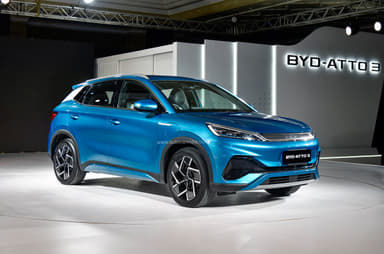
BYD Atto 3
BYD Atto 3
₹24.99 - ₹33.99 Lakhs
7
Transmission
Auto
Engine
-
Fuel type
Electric
Mileage
468 km - 521 km
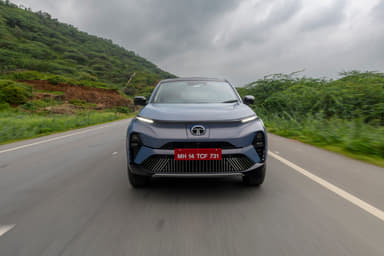
Tata Curvv EV
Tata Curvv EV
₹17.49 - ₹22.24 Lakhs
7
Transmission
Auto
Engine
-
Fuel type
Electric
Mileage
430 km - 502 km

Trending Questions on Mahindra XEV 9e - Answered by Autocar Experts

A
Asked by: Amit Khannaon Mar 13, 2026

I am confused between the Mahindra XUV700 AX7T automatic and the Mahindra XEV 9S Pack 2 (above 70 kWh). My usage is mostly in the city with occasional long trips.

If you have home charging available, the Mahindra XEV 9e Pack 2 makes a lot of sense. Electric cars are extremely smooth in city traffic, offer instant torque and have much lower running costs compared to petrol SUVs.

However, if home charging is not easily available and you prefer the convenience of quick refuelling for occasional long trips, the Mahindra XUV 7XO automatic is the safer and simpler choice. It removes the need to plan charging stops and will feel more convenient for highway travel.

Choose the XEV 9e if you have home charging and want lower running costs with a smoother city drive. Choose the XUV 7XO automatic if you want maximum convenience for long trips without worrying about charging.

P
Asked by: Prashanth Gorijalaon Mar 5, 2026

How is XEV 9e? One of my friends who owns an XEV 9e is saying that the car wobbles after he crosses 60km/h. Is it true? How is the road grip and overall handling of the 9e? What is your take on the new variant Cinelux?

The Mahindra XEV 9e is actually one of the more impressive electric SUVs in its class, offering a strong mix of performance, space, comfort and technology. In typical Mahindra fashion, it also feels quite robustly engineered, which is important for Indian road conditions.
Coming to your friend’s point about the car wobbling after 60kph, that hasn’t really been a characteristic we’ve experienced. The XEV 9e is generally quite stable at highway speeds. EVs, by design, have a low centre of gravity because the battery pack sits in the floor, and that usually gives them very good straight-line stability and planted road manners. So if your friend is experiencing a wobble, it could be due to something specific to that particular car, such as tyre pressure, wheel balancing, alignment or even poor road surfaces can cause that sort of sensation. It’s not something that appears to be an inherent trait of the vehicle.
In terms of grip and handling, this Mahindra car feels secure and predictable. It’s not meant to be a sporty driver’s SUV, but the wide track, long wheelbase and low battery placement help it feel planted through corners. The steering is light and easy for city driving, though, like most electric SUVs, it’s tuned more for comfort and ease rather than outright driver engagement.
As for the Cinelux variant, it’s essentially a cosmetic and feature-focused update rather than a mechanical one. The changes are mainly around new exterior colour options, fresh interior trims and some additional equipment aimed at making the cabin feel a bit more premium and lounge-like.
S
Asked by: sudipon Mar 3, 2026

I am planning to buy an EV, as I see the cost of a near top-end petrol vehicle is similar to a near top-end EV. I am confused between the Tata Harrier EV and XEV 9S (not because it’s a 7-seater, though). The XEV 9S cabin looks much more premium than the Harrier EV. However, hearing about the suspension in the 9S is a bit of a concern. I would mostly use it in the city. Can you suggest?

Since you are considering the Tata Harrier EV, we assume that having seven seats is not a must. In that case, you could also consider the XEV 9e, which is the more direct competitor to the Harrier EV. It has largely the same premium cabin you like in the XEV 9S, but without the third row of seats.
In terms of suspension, the Mahindra XEV 9S has a softer setup than the XEV 9e, which results in noticeable vertical movement on undulating tarmac. It isn’t exactly uncomfortable, but it can feel a bit unsettling out on the highway. The XEV 9e, on the other hand, has a firmer setup and actually feels more composed because of it.
Since most of your driving is in the city, the XEV 9S’s softer suspension may not bother you, but do drive the XEV 9e back-to-back to see which you prefer.
J
Asked by: Jayanth Reddyon Feb 23, 2026

Hi, I want to buy my second car with a budget of ₹30 lakh. I am confused between the Harrier Empowered 75 model and the Mahindra XEV 9e Pack Three. I have test-driven both cars. My usage is mainly on the highway, about 3,000 kilometres monthly. I need a reliable car with more real-world range and good service support. Please advise which of the two is the best option for me.

Both the Tata Harrier EV and the Mahindra XEV 9e make for very good highway cars. However, between the two, we would lean towards the Mahindra XEV 9e as the overall better package.
The XEV 9e feels more like a ground-up EV, whereas the Harrier EV is derived from the combustion-engine Harrier. As a result, the Mahindra feels a touch more refined and slightly more stable at highway speeds. Both cars ride well and are smooth to drive, but the XEV 9e feels a bit more rounded and cohesive as a complete product.
What really tilts the decision in Mahindra’s favour is the range. In our highway range tests, the XEV 9e delivered an impressive 488km, about 95km more than we achieved with the Harrier EV. For someone like you, doing around 3,000km a month largely on highways, that extra real-world range makes a meaningful difference and reduces charging frequency.
The Harrier EV does offer a comfortable ride and a smooth driving experience, and Tata’s service network is fairly widespread. But when you combine better real-world range, slightly stronger highway manners and the more purpose-built EV feel, the XEV 9e Pack Three comes across as the stronger choice for your usage.
M
Asked by: Mitesh Jasanion Feb 18, 2026

I want to buy an EV for around ₹25-30 lakh. We already have a Tiago EV and Altroz petrol for family use. This car will be for daily commuting of around 80 to 100 km for work purposes and outstation family trips once a month. Home and office charging are possible, with a proper charging infrastructure available. I am confused between the Harrier EV and the XEV 9e. Please also suggest if any other option is available.

You already have a good mix in the family with the Tata Tiago EV for city duties and the Tata Altroz for regular use, so this new EV will clearly step up as your primary workhorse, covering 80 to 100km daily plus a proper outstation run once a month. With both home and office charging in place, you’re in the ideal situation to own a larger electric car.
Between the Tata Harrier EV and the Mahindra XEV 9e, we lean towards the 9e. It simply feels more sorted to drive. The ride and handling balance is better resolved, whereas the Harrier EV feels heavier and slightly top-heavy in comparison. That weight is noticeable, especially when changing direction or driving briskly.
Range is another important factor in your case. The Mahindra XEV 9e offers roughly 90 to 100km more real-world range than the Harrier EV, and that extra buffer makes a meaningful difference for your monthly highway trips. It reduces range anxiety and gives you more flexibility with charging stops.
If you are open to stretching within the segment, an even more compelling option is the Mahindra XEV 9S. It offers more equipment, more space and the added flexibility of a third row, which could be useful for family trips. The range is similar to the 9e, so you’re not compromising there. The only trade-off is that the ride is tuned on the softer side, and at highway speeds, there is a bit of vertical movement. It’s not as tied-down as the 9e or even the Harrier EV, but it’s not a deal breaker either.
Given your usage pattern involving high daily running and regular highway trips, range, efficiency and overall driving polish matter most. For that reason, the XEV 9e is the more rounded choice between the two you shortlisted. If space and flexibility are higher on your priority list, the 9S would be our overall pick in this bracket.
S
Asked by: Shobhit rastogion Feb 8, 2026

I have a 2016 Maruti Brezza manual ZDI+ diesel. I am really happy with the car, but I need to upgrade, as Delhi has a 10-year limitation on diesel cars. I have a budget of ₹30 lakh. We are a family of five (including a 4-year-old child), with mostly city usage. I am looking for a good driving experience, comfort, and value for money. I am open to electric cars and have test-driven the Mahindra XEV 9S, yet to try the 9E. I have read a lot about the soft suspension on the 9S and could feel the vertical movement. However, the Pack Three variant of the 9S has more features compared to the 9E, such as electric seat adjustment for co-passengers, seven seats, rear ventilated seats, and is cheaper by a couple of lakhs. I am confused, as I do not want to spend ₹30 lakh and regret it later. My mother did not like the Harrier EV, so that is out of consideration. My running is around 500km a month.

The Mahindra XEV 9S is, in many ways, is a clean and logical upgrade from your Maruti Suzuki Brezza diesel. For a family of five, the flexibility of three-row seating is genuinely useful, even if you don’t use the third row daily.
As you rightly pointed out, the Pack Three variant of the Mahindra XEV 9S is very well equipped and, in fact, offers more features than the 9E Pack Three, like the co-passenger electric seat adjustment, rear ventilated seats and the added practicality of seven seats. Given that it’s also a couple of lakhs cheaper than the comparable Mahindra XEV 9e variant, from a pure value perspective, the 9S Pack Three does look more compelling.
On the suspension, yes, the 9S is tuned on the softer side, but it's not a deal-breaker. You do feel a bit of vertical movement, especially at highway speeds over undulations, and that’s probably what you sensed during the test drive. However, in daily city use (which is the bulk of your 500), a softer setup at low speeds can actually work in your favour, better absorbing potholes and broken patches.
Importantly, Mahindra has responded to feedback by introducing a ‘Custom’ drive mode, which lets you choose a sportier or stiffer suspension setting while keeping steering and power delivery in Comfort. That flexibility helps tailor the car to your preference.
Since your usage is just around 500 km a month and mostly in the city, an electric car makes strong sense. Just ensure you have convenient home charging, that’s key to a stress-free EV ownership experience.
A
Asked by: Adityaon Feb 7, 2026

Is buying a diesel car or an EV more cost-effective in the long term?

In terms of running costs, an EV is certainly better than a diesel in the long run. Especially so if you charge mostly at your home and limit public charging, which is more expensive. 

However, you would also have to factor in resale value. If you are planning to sell your car, say in about 4 to 5 years, an EV could potentially have a significantly lower residual value than a diesel, as the used market for EVs is yet to be established and values set.     

N
Asked by: Nandanon Jan 22, 2026

I have range anxiety about buying the Mahindra XEV 9E. Should I buy the Toyota Innova Hycross ZX(O) or the Innova Hycross Exclusive Edition? Please advise.

If you are worried about the range on any EV, then it's best to stay away. An EV only makes sense if you have provision for charging at your home or place of work, and if your long runs can be done with ideally none, to no more than one stop to charge. 

We tested the larger battery (79kWh) Mahindra XEV9e in our standard test cycle, and it showed a range of 456 kms in the mixed city and highway cycle. Thus, if your long trips are around 300 to 350 kms with not too many inclines and a lot of load in the car, you should be fine for a stop-free trip. 

If this proves to be a problem for you, opt for the Toyota Innova HyCross. As for your query about the Exclusive edition, we don't think it will be available at dealers, as it was supposed to be a limited run. In any case, the differences were mostly cosmetic, with only an air purifier, a wireless charger, and a footwell lamp being the added equipment.          

P
Asked by: Prasannaon Jan 13, 2026

I currently own a 2014 XUV500 and am planning to upgrade. My monthly usage is around 2,000km, with about 5-6 long trips every year. I am confused between the XEV 9S, XUV 7XO and Tata Sierra (turbo-petrol), as all are similarly priced. A five-seater SUV is also fine. Please suggest a better option and explain why.

If you can account for home charging, the Mahindra XEV 9S will be the ideal choice for you, not only from a tech and features point of view, but also being an electric vehicle. You will significantly benefit from lower running costs than any comparable ICE-powered vehicle.
This electric car is smooth to drive, acceleration is strong, and you can easily expect around 400-450km on a single charge, which is impressive. Do keep in mind that the suspension is overly soft, hence it does move around a bit, especially on long drives, and for that reason, we'd recommend you look at the Mahindra XEV 9e instead, which is a 5-seater, has a far better suspension tune, and with good discounts ongoing, you could get a mouth-watering deal on it.
P
Asked by: Pradeep Son Jan 13, 2026

My budget is ₹30 to 35 lakh, and I prefer a diesel vehicle. Which is the best car available in this price range?

There aren't all that many diesel cars in your budget. Of the ones on sale, it's the Mahindra XUV 7XO AWD AT that comes across as the most complete. It's got a very nice diesel engine, a smooth automatic gearbox, and also gets the added ability of all-wheel drive. The updated interior also packs in loads of tech, though the over-reliance on the touchscreen takes getting used to. 
Among the other diesel options, there's the Jeep Meridian. While a more premium product than the XUV 7XO in many ways, its gentler engine tune and slow-shifting gearbox take some fun away from the driving experience. The Meridian does score with a tough feel, but you'll need to go out of budget for all-wheel driver versions. 
If you are open to electric, the Mahindra XEV 9e and XEV 9S are worth a look. Built on Mahindra's new-age EV architecture, they score high for power, refinement, and range. The 9e is the better of the two to drive thanks to a better suspension setup, while the 9S is more practical with a third row of seats.