Autocar India
ZO

Zorro

18h

As a diesel enthusiast, I am now considering switching to an electric vehicle. My budget is around ₹30 lakh. I am currently confused between the BYD Atto 3 and Mahindra Electric offerings. I have also looked at Tata Motors EVs, but I have come across feedback suggesting a noticeable difference between claimed and real-world range.

Autocar India team

Autocar India

Verified
30m

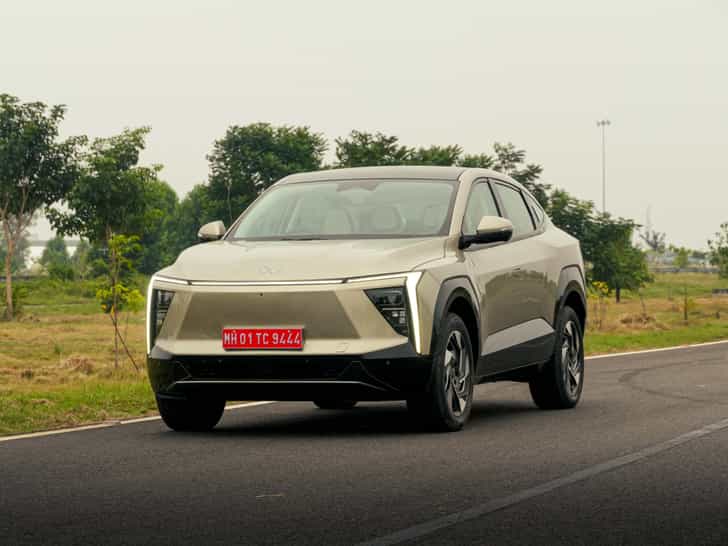
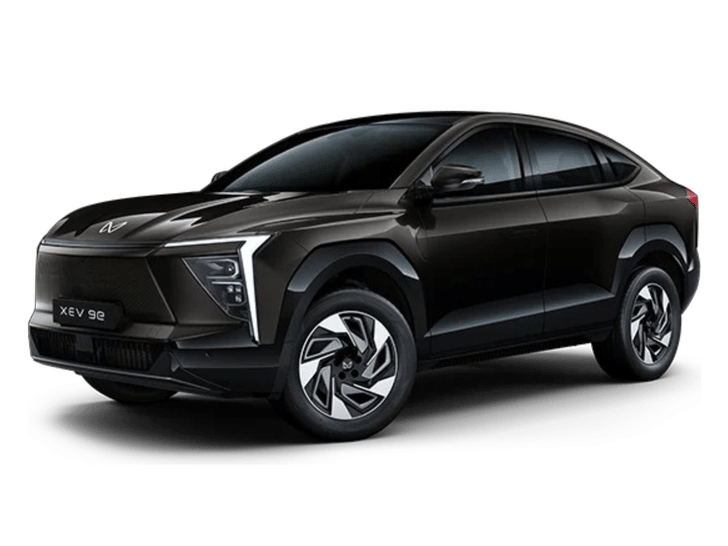
You are coming from diesel, so your expectations are clear. Strong performance, long-range confidence and a solid feel. The Mahindra XEV 9e matches that better. It is a larger, more powerful car that offers significantly more space and boot capacity, and delivers stronger performance. It also has a bigger battery and higher claimed range, which makes it better suited for long-distance use.

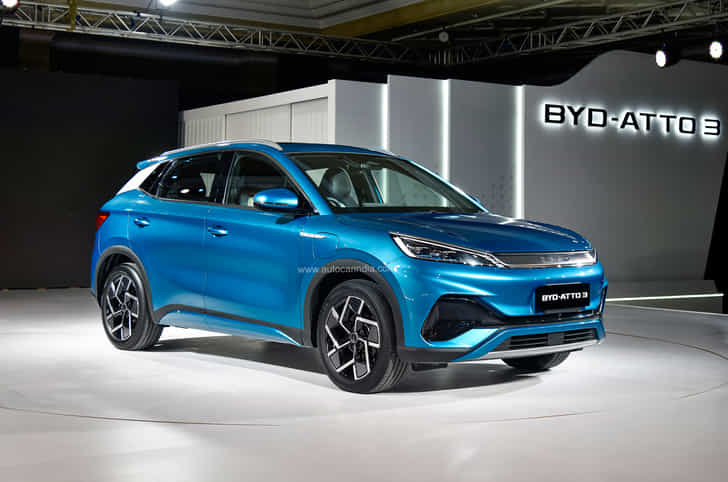
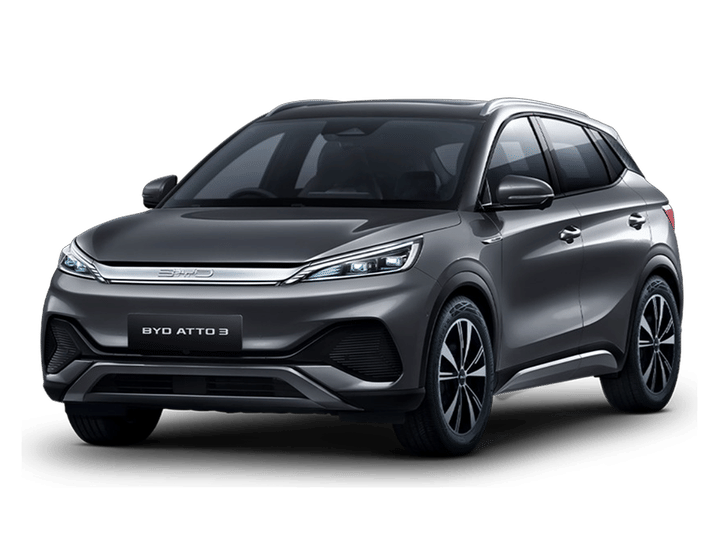
The BYD Atto 3, on the other hand, is a more mature and sorted EV. It feels very well put together, easy to drive and comfortable. It is slightly smaller, easier in the city and has a more proven track record as a product. If your usage is mostly urban and you value refinement over size and performance, it is a strong option.
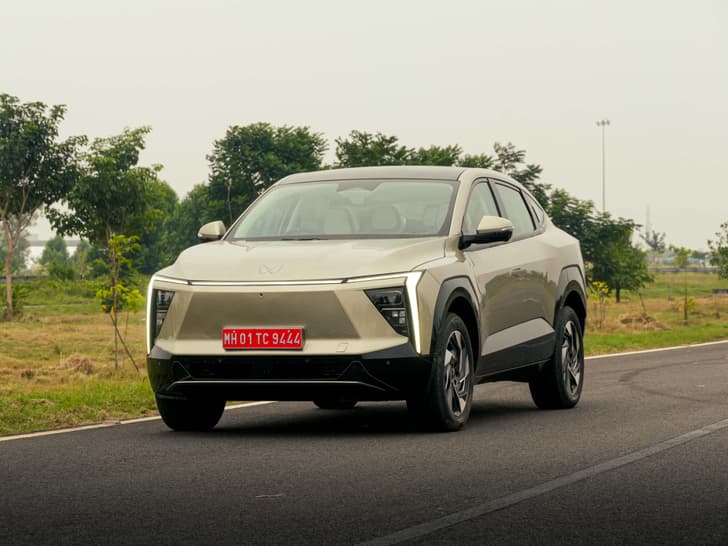
Mahindra XEV 9e

Mahindra XEV 9e

More questions on similar cars

AS

Akshay Shah

6h

Hi Autocar Team, I am planning to buy the Kia Seltos GTX+ (Automatic) and am confused about which engine to choose: 1.5L naturally aspirated petrol, 1.5L turbo petrol, or diesel. I have heard that the NA petrol is not very powerful. My monthly running is around 500-600 km in Ahmedabad city, with highway trips of 500-600 km once every 4-5 months. Could you please suggest which engine would be best suited for my usage? Also, should I consider the Mahindra XUV7XO, and if yes, which variant? My budget is not a constraint.

Autocar India team

Autocar India

Verified
2h

Your running is mostly city with relatively low monthly kilometres, so petrol makes more sense than diesel. It is smoother, easier to live with and avoids the need to think about DPF or long-term diesel usage patterns.Now, within petrol, the choice depends on what you value more. The 1.5 NA petrol with IVT is the most suited for your use. It is smooth, very easy to drive in traffic and pairs well with the IVT gearbox, which is seamless in stop-go conditions. It may not feel very powerful on paper, but in real-world use, it is adequate for both city driving and occasional highway trips if you drive in a relaxed manner.The 1.5 turbo petrol with DCT is the more performance-oriented option. It feels quicker and more responsive, especially on highways and during overtakes. However, in city traffic, the DCT can feel slightly less smooth, and fuel efficiency will be lower. It suits someone who prioritises performance over ease.So the difference is clear. The IVT is about smoothness and comfort; the DCT is about performance.

VehicleKia Seltos
VehicleMahindra XUV 7XO
CH

Chaitanya

17h

I am planning to buy an MPV and am confused between the Toyota Innova Hycross VX and the Maruti Suzuki Invicto Alpha. Which would be the better option considering service costs and overall value for money?

Autocar India team

Autocar India

Verified
3h

The core point is this: both cars are essentially the same under the skin. The Maruti Suzuki Invicto is based on the Toyota Innova Hycross, so engine, platform and driving experience are nearly identical. That means performance, comfort and mileage are not the deciding factors.Where the difference comes in is ownership. Toyota’s aftersales experience is still more consistent and predictable across cities. Service quality, long-term reliability and resale value are all areas where the Innova badge has a clear edge. Over a long ownership period, this matters more than a few extra features.The Invicto Alpha does offer slightly more features for the price and can feel like a better value on paper. But in real-world ownership, Toyota’s support and brand strength make the Hycross the safer and more reassuring option.

VehicleMaruti Suzuki Invicto
VehicleToyota Innova HyCross

Popular discussions right now

VN

Vedant Nawange

4d

Hi, I am confused between buying the Kia Seltos diesel, which I love for its interior and power and which gives around 15 km/l mileage, and the Toyota Hyryder, which involves a slight design compromise but offers 22+ km/l mileage. My daily running is around 70 km, including both city traffic and highway cruising. Also, please share if there is even the slightest possibility of a Kia Seltos hybrid coming next year, as I would be happy to wait.

Autocar India team

Autocar India

Verified
2d

With a 70 km daily mix of traffic and highway use, we would lean towards the Toyota Urban Cruiser Hyryder strong-hybrid. Your usage is high, and the hybrid will use far less fuel in city traffic while staying calm and smooth. It pulls away on electric power at low speeds, so stop-go driving feels quiet and easy.You like the Seltos for its cabin and stronger shove, and that is fair. The Seltos diesel feels stronger when you press the throttle for quick passes, and its cabin does look and feel richer. If most of your 70 km is open highway and you really value that strong pull and the Kia car interior, the Seltos diesel automatic is still a solid pick.On a Kia Seltos hybrid: Kia does intend to introduce a hybrid, but timing is not yet decided as they are trying to localise components. We estimate it could arrive in 2027, but that could change. For your mix of city and highway, the Hyryder strong-hybrid lines up best with what you need right now.

VehicleKia Seltos
VehicleToyota Urban Cruiser Hyryder
MB

manjunath BR

2w

I am considering the Skoda Kushaq 1.5 DSG, Renault Duster 1.3 DCT, and Honda Elevate. My usage is mostly city (70:30). I am unsure about DSG and DCT reliability, rear seat comfort, and long-term maintenance. I enjoy driving and prefer a driver-oriented car with a good music system. Please advise.

Autocar India team

Autocar India

Verified
6d

From your shortlist, there isn’t one SUV that perfectly ticks every box. If driving enjoyment is a priority, the Skoda Kushaq 1.5 TSI stands out. Its quick-shifting DSG, strong mid-range performance and sharp, agile handling make it the most engaging and driver-focused of the three. It also offers one of the best audio setups in the segment, with an 8-speaker system, subwoofer and amplifier delivering rich and punchy sound.On the reliability front, the 7-speed DSG has improved over time, but it’s still not as inherently robust or smooth in stop-and-go city use as Honda’s CVT. The Elevate, in contrast, is the easiest-going and fuss-free option here. It offers significantly better rear-seat space and comfort, along with Honda’s strong reputation for long-term reliability. However, it’s not particularly exciting to drive.The Renault Duster 1.3 DCT sits somewhere in between. Its turbo-petrol engine is strong and refined, but the car itself isn’t as sharp or driver-oriented as the Kushaq. Rear-seat space is also not its strong suit, and overall, it doesn’t quite stand out in any one area.So broadly, Kushaq for driving fun and audio, Elevate for space and peace of mind, and Duster as a middle-ground option.

VehicleSkoda Kushaq
VehicleHonda Elevate
VehicleRenault Duster

Posted on: 1 May 2026