Electric Cars Under 30 Lakh in India (44)
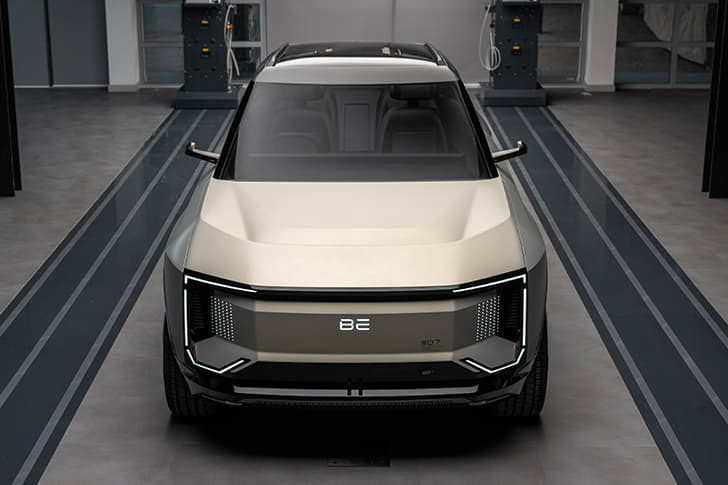
Discover the best Electric Cars Under 30 Lakh. Our comprehensive guide covers detailed specifications, expert reviews, pricing information, and buying advice for Electric Cars Under 30 Lakh. Find the perfect cars that matches your requirements and budget.


Filter your search


Filter your search
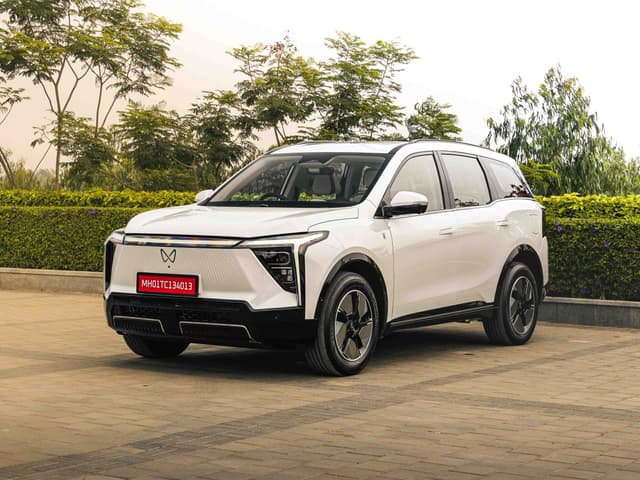


Filter your search
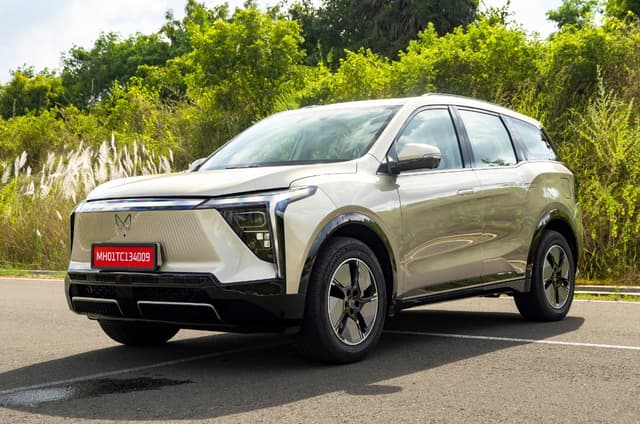
Filter your search
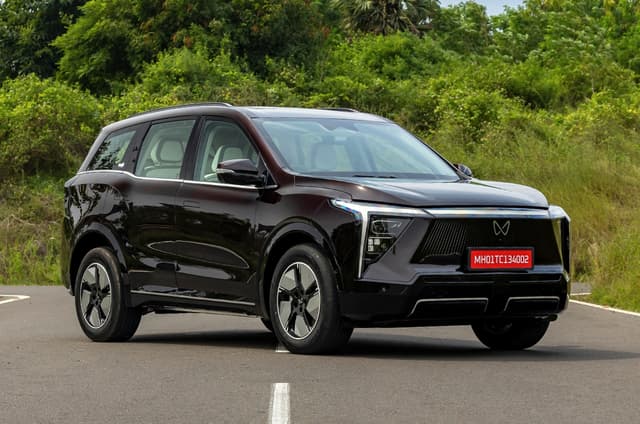


Filter your search
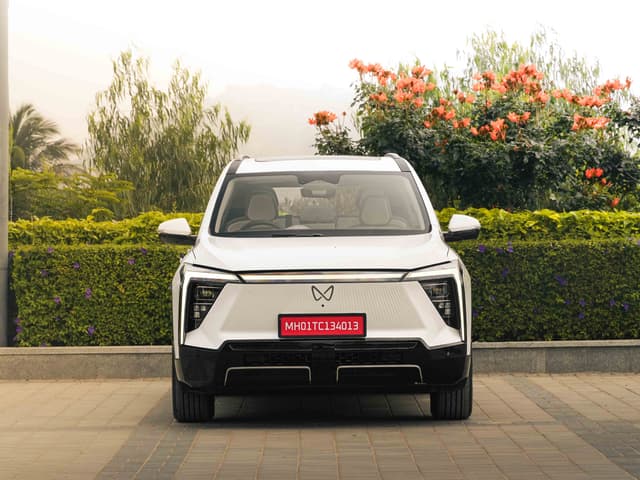


Find cars by transmission


Find cars by transmission
Trending Questions on Cars - Answered by Autocar Experts
I currently drive a Swift AMT and cover around 1,500 km a month, including 1,000 km on the highway and 500 km in the city. I have booked the Duster Hybrid, but I am now confused between an EV and a hybrid. As an auditor, my single-day driving can go up to 300 km, and twice a year I take road trips of around 1,500 km each. My company reimburses me Rs 10 per km for my 1,000 km of monthly travel. Please suggest the better option. My budget is Rs 15-20 lakh.
Go for the Renault Duster Hybrid you have already booked. Your usage pattern is heavily highway-biased, with regular 300 km days and occasional 1,500 km road trips, and that is where a hybrid car makes the most sense. The Duster Hybrid should deliver strong fuel efficiency on the highway, keep running costs low and eliminate any range anxiety or charging dependency. The Rs 10 per km reimbursement will work in your favour with a hybrid, as you will consistently benefit from lower fuel costs without the need to plan charging stops or worry about charging infrastructure on long trips.An electric car would only make sense if your usage was predominantly city-based with predictable daily runs and home charging available. With your highway-heavy usage and long single-day drives, an EV would require careful charging planning and could become inconvenient on longer trips. The Duster Hybrid is also a good car to drive, with a strong balance of ride comfort and handling, making it well suited to your kind of usage.The only caveat is that the Duster Hybrid is a new product and does not have a proven long-term ownership record yet. If that concerns you, the Maruti Suzuki Victoris Hybrid is the safer long-term ownership choice, but the Duster will be the more engaging car to drive and feel more premium as well. Overall, the Renault car mentioned above is the best fit for your usage.
I usually travel around 3,000km a month. My Skoda Slavia 1.0 top-end variant has already covered 63,000km in one year and 10 months. I am now planning to shift to an EV. My running includes two outstation trips every month, along with daily travel of around 100km. On weekends, I typically travel 150-200 km. My budget is around Rs 20 lakh. Which EV would suit my needs best? Kindly suggest.

With your running of around 3,000km a month, two outstation trips a month, daily 100km commutes and weekend 150-200 km runs, an electric car does make sense, but only if you have reliable home charging or charging at your workplace.The Hyundai Creta Electric would be a very sensible choice and should suit your mix of city and highway usage well. It has an excellent ride, is light and easy to drive in the city, and remains stable at higher speeds on the highway. At your Rs 20 lakh budget, you would get the smaller 42kWh battery, which should suffice for your 200km drives, assuming these do not involve too many steep climbs, as these can reduce the range. If you can stretch your budget by about Rs 1 lakh, you would be able to get the larger battery pack, which would make your long drives easier.As for the variant, it would be the base and lower trims that would suit your budget, but you will still get the essential features like automatic climate control and a touchscreen with Android Auto and Apple CarPlay.

Hi, I have Rs. 20 lakh in hand and want to buy an EV. However, my height is a concern, as I am 6'1" tall, so I want a car that is comfortable for my height. I drive roughly 180 km per week and around 1,000 km every month on long road trips.
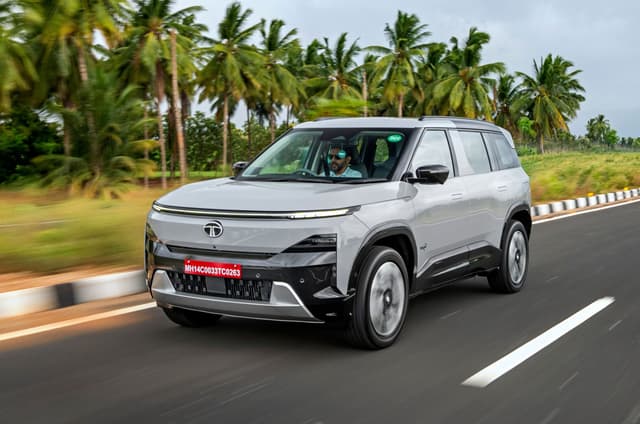
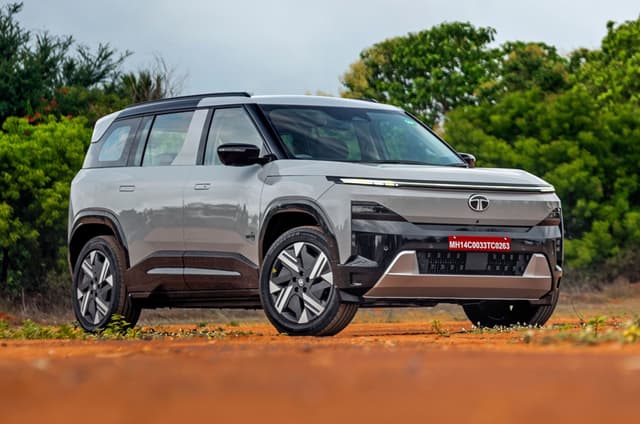
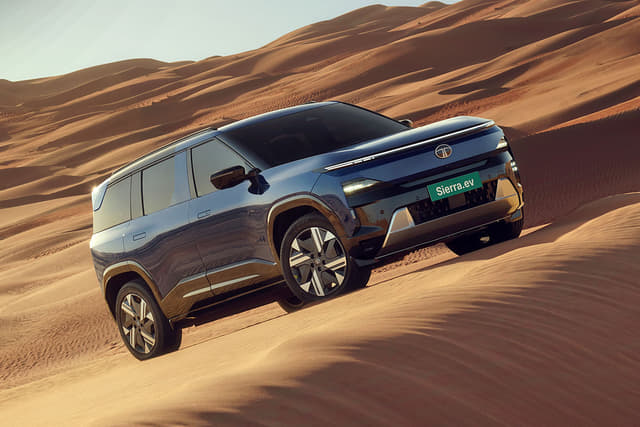
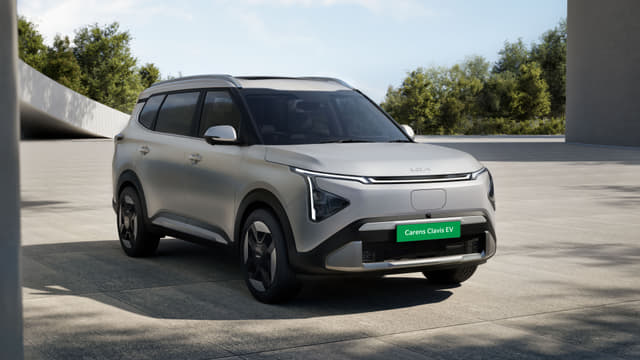
At 6ft 1in, the Sierra EV is worth considering first because the cabin is genuinely spacious and the driving position should comfortably accommodate a taller driver. It also gives you the SUV stance and substantial cabin that you are looking for, while the large boot makes it better suited to your regular long trips.Your running also makes an EV a sensible choice. Around 180km a week is easily covered through home charging, while the longer 1,000km trips will require some planning around fast charging. The Sierra EV's ride is another advantage for your usage, particularly if those long journeys include uneven roads.The Kia Carens Clavis EV is the other car worth considering. It offers a very spacious cabin and greater seating flexibility, so it makes more sense if carrying family members regularly is important. For a primarily five-seat requirement, however, the Sierra's SUV packaging is likely to appeal more.
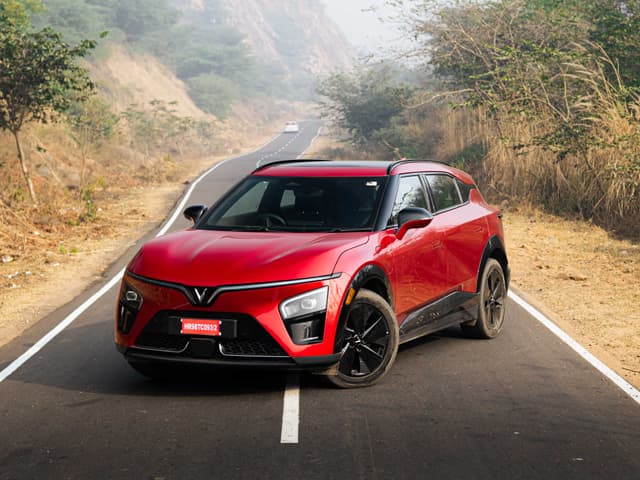
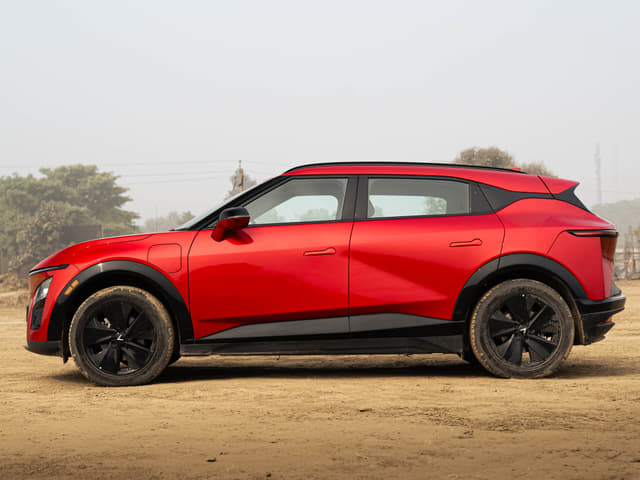
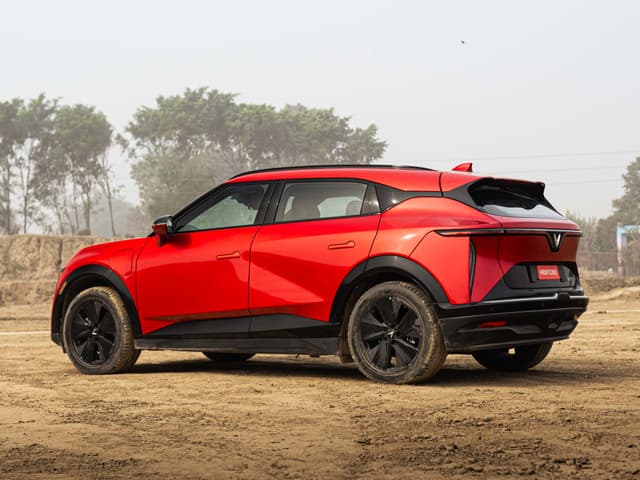
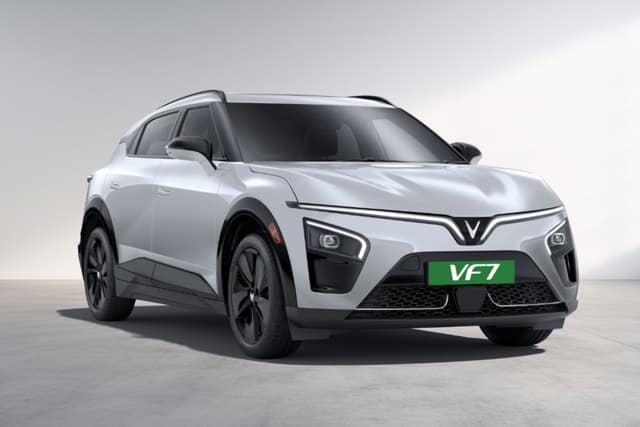
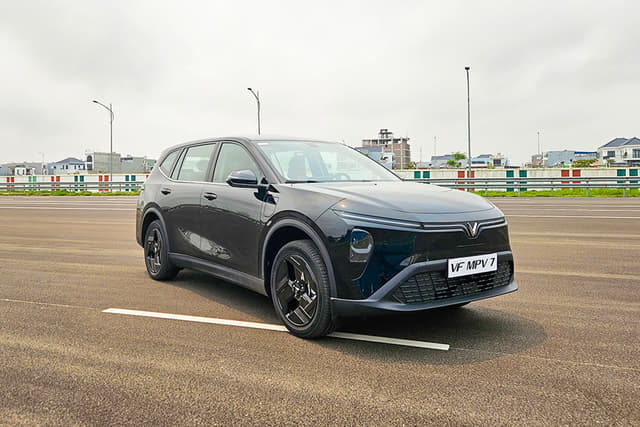
Hi, I'm looking for a new second car, mainly for city use and occasional highway trips, maybe once a month. My top priorities are comfort, space, and a good driving experience. My average daily usage would be around 50 km, mainly for household work. I'm considering an EV for its silent and smooth drive. My shortlisted cars are:Tomahawk EV, VF7, XEV 9S, Sierra EV My budget is Rs. 25-30 lakh.
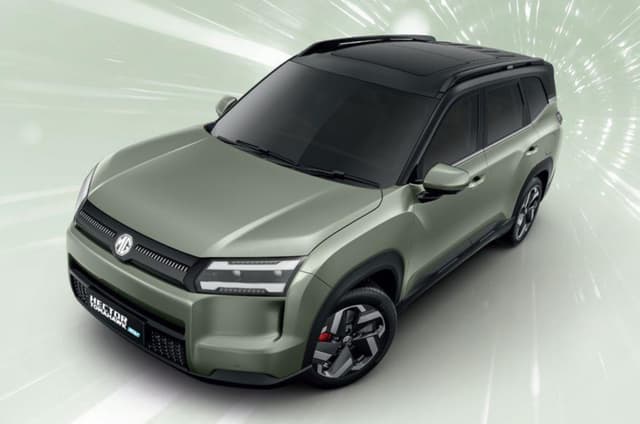
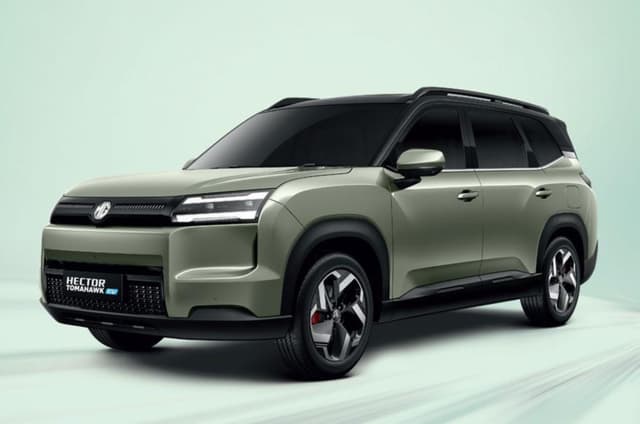
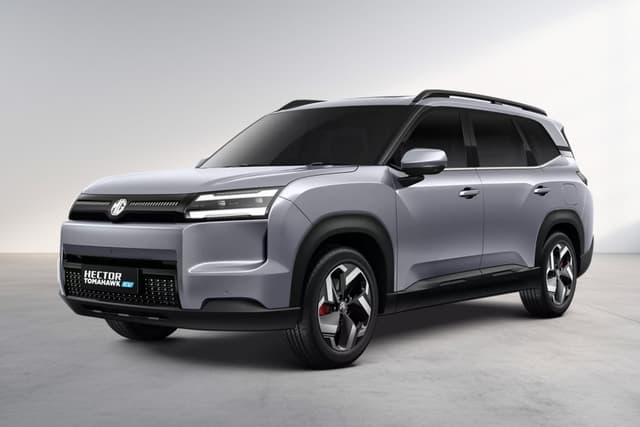
For a second car doing around 50km a day, mainly in the city, an EV makes a lot of sense, particularly if home charging is available. Among your shortlist, the Tomahawk EV is the best match for your priorities of comfort, space and ease of driving. It has a spacious cabin, light steering and excellent all-round visibility, making it surprisingly easy to manage in traffic despite its size. Its ride is also comfortable overall, although the suspension can be heard working over rough roads.The Tomahawk also has enough range for your occasional highway trips. In our first drive, it returned 4.85km/kWh on a fast highway run, which translates to around 336km of real-world range from its 69.2kWh battery. DC charging is supported at up to 90kW.The XEV 9S is the more sophisticated and performance-focused option, but it is also a more expensive proposition. The VF7 is worth considering if driving enjoyment is more important than outright cabin space.
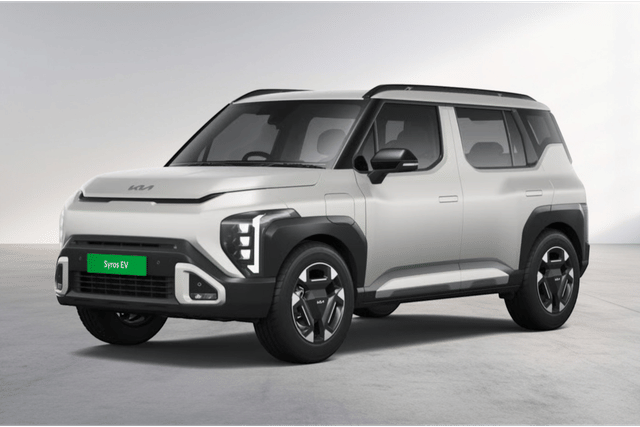
Hi Autocar Team, I'm looking for some guidance on whether I've made the right decision or whether I should reconsider before delivery. My current car is Toyota Etios Liva V Petrol, which has been extremely reliable but now it delivers only around 10-12 kpl for my usage. This results in high running costs. My monthly driving is approximately 1,200-1,500 km that consists of daily commute and occasional highway trips. My initial plan was to keep costs under control and I had booked the Tata Punch EV Empowered+ 40 kWh, largely to restrict my budget to around Rs. 15 lakh on-road. However, while researching alternatives up to approximately Rs. 20 lakh ex-showroom in Kerala, I ended up booking the Kia Syros EV X-Line. The Syros EV appeals to me because of significantly better rear-seat space and cabin width as compared to my Etios Liva, more premium interior and features, better long-term family comfort, larger battery and range as well as better overall sense of upgrade from my current car. However, I'm still feeling anxious about whether I'm overspending. The jump in EMI from the Punch EV to the Syros EV is substantial and will have a noticeable impact on my monthly finances. While I can manage it, I want to be sure that the additional expenditure is genuinely justified and not merely an emotional decision. Based on my monthly running of 1,200-1,500 km, could you please advise if the Syros EV worth the additional cost over the Punch EV 40 kWh? From a value-for-money perspective, would you proceed with the Syros EV or step back to the Punch EV? Are there any other EVs under Rs. 20 lakh ex-showroom that I should seriously consider instead? I am not interested in the MG Windsor EV due to its styling, so alternatives apart from the Windsor would be appreciated. If you were in my position and were planning to keep the vehicle for 8-10 years, which option would you choose and why? Looking forward to your expert opinion.
You have made a sensible shortlist and your thinking is on the right track. The key question here is whether the Syros EV's higher cost is justified by your usage and priorities. At 1,200-1,500 km a month, an EV makes strong financial sense, but the Punch EV 40 kWh already delivers a very low running cost and a usable real-world range. The Syros EV's larger battery and longer range are nice to have, but the real justification for the extra spend is the significantly larger cabin, wider rear seat and more premium interior, which will make a meaningful difference to family comfort over an 8-10 year ownership period.If your primary concern is value for money and keeping EMIs under control, the Punch EV 40 kWh is the more rational choice. It will do the job well and keep your running costs low. However, if you are looking for a genuine upgrade from the Etios Liva and want a car that will feel comfortable and premium for the long term, the Syros EV is worth the extra spend. It is not just an emotional decision - the additional space and comfort will matter over time.Given your usage and ownership horizon, we would lean towards the Syros EV X-Line. It strikes a better balance between running cost savings and long-term comfort, and it feels like a proper step up from your current car. If you are not comfortable with the EMI jump, the Punch EV remains a very good alternative, but the Syros EV is the more complete upgrade.
Last Updated on: 28 Sept 2026