

Last Updated on: 20 Jul 2026
MG ZS EV
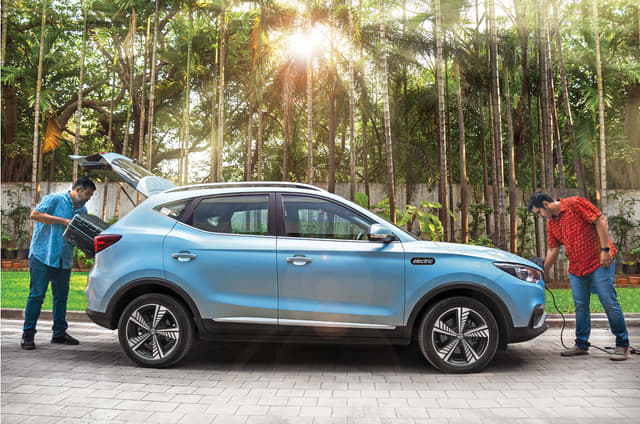
The MG ZS EV is the first electric vehicle that the carmaker debuted in India back in January 2020. This MG electric car is priced from ₹17.99 lakh, ex-showroom, for the entry-level Executive trim. The top-spec Essence model is priced at ₹20.50 lakh, also ex-showroom.
The MG ZS EV variants include 4, including Executive, Excite Pro, Exclusive Plus, Essence. The MG EV on-road prices start from 19.08 lakh and go all the way up to 21.84 lakh in the city of Mumbai. It features a single 50.3kWh battery pack, which is paired with a 177hp front-axle-mounted electric motor.
The MG ZS EV claimed range is 461km.
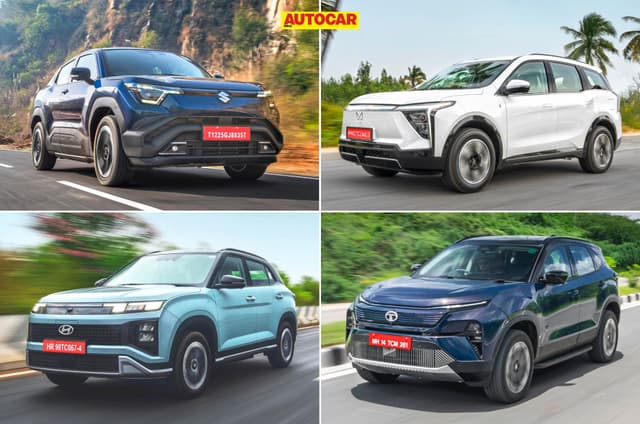
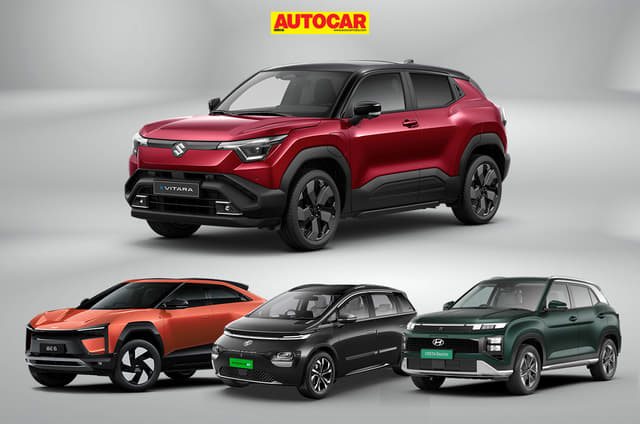
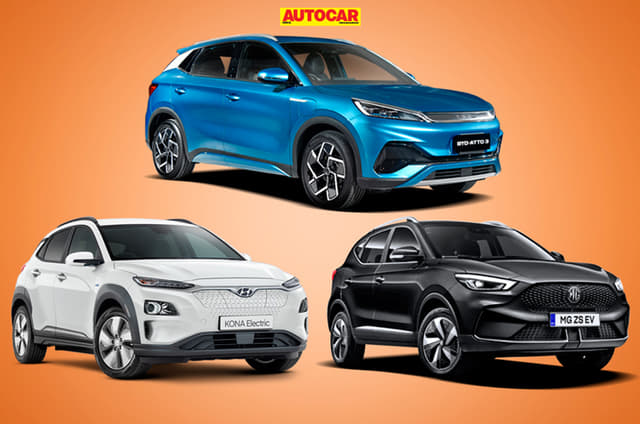
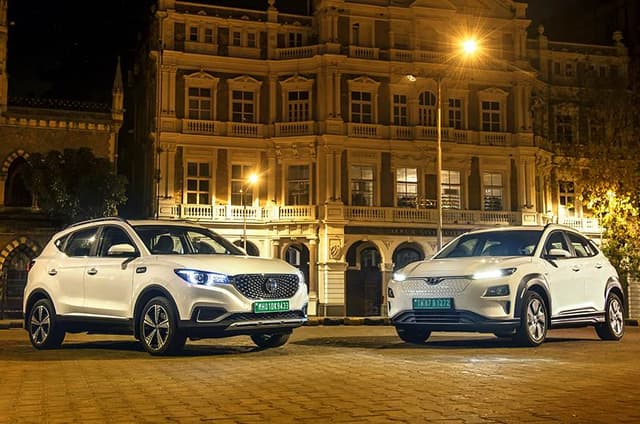
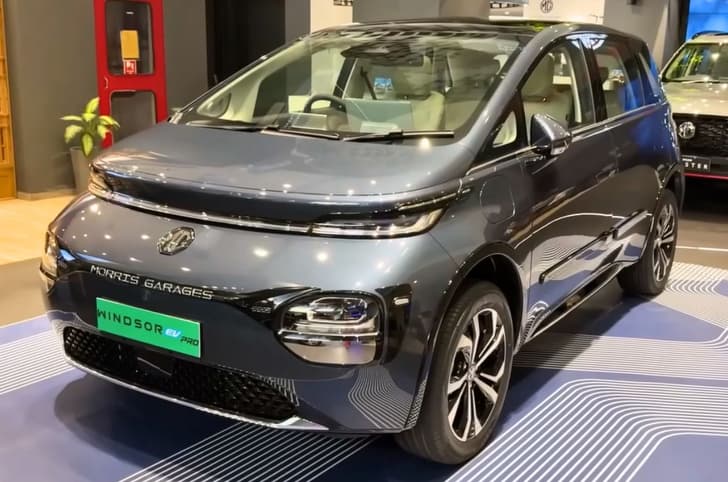
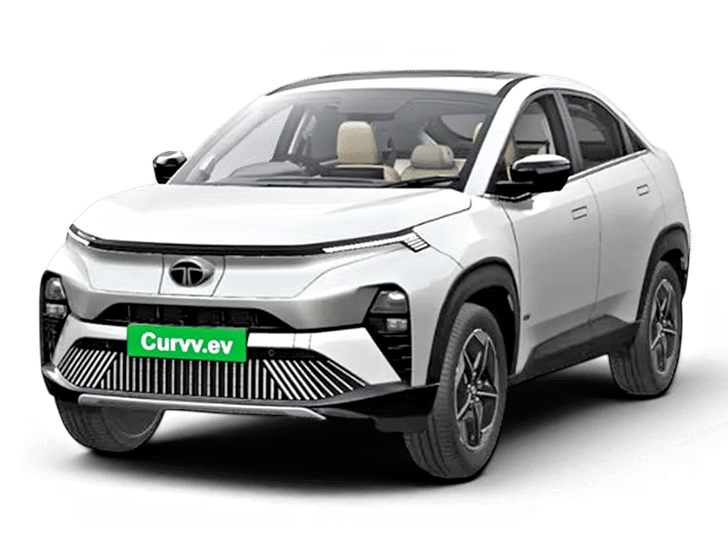
MG ZS EV rivals include the Hyundai Creta Electric, Mahindra BE 6 and Tata Curvv EV. Some variants of the MG Windsor can also be considered a competitor of the MG EV.
Key Highlights Of MG ZS EV
- One of the first EVs launched by MG in India; on-road prices in Mumbai range between ₹19.08 lakh and ₹21.84 lakh.
- Gets a 50.3kWh battery pack that powers an electric motor mounted on the front axle that produces 177hp and 280Nm.
- Has a claimed MIDC range of 461km and can be charged from 0-80% in about an hour with a 50kW fast charger.
- Its pre-facelifted avatar was crash-tested by Euro NCAP in 2019, where it scored a 5-star safety rating.
- Safety features include 6 airbags as standard, ABS with EBD, ESC, 360-degree camera, heated ORVMs and front and rear fog lamps.
- Also equipped with a 10.1-inch touchscreen, a 7-inch digital driver’s display, a powered driver’s seat, a panoramic sunroof and a wireless phone charger.
- The MG ZS EV gets a pleasant interior with a white and black theme. Its dashboard, steering wheel, seats, and door pads use leatherette materials extensively.
MG ZS EV Latest Updates
- 16 Jun 2025: MG ZS EV prices slashed by up to Rs 4.44 lakh.
MG ZS EV Features and specifications
Our Rating | 8 |
Battery Range | 461 km |
Fuel Type | Electric |
Transmission | Auto |
Seats | 5 |
Body Style | SUV |
Doors | 5 |
Claimed Electric Motor Range | 461 km |
Warranty Distance | Unlimited km |
Warranty Duration | 3 Years |
| Fuel Type/ Propulsion | Electric |
| Motor Type | Permanent Magnet Synchronous Motor |
| Number of Motors | 1 |
| Pure Electric Driving Mode | Yes |
| Battery Capacity | 50.3 kWh |
| Claimed Range | 461 km |
| Charging Time | 60min 0%-80%(50 kW charger), 8.5-9hrs 0%-100%(7.4 kW charger) hrs |
| Auto Start/Stop | No |
| Front Brakes | Discs |
| Rear Brakes | Discs |
| Type of Power Assist | Electric |
| Steering Adjust | Tilt |
| Length | 4323 mm |
| Chassis Type | Monocoque |
| Width | 1809 mm |
| Height | 1625 mm |
| Power Windows | Front and Rear |
| Interior Lamps | |
| Power Windows with One Touch-Down | Driver Window Only |
| Powered Tailgate |
| Airbags | 6 |
| Lane Keep Assist | |
| Lane Departure Avoidance | |
| Seat Belt Warning |
| Body Coloured Bumpers | |
| LED taillights | |
| Headlight Height Adjuster | |
| Welcome and Goodbye Animation |
| Speedometer | Digital |
| Tachometer | Digital |
| Trip Meter | |
| Average Fuel Consumption |
| Audio System | |
| CD Player | |
| Branded Music System | JBL |
| Speakers | 6 |
| Vehicle Tracking Via App | |
| Find My Car | |
| Digital Key | |
| Geo Fence |
MG ZS EV price & variants
The MG ZS EV prices start from ₹17.99 lakh for the Executive trim and goes up to ₹20.50 lakh for the fully-loaded Essence variant, ex-showroom. On-road ZS EV prices in Mumbai range between ₹19.08 lakh and ₹21.84 lakh.
- All variants of the ZS EV are offered with a 50.3kWh battery pack.
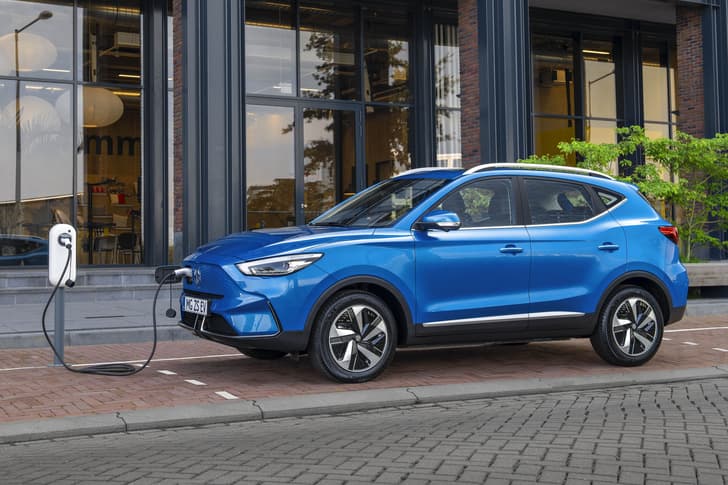
- It is also available with a BaaS (battery as a service) plan, which essentially is a subscription plan for the battery pack. This plan reduces the initial cost of the MG EV, as customers opting for it would have to pay a per-km subscription fee for the battery pack.
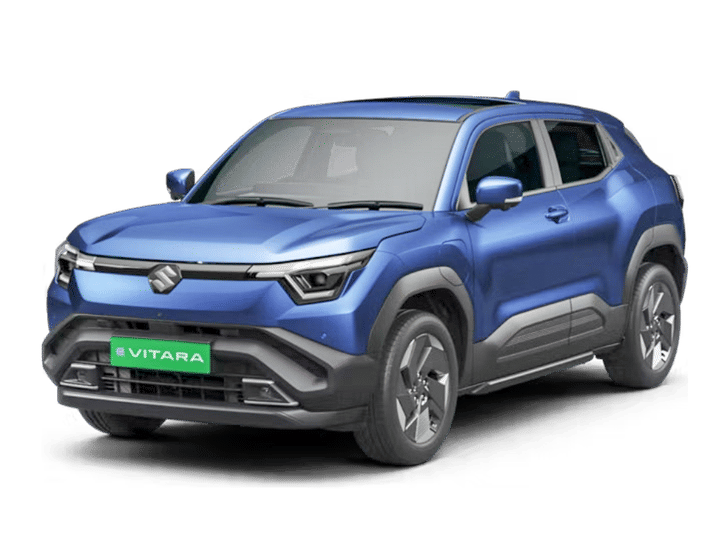
The MG ZS EV competitors include the Mahindra BE 6, Hyundai Creta Electric and the Tata Curvv EV. It will also lock horns with the Maruti Suzuki e Vitara when it is launched in India.
MG ZS EV expert review
We like
Practicality
Range
We don't like
Expensive
Regen not too effective
6
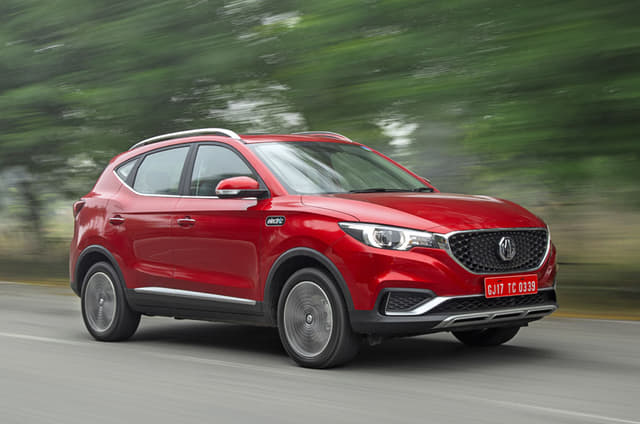
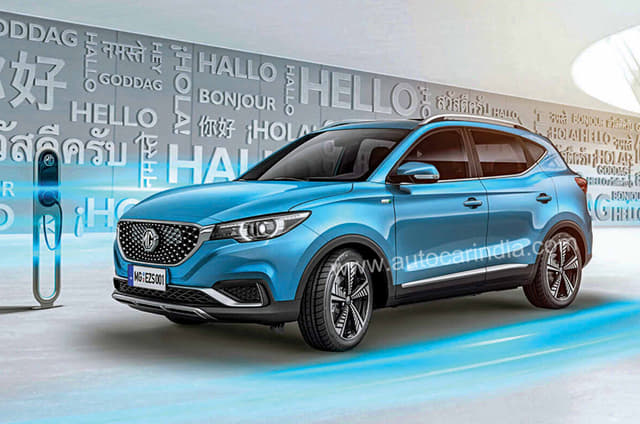
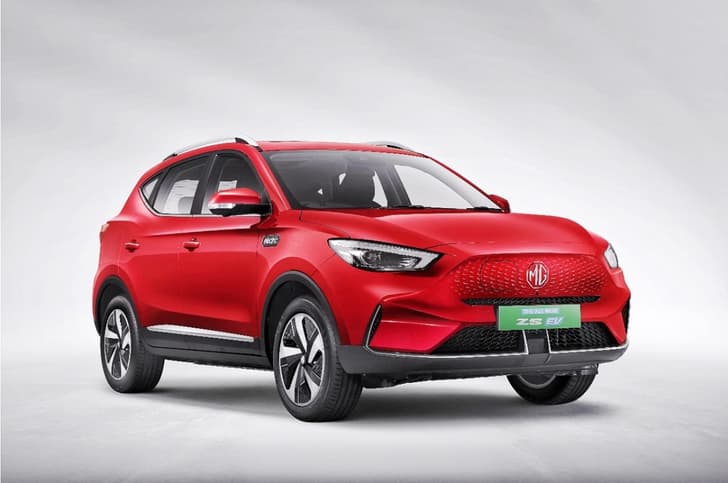
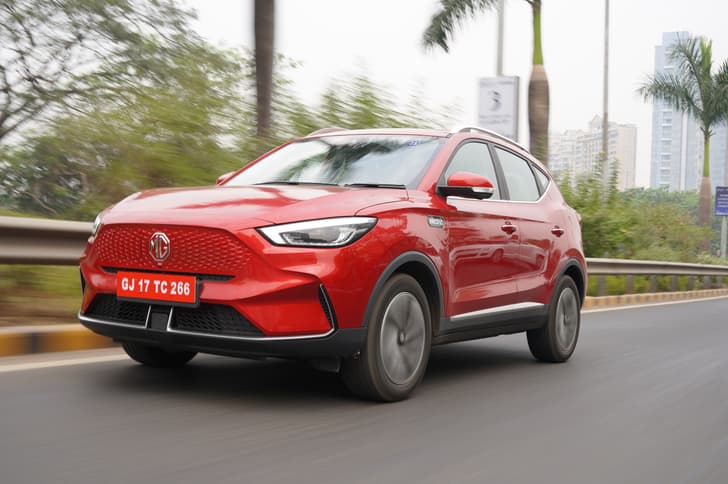
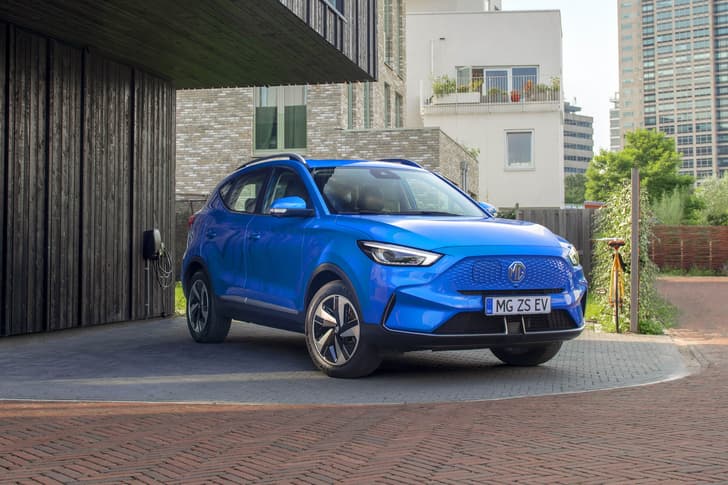
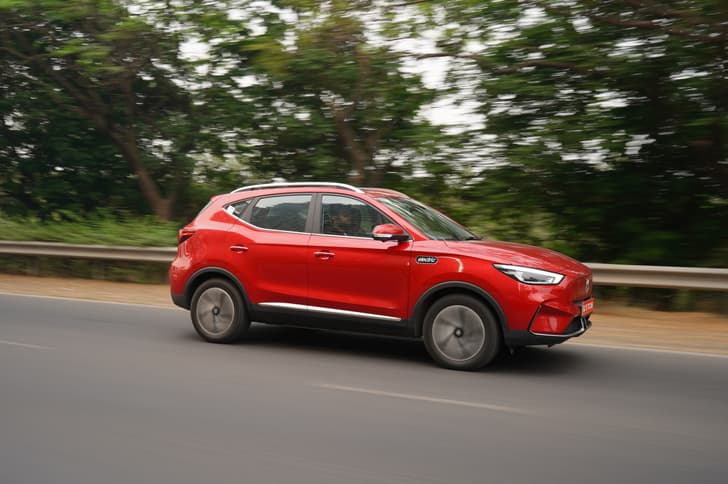
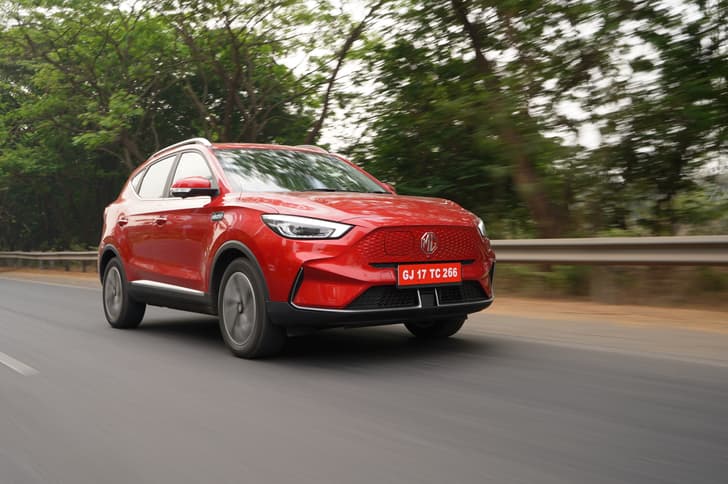
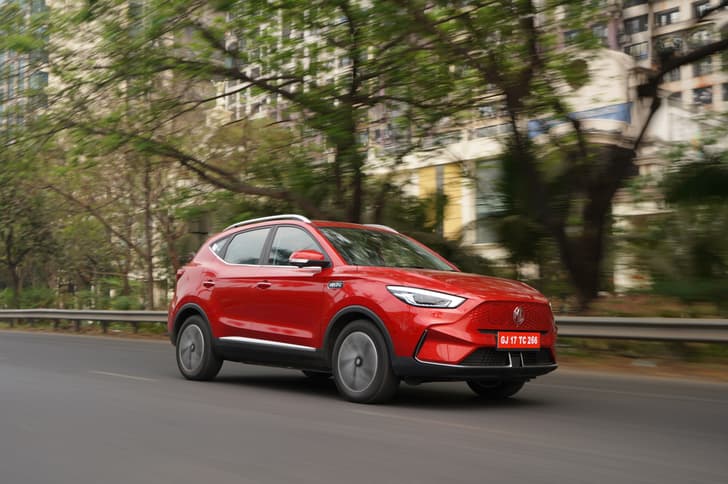
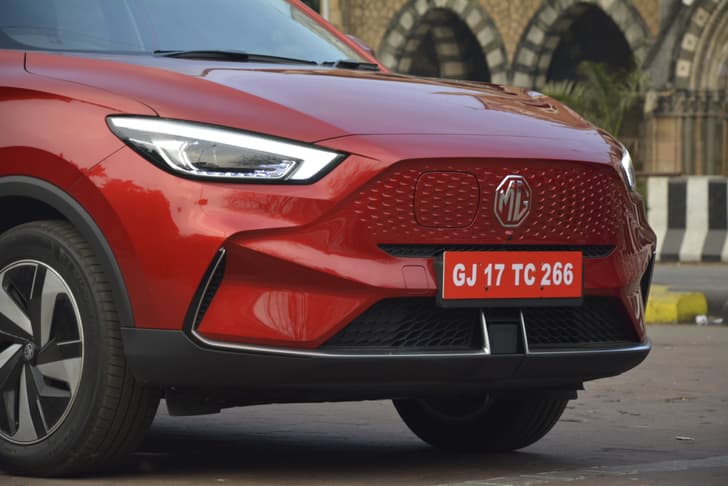
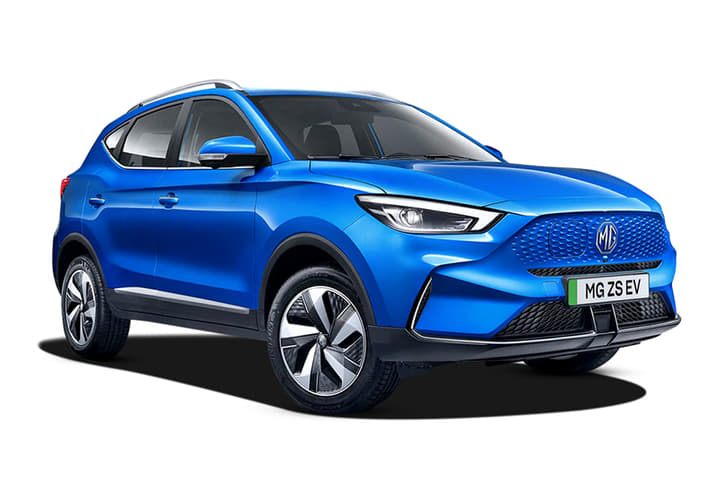
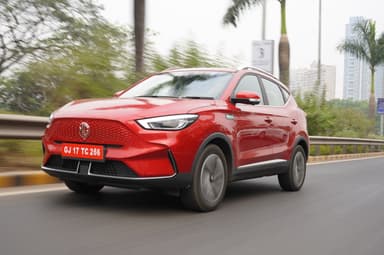
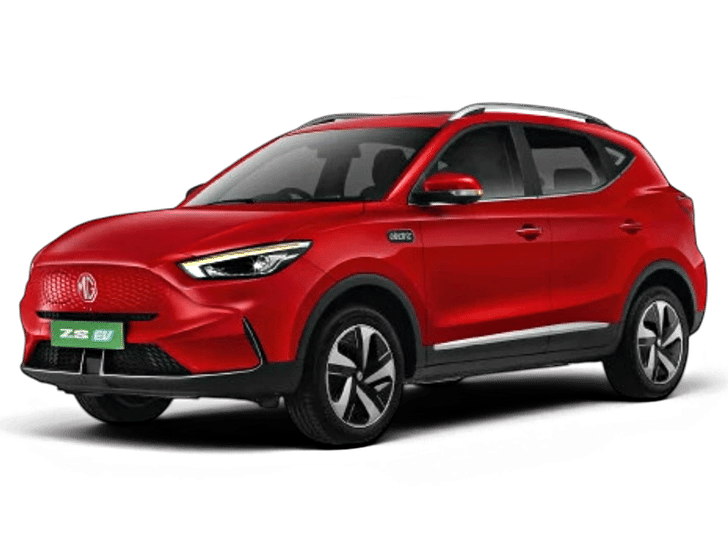
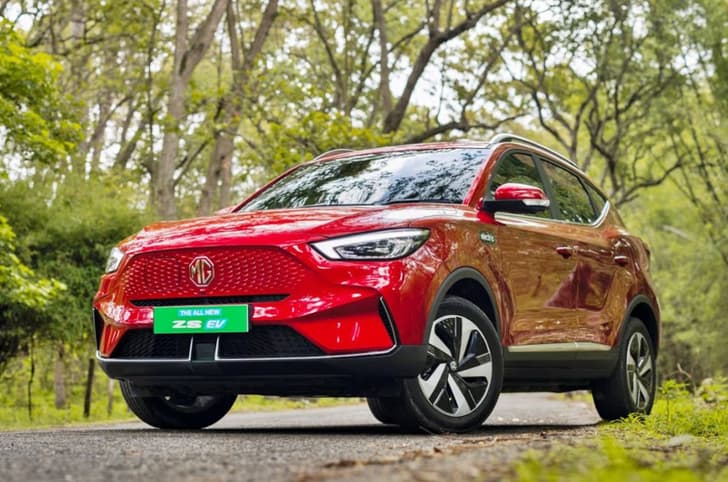
The 2022 MG ZS EV facelift brought meaningful improvements to what was already one of India’s more polished electric SUVs. The biggest visual change is at the front, where the traditional grille has been replaced by a cleaner body-coloured panel housing the charging port behind the MG logo. Slimmer LED headlamps and redesigned bumpers also help modernise the SUV’s appearance. While the overall silhouette remains unchanged, the facelift looks sharper and more contemporary than before.
7
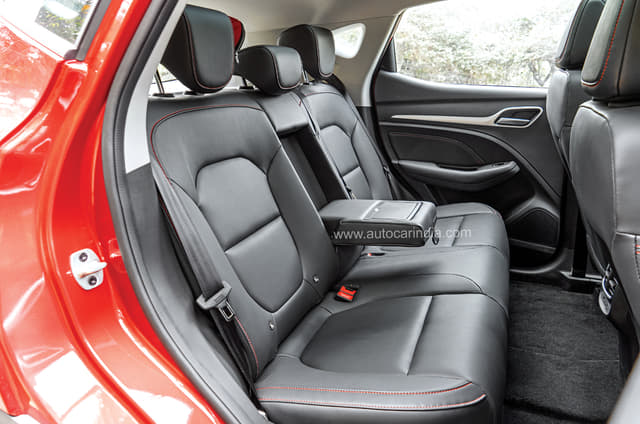
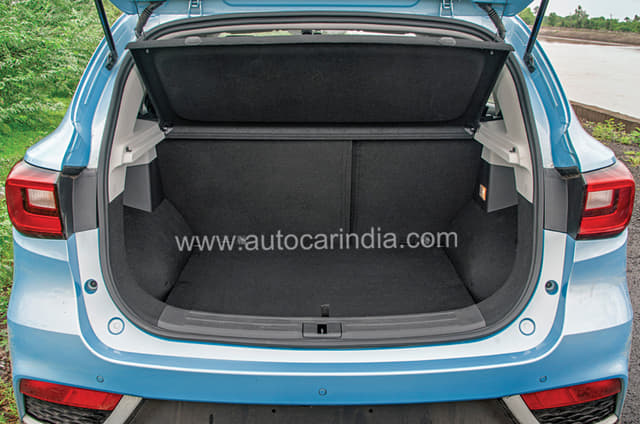
Inside, the ZS EV continues to feel more mature and premium than many rivals in the segment. The dashboard layout is clean and well organised, while the updated 10.1-inch touchscreen, revised digital instrument cluster and improved materials help modernise the cabin. Front-seat comfort is excellent, and the driving position feels natural and relaxed. Rear-seat space is respectable too, with enough room for adults, though taller passengers may find under-thigh support slightly lacking. The cabin feels well packaged, and the boot offers enough space for family use and weekend trips.
8
The updated ZS EV feels noticeably quicker than before. Despite torque dropping from the earlier model, the increase in power makes acceleration feel strong and immediate. The electric motor delivers brisk responses, especially in Sport mode, and overtakes are handled effortlessly.
Refinement is one of the ZS EV’s standout strengths. The cabin remains quiet, motor noise is minimal and overall smoothness gives the SUV a genuinely premium feel.
8
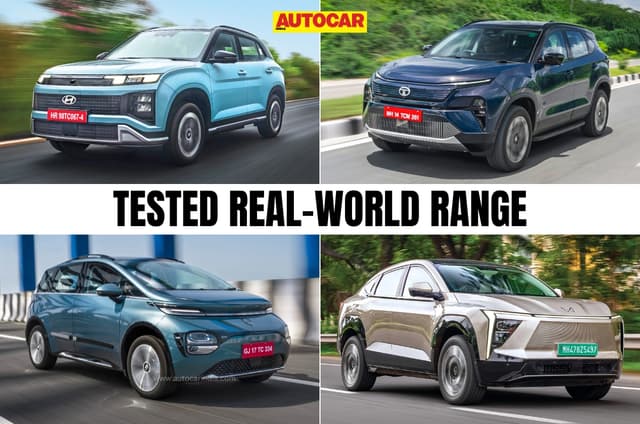
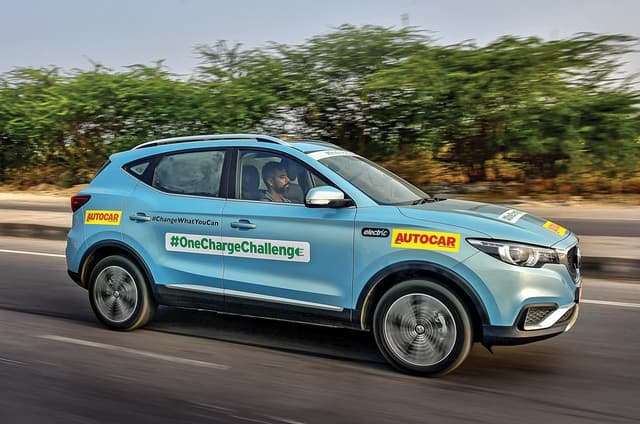
MG quotes an ICAT-certified range of 461km. The updated ZS EV delivers around 357km in Eco mode, 340km in Normal mode and 306km in Sport mode.
Charging times remain competitive. Using a 7.4kW AC wall charger, the battery takes roughly 8.5-9 hours for a full charge, while a 50kW DC fast charger can charge the battery from 0-80 percent in about 60 minutes.
7
The suspension absorbs broken roads comfortably, and the SUV feels settled and composed even over rough surfaces. High-speed stability is good too, with the added battery weight helping the car feel planted on highways. The steering is light and easy in urban conditions, though it lacks the sharpness and feedback of more driver-focused SUVs.
7
The ZS EV comes loaded with features including the larger touchscreen, panoramic sunroof, connected car tech, wireless charging and a digital instrument display.
Safety equipment includes multiple airbags, ESC, a 360-degree camera and advanced driver assistance features on higher variants. The ZS EV also carries a 5-star Euro NCAP safety rating.
7
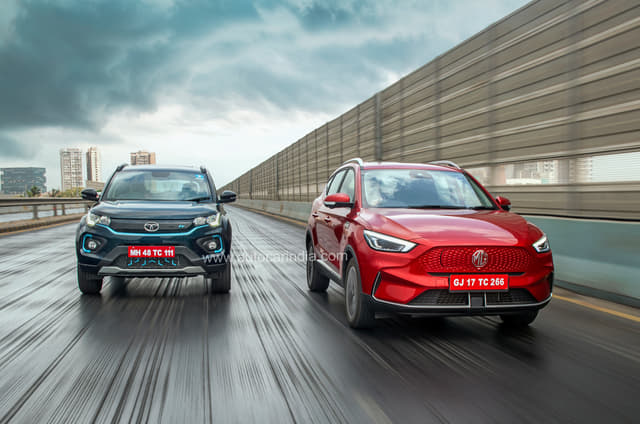
Priced roughly between Rs 18 lakh and Rs 20.50 lakh (ex-showroom), the ZS EV sits above compact EVs like the Nexon EV but justifies the premium through its larger size, refinement and superior overall product.
MG ZS EV Official Brochure
Download the complete brochure with specs, features, and variants.
MG ZS EV User Reviews
The MG ZS EV is available with a discount under 20 lakh. It is a better option if you are looking for good looks and a premium interior.
My Electric Car Love Story: Smooth, Silent, Powerful… and Then Reality Hit the AC Button I have been using an MG ZS EV 2022 model, powered by a 50.3 kWh battery, for the last four years. Like most electric car owners, I entered the EV world with a lot of excitement, hope, and maybe a little bit of overconfidence. After all, the promise was beautiful: silent driving, instant power, low running cost, fewer moving parts, futuristic technology, and a certified range of 465 km. In real life, my experience has been a mix of all that — plus a few surprises that no brochure, YouTube review, or showroom executive prepared me for. The Good Part: The MG ZS EV Is Truly a Lovely Car to Drive Let me start with the positives, because there are many. The MG ZS EV is a very smooth, powerful, and silent car. The moment you press the accelerator, the car responds instantly. There is no engine noise, no gear shifts, no vibration, and no drama. It just moves. For city driving, highway cruising, and daily use, it feels premium and effortless. Once you get used to an electric car, going back to a regular petrol or diesel vehicle feels like going from a smartphone to a landline phone. The car is comfortable, refined, and easy to drive. In four years, my vehicle has run only around 52,000 km, which is not very high. I have used it carefully and responsibly. Until recently, there were no serious problems with the car. So far, so good. The Range: 465 km on Paper, Around 300 km in Real Life Now let us talk about the first reality check: range. The claimed or certified range of the MG ZS EV is around 465 km. But in my practical usage, I usually get around 300 km. Is 300 km bad? Not really. For most daily driving, 300 km is more than enough. But the problem is not the 300 km range. The problem is the gap between the advertised figure and what a normal user actually experiences. EV range depends on many things: driving speed, AC usage, terrain, tyre pressure, traffic, battery condition, driving style, and even weather. So yes, I understand that certified range and real-world range will never be exactly the same. But when a customer sees 465 km, pays premium money, and then gets around 300 km, the expectation gap is quite large. This is where EV buyers need to be careful. Don’t buy based only on the certified range. Ask real owners. Watch long-term reviews. Check what range people are actually getting after two, three, and four years. The Price: ₹28.5 Lakhs for a Premium Electric SUV I paid around ₹28.5 lakhs for this vehicle. That is not a small amount. At this price point, customers expect not just a good car, but also strong after-sales support, good resale value, and quick service resolution. A premium electric SUV is not just a car. It is also a technology product. And when technology fails, the service network becomes extremely important. That is where my recent problem started. The AC Failure: When Silence Became Heat Until last month, the car was mostly trouble-free. Then suddenly, the AC stopped working. In Kerala weather, an AC failure is not a small inconvenience. It is not like saying, “Okay, I will open the window and manage.” In an EV, especially in our climate, AC is not a luxury. It is survival equipment. I took the vehicle to the local MG dealer service centre. They inspected it and told me that the 2022 model AC system uses a specific type of cooling gas and setup. From the label on the car, the AC system mentions: Refrigerant: R1234yf Quantity: 540 ± 20 g Oil specification: SP-A2 Coolant marking: O.A.T + H₂O In simple terms, this is not the old-style AC gas that every roadside AC workshop can refill casually. It needs proper equipment, the correct refrigerant, trained technicians, and the right parts. The service centre informed me that the vehicle had to be taken to the Kochi service centre for rectification. I was also told that the cooling coil needed replacement, and that the part would take around a week to arrive. One week sounded manageable. But now it has been almost 20 days since I left the vehicle at the service centre. The issue is still not rectified, and I am still waiting for delivery. That is when the ownership experience started feeling less like “future mobility” and more like “future delivery date unknown.” The Bigger Problem: EV Service Is Still Not Fully Mature This experience made me realise something important. Electric cars may be mechanically simpler than petrol or diesel cars, but when something does go wrong, the solution is not always simple. Not every service centre may be equipped to handle every issue. Not every part may be readily available. Not every technician may be trained for every EV-specific system. In a petrol or diesel car, if the AC fails, most workshops can at least diagnose or repair it quickly. But in an EV, especially a premium EV, even an AC problem can become a specialised service issue. This is not just about MG. This is a larger EV ecosystem issue in India. We are buying advanced electric vehicles, but the support network is still catching up. The Exchange Thought: Enter the Mahindra XEV 9S Because of this delay, I started thinking seriously about replacing the MG ZS EV. I decided to check out the Mahindra XEV 9S. I test drove it, and honestly, it was impressive. It felt like a proper modern electric SUV, loaded with almost all necessary and unnecessary features. These new EVs are becoming like smartphones on wheels. Big screens, connected features, premium interiors, advanced driving aids, futuristic design — everything is there. The test drive was excellent. The car felt exciting. For a moment, I thought maybe it was time to move on. Then came the shocking part. The Resale Shock: ₹28.5 Lakhs to ₹8 Lakhs The Mahindra team evaluated my four-year-old MG ZS EV, which has run around 52,000 km, at only ₹8 lakhs. That was a real shock. A vehicle bought for around ₹28.5 lakhs being valued at around ₹8 lakhs in four years means a massive drop in value. That is approximately a loss of ₹20.5 lakhs in four years. In simple terms, the car has lost most of its value even though it is not very old and has not run very high kilometres. This means the value is reducing by roughly 20% or more every year. At this rate, after five or six years, the resale value of a premium EV may become painfully low. And that raises a very serious question: Are premium EV buyers calculating depreciation correctly? Most people talk about saving money on petrol or diesel. But if you save a few lakhs on fuel and lose twenty lakhs in depreciation, what exactly did you save? That is the question every premium EV buyer must ask. The EV Cost Equation Is Not Just Electricity vs Petrol When people talk about EV savings, they usually say: “No petrol cost.” “Low running cost.” “Less maintenance.” “Charge at home.” “Environment friendly.” All of this may be true. But the full cost equation should include: Purchase price Real-world range Insurance cost Battery warranty Service network quality Parts availability Downtime during repairs Resale value Technology obsolescence Battery health perception in used-car market The last point is very important. Even if the battery is working fine, used-car buyers are often scared of EV batteries. They worry about replacement cost, range degradation, software issues, and long-term reliability. Because of this fear, resale value suffers. So while EVs are wonderful to drive, they may not yet be wonderful to resell. My Verdict: Don’t Fall Blindly for Premium EV Hype After four years with the MG ZS EV, my verdict is mixed. As a car, I like it. It is powerful, smooth, silent, and enjoyable. As an ownership experience, it has taught me some expensive lessons. The range is much lower than the certified figure. The service system for specialised EV issues still needs improvement. Parts availability can create long delays. Resale value can be brutally disappointing. Premium EV depreciation is a real risk. So here is my honest advice: Do not buy a premium electric SUV purely because of features, claimed range, and showroom excitement. Buy it only after understanding the full picture. Ask yourself: Can I live with the real-world range? Is the service centre nearby fully capable of handling EV issues? Are important parts readily available? What is the expected resale value after four or five years? Am I buying for long-term use or planning to upgrade soon? Will the fuel savings compensate for depreciation? Because in the EV world, the most expensive shock may not come from the battery. It may come from the resale value. Final Thoughts I still believe electric cars are the future. They are clean, smooth, silent, and technologically advanced. But the premium EV market in India still has some growing up to do. Manufacturers must be more transparent about real-world range. Service centres must be better equipped. Parts availability must improve. And most importantly, customers must be educated about depreciation and resale value before making a purchase decision. My MG ZS EV gave me four years of smooth and silent driving. But now, with the AC failure, long service delay, and shocking resale valuation, I have become more cautious. The lesson is simple: An electric car may be silent on the road, but its depreciation can be very loud. So before buying a premium EV, don’t just test drive the car. Test drive the ownership cost.
Read moreWith a 50kms daily commute, the ZS EV is perfect for your use case. Reduced prices are just cherry on the top. You should take the deal and enjoy the savings.
I brought a MG ZS EV after considering Tata and Mahindra. Best decision I feel. ZS feels more premium with a little extra budget.
Tell us about your experience
MG ZS EV reviews

MG ZS EV comparison
MG ZS EV Range
The MG ZS EV has a claimed range of 461km (MIDC-certified).
| PowertrainThe combination of engine type, fuel, and transmission that powers your vehicle and determines how it drives and what it runs on. | ARAI RangeMileage certified by the government, tested under controlled lab conditions. Real-world mileage will vary. | Autocar Tested RangeAutocar's experts test each vehicle on fixed city and highway routes under standardised conditions - single occupant, AC running, manufacturer-recommended tyre pressures. Tanks are filled to the brim before and after each run to calculate efficiency. Results reflect realistic real-world usage. | User Reported RangeMileage figures are reported by vehicle owners and represent the approximate real-world efficiency you may experience. Actual mileage will vary based on driving conditions, habits, and vehicle condition. |
|---|---|---|---|
Electric-Automatic (Auto) 50.3 kWh | 461 km | 339.0 km | 349.3 km |
MG ZS EV news
MG ZS EV Images
Check out the MG ZS EV’s sleek exterior design, simple and sophisticated interior with a rich feature suite in 72 images.
The ZS EV brings together a timeless exterior design, tech-laden interior and a huge battery pack with a powerful electric motor that will appeal to an average Indian buyer’s needs.
MG ZS EV videos
Videos of the ZS EV highlight how the MG EV competes with its rivals and also whether it is a viable option to diesel and hybrid cars that come at a similar budget.


MG ZS EV Colours
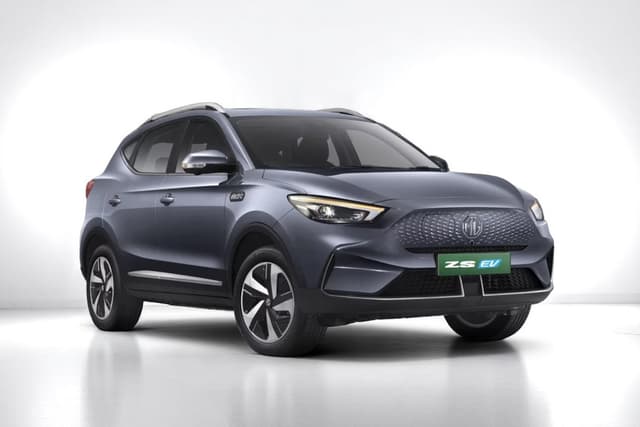
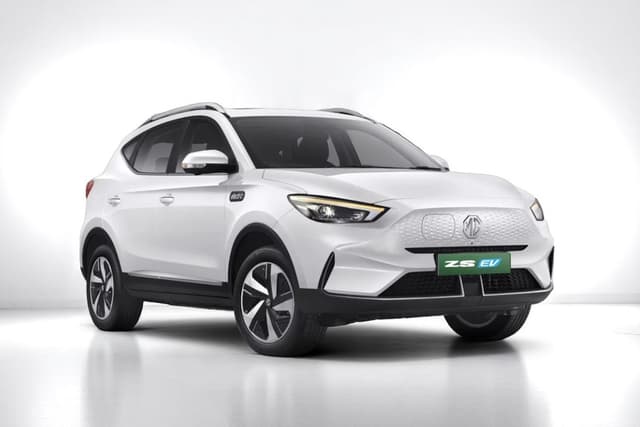
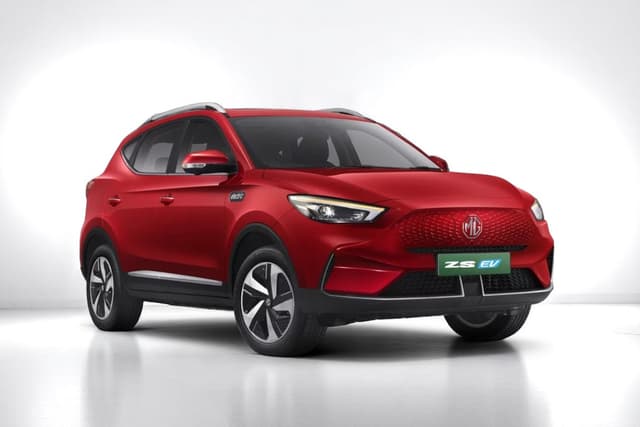
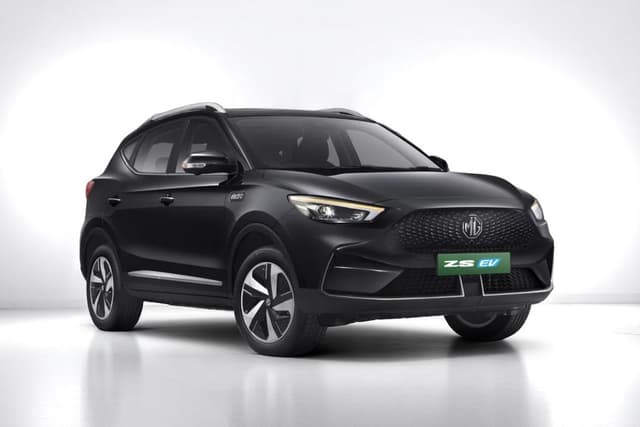
The MG ZS EV gets 4 exterior colour options, including Aurora Silver, Candy White, Glaze Red, Starry Black. The Glaze Red colour option is not available in the base-spec Executive trim. All other colours are available in all the available trims.
The Iconic Ivory shade is available in a dual-tone option with a black roof, with the Exclusive Plus and Essence trims at no extra cost.
Have questions about this car?
Ask owners & Autocar experts.
MG ZS EV FAQs
The MG Battery-as-a-Service (BaaS) scheme is a subscription plan that allows customers to buy the ZS EV without the battery pack, thus reducing the initial cost of ownership. Customers opting for this scheme will then be required to pay a per-km subscription fee for the battery pack.
All variants of the MG ZS EV come with a 50.3kWh battery pack option.
The MG ZS EV has a claimed range of up to 461km (MIDC-approved).
The MG ZS EV comes with a front-axle-mounted electric motor that produces 177hp and 280Nm, which is enough for daily driving conditions in India.
The MG ZS EV can comfortably seat 5 passengers inside.
The MG ZS EV was crash tested by Euro NCAP in 2019 in its pre-facelift avatar, where it scored a 5-star safety rating.
The MG ZS EV is a feature-rich offering with amenities like a 10.1-inch touchscreen infotainment system, a 7-inch digital driver’s display, a panoramic sunroof and a wireless phone charger.
The MG ZS EV is available in 4, including Executive, Excite Pro, Exclusive Plus, Essence.
MG is offering the ZS EV with a 3-year standard warranty, 3-year roadside assistance, and 3 free services. The battery pack is being offered with an 8-year or 1.5 lakh km warranty (whichever is earlier).
The MG ZS EV ex-showroom prices range from ₹17.99 lakh to ₹20.50 lakh.
Questions you may find useful
Harshith
Hi, I travel around 3,000 km a month, with 80% on highways at speeds of 100–120 km/h. I am looking to buy an EV and can set up a home charger. The options I have narrowed down to are: MG ZS EV top model – an older car, but is it still worth it? MG Windsor Pro EV top model Tata Nexon EV top model Which of these should I go for?

autocar.india
We’d rule out the MG Windsor Pro EV first. It’s more of a city-focused EV, and its highway manners aren’t ideal. The ride is firm, and there is noticeable road noise, which can be tiring over long distances.The Tata Nexon EV is capable on highways, but its real-world range still falls short of the MG ZS EV’s. An important factor if you cover long distances and occasionally rely on public chargers.The MG ZS EV, though slightly older, remains the best option for your usage. It offers stronger performance, a more comfortable long-distance ride, better range, and a more spacious, premium cabin that feels a class above the others. Since it has been on sale for a while, you should also be able to negotiate a decent discount.
sakthi
I am planning to buy MG ZS EV, especially now that it is being offered at a reduced price. My daily commute is around 50 km, which makes an EV seem like a suitable option for my needs. However, I am confused by reports suggesting that the ZS EV may be discontinued and replaced by a new-generation model. Given this uncertainty, would it still be a good decision to buy the MG ZS EV now, or would it be better to wait for the upcoming replacement? Could you please advise?

autocar.india
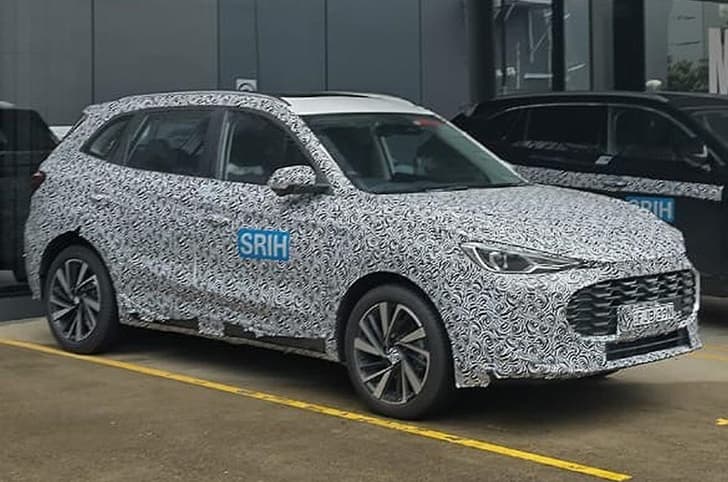
The MG ZS EV is still worth buying today, especially at the heavily reduced prices being offered currently. Yes, MG is working on a replacement for both the Astor and ZS EV, but that car is not around the corner. The replacement is expected only around 2027 and will be based on an all-new modular platform with newer technology and powertrain options.For your use case, that shouldn't be a deal breaker. Your daily commute is only 50km, which the ZS EV can handle effortlessly. More importantly, the current discounts significantly improve the value proposition. The money you're saving today will likely offset a large part of the depreciation hit associated with buying a model that is approaching the end of its lifecycle.The ZS EV also remains a very competent EV. It has a proven powertrain, a comfortable ride, good performance and a feature-rich cabin.
Amit gandhi
I want to buy either an electric car or a hybrid car, depending on which one would be more economical to maintain. My weekly running is around 1,250 km, with approximately 85% of that being on highways or expressways. I have not shortlisted any specific models yet, as I often end up confused after reading user reviews, watching videos, and comparing the various pros and cons of different cars. Considering my usage pattern and focus on lower maintenance costs, which type of vehicle and which models would you recommend?

autocar.india
Buy the Toyota Urban Cruiser Hyryder Hybrid or its sister car the Maruti Suzuki Grand Vitara. With 85% highway and 1,250 km a week, you need range and minimal downtime; this hybrid will do around 20 kpl at steady speeds, refuels in minutes, and Toyota’s hybrid system is proven and low on upkeep. Over big mileages, the petrol you save, versus normal petrol and the time you save versus hunting for public chargers, make a bigger difference than the savings with an EV.Here’s the catch you should know: the hybrid’s boot is smaller than the pure petrol’s and maintenance costs would be more than an EV, but not prohibitively so. If you have dedicated parking and can plug in every night, an EV would be cheaper to run and maintain. In that case, skip small batteries. Pick the MG ZS EV for its highway range, or the Tata Nexon EV Long Range if you want a lower price. On home power you’ll spend roughly Rs. 1.5-2 per km. Relying on highway fast chargers pushes costs close to petrol per km and eats time, which is why the Hyryder Hybrid fits your weekly grind best unless home charging is easy.
Krishna
Hi! I currently own a BMW M340i, which is 2 years old. I am considering buying an EV for daily and local commuting. I am looking for good design, a great music system and good battery life. Mahindra is already ruled out, as one of my cousins owns one. So I am considering either BYD or MG. If you could suggest any other ICE cars, that would be fine too. My budget is around Rs 30-40 lakh.

autocar.india
If you are looking for a good EV, the BYD Seal is a great option. It is one of the best electric cars in the Rs. 40 lakh range, offering a lot of tech, equipment, and a spacious interior. Performance, too, is very good, which, being a BMW 340i owner, you will appreciate.The MG ZS EV is a good car, but it's not in the league of the BYD Seal. If the Seal is beyond your budget, the BYD Atto 3, priced between Rs. 27 and 37 lakh, is the next best option. It is not as spacious as the BYD, but it is well-equipped and has a good range.Sadly, there are not many good ICE vehicles in that price bracket anymore, but the best option for your money is the Skoda Kodiaq, which ranges from Rs. 47-56 lakh.
Upcoming Cars


MG Cars


Trending Cars

Latest Cars