Mg Cars Under 10 Lakh in India (2)
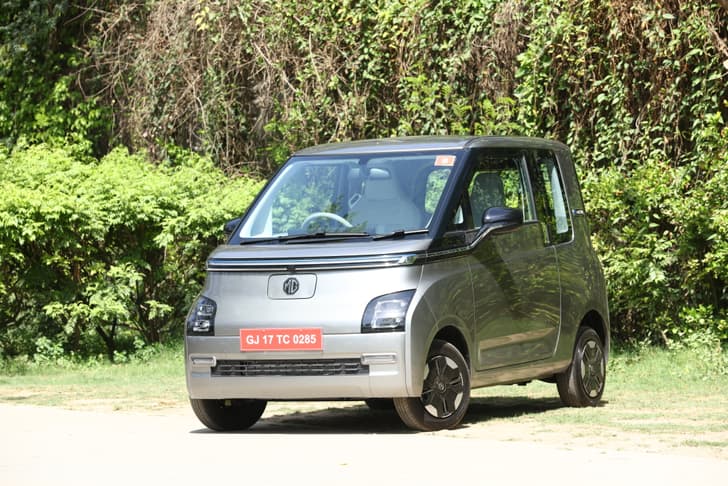
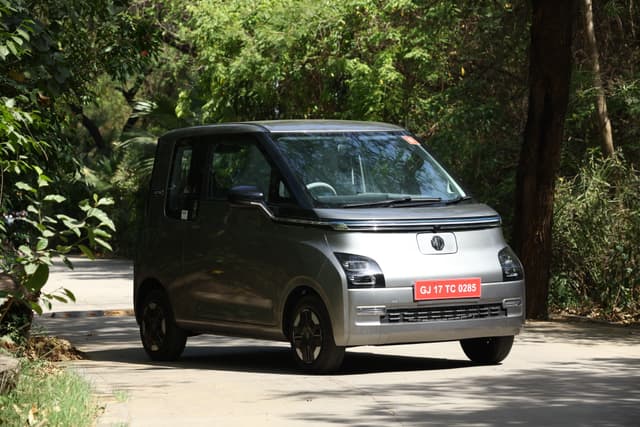
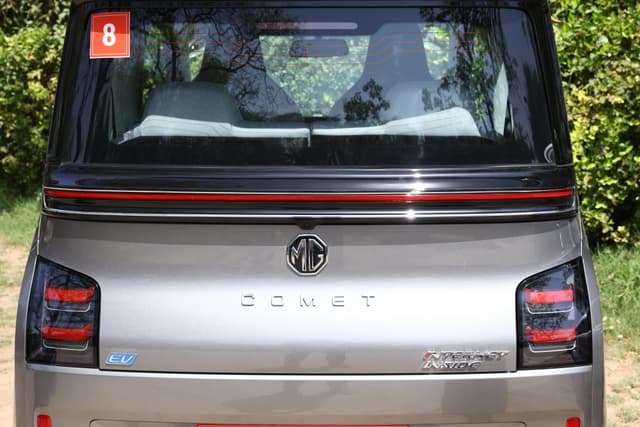
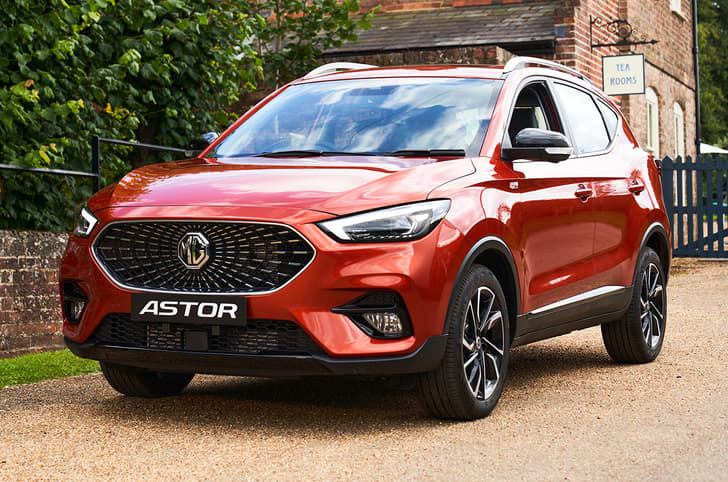
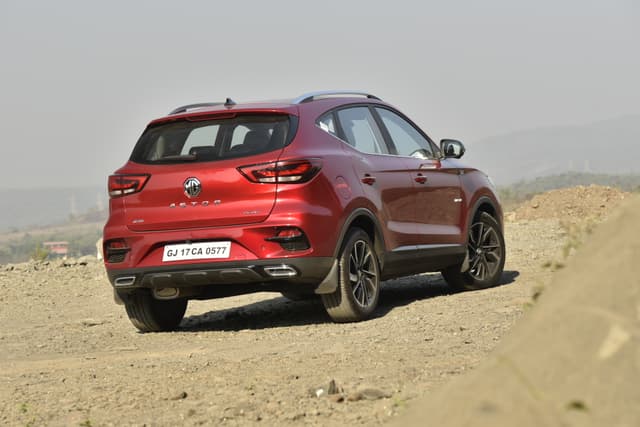
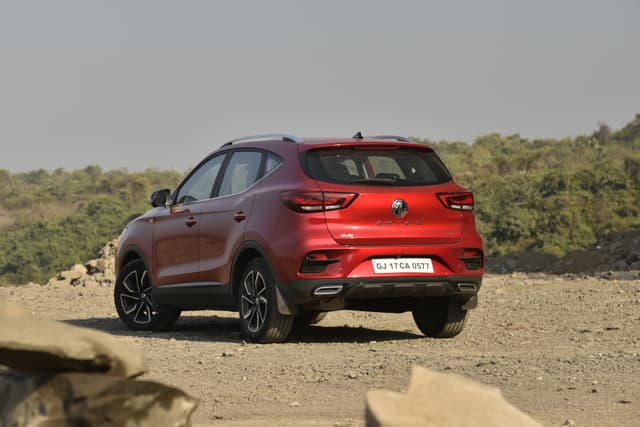
If your budget is limited to Rs 10 lakh, MG offers two cars to choose from: the Comet and Astor, based on ex-showroom prices. Though most mainstream brands like Maruti Suzuki, Tata, and Mahindra fill this bracket with hatchbacks and sub-4-meter SUVs, MG’s presence here is narrower: you only get to choose between one dedicated city EV and one SUV variant that barely qualifies.
But that’s not all. The picture changes again once you switch to a 10 lakh on-road budget. Then, the Comet is the only available option, with all its variants. The Astor’s variant, the 1.5 Petrol Sprint MT, which was available in this budget as per ex-showroom price, now crosses the Rs 10 lakh mark and is priced at Rs 10.92 lakh on-road in Delhi.
So, if you are looking for MG cars under 10 lakh as per ex-showroom price, you have two options, but if that’s your on-road budget, you have only Comet variants to choose from.
Which MG car under 10 lakh should you buy?
Requirement | Best Match | Caution |
Short, everyday city runs with tight parking, as a dedicated second car | Comet EV Executive or Excite | A few owners find the ride quality to be firm over rough roads, and the boot space is very limited, so it isn’t built for anything beyond light daily use. |
A rear camera, better ergonomics and faster home charging without spending much | Comet EV Excite FC | Even the FC variant only gets a faster AC charger. There is no DC fast charging, so a full charge still takes hours, not minutes. |
An SUV body style and cabin with a 5-speed manual gearbox | Astor 1.5 Petrol Sprint MT | It is a base trim, so features like ADAS, cruise control, and sunroof aren’t available, and even fully loaded, the Astor is a decent all-rounder that doesn't particularly stand out on any one front. |
Regular highway driving or a primary family car | Neither fits here well | The Comet is boxed in by range and practicality, and the Astor’s 1.5 petrol engine isn’t punchy enough for confident highway overtakes. |

Mg Cars Under 10 Lakh - FAQs
It depends on your requirements. The MG Comet makes the most sense if you want a car to drive within the city and want a small, easy-to-drive EV. On the other hand, opt for Astor, if you want a larger-five seat SUV and you are working with an on-road budget of Rs 10 lakh.
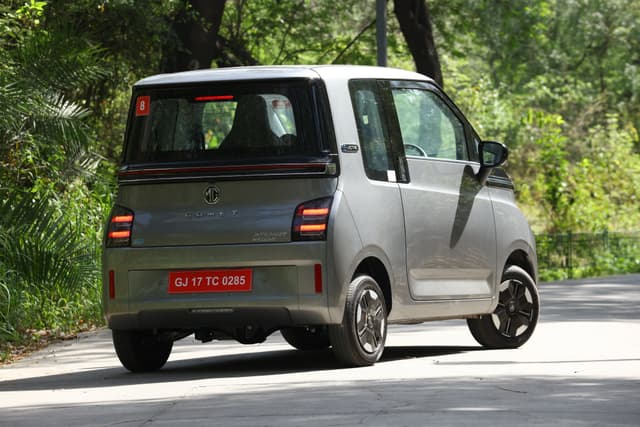
The MG Comet EV Excite FC is the value-for-money choice. It costs Rs 8.99 lakh (ex-showroom) and adds useful equipment, such as a rear parking camera, electrically folding ORVM’s, phone based navigation, and wireless Android Auto. It also gets the faster 7.4kW AC charging option.
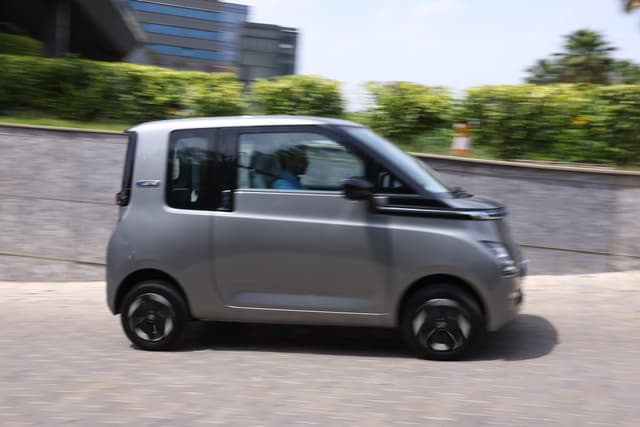
Both of the cars have different limitations. The Comet’s biggest limitation is practicality. It is a two door, four-seat car with a small boot, so it is better suited for short urban trips than regular family use. Its ride can also feel choppy over bad roads and doesn't support DC fast charging. On the other hand, Astor is more practical and comfortable, but its base 1.5 Sprint MT variant is above Rs 10 lakh budget (on-road). Also, its petrol engine and fuel efficiency are also not its strongest attributes.
Trending Questions on MG Cars - Answered by Autocar Experts
Hello Autocar Team, My wife is 51 and I am 55. We are planning to buy an automatic car for my wife, with an expected monthly running of under 500 km. We are both first-time drivers and will be graduating from riding a scooter. Please suggest an automatic car with the smoothest transmission (no jerks), high reliability, low ownership costs, and that can negotiate bumper-to-bumper traffic. A small turning radius is also important because the lane opposite our stilt parking is quite narrow, with cars often parked in front of the building. The car needs to be reversed and turned into the parking space, so easy manoeuvrability is essential. Our budget was initially under Rs 10 lakh, but it is flexible if there is a significantly better option. We are looking for a car that will last at least 15 years. My wife will be the primary driver.
If home charging can be arranged, the Tata Tiago EV is the strongest fit for these requirements. The electric powertrain delivers seamless, jerk-free acceleration, making it especially easy for first-time drivers. Its compact dimensions and tight turning circle also make it far easier to manoeuvre in narrow lanes and into tight parking spaces. With monthly running of less than 500km, running costs will be extremely low, and the Tiago EV remains one of the most sensible city cars on sale.Another option worth considering is the MG Comet. While its unconventional two-door layout won't suit every family, it is exceptionally easy to drive in congested city traffic. For a car that will spend almost all of its time in the city, this MG car has plenty of merit.If you cannot arrange for home charging, then we'll recommend the Hyundai i20 IVT. The engine is smooth, and the transmission is seamless, resulting in a jerk-free drive experience that's better than all other cars equipped with an automated manual transmission (AMT). Do keep in mind that the i20 is a relatively large car, so maneuvering it might not be as easy as the Tata Tiago EV or MG Comet.
I am currently using a 2024 VW Virtus 1.5 GT (electric seats variant) and have completed 16,000 km. My current monthly running is around 1,000 km, mostly in the city. Should I continue with this car or switch to an EV? My Virtus has an online resale value of around Rs. 14 lakh, and I do not want to spend more than Rs. 3-4 lakh over its resale value. Please suggest whether I should buy an EV within this budget or continue with the Virtus.
If you enjoy driving, we'd recommend you stick with your Volkswagen Virtus 1.5 GT. At 16,000km and a 1,000km/month usage pattern, mostly in the city, the car is still relatively new and well within its prime ownership window. The 1.5 TSI is a strong, efficient engine and the Virtus is a genuinely enjoyable car to drive, especially in urban conditions where its size and performance are well suited. Your budget of Rs 14 lakh resale plus Rs 3-4 lakh extra puts you in the Rs 17-18 lakh range, which limits your electric car options to models like the Tata Nexon EV, Mahindra XUV 3XO EV, MG Windsor and Kia Syros EV. While these are competent cars, they will not feel like a meaningful upgrade over the Virtus in terms of overall ownership experience. The financial case for switching to an EV at this stage is also weak given the depreciation hit you would take on a nearly new car. Unless you have a strong desire to go electric, it makes more sense to continue with the Virtus for a few more years and revisit the EV decision when your usage pattern or the EV market justifies it.
Hi, I used to drive a Tata Indigo Manza for around 15 years and then disposed of it. I am retired and looking for a low-budget car, with an average usage of 200-300 km per month. I am interested in a solar EV, but there are not many options available. Please suggest.
We'd recommend a small petrol hatchback. With an average running of just 200-300km per month, an electric car is unlikely to make financial sense as you'll find it difficult to recover the higher upfront cost through lower running costs.As for a solar EV, there are currently no solar EVs on sale in India. While a few manufacturers have showcased concepts and prototypes, there isn't a practical, mass-market solar electric car that you can buy today.For your usage, a car like the Maruti Suzuki Celerio, Wagon R or Hyundai Grand i10 Nios would be a better fit. They are reliable, inexpensive to maintain and well suited to low annual running. If you're keen on an EV for its quiet and effortless driving experience, the MG Comet EV is worth considering, but from a purely value-for-money perspective, a petrol hatchback is the more sensible choice.
I am currently using a 2012 Honda City i-VTEC and am now planning to buy a good used SUV. My requirements are a spacious cabin, good features, a petrol engine, and an automatic transmission, with a budget of around Rs. 10 lakh. Which brand and model would you suggest?
Pick a used Hyundai Creta petrol automatic. It keeps the easy, fuss-free feel you’re used to in the City, adds a higher seat and better ground clearance, and under Rs. 10 lakh, you’ll find clean 2018-19 cars with good kit or even the new 2020 model with a higher mileage. Cabin and boot space are plenty for family use, the automatic is smooth in traffic, and Hyundai’s wide service network helps when you’re buying used.You may see lower mileage than your i-VTEC and the drive is relaxed rather than exciting. If sheer cabin space is the priority and you can stretch a bit, a first‑batch MG Hector petrol automatic is huge and very feature rich, but it usually sits just above Rs. 10 lakh and drinks more fuel. If you prefer a fresher feel and sharper features, an early Kia Seltos petrol automatic can land near your budget in some cities, though its rear seat is a touch tighter than the Creta.
Hi, please suggest an EV car under 10 lakh. My daily city driving is of around 50 km and I require a Battery-as-a-Service (BaaS) option. Which EV would be the best choice for my needs?
The answer depends on whether this will be your only car or a second car in the family. If this will be your only car, the Tata Tiago EV is the better choice. It is a proper hatchback with enough space for a small family, a usable boot and the ability to handle occasional highway trips comfortably. Your daily 50km commute is well within its capabilities, and it offers greater flexibility if your usage changes in the future. The Tiago EV is also available with Battery as a Service (BaaS).If you already have another car at home for longer journeys, then the MG Comet EV is worth considering. Its compact size makes it ideal for city driving, it is extremely easy to park and manoeuvre, and it is also available with BaaS schemes that lower the initial purchase price.
Last Updated on: 22 Sept 2026