
Autocar India
NA

Naman

1d

I am confused between the Tata Harrier Fearless 75, Mahindra BE 6 Pack 2, and Mahindra XEV 9e. My driving is mainly on highways. Which is the better option in terms of range and comfort?

Autocar India team

Autocar India

Verified
1m
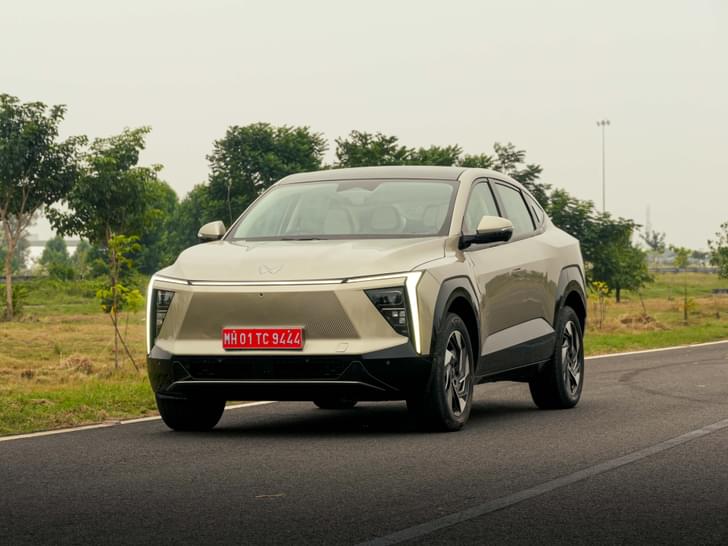
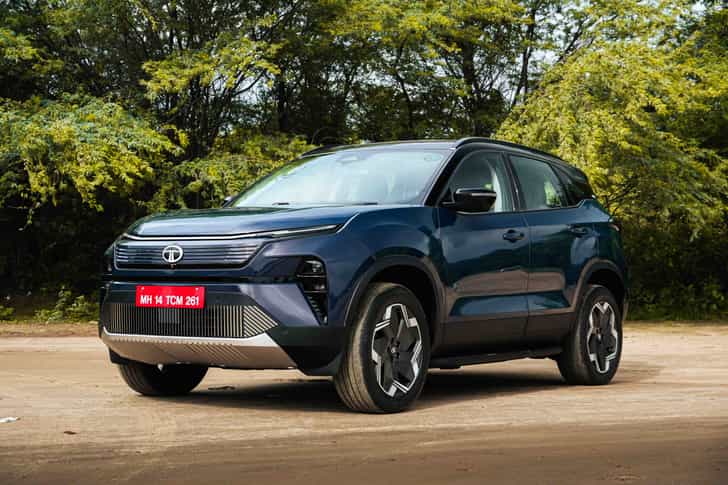
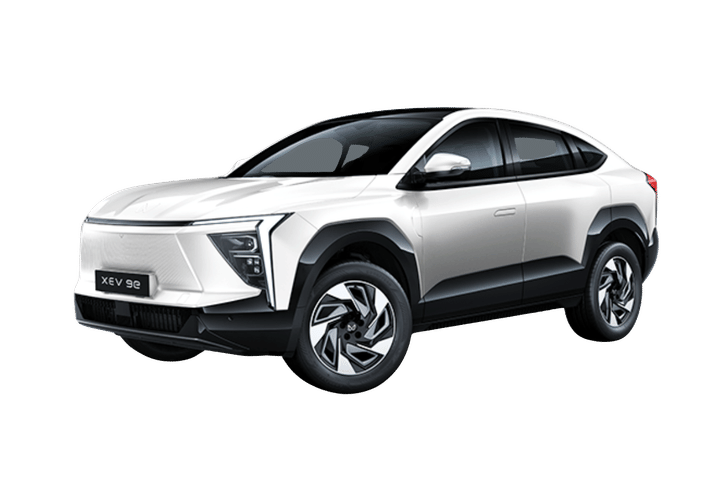
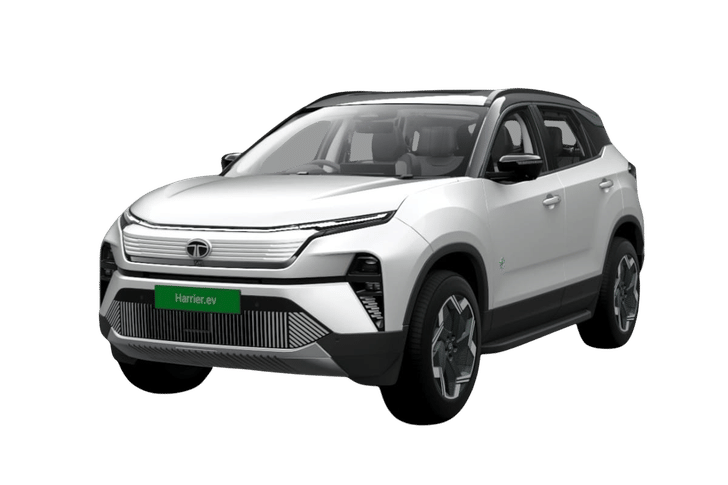
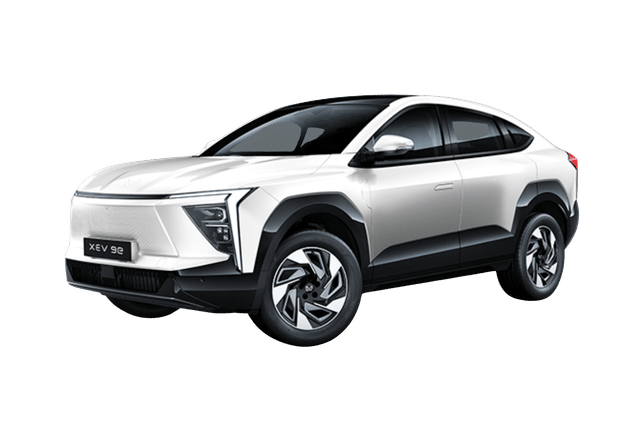
The Mahindra XEV 9e is the better pick, both in terms of range and comfort. On the highway, you can easily expect around 480km of real-world range with the 79kWh battery version. Performance is plenty, its steering is light, suspension setup is good, and seats are comfortable, which makes it ideal for long-distance travel. Also, it is worth noting that the XEV 9e's fast charging speeds are much higher than the Harrier EV's, translating to shorter charging times when connected to a 120kW or faster DC charger.
Mahindra XEV 9e

Mahindra XEV 9e

More questions on similar cars

SN

satya narayana

2d

I am confused between the XEV 9S and Harrier EV base models. Which one will be better for both city and highway driving?

Autocar India team

Autocar India

Verified
2d

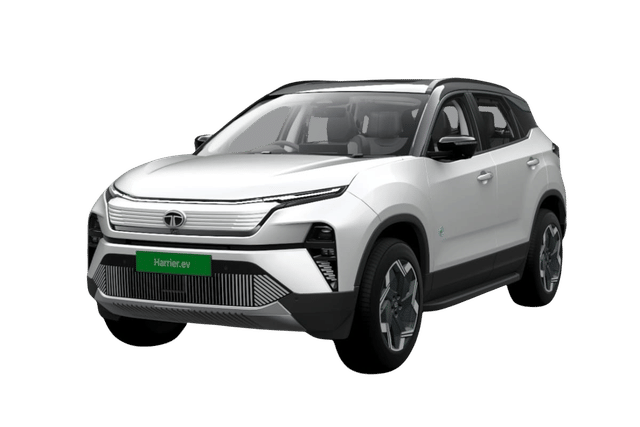
The base Mahindra XEV 9S gets a 59kWh battery, with a 231hp/380Nm rear motor, and its claimed range is 521km. The entry-level Harrier EV on the other hand gets a 65kWh battery, with a 238hp/315Nm rear motor, and its claimed range is 538km. Even though their specifications are similar, the Mahindra car is Rs 1.5 lakh more affordable. For the money, the XEV 9S also gets you a premium kit like a dedicated passenger (third) touchscreen and panoramic sunroof, among others. Additionally, the XEV 9S has a lighter steering and a tighter turning radius, which makes manoeuvring the car much easier in the city. Additionally, the extra row of seats can come handy occasionally. Overall, the Mahindra XEV 9S comes across as the better pick of the two.

VehicleMahindra XEV 9S
VehicleTata Harrier EV
PU

Praveen Umaji

4d

I have been using a Maruti Ciaz diesel for the past 10 years and have driven 2.3 lakh km. My driving is mostly on highways and usually alone. Now I am planning to switch to an EV and am confused between the Mahindra XEV 9e and BE6. Please suggest.

Autocar India team

Autocar India

Verified
3d

2,30,000km in 10 years is a huge amount, and the Ciaz diesel must have served you well to rack up that kind of mileage. Considering that usage, which amounts to around 1,900km per month, mostly on highways, we have to caution against getting an EV just yet. Public charging infrastructure is still developing, with chargers being few and far between, with varying degrees of functionality. Plus, if your planned charger is occupied, you could be waiting hours for access to a plug. Moreover, while there are electric cars today with large batteries and long ranges, such usage will still require frequent charging, which in the long run will take a toll on the battery's health, performance and overall lifespan. This could be offset by the relatively low maintenance costs of an EV versus an ICE vehicle, but when it is time for battery replacement, the cost will be high.With that in mind, of your two shortlisted EVs, we would recommend the Mahindra XEV 9e. While it shares its platform and powertrain with the smaller BE6, it is more spacious, more comfortable for long journeys, and feels like a more mature product overall. With the larger 79kWh battery, it offers an MIDC range of around 656km and a real-world highway range of about 488km, which amounts to an efficiency of 6.18km/kWh, which is quite impressive for an SUV.

VehicleMahindra XEV 9e
MB

manjunath BR

1w

I am considering the Skoda Kushaq 1.5 DSG, Renault Duster 1.3 DCT, and Honda Elevate. My usage is mostly city (70:30). I am unsure about DSG and DCT reliability, rear seat comfort, and long-term maintenance. I enjoy driving and prefer a driver-oriented car with a good music system. Please advise.

Autocar India team

Autocar India

Verified
4h

From your shortlist, there isn’t one SUV that perfectly ticks every box. If driving enjoyment is a priority, the Skoda Kushaq 1.5 TSI stands out. Its quick-shifting DSG, strong mid-range performance and sharp, agile handling make it the most engaging and driver-focused of the three. It also offers one of the best audio setups in the segment, with an 8-speaker system, subwoofer and amplifier delivering rich and punchy sound.On the reliability front, the 7-speed DSG has improved over time, but it’s still not as inherently robust or smooth in stop-and-go city use as Honda’s CVT. The Elevate, in contrast, is the easiest-going and fuss-free option here. It offers significantly better rear-seat space and comfort, along with Honda’s strong reputation for long-term reliability. However, it’s not particularly exciting to drive.The Renault Duster 1.3 DCT sits somewhere in between. Its turbo-petrol engine is strong and refined, but the car itself isn’t as sharp or driver-oriented as the Kushaq. Rear-seat space is also not its strong suit, and overall, it doesn’t quite stand out in any one area.So broadly, Kushaq for driving fun and audio, Elevate for space and peace of mind, and Duster as a middle-ground option.

VehicleSkoda Kushaq
VehicleHonda Elevate
VehicleRenault Duster

Popular discussions right now

KY

Krishna Yadav

6d

I am planning to sell my Mahindra XUV700 and switch to the Renault Duster. I would like your expert opinion on whether this would be a good decision.

Autocar India team

Autocar India

Verified
6d

On paper and in real-world ownership, these are very different cars, and the Mahindra XUV 7XO sits in a clear segment above. The XUV 700 is a bigger, more complete SUV. It offers more space, better road presence, stronger performance and a far richer overall experience, including the option of a third row and a more premium cabin. It is designed as a proper family SUV and feels more capable on highways and long drives.The Renault Duster, even in its new form, is a simpler, more driver-focused and lighter SUV. It will likely be easier to drive in the city and feel more rugged and straightforward, but it is still a step down in terms of overall size, features and cabin experience.So the decision really comes down to intent. If you are moving because you want something more compact, easier to use daily and less feature-heavy, then the Duster can make sense. But if you are expecting it to feel like an upgrade or even equal to the XUV700 in terms of space, comfort and overall experience, it will not.

VehicleRenault Duster
RO

Rohin

1w

I am confused about buying the AMT version of the Skoda Kylaq, Tata Nexon, or Maruti Fronx. My budget is between 11 and 13 lakh. My usage is mostly city driving of about 1,000 km per month, with occasional long highway drives.

Autocar India team

Autocar India

Verified
5d

Between the three, the Skoda Kylaq is the best automatic for the money. It doesn’t use an AMT but a proper 6‑speed torque-converter with the 1.0 TSI, which is smooth, robust and easily the nicest for your occasional highway runs.The Maruti Suzuki Fronx 1.0 turbo also gets the same 6‑speed torque-converter auto, and while it is refined and efficient, it doesn’t have the same solid, European feel or driving dynamics as the Kylaq. However, from an overall cost-of-ownership point of view - price, fuel efficiency and service, the Fronx is likely to work out cheaper.The Tata Nexon in your budget doesn’t get a torque-converter. You mainly have a 6‑speed AMT, which is convenient but nowhere near as smooth or quick as a proper automatic. There is also a 7‑speed DCA dual‑clutch option, which is noticeably better than the AMT, but still not as seamless as the autos in the Kylaq and Fronx, and it can push the price higher.For 11-13 lakh, 1,000km a month in the city and the odd long drive, we would pick the Kylaq auto. If budget discipline and running costs are top priority, go for the Fronx 1.0 turbo automatic.

VehicleSkoda Kylaq
VehicleMaruti Suzuki Fronx
VehicleTata Nexon
DE

Devakumar

1w

I have booked the Tata Sierra Adventure Plus petrol manual, but I am now confused between the petrol and diesel manual variants, particularly in terms of mileage and performance. I am not interested in an automatic transmission. My annual running is less than 6,000 km. Could you please advise which engine option would be more suitable for my usage? Additionally, I would appreciate any alternative suggestions for a spacious car with good mileage that fits my needs.

Autocar India team

Autocar India

Verified
6d

The Tata Sierra is a big, heavy car, and the petrol engine, being a naturally aspirated unit, feels just about adequate, especially once you load it up or hit the highway. The diesel, on the other hand, suits the car far better with its stronger low-end pull, making overtakes easier and long-distance driving far more relaxed.That said, with your low annual running of under 6000 km, the petrol still makes sense if your usage is mostly in the city. It will feel smoother, easier to live with and perfectly adequate for everyday driving, even if it lacks that effortless punch on highways.If you are open to alternatives for a better petrol manual experience, the Renault Duster with its turbo petrol engine is a strong option. It feels far more effortless to drive, while naturally aspirated options like the Kia Seltos or Hyundai Creta offer a more refined and effortless experience than the Sierra petrol.

VehicleTata Sierra
VehicleRenault Duster
VehicleKia Seltos
VehicleHyundai Creta

Posted on: 25 Apr 2026