Autocar India
28w

I am planning to buy a Mahindra XEV 9E or 9S in the next 5-6 months. The car will be used as my primary vehicle for city driving (30-40 km a day) and for 2-3 long cross-country trips per year across India. My questions are: Is the charging network reliable on Indian highways? Has Mahindra resolved the software issues related to the new platform? Is an AWD variant expected in either car in the next year? Thank you for answering my questions.

Verified
27w

As a city car, the Mahindra XEV 9E/9S offers a good range and will work well. You’ll typically only need to charge it every couple of days, depending on your usage. In fact, if you have home charging, an EV is even more convenient than an ICE car. 

On the highways, it's a different story altogether. A road trip in an EV can be an adventure, as the public fast-charging network can be hit-or-miss. With some proper planning and back-ups (for charging) built into your itinerary, it is possible to travel across India except for very remote locations. 

The good thing is that the XEV 9E/9S has a good range, and you can comfortably get 400+ km on one charge with some careful driving. 
The software issues are largely resolved, as Mahindra is constantly updating the software on its EVs to iron out bugs. We have also seen a dramatic reduction in customer complaints. 
Though the XEV’s INGLO platform is designed to take AWD, the cost of an AWD variant is too high. Therefore, Mahindra doesn’t feel that there is an immediate market for it. Hence, an AWD variant is unlikely to be launched in the coming year. 
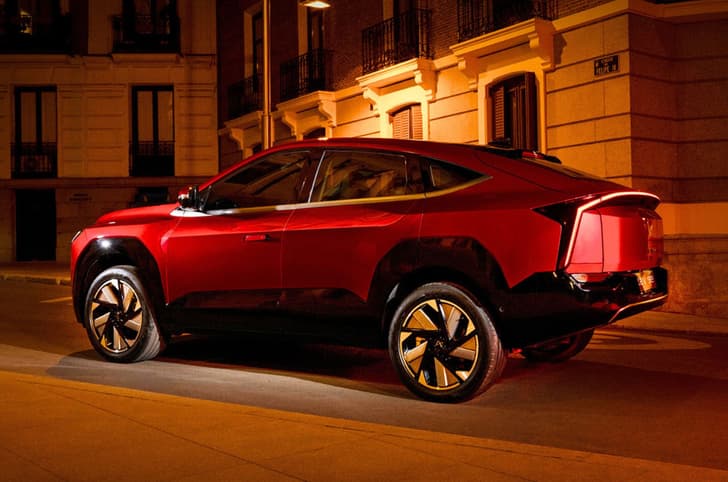
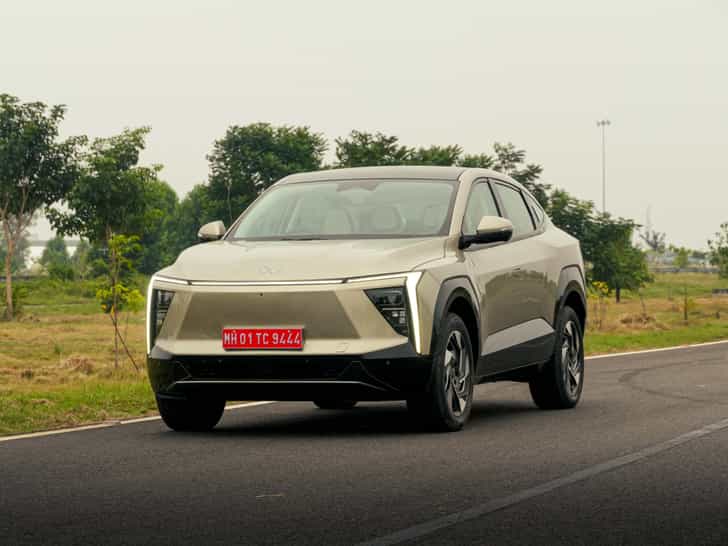
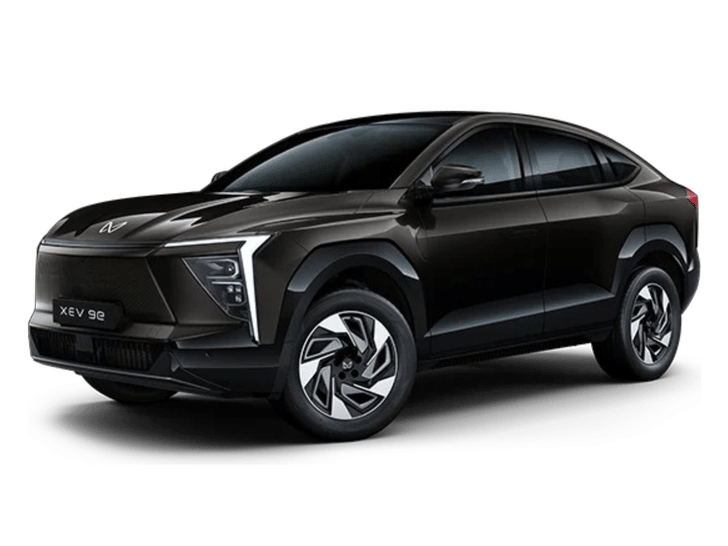
Mahindra XEV 9e

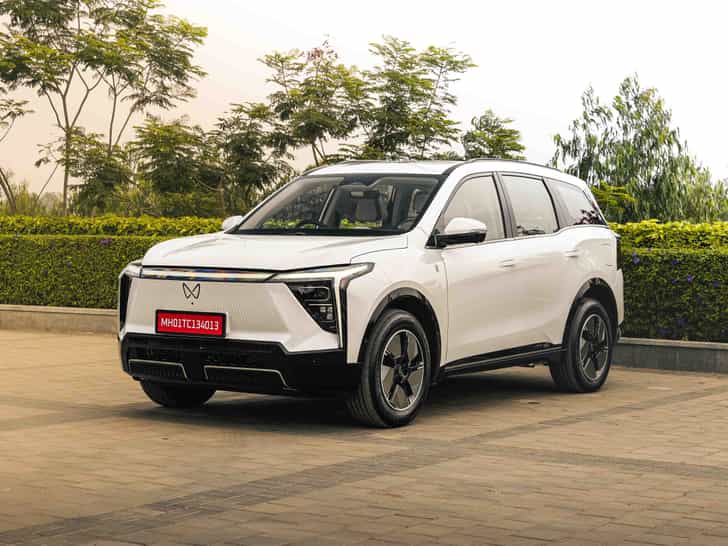
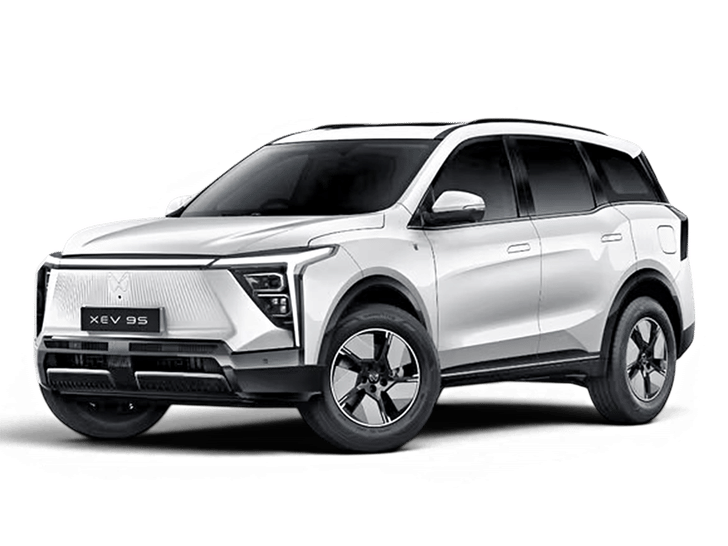
Mahindra XEV 9e

Want to sell your car?

Sell your car at the right price, without the stress.
More questions on similar cars

4d

Hi Autocar India, My name is Radhika from Hyderabad. I have tested XEV 9E, XEV 9S, BYD Sealion 7, Tesla Model Y and BMW iX1. My budget is not a constraint, and I can spend up to 55-57 lakhs on a car. BMW's driving dynamics felt better than those of Mahindra or Tata. FYI, I have tried BYD Sealion 7 also, but decided not to go with it due to their network, badge value and other reasons. My family did not like Tesla as the interiors are very minimal. My question is whether spending an additional 25 lakhs for the BMW iX1 makes sense, or if it's not a great car. Can you please clarify? Thank you!

Verified
3d

Pick the BMW iX1 LWB. The extra spend gets you what you already liked on the drive - a tighter, more confidence‑inspiring feel than the Mahindra XEV 9e/9s, and a premium, normal‑to‑use cabin your family will prefer over Tesla’s sparse setup. You also sidestep your BYD worries with stronger brand pull and a wider service network.On our roads, the iX1’s steering and body control make everyday driving feel calmer and cleaner, whether in Hyderabad traffic or on the ORR. Fit and finish, seats, and infotainment feel a class up, so it will still feel special three years in, not just on day one.Be aware that rear space and boot are not as generous as the XEVs or Model Y L; the ride is on the firmer side on rough patches, and range and fast‑charge speeds are not class‑leading. If you carry tall adults in the back often or do frequent very long highway runs, you will notice those.If your deal lands close to Rs. 55‑57 lakh on road, the premium isn’t just badge tax, it’s daily satisfaction. If not, the XEV 9e/9s are a strong value, but for your priorities, the BMW is the right call.

VehicleBMW iX1 LWB
VehicleMahindra XEV 9e
VehicleMahindra XEV 9S
1d

Dear Autocar Team, I am looking to replace our household’s trusty Maruti Suzuki Swift AMT model. This vehicle serves strictly as our secondary car, and its duties are entirely urban: daily school runs, grocery trips, and the occasional trek across the city. It will not see any highway use. Given that city traffic is notorious for tanking the fuel efficiency of petrol cars, I am wondering if shifting to an EV makes sense. I have been looking closely at the Tata Punch EV as a potential replacement. Could you please advise on the following: 1. For an exclusively urban, low-to-medium mileage use-case, is an EV truly recommended over traditional ICE automatic models, and will it be economically viable in the long run? 2. How does the Punch EV fare as a pure city commuter in terms of real-world range, ease of driving in traffic, and long-term reliability? Are there specific variants you recommend? 3. Are there any other petrol, automatic or EV alternatives in this segment that I should consider before making my decision?

Verified
5h

Yes, switch to an EV if you have a fixed parking spot where you can install a home charger - for a pure city, second car, the Tata Punch EV fits best. Stop-go traffic is where EVs save the most, and with low maintenance and cheap electricity, the math works out over a few years. If you cannot charge at home, skip the EV idea.As a city commuter, the Punch EV is easy. Light steering, smooth creep, strong regen that lets you use the brake less, and ground clearance for bad roads. In real use, the Medium Range handles a typical week of school runs and errands on a single charge; the Long Range provides more buffer if others in the family do longer loops. Tata’s EVs have held up well so far, and support is wide. For variants, pick the Medium Range if your daily running is short and you can top up at home; choose the Long Range only if you want to charge less often. The 7.2 kW home charger is nice to have, not a must-have.Also, look at the Tata Tiago EV for a lower price, and the MG Comet if you want something compact. If you stay petrol, the Hyundai i20 IVT or Amaze CVT automatics are the easiest city alternatives.

VehicleTata Punch EV
VehicleTata Tiago EV
VehicleMG Comet
VehicleHyundai i20
VehicleHonda Amaze

Popular discussions right now

Posted on: 31 Dec 2025