Autocar India
13w

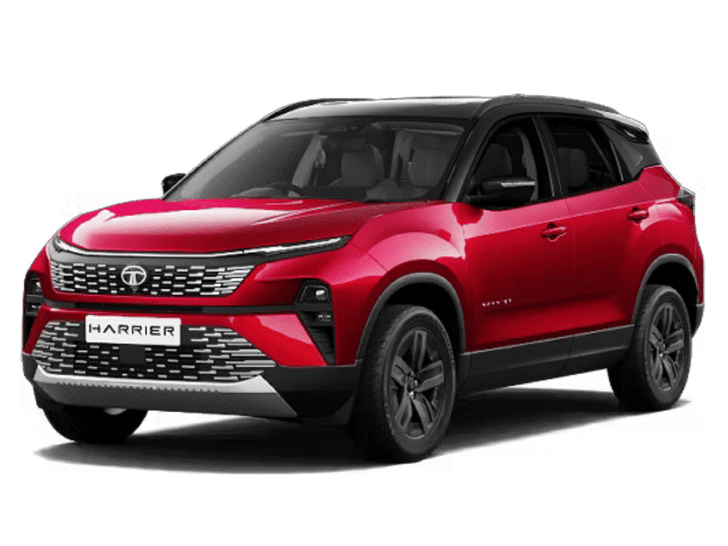
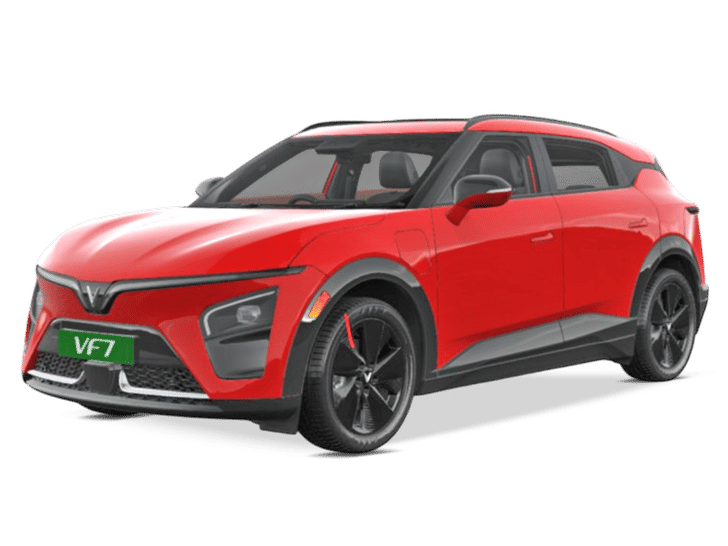
Hi team, I am planning to buy an EV SUV. The budget is around 30 lakh. My priority is reliability and service support. Shortlisted Harrier QWD, VF7 AWD, and XEV 9e. Please suggest. Any chance Mahindra launching AWD variant soon? Thanks in advance.

Verified
12w
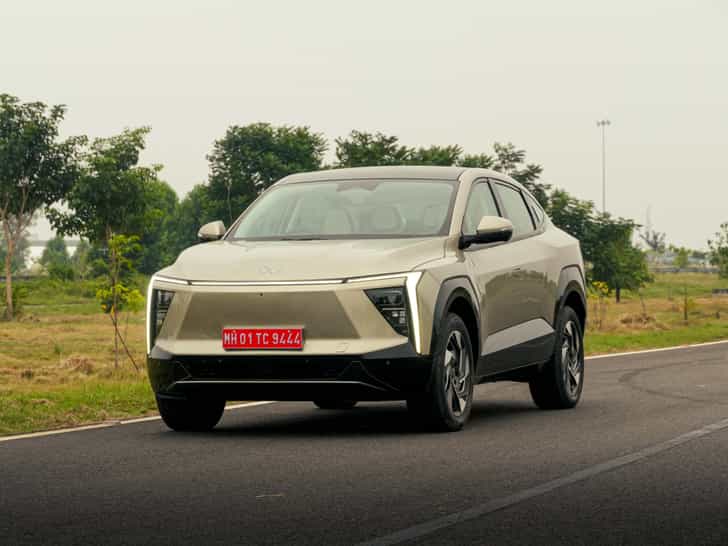
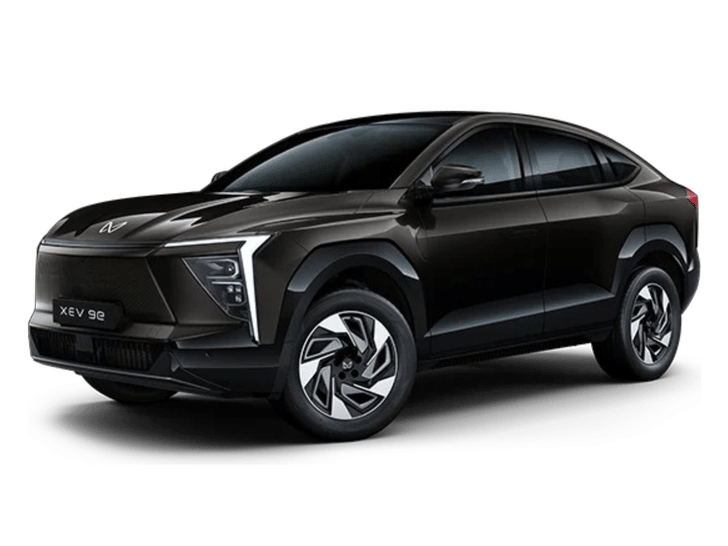
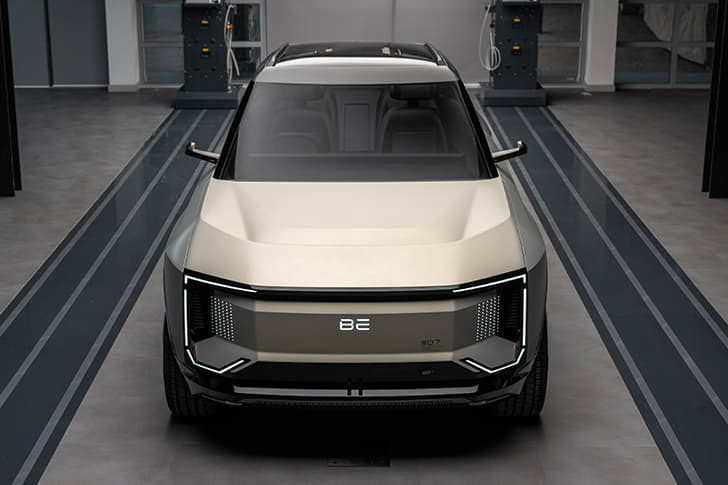
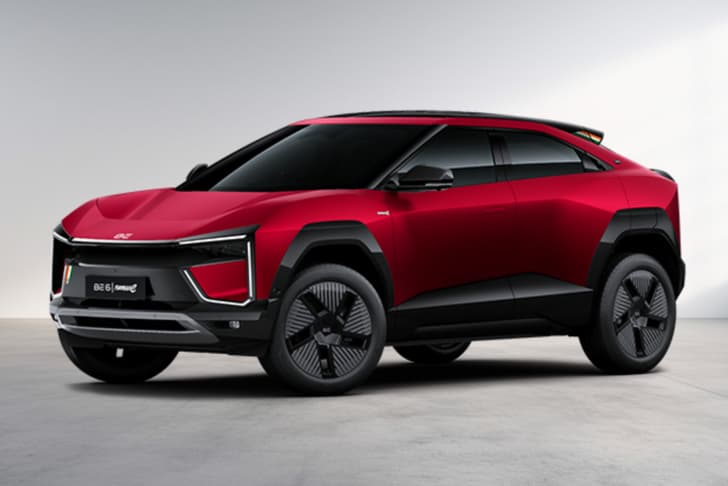
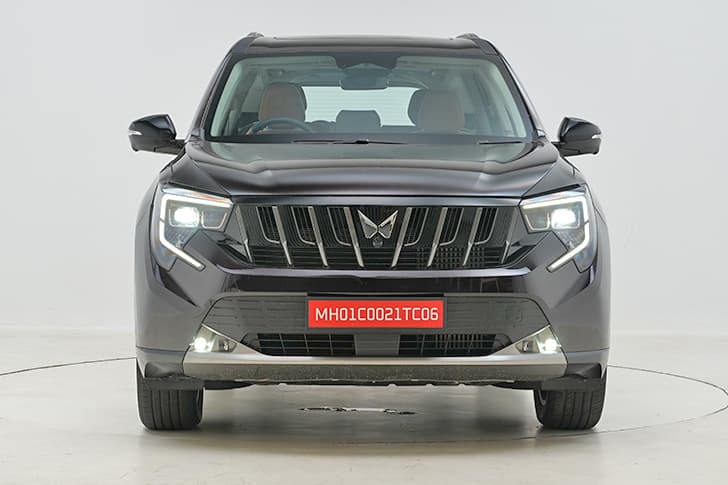
For your requirement, we would pick the Mahindra XEV 9e. It feels the most complete package here, with a large battery, strong real-world range and a cabin experience that genuinely feels special and premium. It also benefits from Mahindra’s much stronger sales and service footprint compared to a new entrant like VinFast.
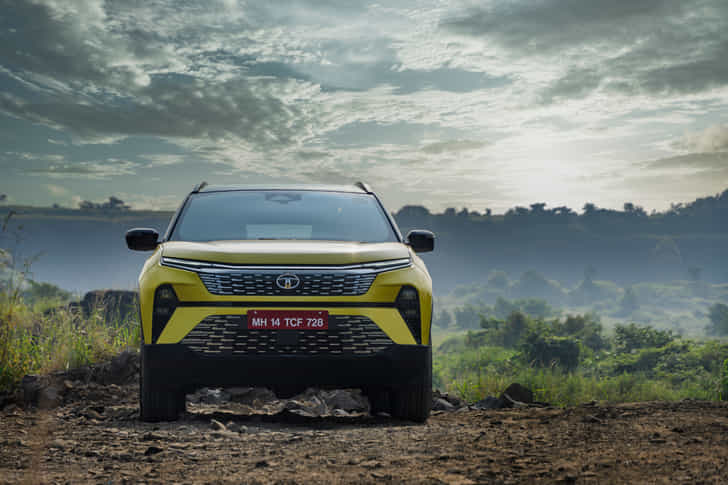
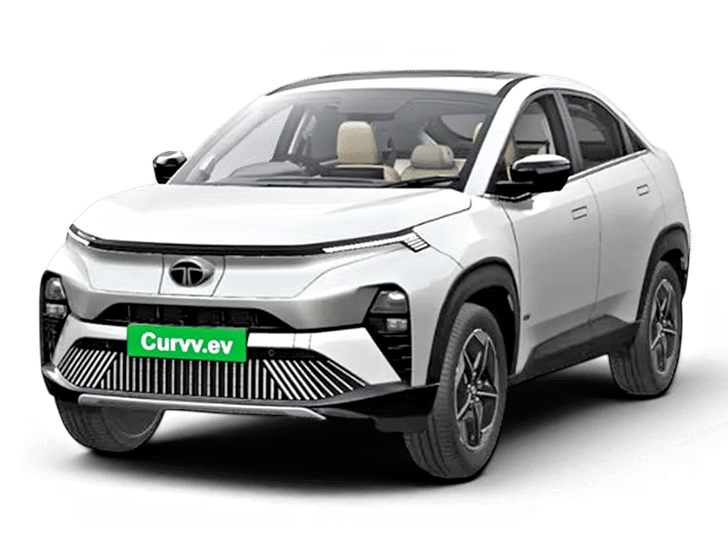
The Tata Harrier EV QWD is undeniably quick and impressive, but its range is meaningfully lower than the XEV 9e, which makes the Mahindra the easier long-term ownership proposition if range matters to you. Tata’s service reach is strong, but consistency can still vary depending on your city and dealership.
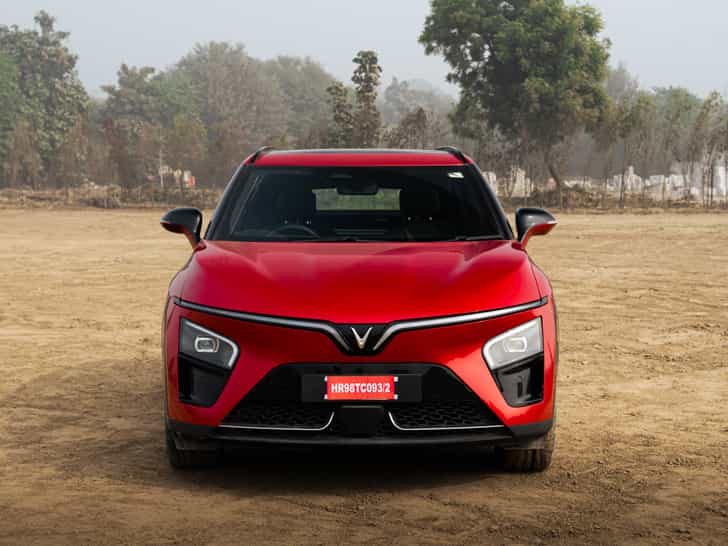
The VF7 AWD is the wildcard. It is quick, fun and interesting, but VinFast’s sales and service network in India is still very limited compared to Mahindra and Tata, which makes it a harder recommendation when reliability and support are explicitly your top priorities.
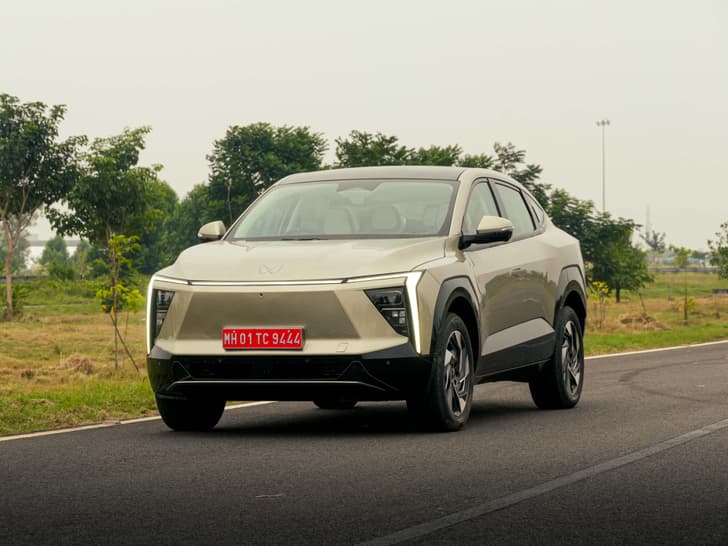
Mahindra XEV 9e

Mahindra XEV 9e

Was this helpful? Ask a follow-up

12w

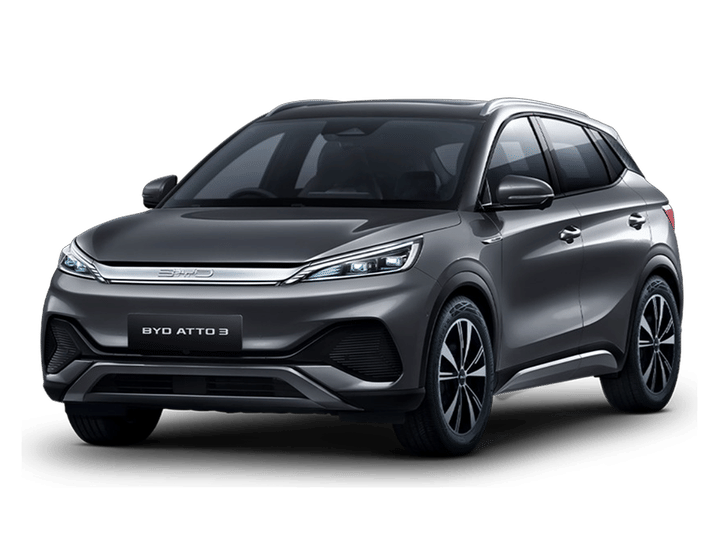
Thank you for your Suggestion. What is your recommendation between xev 9e and atto3?

12w

My recommendation is harrier QWD as it has best ride on highways, most cabin space out of all three and have features like 540 degree camara, digital OVRM and boost mode unique to it, tata has panindia footprint too for service support

More posts on similar cars

5d

Hi Team, I’ve finally decided to go ahead with the Tata Harrier Adventure X+ Diesel AT instead of the petrol variant. I was previously a WagonR owner, and for the last three years, I’ve been driving a VW Taigun 1.5 MT Petrol. My only concern with switching to a diesel is the DPF (Diesel Particulate Filter). My running is around 500 km per week, so I believe that should be sufficient, but I’m still not entirely clear about the DPF requirements. Does a diesel car need to be driven every day, or is regular weekly running of around 500 km enough to keep the DPF healthy? I’d also like to know about real-world experiences with diesel cars, particularly regarding DPF regeneration and maintenance. I’d really appreciate any suggestions or experiences you can share. Also, I’m a big fan of the Harrier. I did consider the 7-seater, but honestly, it feels a bit too long for my preference and has more of a “taxi” feel to it. The 5-seater Harrier looks much more proportionate and suits my taste better. Looking forward to hearing about your experiences.

Verified
2d

With 500km a week, you are well above the threshold where DPF becomes a concern. The DPF is designed to capture soot from the exhaust and then burn it off during a process called regeneration. This regeneration typically happens automatically when the engine reaches operating temperature and is held there for a sustained period, usually during a 15-20 minute drive at steady speeds. Your weekly running is more than sufficient for this.You do not need to drive the car every day. What matters is that the car gets regular runs where the engine is warm and running at a consistent speed. Short, stop-start city trips are what cause issues, not the frequency of use. As long as your usage includes some highway or longer stretches, the DPF will regenerate as intended.In real-world experience, modern Diesel cars are far less fussy about DPF than people fear. The issues tend to arise only with very low-mileage, purely urban cars. With your usage, the Tata Harrier Adventure X Diesel AT is a perfectly sensible choice. It is a strong, refined engine with good long-distance capability, and the automatic gearbox is well suited to both city and highway driving.The Harrier is also the right choice from a proportion and feel perspective. The Tata Safari is a good car, but if you do not need the third row, the Harrier is the more balanced and better-looking option.Go for the Harrier diesel without hesitation. Your usage is exactly what modern diesels are designed for.

VehicleTata Safari
VehicleTata Harrier

Popular discussions right now

6d

I want to buy a car for 40% city use and 60% long trips. I own a 2015 model of Celerio AGS. Should I buy Baleno AGS considering E20 fuel in the future.

Verified
6d

Given your usage pattern of 40% city and 60% long trips, the Maruti Suzuki Baleno AGS is actually a sensible upgrade from your 2015 Celerio AGS. The Baleno offers a more comfortable cabin, better highway stability and a more refined driving experience, which will make those long trips far more enjoyable. The AGS gearbox is also well suited to your occasional city use, keeping things simple and efficient.On the E20 front, there is no reason to worry. The Baleno is E20 compliant, and modern engines are engineered to handle this blend without any long-term reliability concerns. Maruti has also stated that their E20 engines are built for a material tolerance of slightly more than E20, so on the material front the car should be good for something like E22 for example. The main impact of a higher blend would be a reduction in fuel efficiency.The only thing to consider is whether you want to stick with AGS or move to a more conventional automatic. If you are happy with how AGS behaves, the Baleno is a solid choice. If you want a smoother and more premium automatic experience, you could look at something like the Hyundai i20 IVT or the Honda Amaze CVT instead. Both offer a more refined automatic gearbox, which can make a difference on long highway drives.Overall, the Baleno AGS is a good fit for your usage and there is no E20-related reason to avoid it. The decision really comes down to whether you are happy with AGS or want to move to a more conventional automatic.

VehicleMaruti Suzuki Baleno
VehicleHyundai i20
VehicleHonda Amaze

Posted on: 23 May 2026