5-Seater EV Under 30 Lakhs


Last Updated on: 30 Oct 2026
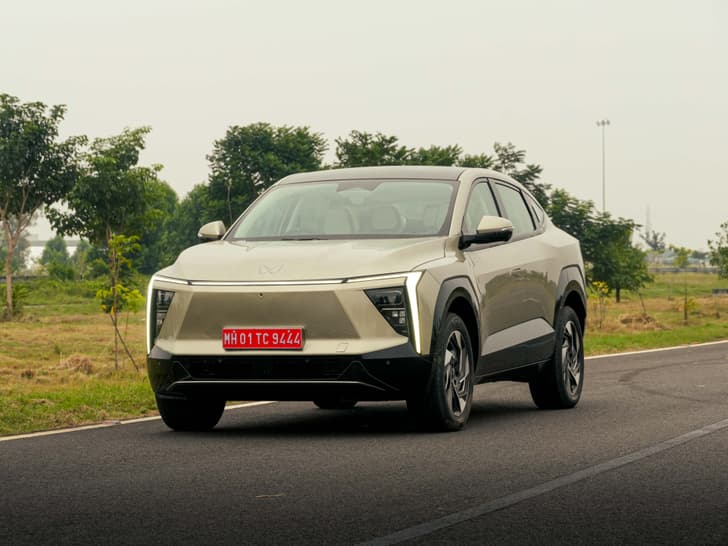
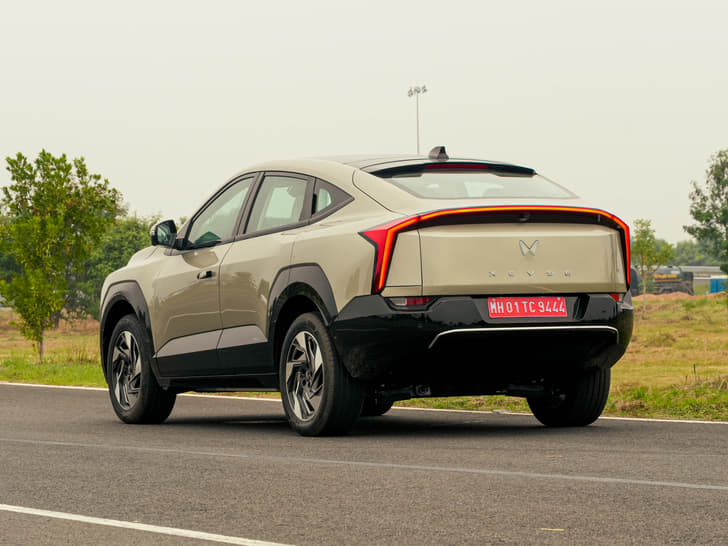
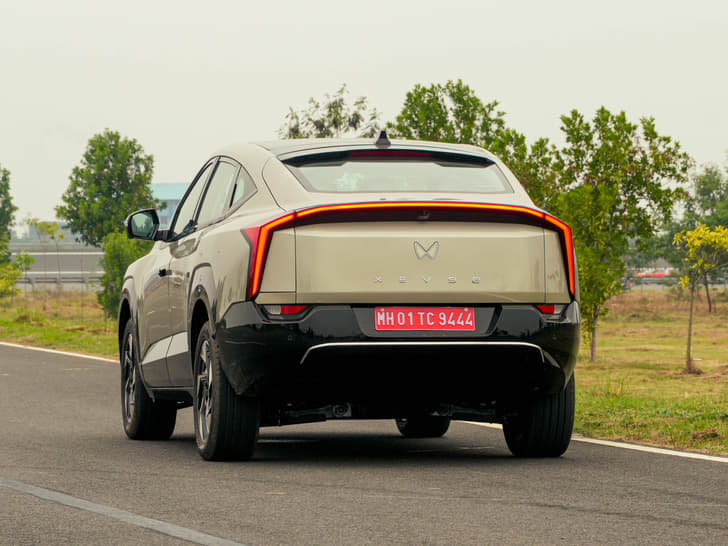
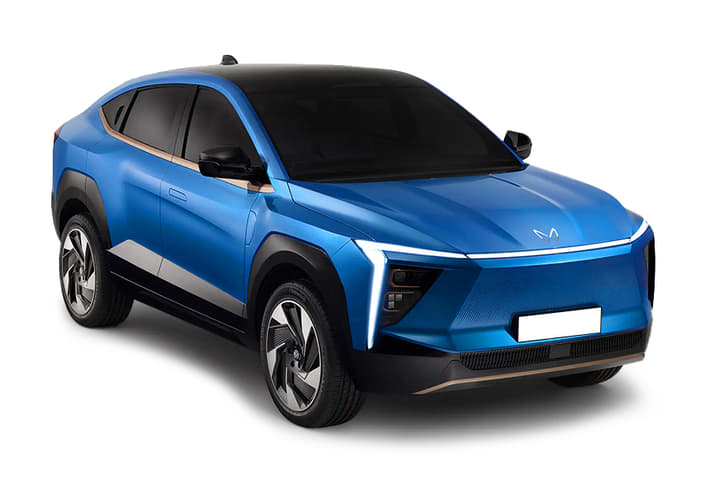
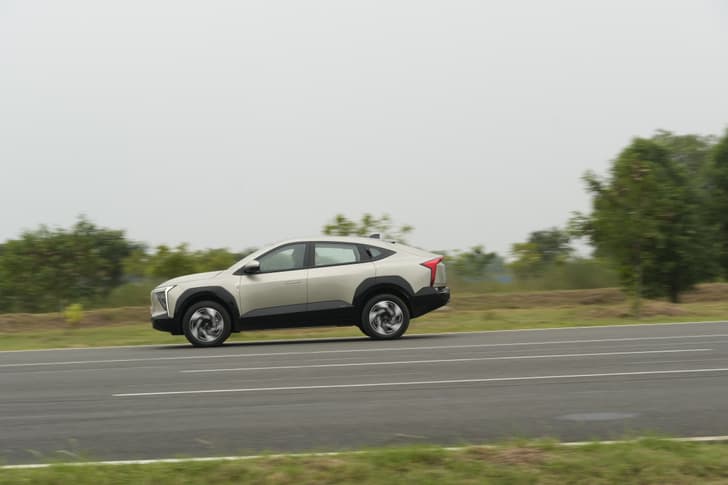
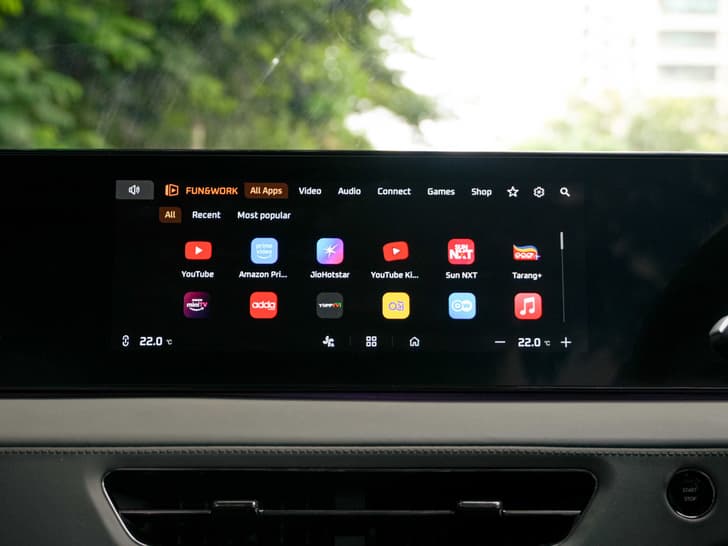
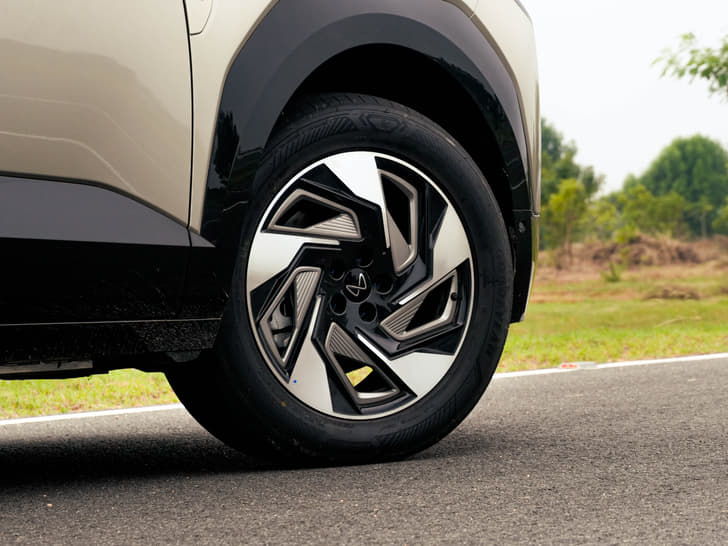
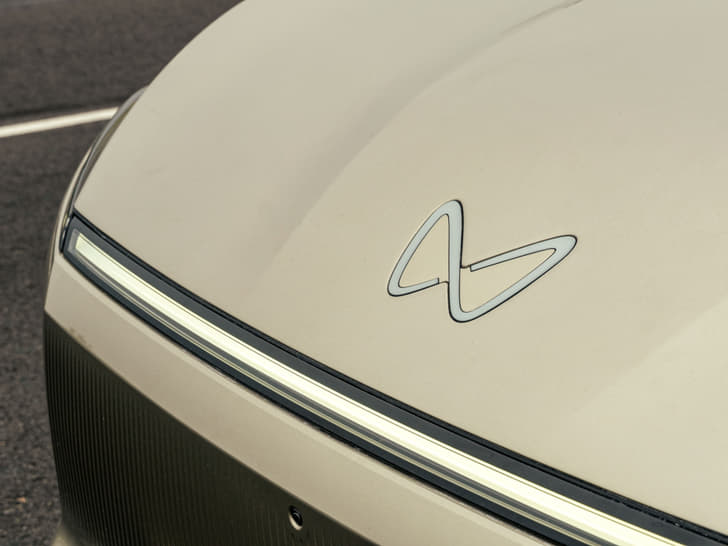
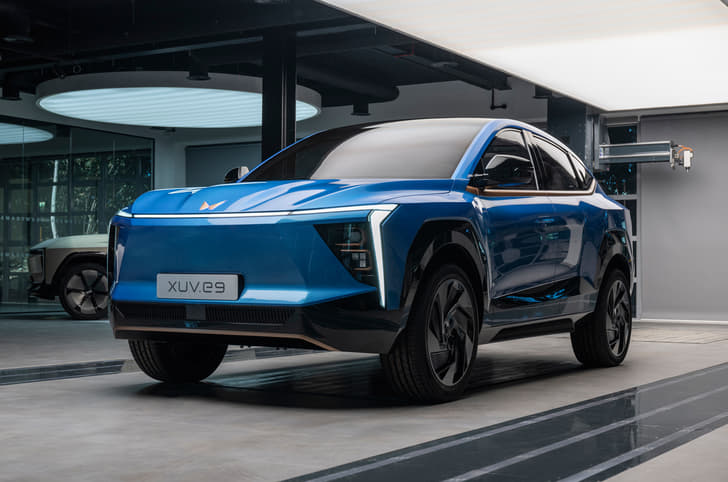
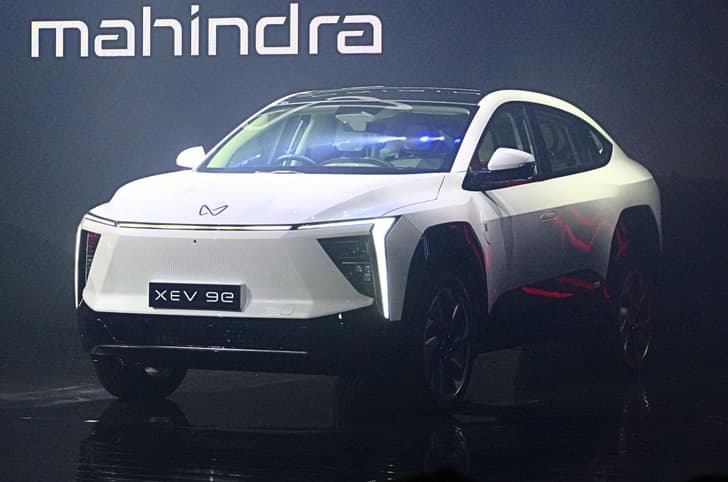
Battery Range 522 km - 656 km | Fuel Type Electric |
Transmission Auto | Body Style SUV |
Seats 5 |
Fuel Type/ Propulsion | Electric |
Motor Type | Permanent Magnet Synchronous Motor |
Gearbox Type | Auto |
Number of Gears | 1 |
Manual Shifts via Gear Lever on Automatic Gearbox | No |
Paddle Shifters for Automatic Gearbox | No |
Sport Mode for Automatic Gearbox | No |
Drive Layout | Rear Wheel Drive |
Lockable Differential/s | No |
Max Motor Power | 286hp |
Max Motor Torque | 380Nm |
User Reported Mileage | 430 km |
Fuel Supply System | Other |
Drive Mode Types | Multiple |
Terrain Modes | Yes |
Auto Start/Stop | No |
Battery Capacity | 79 kWh |
Charging Time | 20 min 20% to 80% (140kW DC), 8 hrs 0% to 100% (11.2kW AC), 11.7 hrs 0% to 100% (11.2kW AC) hrs |
Claimed Range | 656 km |
City Fuel Economy as Tested | 425.02 km |
Highway Fuel Economy as Tested | 488.22 km |
0-100kph | 6.8 s |
Front Suspension Type | Independent, MacPherson Strut |
Front Springs | Coil Springs |
Rear Suspension Type | Independent, Multi-link |
Rear Springs | Coil Springs |
Damper Control | No |
Ride Height Adjust | No |
Type of Power Assist | Electric |
Steering Adjust type | Manual |
Steering Adjust | Tilt and Telescopic |
Turning Radius | 5 m |
Front Brakes | Disc |
Rear Brakes | Disc |
Wheel Size | 19 inches |
Front Tyre Size | 245/55 R19 |
Rear Tyre Size | 245/55 R19 |
Wheels | Alloys |
Spare Wheel | Space Saver |
Length | 4789 mm |
Width | 1907 mm |
Height | 1694 mm |
Wheelbase | 2775 mm |
Ground Clearance | 207 mm |
Chassis Type | Monocoque |
Boot Capacity | 663 litres |
Doors | 5 |
| Power Windows | Front and Rear |
| Digital Instrument Cluster | Fully Digital |
| Roof Grab Handles | |
| Bottle Holder in Doors | |
| Charging Limiter | |
| Cooled Cup Holders |
| Crash Test Rating | 5 |
| Side Airbag | |
| Blind Spot Collision Avoidance Assist | |
| Speed Sensing Door Lock | |
| Heads Up Display | |
| Front Collision Avoidance |
| Body Coloured Bumpers | |
| Sequential Turn Indicators | |
| LED fog lamps | |
| Puddle Lamps | |
| Stop Lamp | |
| Pop-Out Door Handle | Auto |
| Speedometer | Digital |
| Tachometer | Digital |
| Trip Meter | |
| Average Fuel Consumption | |
| Average Speed | |
| Distance to Empty |
| Audio System | |
| Second Row USB port | 2 Type C |
| Front USB port | 2 Type C |
| Speakers | 16 |
| Front Passenger Screen | |
| Branded Music System | Harman/Kardon |
| Driving Analytics | |
| Anti Theft Immobilisation | |
| Alexa Compatibility | |
| Remote AC On / Off via App | |
| Service Reminder Via App | |
| Find My Car |
Tell us about your experience
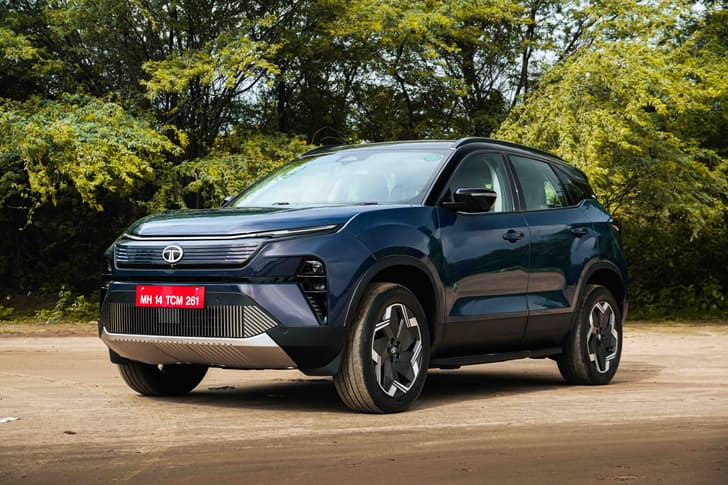
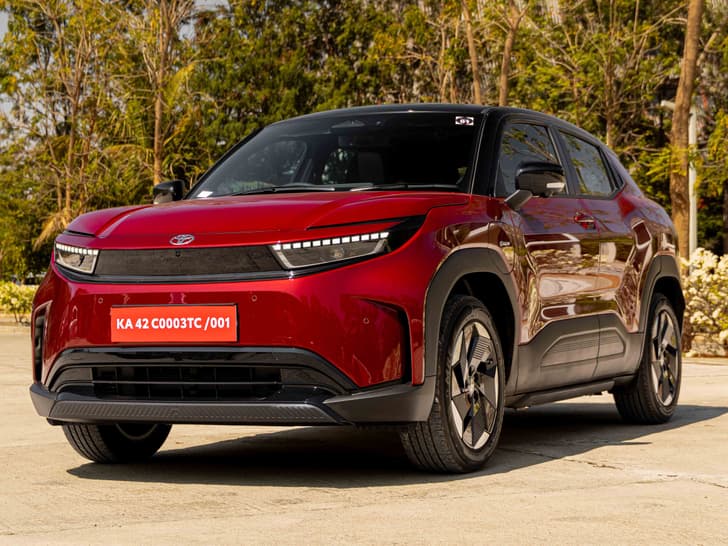
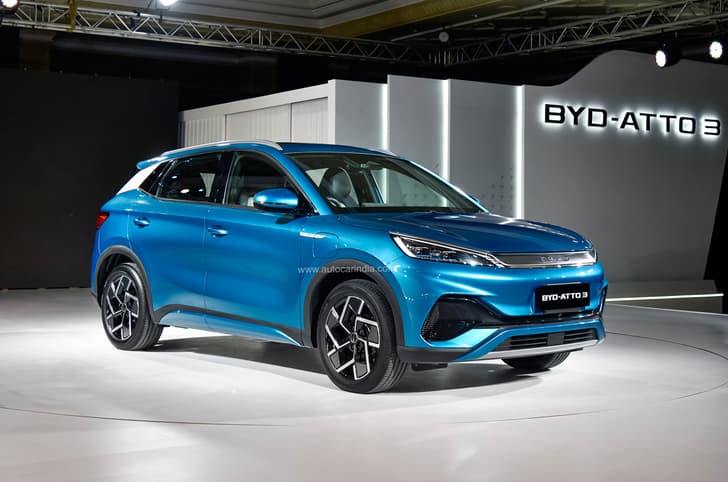
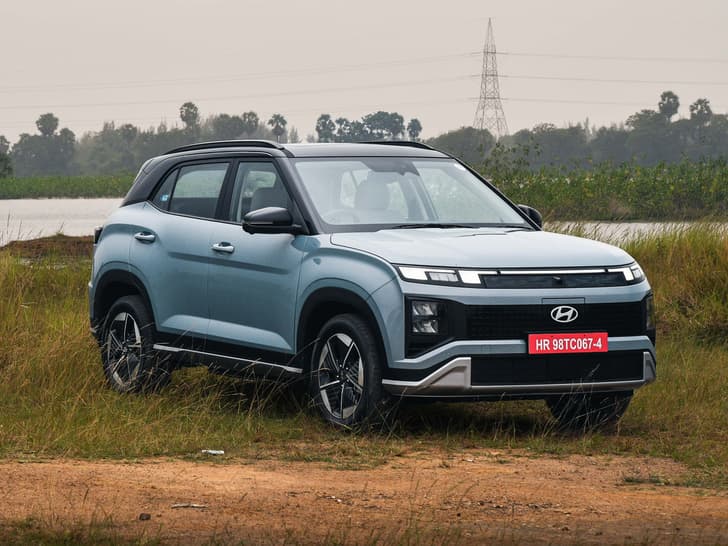
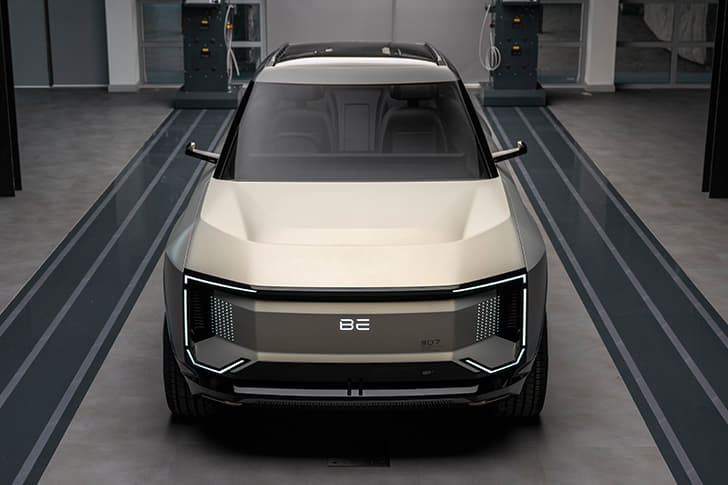
Hi, I have been driving a Hyundai i20 Diesel as my personal car, and we have a Toyota Fortuner for family use. Now, over the next 3 to 4 months, I am planning to upgrade my i20 to an EV for my daily commute. My budget is around Rs 30 lakh. My top priorities are performance, cabin comfort, and good ride quality. Please suggest a good 5-seater EV. I was waiting to check out the Skoda Elroq and Mahindra BE 07, but it seems their launches will involve a wait. Is it still worth waiting given my requirements, or can you suggest currently available EV models from any reliable brand?

 Mahindra XEV 9eMahindra XEV 9SMahindra BE.07Tata Harrier EV
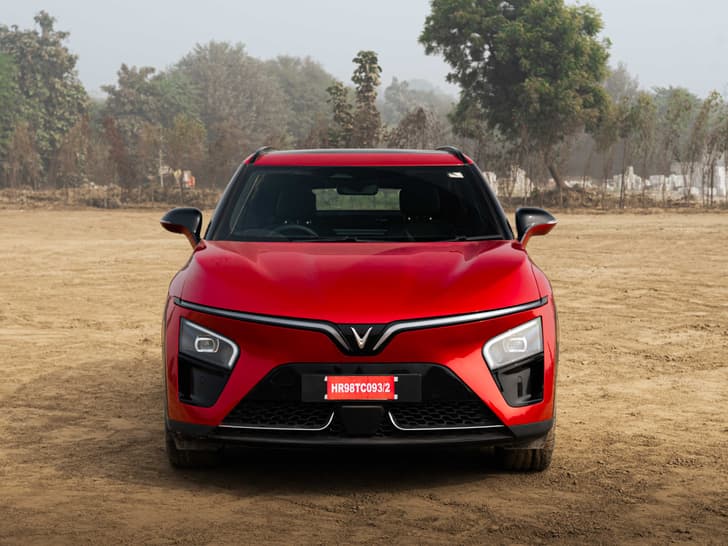
Hi Autocar, I live in Bengaluru, and my daily travel is around 35 km in moderate to very heavy traffic. I am looking for a premium EV for both city and highway use, and it will be my primary car. I am really confused between the Mahindra XEV 9e and XEV 9S (also considering the VinFast VF7). My priorities are driving feel, comfort, and a good ownership experience. Your advice would be very helpful. Thank you.
Mahindra XEV 9eMahindra XEV 9SVinfast VF7Hi team. What are your opinions on the VF7? There are hardly any media opinions on the car. The package is quite lucrative, but why is no one talking about it? The car undercuts both Tata and Mahindra and is plenty powerful with good styling. How does it stack up against the XEV 9e and the Tata Harrier EV? I value range, reliability, and looks.
Vinfast VF7Mahindra XEV 9SMahindra XEV 9eI currently drive a Baleno and want to upgrade to a safer, more comfortable car. My budget is around ₹30 lakh. I need low maintenance and excellent ride quality. Monthly running is about 1,800 km (mostly city) with 1–2 long drives a year. I’m open to EVs - I test-drove the Harrier EV and liked it, but I’m concerned about body roll and Tata-related issues. Which cars offer comfort and suspension at par with or better than the Harrier EV?
Mahindra XEV 9eMahindra XEV 9STata Harrier EVI want to buy a new 7-seater car. My driving will mainly be in the city with occasional highway trips. I need a car with decent cabin space, good boot capacity, and some useful features. I’m considering the Mahindra XUV700 and Hyundai Alcazar. Should I go for the XUV700, or is it worth waiting for its facelift?
Mahindra XEV 9eJoin the Discussions
Get answers from Autocar experts and owners
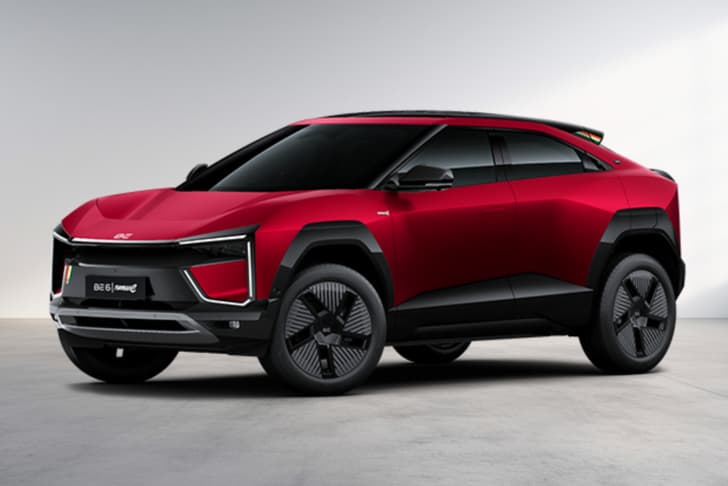
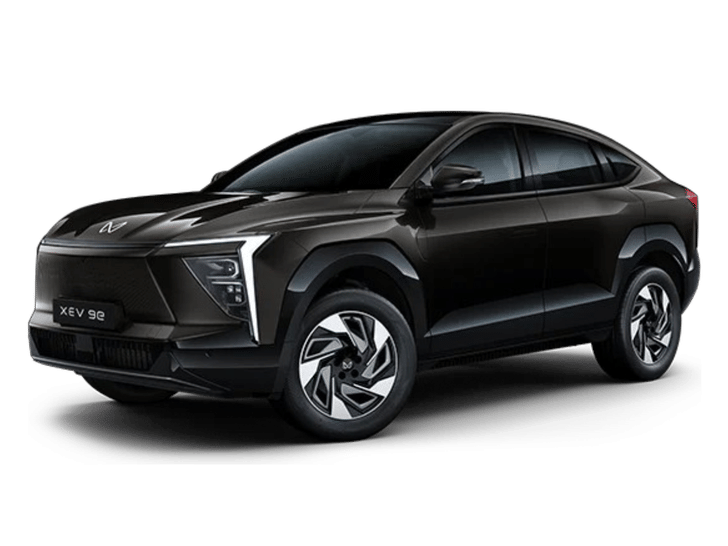
The Mahindra XEV 9e dimensions are 4,789mm in length, 1,907mm in width, and 1,694mm in height, with a wheelbase of 2,775mm.
The Mahindra XEV 9e boot space capacity is 663 litres.
The XEV 9e is available with two powertrain battery options: 59kWh and 79kWh.
The XEV 9e delivers 231hp with the 59kWh battery and 286hp with the 79kWh battery, powered by a single rear-mounted motor.