Autocar India

Tata Electric Cars in India (10)

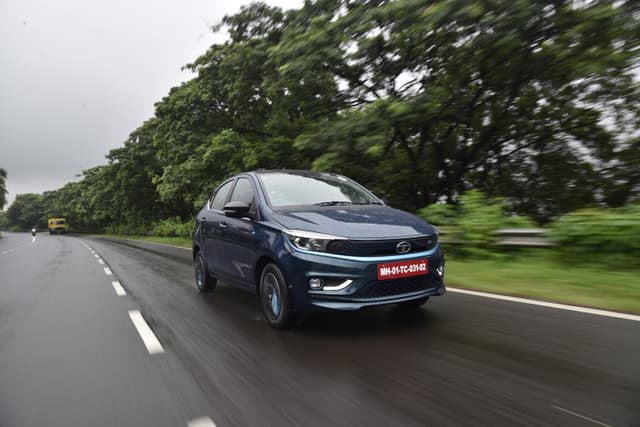
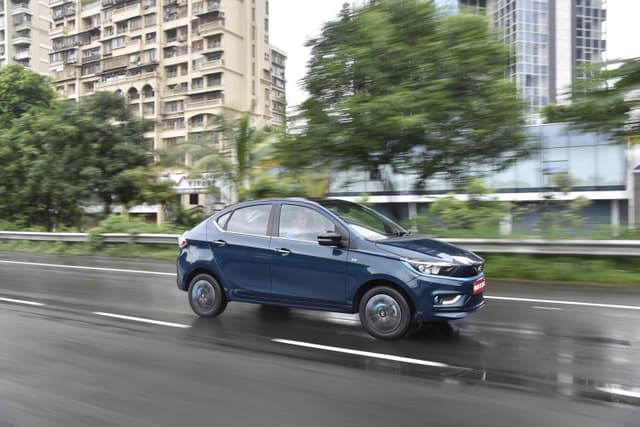
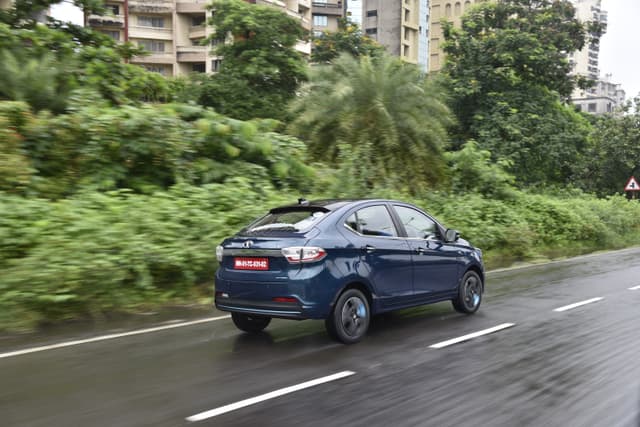
Tata electric cars have established a strong presence in the Indian EV market. In August 2026 8 Tata electric car models are present in the lineup that caters to budget buyers, family-focused users, and premium electric vehicle enthusiasts. 

As of now, the Tata electric car list includes some of the models, such as Punch EVNexon EV, and Curvv EV. Also, there are 2 upcoming models like the Tata Sierra EV and Tata Avinya

The cheapest Tata Motors electric car is the Tata Tiago EV, while the most expensive Tata new car electric model will be the Tata Avinya, expected to be priced up to ₹40.00 lakh.

Tata Electric Cars Price List - August 2026

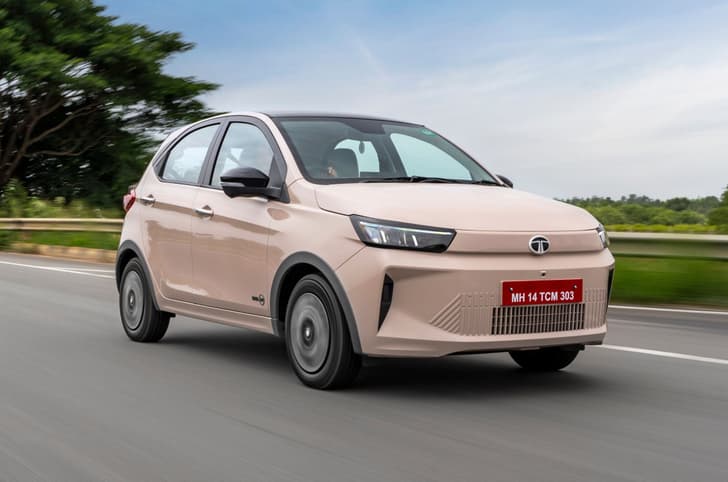
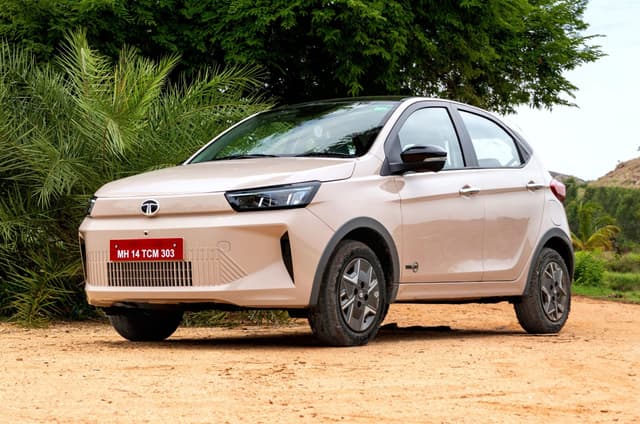
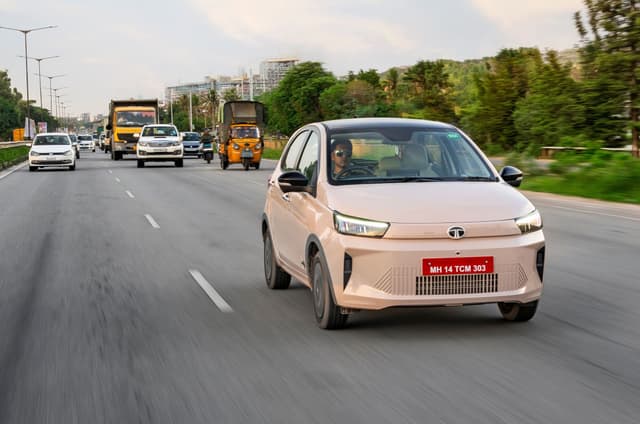
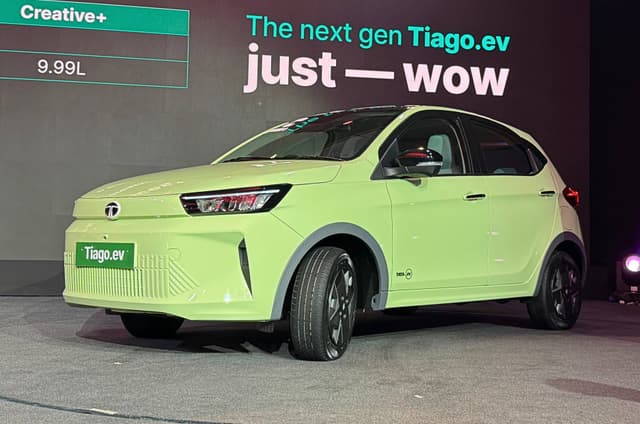
The Tata Tiago EV is the only hatchback in the lineup, while models like the Tata Nexon EV and Tata Harrier EV stand out with a 5-star safety rating. For buyers tracking future launches, Tata new electric car launch 2026 plans include the Tata Sierra EV, while the Avinya is expected later as a flagship electric offering.

Tata EV Model

Ex-showroom Price

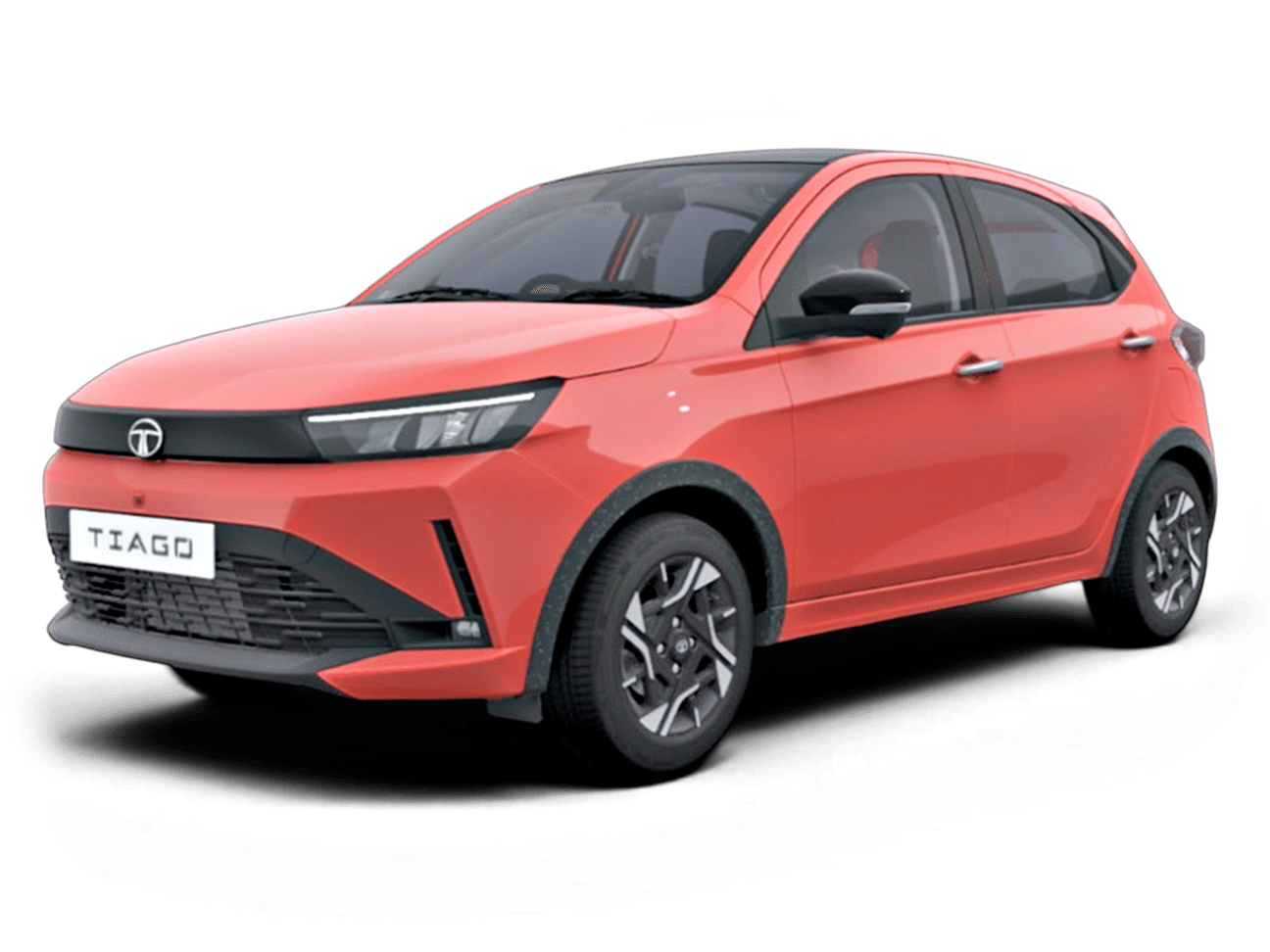
Tata Tiago EV

₹7.99 - 11.14 lakh

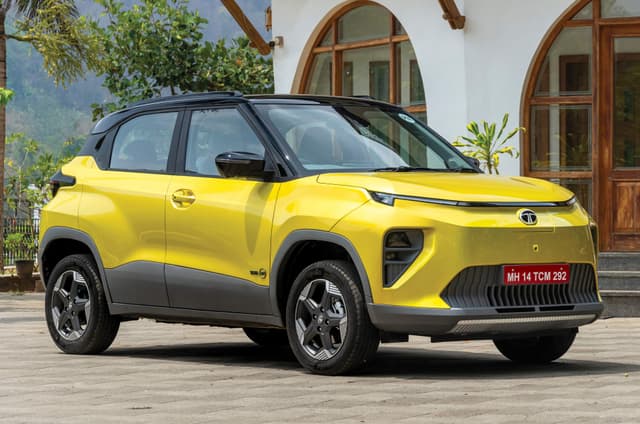
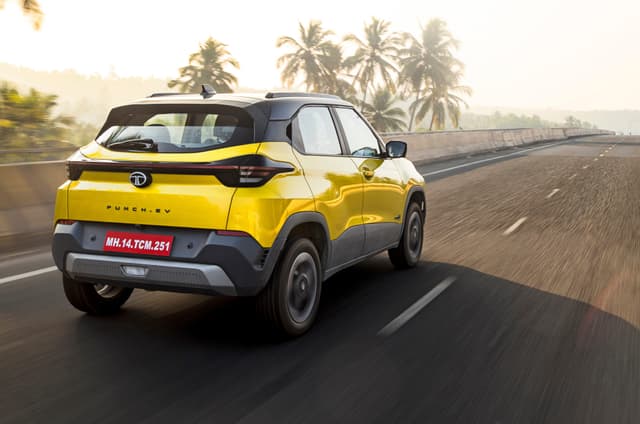
Tata Punch EV

₹9.99 - 14.44 lakh

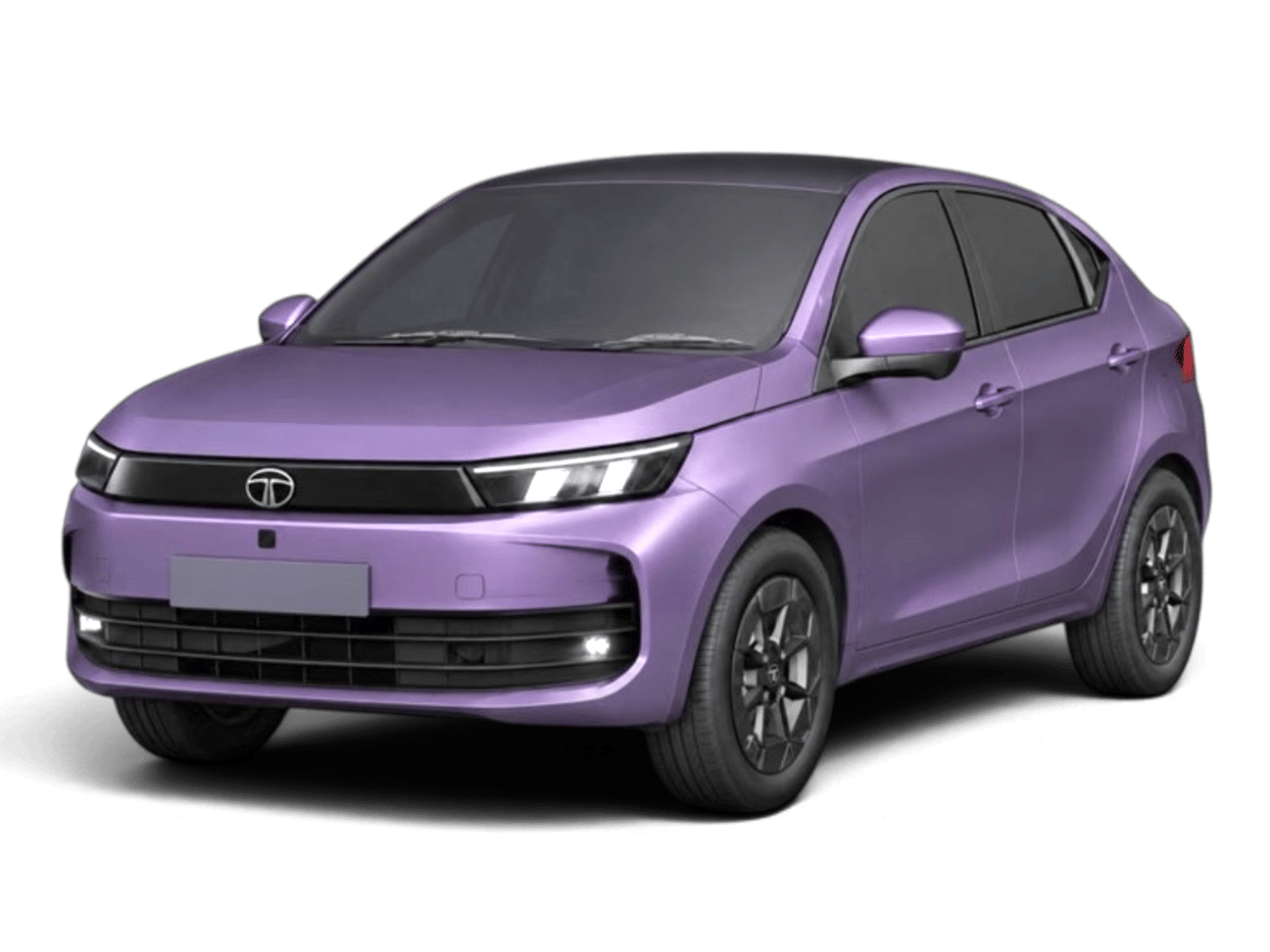
Tata Tigor EV

₹12.49 - 13.75 lakh

Tata Nexon EV

₹12.49 - 17.49 lakh

Tata Curvv EV

₹17.49 - 22.24 lakh

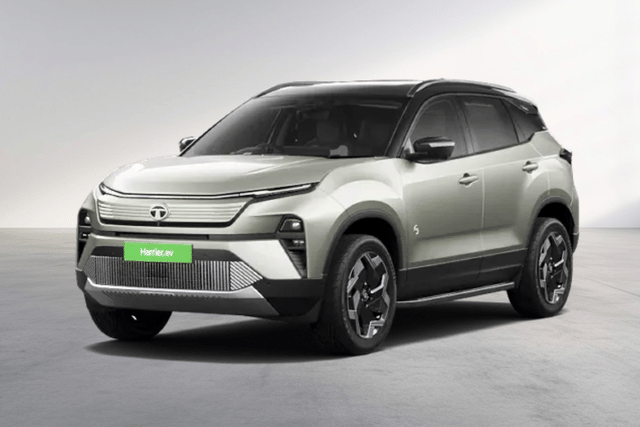
Tata Harrier EV

₹21.49 - 28.99 lakh

Tata Sierra EV (Upcoming)

₹20.00 - 25.00 lakh

Tata Avinya (Upcoming)

₹35.00 - 40.00 lakh


Tata Electric Cars- Key Highlights


Criteria

Tata EV Model

Cheapest car

Tata Tiago EV (₹7.99 lakh)

Most expensive car

Tata Avinya (Upcoming) (₹40.00 lakh)

Hatchback

Tata Tiago EV

5 star safety rating

Tata Nexon EV, Tata Harrier EV

Upcoming cars

Tata Sierra EV, Tata Avinya

Show more
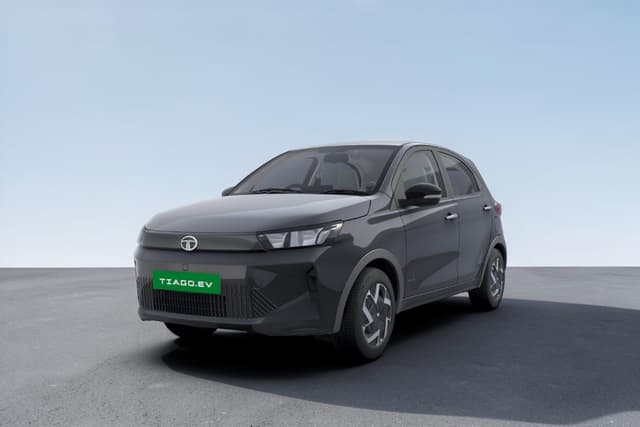
Tata Tiago EV
Tata Tiago EV
Tata Tiago EV
Tata Tiago EV
Daytona Grey color image
9
223-293 km
5 seater
Hatchback
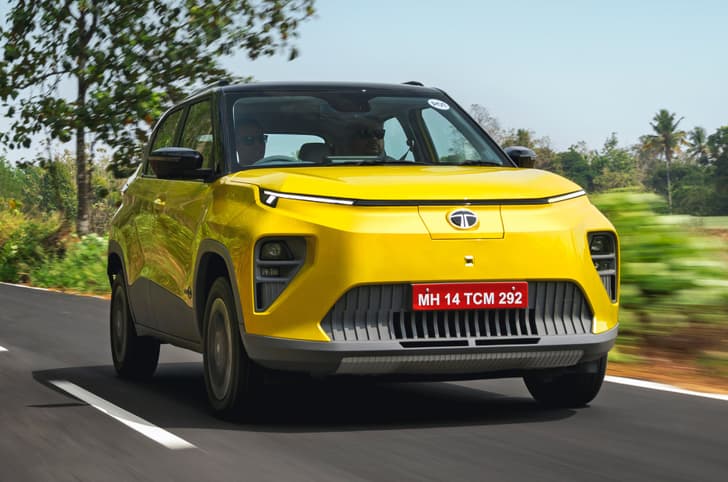
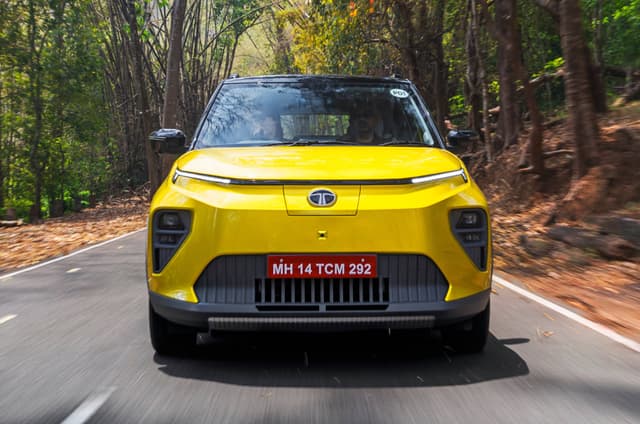
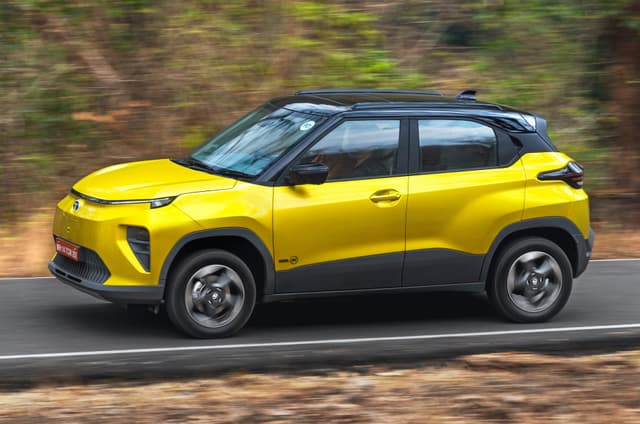
Tata Punch EV
Tata Punch EV
Tata Punch EV
Tata Punch EV
Tata Punch EV
9
315-468 km
5 seater
SUV
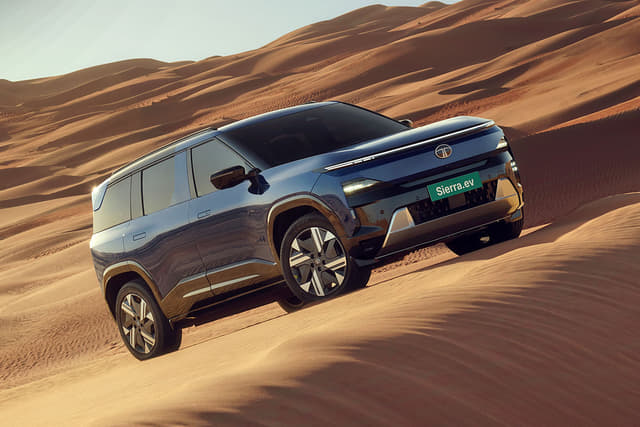
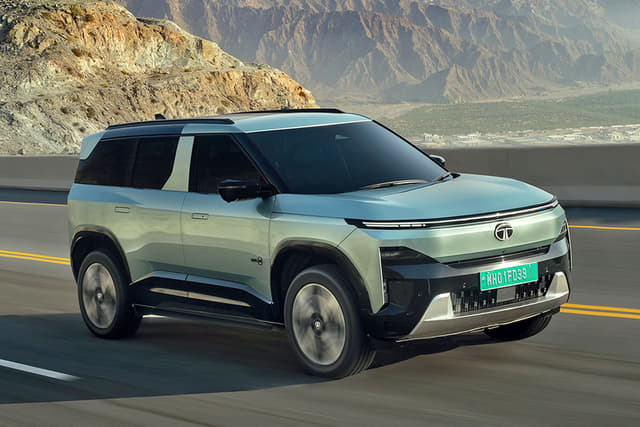
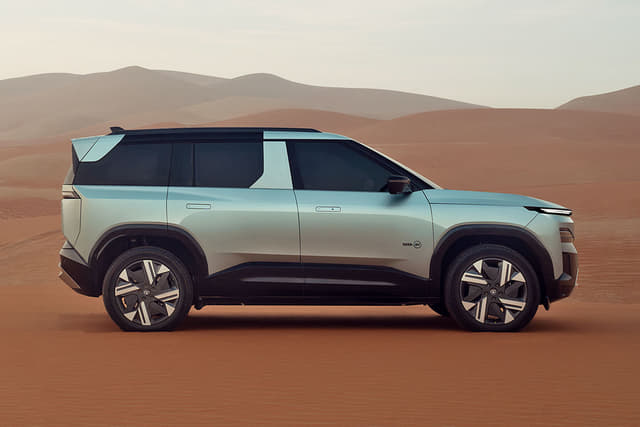
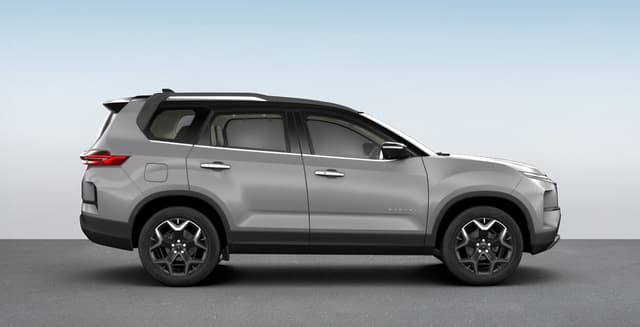
Tata Sierra EV
Tata Sierra EV
Tata Sierra EV
Tata Sierra EV
Tata Sierra EV
8
535-665 km
SUV
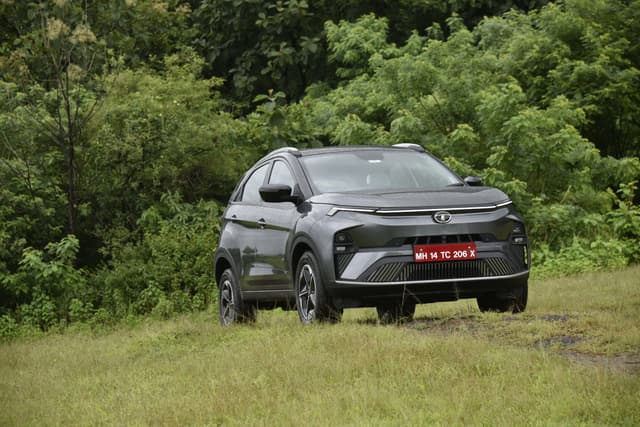
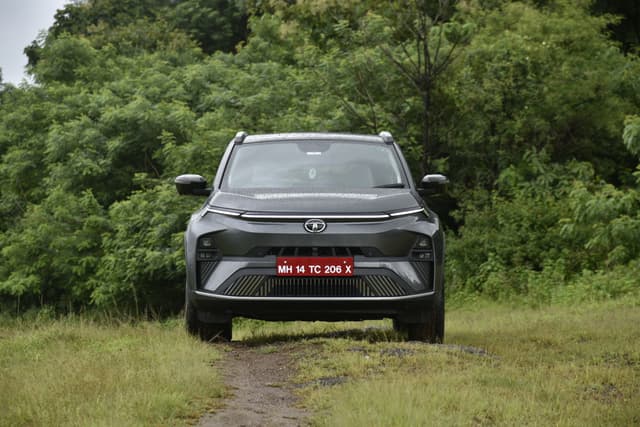
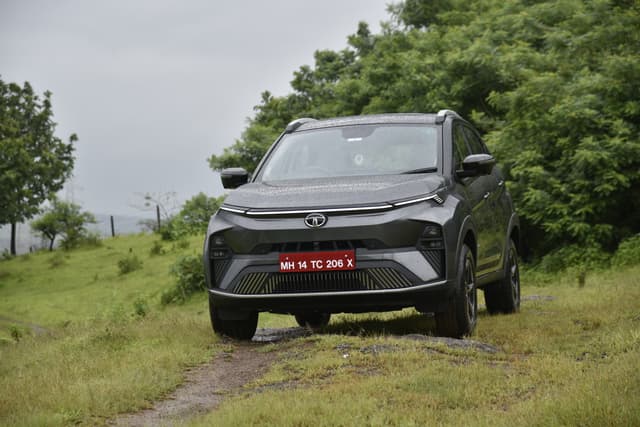
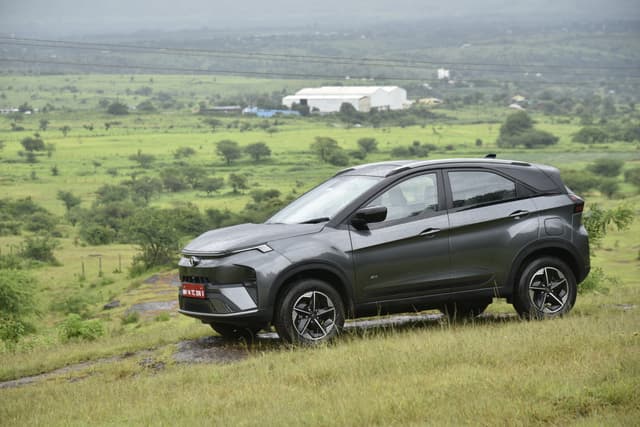
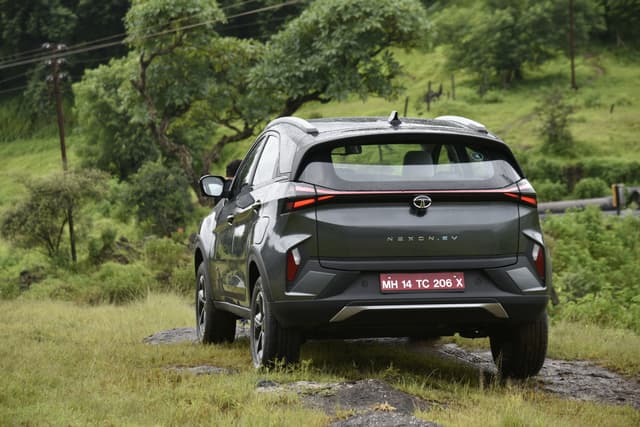
Tata Nexon EV Front Right Three Quarter
Tata Nexon EV Front View
Tata Nexon EV Front Right Three Quarter
Tata Nexon EV Rear View
8
275-489 km
5 Star
5 seater
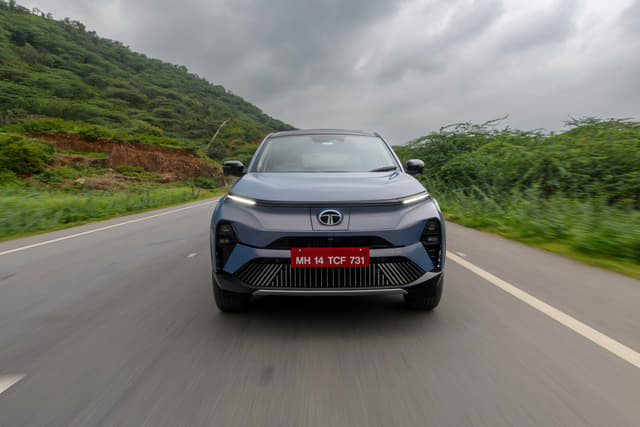
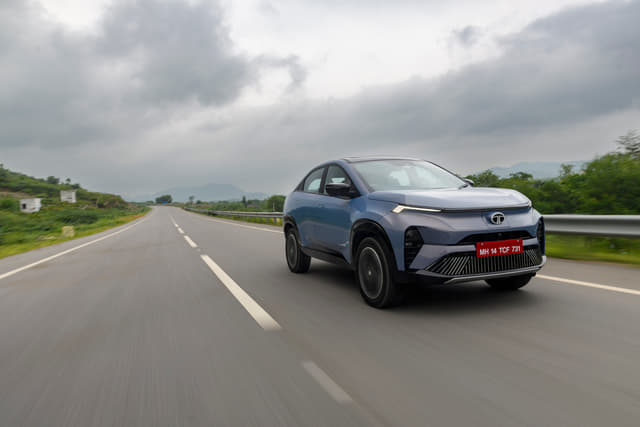
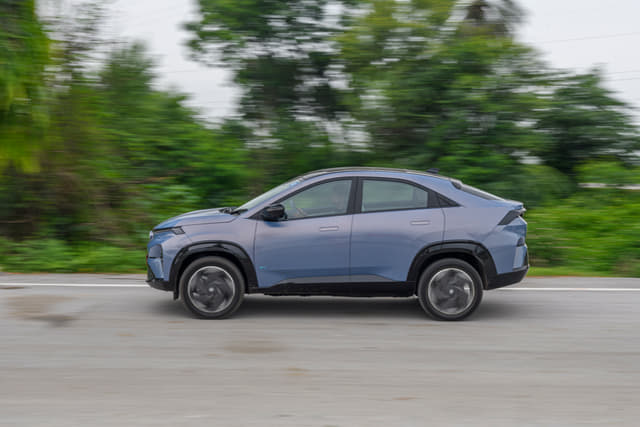
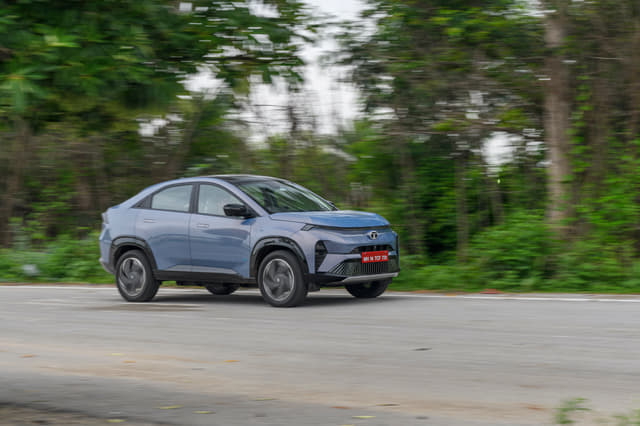
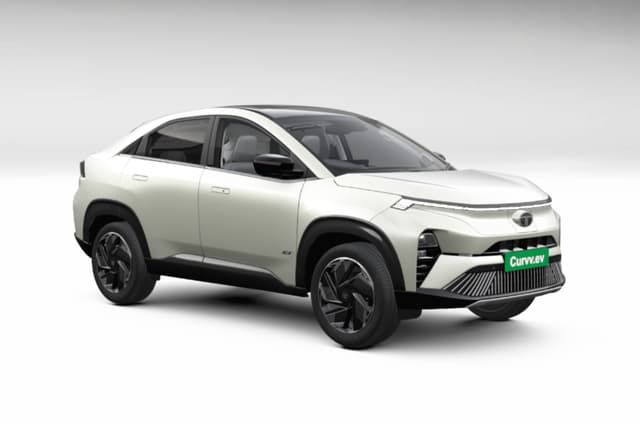
Tata Curvv EV Front View
Tata Curvv EV Front Right Three Quarter
Tata Curvv EV Color Blue
Tata Curvv EV Front Right Three Quarter
Empowered Oxide with Dual Tone color image
7
430-502 km
5 seater
SUV
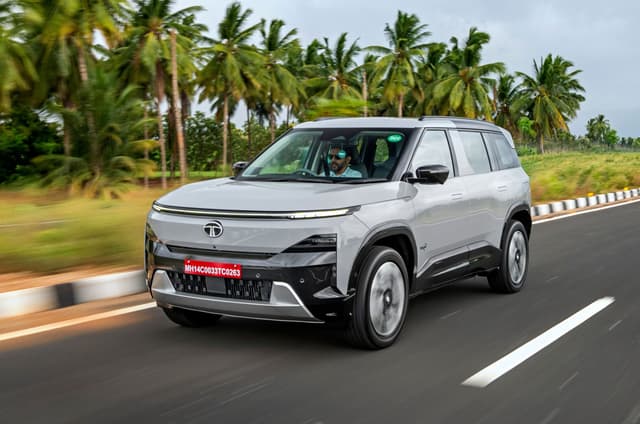
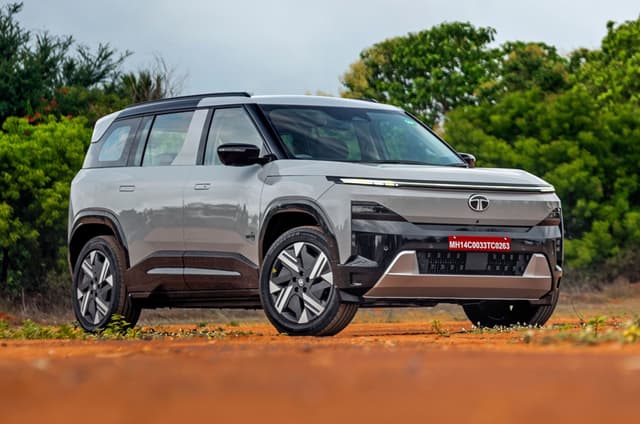
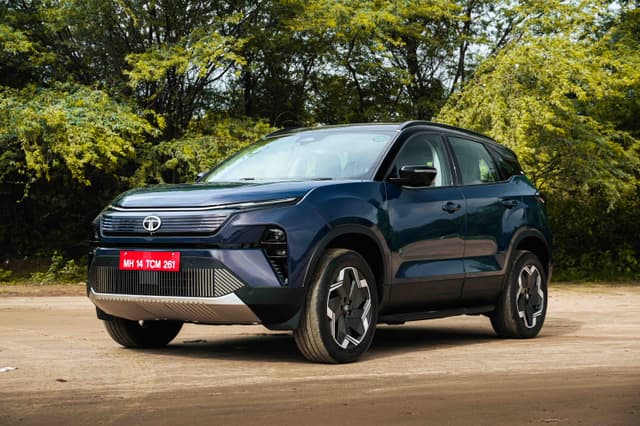
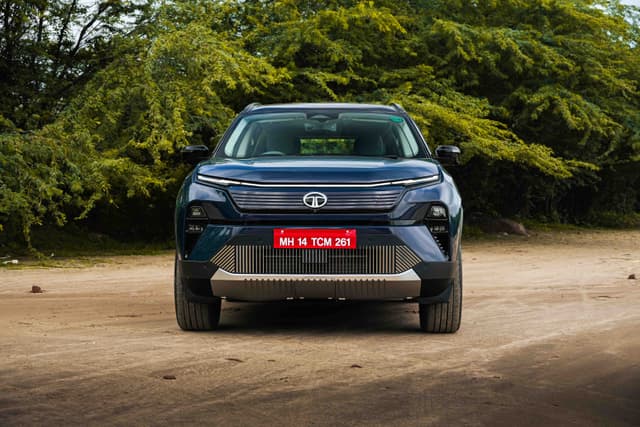
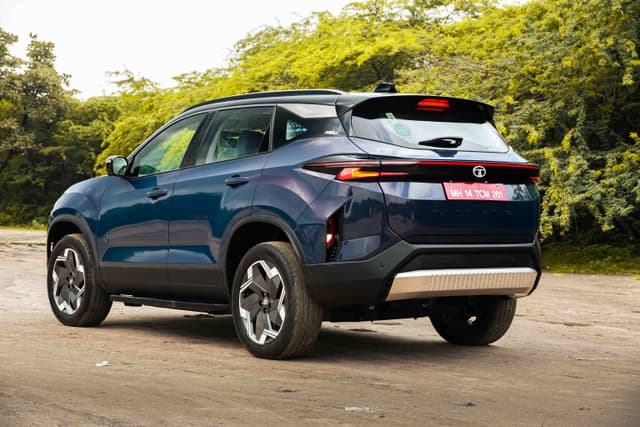
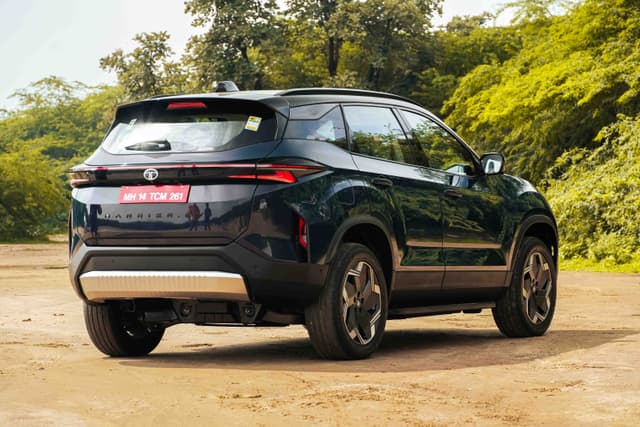
Tata Harrier EV
Tata Harrier EV
Tata Harrier EV
Tata Harrier EV
Empowered Oxide color image
8
538-627 km
5 Star
5 seater
Concept Revealed
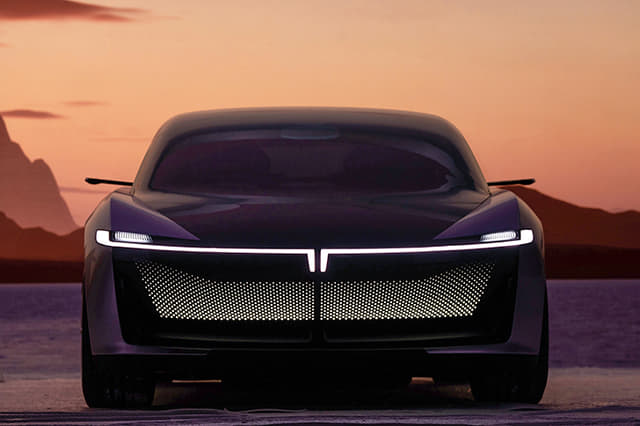
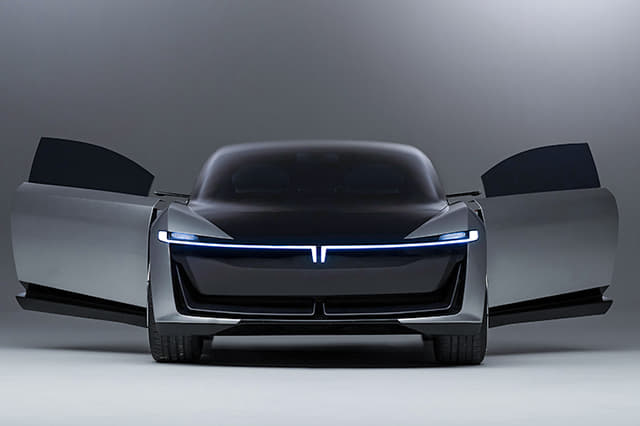
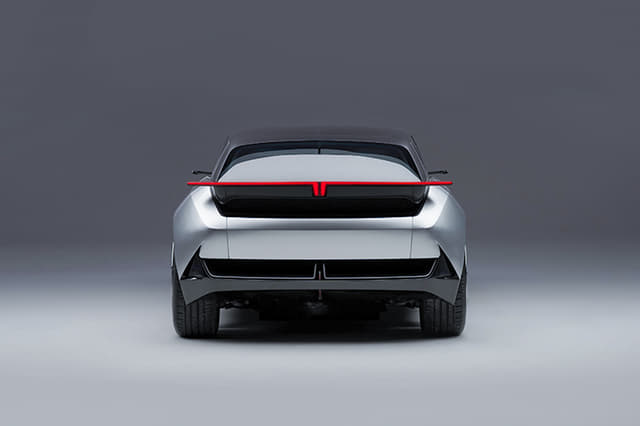
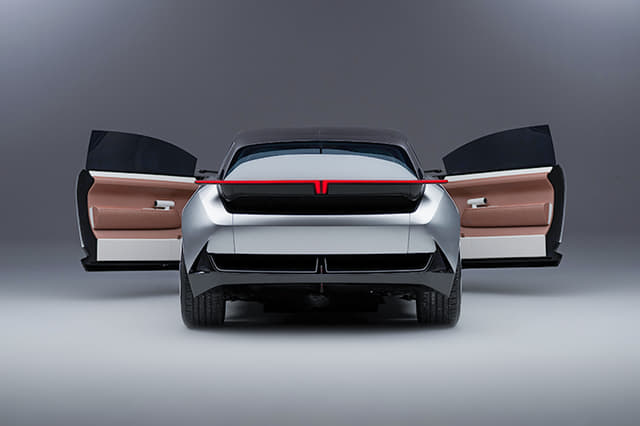
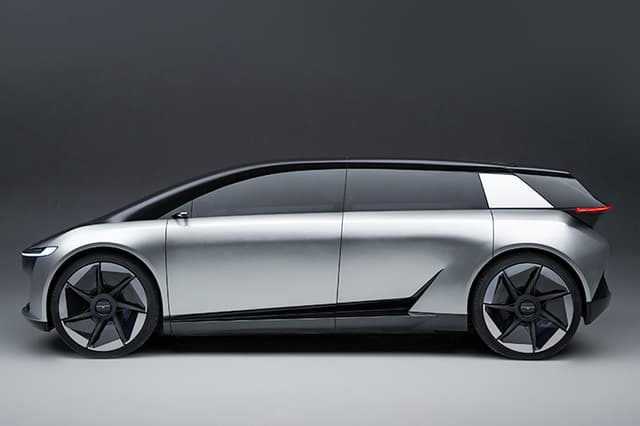
Tata Avinya
Tata Avinya
Tata Avinya
Tata Avinya
Tata Avinya
2027
Exp. Launch
Upcoming
Tata Safari EV
2026
Exp. Launch
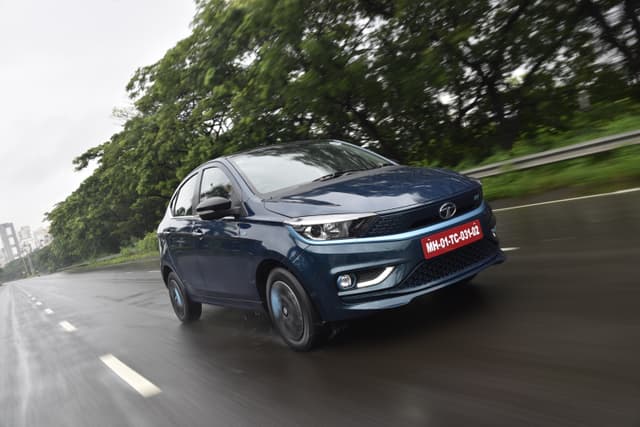
Tata Tigor EV Front Right Three Quarter
Tata Tigor EV Front Left Three Quarter
Tata Tigor EV Front Right Three Quarter
Tata Tigor EV Color Blue
Tata Tigor EV Rear View
7
315 km
5 seater
Sedan
Upcoming
Tata Tigor EV facelift
Late 2026
Exp. Launch

Find cars by transmission

Tata Electric Cars - FAQs

The Tata electric cars in India lineup includes Tiago EV, Punch EV, Tigor EV, and Nexon EV, Curvv EV, and Harrier EV, along with upcoming models Tata Sierra EV and Tata Avinya.

The Tata electric car price in India starts at ₹7.99 lakh for the Tata Tiago EV and goes up to ₹40.00 lakh for the upcoming Tata Avinya.
 

The cheapest Tata Motors electric car is the Tata Tiago EV, with prices starting from ₹7.99 lakh.


The most expensive Tata new car electric model will be the Tata Avinya, expected to be priced up to ₹40.00 lakh.

Among Tata electric cars, the Tata Nexon EV and Tata Harrier EV are noted to have a 5-star safety rating.
 

The upcoming Tata electric car new launch models include the Tata Sierra EV and the Tata Avinya.

Need an expert opinion on your car related queries?

Trending Questions on Tata Cars - Answered by Autocar Experts

3d

Hi, my daily running is approximately 160 km on mostly highways. Can you please suggest an EV that has excellent safety rating, good road presence and is reliable under Rs. 25-30 lakh.

Verified
3d

The Tata Harrier EV will be a good option for your requirements of good road presence and a top safety rating. The Harrier has an imposing look and has secured a 5-star crash rating in the Bharat NCAP tests. It also has raft of active safety features like ADAS that can help prevent an accident especially out on highways. Reliability is a mixed bag as there have been issues reported, though Tata Motors has been making many improvements, opt for the Harrier if you have a good dealer near you. If reliability is the main concern then opt for the Hyundai Creta EV, the powertrain, electronics as well as the entire mechanical package are well engineered and you should have a trouble-free ownership experience.

VehicleTata Harrier EV
VehicleHyundai Creta Electric
3d

I have a 2013 Honda City automatic, which is now 13 years old. I wish to change my car and buy the Tata Punch EV 40kWh for my use. My monthly running is low, at around 500 km. Would you suggest this car for my usage?

Verified
3d

With a monthly running of around 500km, the financial case for an EV is not particularly strong, but the Tata Punch EV 40kWh can still make sense if you are looking for a modern, low-maintenance city car. This Tata electric car is compact, easy to drive and well-suited to urban use, and the 40kWh battery offers a healthy real-world range that should comfortably cover your monthly usage with minimal charging stops. However, at this level of running, the fuel savings over a petrol car will take a long time to offset the higher upfront cost of the EV. If you have reliable home charging and are keen on the EV ownership experience, the Punch EV is a sensible upgrade from your ageing City. If your priority is purely financial efficiency, a small petrol automatic like the Honda Amaze or Maruti Suzuki Baleno would be the more cost-effective choice.

VehicleTata Punch EV
VehicleHonda Amaze
VehicleMaruti Suzuki Baleno
4d

I currently own a 2020 Tata Nexon EV. I am happy with the EV experience, but I am not satisfied with Tata's service. I understand that the Nexon EV was an early product and that we were effectively guinea pigs at the time. Now that more EVs have matured, I want to know what options I should consider. My priorities are good range, comfort for a family of five, good boot space, physical buttons rather than a screen-heavy cabin like the Windsor, and good after-sales service. I was waiting for an EV from Toyota, but I don't see one coming soon. Which EV should I consider?

Verified
3d

Given your experience with the Tata Nexon EV and your clear priorities, the Kia Syros EV seems to be the right fit. It is a sub-4-meter car with a surprisingly spacious cabin that can easily accommodate five passengers and their luggage. Go for the larger battery version that'll deliver healthy range, and you also have a good mix of physical buttons and touch keys, all logically laid out.Toyota does offer an electric car, the Ebella, but you could consider the Maruti Suzuki E Vitara instead, which is more value for money.

VehicleKia Syros EV
VehicleToyota Urban Cruiser Ebella
VehicleMaruti Suzuki e Vitara
VehicleTata Nexon EV
4d

Sold my petrol Alto and switched to Punch EV six months ago. Didn't think I'd miss the sound of an engine starting, but here we are.

1w

Hello, I am interested in buying an SUV EV and am leaning towards the Tata Harrier EV top-spec Empowered 75 ACFC. My main running is a mix of highway and city driving, but I am confused about the calculation, as everyone is saying EVs don't have any resale value. My question is: why are people buying EVs, and what is the maths? I am not able to understand it. I am going to use the EV for the next six years with an extended warranty. I hope in six years I will be able to get value from a Rs 30 lakh EV.

Verified
6d

The Tata Harrier EV Empowered 75 ACFC is a strong product, but your question is the right one: what is the maths behind buying an EV, and does it make sense over six years?The simple answer is that electric cars make the most sense when you have predictable running, a mix of city and highway use, and a clear ownership horizon. Over six years, the biggest advantage is the running cost. Electricity is significantly cheaper than petrol or diesel, especially when you charge at home, and maintenance costs are lower because there are fewer moving parts and no engine oil changes. With an extended warranty, you are also protected against the biggest unknown, which is battery health.The resale value question is more difficult to answer. EVs do depreciate much faster than ICE cars today, largely because the technology is evolving quickly and buyers are still learning how to value a used EV. But that does not mean they have no resale value. The key is to look at total cost of ownership. If you save Rs 1.5-2 lakh a year on fuel and maintenance over six years, that is Rs 9-12 lakh saved. Even if the resale value is lower than a comparable diesel SUV, the running cost savings can more than offset that.The Tata Harrier EV itself is a good fit for your usage. It is a large, comfortable SUV with a strong feature set, and the 75 kWh battery gives it enough range for highway use without range anxiety. The ACFC (Active Cooling Fast Charging) system also helps with battery longevity and faster charging on long trips.The reason people are buying EVs is not just resale value. It is the combination of lower running costs, a smoother and quieter driving experience, and the convenience of home charging. Over six years, you will absolutely be able to squeeze value out of a Rs 30 lakh EV if you are doing a mix of city and highway driving and keeping the car for the full ownership period.The maths works when you look at the whole picture, not just the resale value. If you are comfortable with the technology and have a clear six-year plan, the Tata electric car mentioned above is a sensible choice.

VehicleTata Harrier EV

Last Updated on: 22 Aug 2026