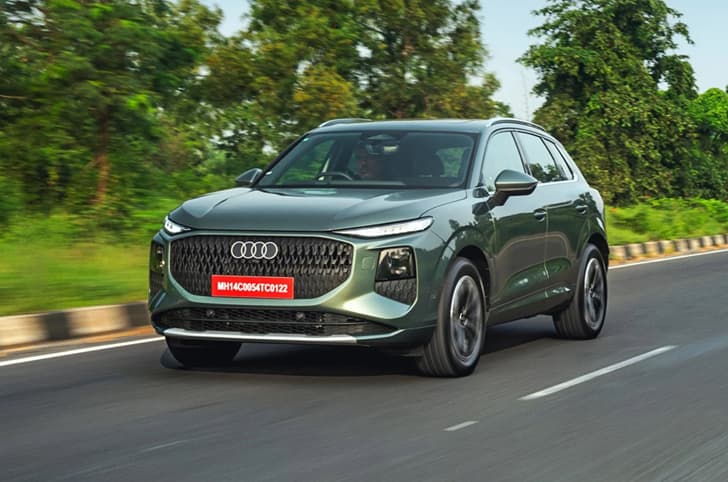
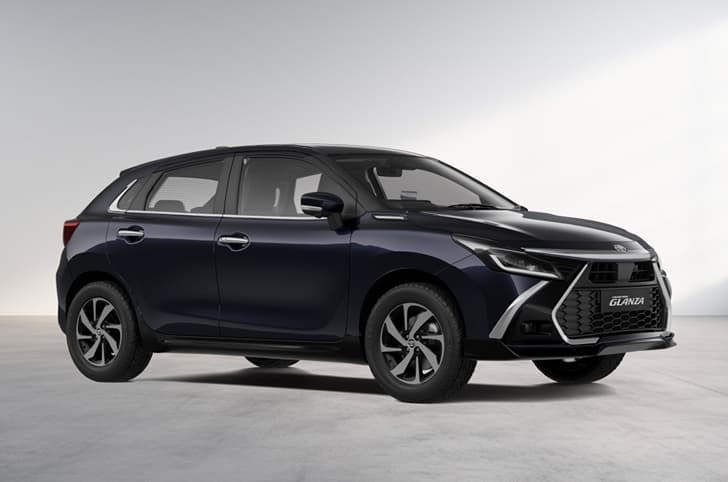
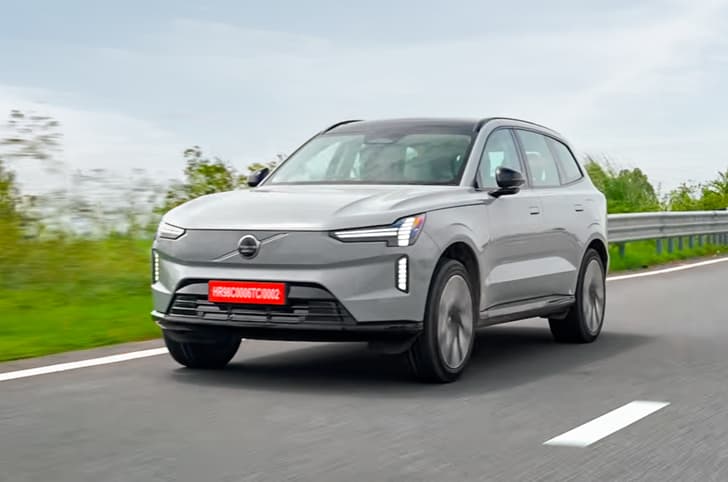
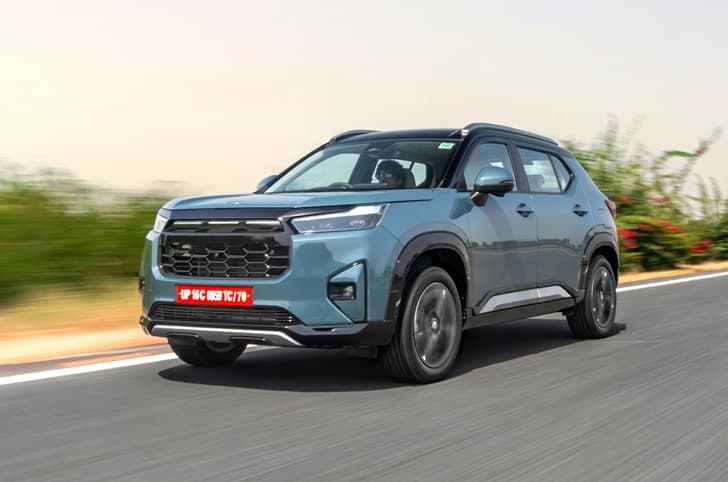
Kia Seltos Hybrid Launch Date

Last Updated on: 24 Oct 2026
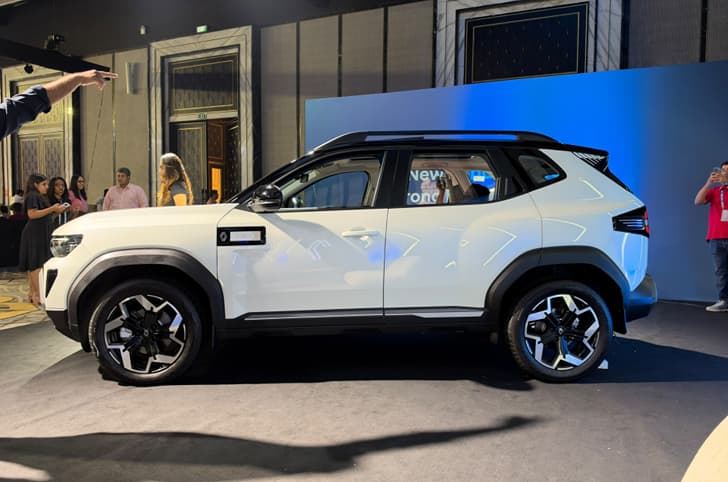
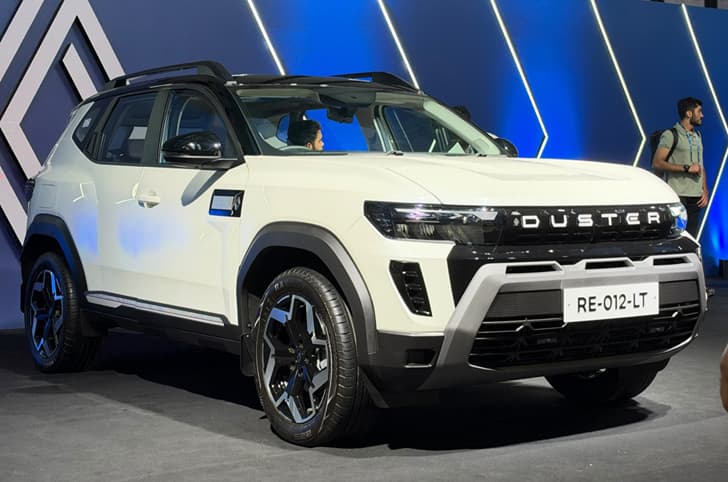
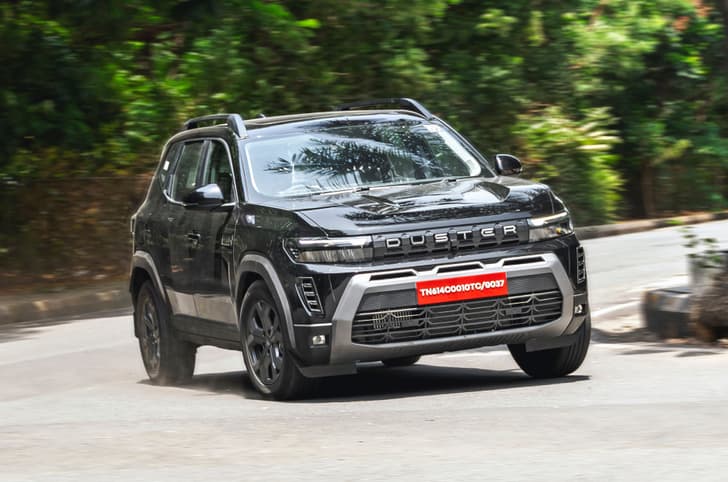
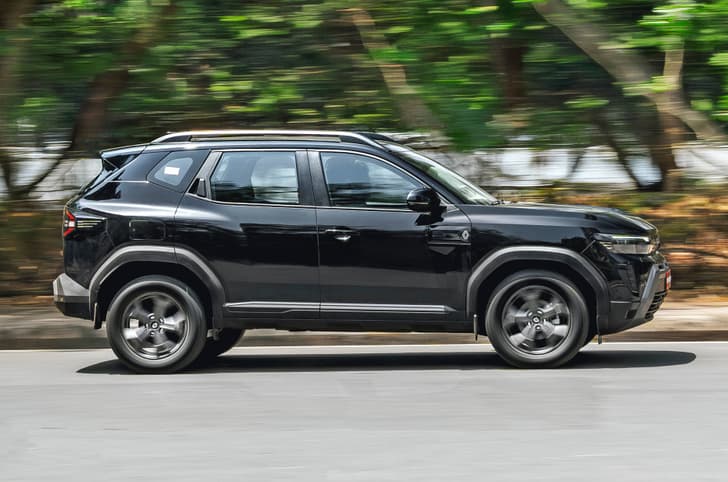
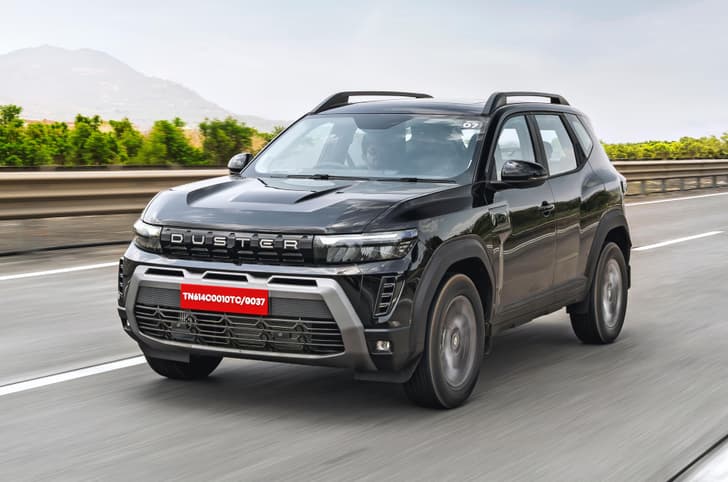
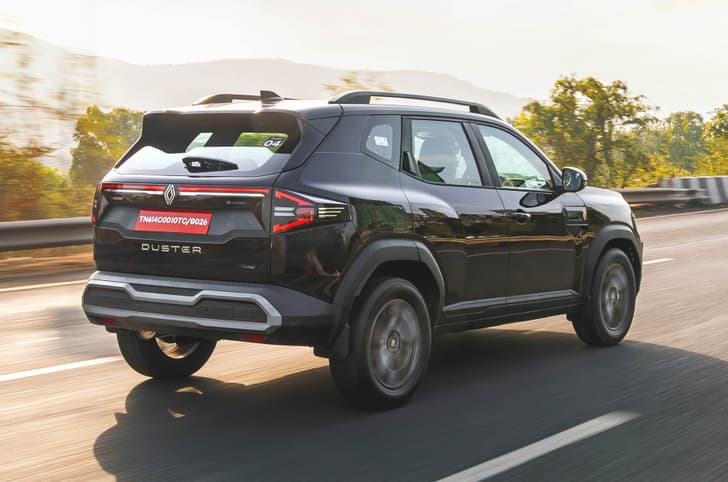
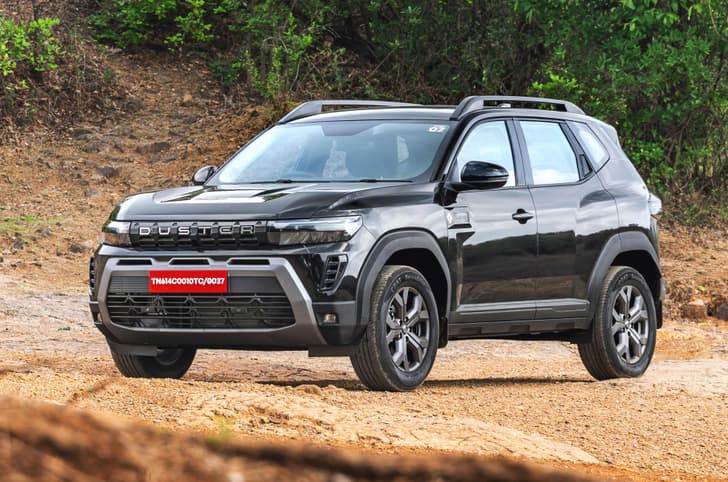
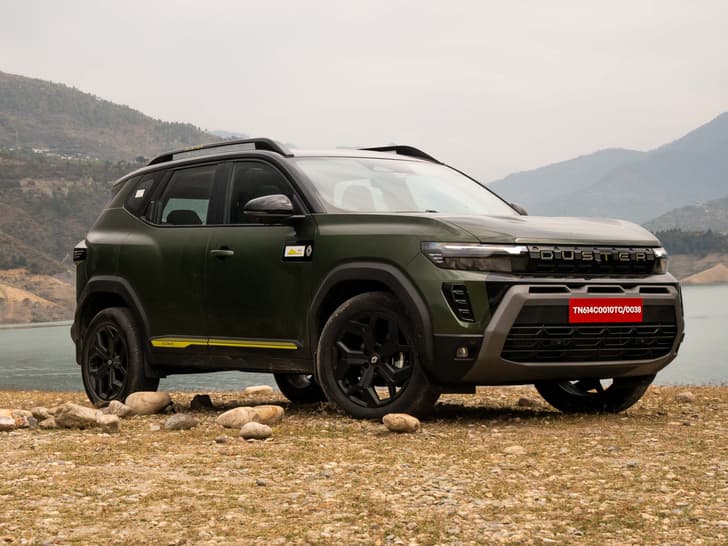
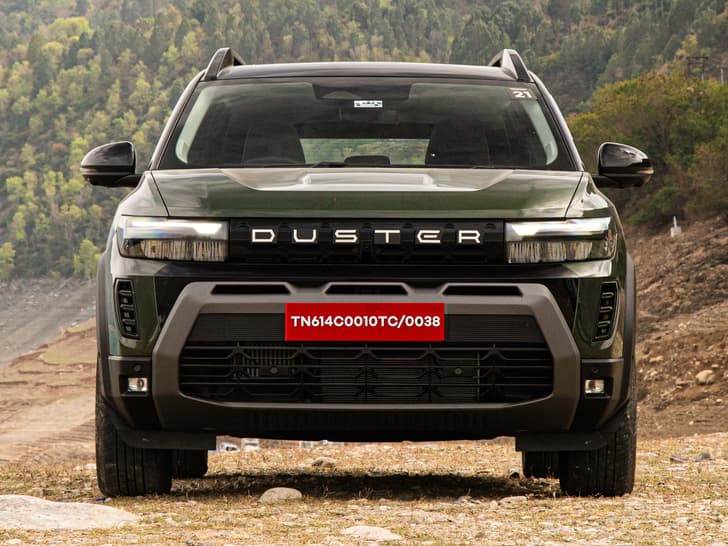
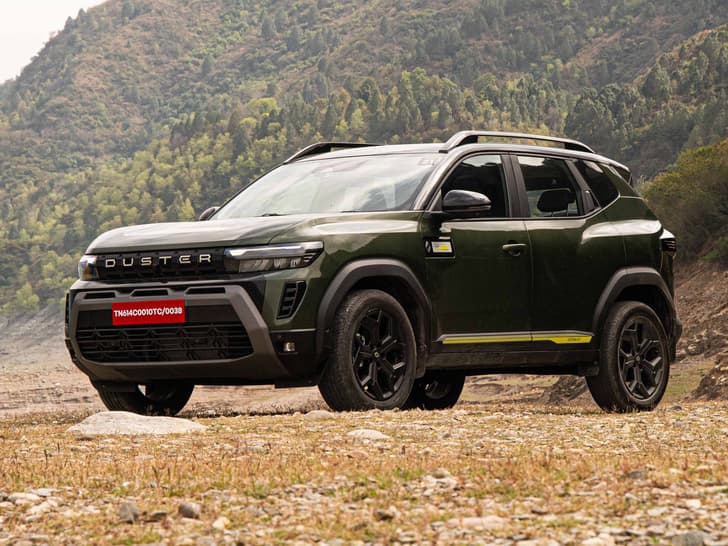
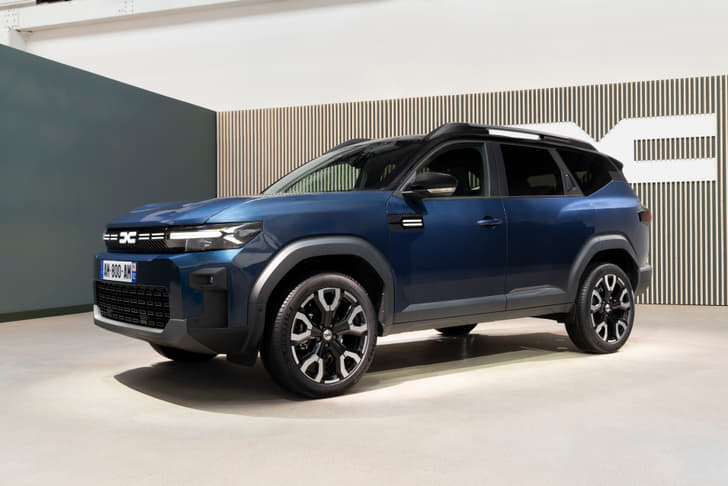
The Renault Duster range covers turbo-petrol and Strong Hybrid E-Tech 160 variants, with manual and dual-clutch automatic options on the petrol models. The 1.0-litre turbo-petrol is paired with a six-speed manual, while the more powerful 1.3-litre turbo-petrol is available with a six-speed manual or dual-clutch automatic. The hybrid range comprises the Evolution, Techno and Emotion variants, with introductory prices starting at Rs 16.99 lakh.
The base model, Authentic 1.0 Turbo Petrol MT, gets the 1.0-litre engine with a six-speed manual gearbox. It includes LED lighting, a 7-inch digital driver display and 17-inch steel wheels with wheel covers. The top hybrid variant, Strong Hybrid E-Tech 160 Emotion, combines the 1.8-litre petrol engine with an electric motor system and a 1.4kWh battery.
Which variant gets which features:
Renault Duster Official Brochure
Download the complete brochure with specs, features, and variants.
Hear from the


The new Duster Hybrid looks like a really good deal. I currently own a 5th-gen Honda City and a Renault Pulse Diesel, and I’m considering replacing the Pulse with the new Duster Hybrid. Would you recommend going for the Duster Hybrid, or would I be better off with the Kia Seltos Diesel? Around 80-85% of my driving is in the city, with occasional highway trips and weekend outings. I am a bit worried about the service at Renault because the ones with pulse weren’t so good. Please suggest.
Given your usage pattern of 80–85% city driving with occasional highway trips, the Renault Duster Hybrid is actually a very good fit. The hybrid system is designed to maximise efficiency in stop-start city conditions, and the Duster’s ride quality and robust suspension make it well-suited to Indian roads. The new Duster also feels like a genuinely fresh product, with a strong value proposition and a more engaging driving experience than most rivals.The Kia Seltos Diesel, on the other hand, is the better choice if your usage was more highway-focused. The diesel engine is efficient and relaxed on long drives, but with predominantly city driving, the benefits of diesel ownership diminish, especially with modern diesel particulate filter systems that can become problematic with short, low-speed runs.Your concern about Renault service is valid. The brand’s service network and consistency are not on the same level as Kia, and that is something to factor in. However, the new Duster is a far more important product for Renault than the Pulse ever was, and the company is likely to put more effort behind it.If you are still hesitant about Renault’s service, the Maruti Suzuki Grand Vitara Hybrid or Toyota Urban Cruiser Hyryder Hybrid are worth considering. Both offer strong hybrid systems, excellent fuel efficiency and a far more reliable and widespread service network.
I’m looking for my first personal car, although I’m in no hurry to buy one. I recently drove a friend’s Kylaq Signature+ AT and genuinely loved it. It felt mature, eager, and somehow familiar, almost like home. Since I intend to keep my cars for a long time, I started exploring larger European cars. The Kushaq’s exterior is jaw-dropping, but something feels missing in its dashboard design. The Taigun’s interior looks premium, even if the materials aren’t particularly soft-touch. Then there’s the European Duster Adventure AT, which costs around Rs 4 lakh less than some of my other options, but I’m not particularly keen on its reflector headlights. Now I’m tempted to test-drive the Scorpio-N Z6 D AT and XUV 7XO AX3 D AT as well, since they fall within a similar price range. However, fuel efficiency, servicing and overall ownership costs seem excessive for someone who drives barely 5,000km a year, mostly for pleasure. I commute on my Jupiter. Here’s my dilemma. The Kylaq Sportline AT would cost around Rs 13 lakh with BH registration. I loved driving it, and its space should be sufficient even if kids enter the picture five years from now. The Duster Adventure AT costs around Rs 16 lakh and sits a segment above the Kylaq, with a more substantial mechanical package. My heart has wanted a VW or Skoda ever since we bought Dad’s Honda City, which is why the Kushaq and Taigun remain tempting options. Then there’s the XUV 7XO AX3 D AT at around Rs 20 lakh. It’s huge and tempting, but I’m unsure about its body roll. My friend’s 2019 XUV500 impressed me, although its body roll was noticeable. I don’t really need a big SUV, but if I’m buying a car to keep for the long term, should I stretch my budget or stick with the Kylaq, which I already love driving?
You already have the answer in your question. The Kylaq Sportline AT is the car you loved driving, and at Rs 13 lakh with BH registration, it is also the most sensible choice for your usage. With just 5,000 km a year, mostly pleasure drives, there is no justification for stretching to a diesel SUV like the XUV 7XO AX3 D AT at Rs 20 lakh. The fuel savings will never add up, and you will be carrying around a lot of unnecessary size and weight for no real benefit.The Duster Adventure DCT at Rs 16 lakh is a tempting upgrade, but it is not a segment above the Kylaq in any meaningful way. The Kylaq is a genuinely well-sorted car with a proven 1.0 TSI engine and a 6-speed torque converter automatic that is reliable and easy to live with. It is also spacious enough for a small family.The Kushaq and Taigun are both excellent cars, but the Kylaq is essentially the same mechanical package at a lower price. The only reason to choose the Kushaq or Taigun would be if you strongly prefer their interiors, but from an ownership perspective, the Kylaq is the smarter buy.The XUV 7XO is a great car, but it is a big, heavy diesel SUV designed for long highway runs and high annual mileage. At 5,000 km a year, it simply does not make sense.Stick with the Kylaq Sportline AT. It is the car you loved driving, it is the right size for your needs, and it will be the easiest and most enjoyable car to own over the long term. Do not overthink this. The best car is the one you already know you love.
I am confused whether I should go with the Slavia 1.5 DSG facelift or the Duster 1.3 Turbo. Since 80% of my weekly driving (which is around 80 km) is in heavy Bengaluru city traffic. Will the Slavia's DSG clutch pose a reliability risk, or is the Duster a safer pick?
Both of these use dual-clutch automatics, but there’s an important difference for your driving. The Duster’s DCT uses wet clutches, which run in oil. The oil keeps them cool, so they cope much better with the constant creeping and slipping of stop-go traffic. The Slavia 1.5’s 7-speed DSG uses dry clutches, which have no oil cooling and can heat up in long, slow crawls. For Bengaluru traffic, that’s a real point in the Duster’s favour.The Duster is the better fit in other ways too. Renault has tuned its gearbox for smoothness rather than outright speed, and in our test it worked really well in city traffic. Its ride is one of the best in the segment, soaking up broken roads, and the higher seating position makes heavy traffic less stressful.Modern DSGs are far more dependable than the early ones that gave them a bad name, so the Slavia isn’t the risk it once was. But the 1.5 TSI is built for open roads, and at around 80km a week, mostly in traffic, you’d rarely enjoy what you’re paying extra for. If you still want the Slavia, look at the 1.0 TSI. It now comes with a new 8-speed torque-converter automatic, which takes the clutch question off the table entirely.
I am planning to buy a new car under a budget of Rs. 22-23 lakh. I drive a 12-year old Chevrolet Sail diesel now. I really enjoy driving this car, particularly its MultiJet engine with a good mid-range torque. I value driving dynamics and pleasure of driving more than fuel efficiency and features. I prefer sedan over an SUV. My dad owns a 2022 Skoda Slavia 1.0 MT. I really like that car but in city driving, I've felt noticeable turbo lag at low speeds. Other than that, Slavia is a very good car. So I have shortlisted 2026 Slavia 1.5 TSI DSG. But only thing that I worry about is the reliability of a DSG with its dry clutch system, because I tend to keep the car for at least next 7-8 years. Also, I have doubts about its city driving manners. But I live in a tier-2 city and encounter stop and go traffic rarely. I hit the highways often though. So, will the Slavia 1.5 satisfy my needs coming from a good torquey diesel engine? Another SUV that I am interested is the Duster/Tekton, because I have heard that they are the closest to the German twins in driving pleasure and dynamics. Can I go with the Slavia 1.5 DSG or should I go with Duster/Tekton 1.3 DCT?
Go for the Skoda Slavia 1.5 TSI DSG. You will appreciate the 1.5 TSI's strong mid-range punch and the way it pulls on the highway. Since you live in a tier 2 city with minimal stop-and-go traffic and do frequent highway runs, the DSG should not be a major concern over a 7-8 year ownership period. The 1.5 Slavia also offers a more engaging driving experience than the 1.0 TSI, with noticeably stronger performance and less turbo lag once you are on the move.The Renault Duster/Tekton twins are genuinely good to drive, with excellent ride quality and strong dynamics, but they aren't as involving to drive or as agile as the Slavia. The Slavia also benefits from a more premium cabin and a better overall ownership experience. Overall, the Slavia 1.5 TSI DSG is the car that will keep you happiest over the long term.
I currently drive a Swift AMT and cover around 1,500 km a month, including 1,000 km on the highway and 500 km in the city. I have booked the Duster Hybrid, but I am now confused between an EV and a hybrid. As an auditor, my single-day driving can go up to 300 km, and twice a year I take road trips of around 1,500 km each. My company reimburses me Rs 10 per km for my 1,000 km of monthly travel. Please suggest the better option. My budget is Rs 15-20 lakh.
Go for the Renault Duster Hybrid you have already booked. Your usage pattern is heavily highway-biased, with regular 300 km days and occasional 1,500 km road trips, and that is where a hybrid car makes the most sense. The Duster Hybrid should deliver strong fuel efficiency on the highway, keep running costs low and eliminate any range anxiety or charging dependency. The Rs 10 per km reimbursement will work in your favour with a hybrid, as you will consistently benefit from lower fuel costs without the need to plan charging stops or worry about charging infrastructure on long trips.An electric car would only make sense if your usage was predominantly city-based with predictable daily runs and home charging available. With your highway-heavy usage and long single-day drives, an EV would require careful charging planning and could become inconvenient on longer trips. The Duster Hybrid is also a good car to drive, with a strong balance of ride comfort and handling, making it well suited to your kind of usage.The only caveat is that the Duster Hybrid is a new product and does not have a proven long-term ownership record yet. If that concerns you, the Maruti Suzuki Victoris Hybrid is the safer long-term ownership choice, but the Duster will be the more engaging car to drive and feel more premium as well. Overall, the Renault car mentioned above is the best fit for your usage.