Autocar India
Introducing Badges

Every helpful action can earn a badge.

•5h

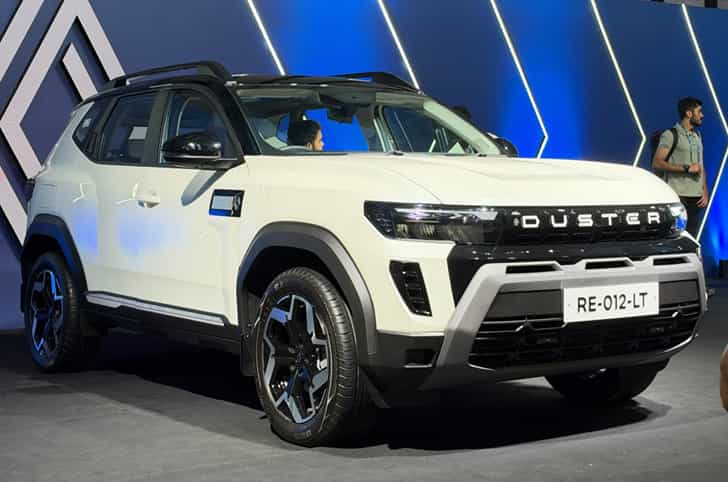
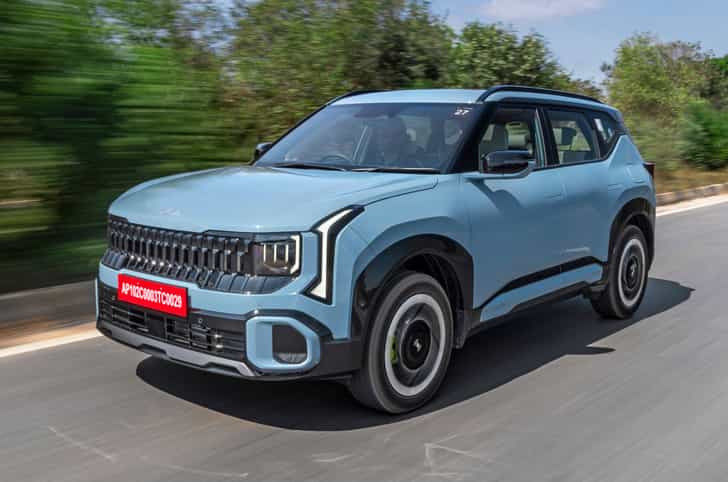
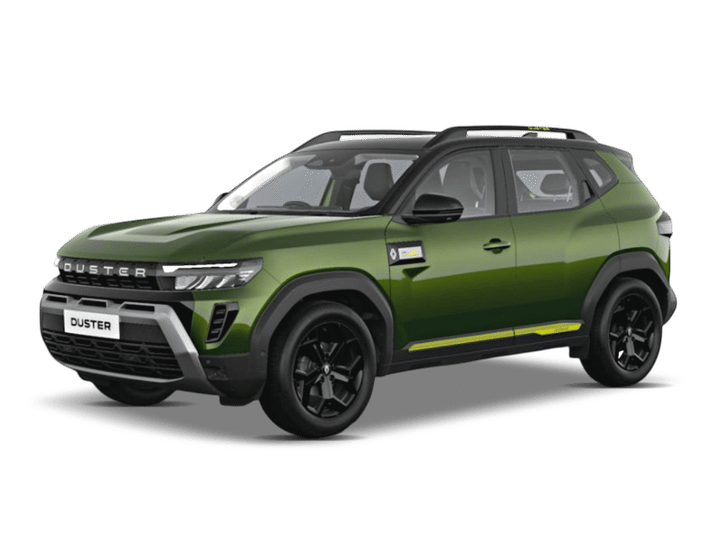
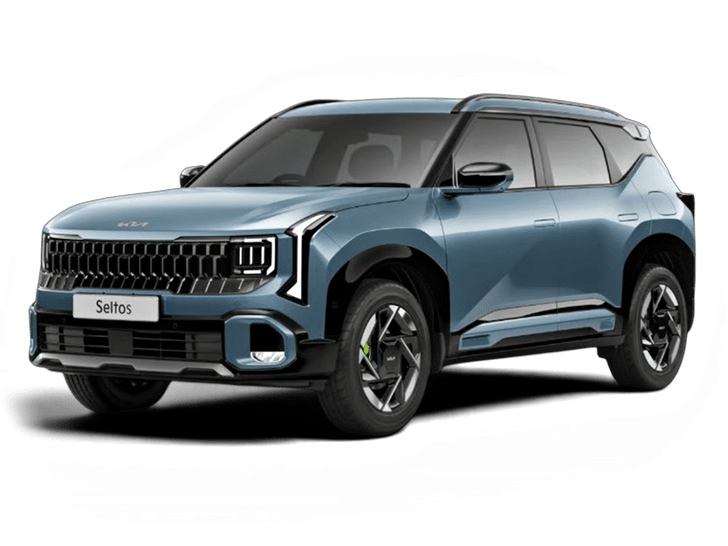
The new Duster Hybrid looks like a really good deal. I currently own a 5th-gen Honda City and a Renault Pulse Diesel, and I’m considering replacing the Pulse with the new Duster Hybrid. Would you recommend going for the Duster Hybrid, or would I be better off with the Kia Seltos Diesel? Around 80-85% of my driving is in the city, with occasional highway trips and weekend outings. I am a bit worried about the service at Renault because the ones with pulse weren’t so good. Please suggest.

Verified
•1h

Given your usage pattern of 80–85% city driving with occasional highway trips, the Renault Duster Hybrid is actually a very good fit. The hybrid system is designed to maximise efficiency in stop-start city conditions, and the Duster’s ride quality and robust suspension make it well-suited to Indian roads. The new Duster also feels like a genuinely fresh product, with a strong value proposition and a more engaging driving experience than most rivals.

The Kia Seltos Diesel, on the other hand, is the better choice if your usage was more highway-focused. The diesel engine is efficient and relaxed on long drives, but with predominantly city driving, the benefits of diesel ownership diminish, especially with modern diesel particulate filter systems that can become problematic with short, low-speed runs.

Your concern about Renault service is valid. The brand’s service network and consistency are not on the same level as Kia, and that is something to factor in. However, the new Duster is a far more important product for Renault than the Pulse ever was, and the company is likely to put more effort behind it.

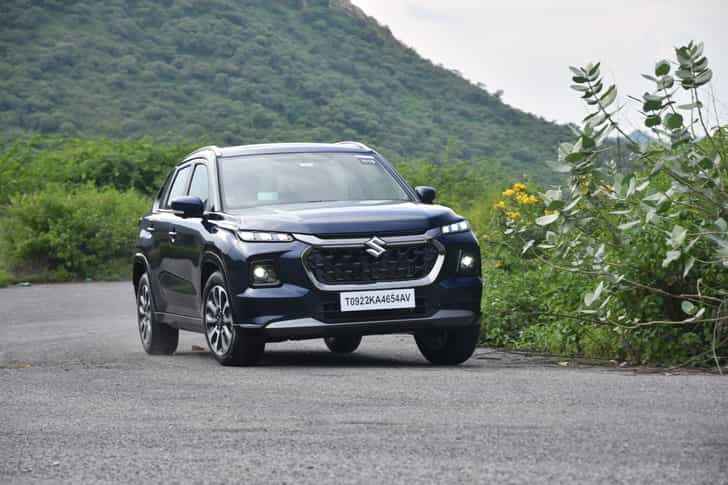
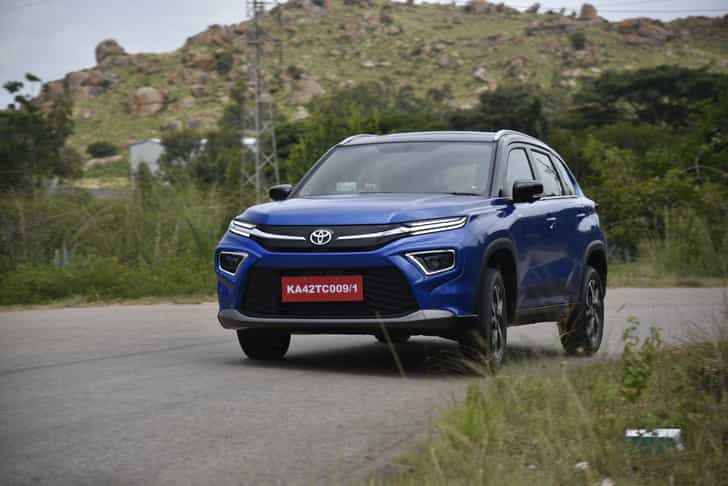
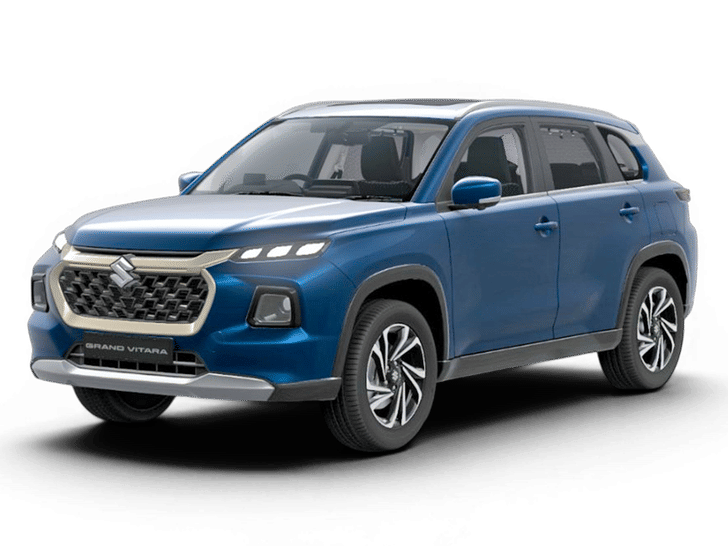
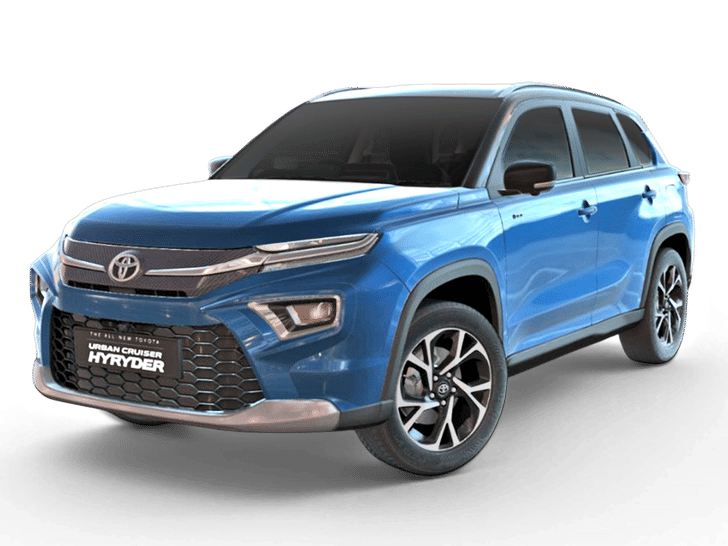
If you are still hesitant about Renault’s service, the Maruti Suzuki Grand Vitara Hybrid or Toyota Urban Cruiser Hyryder Hybrid are worth considering. Both offer strong hybrid systems, excellent fuel efficiency and a far more reliable and widespread service network.
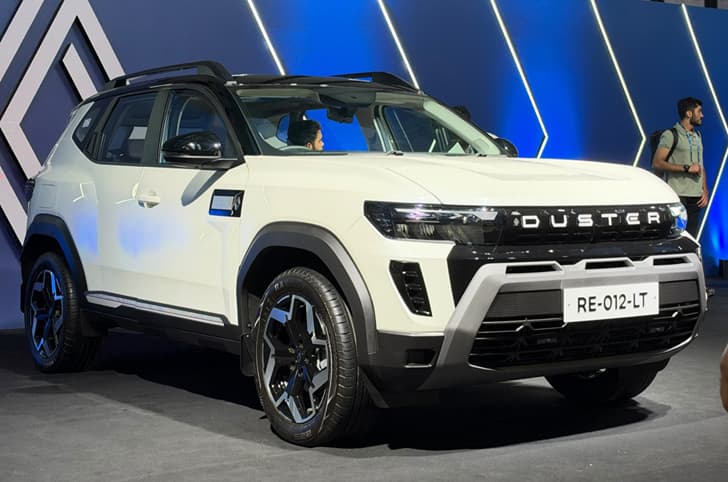
Renault Duster

Renault Duster

Was this helpful? Ask a follow-up

More posts on similar cars

•1d

I’m looking for my first personal car, although I’m in no hurry to buy one. I recently drove a friend’s Kylaq Signature+ AT and genuinely loved it. It felt mature, eager, and somehow familiar, almost like home. Since I intend to keep my cars for a long time, I started exploring larger European cars. The Kushaq’s exterior is jaw-dropping, but something feels missing in its dashboard design. The Taigun’s interior looks premium, even if the materials aren’t particularly soft-touch. Then there’s the European Duster Adventure AT, which costs around Rs 4 lakh less than some of my other options, but I’m not particularly keen on its reflector headlights. Now I’m tempted to test-drive the Scorpio-N Z6 D AT and XUV 7XO AX3 D AT as well, since they fall within a similar price range. However, fuel efficiency, servicing and overall ownership costs seem excessive for someone who drives barely 5,000km a year, mostly for pleasure. I commute on my Jupiter. Here’s my dilemma. The Kylaq Sportline AT would cost around Rs 13 lakh with BH registration. I loved driving it, and its space should be sufficient even if kids enter the picture five years from now. The Duster Adventure AT costs around Rs 16 lakh and sits a segment above the Kylaq, with a more substantial mechanical package. My heart has wanted a VW or Skoda ever since we bought Dad’s Honda City, which is why the Kushaq and Taigun remain tempting options. Then there’s the XUV 7XO AX3 D AT at around Rs 20 lakh. It’s huge and tempting, but I’m unsure about its body roll. My friend’s 2019 XUV500 impressed me, although its body roll was noticeable. I don’t really need a big SUV, but if I’m buying a car to keep for the long term, should I stretch my budget or stick with the Kylaq, which I already love driving?

Verified
•21h

You already have the answer in your question. The Kylaq Sportline AT is the car you loved driving, and at Rs 13 lakh with BH registration, it is also the most sensible choice for your usage. With just 5,000 km a year, mostly pleasure drives, there is no justification for stretching to a diesel SUV like the XUV 7XO AX3 D AT at Rs 20 lakh. The fuel savings will never add up, and you will be carrying around a lot of unnecessary size and weight for no real benefit.The Duster Adventure DCT at Rs 16 lakh is a tempting upgrade, but it is not a segment above the Kylaq in any meaningful way. The Kylaq is a genuinely well-sorted car with a proven 1.0 TSI engine and a 6-speed torque converter automatic that is reliable and easy to live with. It is also spacious enough for a small family.The Kushaq and Taigun are both excellent cars, but the Kylaq is essentially the same mechanical package at a lower price. The only reason to choose the Kushaq or Taigun would be if you strongly prefer their interiors, but from an ownership perspective, the Kylaq is the smarter buy.The XUV 7XO is a great car, but it is a big, heavy diesel SUV designed for long highway runs and high annual mileage. At 5,000 km a year, it simply does not make sense.Stick with the Kylaq Sportline AT. It is the car you loved driving, it is the right size for your needs, and it will be the easiest and most enjoyable car to own over the long term. Do not overthink this. The best car is the one you already know you love.

VehicleSkoda Kushaq
VehicleSkoda Kylaq
VehicleVolkswagen Taigun
VehicleRenault Duster
VehicleMahindra XUV 7XO
•4d

Hello Autocar Team, I’m planning to buy a Tata Sierra diesel and would really value your advice. I’ll be driving mostly in Hyderabad, with city traffic accounting for the majority of my usage and occasional highway trips. Could you please help me with a few questions? 1. Is the Tata Sierra a good buy right now? How is it performing in the market, and has it been a sales success or a flop? 2. What is its real-world diesel mileage in city traffic and on highways, based on your tests? 3. How are its build quality, reliability, and long-term ownership prospects? 4. How good are Tata’s service network, spare parts availability, and running costs, especially in Hyderabad? 5. Given my annual running of around 12,000-15,000km, is the diesel worth the premium, or would the petrol version make more sense? 6. How does it compare with rivals such as the Hyundai Creta, Kia Seltos, and Mahindra XUV700 for my usage? Thank you for your time. I look forward to your guidance.

Verified
•2d

Given your usage of 12,000-15,000 km a year, the Tata Sierra diesel makes sense. It is certainly worth the premium over the turbo-petrol version due to its real-world fuel efficiency advantage. In our tests, the diesel-automatic version returned 11.5kpl in the city and 14.5kpl on the highway, but with smoother-flowing traffic, you could extract even better efficiency; the diesel-manual is likely to deliver even better numbers.To answer the second part of your question, this Tata car is well accepted by the market, and it is Tata's third-best-seller (after Nexon and Punch), even outselling the Tata Tiago hatchback in some months.The Sierra is a solidly built SUV, and Tata has made improvements in reliability over the past few years. That said, owners have report some niggling issues, and Tata's service experience isn't consistent and it can be a hit-or-miss. The engine however seems largely reliable, and mechanically, it seems sound.The Sierra stands out for its impressive road presence, excellent ride comfort, and spacious cabin and large boot, making it a better family car than the Hyundai Creta or Kia Seltos. Its engine refinement isn't as good as its Korean rival, and it still lacks their finesse. The Mahindra XUV 7XO belongs to a segment above - it is larger in size, pricier, and its diesel engine is far more refined, punchier and overall it feels like a more sophisticated SUV. If the Sierra diesel has bowled you over, go for it - it is a good car. But if you can stretch your budget, the Mahindra XUV 7XO is the better buy.

VehicleTata Sierra
VehicleTata Tiago
VehicleHyundai Creta
VehicleKia Seltos
VehicleMahindra XUV 7XO

Has E20 fuel affected your mileage?

Is ADAS worth paying extra for in a car?

Popular discussions right now

•4d

Hi Autocar Team, I am planning to buy a seven-seater car. I have test-driven the Renault Triber Turbo and Citroen Aircross X and was impressed by what both offer at their price points. However, the Aircross put a wide smile on my face. As a current Maruti Suzuki user, I did not consider the Ertiga because it feels similar to our Swift. I liked the Aircross X but am sceptical about Citroen's service network and spare parts availability. However, there are three Citroen showrooms within 45 km of my place. Please suggest which car I should choose. My budget: Rs. 15 lakh Current vehicle: Second-generation Maruti Suzuki Swift petrol (2017) Annual usage: Around 10,000 km, with a 50:30:20 split between town, highway and city driving Requirement: A seven-seater car

Verified
•3d

The Citroen's interiors feel more special, its engine is more powerful, and its ride-handling balance is outstanding; however, for seven adults, it won't be as comfortable as the Triber.In fact, the Triber's superb packaging makes it genuinely comfortable for passengers in all three rows, despite its compact sub-4-meter dimensions. The new turbo-petrol engine makes it an effortless performer, and its ride quality feels very mature too. Moreover, the Triber Turbo is also much more affordable in comparison, making it outstanding value for money. Yes, the Aircross X will appeal to your heart, but given Citroen's limited service network and cramped third row, the Triber Turbo is the more sensible choice.

VehicleRenault Triber
VehicleCitroen Aircross

Upcoming launch buzz

Community discussions on upcoming launches
Want to sell your car?

Sell your car at the right price, without the stress.

Add a photo of your Duster

First sightings, real road conditions, delivery buzz

Posted on: 19 Oct 2026