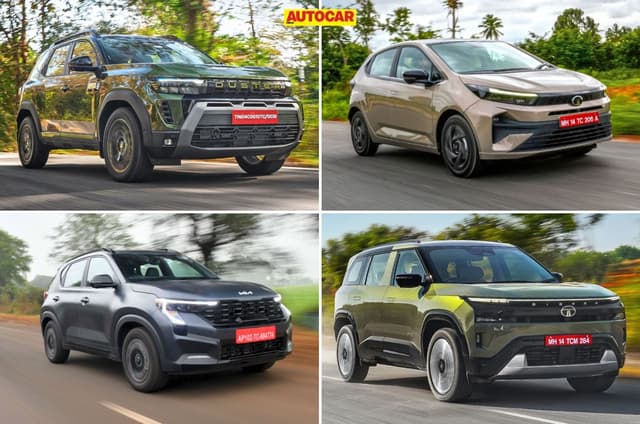
Last Updated on: 30 Mar 2026
Kia Seltos Expert Review
Our expert review of the Seltos highlights its strengths in Features And Safety, Performance And Refinement, Mileage / Range And Efficiency. Some areas of improvement include Exterior Design And Engineering, Interior Space And Comfort.
Kia Seltos pros and cons
We like
Ride that’s comfort oriented without sacrificing handling balance
Smooth and strong turbo-petrol engine performance
We don't like
Misses some expected features in this segment
The diesel engine lacks punch
Kia Seltos expert review
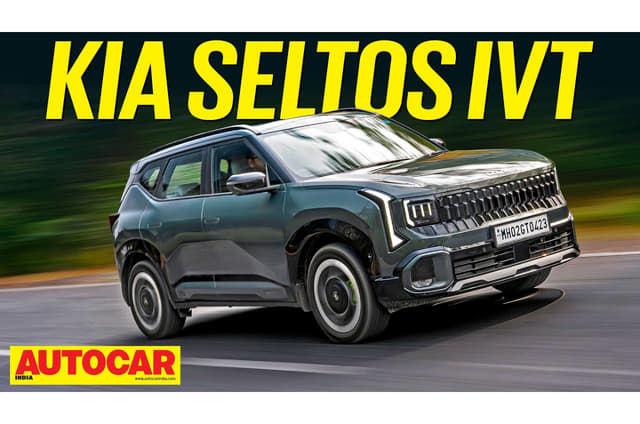
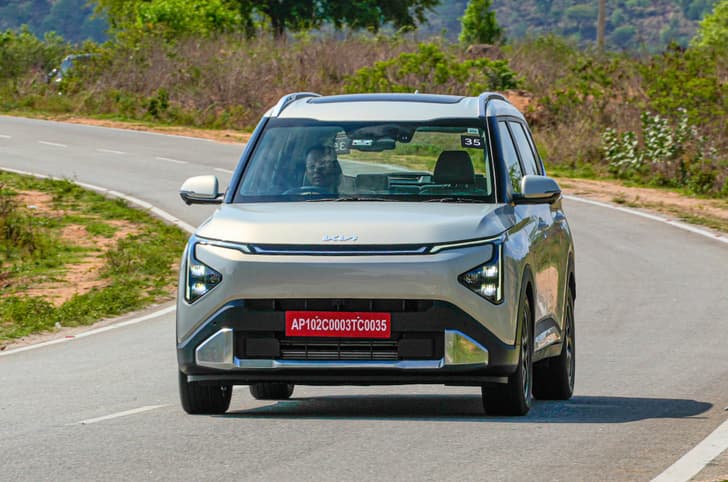
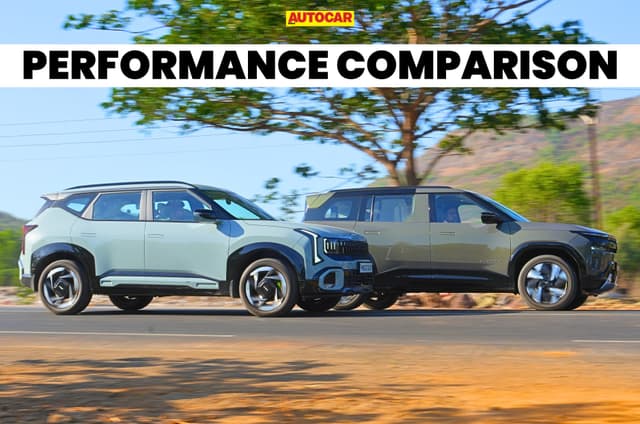
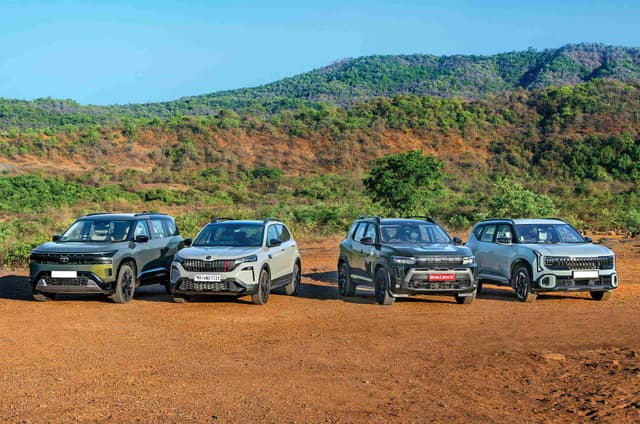
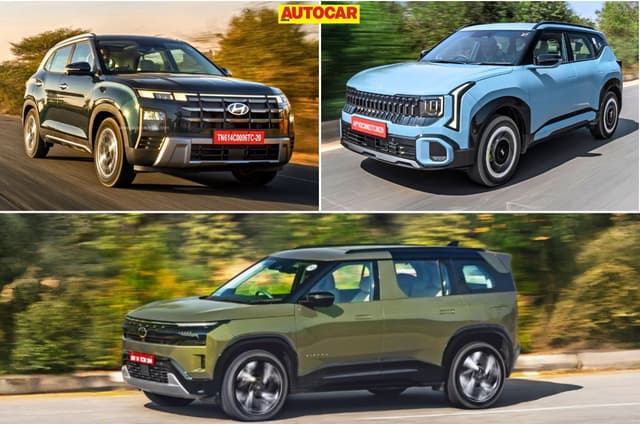
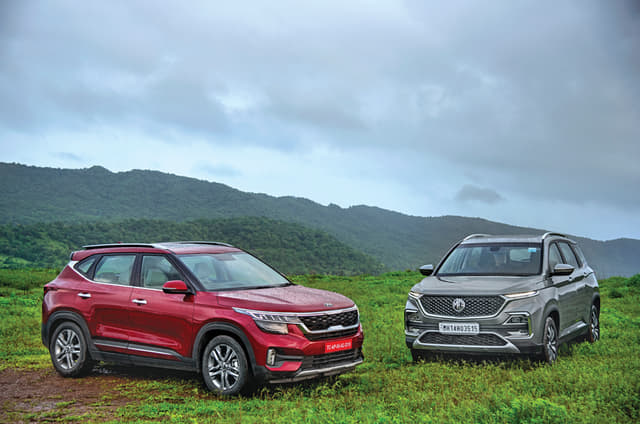
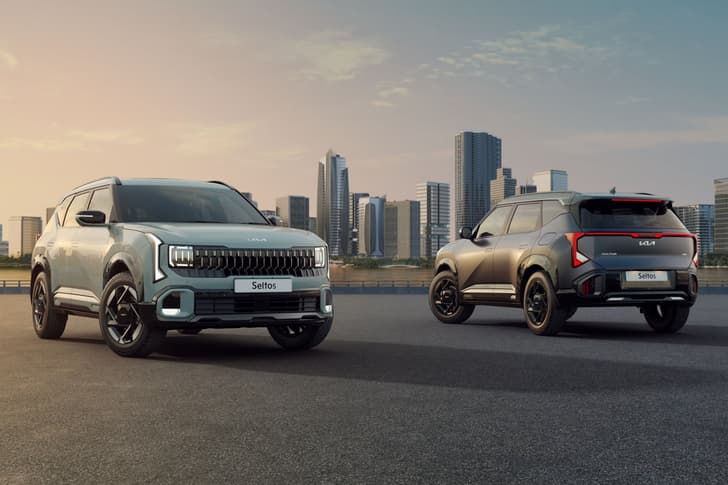
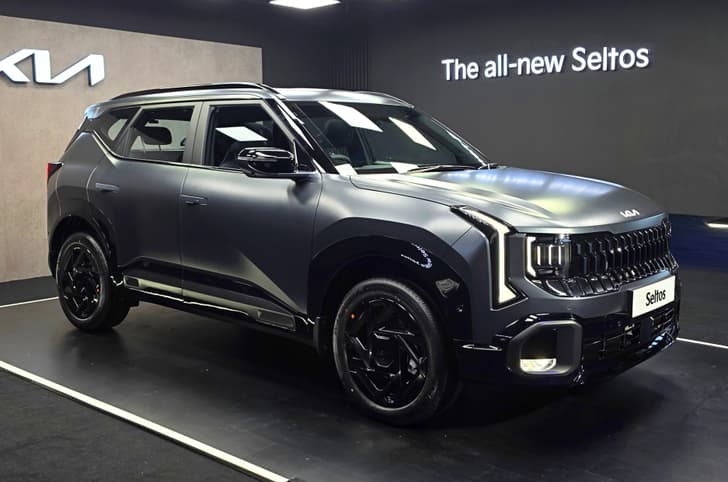
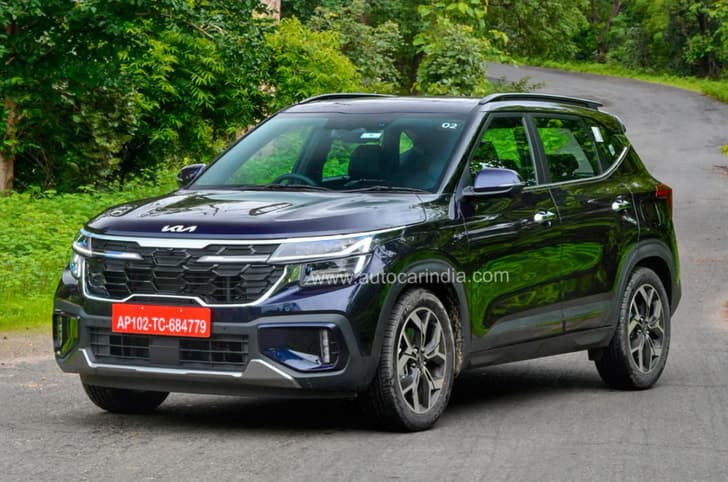
The second-generation Seltos moves from the K2 platform to Kia’s new K3 platform, bringing in new tech and allowing the SUV to grow substantially. Powertrains, however, carry forward from the previous car. Length has increased by 95mm to 4,460mm, making it the longest in its class, while the wheelbase is up by 80mm to 2,690mm, second only to the Tata Sierra in the segment.
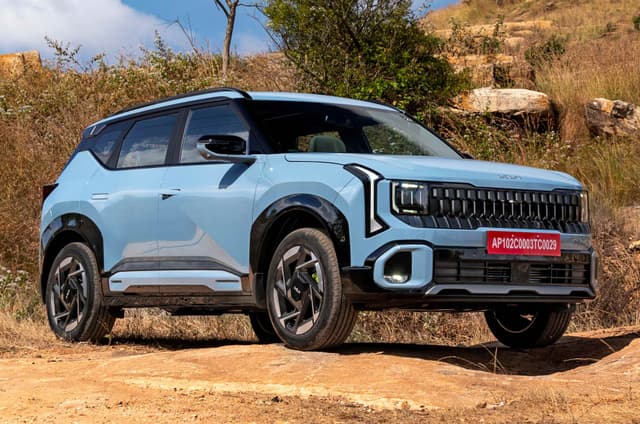
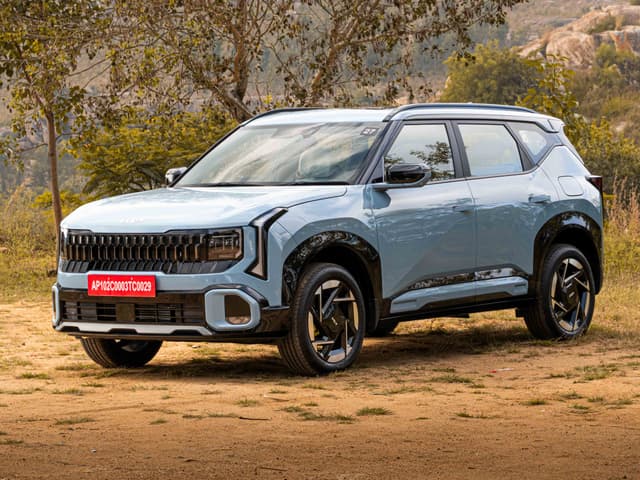
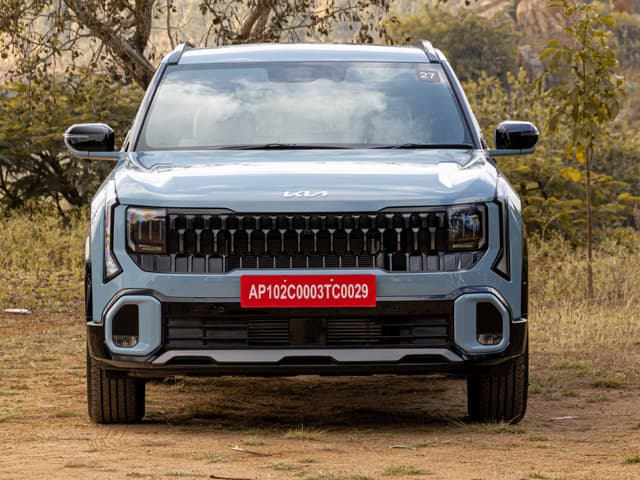
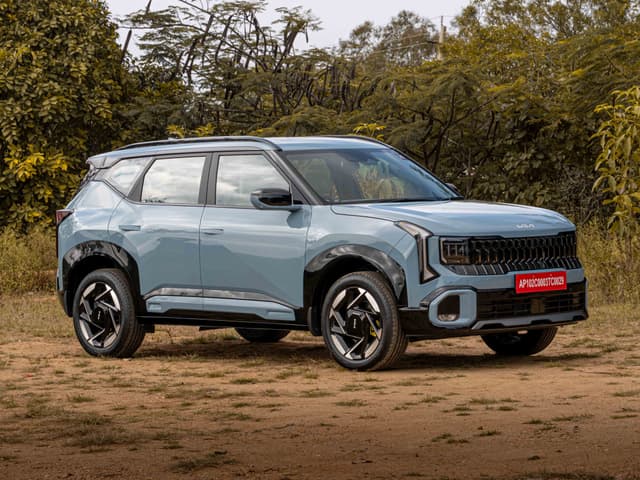
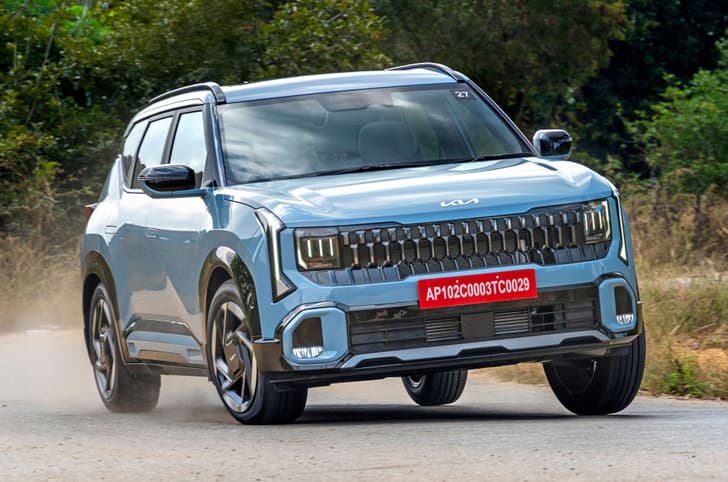
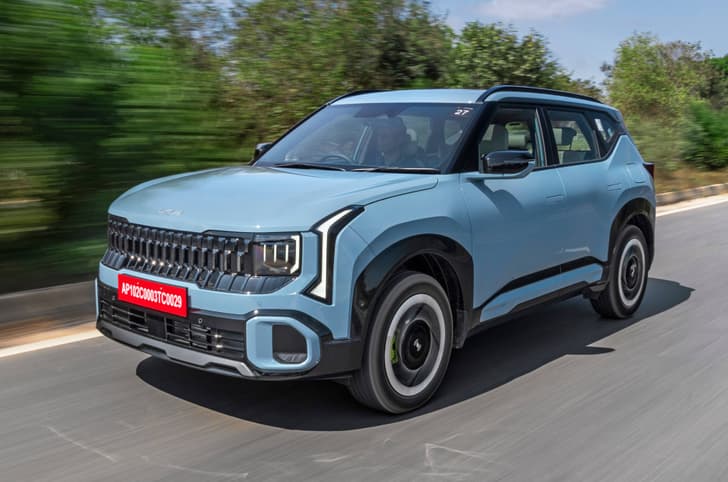
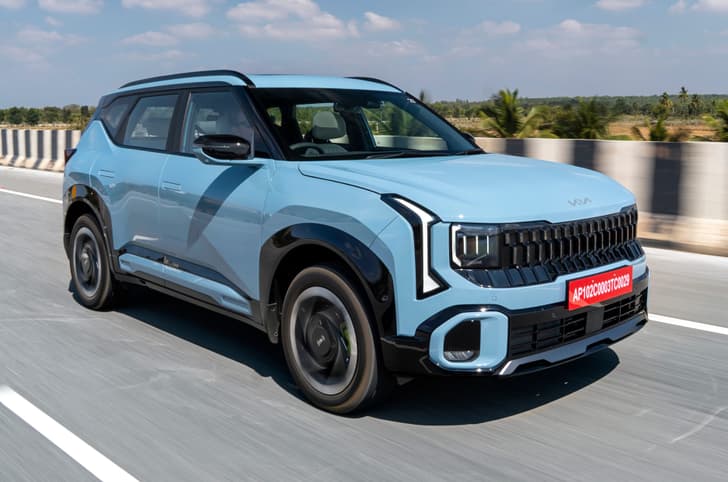
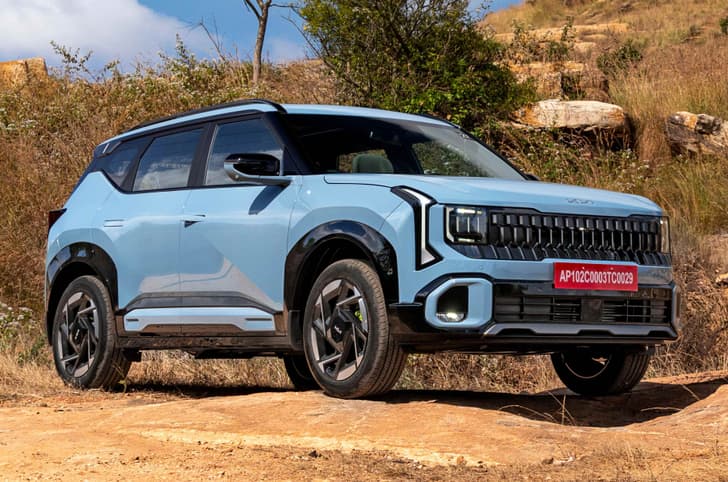
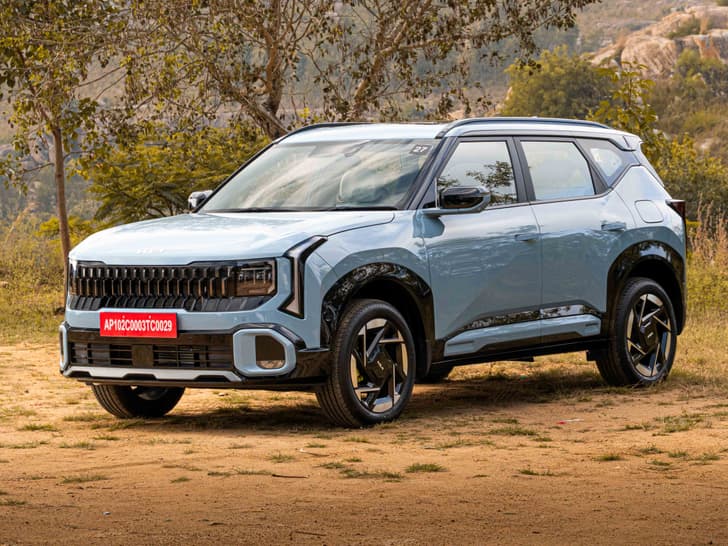
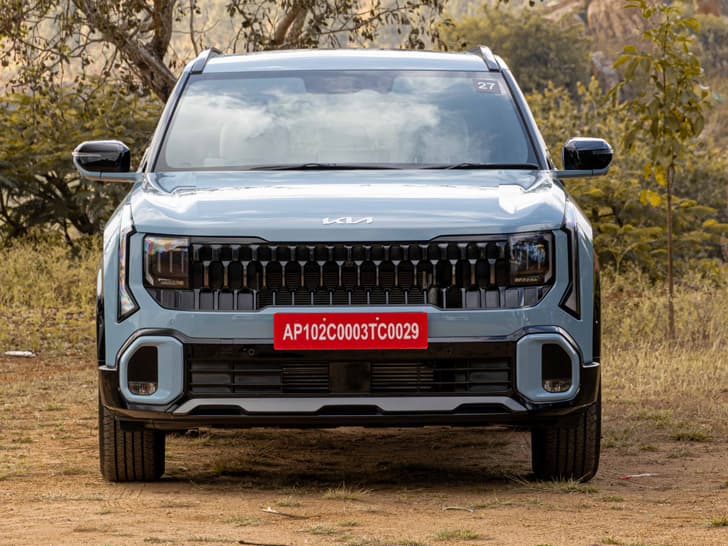
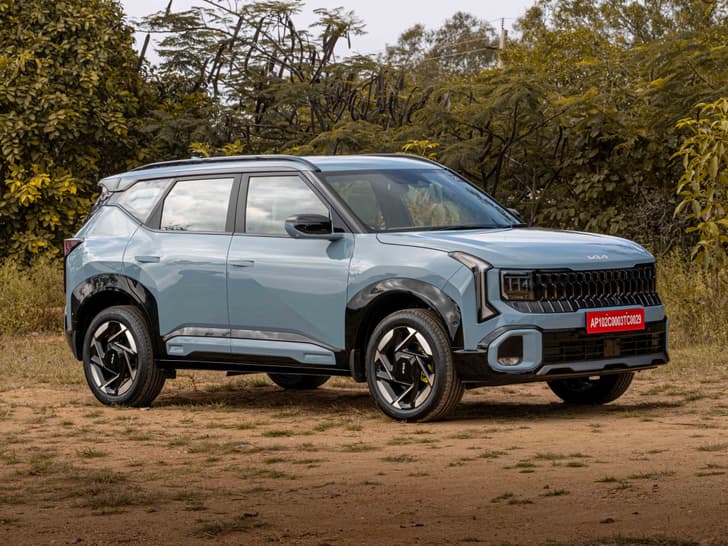
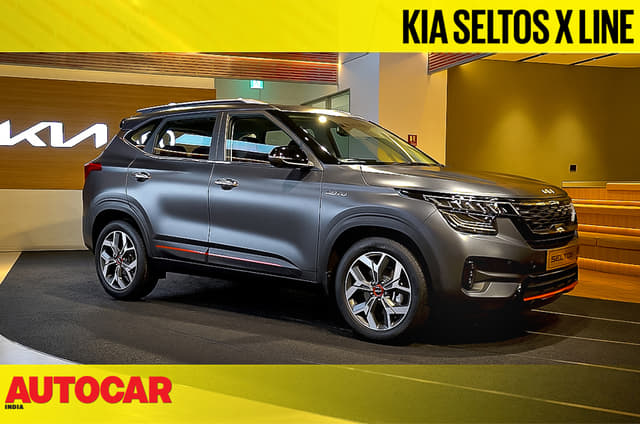
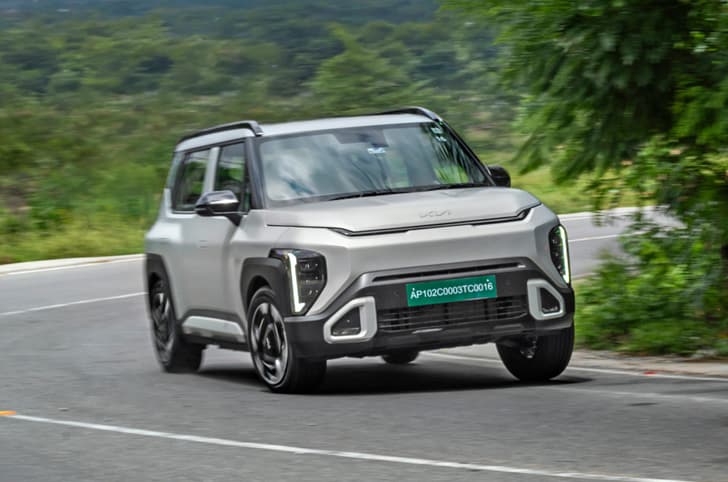
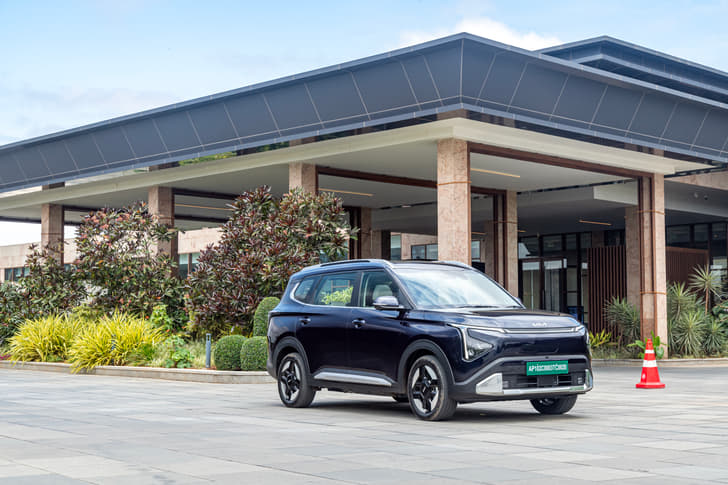
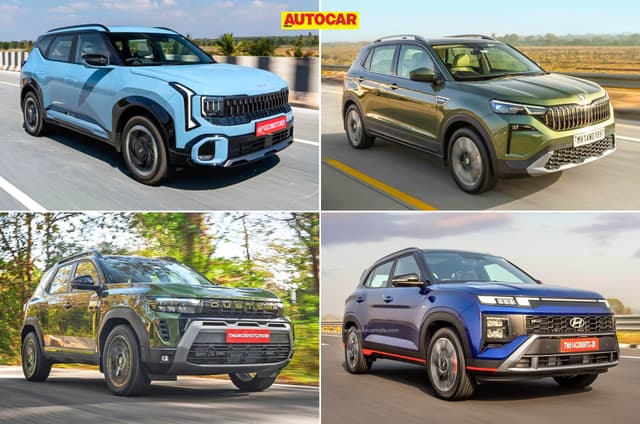
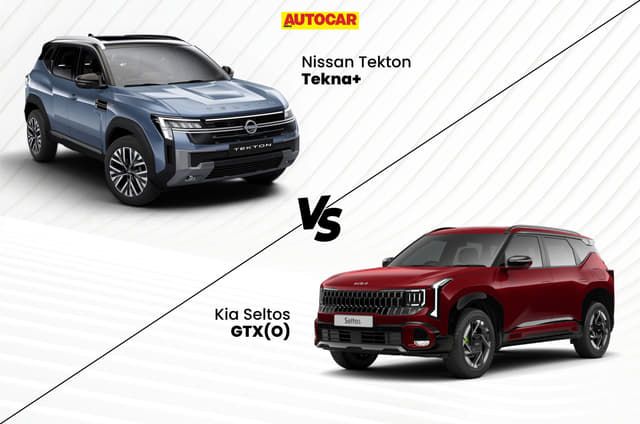
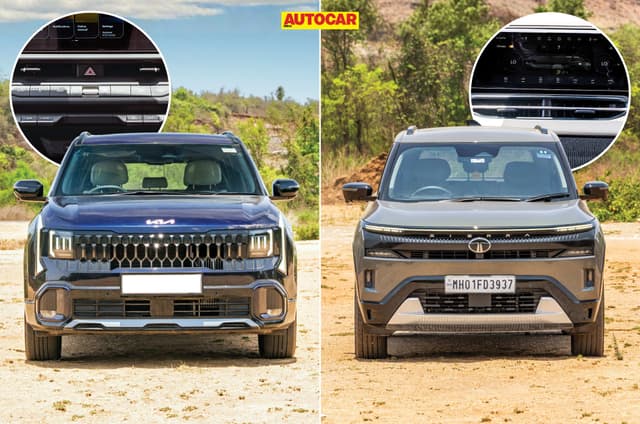
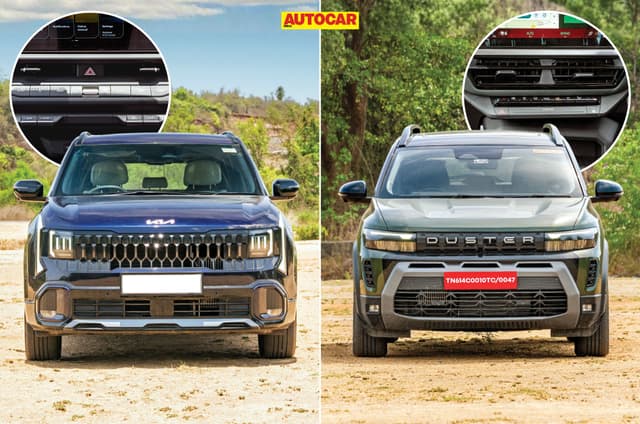
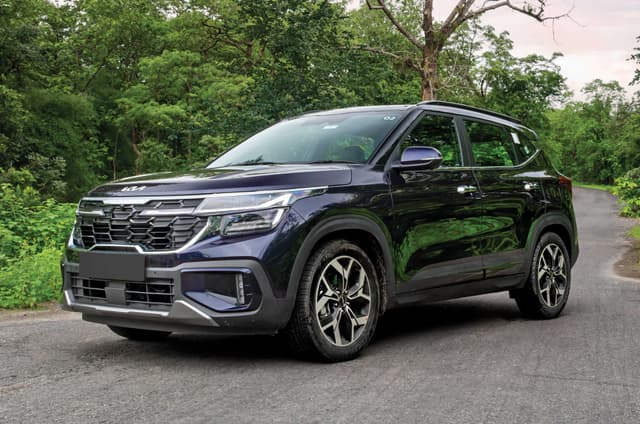
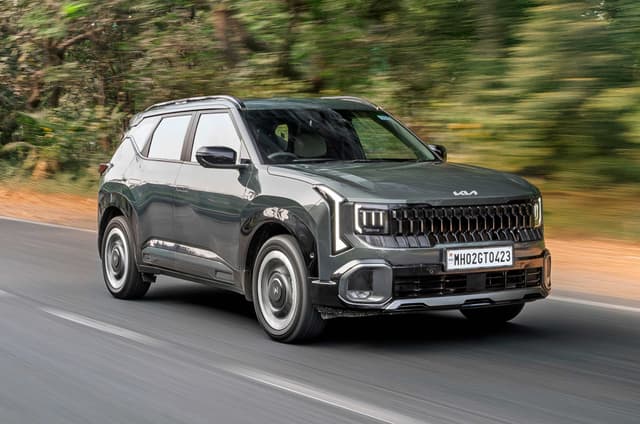
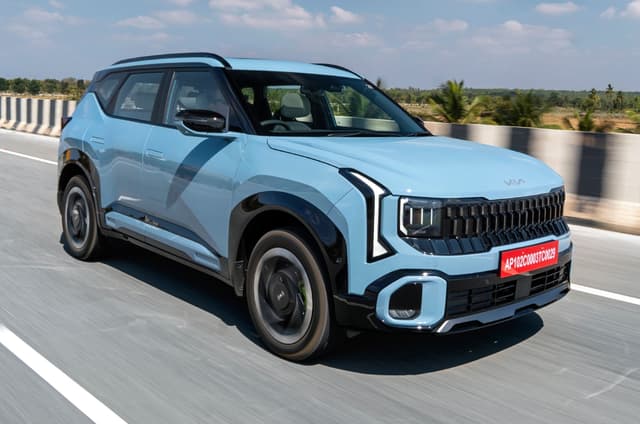
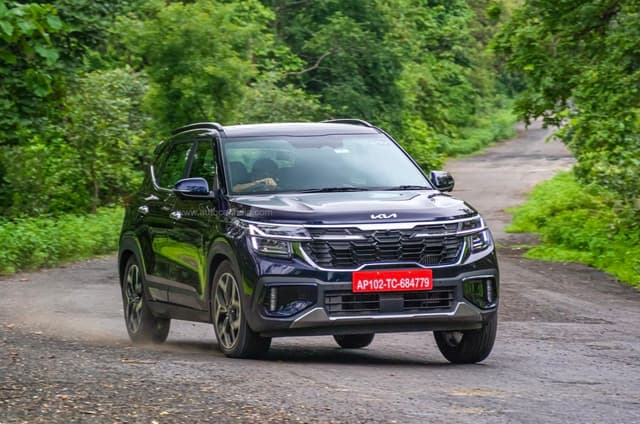
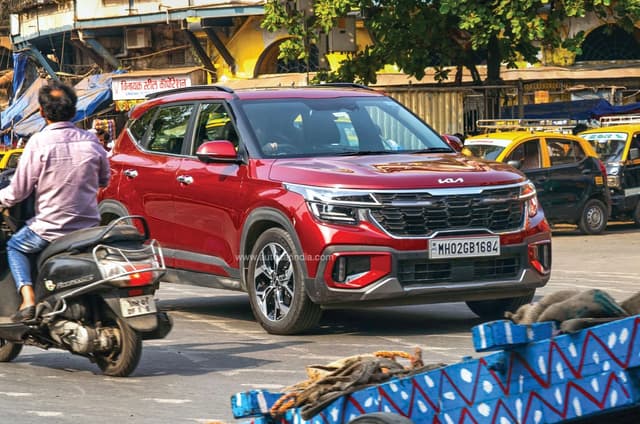
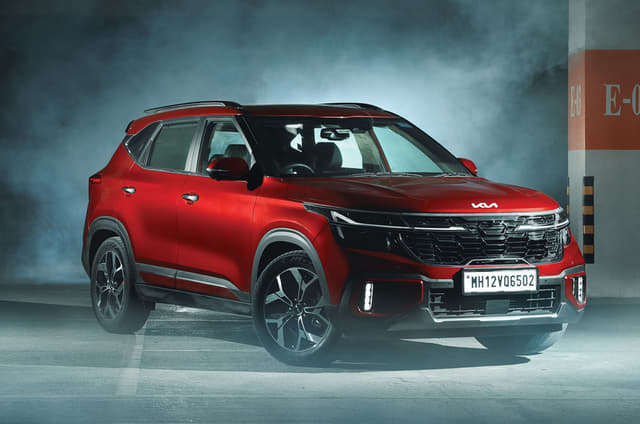
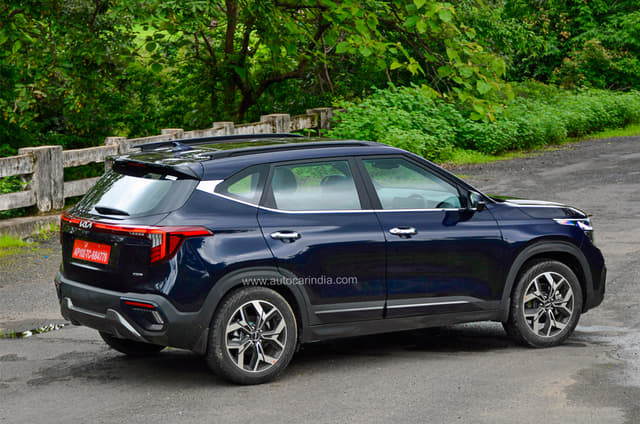
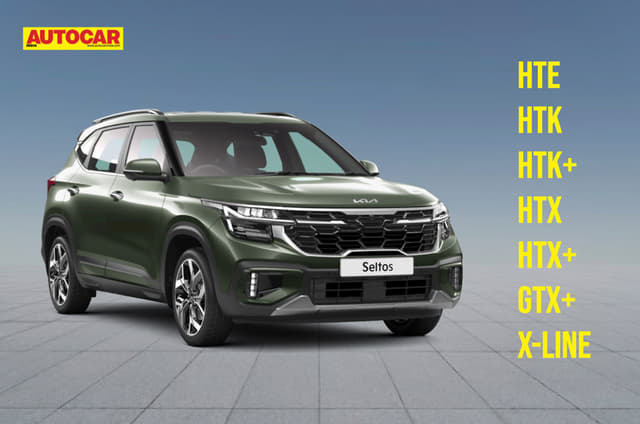
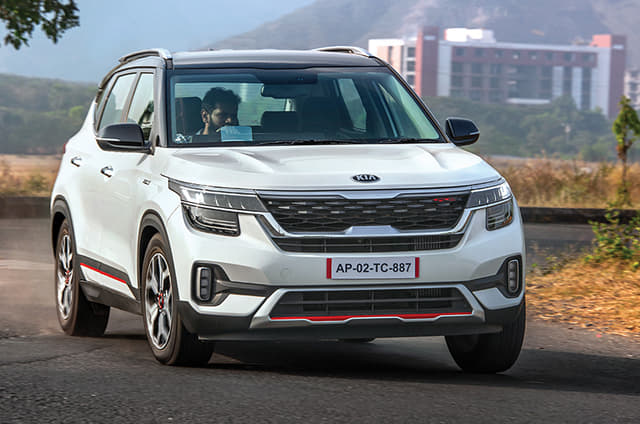
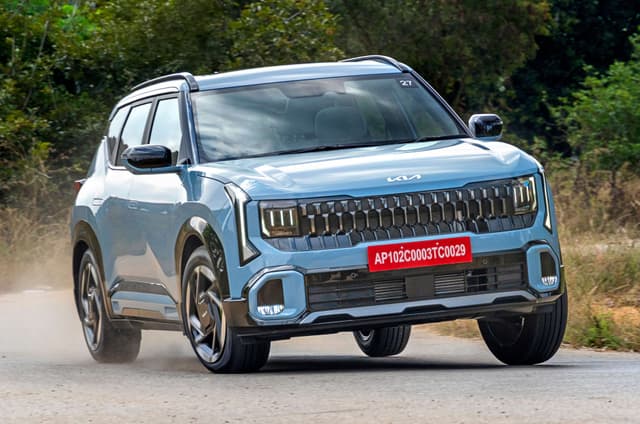
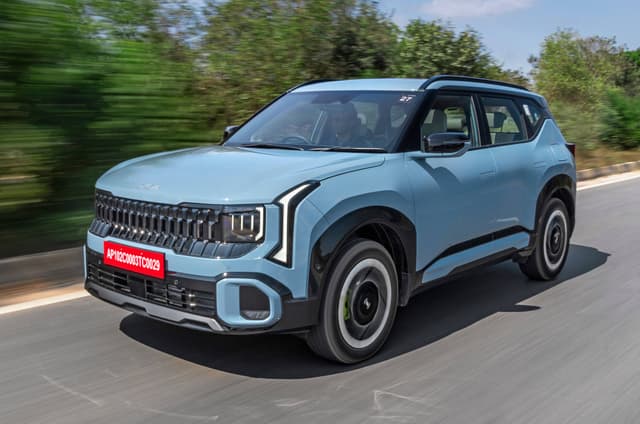
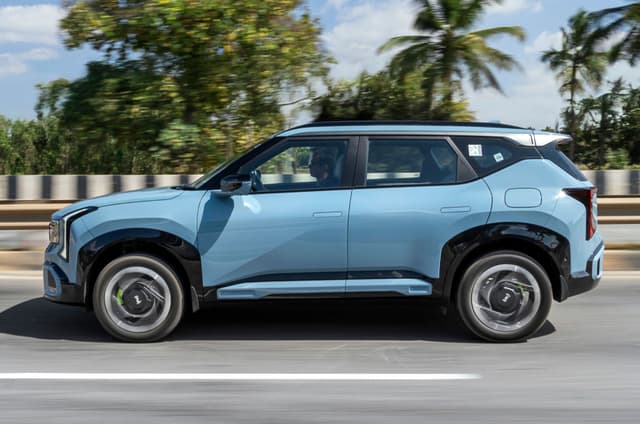
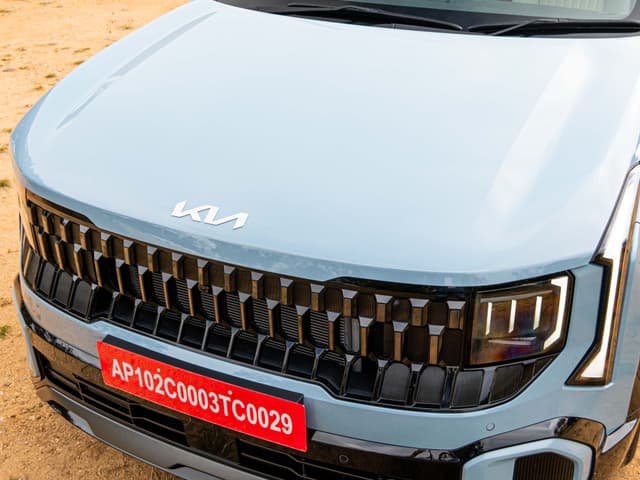
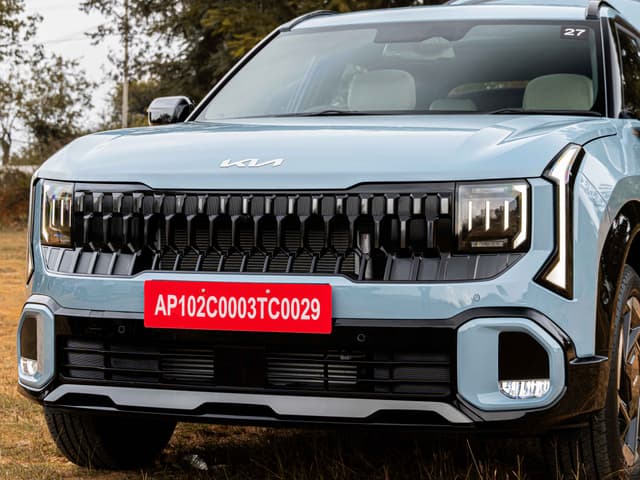
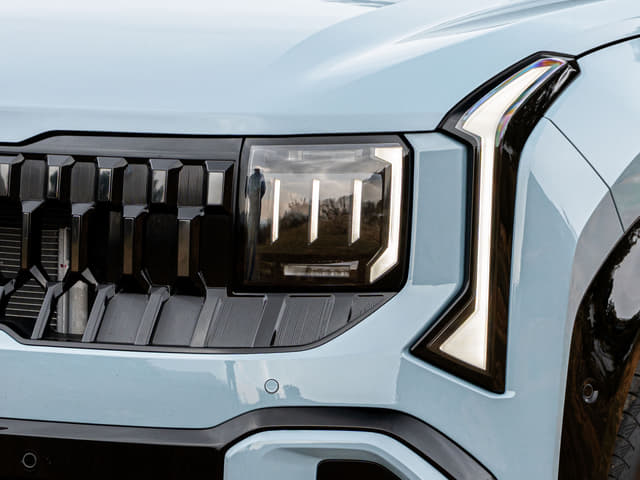
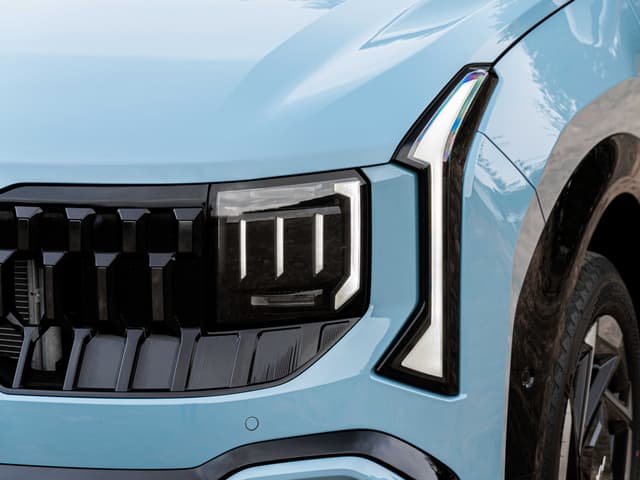
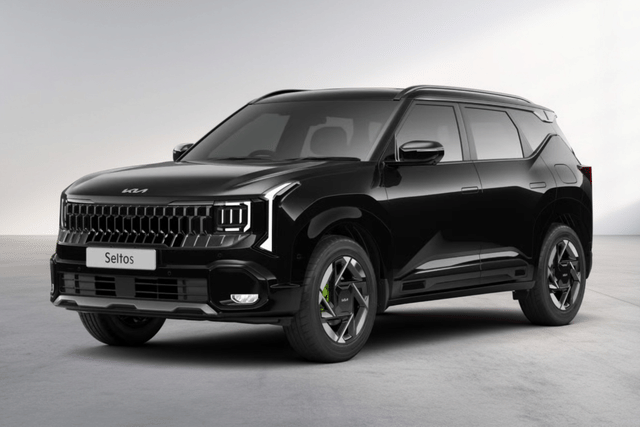
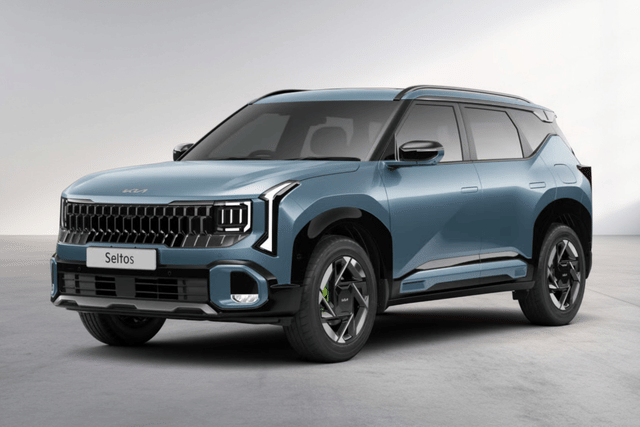
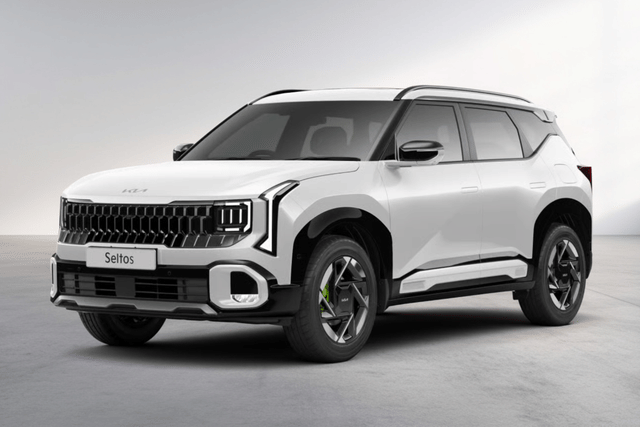
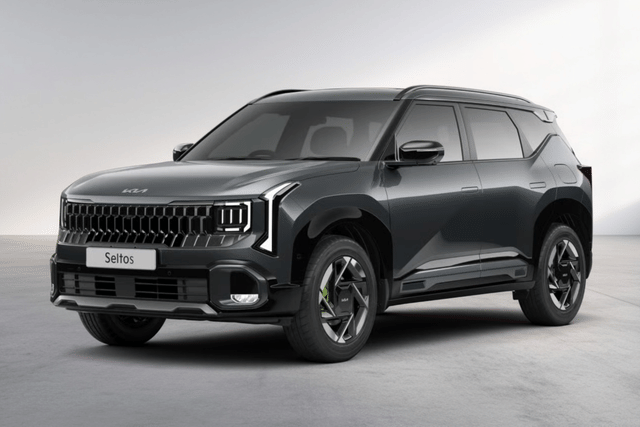
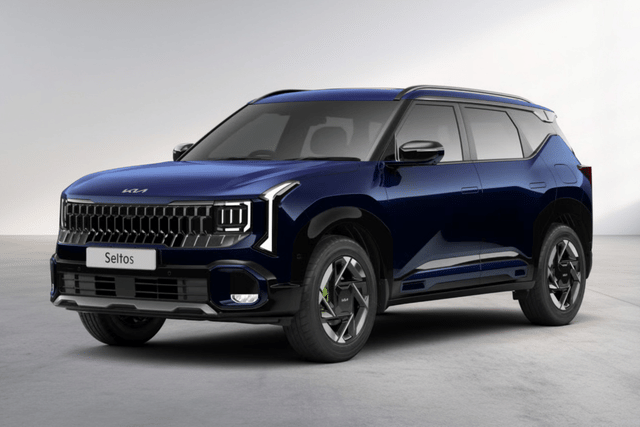
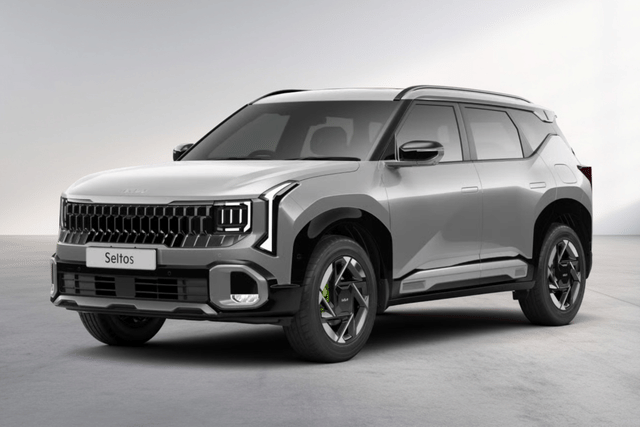
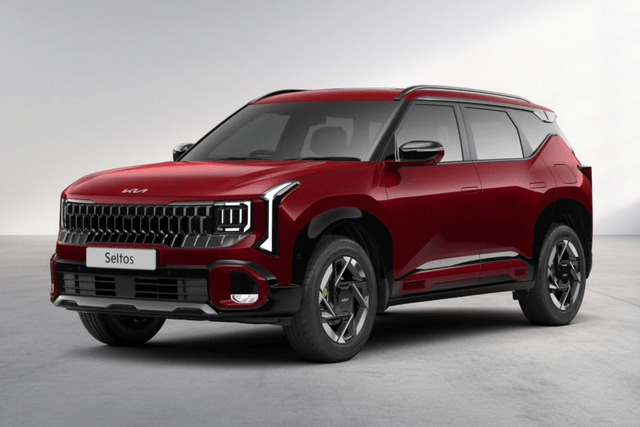
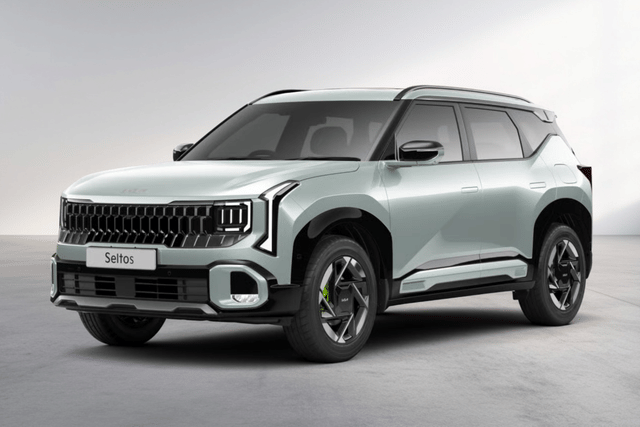
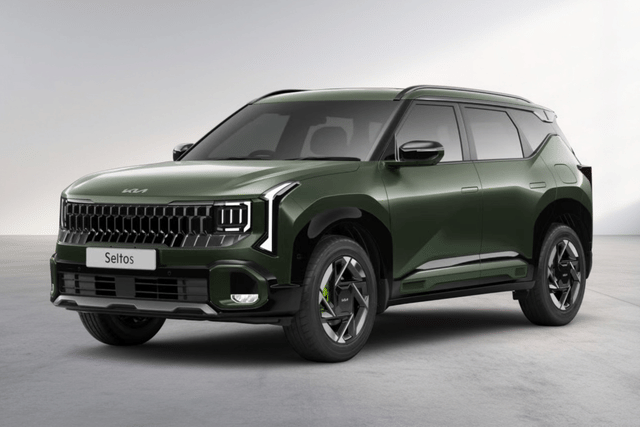
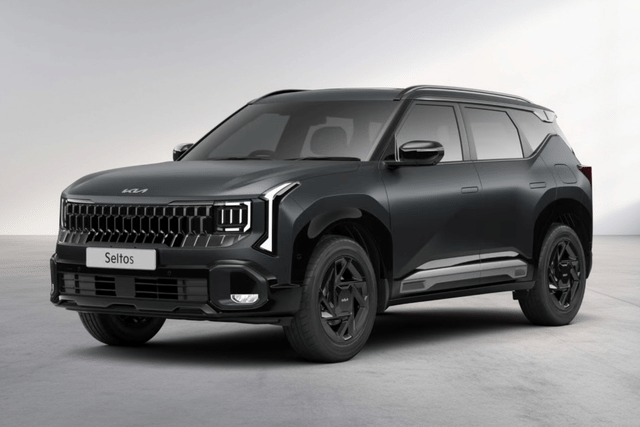
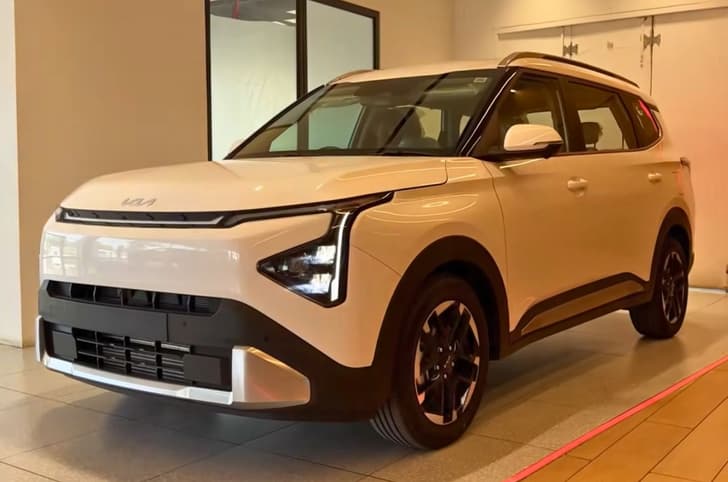
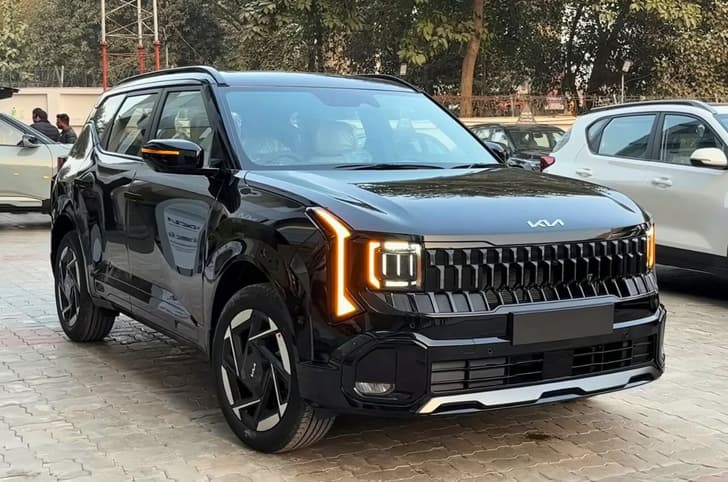
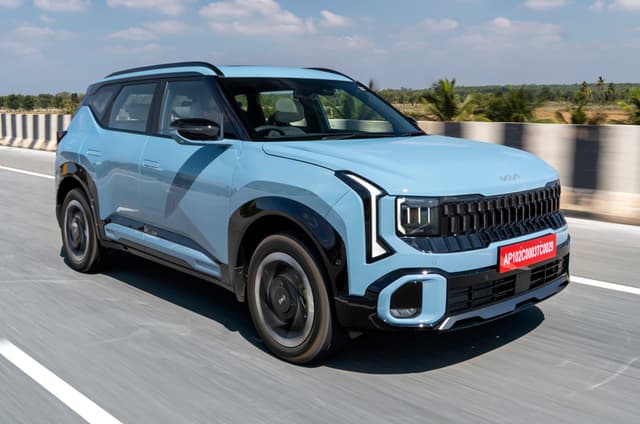
The new design is bold and introduces fresh Kia design traits, though it may not appeal to everyone. The increased size helps balance strong elements like the vertical DRLs that wrap onto the bonnet and fenders. The square-set headlights sit within a large gloss-black grille, which still features the Kia tiger-nose pinch but feels visually lost amid the loud styling.
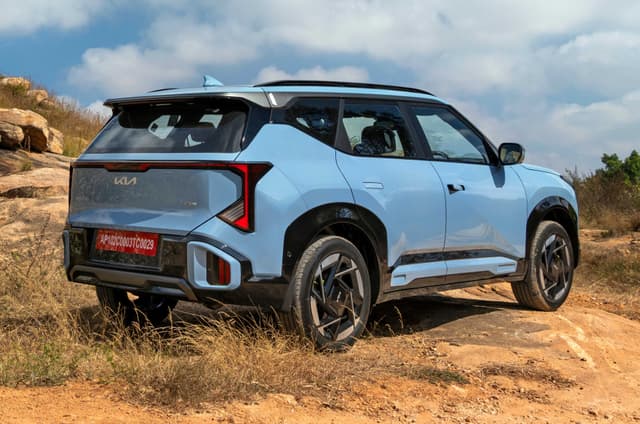
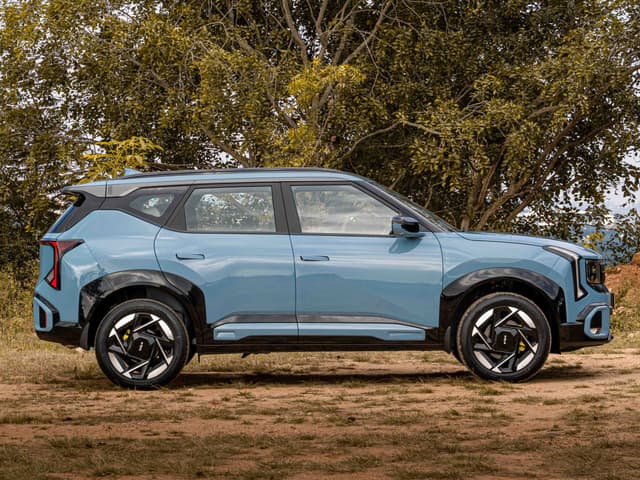
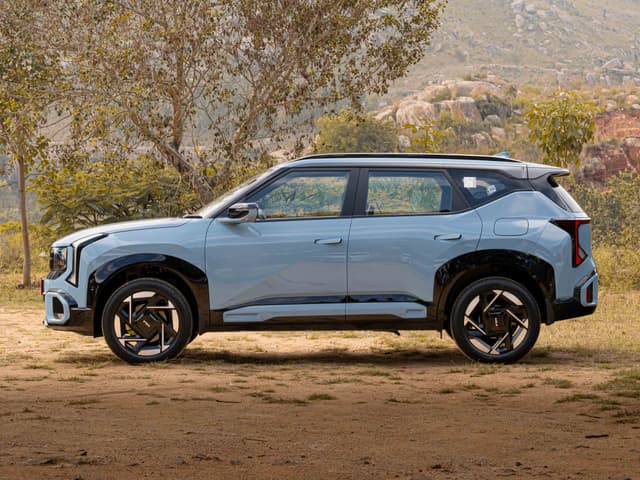
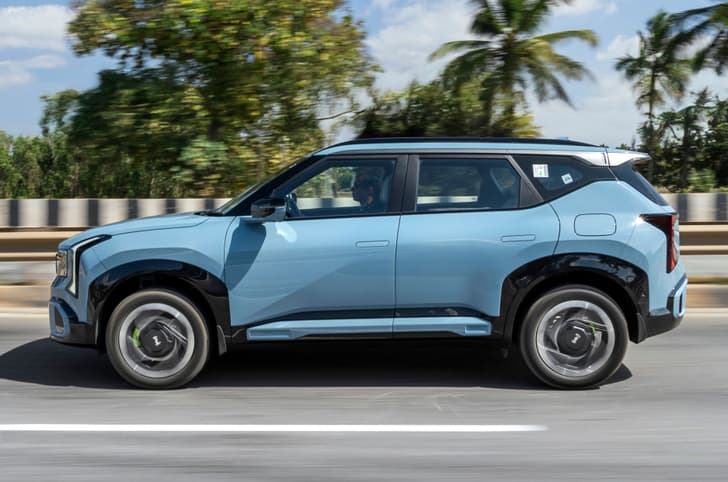
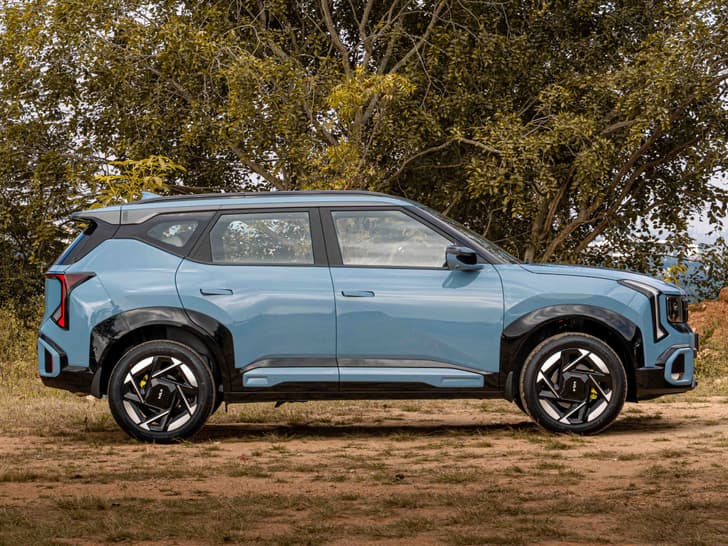
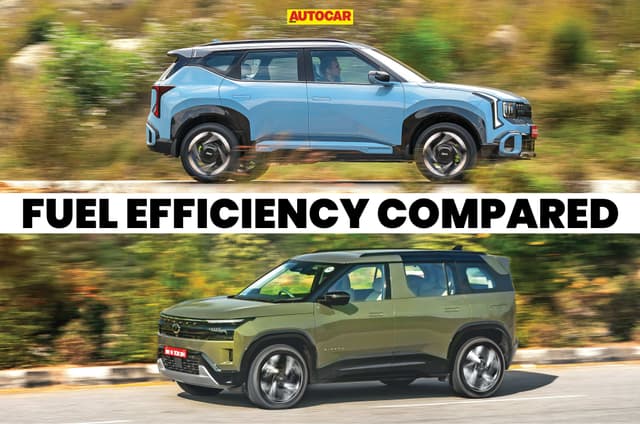
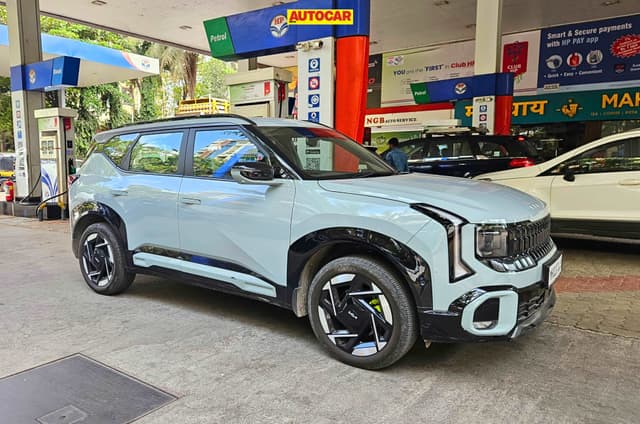
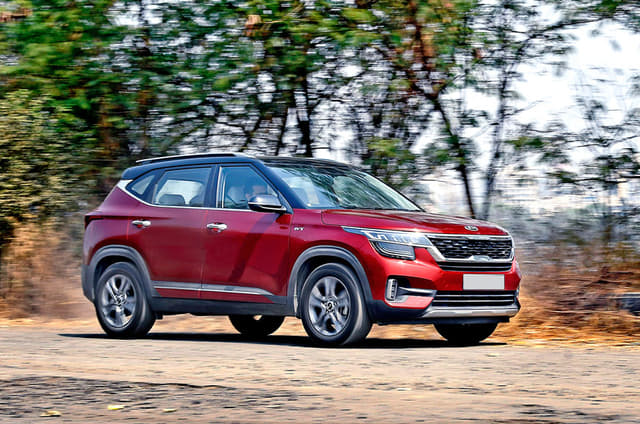
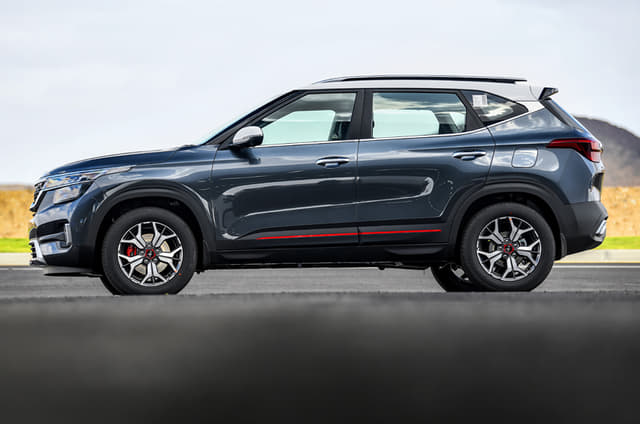
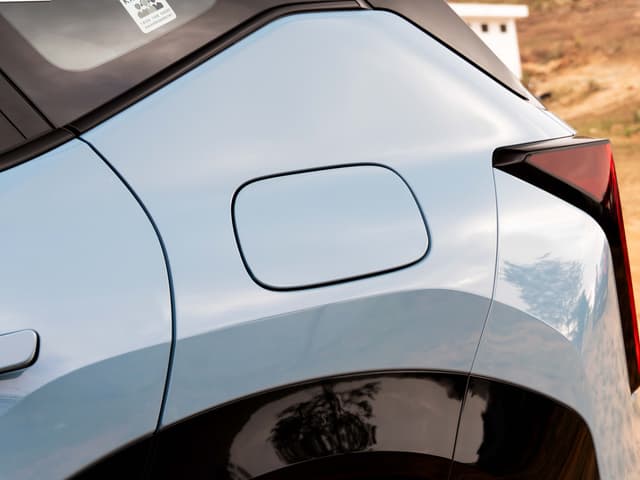
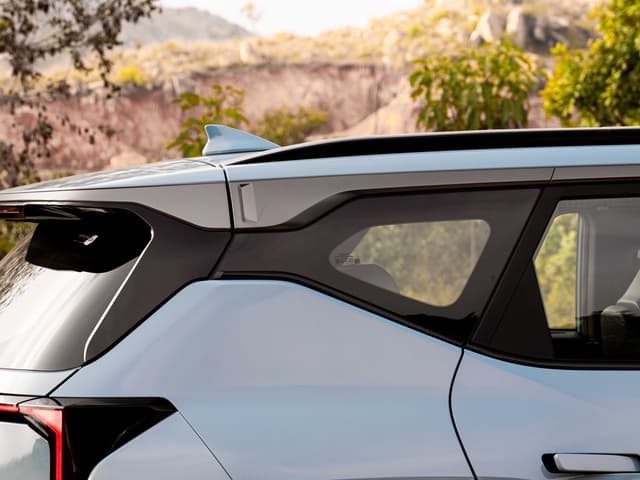
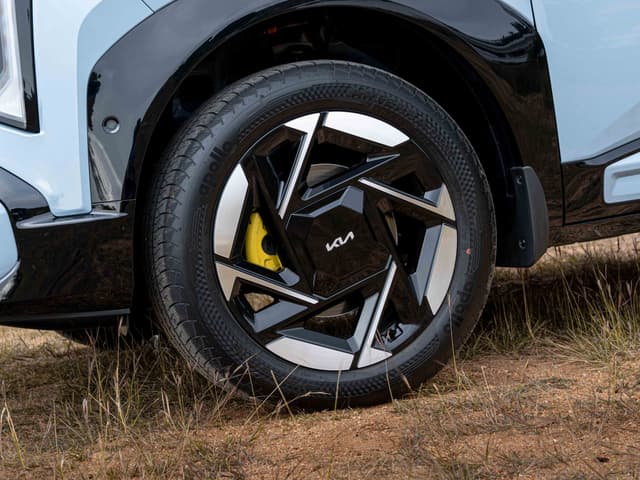
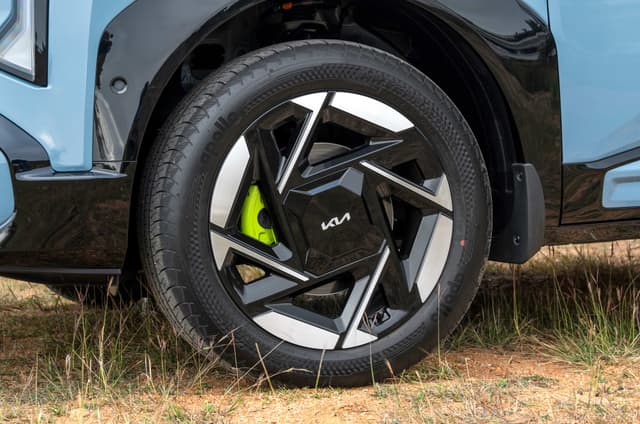
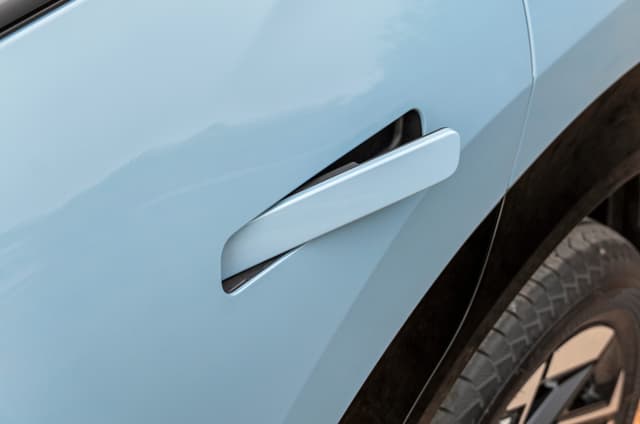
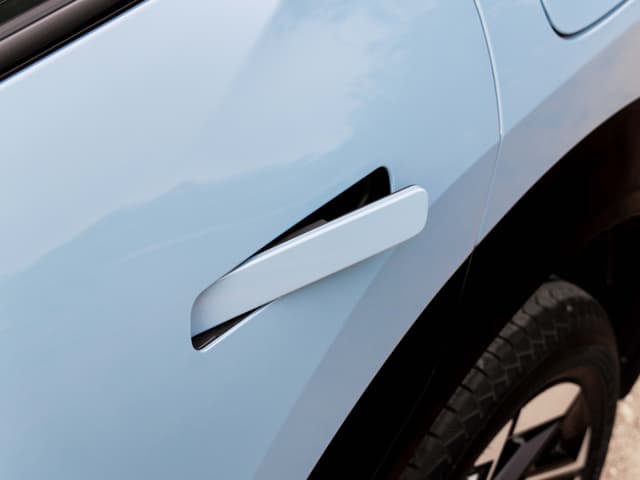
The side profile gets chunky gloss-black cladding with body-coloured inserts, flush door handles, and 18-inch alloy wheels on GT Line variants with a geometric design and neon-painted brake calipers. The pinched glasshouse flows into the tailgate, creating a floating roof effect, while roof rails are purely decorative.
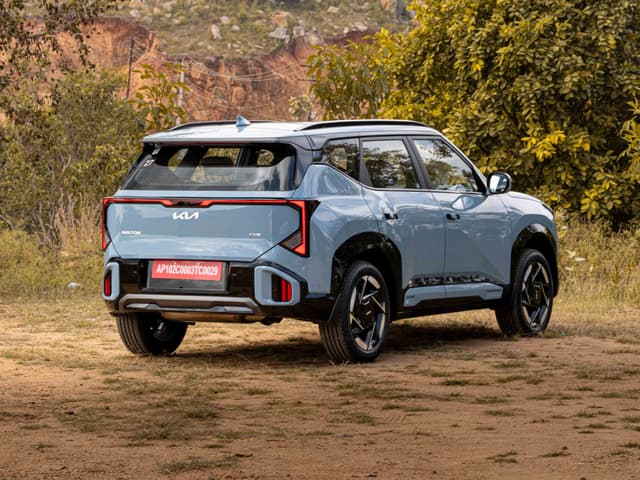
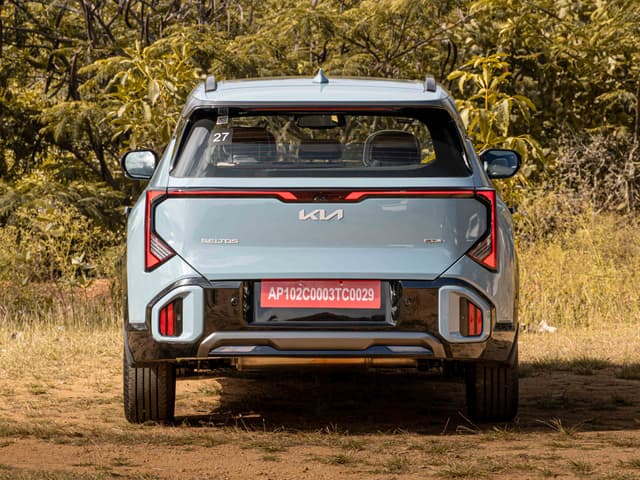
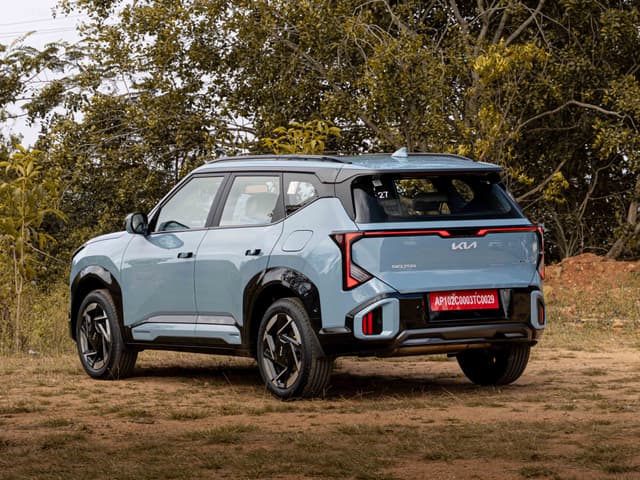
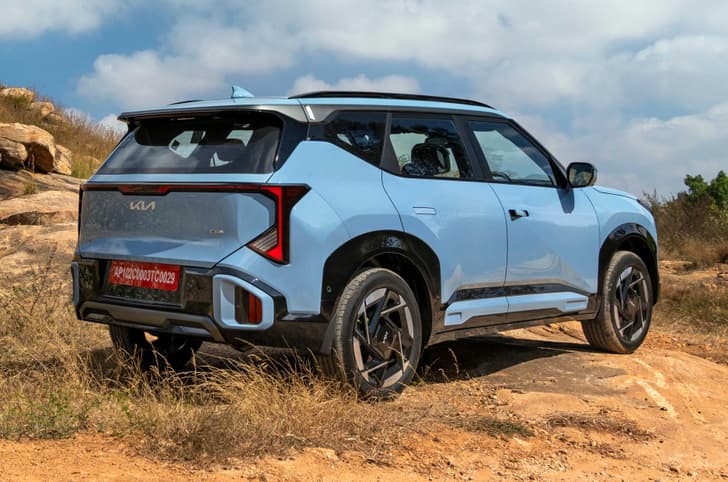
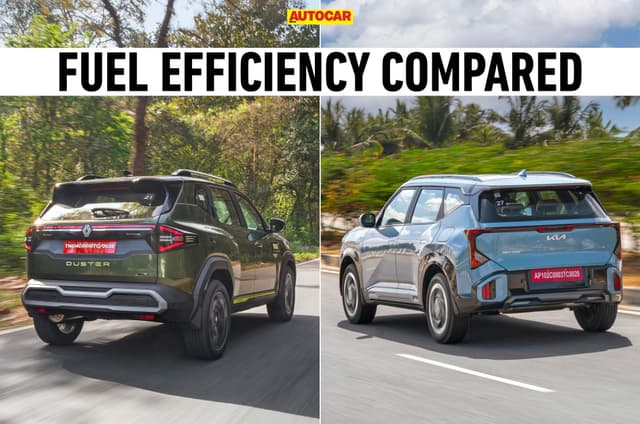
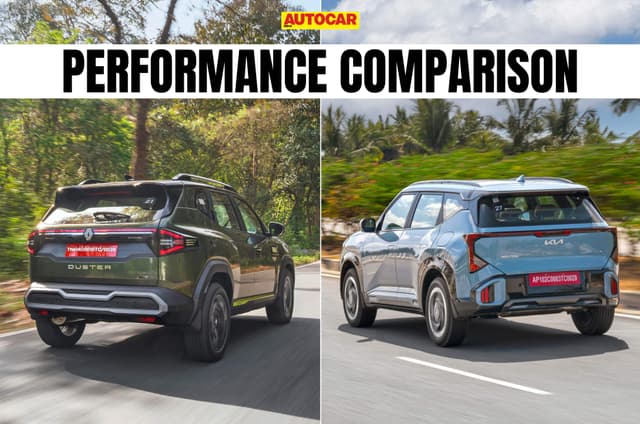
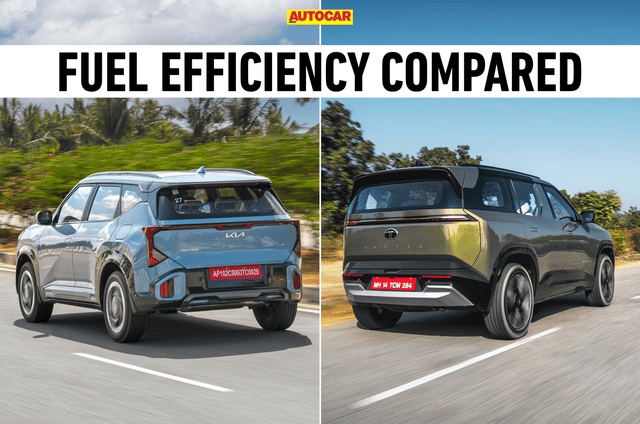
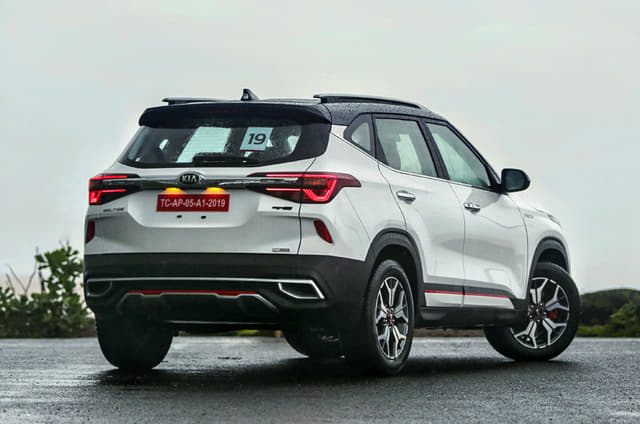
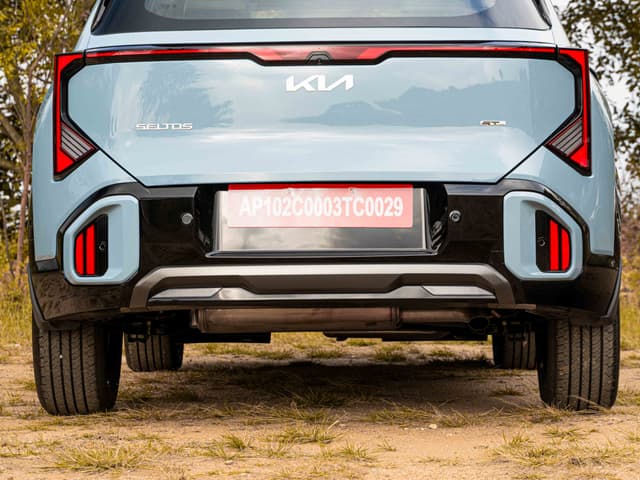
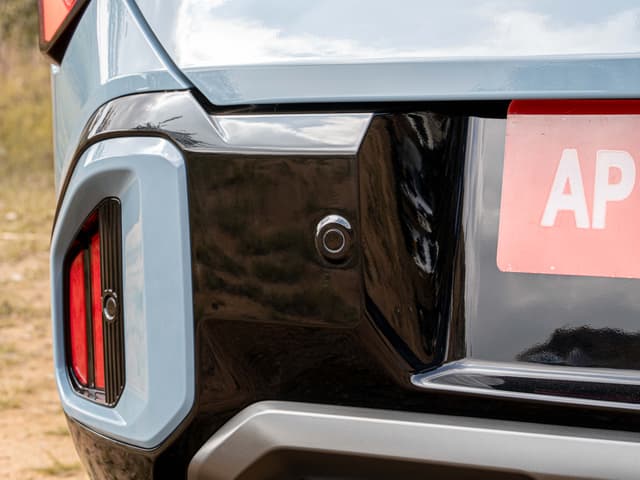
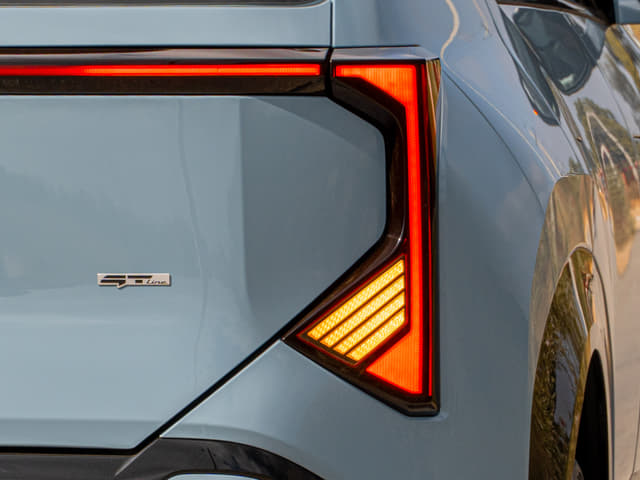
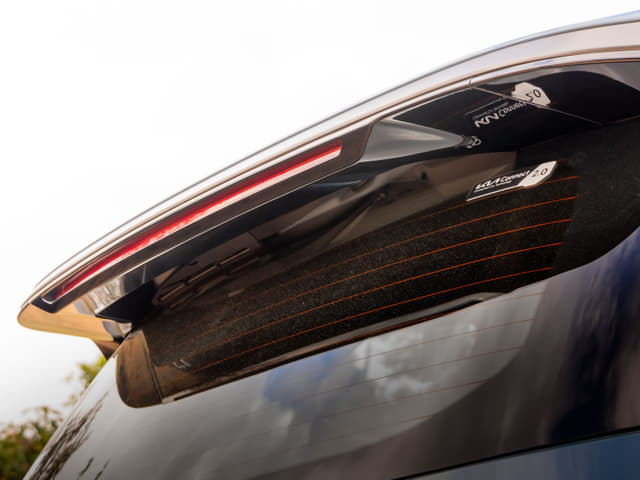
At the rear, the design is cleaner, with large vertical LED tail-lamps connected by a light strip. The tailgate has a wraparound look, and the spoiler neatly integrates the stop lamp and hides the rear wiper.
7
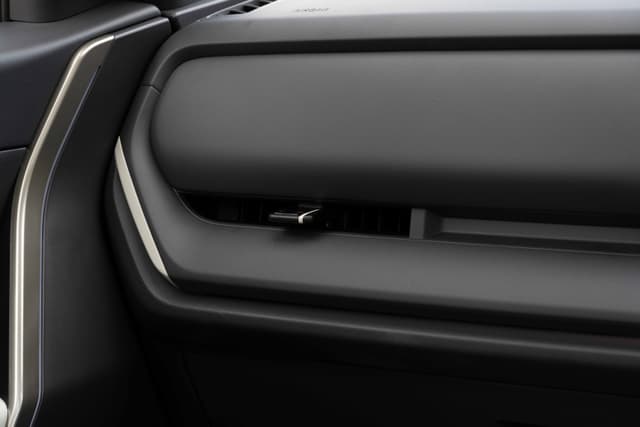
The cabin is new but retains familiar Kia elements, which is good. Fit and finish are very good, and while more soft-touch materials would have been welcome, high-quality plastics and texturing prevent the interior from feeling plasticky.
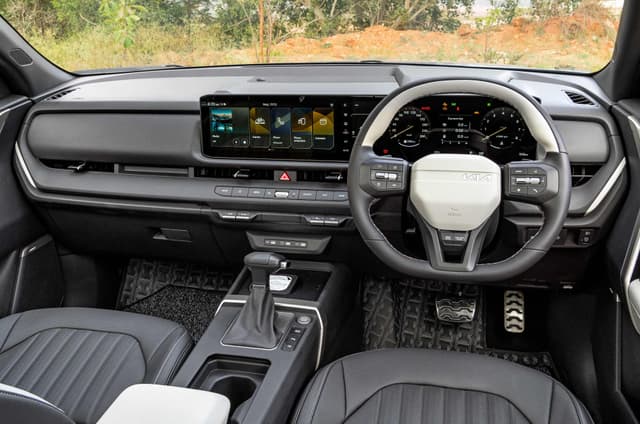
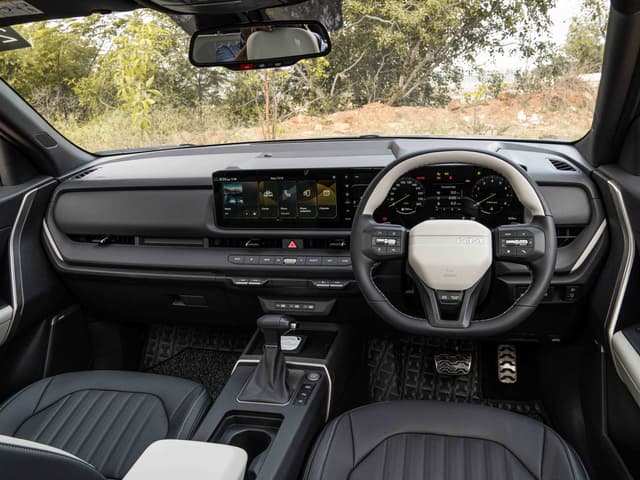
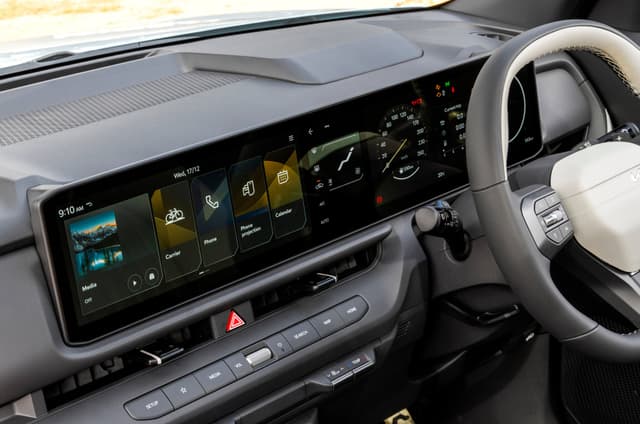
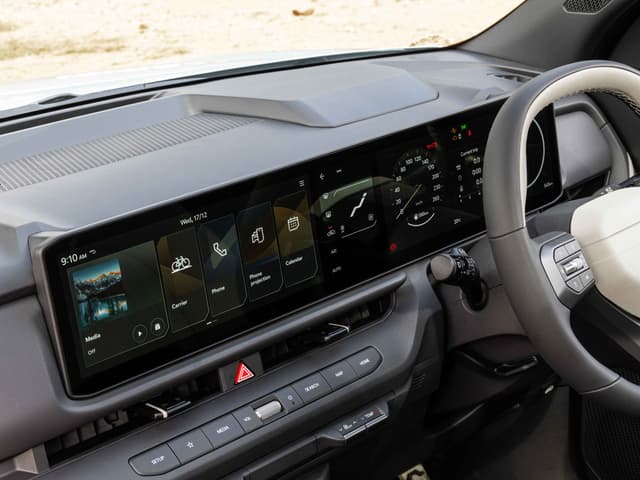
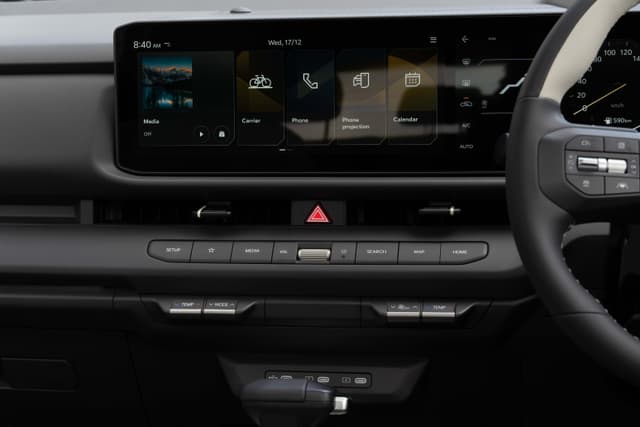
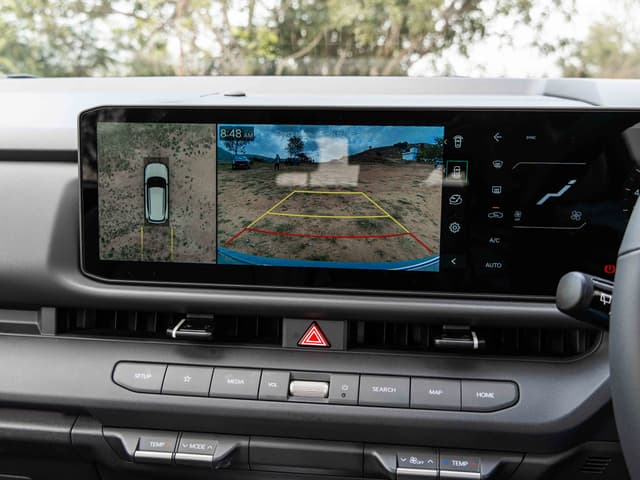
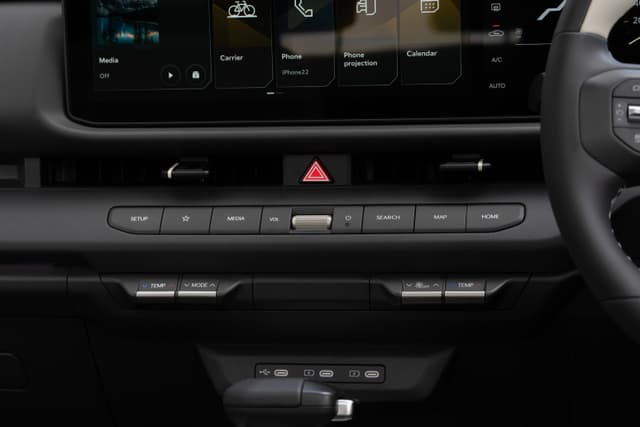
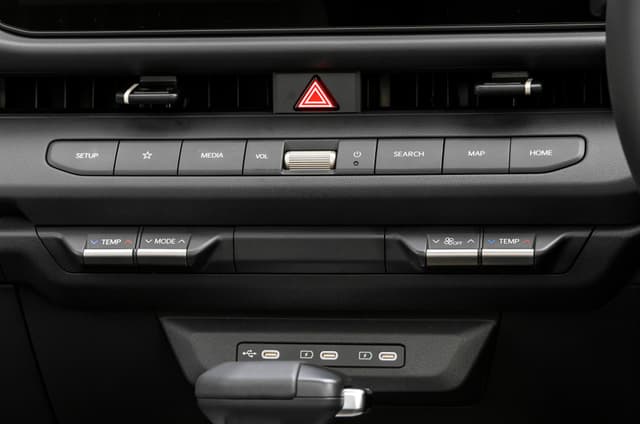
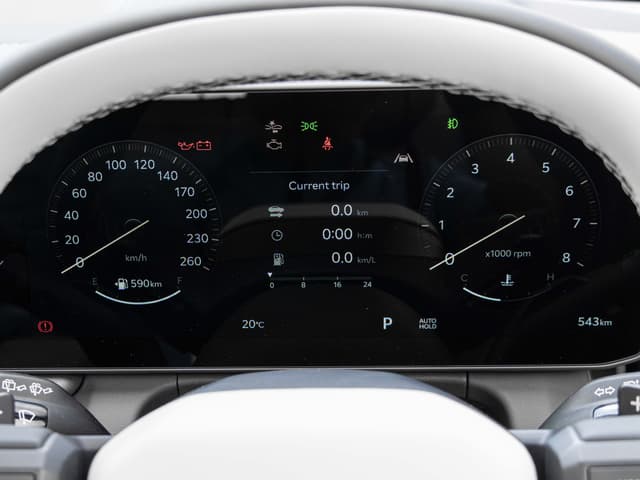
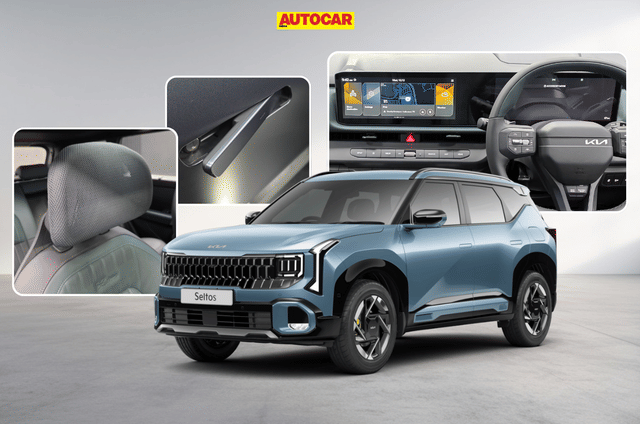
A single glass panel houses a 12.3-inch touchscreen, a 12.3-inch digital instrument cluster, and a 5.0-inch HVAC touchscreen, though the latter is partly obscured by the steering wheel. Thankfully, there are physical buttons and toggles for key functions. The touchscreen is slick, the 360-degree camera feed is sharp, and the instrument display is clear.
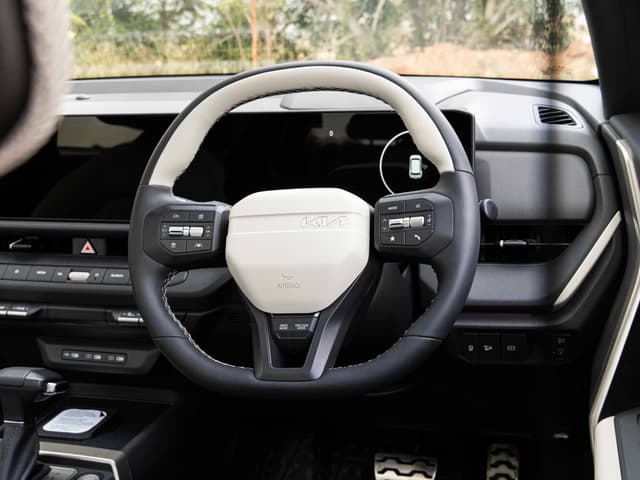
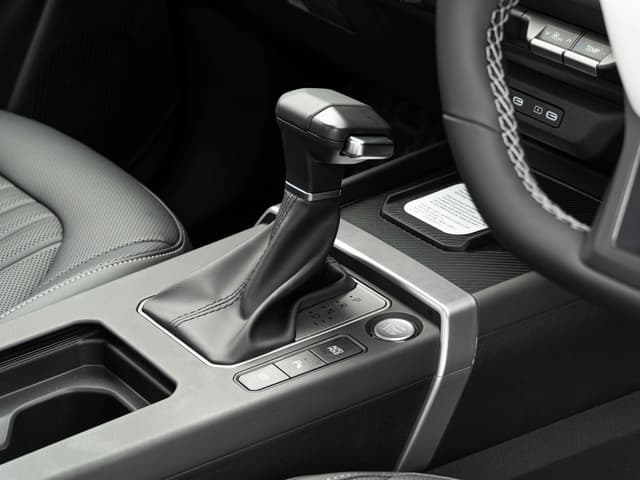
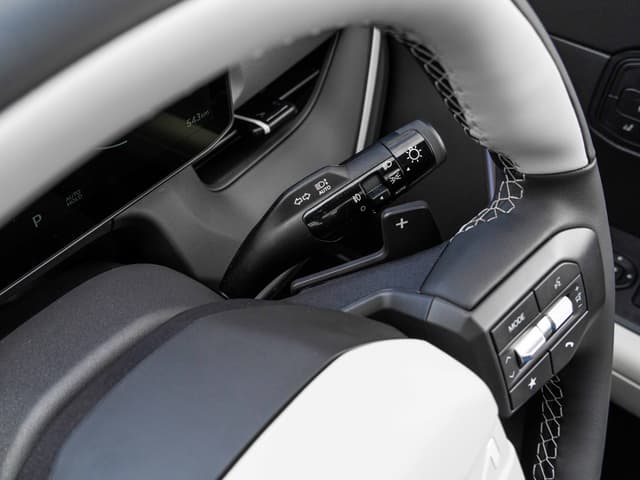
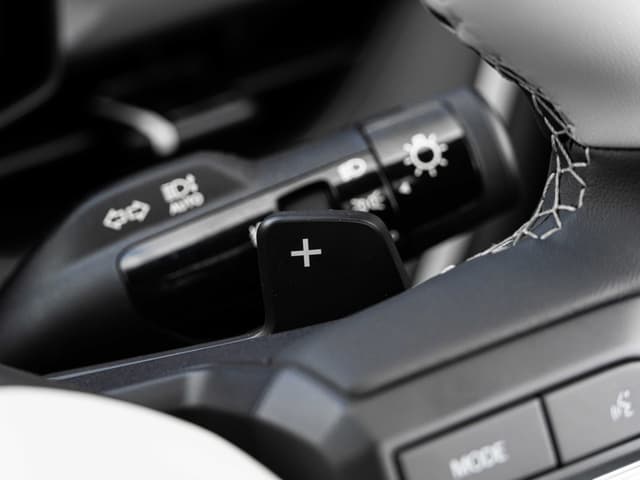
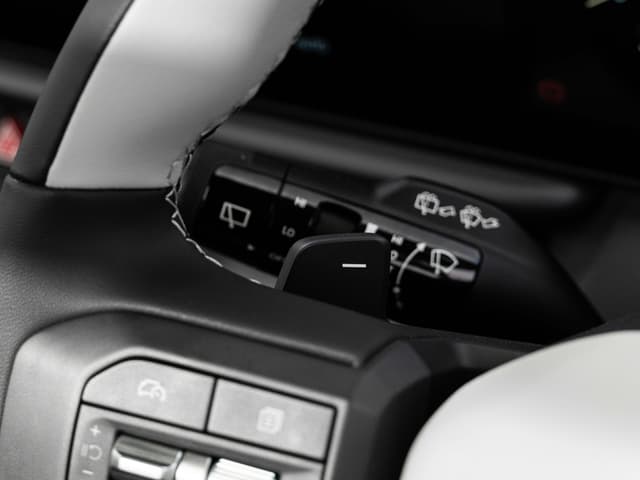
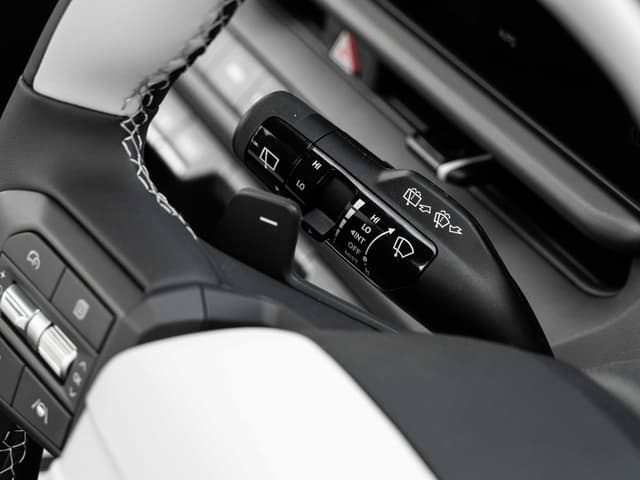
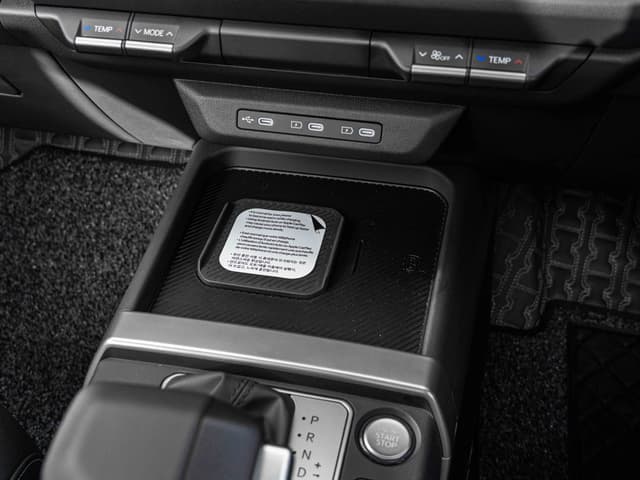
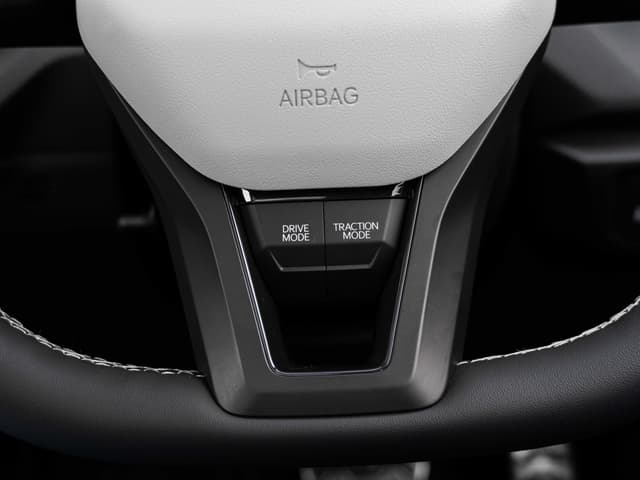
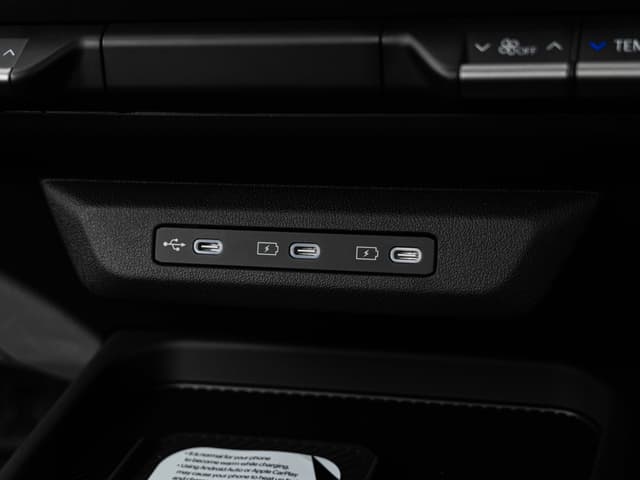
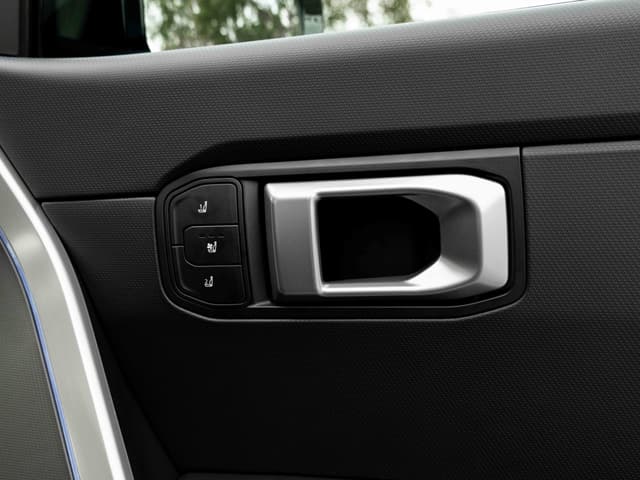
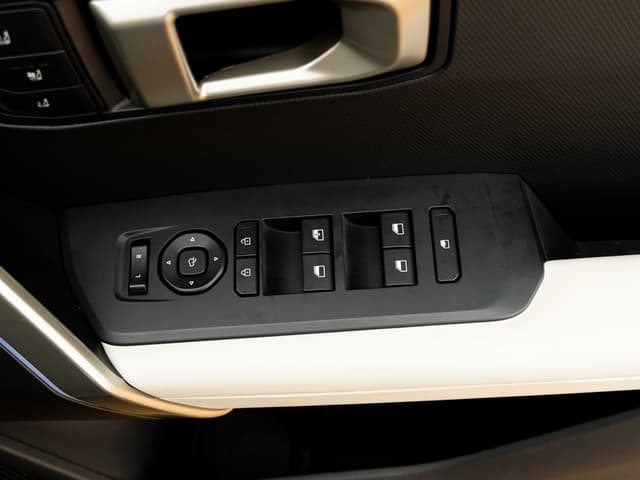
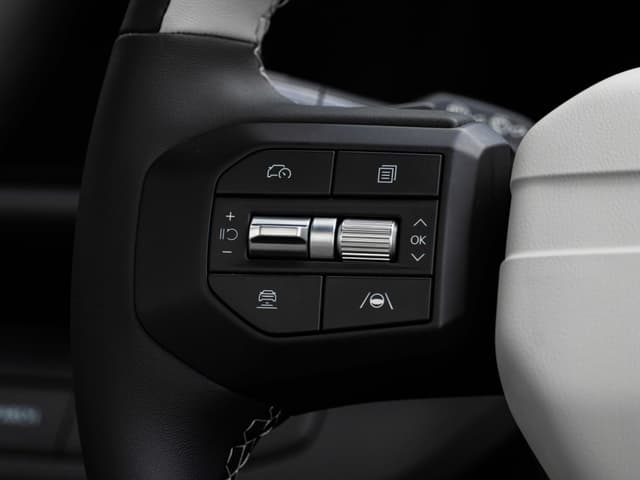
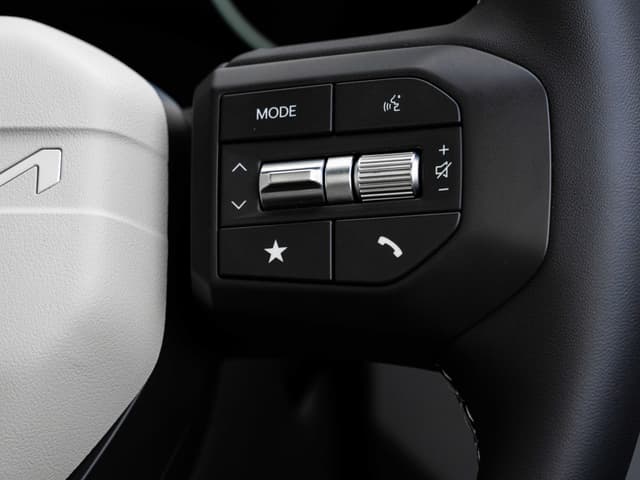
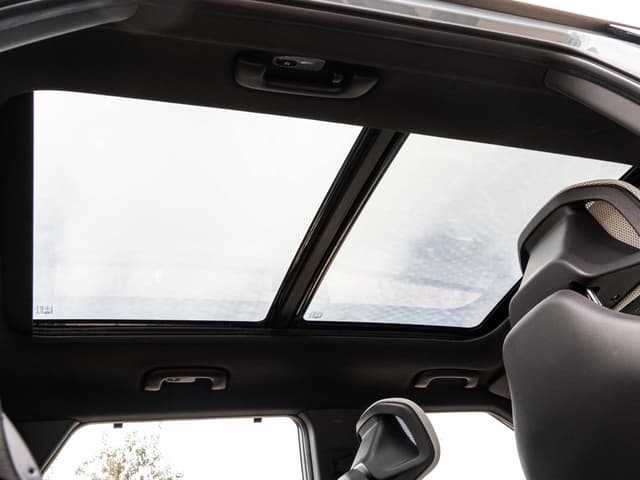
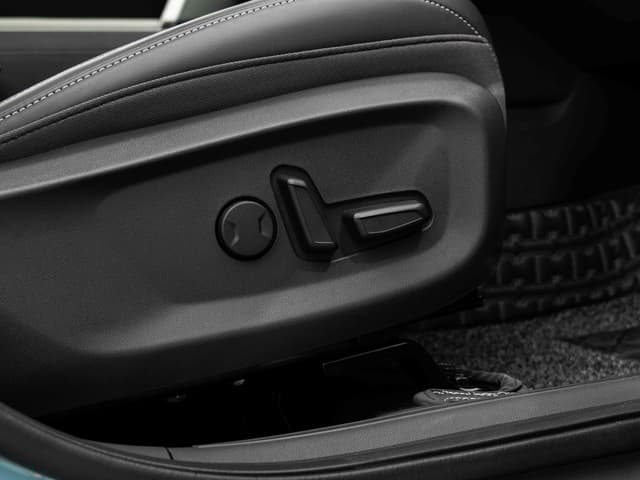
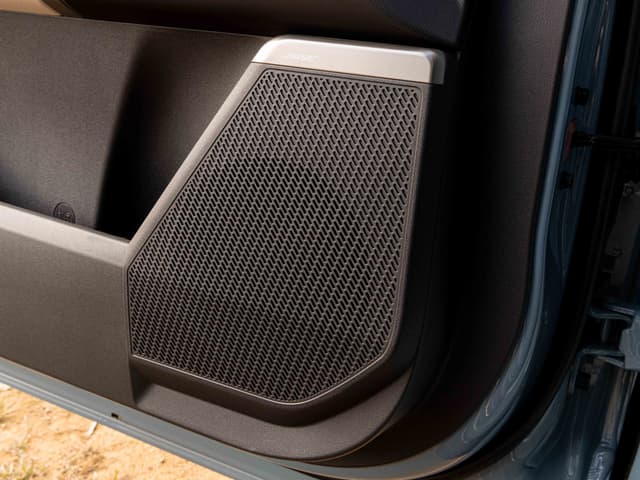
The new chunky steering wheel has well-placed controls, including buttons for drive and traction modes. Features include a Bose sound system, panoramic sunroof, wireless charging, ambient lighting, front cooled seats, and a powered driver’s seat with memory for seat and ORVM positions, including an adjustable entry-exit function. Missing features include an air purifier and rear cooled seats.
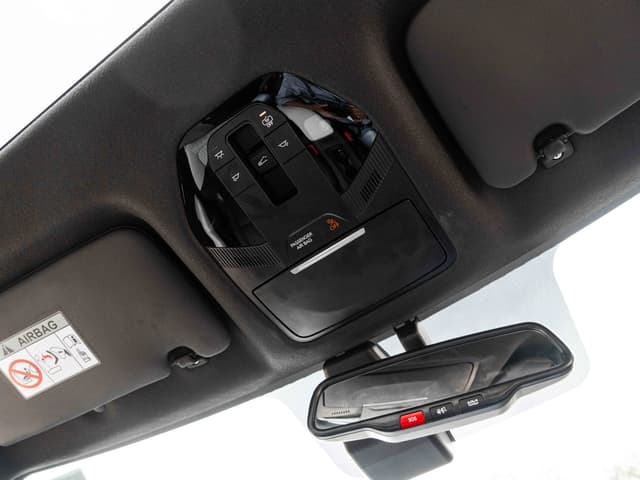
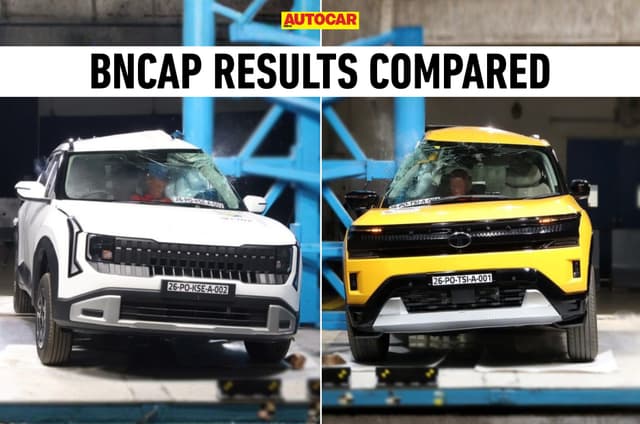
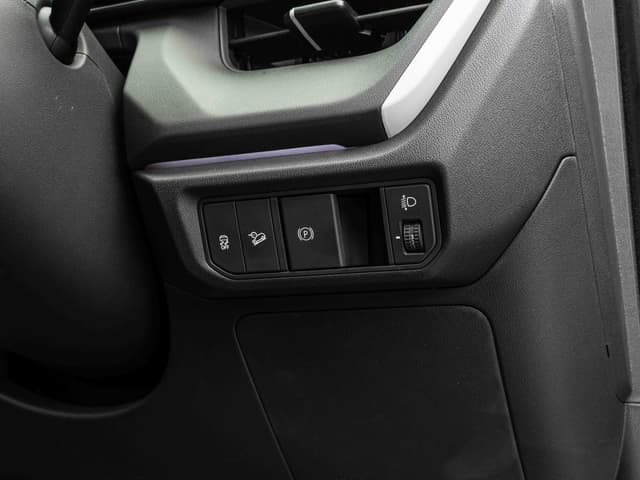
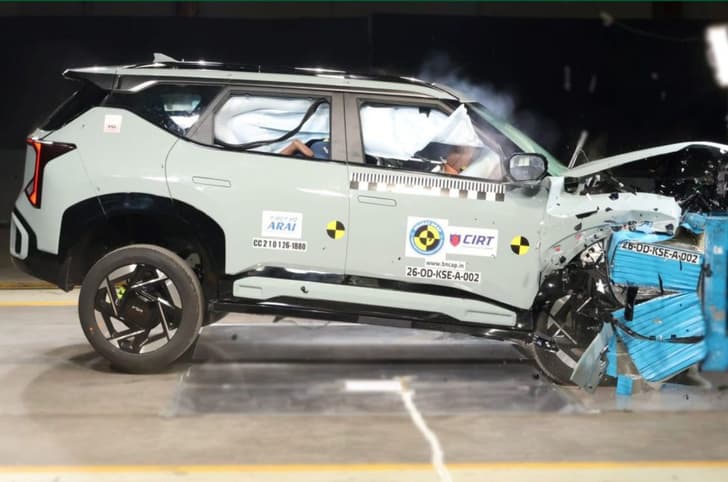
Safety equipment includes six airbags, ESC, downhill brake control, and a full ADAS suite. Lane-departure correction feels natural, though lane centring can feel intrusive on poorly marked roads. Crash-test ratings are yet to be announced.
8
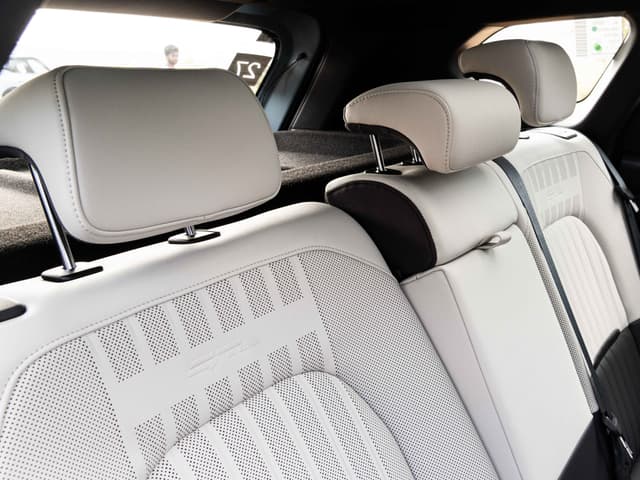
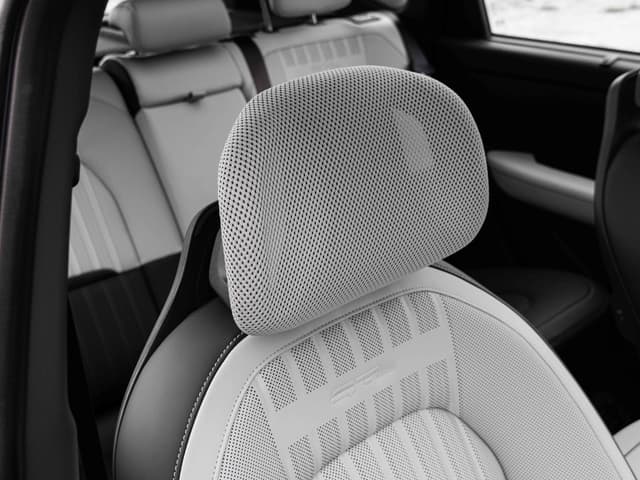
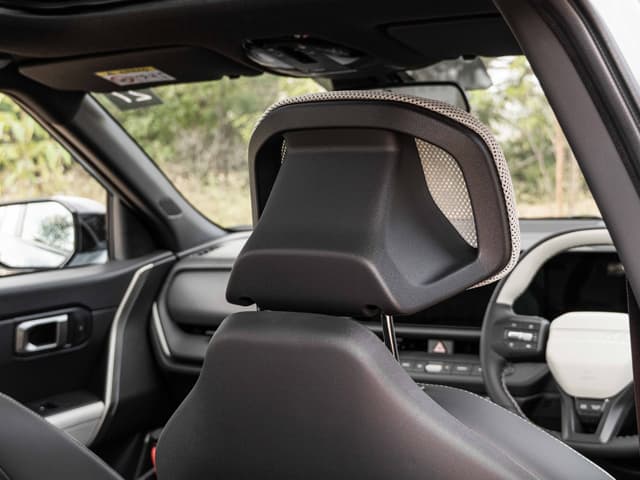
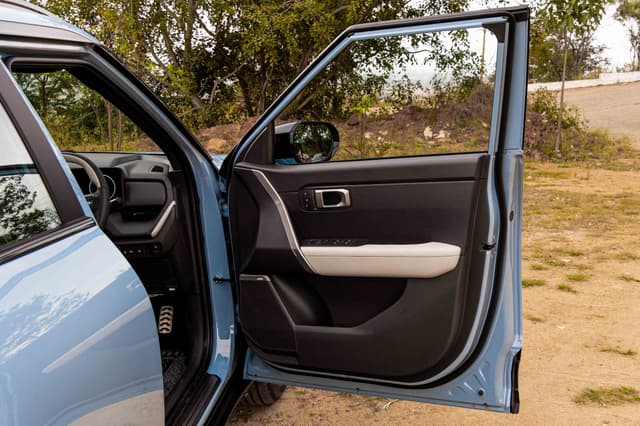
Front seats are comfortable, but larger occupants may find them snug. The headrests are well designed for safety but lack side padding for those resting their heads.
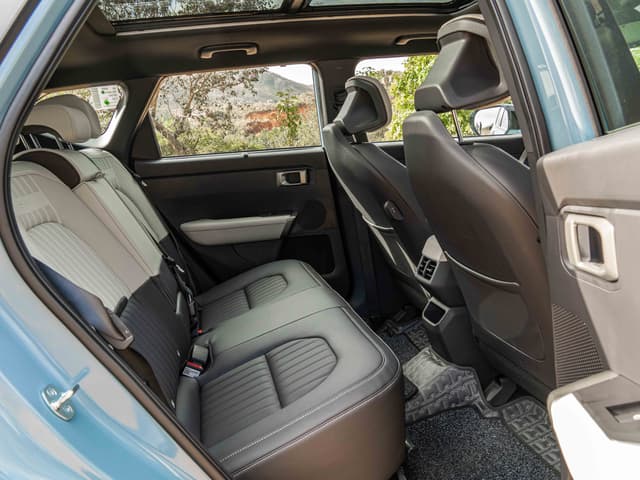
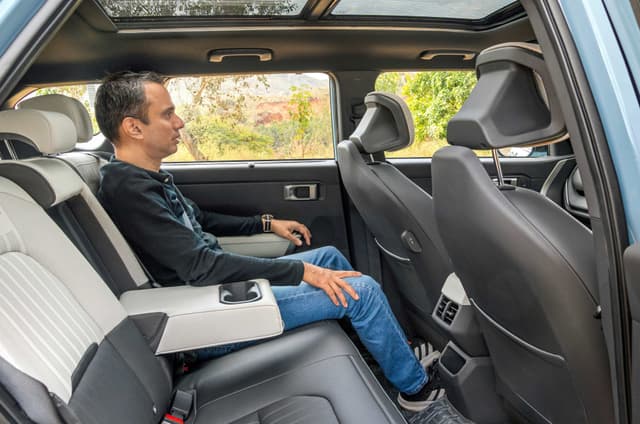
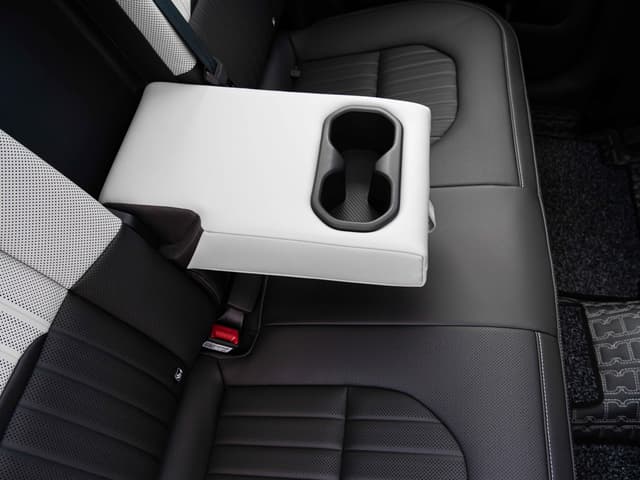
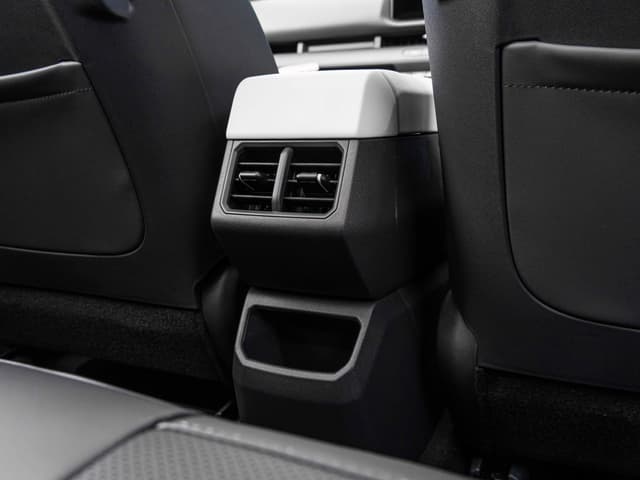
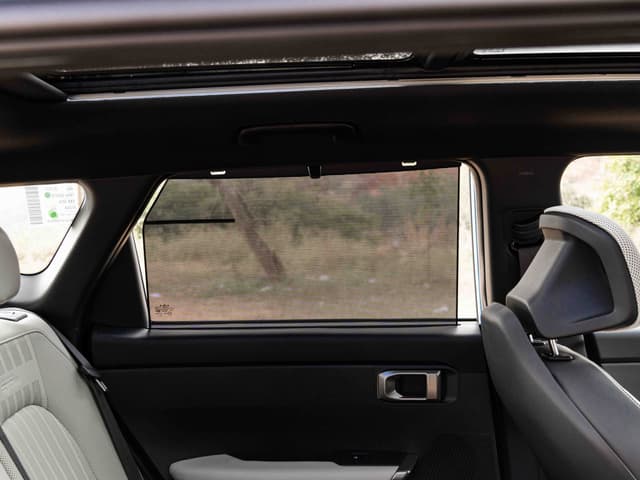
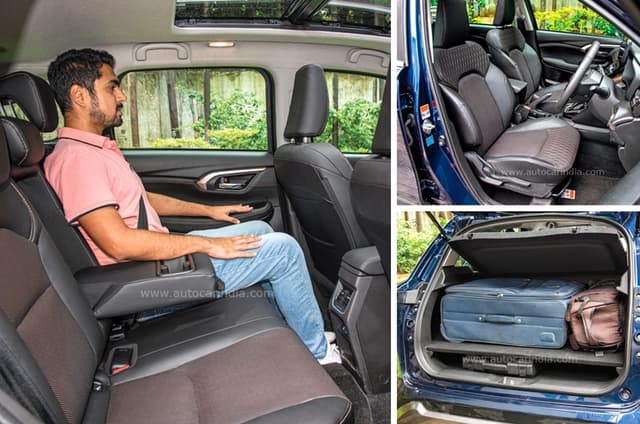
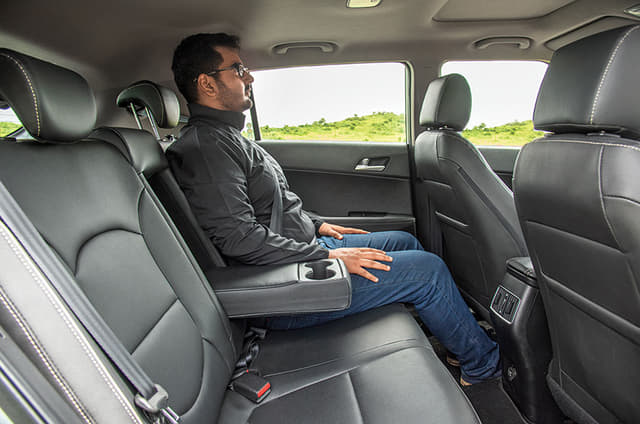
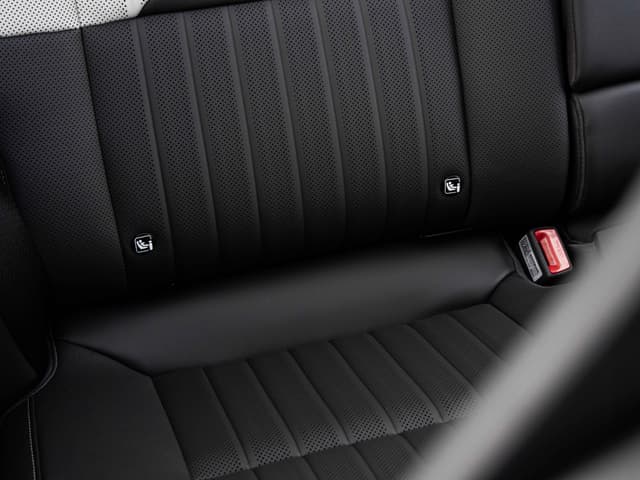
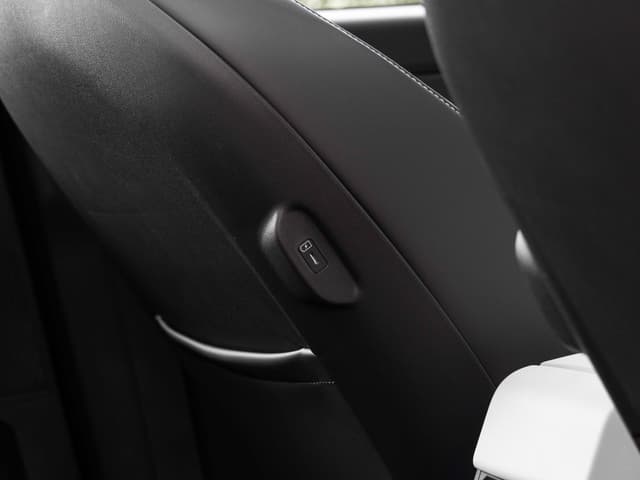
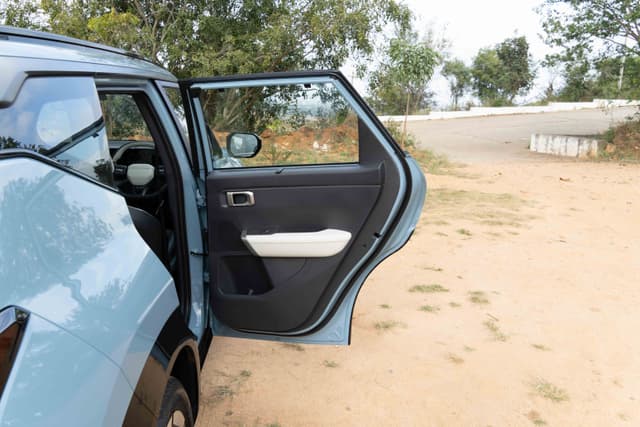
Rear-seat legroom has improved significantly and will suit six-footers, while headroom is adequate. Three average-sized adults can sit abreast, and the seatback angle is adjustable. The seat base is comfortable but short for taller passengers, and lumbar support feels excessive. Rear AC vents and well-designed sun blinds help cooling.
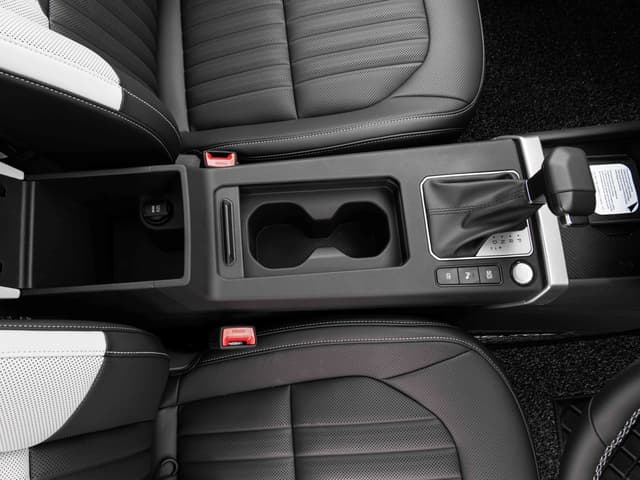
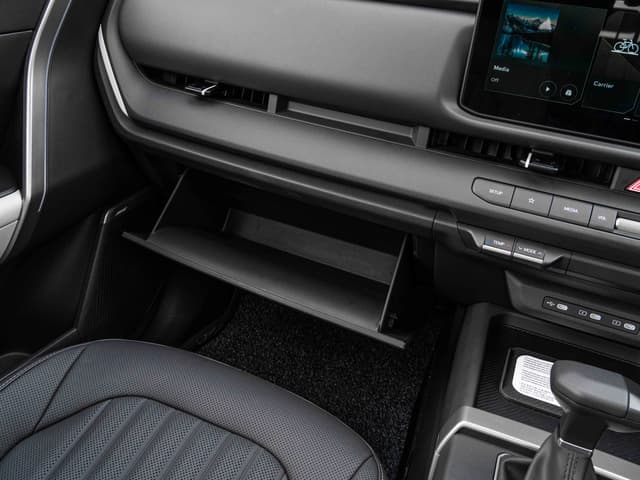
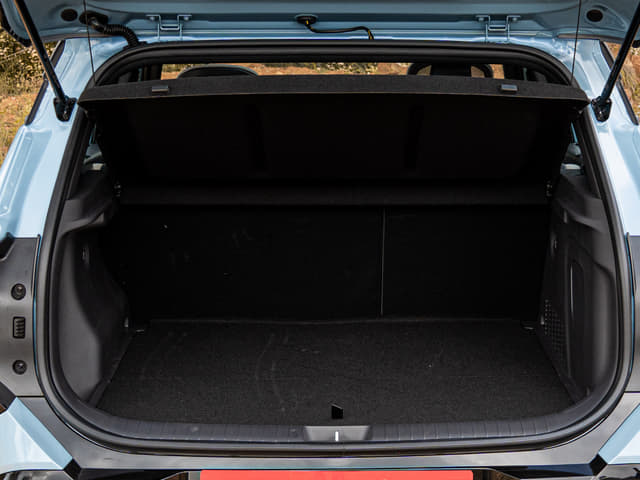
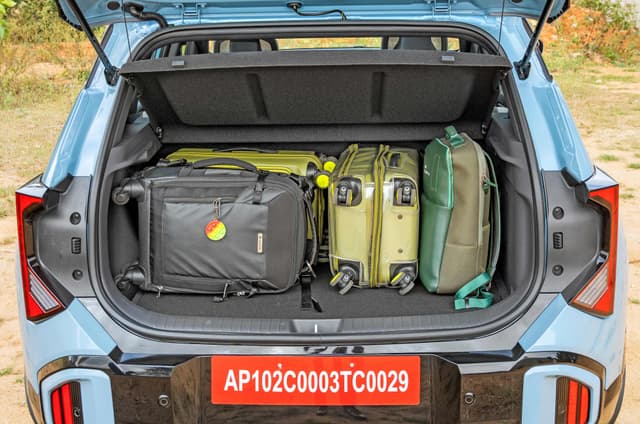
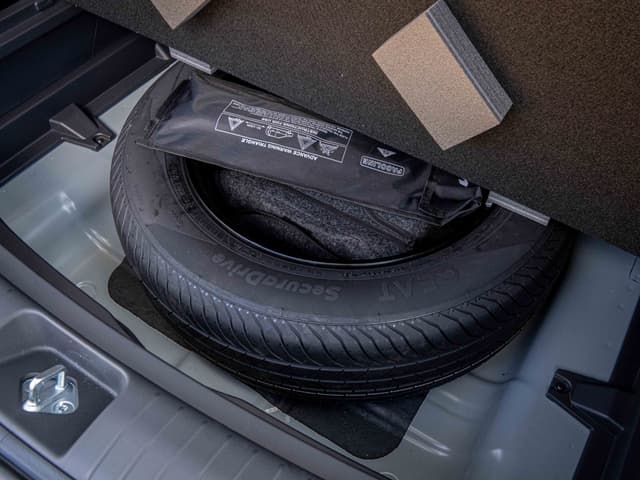
Storage is good overall, though the glovebox is small. Boot space is a generous 447 litres with a flat floor and a full-sized spare underneath.
7
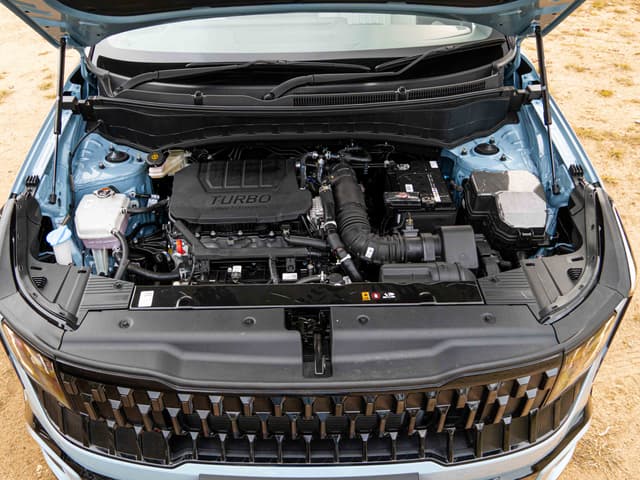
Engine options remain unchanged: a 115hp 1.5 NA petrol, a 160hp 1.5 TGDi petrol, and a 115hp 1.5 diesel, with the same gearbox choices as before. We sampled the automatic versions of the TGDi petrol and diesel.
The diesel remains refined, with muted noise and linear power delivery, making it a relaxed cruiser. However, it feels short on punch, even in Sport mode, and the torque-converter gearbox is slow to respond.
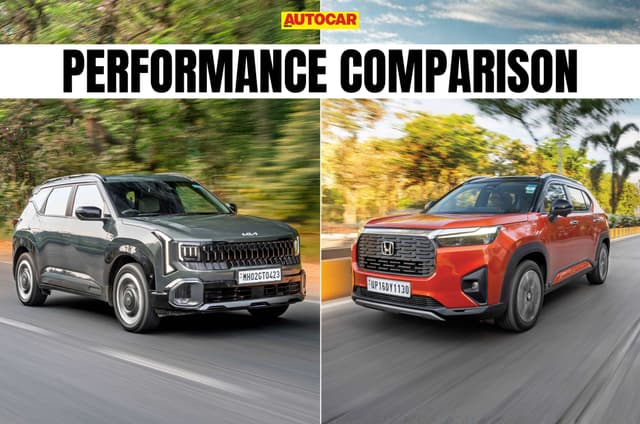
The TGDi petrol delivers strong, linear performance from 2,000rpm to the 6,200rpm redline. Refinement is good, and the dual-clutch gearbox is quick, though it can hesitate at low speeds.
8
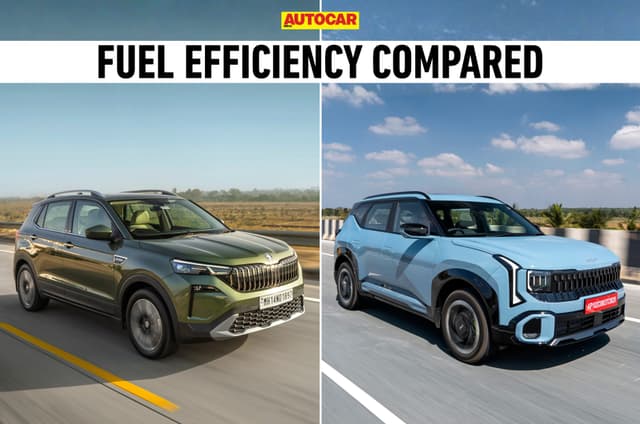
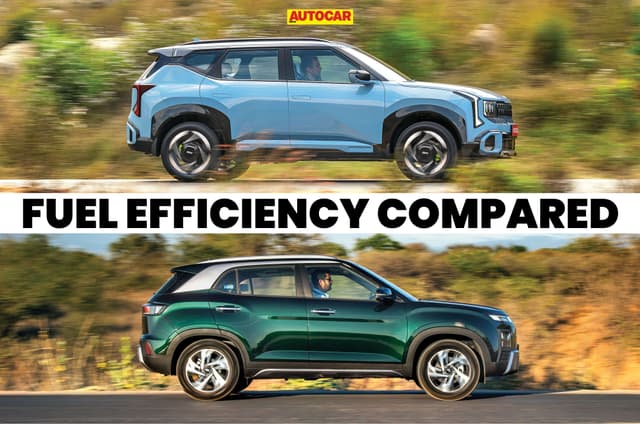
Official figures are pending, but efficiency should be similar to before. Expect high single digits in city driving and 13–14kpl on highways for the TGDi, while the diesel should deliver 16–17kpl on highways and low double digits in the city.
8
While the suspension hardware is unchanged, the tuning is now comfort-focused. Bumps are absorbed well without harshness, yet body control remains tidy. High-speed stability is strong, and the car feels composed on uneven surfaces.

Steering weight varies with drive modes but lacks natural feel, especially in Sport mode. Brakes are progressive and confidence-inspiring.
8
The new Seltos isn’t a revolution and has some negatives like it lacks some features and the diesel feels underpowered. However, while not a revolution, it feels like a nice evolution of what was an already good car. It offers bold styling, more space, improved ride comfort, and a wide choice of powertrains. With sensible pricing, it should continue to attract strong interest.

8
Reviewed by: Sergius Barretto
Kia Seltos reviews

Kia Seltos Images
Kia Seltos videos