


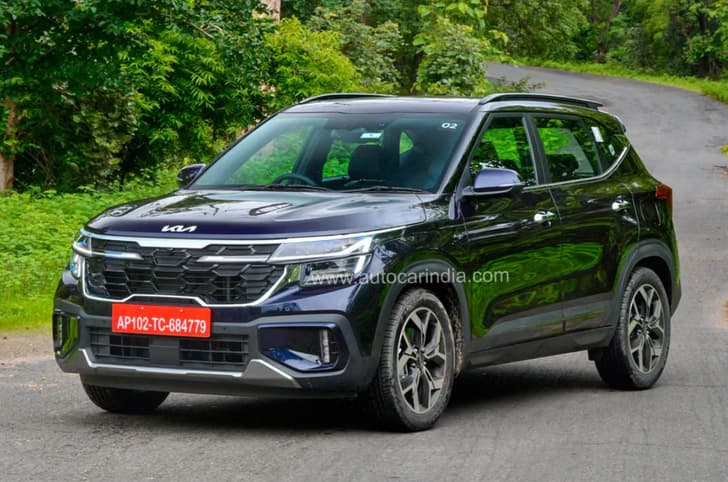


video|31 May 2026
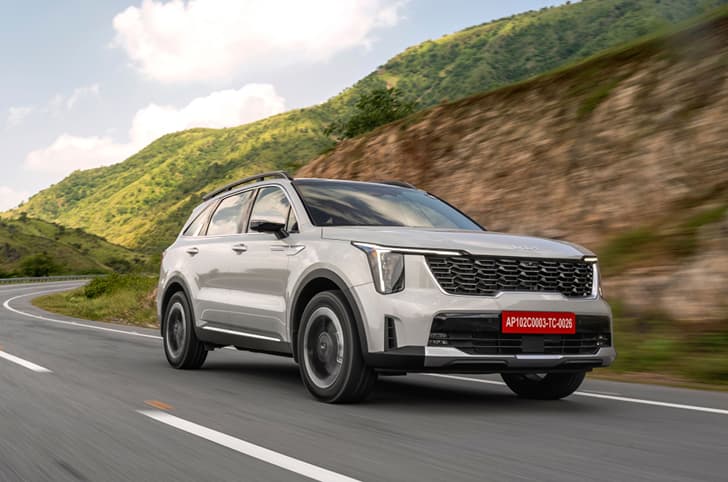
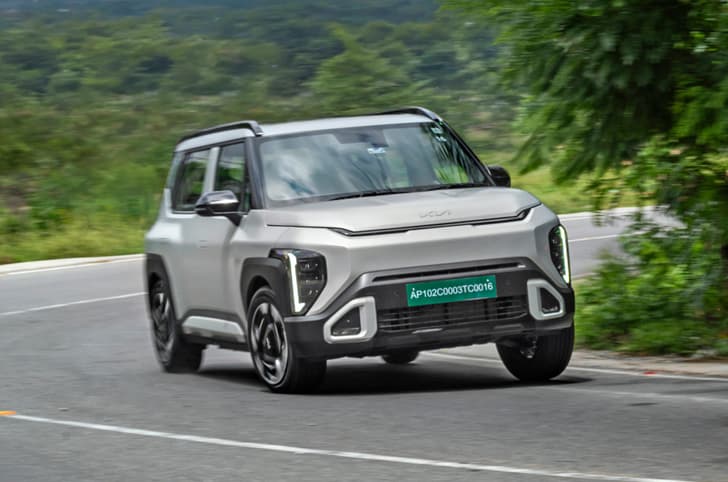
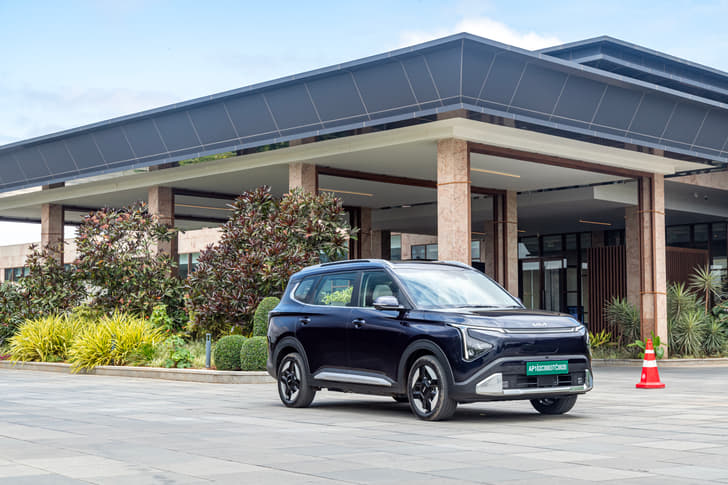
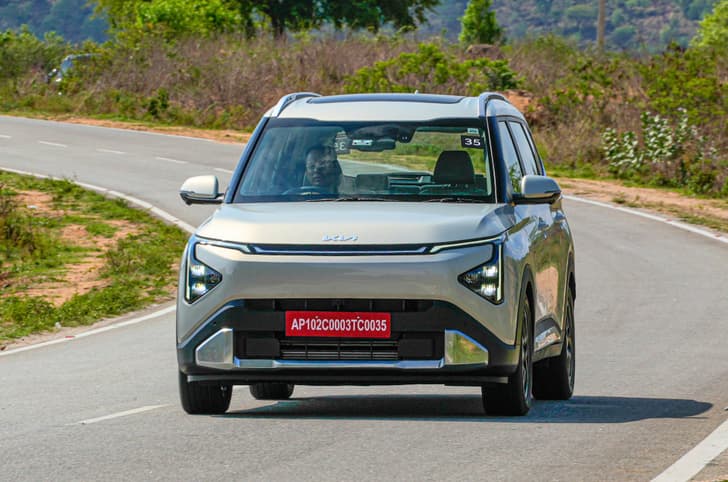
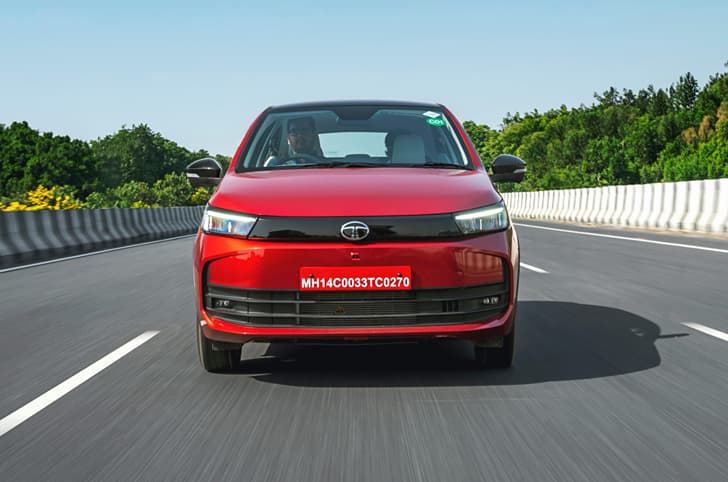
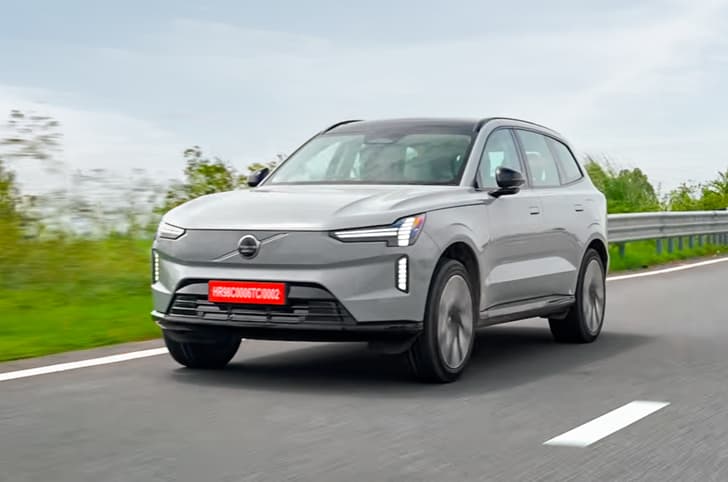
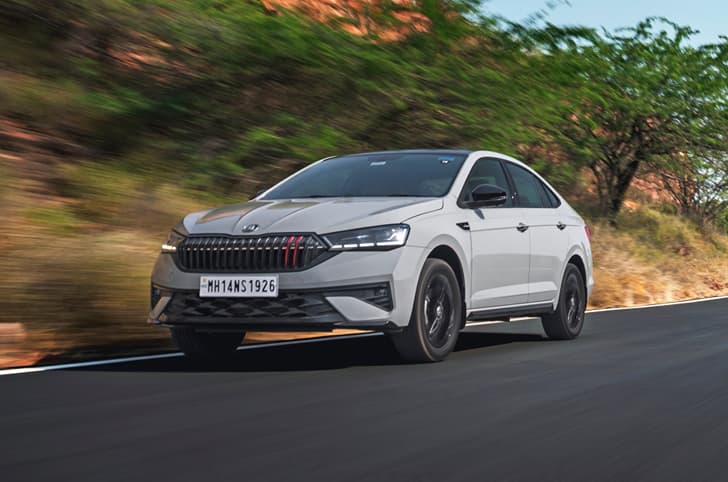
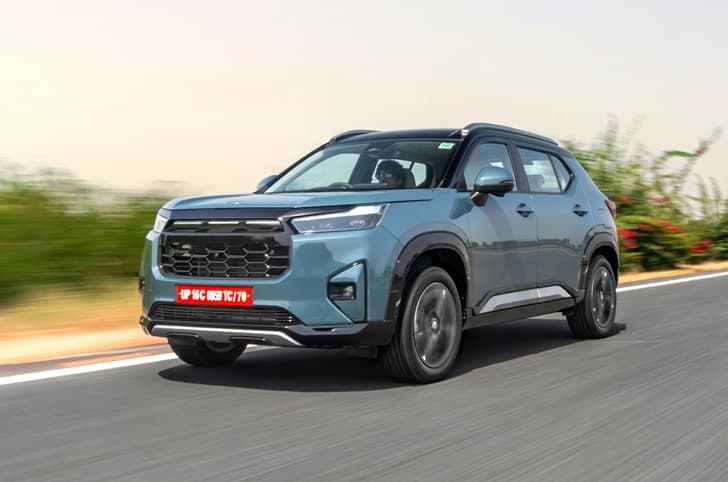
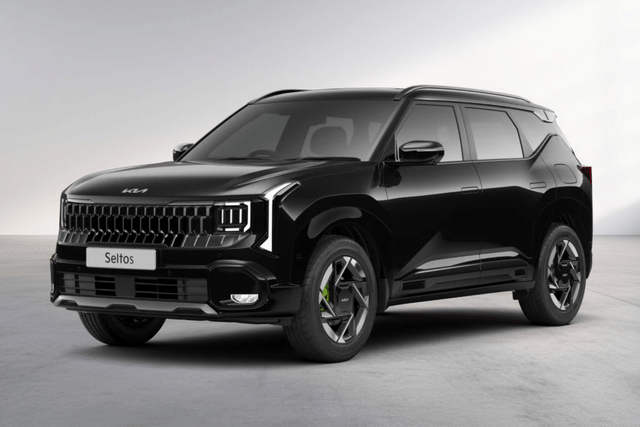
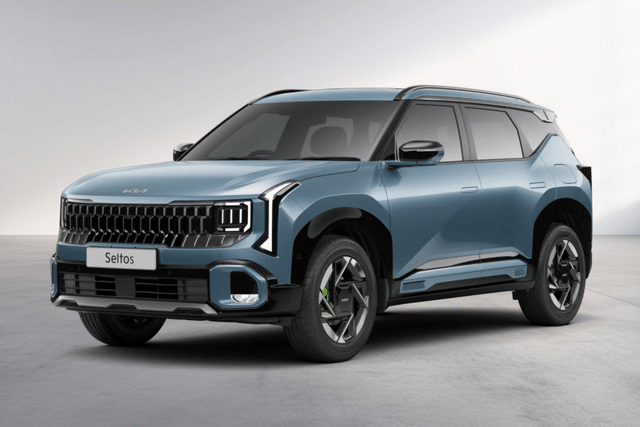
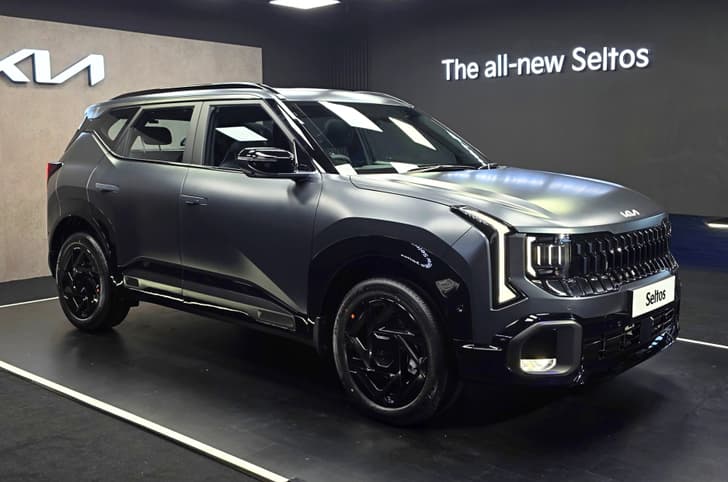
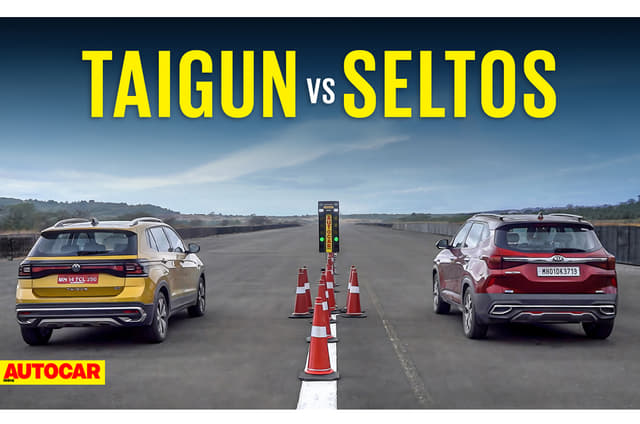
Kia Seltos vs Tata Sierra turbo-petrol SUVs drag race video


Last Updated on: 12 Oct 2026
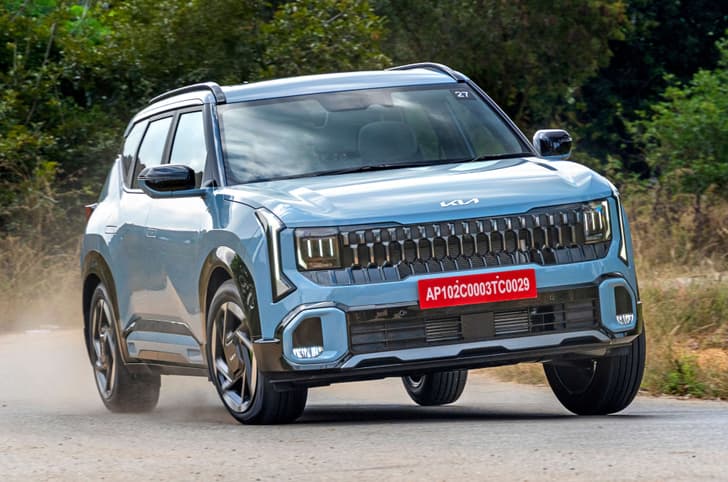
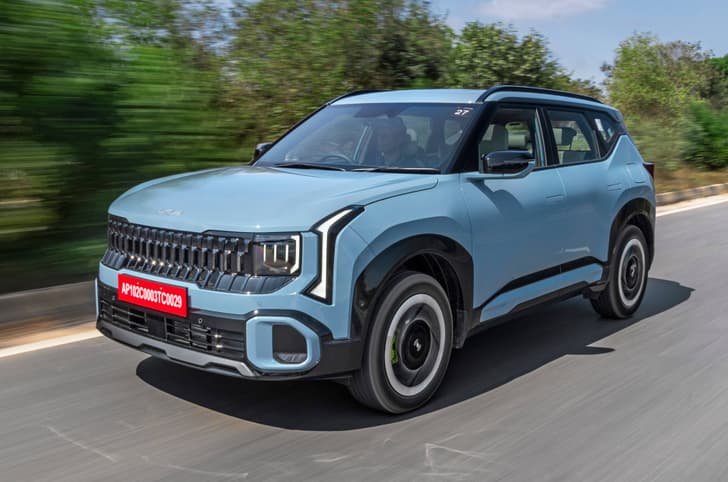
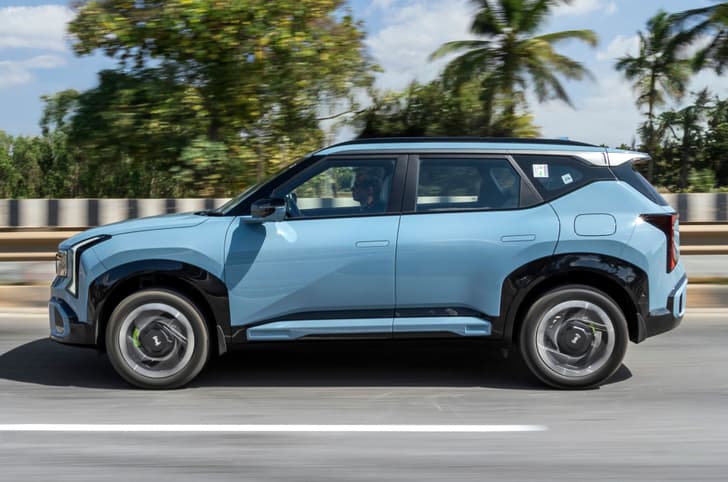
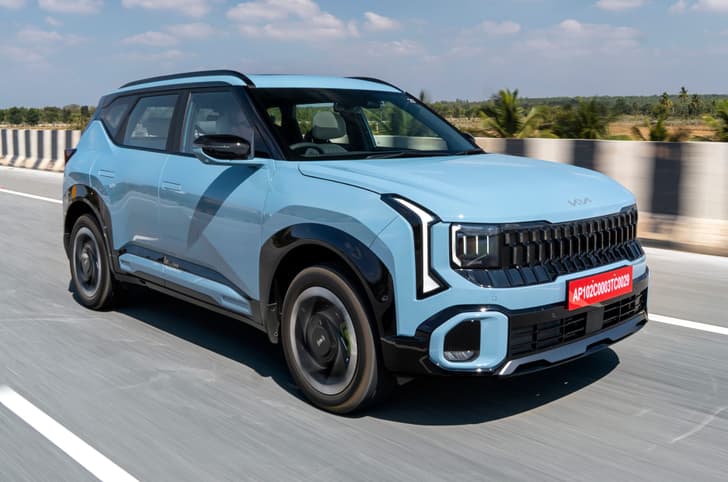
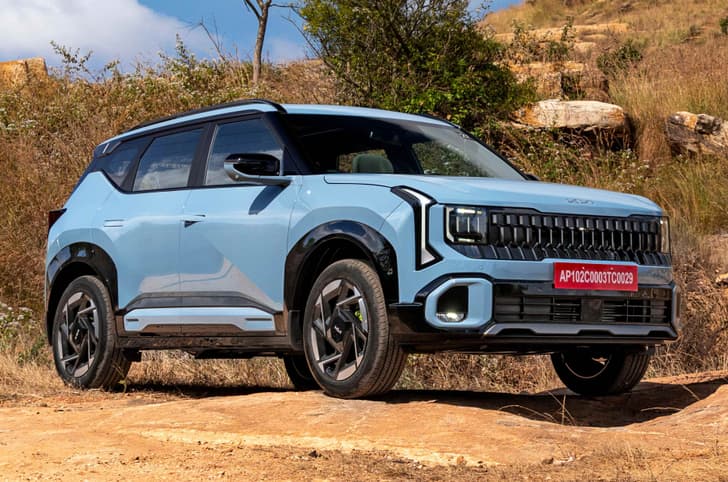
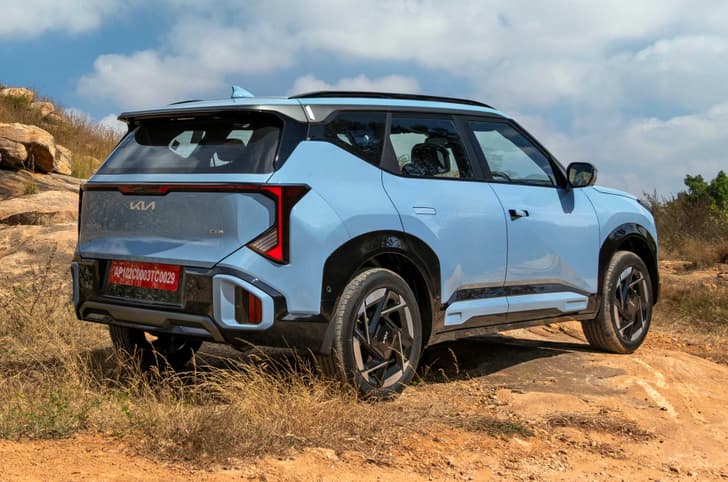
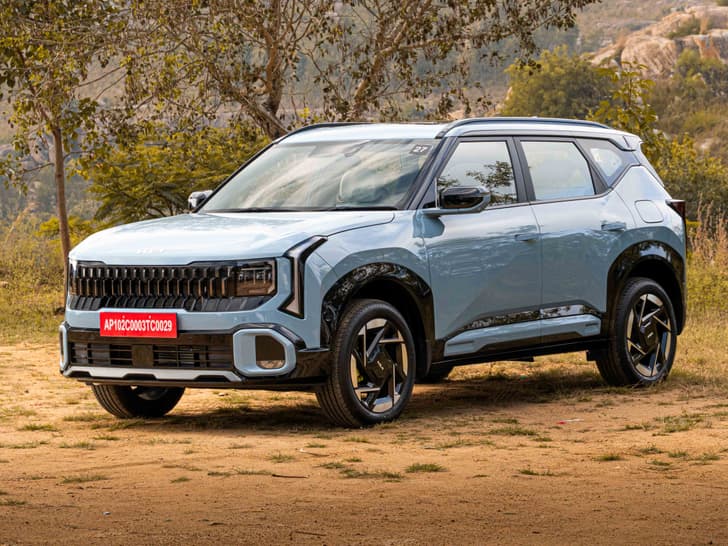
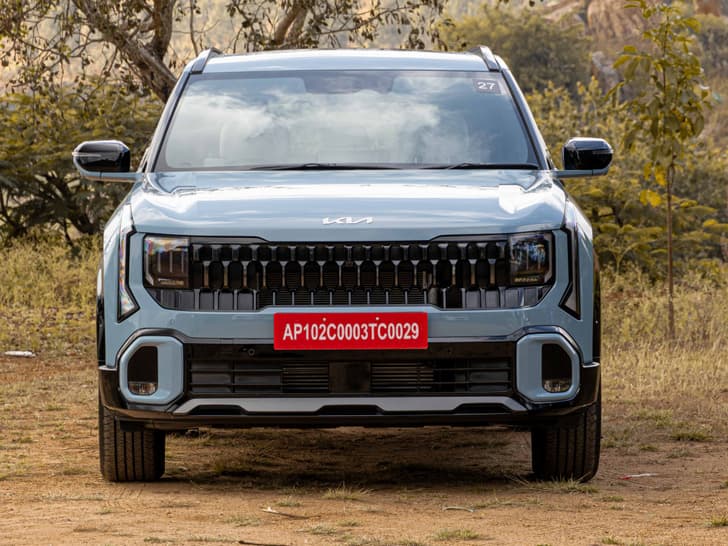
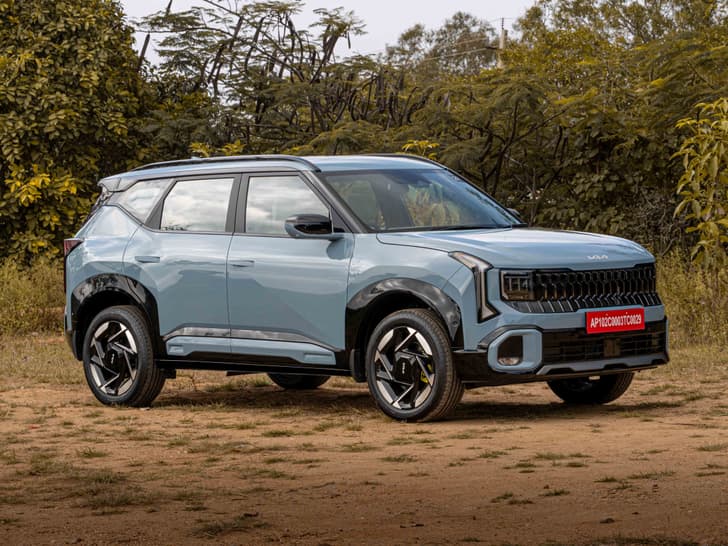
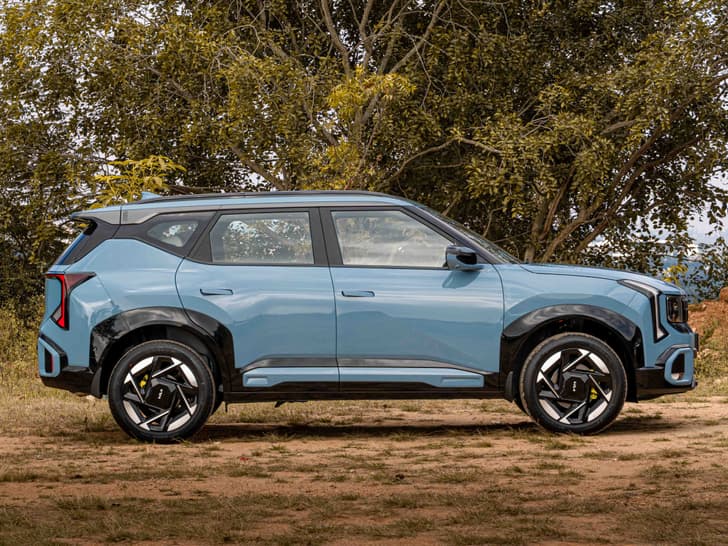
| PowertrainThe combination of engine type, fuel, and transmission that powers your vehicle and determines how it drives and what it runs on. | ARAI MileageMileage certified by the government, tested under controlled lab conditions. Real-world mileage will vary. | Autocar Tested MileageAutocar's experts test each vehicle on fixed city and highway routes under standardised conditions - single occupant, AC running, manufacturer-recommended tyre pressures. Tanks are filled to the brim before and after each run to calculate efficiency. Results reflect realistic real-world usage. |
|---|---|---|
Petrol-Manual 1497 cc | 16.5 kmpl | NA |
Diesel-Manual 1493 cc | 19.4 kmpl | 17.2 kmpl |
Petrol-Automatic (IMT) 1482 cc | 15.6 kmpl | NA |
Petrol-Automatic (CVT) 1497 cc | 16.5 kmpl | NA |
Diesel-Automatic (Torque Converter) 1493 cc | 17.8 kmpl | 15.35 kmpl |
Petrol-Automatic (DCT) 1482 cc | 17.5 kmpl | NA |
Kia Seltos Official Brochure
Download the complete brochure with specs, features, and variants.







Hello Experts, We are looking to replace our Suzuki Ciaz and are considering the new Seltos. Although mileage is not a major concern, could you please suggest whether going for the IVT would be a better option than the DCT? I have personally driven the IVT, and it does feel a bit underpowered for the weight of the new Seltos. Also, please suggest other cars that we should consider. We are upgrading from a sedan and are open to other options as well. Thank you.

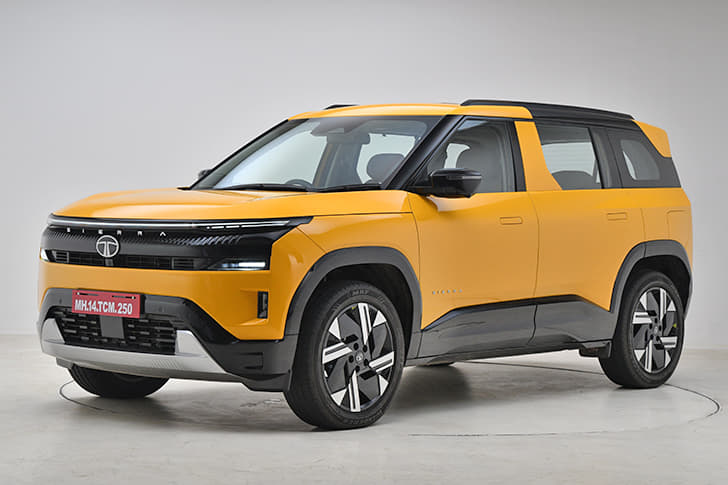
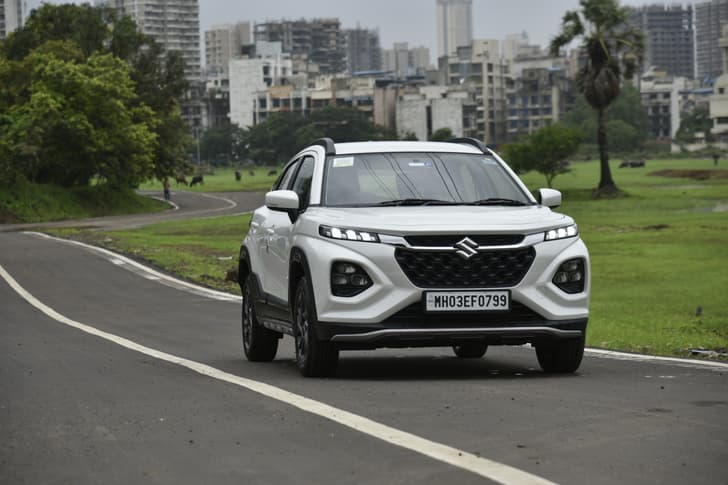
 Kia SeltosTata SierraHonda Elevate
I am looking for car suggestions around the Rs 20 lakh price bracket, but I am happy to increase my budget. I want a comfortable family car that is also fun to drive while offering good mileage. I had booked the Seltos Turbo DCT, but I am now worried about its mileage and future running costs if my running increases. My current running is around 1,000 km a month in the city, but with the car, I plan to do long-distance trips of around 600-700 km every three to four months. Should I consider an EV or wait for the Seltos Hybrid? I dropped the Hyryder from my list because I did not like its interior.
Kia SeltosI’m confused between the Kia Seltos HTK Optional 1.5 NA IVT and 1.5 Turbo DCT and would appreciate some advice based on my usage. I plan to keep the car for 5–8 years. For the first 1–2 years, it will be used in my Tier-3 city by my parents and me for daily driving. Later, I may move it to Pune for my daily commute. Overall, I expect around 80% city and 20% highway/outstation driving, including occasional Pune–Vadodara trips, Goa and weekend trips, holiday road trips, and situations where 4–5 people travel with luggage. For the NA IVT, I’d like to know whether the 1.5-litre naturally aspirated engine feels underpowered in the Seltos, particularly with 4–5 people and luggage, and how it performs during highway overtaking and quick acceleration. How useful are the paddle shifters and Sport mode in improving responsiveness? Also, when accelerating hard, how noticeable is the high-RPM engine noise or CVT drone, and does it become annoying during longer highway drives? For the Turbo DCT, I’d like to understand how it behaves in prolonged bumper-to-bumper or crawling traffic. Is clutch heat or wear, or low-speed jerkiness and hesitation, a genuine long-term concern over 5–8 years? What is the best way to drive the DCT in heavy traffic to minimise clutch wear? I’d also like to understand how significant the difference is in real-world city mileage and long-term maintenance costs between the two powertrains. Considering this usage pattern, which option would you recommend and why?
Kia SeltosI’m confused between the Kia Seltos HTK Optional 1.5 NA IVT and 1.5 Turbo DCT. I plan to keep the car for 5-8 years. For the first 1-2 years, it will stay in my Tier-3 city for my parents for their daily use. Later, I may take my car to Pune for my daily commute. Overall, I expect around 80% city and 20% highway/outstation driving with occasional Pune-Vadodara trips, Goa/weekend trips, holiday road trips, and sometimes 4-5 people with luggage. My main questions are for the NA IVT. Does the 1.5 NA feel underpowered in the Seltos, especially with 4-5 people and luggage? How good is it for highway overtaking and quick acceleration? How useful are the paddle shifters/Sport mode for improving responsiveness? When accelerating hard, how noticeable is the high-RPM engine noise/CVT drone, and does it become annoying on highways? For the Turbo DCT, how does it behave in prolonged bumper-to-bumper/crawling traffic? Is clutch heat/wear or low-speed jerkiness/hesitation a genuine long-term concern over 5-8 years? What is the best way to drive it in heavy traffic to minimize clutch wear? How significant are the differences in real-world city mileage and long-term maintenance cost? Considering this usage pattern, which transmission would you recommend and why? I’m particularly interested in the real-world ownership experience rather than just performance figures.
Kia SeltosI’ve been driving a Maruti Ritz Diesel for approximately 7 years and am looking for a proper upgrade. My running is around 750-1,000 km/month, with 75-80% highway driving, and typical long trips of 200-250 km one way. My budget is roughly Rs. 19-22 lakh (on-road) in Bangalore. I generally keep my cars for a long time, so long-term reliability and highway performance matter more to me than just features. I have shortlisted Kia Seltos 1.5 Turbo DCT that is around Rs. 20.6 lakh. This is probably the most fun of all the options. The turbo feels strong and the DCT is quick and smooth. My concern is long-term ownership because it is a dry-clutch DCT, and I’m wondering about DCT/turbo-petrol reliability over 5+ years. It is also around Rs. 1 lakh cheaper than the diesel. Another shortlisted car is Kia Seltos 1.5 Diesel AT for around Rs. 21.6 lakh. This feels like the natural upgrade from my Ritz Diesel. It generates 250 Nm torque, highway performance and potentially better mileage that are better for my usage. But my running is only 750-1,000 km/month, so I’m wondering whether the extra 1L and diesel-specific considerations, particularly DPF, are worth it when I don’t drive that much in the city. Would love to hear from long-term Seltos diesel owners. Another shortlisted car is Renault Duster 1.3 Turbo DCT Adventure that costs around Rs. 19 lakh. I’ve driven it multiple times and really like the way it feels. It feels more rugged and planted than the Seltos, with better suspension and less body movement at highway speeds. I can physically feel the difference in the heavier boot/doors and overall solidity. I know both cars are 5-star rated, so I’m not equating weight or feel with crash safety. The Duster has a wet-clutch DCT, unlike the Seltos dry clutch, which is another reason I’m considering it. The compromise is features and rear space as the Seltos has noticeably better knee/legroom. However, the Duster is still perfectly comfortable for my family’s height, so I can live with that. I have also shortlisted Kia Seltos 1.5 NA CVT/IVT that is priced around Rs. 19.65 lakh. I would select it for its simplicity. I know I’ll compromise significantly on torque as compared to the turbo and diesel, especially coming from a diesel Ritz, but a 4-cylinder NA petrol is a relatively straightforward option and potentially fewer powertrain-related headaches will be there compared to DPF and modern turbo/GDI systems. If I go this route, I may also wait for the Elevate facelift. Although the current Elevate’s poor thigh support is a major concern for me. My wife strongly prefers the Seltos, so realistically, my biggest dilemma is Seltos Turbo DCT vs Diesel AT. Duster is the wildcard because I personally like its ruggedness and driving character, while NA petrol is the fallback for its simplicity. I am looking for genuine 5-year ownership experience, highway performance, reliability, DCT/DPF experience, mileage and maintenance opinions rather than just brochure figures.
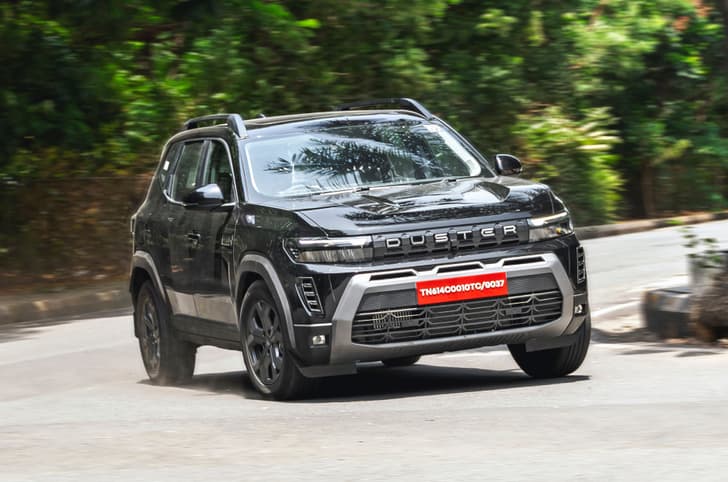
Kia SeltosRenault Duster