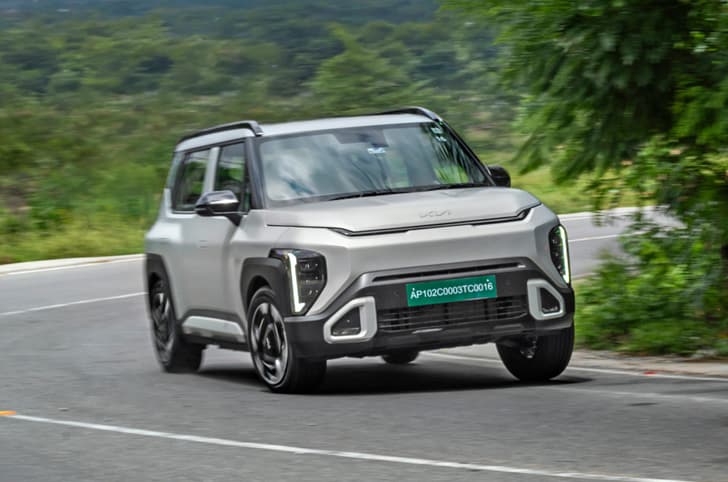
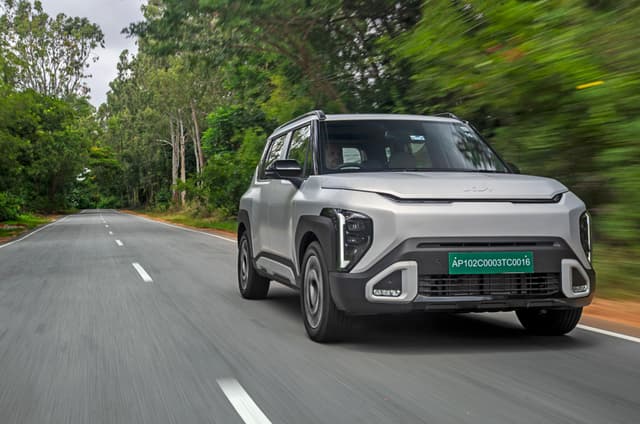
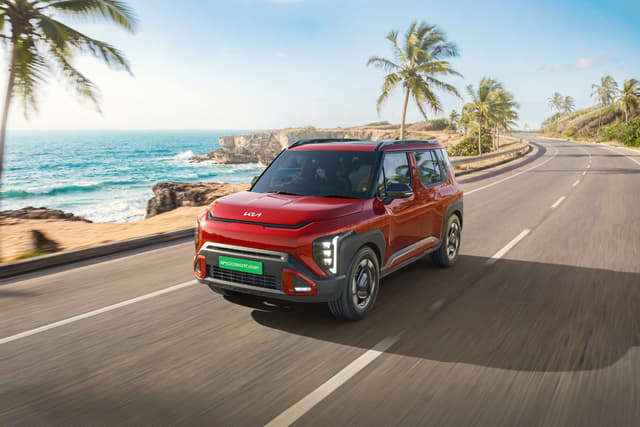
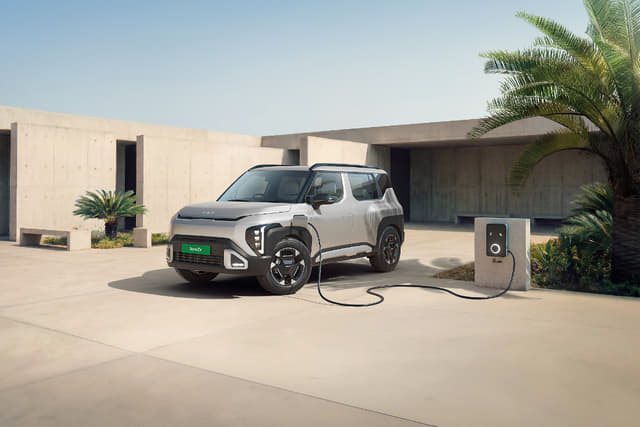
Kia Electric Cars in India (4)
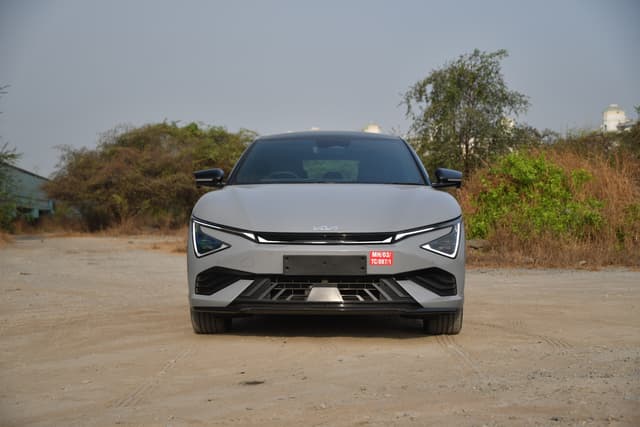
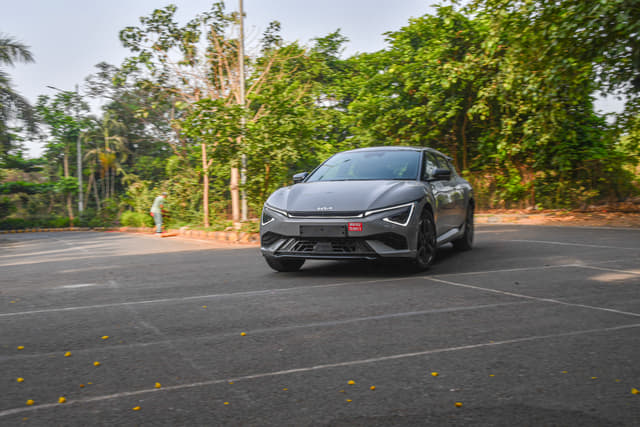
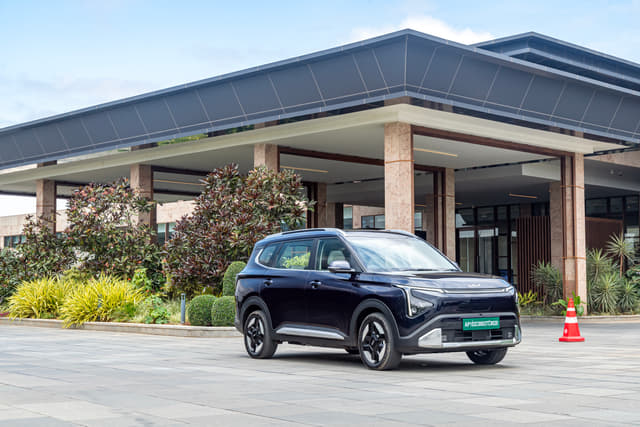
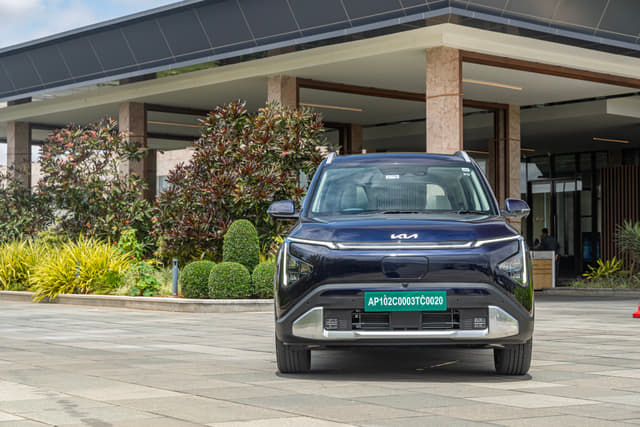
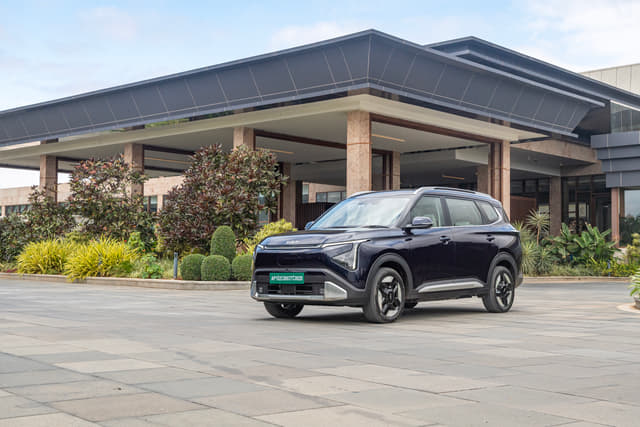
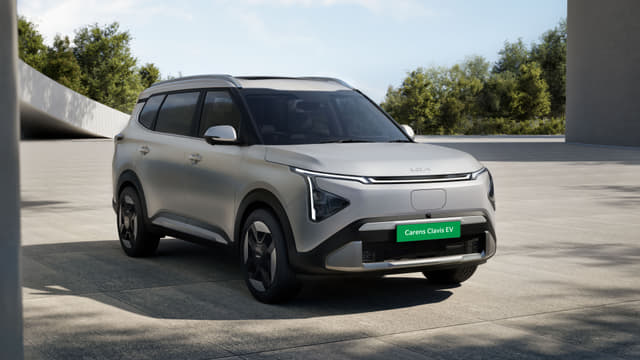
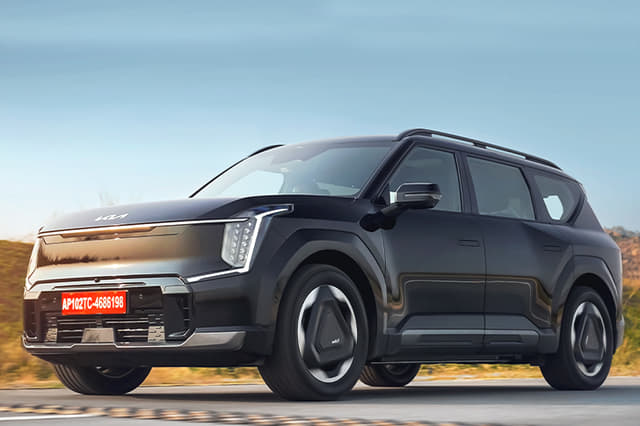
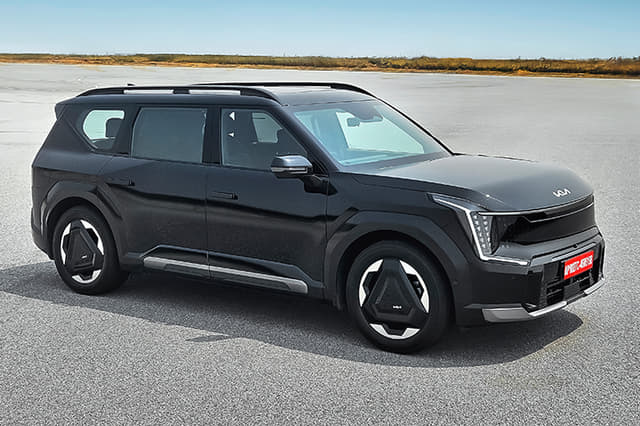
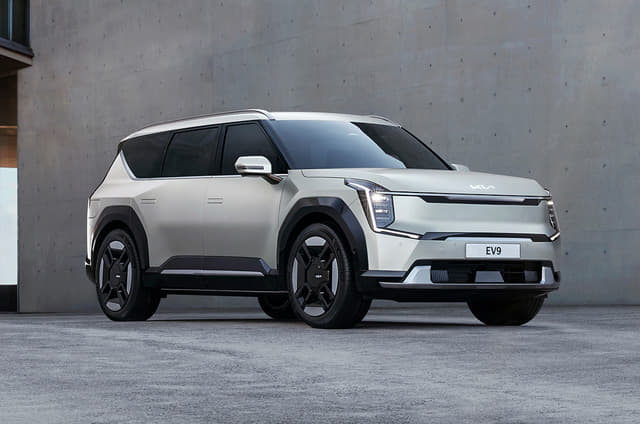
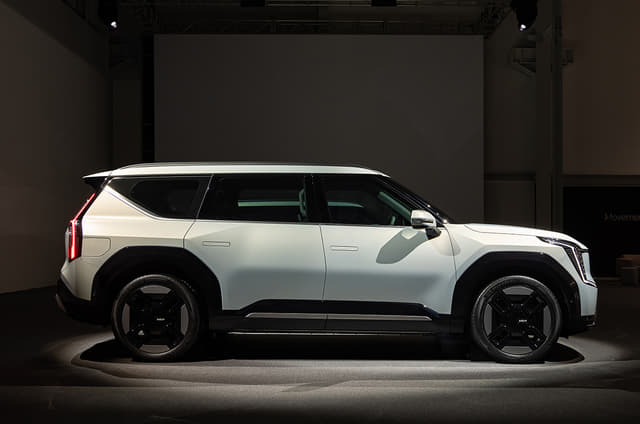
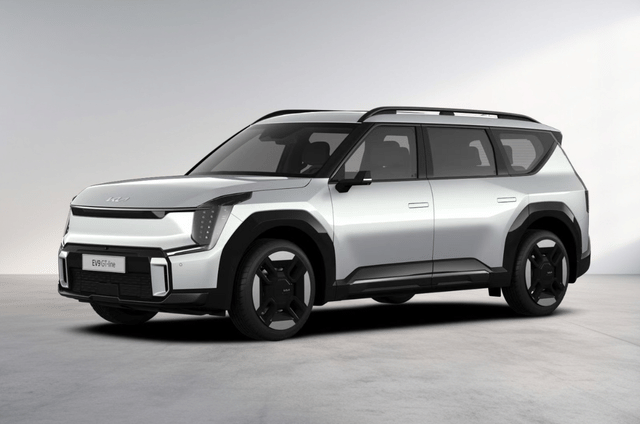
As of now, there are 4 Kia electric cars in India, out of which 3 are available for sale, and 1 is upcoming. The Kia electric car price starts from ₹17.99 lakh and goes up to ₹1.30 crore (ex-showroom). The most affordable electric car by Kia is the Carens Clavis EV, while the EV9 is the most expensive Kia electric car as of September 2026.
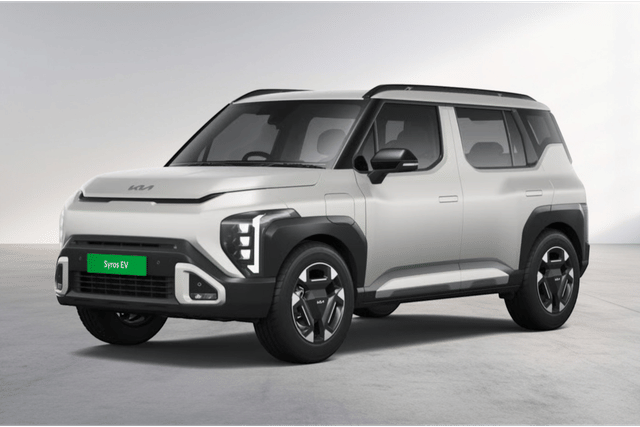
The current Kia cars electric lineup on sale includes the Carens Clavis EV, EV6, and EV9. Meanwhile, the Syros EV is going to be Kia new electric car and is expected to launch in India by early 2026.
Kia Electric Car Price List - September 2026
View the latest Kia electric car price in the table below:
Kia Electric Car | Price (Ex-showroom) |
Kia Carens Clavis EV | ₹17.99 lakh - ₹24.49 lakh |
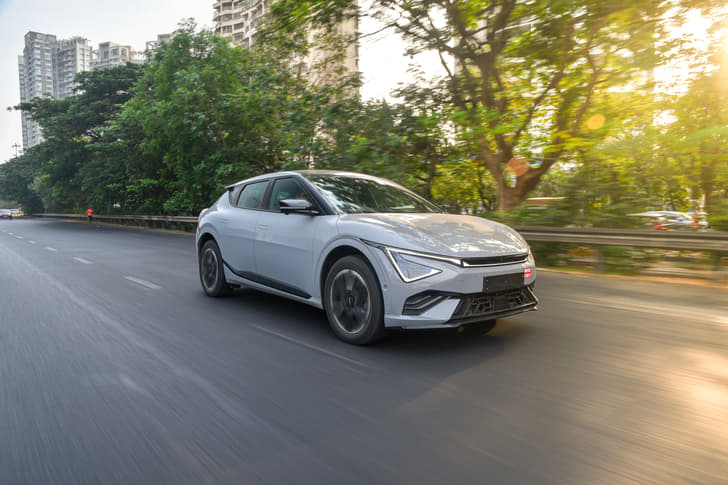
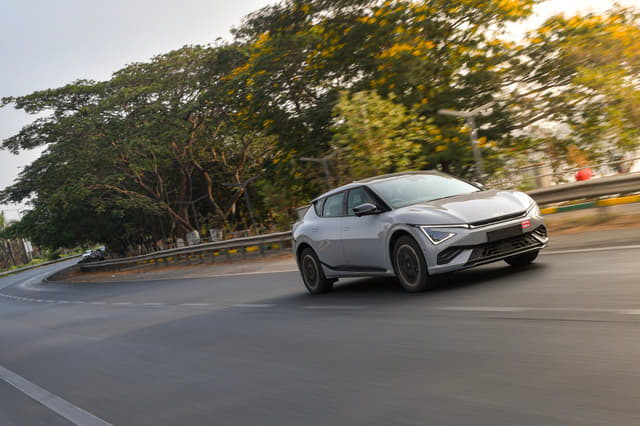
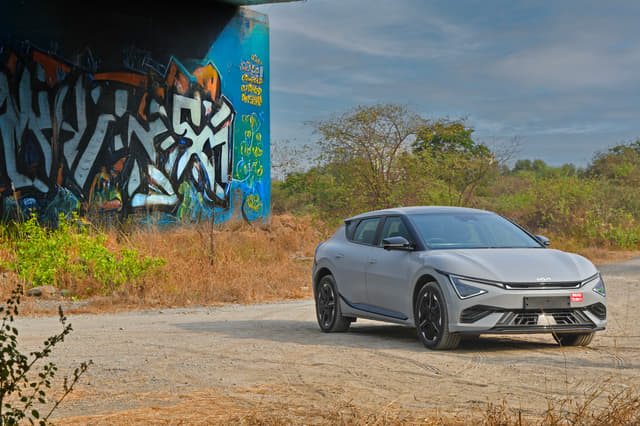
Kia EV6 | ₹65.97 lakh |
Kia EV9 | ₹1.30 crore |
Kia Syros EV (Upcoming) | ₹15.00 lakh - ₹18.00 lakh (Estimated) |


Kia Electric Cars - FAQs
As of now, there are 4 Kia electric cars in India, out of which 3 are on sale, and 1 is upcoming.
The Kia electric car price in India starts from ₹17.99 lakh and goes up to ₹1.30 crore (ex-showroom).
The Kia Carens Clavis EV is the most affordable electric car by Kia in India.
The Kia EV9 is the most expensive Kia electric car in India.
The Kia electric cars on sale in India include the Carens Clavis EV, EV6, and EV9.
The Kia Syros EV is the upcoming Kia electric car, expected to launch in India by early 2026.
Kia electric cars are available in major Indian cities, though availability may vary depending on the model and dealership network.
Yes, all Kia electric cars are offered with automatic transmissions as standard.
Trending Questions on Kia Cars - Answered by Autocar Experts
Hi, I have Rs. 20 lakh in hand and want to buy an EV. However, my height is a concern, as I am 6'1" tall, so I want a car that is comfortable for my height. I drive roughly 180 km per week and around 1,000 km every month on long road trips.
At 6ft 1in, the Sierra EV is worth considering first because the cabin is genuinely spacious and the driving position should comfortably accommodate a taller driver. It also gives you the SUV stance and substantial cabin that you are looking for, while the large boot makes it better suited to your regular long trips.Your running also makes an EV a sensible choice. Around 180km a week is easily covered through home charging, while the longer 1,000km trips will require some planning around fast charging. The Sierra EV's ride is another advantage for your usage, particularly if those long journeys include uneven roads.The Kia Carens Clavis EV is the other car worth considering. It offers a very spacious cabin and greater seating flexibility, so it makes more sense if carrying family members regularly is important. For a primarily five-seat requirement, however, the Sierra's SUV packaging is likely to appeal more.
Hi, I am looking to buy either Syros EV or a hybrid car. My usage is around 65 km run in heavy traffic zone between Delhi and Gurgaon almost 3 times a week on weekdays and local city driving on weekends. Once in 4-5 months, I plan intercity trips. Please tell whether Syros EV or Maruti Grand Vitara makes sense. I do have an independent house so I can set up home charging. However, I am also concerned on what should be done if EV breaks down considering current facilities and how quick is the road side assistance for EV. Finally, I want to go ahead with company leasing due to which I will be the second owner and have to buyback after 3 years. Please suggest.
Go for the Kia Syros EV. With your usage pattern of 65 km runs in heavy traffic three times a week, plus local city driving on weekends, the Syros EV makes far more sense than the Maruti Grand Vitara Hybrid. You have a predictable, high-frequency commute and the ability to install a home charger, which is exactly the scenario where an EV delivers maximum benefit. The Syros EV is a well-rounded package with a comfortable ride, spacious cabin and a premium feel, and it will handle your daily runs effortlessly while keeping running costs low.On the question of breakdowns and roadside assistance, Kia offers a robust support network and dedicated EV roadside assistance. In the event of a breakdown, the response time is generally comparable to that of an ICE car, and Kia can arrange for the car to be towed to the nearest service centre if required. The Syros EV also comes with an 8-year battery warranty, which covers the most expensive component of the car and provides peace of mind over the ownership period.The company lease arrangement with a buyback after three years further strengthens the case for the Syros EV. You are not exposed to long-term depreciation risk, and you get the benefit of lower running costs and a modern EV ownership experience without worrying about long-term battery degradation.
Hi Autocar Team, I'm looking for some guidance on whether I've made the right decision or whether I should reconsider before delivery. My current car is Toyota Etios Liva V Petrol, which has been extremely reliable but now it delivers only around 10-12 kpl for my usage. This results in high running costs. My monthly driving is approximately 1,200-1,500 km that consists of daily commute and occasional highway trips. My initial plan was to keep costs under control and I had booked the Tata Punch EV Empowered+ 40 kWh, largely to restrict my budget to around Rs. 15 lakh on-road. However, while researching alternatives up to approximately Rs. 20 lakh ex-showroom in Kerala, I ended up booking the Kia Syros EV X-Line. The Syros EV appeals to me because of significantly better rear-seat space and cabin width as compared to my Etios Liva, more premium interior and features, better long-term family comfort, larger battery and range as well as better overall sense of upgrade from my current car. However, I'm still feeling anxious about whether I'm overspending. The jump in EMI from the Punch EV to the Syros EV is substantial and will have a noticeable impact on my monthly finances. While I can manage it, I want to be sure that the additional expenditure is genuinely justified and not merely an emotional decision. Based on my monthly running of 1,200-1,500 km, could you please advise if the Syros EV worth the additional cost over the Punch EV 40 kWh? From a value-for-money perspective, would you proceed with the Syros EV or step back to the Punch EV? Are there any other EVs under Rs. 20 lakh ex-showroom that I should seriously consider instead? I am not interested in the MG Windsor EV due to its styling, so alternatives apart from the Windsor would be appreciated. If you were in my position and were planning to keep the vehicle for 8-10 years, which option would you choose and why? Looking forward to your expert opinion.
You have made a sensible shortlist and your thinking is on the right track. The key question here is whether the Syros EV's higher cost is justified by your usage and priorities. At 1,200-1,500 km a month, an EV makes strong financial sense, but the Punch EV 40 kWh already delivers a very low running cost and a usable real-world range. The Syros EV's larger battery and longer range are nice to have, but the real justification for the extra spend is the significantly larger cabin, wider rear seat and more premium interior, which will make a meaningful difference to family comfort over an 8-10 year ownership period.If your primary concern is value for money and keeping EMIs under control, the Punch EV 40 kWh is the more rational choice. It will do the job well and keep your running costs low. However, if you are looking for a genuine upgrade from the Etios Liva and want a car that will feel comfortable and premium for the long term, the Syros EV is worth the extra spend. It is not just an emotional decision - the additional space and comfort will matter over time.Given your usage and ownership horizon, we would lean towards the Syros EV X-Line. It strikes a better balance between running cost savings and long-term comfort, and it feels like a proper step up from your current car. If you are not comfortable with the EMI jump, the Punch EV remains a very good alternative, but the Syros EV is the more complete upgrade.
My monthly running is 3000km that translates to 40000 kilometers annually with most round trip of around 400-500 km thrice a month on highway. I own a petrol car and its mileage is close to 14 kpl. Should I opt for EV under 20 lakh budget or should I look for diesel or strong hybrid?In hybrid, we will not have a better boot space since we always use it to carry stuff.
With 40,000 km a year and frequent 400-500 km highway trips, a diesel SUV is the most sensible choice. At that kind of running, fuel efficiency and ease of long-distance travel become the top priorities. Diesel engines are still the most cost-effective option for high-mileage highway use, and you will recover the higher purchase price very quickly. An EV under Rs 20 lakh is not the right solution for your usage pattern. While EVs are excellent for city driving and predictable daily commutes, your frequent long highway runs would require careful charging planning and add unnecessary complexity to your ownership experience. Strong hybrids are a good middle ground, but as you rightly pointed out, many hybrid SUVs compromise boot space due to battery packaging, which is a problem if you regularly carry a lot of luggage. A diesel SUV like the Mahindra XUV 7XO or if you want something smaller then the Kia Seltos is the most practical and cost-effective solution for your usage.
Hello guys, I’m a 30 year old working professional and am looking to buy an EV mainly for city commute and occasional highway driving (20%). I appreciate build and ride quality, refinement and reliability. The EVs that I’m mainly looking at are the Ioniq 5, Kia EV6, BYD Sealion 7 and BMW iX1. Which do you think will be the right fit for my use case? I’m actually leaning towards the Korean cars and am not willing to spend for the iX1 just for its badge value. Thank you for the answer in advance. You guys are a great source of reliable and measured Automative content in this country. Really appreciate it!
The Kia EV6 is the most driver-focused option from the list with a sportier character and sharper handling, but it comes at a premium which might not make it justify the stretch. However, Kia dealers are offering significant discounts which could bring its price at par with the others, and only then is it a compelling buy.After its recent update, the new Hyundai Ioniq 5 no longer feels value for money, but it remains a comfortable, feature-loaded and practical option, now with more range and better DC fast charging capability. Hyundai’s service network and ownership experience are also strong, which matters for long-term peace of mind.The BYD Sealion 7 feels like a flagship offering, with a luxurious interior and a laundry list of features. Surprisingly, the two-wheel drive version is the most value-for-money option here, which makes it very compelling. However, it doesn't drive as well as the BMW, nor is its after-sales support as widespread as the others. The BMW iX1 is a fundamentally sorted car, and is relatively more compact for city usage. Its ride-handling balance are excellent and it also comes with the snob value of the BMW badge. As a 30-year old, the iX1 will speak of your success and achievements like no other. But it lacks several features, hence it might not seem value for money.In summary, get the Kia EV6 for the best drive experience provided you get a substantial discount that brings its price close to others. But if you're looking for the best bang for your buck, opt for the rear-wheel drive BYD Sealion 7.
Last Updated on: 26 Sept 2026