Last Updated on: 20 Jul 2026
Renault Duster key specifications
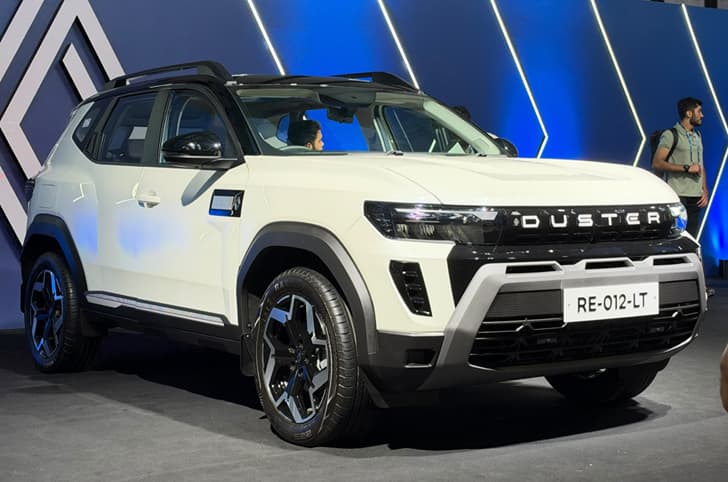
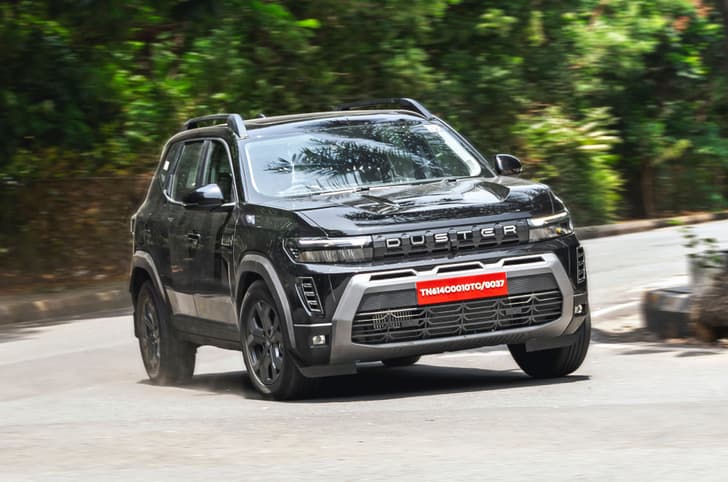
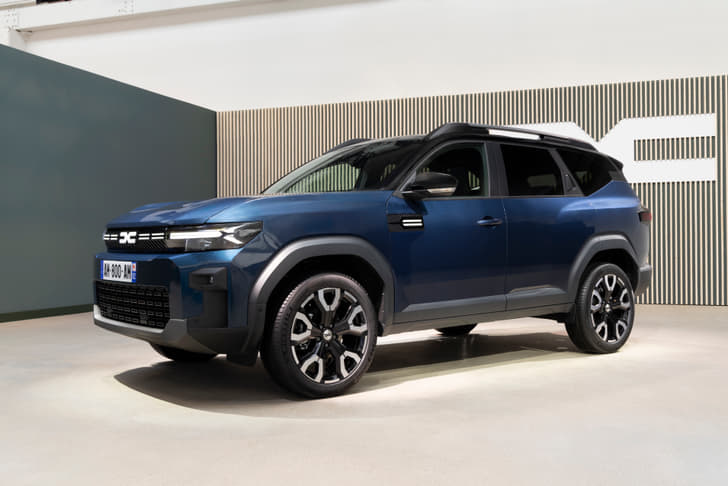
The Renault Duster specifications include a 1.3-litre turbo-petrol engine producing 163hp and 280Nm. The Renault Duster petrol specifications for lower variants will include a 1.0-litre turbocharged engine with 100hp and 160Nm. A 6-speed manual gearbox is common in both, but the 1.3-litre engine also gets a 6-speed DCT option. The Renault Duster hybrid specification sees a 109hp 1.8-litre four-cylinder petrol engine with a 49hp electric motor and a 20hp hybrid starter generator.
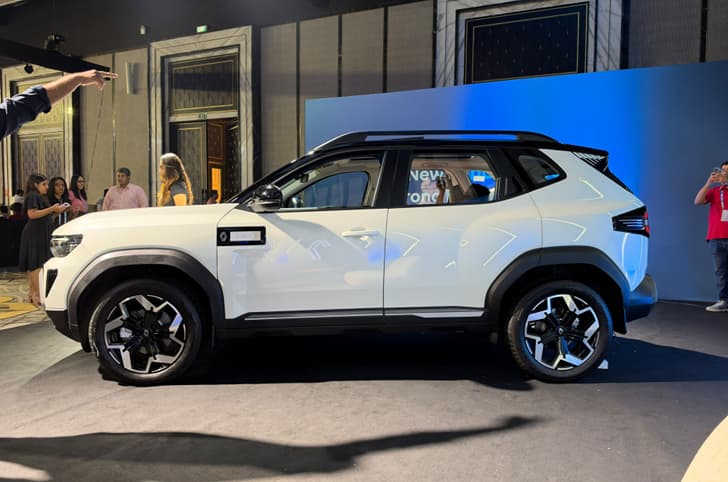
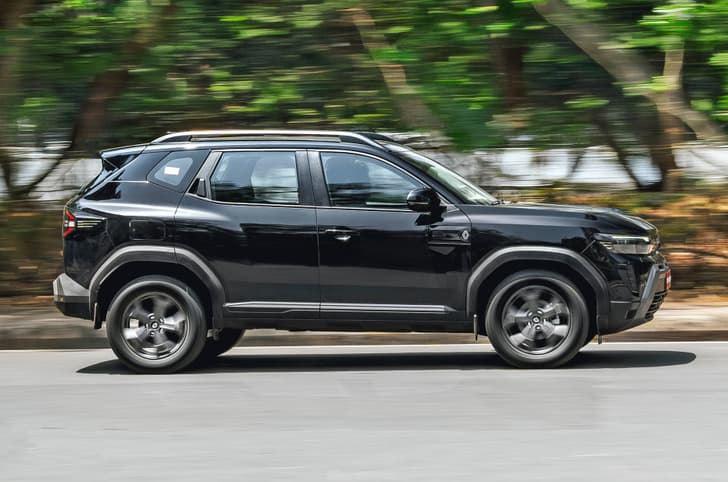
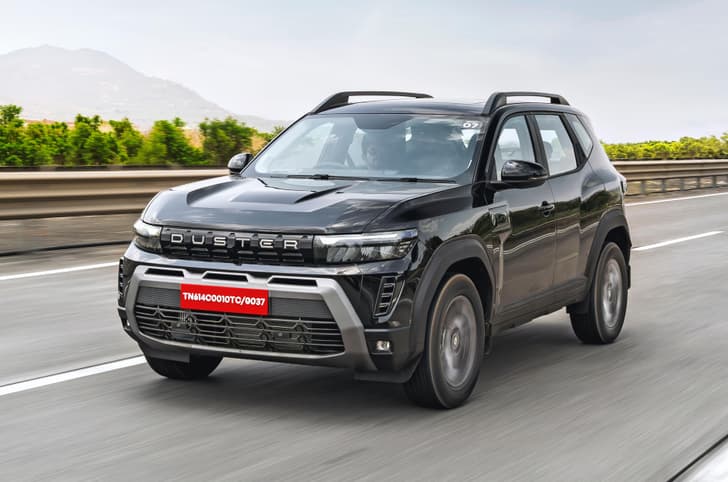
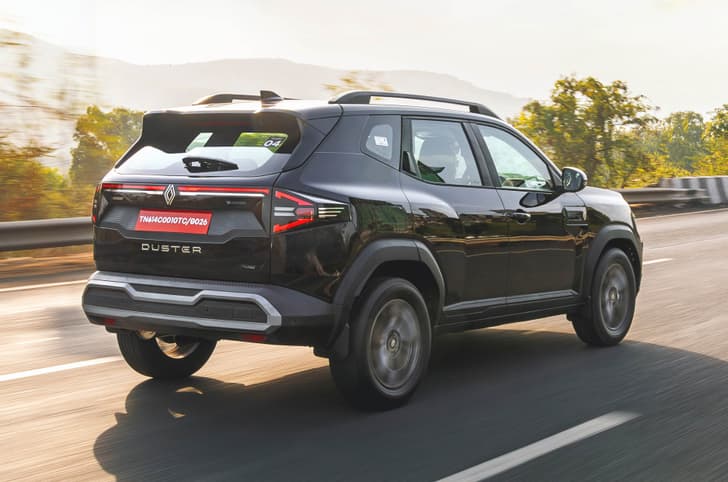
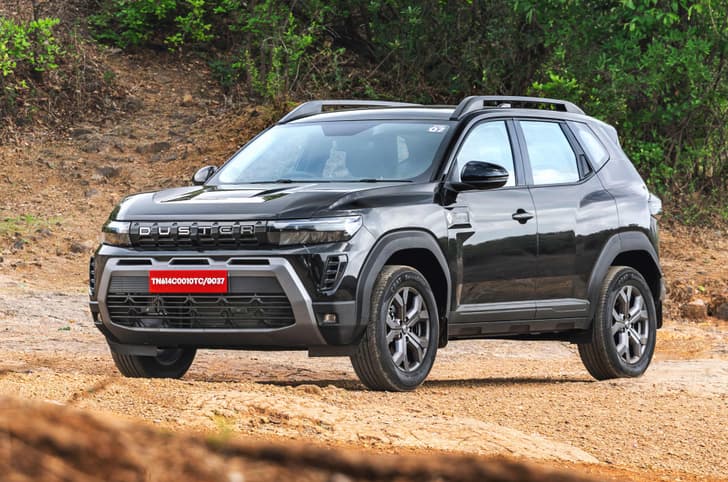
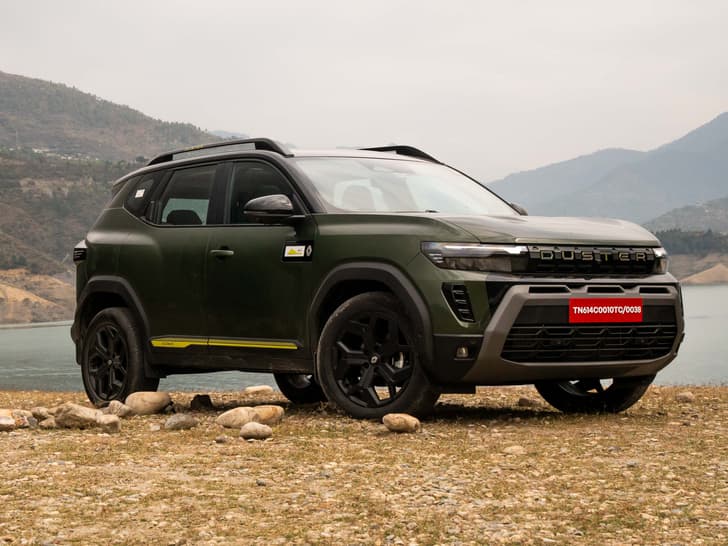
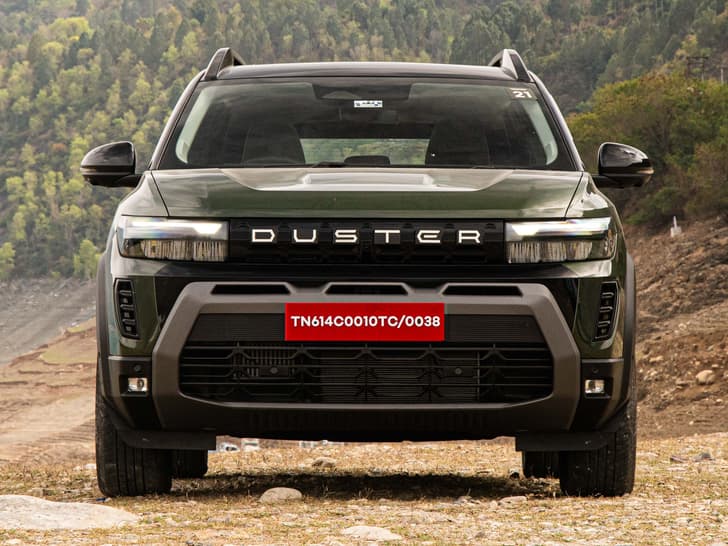
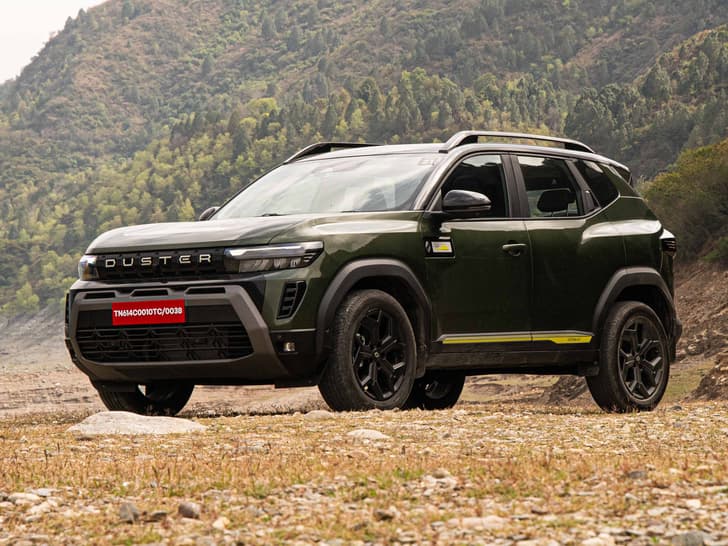
New Renault Duster dimensions are 4,343mm x 1,815mm x 1,659mm (length x width x height). Renault Duster ground clearance is 212mm. Renault Duster seating capacity is 5 passengers (including the driver).
Here are the wheel sizes of all the Renault Duster variants:
- Authentic: 225/60 R17 steel wheels with caps
- Evolution: 225/60 R17 alloy wheels
- Techno: 225/60 R17 alloy wheels
- Techno+: 225/55 R18 diamond-cut alloy wheels
- Iconic: 225/55 R18 diamond-cut alloy wheels
- Iconic Launch Edition: 225/55 R18 black alloy wheels
Mileage 17.75 kmpl - 19.41 kmpl | Engine 999 cc - 1789 cc |
Fuel Type Petrol, Petrol-Electric Hybrid | Transmission Manual, DCT, Auto |
Body Style SUV | Seats 5 |
Renault Duster specifications
New Renault Duster dimensions are 4,343mm x 1,815mm x 1,659mm (length x width x height). Renault Duster ground clearance is 212mm. Renault Duster seating capacity is 5 passengers (including the driver).
Engine & Transmission
Number of Cylinders | 4 |
Fuel Type/ Propulsion | Petrol |
Engine Displacement | 1333 cc |
Engine Installation | Front |
Engine Type | Turbocharged |
Max Engine Torque | 280 Nm at 2000 - 3505 rpm |
Max Engine Power | 163 hp at 5250 rpm |
Paddle Shifters for Automatic Gearbox | Yes |
Gearbox Type | DCT |
Number of Gears | 6 |
Drive Layout | Front Wheel Drive |
Manual Shifts via Gear Lever on Automatic Gearbox | No |
Fuel & Performance
Official Fuel Economy | 18.45 kmpl |
Fuel Tank Capacity | 50 litres |
Fuel Supply System | Direct Injection |
Emission Standard | Bharat Stage VI |
E20 Compatibility | Yes |
Drive Mode Types | Multiple |
Autocar Tested Mileage | 9.97 kmpl |
Highway Fuel Economy as Tested | 13.47 kmpl kmpl |
City Fuel Economy as Tested | 7.47 kmpl kmpl |
20-80kph (in third gear/ kickdown) | 6.07 s |
0-100kph | 11.33 s |
40-100kph (in fourth gear/ kickdown) | 7.6 s |
Suspension & Steering
Rear Brakes | Disc |
Front Brakes | Disc |
4 Wheel Steer | No |
Type of Power Assist | Electric |
Steering Adjust type | Manual |
Steering Adjust | Tilt and Telescopic |
Rear Suspension Type | Twist Beam |
Ride Height Adjust | No |
Rear Springs | Coil Springs |
Damper Control | No |
Front Springs | Coil Springs |
Front Suspension Type | MacPherson Strut |
Rear Tyre Size | 225/55 R18 |
Spare Wheel | No |
Wheel Size | 18 inches |
Wheels | Machine finished alloys |
Front Tyre Size | 225/55 R18 |
Dimensions
Width | 1815 mm |
Height | 1701 mm |
Ground Clearance | 212 mm |
Length | 4346 mm |
Doors | 5 |
Wheelbase | 2657 mm |
Chassis Type | Monocoque |
Boot Capacity | None litres |
Renault Duster features
Comfort
| Headlight and Ignition on Reminder | |
| Power Windows | Front and Rear |
| Bottle Holder in Doors | |
| Climate Control | 2-zone |
| Comfort Headrest | |
| Launch Control |
Safety
| Video Recording | |
| Rear Seatbelt Reminder | With Load Sensor |
| Rear Washer/Wiper | |
| Automatic Wipers | |
| Adaptive Cruise Control | |
| Boot Open Warning |
Exterior
| Stop Lamp | |
| Daytime Running Lights | LED |
| LED taillights | |
| LED headlamps | |
| Antenna | Shark Fin |
| Headlight Height Adjuster |
Interior
| Instantaneous Consumption | |
| Distance to Empty | |
| Trip Meter | |
| Tachometer | Digital |
| Low Fuel Level Warning | |
| Gear Indicator |
Entertainment
| Audio System | |
| AUX Input | |
| Speakers | 6 |
| Rear Seat Infotainment Controls | |
| Bluetooth Audio Streaming | |
| Bluetooth Telephone Function |
Connected Car Features
| Find My Car | |
| Emergency Call Button | |
| Phone App | |
| Vehicle Tracking Via App | |
| Over the air (OTA) updates | |
| In Car Payment |
Renault Duster variants comparison
Specifications of Renault Duster alternatives


Questions you may find useful
I am planning to upgrade from my current Suzuki Baleno top-spec Alpha variant. I am looking for higher ground clearance, ventilated seats, a 360-degree camera, and a smoother transmission (unlike my current AMT). I am considering the Duster, Seltos, Victoris, and Creta. My annual driving is mostly in the city and under 10,000 km. Kindly suggest the best option.
You are looking for higher ground clearance, smoother automatic, cooled seats and a more premium experience, and the Seltos delivers on all of these. The IVT gearbox is very smooth in city traffic, a clear step up from your current AMT, and the naturally aspirated petrol is refined and easy to drive for your low, city-heavy running. Being a newer generation car, it also feels more premium inside and out, offers better space and has a well-sorted ride that suits both city and occasional highway use.The Duster is a strong alternative if you prioritise driving feel. The turbo petrol with DCT is more engaging, but in daily city use it will not feel as smooth as the Seltos IVT, and fuel efficiency will also be lower. The Grand Vitara is efficient and easy to drive, but it does not feel as premium and the engine and gearbox combination is not as strong or responsive as the Seltos. It is also not as spacious. The Creta shares a similar powertrain, but being the older car, it does not feel as fresh or as premium inside, is slightly less spacious and costs similar money, which makes the Seltos the better pick.
I am considering the Skoda Kushaq 1.5 DSG, Renault Duster 1.3 DCT, and Honda Elevate. My usage is mostly city (70:30). I am unsure about DSG and DCT reliability, rear seat comfort, and long-term maintenance. I enjoy driving and prefer a driver-oriented car with a good music system. Please advise.
From your shortlist, there isn’t one SUV that perfectly ticks every box. If driving enjoyment is a priority, the Skoda Kushaq 1.5 TSI stands out. Its quick-shifting DSG, strong mid-range performance and sharp, agile handling make it the most engaging and driver-focused of the three. It also offers one of the best audio setups in the segment, with an 8-speaker system, subwoofer and amplifier delivering rich and punchy sound.On the reliability front, the 7-speed DSG has improved over time, but it’s still not as inherently robust or smooth in stop-and-go city use as Honda’s CVT. The Elevate, in contrast, is the easiest-going and fuss-free option here. It offers significantly better rear-seat space and comfort, along with Honda’s strong reputation for long-term reliability. However, it’s not particularly exciting to drive.The Renault Duster 1.3 DCT sits somewhere in between. Its turbo-petrol engine is strong and refined, but the car itself isn’t as sharp or driver-oriented as the Kushaq. Rear-seat space is also not its strong suit, and overall, it doesn’t quite stand out in any one area.So broadly, Kushaq for driving fun and audio, Elevate for space and peace of mind, and Duster as a middle-ground option.
I am planning to buy a new SUV within a budget of ₹15-20 lakh (on-road) and would appreciate your expert recommendation. My key requirements are: Automatic transmission (due to heavy city driving) Strong performance (top priority) Good ground clearance and suspension for rough roads Solid build quality and high-speed stability Comfortable for both daily city use and occasional long drives I am not specifically looking for a 4x4 but want a car that can confidently handle most road conditions. I really like the new Renault Duster, but am also considering the Skoda Kushaq, Kia Seltos, and the new Hyundai Creta. I am open to better suggestions as well. Which would be the best overall choice considering performance, driving experience, and long-term ownership?
Given your requirements, the Skoda Kushaq 1.5 TSI seems like the best bet. It has the strongest real-world performance with an automatic in this price range, the 1.5 turbo engine feels quick the moment you press the accelerator, and the DSG is engaging and quick to shift. The Kushaq rides over broken roads without fuss, has good ground clearance, and stays stable at higher speeds, so both your city runs and long trips feel easy. Build quality is solid, and it has a 5-star crash test rating, which should add some peace of mind. However, Skoda only offers the 1.5 TSI powertrain in the top Prestige and Monte Carlo variants, which fall outside of your budget.You might want to consider the Renault Duster, as the brand offers the more powerful 160hp 1.3-litre turbo-petrol engine from the lower variants upwards. It's every bit a match for the Kushaq in most areas, and in fact, the ride quality is a bit better, and the boot space is massive, which should come in handy on your long drives. Its performance (and its DCT gearbox) err more on the smooth side, and aren't quite as engaging as Skoda's 1.5 TSI and DSG. If you can't stretch your budget for the Skoda, the Duster is a good bet.
I am planning to buy a new car with a budget of ₹15-17 lakh for a small family in Mumbai. My usage will primarily be city driving (around 400 km per month), along with two long trips of approximately 1,600 km each annually. I have shortlisted the Skoda Kylaq automatic (open to value-for-money variant suggestions), but I have concerns regarding its reported AC performance, especially considering Mumbai’s climate. I am also evaluating the Renault Duster 1.3 Turbo automatic, as I can stretch my budget up to ₹17 lakh. From what I understand, the real-world mileage of both cars is likely to be similar. My key priorities are: Fun-to-drive performance Safety Reliability Peace of mind (low-hassle ownership) Given these factors, which of these would be the more sensible and value-for-money choice?
Go for the Skoda Kylaq automatic. For your usage and priorities, it is the more sensible and value-for-money choice. It feels modern, is easy to drive in the city and still delivers a fun-to-drive character with strong mid-range performance for your occasional highway trips. It also feels stable and confidence-inspiring at speed, and the automatic gearbox is smooth and well-suited to Mumbai traffic, which adds to overall ease of ownership.On your AC concern, earlier feedback on some Skoda models was mixed, but this has been addressed with updates to the AC system, including a more efficient compressor and improved airflow. The Kylaq benefits from these improvements, so cooling performance should not be a concern, though it is still worth checking in a proper midday test given Mumbai’s conditions.The Renault Duster 1.3 turbo automatic is now a new-generation product and remains the more engaging car to drive, with stronger outright performance and a very capable ride over rough roads. However, compared to the Kylaq, it is larger and not as easy to drive or park in the city. The Kylaq is also more affordable, which means you can opt for a higher variant with more features within your budget.
My family currently owns a 2012 Maruti Suzuki Alto K10 VXI, which is nearing 15 years of use. We are planning to upgrade and were initially considering the Honda Elevate for its reliability and lower dependence on electronics. However, the launch of the new Renault Duster has created some confusion. Our usage is about 90% city driving, with a 200 km highway trip once a month. Our budget is around ₹15–17 lakh. Fuel efficiency is important but not the top priority—our main focus is on comfort, performance, and fewer electronic components. Given these requirements, should we choose the Renault Duster or stick with the Honda Elevate?
Go for the Honda Elevate V CVT - for your city-heavy use and your wish for fewer gadgets, it is the safer, easier long-term choice. Moving up from your Alto K10, the Elevate will feel like a big step up in seat height, cabin space and ride comfort, and the CVT automatic - which changes gears on its own - is smooth and stress-free in slow traffic. Honda keeps the features simple on the V trim; the basics are solid, and the brand’s track record for reliability and fuss-free service fits your “less electronics” brief well. For 90% city and one 200 km trip a month, the 1.5 petrol is calm and easy to drive; it is not a rocket, but it pulls cleanly and feels predictable, which matters more in daily use.One thing to be aware of: when you press hard for an overtake, the engine gets a bit loud, and the shove is only average. Also, the ride is comfortable but not as soft as the best in this price range over sharp bumps.Pick the new Renault Duster only if you want a stronger mid-range punch and the best bad-road ride. It should be the nicer long-distance car, but it's not as good a city car as the Elevate. Also, Renault's after-sales network is nowhere near as good as Honda's