

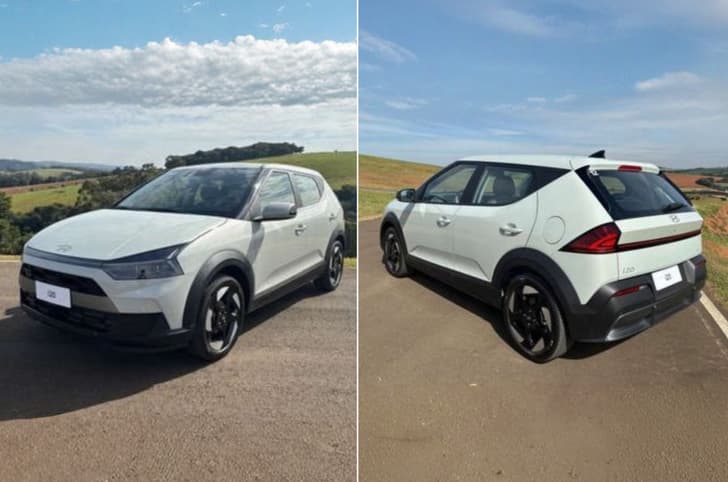
The fourth-generation Hyundai i20 has been leaked in full ahead of its official debut at the 2026 FIFA World Cup, where Hyundai is an official partner. The new-generation hatchback adopts a crossover-esque look with an all-new design and features a cabin with dual connected screens. However, no official technical specifications are available as yet.
- New i20 gets connected LED light bands at both the front and rear
- Interior gets a Venue-like twin-screen layout
- Likely to carry over engine options from the third-gen model
New Hyundai i20 exterior design
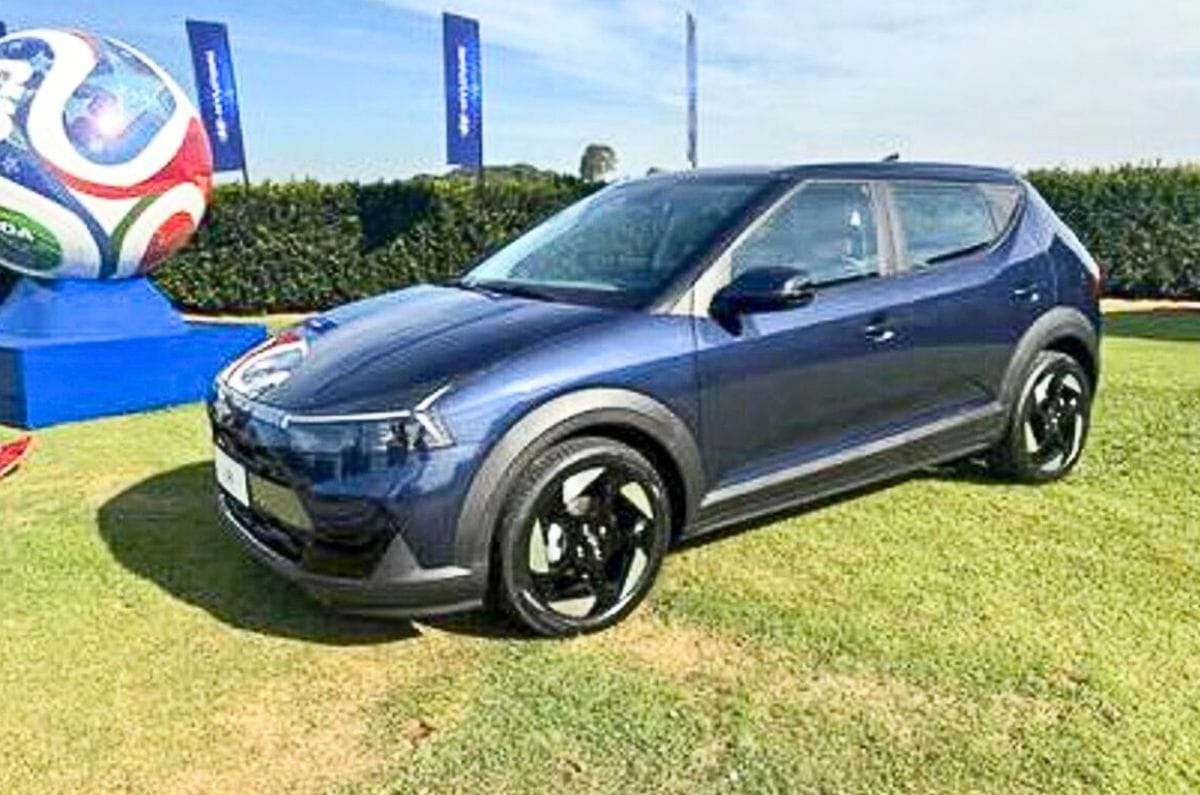
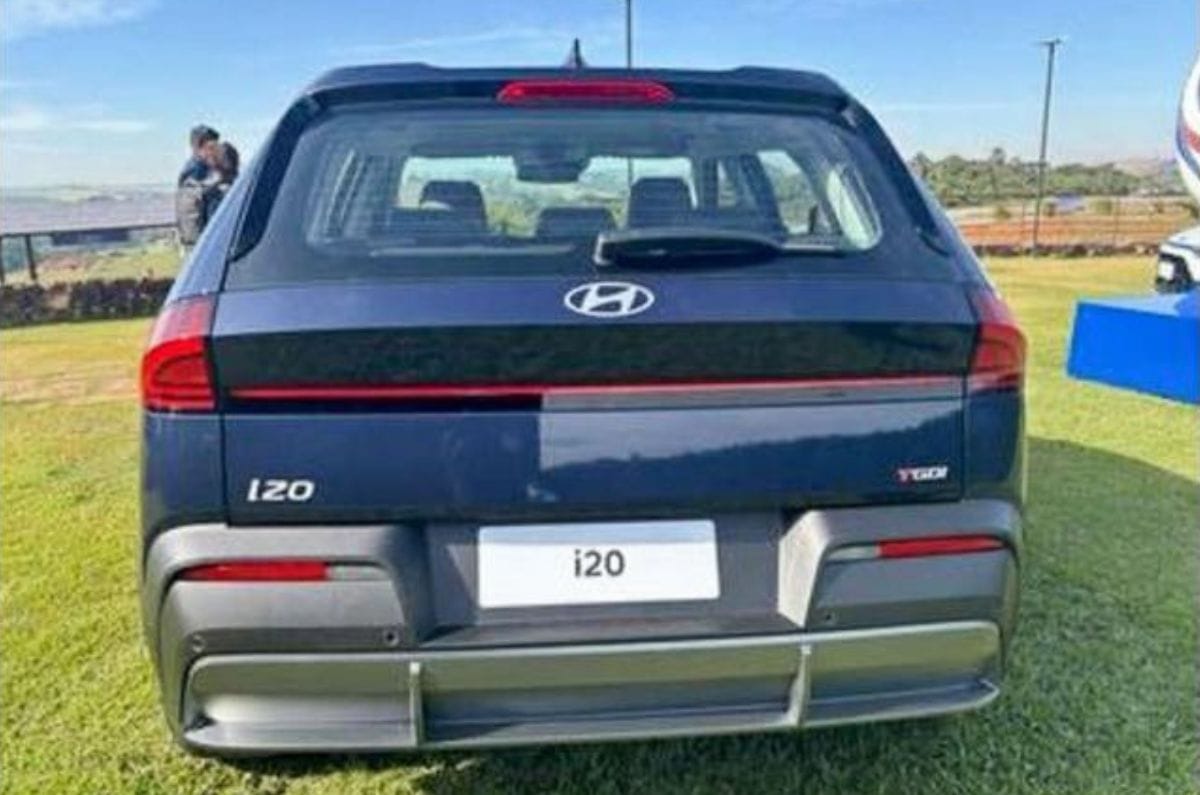
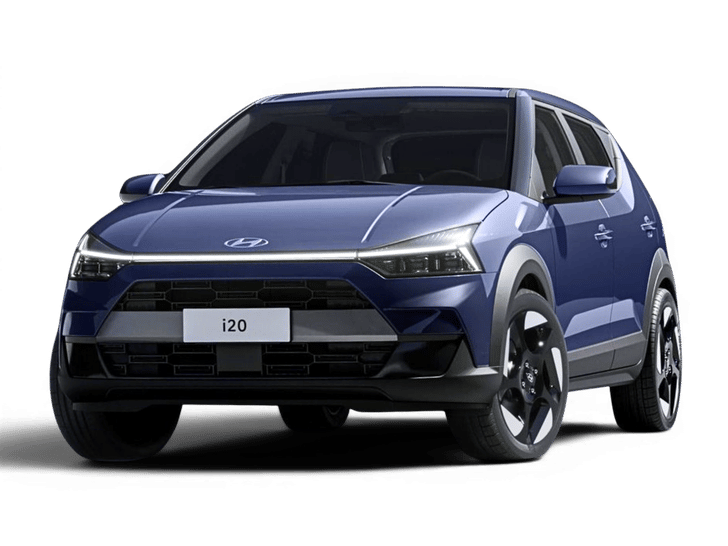
Ditching the swoopy stance and proper hatchback proportions that defined all previous generations of the i20, the new-gen model adopts a crossover-like look, perhaps in an attempt to keep up with current SUV aesthetics. Both the nose and the tail-end are a lot more upright and almost boxy when viewed head-on. What looks most unbefitting on the hatchback is the generous use of plastic cladding on the bumpers and over the wheel arches.
Beyond the SUV aesthetics, it gets new connected LED light bars at both the front and rear, which is again a design trend that has taken over all sorts of body styles. The headlamps are broad and chunky units with Y-shaped LED daytime running lamps, while the tail-lamps have a triangular housing with C-shaped lighting elements. There’s also a distinctive kink in the window line that looks more Kia than Hyundai.
Which features do you want in New i20?

The dual-tone alloy wheels look nice, though, and overall, the body panels have clean surfacing – a marked departure from the edgy character lines seen on the third-gen i20. It also retains regular pull-type door handles, which are more user-friendly than flush-fitting ones.
What community is saying on the I20?

New Hyundai i20 interior and features
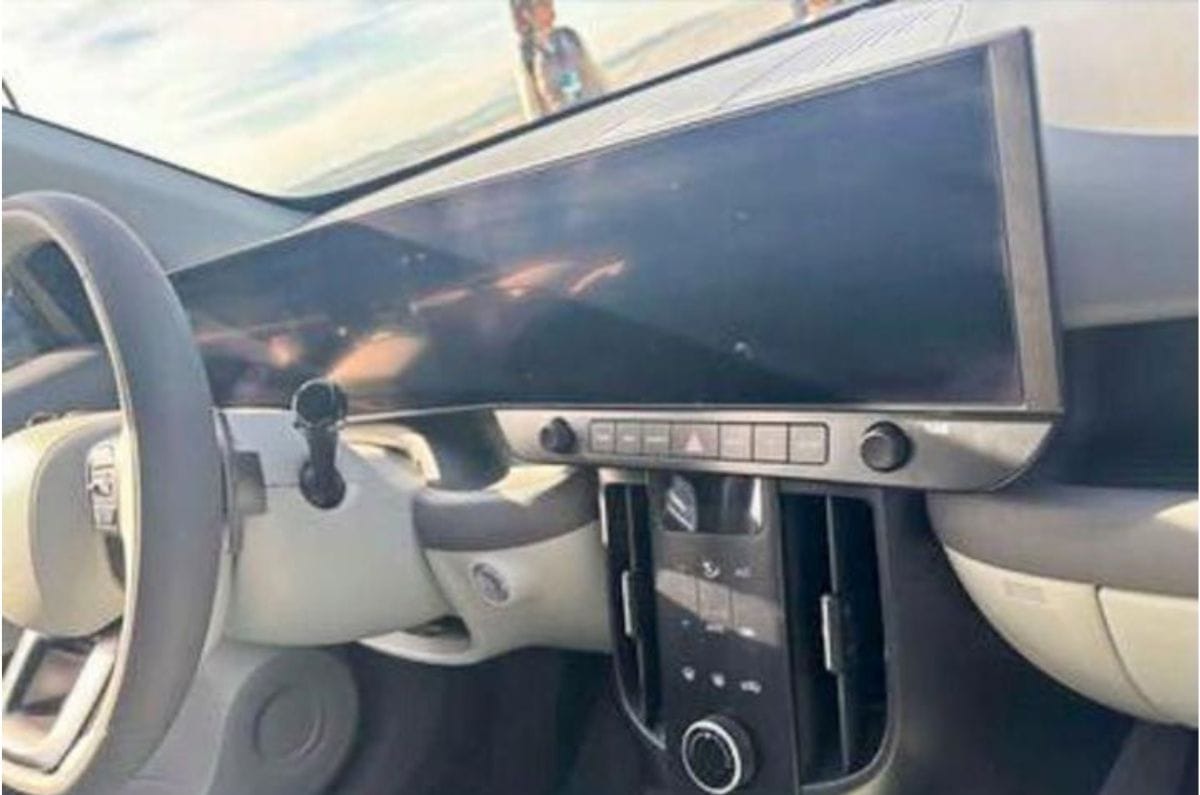
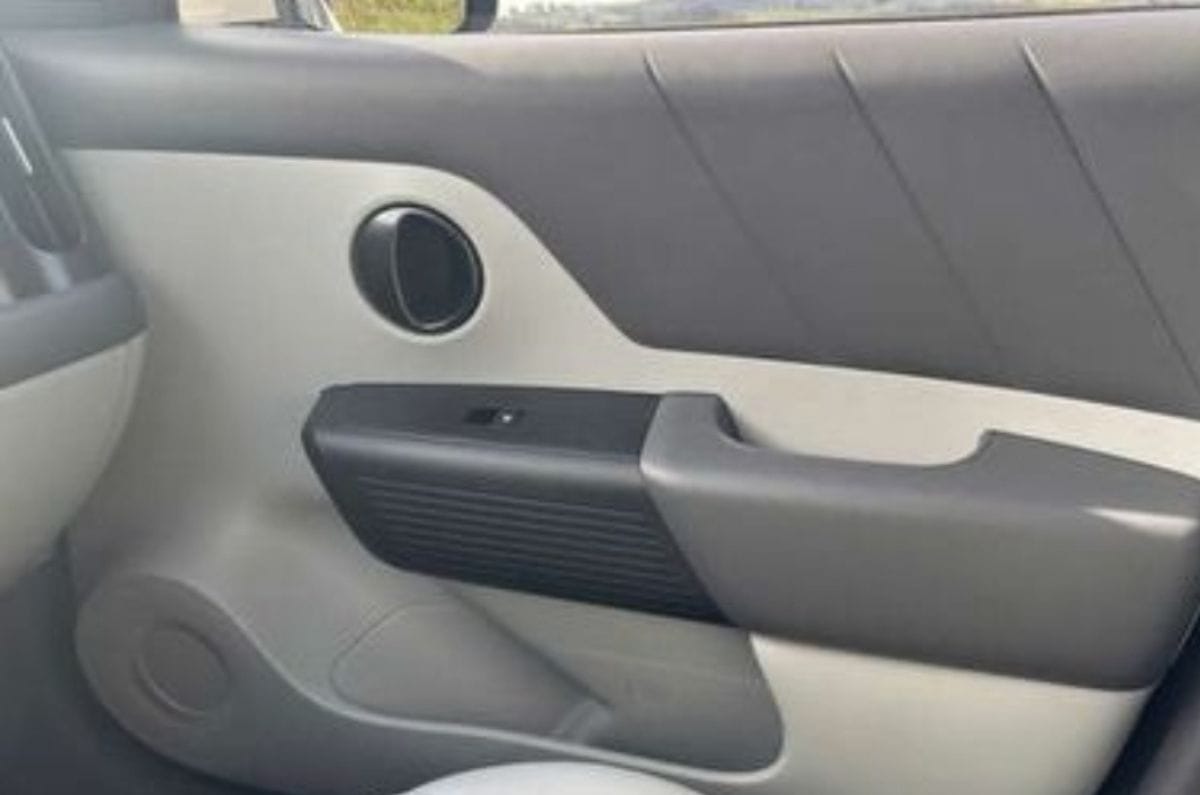
Inside, there’s an element of familiarity with the twin connected screens (likely 12.3-inch units) seen on most new Hyundai and Kia models. It also gets the new three-spoke steering wheel with H written in Morse code and a new vertically oriented centre console. Thankfully, plenty of physical buttons and rotary dials have been retained on the steering wheel, the panel below the touchscreen and the centre console. The beige and grey dual-tone colour scheme does give it a premium look, and there seems to be generous use of soft-touch materials on the door pads.
New Hyundai i20 powertrain options
No technical specifications have been officially revealed yet, but the new-gen i20 is expected to carry over the third-gen model’s 83hp 1.2-litre naturally aspirated petrol and 120hp 1.0-litre turbo-petrol engine options. The model seen here wears the ‘TGDi’ badge on the tailgate, so the latter is definitely part of the line-up.
We believe Hyundai is also working on a new, more potent 1.2-litre turbo-petrol engine, which could find its way under the hood of the upcoming i20. Notably, it’s understood that this engine has been developed with hybridisation in mind.
There’s no word on Hyundai bringing the fourth-gen i20 to India, and given the decline in sales and interest in hatchbacks, it remains to be seen if the new i20 makes it to our market at all. Instead, Hyundai is working on a new Bayon-based crossover that was spied testing in India recently and is expected to debut towards the end of this year.
 Dipan Sur
 Viraaj Bhatnagar
 Suraj Viswanathan
 Hormazd Sorabjee