Last Updated on: 24 Aug 2026
Hyundai i20 Mileage
Hyundai i20 mileage follows a clear pattern, because the gearbox matters more here than the engine does. ARAI certifies both manual versions at 16kpl, the 1197cc petrol with the CVT at 20kpl, and the 998cc turbo with the dual-clutch automatic at 20kpl as well.
Which model fits my driving:
Either automatic returns 20kpl on the certified figures, so if mileage is your priority you can pick the engine you prefer to drive.
Both manuals are certified at 16kpl, which means choosing an automatic here gains you 4kpl rather than costing you anything.
The CVT with the 1197cc petrol is the easiest combination for city traffic and carries the joint-best figure.
The turbo dual-clutch matches it on paper, though the turbo will drop further below its figure if you use the performance.
There is no diesel or CNG option, so all four combinations are petrol.
Hyundai i20 Mileage Summary
| PowertrainThe combination of engine type, fuel, and transmission that powers your vehicle and determines how it drives and what it runs on. | ARAI MileageMileage certified by the government, tested under controlled lab conditions. Real-world mileage will vary. | User Reported MileageMileage figures are reported by vehicle owners and represent the approximate real-world efficiency you may experience. Actual mileage will vary based on driving conditions, habits, and vehicle condition. |
|---|---|---|
Petrol-Manual 1197 cc | 16 kmpl | 15.59 kmpl |
Petrol-Automatic (CVT) 1197 cc | 20 kmpl | 15.48 kmpl |
Petrol-Manual 998 cc | 16 kmpl | 15.85 kmpl |
Petrol-Automatic (DCT) 998 cc | 20 kmpl | 15.62 kmpl |
Hyundai i20 Mileage by Variants
Hyundai i20 Official Brochure
Download the complete brochure with specs, features, and variants.
Calculate your fuel cost for Hyundai i20
Hyundai i20 Mileage - User Reviews
Tell us about your experience
Hyundai i20 news
Hyundai i20 videos


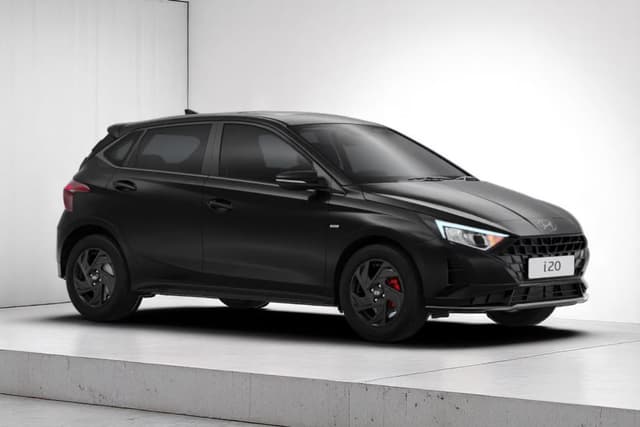
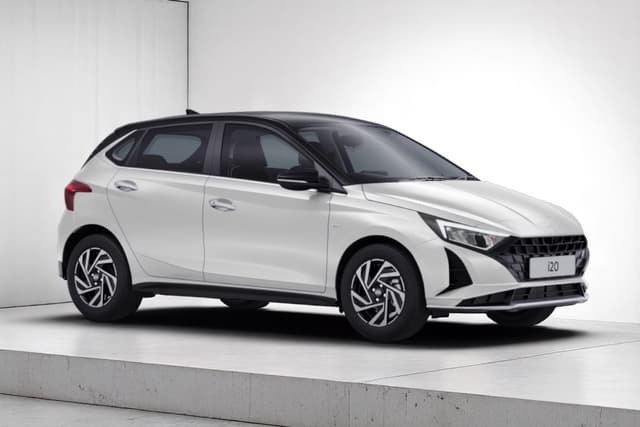
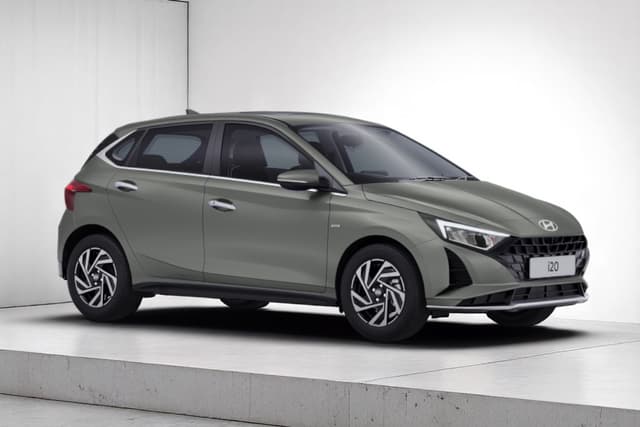
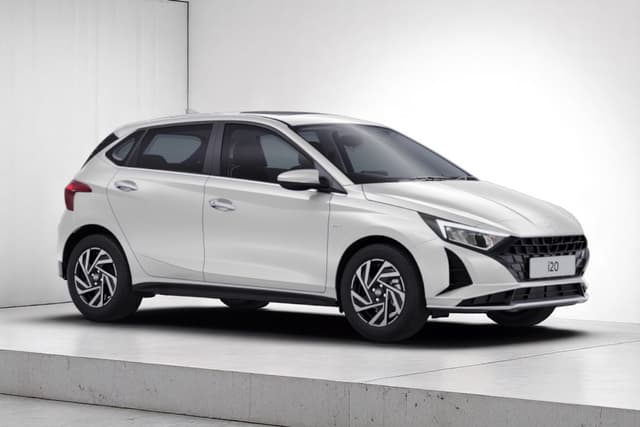
Hyundai i20 Colours
Questions you may find useful
I'm planning to buy a new car with a budget of Rs. 8-10 lakh. I currently own a Hyundai Santro Xing and am looking to upgrade. I have shortlisted the Hyundai i20 Magna and the Maruti Suzuki Brezza LXi Turbo. We are a family of five, and my average monthly running is around 1,500 km. My priorities are comfort and good fuel efficiency. Which of these would you recommend, or is there a better option within my budget?
For a family of five with 1,500km a month, comfort and good mileage are key. The Hyundai i20 Magna is a good hatchback, but it won't feel like a big upgrade from your Santro Xing in terms of space. The Maruti Brezza LXI Turbo is the better choice here. It offers a more spacious cabin, a higher seating position and better comfort for five occupants. The turbo petrol engine should also be relatively efficient and well suited to your running. The Brezza is also a practical, reliable and comfortable SUV that will serve you well for years. Go for the Brezza LXI Turbo.
I am getting a Hyundai Verna 2013 FLUIDIC 1.6 VTVT SX at 3.8 lakh on road and an i20 2015 Asta 1.2 at 3.84 lakh on road through a renowned used car platform. Please let me know which out of above two should be preferred ideally. I have occasional office drives of around 600 km monthly, weekend city drive with family and annual 4-5 trips to our native in Konkan. I am a fan of Hyundai's fluidic design hence I am attracted to the looks of both cars. Also the price seems to be tempting. Please let me pros and cons of both vehicles in terms of their usage life, mileage, maintainance and their suitability to my use.
Hello Autocar. I have been looking for a second car for our family. We currently own a Tata Tiago EV Long Range, which is used for all our city driving and weekend trips to our hometown, around 80 km one way. However, we now feel the need for a dedicated highway car because we miss taking longer family road trips. Our budget is under Rs. 15 lakh. My primary choice was the Honda Elevate VX Manual. I deliberately avoided the CVT because we already have an automatic EV for city use, and I don't think a petrol automatic can match the smoothness and instant response of an EV. However, I've started reconsidering my decision because I feel the Elevate isn't the ideal highway cruiser. While it is spacious and comfortable, it doesn't feel particularly relaxed at highway speeds, and its highway fuel efficiency isn't very impressive. The next option I shortlisted is the Hyundai i20 N Line N6 Manual. I generally prefer spacious hatchbacks over sub-4 metre SUVs, and I never really liked that segment. Choosing the N Line would also save me around Rs. 5 lakh compared to the Elevate, while offering better cruising ability and fuel efficiency, considering this car will be used almost exclusively for highways and long road trips. My main question is whether the i20 N Line would be comfortable enough for a family of four with some luggage. All of us are lean, under 170 cm tall, and below 60 years of age. Everyone in the family likes the idea of the N Line. We have also ruled out diesel cars because my family doesn't like them, and I didn't push that option either due to DPF concerns and the fact that the car won't be used regularly. Please advise whether the i20 N Line N6 Manual would be a good choice for us.
The Hyundai i20 N Line N6 manual is a good highway car. Its tall sixth gear allows it to cruise comfortably at highway speeds while returning respectable fuel efficiency. The engine has a strong mid-range, making overtakes easy, and it feels stable at high speeds. For your use case, performance will feel noticeably dulled with four people on board, and pushing the engine harder will reduce fuel efficiency. It also suffers from a weak bottom end, so performance below 2,000rpm is not particularly strong. A full load can also leave ground clearance marginal over taller speed breakers, and the ride is on the firmer side, which passengers may find uncomfortable. While cabin space is generally good for the segment, the boot may feel tight when carrying luggage for four.The Honda Elevate has a definite advantage when it comes to space. While your family of four, all under 170cm tall, will fit comfortably in the i20, the Elevate gives them more room to stretch out, which matters on longer journeys. Its shorter gearing means performance is actually quite good for a naturally aspirated engine, but as you pointed out, it does not feel particularly relaxed at highway speeds.If you can live with the i20 N Line’s shortcomings, it is a good fit for your needs and significantly cheaper than the Elevate. Before making a decision, take your family on an extended highway test drive to see how they feel in the rear seat. As a family car, though, the Elevate is the better choice.Alternatively, consider the Skoda Kushaq 1.0 TSI manual. It offers better highway performance than the Elevate, more space than the i20, and is one of the best-handling SUVs in its class, which you are likely to enjoy.
I have a budget of Rs.10 lakh and want an automatic car. My usage will be around 70-80% in the city and 20% on highways in Bangalore. I have shortlisted Hyundai i20 Asta IVT, Honda Amaze ZX CVT, Tata Nexon AMT Pure Plus and Maruti Suzuki Baleno AMT. I want a decent city fuel efficiency of around 10-12 kmpl. I also want a car that will not feel boring after 5-6 years and has a youthful appeal with a bit of style. Please help me choose the right one.
Pick the Hyundai i20 Asta IVT. For mostly Bangalore city use, it feels light and easy to drive and its clean, sporty look will still feel young in five years. It's very efficient too, though some others might be better. The automatic is the smoothest to drive and the most polished in traffic, but that trim will likely go past your car under Rs 10 lakh budget; settle for the Sportz (O) instead. A quick word on the rest. The Honda Amaze CVT is smooth, friendly and efficient, but as a compact sedan it might not deliver the style statement or road presence you want, and the Honda Amaze price starts at Rs 7.51 lakh (ex-showroom). The Baleno will be the most efficient; in real-world traffic you can expect around 11-13kpl if you are judicious with the throttle, and the cabin is airy and comfy for the daily grind. However, the AMT is not as smooth as the i20’s automatic. Tata Nexon AMT gives you SUV stance and presence, but the AMT is clunky in stop-go and city economy is weaker, so your 10-12kpl requirement is a stretch.
I tried a test drive of the Baleno vs Punch 2026. I felt the Baleno was more comfortable to ride in, and the engine was very smooth. I could really feel the vehicle, whereas the Punch felt boxy, with some body roll, and I couldn’t feel the engine as much, though the overall package is good. I am a family of five, and this will be my first car. Which one should I choose? Are there any other cars I should consider? I felt the Hyundai i20 might be pricey and lower in mileage, so I didn’t check it.
Based on what you felt during the test drive, we would suggest going for the Maruti Suzuki Baleno. The fact that you found it more comfortable and the engine smoother is very important, especially since this is your first car. The Baleno is easier to drive, feels more natural and refined, and for daily use, that makes a big difference.For a family of five, the Baleno also works better. It offers a more spacious rear seat, feels wider, and overall comfort for passengers is better than that of the Tata Punch. The Punch, as you noticed, feels a bit tall and boxy, and the body roll you experienced is normal because of its higher stance.The Punch is a good car in terms of package and build, but it is better suited if you prioritise bad roads and a higher driving position. For regular city use and comfort, the Baleno is the more sensible choice.Regarding the Hyundai i20, you are right that it is more expensive and slightly lower on efficiency. However, it is also a very refined and premium option. The Hyundai i20 price starts at Rs 6 lakh and goes up to Rs 11.59 lakh (ex-showroom). If your budget allows, it is worth a look, but it is not necessary since the Baleno already fits your needs very well.
Hyundai i20 On Road Price in India
Upcoming Cars


Hyundai Cars


Trending Cars


Latest Cars