Last Updated on: 06 Sep 2026
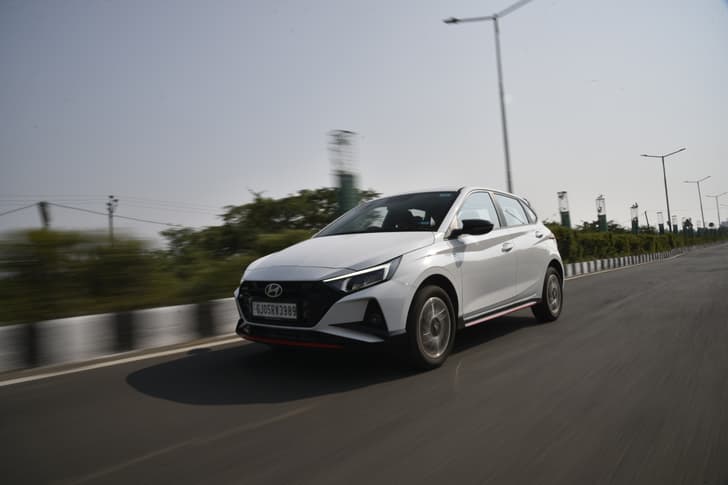
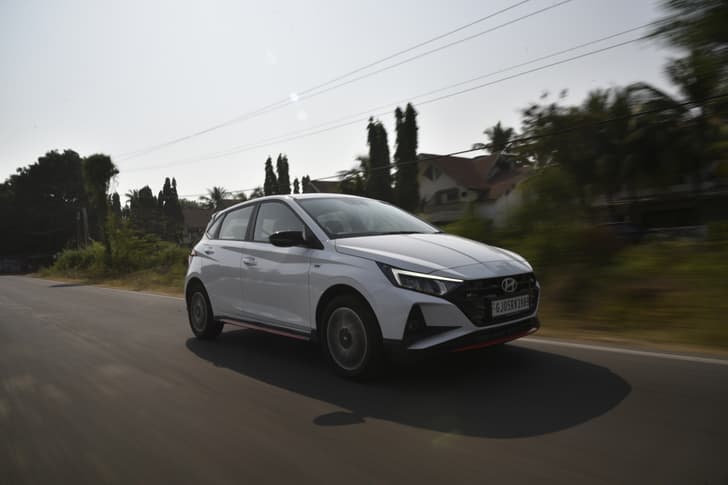
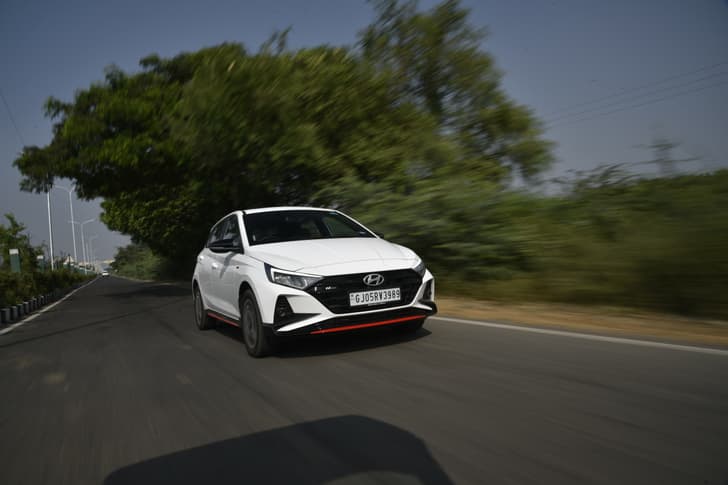
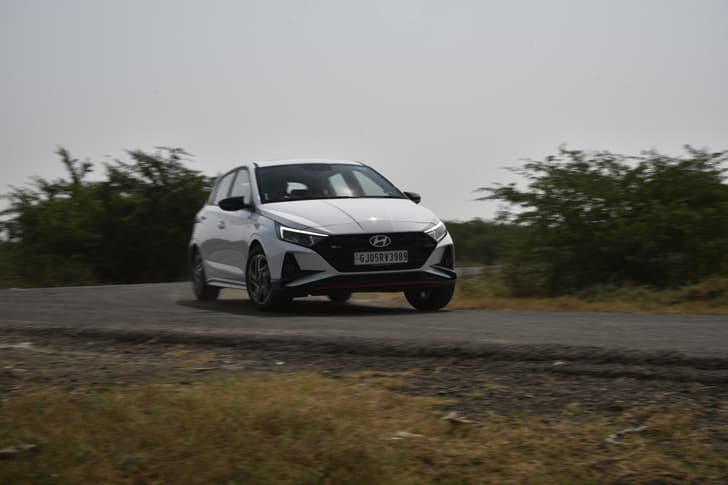
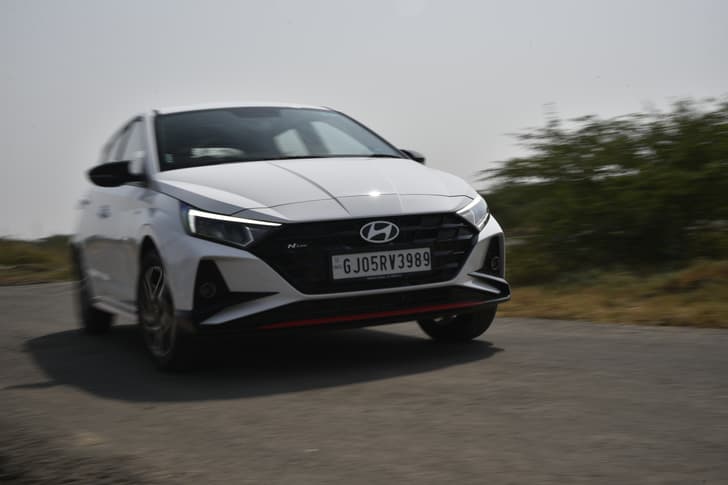
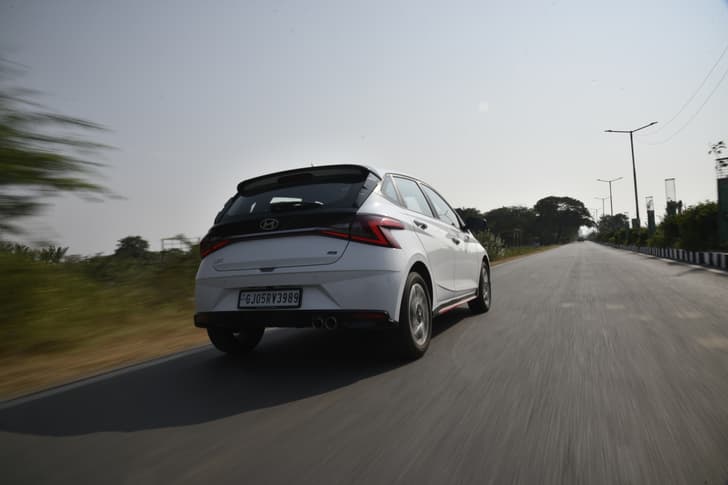
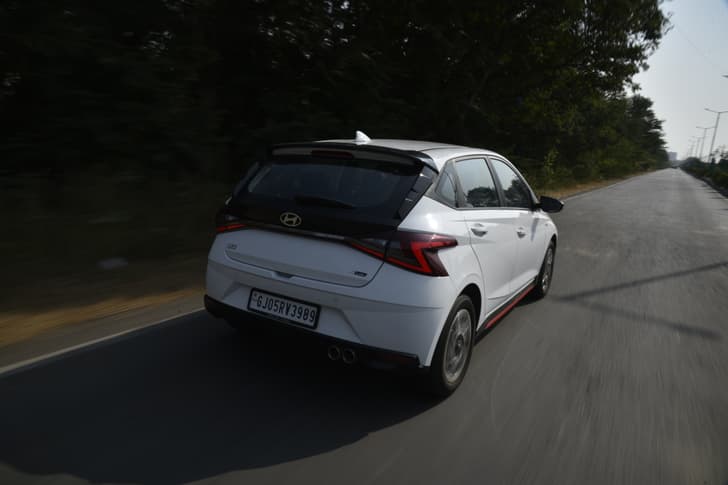
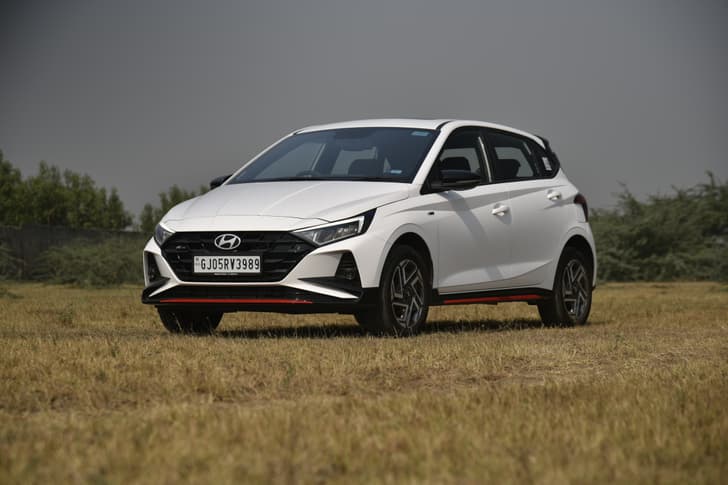
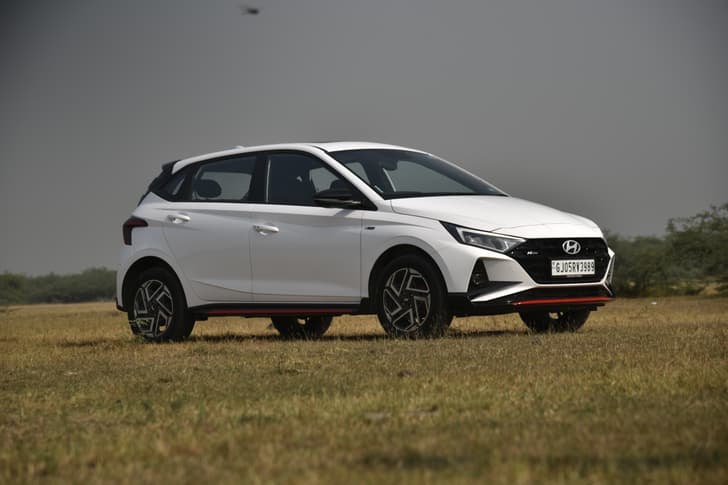
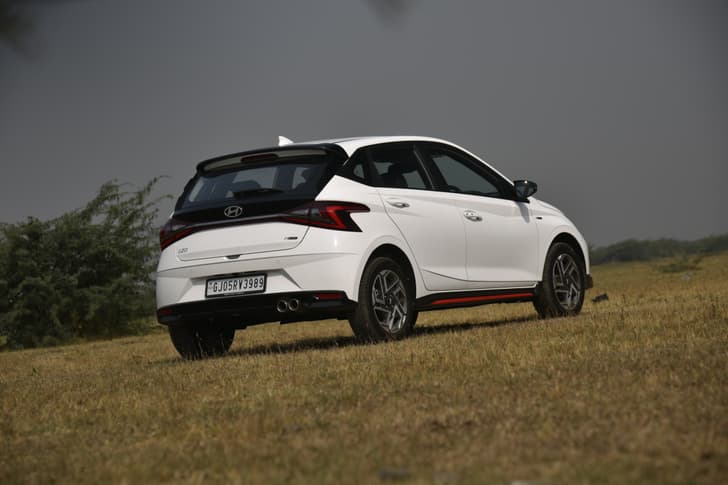
Hyundai i20 1.2 Petrol Magna MT
Hyundai i20 1.2 Petrol Magna MT Key Features
- Rear AC Vents
- Bluetooth Audio Streaming
- Bluetooth Telephone Function
- LED Daytime Running Lights
Hyundai i20 1.2 Petrol Magna MT specifications
Engine & Transmission
Engine Displacement | 1197 cc |
Number of Cylinders | 4 |
Engine Installation | Front |
Fuel Type/ Propulsion | Petrol |
Gearbox Type | Manual |
Number of Gears | 5 |
Drive Layout | Front Wheel Drive |
Lockable Differential/s | No |
Max Engine Power | 83 hp at 6000 rpm |
Max Engine Torque | 114.7 Nm 4200 rpm |
Fuel & Performance
Auto Start/Stop | Yes |
Official Fuel Economy | 16 kmpl |
Fuel Tank Capacity | 37 litres |
User Reported Mileage | 15.89 kmpl |
Suspension & Steering
Front Suspension Type | Independent, MacPherson Strut |
Front Springs | Coil Springs |
Rear Suspension Type | Non-independent, Torsion Beam |
Rear Springs | Coil Springs |
Damper Control | No |
Ride Height Adjust | No |
Type of Power Assist | Electric |
Steering Adjust type | Manual |
Steering Adjust | Tilt and Telescopic |
4 Wheel Steer | No |
Front Brakes | Discs |
Rear Brakes | Drums |
Wheel Size | 15 inches |
Front Tyre Size | 185/65 R15 |
Rear Tyre Size | 185/65 R15 |
Wheels | Steel rims with wheel covers |
Spare Wheel | Space Saver |
Dimensions
Length | 3995 mm |
Width | 1775 mm |
Height | 1505 mm |
Wheelbase | 2580 mm |
Chassis Type | Monocoque |
Doors | 5 |
Hyundai i20 1.2 Petrol Magna MT features
Comfort
| Power Windows | Front and Rear |
| Powered Tailgate | |
| Power Windows with One Touch-Down | Driver Window Only |
| Digital Instrument Cluster | Fully Digital |
| Steering Mounted Controls | Audio and Phone |
| Bluetooth Connectivity |
Safety
| Airbags | 6 |
| Front Collision Avoidance | |
| Anti-Lock Brakes (ABS) | |
| Rear Cross Traffic Collision Avoidance | |
| Leading Vehicle Departure Alert | |
| Lane Departure Avoidance |
Exterior
| Body Coloured Bumpers | |
| Projector Headlamps | |
| Outside rear view mirror (ORVM) | |
| Headlight Type | Halogen |
| Daytime Running Lights | LED |
| Front Fog Lamps |
Interior
| Speedometer | Digital |
| Tachometer | Digital |
| Trip Meter | |
| Average Fuel Consumption | |
| Average Speed | |
| Distance to Empty |
Entertainment
| Audio System | |
| Second Row USB port | Type C |
| CD Player | |
| Front USB port | Type C |
| USB Input | |
| AUX Input |
Hyundai i20 variants
 Electronic Stability ControlFully Digital Digital Instrument ClusterPhone-based Satellite NavigationFabric Seat MaterialHalogen Headlight TypeSpeed Assist SystemAudio and Phone Steering Mounted ControlsWireless Android AutoFront Seat ArmrestFollow Me Home HeadlampsRear AC VentsBluetooth Audio StreamingLED Daytime Running LightsWireless Android AutoAudio and Phone Steering Mounted ControlsSpeed Assist SystemDriving ModesLED DRLsWireless Android Auto1-zone Climate ControlSingle Pane SunroofWireless Android AutoDriving ModesLED DRLsSpeed Assist SystemRear Power OutletDriver's Seat Height AdjustSingle Pane SunroofWireless Android AutoLED DRLsRear Washer/WiperKeyless Entry with Proximity SensorsBose Branded Music SystemLeather-wrapped Steering WheelLED headlampsDashcamDriving ModesOn-board Satellite NavigationOver the air (OTA) updatesPart-leatherette Seat MaterialTraffic Sign RecognitionKeyless EntryPhone-based Satellite NavigationLeatherette Seat MaterialFront Fog LampsSpeed Assist SystemDriving ModesBose Branded Music SystemOver the air (OTA) updatesPart-leatherette Seat Material
Hyundai i20 comparison
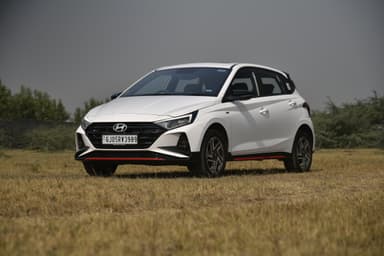
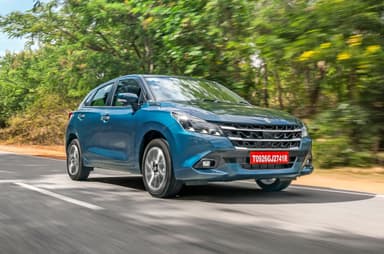
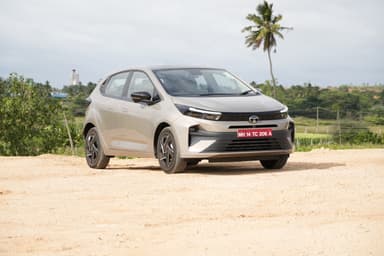
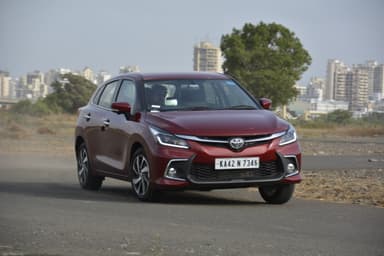

Questions you may find useful
I'm considering buying the Hyundai i20 N Line N8 MT. I've driven other cars, including the new Venue DCT and XUV300 MT, but this will be my first car. Is the i20 N Line a good choice for me? My annual running will be low, and I'll mostly be driving on highways. Also, should I consider going for the DCT instead of the manual?

 Hyundai i20Hyundai Venue
I have been using an i20 for almost 14 years now, and I’m quite satisfied with its ownership experience and service quality. I’m now planning to upgrade to an EV, with a strict on-road budget of Rs 25 lakh. My monthly running would be around 850- 1,000 km, mostly within the city. Since my parents would accompany me on almost 40% of my trips, easy ingress and egress, along with a comfortable ride quality, are important to me. I’m looking for a reliable EV with good efficiency and a real-world range of 400+km. I have been considering the Creta Electric Executive LR and Smart LR, while some of my friends have suggested that I also look at the Mahindra BE 6. What would you recommend based on my requirements? I’d appreciate an expert opinion on which EV would be the better choice for me.
Hyundai Creta ElectricHyundai i20Kia Syros EVMahindra BE 6 SporteqI have an i20 Sport, new 2023 model. How can I increase mileage with ethanol-mixed petrol?
Hyundai i20I have a family of four and am planning to buy an automatic car next year with a budget of around Rs. 8-8.5 lakh. I have shortlisted the Grand i10 Nios AMT, Baleno AMT, i20 Sportz IVT, and Punch Adventure AMT. My monthly running will be around 300-500 km, with about two long trips per year. I am looking for a reliable car, and mileage is not a major concern. Which car should I go for? Any other recommendations are also welcome.
Hyundai i20Hyundai i20 price in India
Upcoming Cars
Hyundai Cars
Trending Cars



Latest Cars