Best Car for First-Time Buyers


Last Updated on: 06 Nov 2026
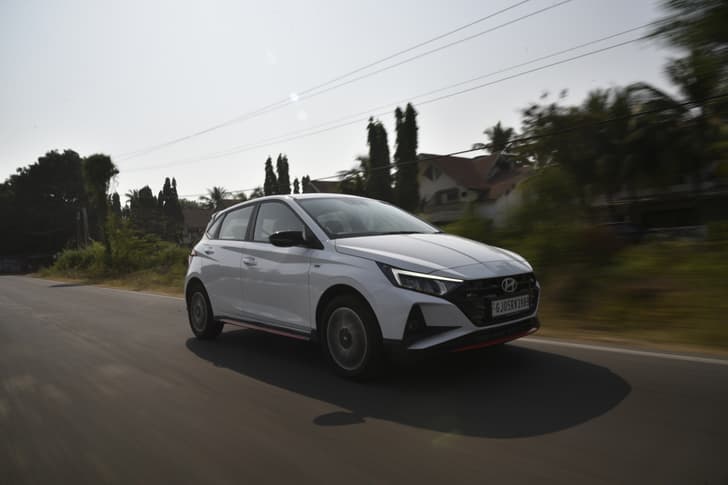
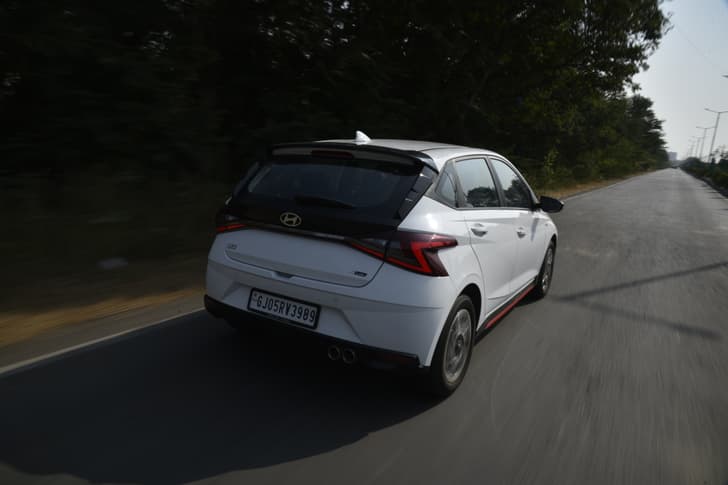
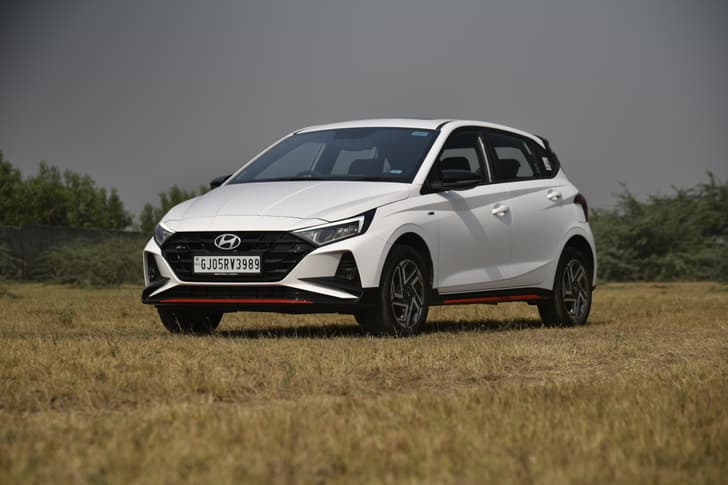
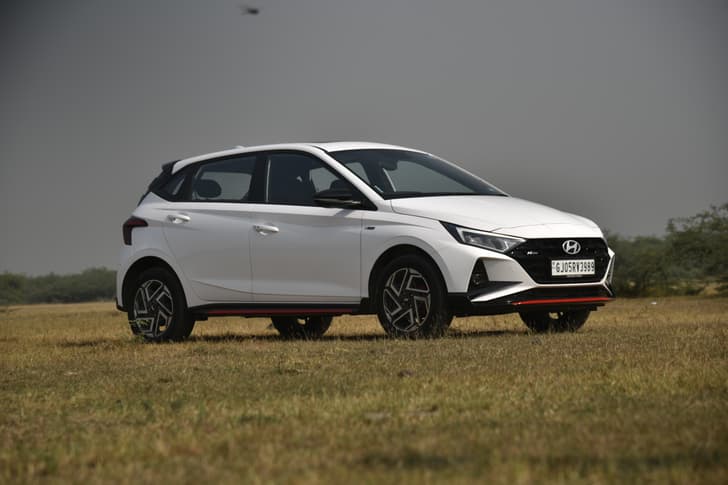
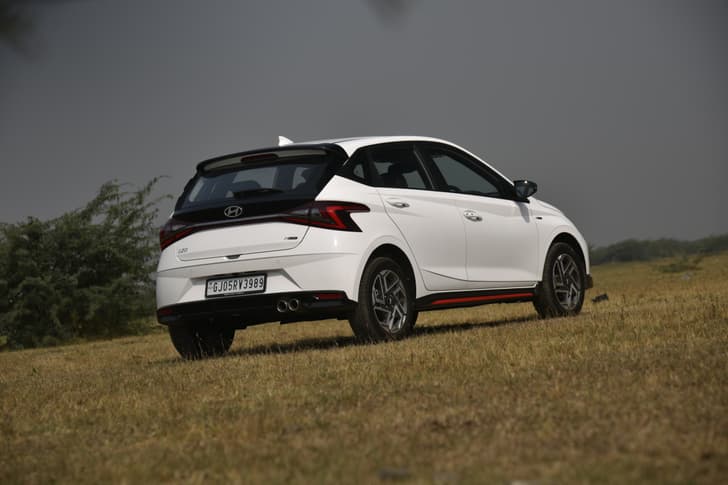
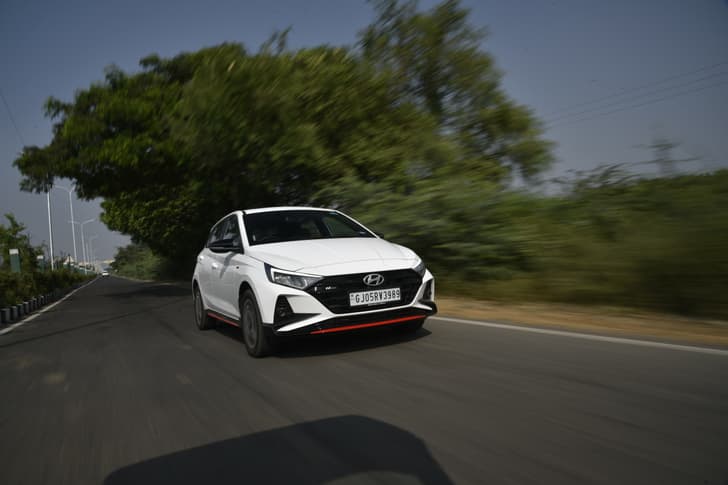
Engine Displacement | 1197 cc |
Number of Cylinders | 4 |
Engine Installation | Front |
Fuel Type/ Propulsion | Petrol |
Pure Electric Driving Mode | No |
Gearbox Type | CVT |
Manual Shifts via Gear Lever on Automatic Gearbox | Yes |
Paddle Shifters for Automatic Gearbox | No |
Sport Mode for Automatic Gearbox | Yes |
Drive Layout | Front Wheel Drive |
Lockable Differential/s | No |
Max Engine Power | 88 hp at 6000 rpm |
Max Engine Torque | 114.7 Nm at 4200 rpm |
Fuel Supply System | MPFI |
E20 Compatibility | Yes |
Emission Standard | Bharat Stage VI |
Auto Start/Stop | Yes |
Official Fuel Economy | 20 kmpl |
Fuel Tank Capacity | 37 litres |
User Reported Mileage | 15.52 kmpl |
Front Suspension Type | Independent, MacPherson Strut |
Front Springs | Coil Springs |
Rear Suspension Type | Non-independent, Torsion Beam |
Rear Springs | Coil Springs |
Damper Control | No |
Ride Height Adjust | No |
Type of Power Assist | Electric |
Steering Adjust type | Manual |
Steering Adjust | Tilt and Telescopic |
4 Wheel Steer | No |
Front Brakes | Disc |
Rear Brakes | Drum |
Wheel Size | 16 inches |
Front Tyre Size | 195/55 R16 |
Rear Tyre Size | 195/55 R16 |
Wheels | Alloys |
Spare Wheel | Space Saver |
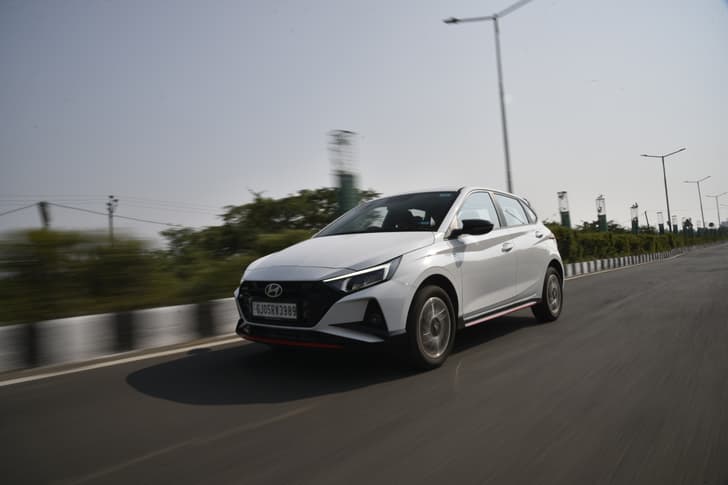
Length | 3995 mm |
Width | 1775 mm |
Height | 1505 mm |
Wheelbase | 2580 mm |
Chassis Type | Monocoque |
Doors | 5 |
| Power Windows | Front and Rear |
| Steering Mounted Controls | Audio and Phone |
| Digital Instrument Cluster | Fully Digital |
| Door Pockets | |
| Driver Armrest Storage | |
| Driver rear view monitor (DRVM) |
| Airbags | 6 |
| Pretensioners & Force Limiter Seatbelts | |
| Seat Belt Warning | |
| Rear Cross Traffic Collision Avoidance | |
| Rear Cross Traffic Alert | |
| Anti-Lock Brakes (ABS) |
| Body Coloured Bumpers | |
| Follow Me Home Headlamps | |
| LED headlamps | |
| Projector Headlamps | |
| LED DRLs | |
| Puddle Lamps |
| Speedometer | Digital |
| Tachometer | Digital |
| Trip Meter | |
| Average Fuel Consumption | |
| Average Speed | |
| Distance to Empty |
| Audio System | |
| Branded Music System | Bose |
| Front USB port | Type C |
| CD Player | |
| Second Row USB port | Type C |
| USB Input |
| Remote Car Lock/Unlock via App | |
| Alexa Compatibility | |
| Over the air (OTA) updates | |
| Car Light Flashing & Honking via App | |
| Emergency Call Button | |
| Check Vehicle Status via App |
 Electronic Stability ControlFully Digital Digital Instrument ClusterPhone-based Satellite NavigationFabric Seat MaterialHalogen Headlight TypeSpeed Assist SystemAudio and Phone Steering Mounted ControlsWireless Android AutoFront Seat ArmrestFollow Me Home HeadlampsRear AC VentsBluetooth Audio StreamingLED Daytime Running LightsWireless Android AutoAudio and Phone Steering Mounted ControlsSpeed Assist SystemDriving ModesLED DRLsWireless Android Auto1-zone Climate ControlSingle Pane SunroofWireless Android AutoDriving ModesLED DRLsSpeed Assist SystemRear Power OutletDriver's Seat Height AdjustSingle Pane SunroofWireless Android AutoLED DRLsRear Washer/WiperKeyless Entry with Proximity SensorsBose Branded Music SystemLeather-wrapped Steering WheelLED headlampsDashcamDriving ModesOn-board Satellite NavigationOver the air (OTA) updatesPart-leatherette Seat MaterialTraffic Sign RecognitionKeyless EntryPhone-based Satellite NavigationLeatherette Seat MaterialFront Fog LampsSpeed Assist SystemDriving ModesBose Branded Music SystemOver the air (OTA) updatesPart-leatherette Seat Material
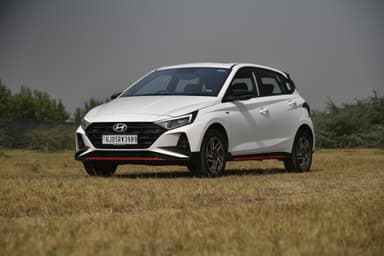

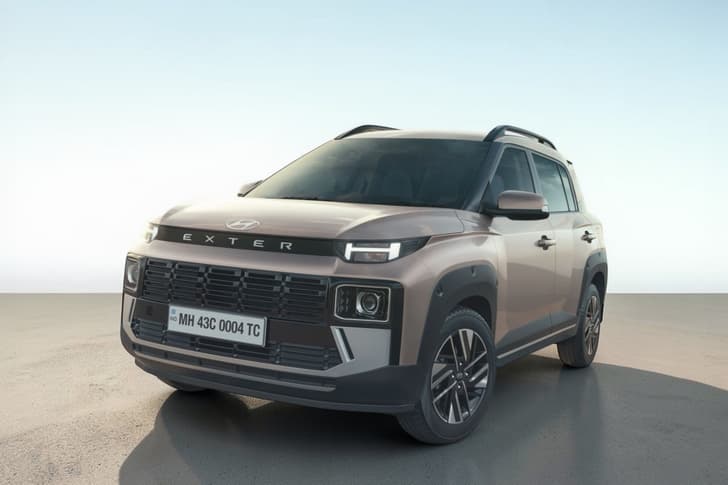
Hi, I am getting Hyundai i20 Magna Executive Starry Night for Rs. 6 Lakh in Kolkata with 5 free accessories. I am confused about its mileage and the compromise that you had mentioned. I am getting free accessories in Hyundai Exter H3X for Rs. 5.9 lakh as well. Please suggest.

 Hyundai i20Hyundai Exter
Hello. We currently own a Renault Fluence 1.5 dCi and a Hyundai i10 Automatic. We are now looking to replace the i10 with another compact car, and I am confused between the Skoda Kylaq, Citroen C3 and Hyundai i20 IVT. Before the Fluence, we owned a Fiat Palio Diesel 1.9. The new car will primarily be used for city driving.
Hyundai i20Citroen C3Skoda KylaqI’m being offered the Hyundai i20 Magna Executive at Rs 6 lakh on-road, but I’m unsure about its fuel efficiency and performance. Are there any other cars I should consider in this price range?
Hyundai i20Maruti Suzuki BalenoI need a second car with a maximum budget of Rs 13.5 lakh (on-road). My top priorities are performance and driving feel. I am confused between the Hyundai i20 N Line and the Skoda Kylaq Signature+ (both automatics). Which one is better for pure driving pleasure, given my running split is 70% highway and 30% city?
Hyundai i20Skoda KylaqHi Autocar Team, I am currently driving a Hyundai Elite i20 Asta petrol manual. So far, I feel it is the best-designed car in its segment, offering great comfort and mileage that varies depending on traffic conditions. I was wondering if I could give it a facelift by replacing the front section with that of the new-generation i20. My second thought is whether I should wait for the new Hyundai Bayon or if a facelifted Hyundai i20 or Hyundai Verna is expected. I find the rear design of the new-generation i20 disappointing, and I still feel that the Elite i20 I currently own is the best-looking version. What are your thoughts?
Hyundai i20Hyundai BayonHyundai Venue