
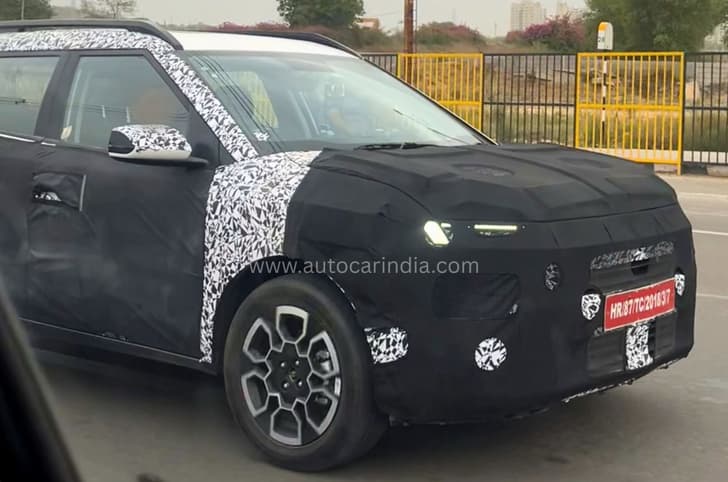
Hyundai’s upcoming Bayon-based SUV (codenamed Bc4i), which would be positioned alongside the Creta, was recently spied testing in India. The spy shots give a glimpse of the SUV’s exterior design, specifically its lighting elements, ahead of its expected India launch in the second quarter of FY2027 (July-September 2026).
- Lighting elements similar to the current Venue; interior yet to be spied
- It will measure around 4.18 metres in length, positioned alongside the Creta
- Likely to get a naturally aspirated petrol engine; CNG option likely too
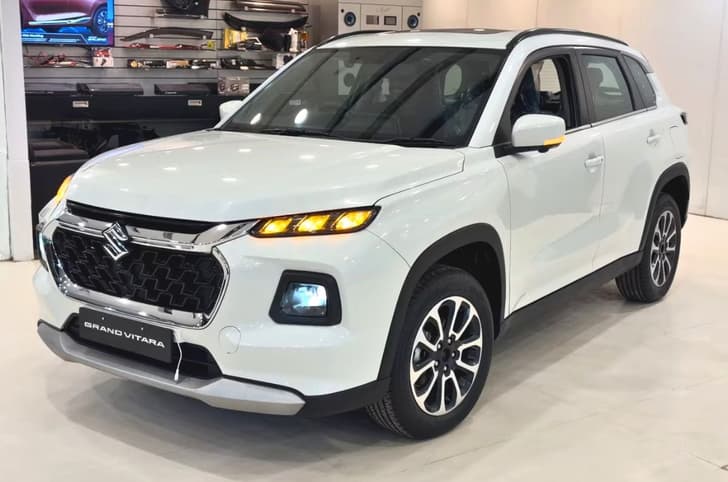
Notably, the Bayon-based SUV was previously reported to be a sub-4m SUV rivalling the Fronx. However, it is now understood to be Hyundai's second midsize SUV in India, similar to Maruti's approach with the Grand Vitara and Victoris.
Hyundai Bayon-based SUV spied: What was spotted?
Split-style headlights resemble those of the current Venue
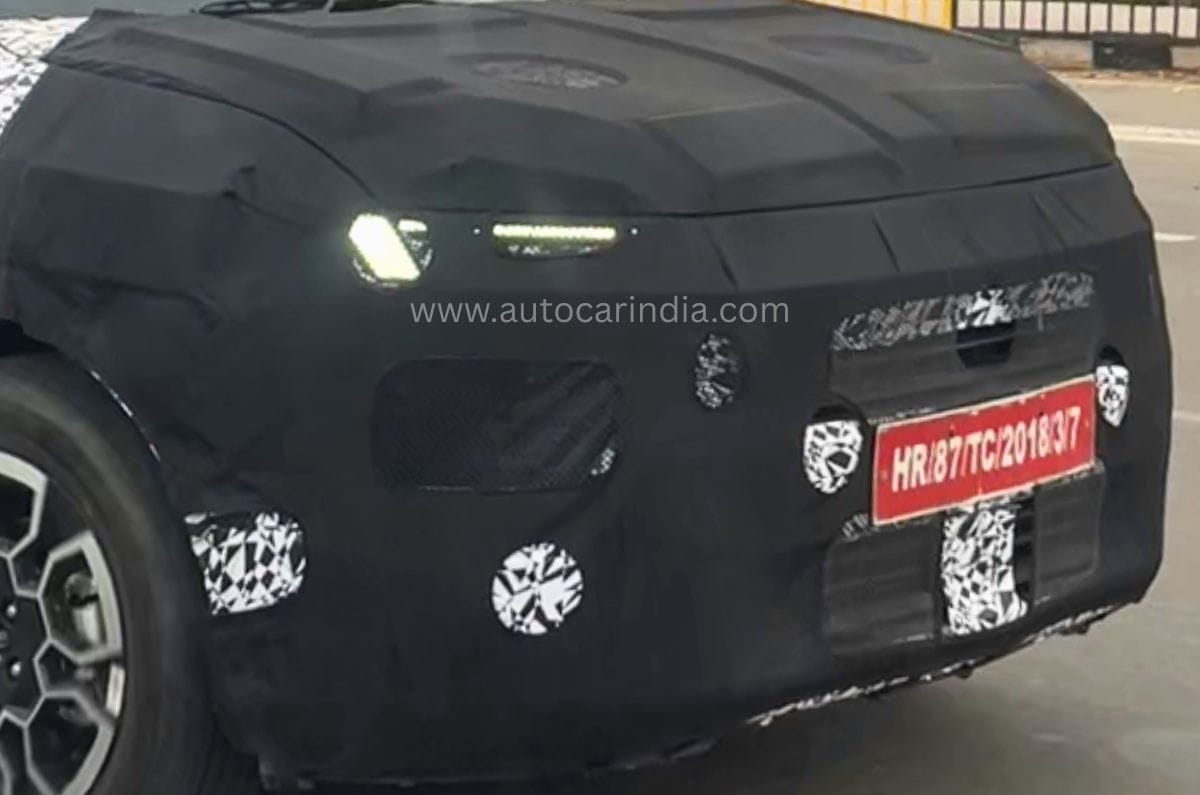
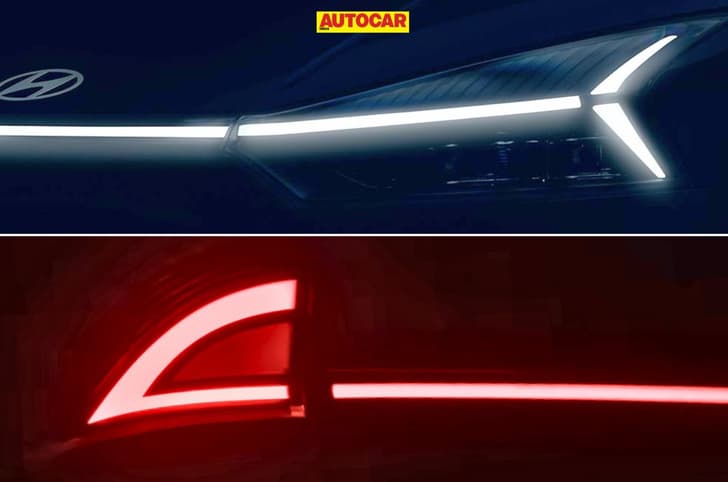
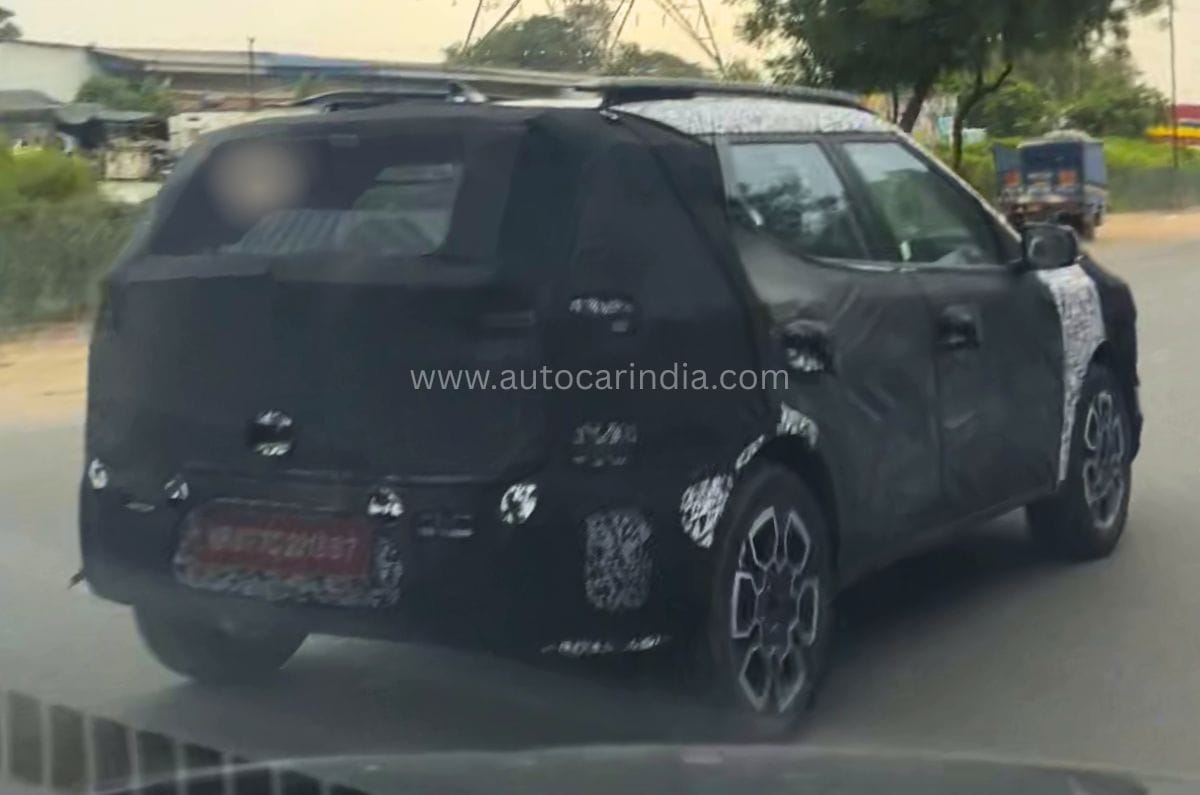
At the front, the split-style headlight design is similar to that of the current Venue with slim LED daytime-running lamps (DRLs) at the top. Horizontal bars on the grille and air vents on the lower portion of the bumper, front parking sensors and a radar sensor for ADAS (advanced driver assistance systems) can also be seen. Previous Korean spy shots of the Bayon-based SUV have also revealed black cladding on the lower portion of the bumper.
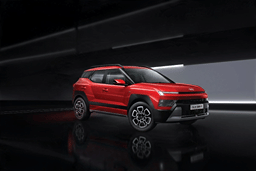
Windowline resembles the current international-spec Bayon
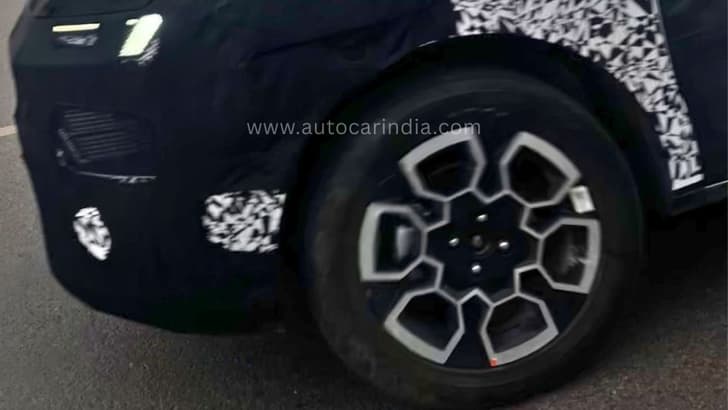

In profile, the windowline resembles that of the Bayon currently available in international markets, including Europe, the Middle East and North Africa. Although the size of the alloy wheels is unknown, they seem to feature a distinct piston-shaped design. For reference, the current Bayon gets 16-inch rims. Keen-eyed viewers can also spot disc brakes on both front and rear ends of the SUV.
Which features do you want in Bayon?
The tail-light positioning seems to be similar to the front lighting elements
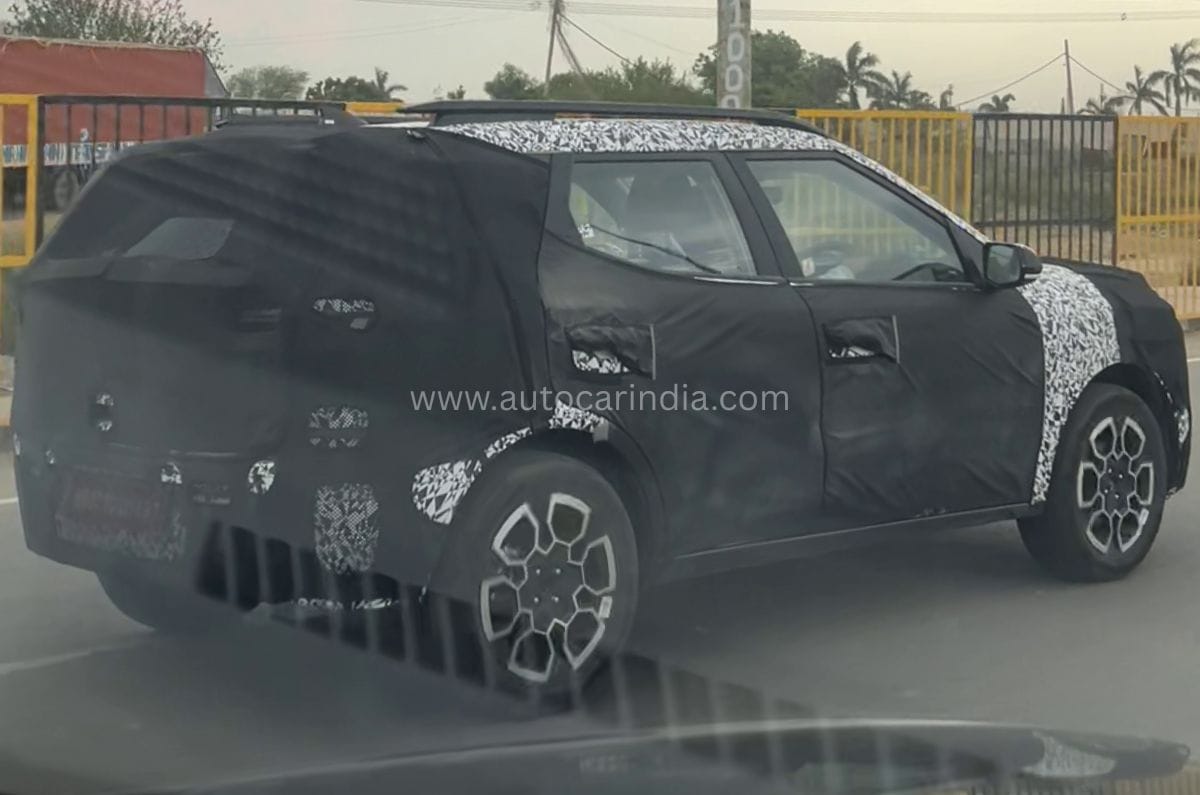
Lighting elements at the rear seem to mimic the split-style lighting design at the front, with the lower portion integrating the brake lights and the upper portion likely reserved for LED turn indicators and reversing lights. Keen-eyed viewers can also spot black-coloured roof rails and a reverse parking camera with sensors.
It remains to be seen whether Hyundai will offer a 360-degree camera on this upcoming SUV, because no camera pod is visible on the outside rearview mirrors (ORVMs) of the spied test mule. Notably, the Creta is equipped with such a feature.
What community is saying on the Bayon?
Hyundai Bayon-based SUV: Interior and features
Cabin could resemble that of the N-Line prototype spied previously in Korea
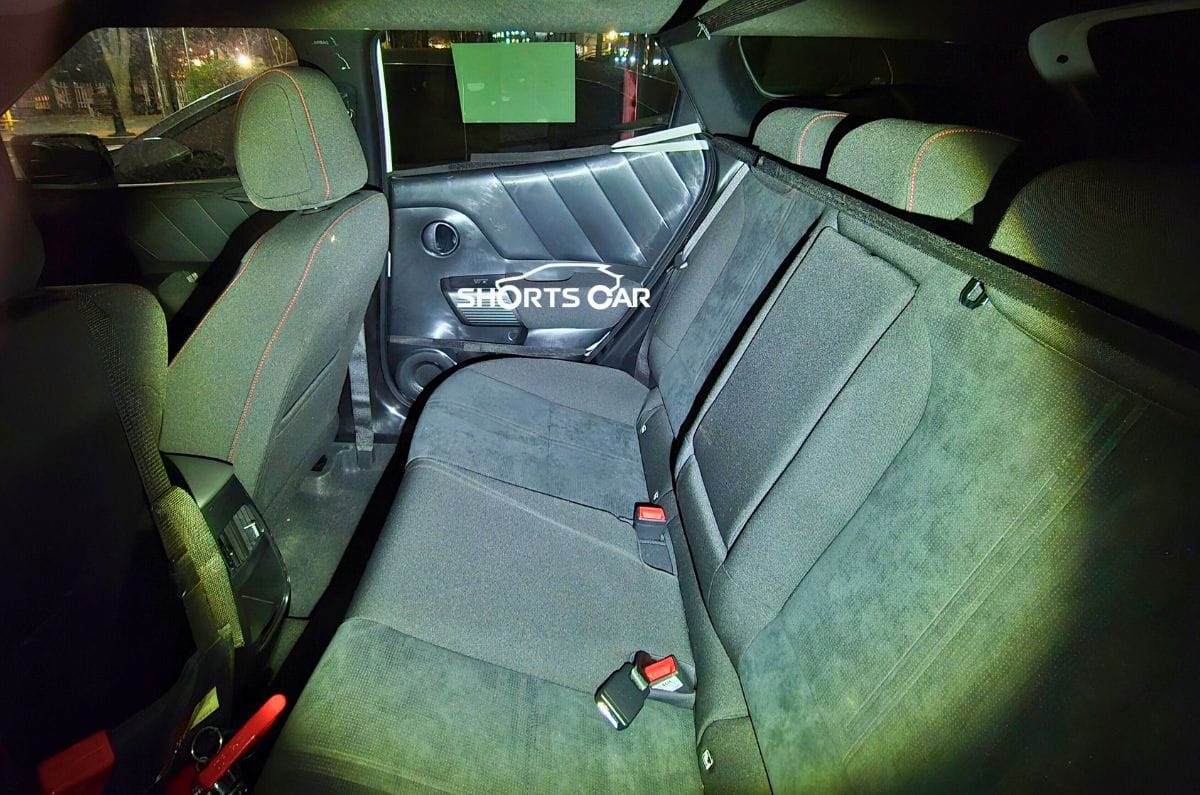
While the cabin of the Bayon-based SUV is yet to be spotted, the interior of the SUV’s sportier N-Line version was spied in Korea, featuring all-black seats with adjustable headrests and contrasting red piping. The regular model is likely to have a similar cabin in a different theme, sans the red piping. The feature list is yet to be confirmed, but it is likely to be well-equipped, like other Hyundai offerings.
Hyundai Bayon-based SUV: Powertrain
It is likely to be the first Hyundai model over 4 metres to offer a CNG option
Sources suggest that the Bayon-based SUV is likely to be powered by a naturally aspirated petrol engine, which could also be offered with a dual-cylinder CNG option. If that is the case, it would be the manufacturer's first SUV over four metres in length to offer a CNG powertrain.
Hyundai could price this Bayon-based SUV over the Venue, which ranges from Rs 8 lakh to Rs 15.65 lakh (ex-showroom). It is expected to lock horns with the Hyundai Creta, Maruti Grand Vitara, Maruti Victoris, Tata Sierra, Renault Duster, Skoda Kushaq and Volkswagen Taigun.


 Viraaj Bhatnagar