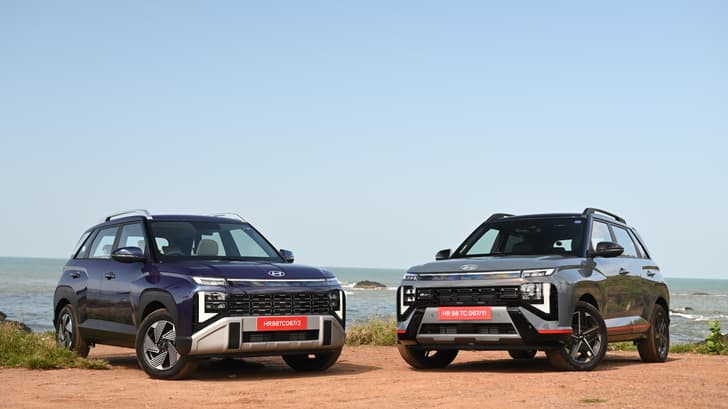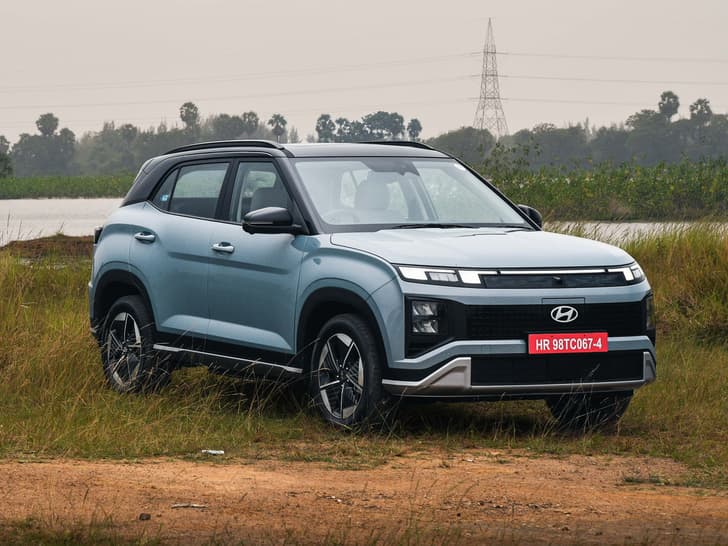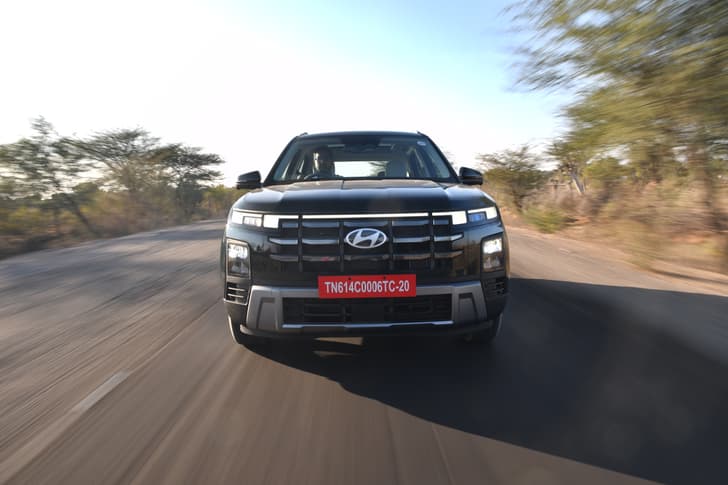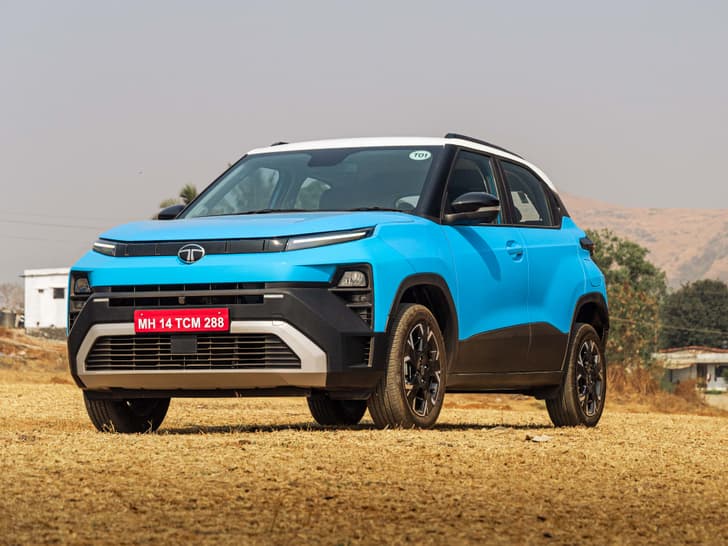

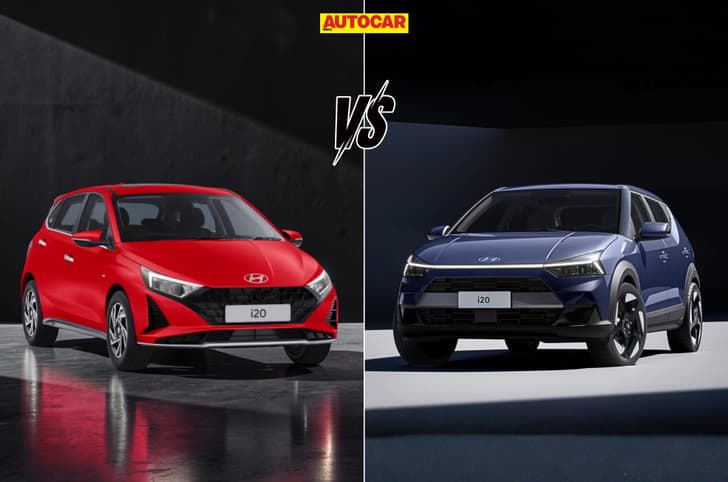
The fourth-generation Hyundai i20 officially broke cover in Brazil with a radical styling departure and new tech underneath. We’ve compared it to the current third-gen i20 sold in India to see how Hyundai’s popular premium hatchback has evolved.
Hyundai i20 third-gen vs fourth-gen: Exterior design
Fourth-gen model looks much more like a crossover
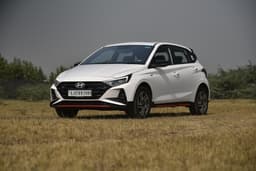
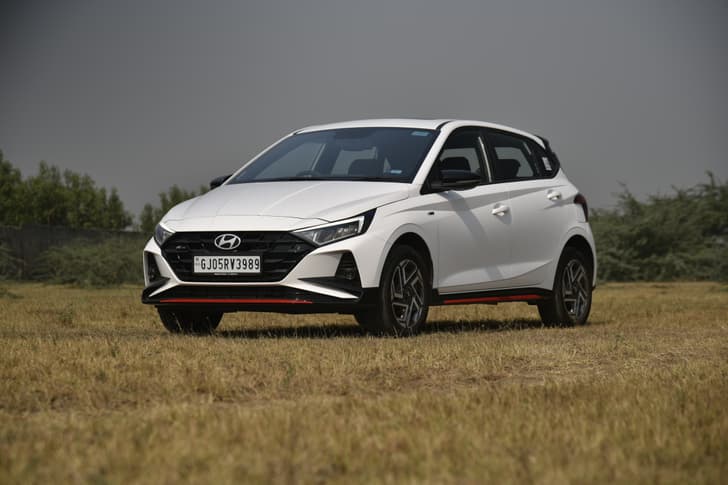
As noted previously, the fourth-gen i20 is radically different from the third-gen model on the styling front. Ditching its predecessor’s svelte and low-slung hatchback proportions, the new i20 veers much more into crossover territory, owing to its chunky body cladding, sharper lines and more upright fascia.
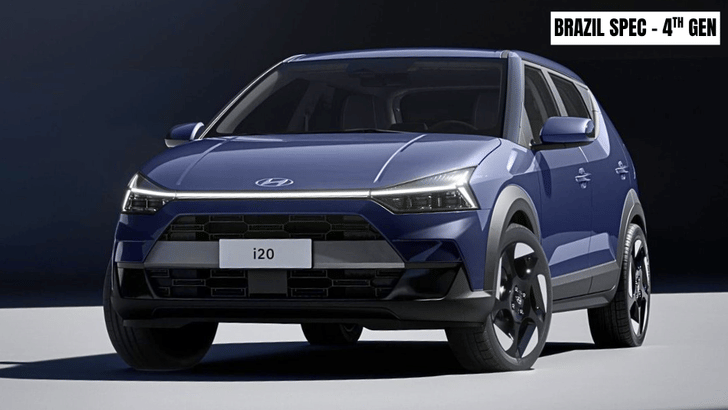
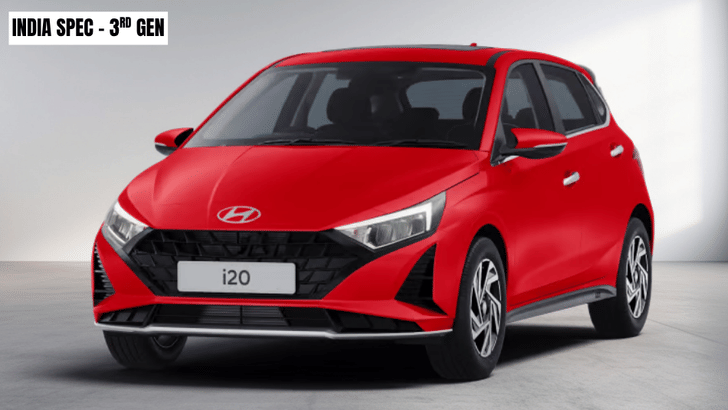
Up front, the new i20 eschews the sharp, low-set headlamps of the current model for a higher-set connected LED setup with Y-shaped daytime running lamps (DRLs), though the Hyundai emblem still sits on the bonnet. Below, the new i20 has a larger hexagonal grille with a satin silver trim piece, along with plastic cladding on the bumper.
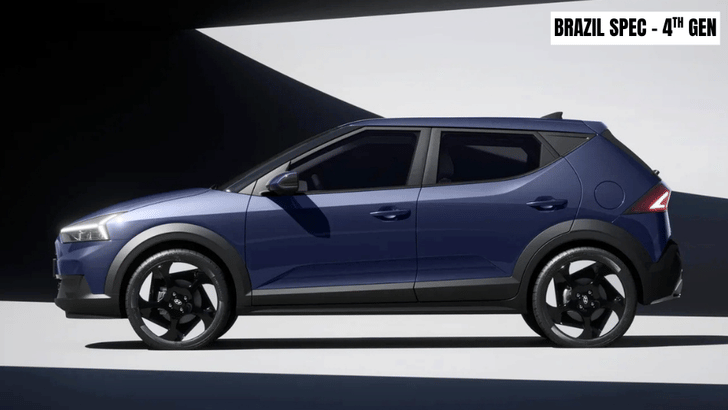
Over to the side, the car’s crossover leanings are most evident thanks to the aforementioned body cladding and boxier proportions. Its windowline also dramatically swoops upwards, and there are fresh alloy-wheel designs.
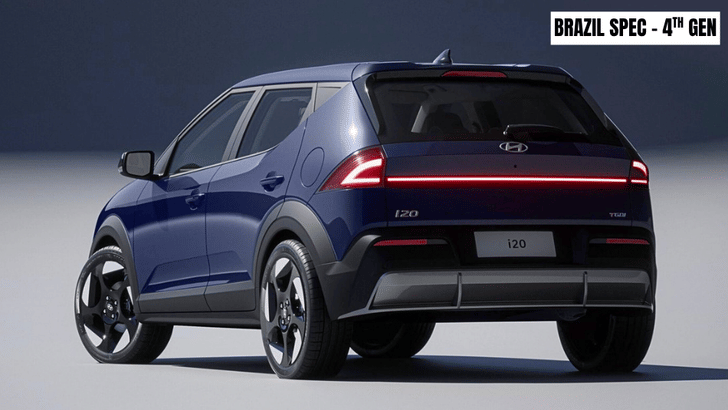
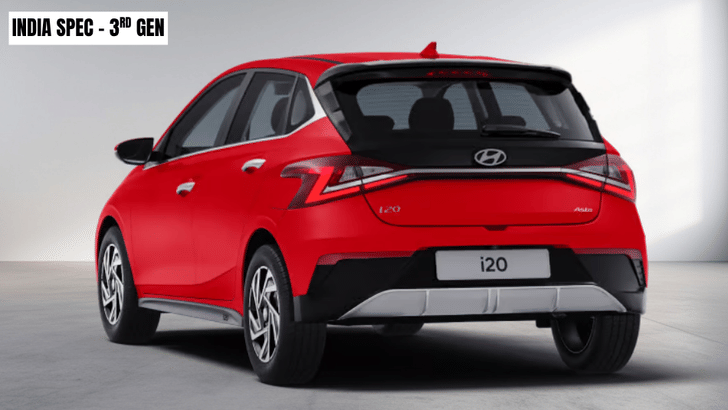
The rear end of the fourth-gen i20 features connected LED tail-lamps with L-shaped DRL signatures, which are smaller and look less rakish than the sleek units of the third-gen. The bumper is beefier and gets a silver diffuser treatment similar to that of the third-gen model.
Measuring 4,130mm in length and 1,780mm in width, the new i20 is 135mm longer and 5mm wider than the third-gen model. However, both feature an identical 2,580mm wheelbase. It’s also worth mentioning that since the fourth-gen i20 is over four metres long, it won’t qualify for India’s sub-4m tax benefits that its predecessor does. Therefore, if the fourth-gen i20 launches in India, it could look much different from the Brazil-spec model pictured here.
Hyundai i20 third-gen vs fourth-gen: Interior and features
Larger screens, a new steering wheel and more
The fourth-gen i20 is quite different from the third-gen model inside, too. Its dashboard prominently features dual 12.3-inch screens with upgraded graphics and a new three-spoke steering wheel with the four-dot Morse logo seen in newer Hyundai models. The third-gen model, on the other hand, comes with 10.25-inch displays at most and a four-spoke steering wheel bearing the Hyundai motif.
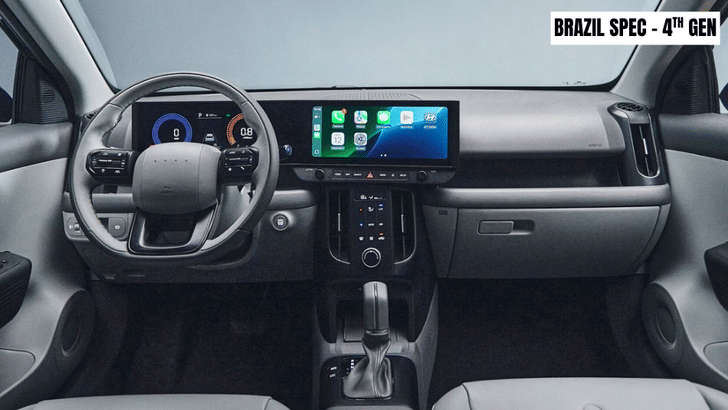
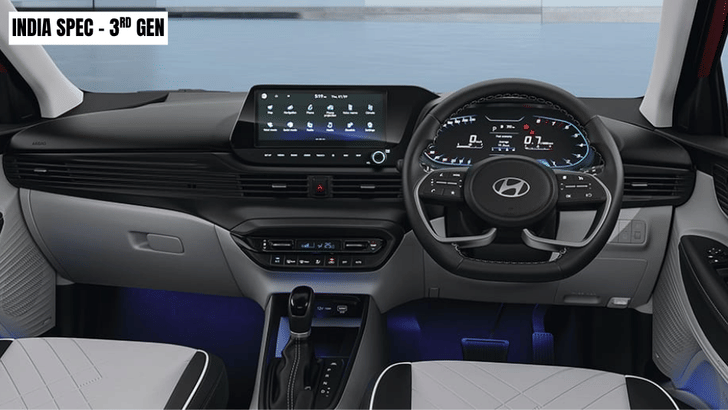
The centre console of the fourth-gen i20 has a more vertical layout, with capacitive AC controls flanked by air vents. There’s also an open storage space above the glove box and a neater, more uniform design for the top of the dash. The boot space is rated at 346 litres, which is 35 litres more than that of the third-gen model. Other notable upgrades include wireless Apple CarPlay and Android Auto, Level 2 ADAS (advanced driver assistance systems), over-the-air (OTA) updates and more.
Hyundai i20 third-gen vs fourth-gen: Platform and powertrains
Fourth-gen i20 switches to the newer and safer K3 platform
The fourth-gen i20 rides on Hyundai’s latest K3 platform, which also underpins the second-gen Kia Seltos. In terms of engine options, the Brazil-spec fourth-gen i20 offers two 1.0-litre three-cylinder mills – naturally aspirated and turbocharged – both of which can run on 30 percent ethanol-blended petrol (E30).
The base NA engine of the fourth-gen i20 develops 75hp and 94Nm on petrol, and 80hp and 100Nm on ethanol. Meanwhile, the higher-spec 1.0-litre direct-injection turbo-petrol engine is the same one that powers the third-gen i20 N Line, but at 115hp and 172Nm, develops 5hp less in the fourth-gen model. Gearbox options comprise a 5-speed manual for the NA engine and a 6-speed automatic for the turbo.
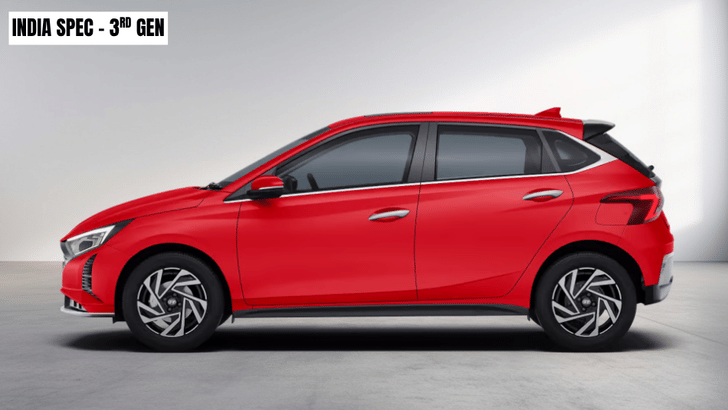
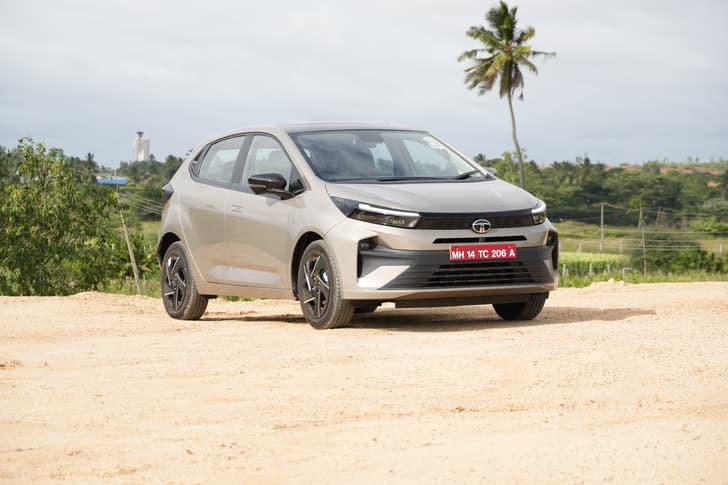
By contrast, the third-gen i20 is powered solely by Hyundai’s tried-and-tested 1.2-litre 4-cylinder naturally aspirated petrol engine, which makes 83hp and 115Nm. The powerplant can be had with a 5-speed manual or a CVT automatic.

 Uday Singh
 Glenn Noronha
 Dipan Sur