Last Updated on: 31 Jul 2026
Kia Syros EV
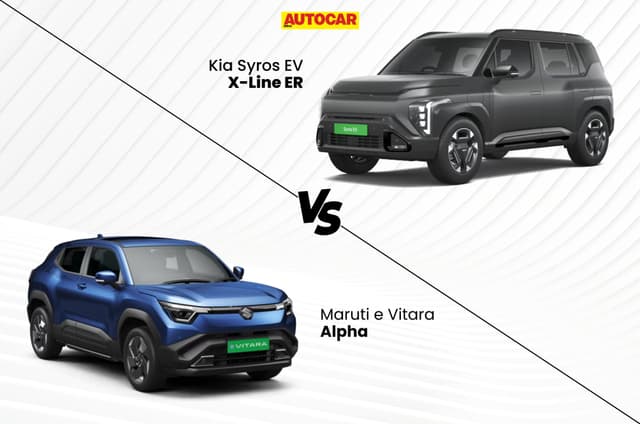
The Kia Syros EV is the carmaker’s second mass-market all-electric model in India. The Kia Syros EV price ranges between Rs 13.50 lakh and Rs 20.00 lakh. This makes it the most affordable Kia electric car in India.
The Kia Syros EV's battery pack options include 42kWh and 51.4kWh (Extended Range - ER). Both battery packs are paired with a front-mounted motor, which produces 135hp and 171hp in the 42kWh and 51.4kWh guises, respectively. The maximum torque for the motor on both versions is rated at 255Nm.
The Kia Syros EV has an ARAI-claimed range of 443km for the 42kWh battery pack and 526km for the larger 51.4kWh battery pack.
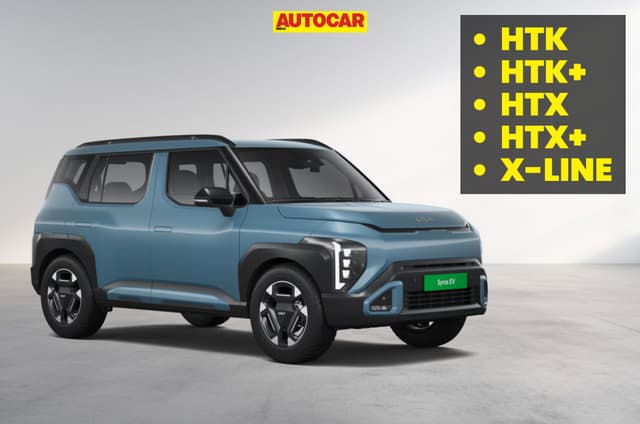
The Kia Syros EV lineup includes seven variants sold across five trims, namely HTK, HTK+, HTX, HTX+, and X-Line.
Kia Syros EV Rivals
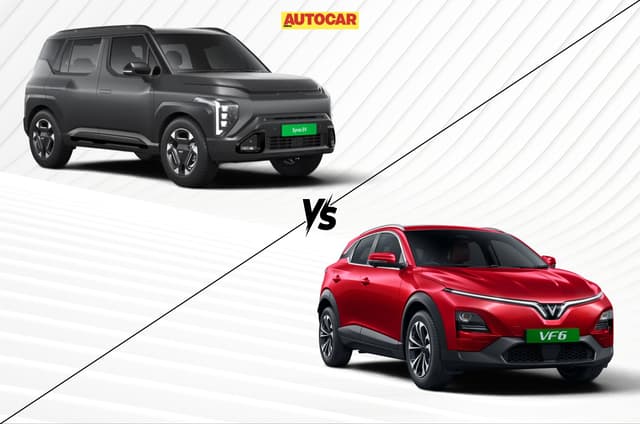
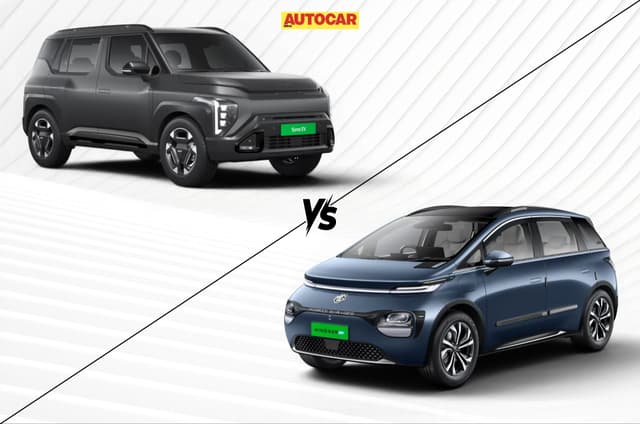
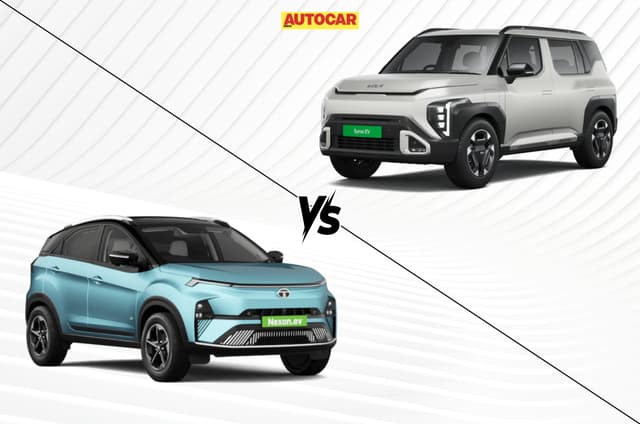
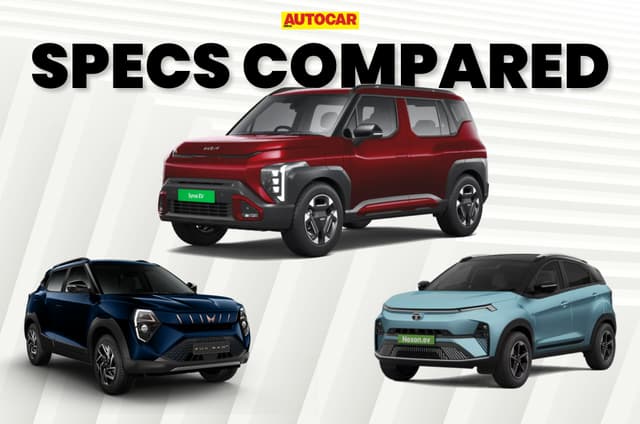
Kia Syros EV rivals include the Tata Nexon EV and the Mahindra XUV 3XO.
Safety Features
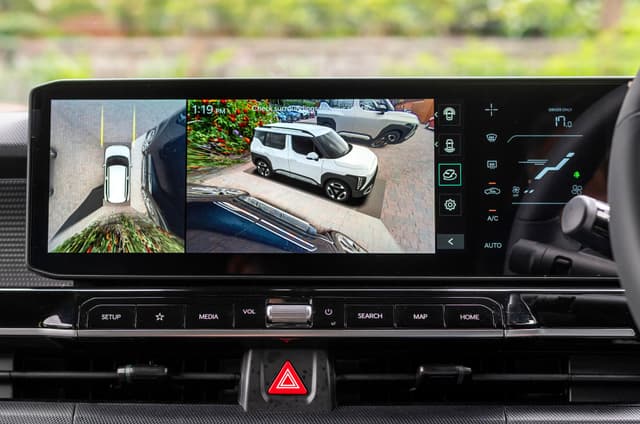
As standard, the Kia Syros EV is equipped with six airbags, ABS, brake assist, ESC, stability control, hill-start assist, a tyre pressure monitoring system (TPMS), all-wheel disc brakes, an electronic parking brake with auto-hold, follow-me-home headlamps, a virtual engine sound system, a child lock, rear parking sensors, speed-sensing door locks, impact-sensing auto door unlock, 3-point seatbelts for all seats, ISOFIX anchors, a front passenger airbag on/off switch, and rear occupant alert. Higher variants in the lineup also get a 360-degree camera, an auto-dimming IRVM, and a Level 2 ADAS suite.
Kia Syros EV Key Highlights
- The only compact and the most affordable model in Kia’s EV portfolio for India..
- Gets the largest battery pack (51.4kWh), most powerful motor (171hp, 255Nm) and highest claimed range in the segment (526km).
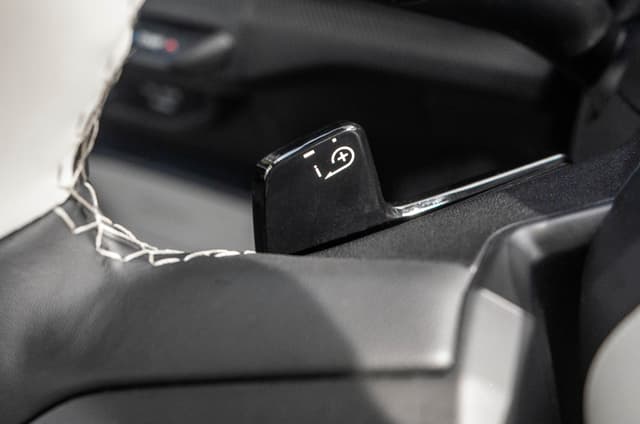
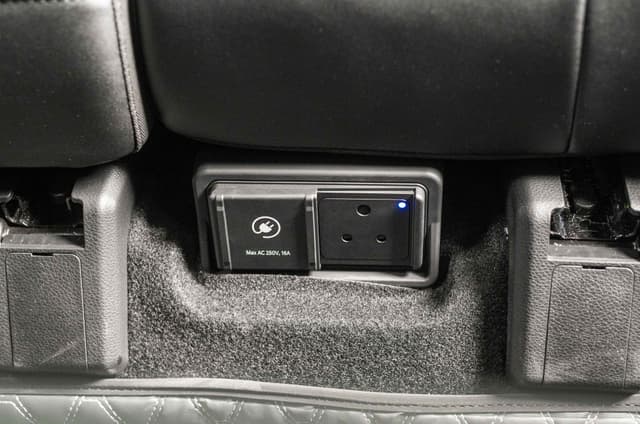
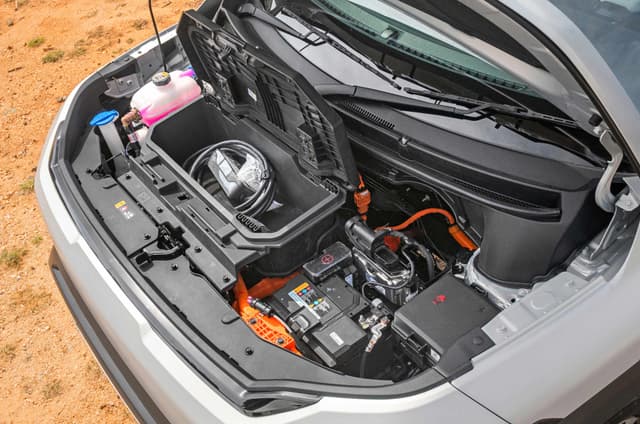
- EV-specific features include Vehicle-to-Load (V2L) functionality, battery heating system, and regenerative braking.
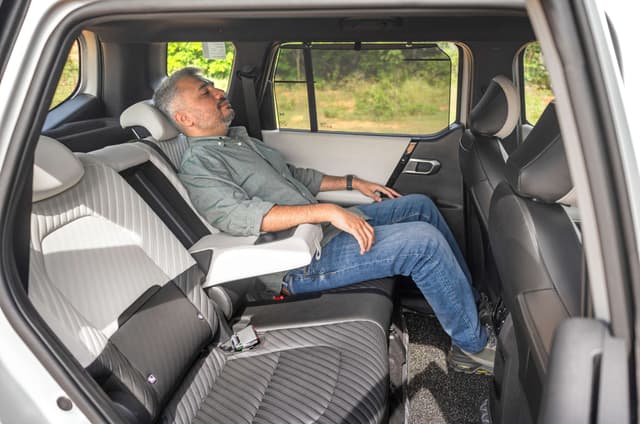
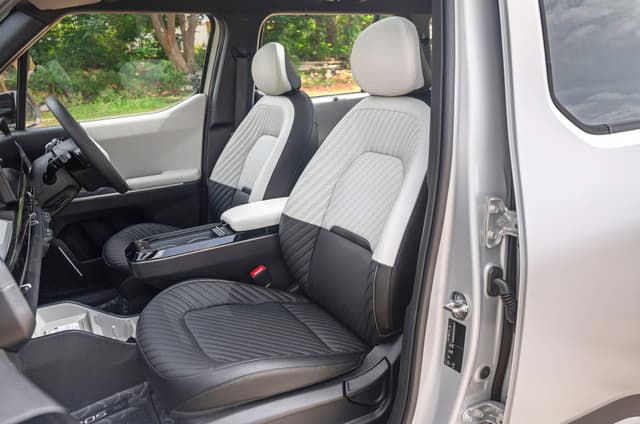
- Gets segment-only features such as reclining and sliding rear seats with seat base ventilation.
- Apart from Level 2 ADAS, it features automatic flush door handles, a 360-degree camera, a digital key, puddle lamps, multi-colour ambient lighting, and metal pedals over the ICE Syros.
- Offered with 3 interior themes and seat upholstery options depending on the variant chosen.
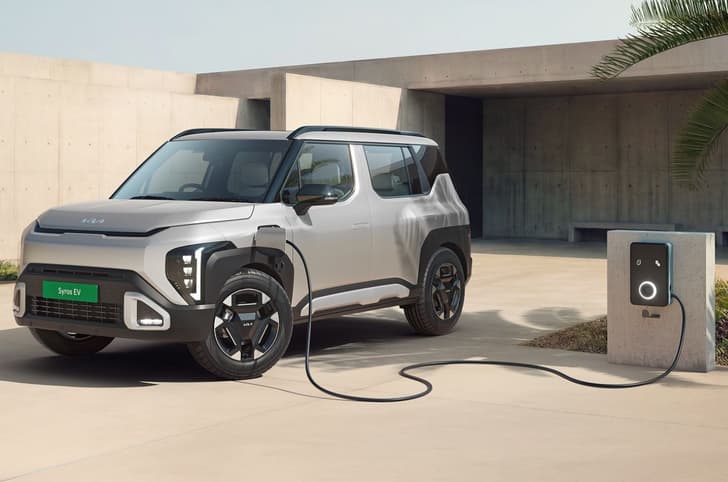
- 10-80% charge in 39 minutes using a 100kW DC charger.
Kia Syros EV Exterior and Interior
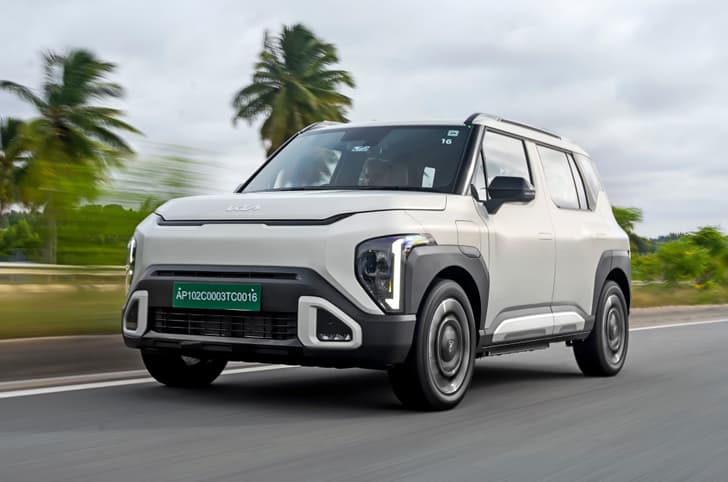
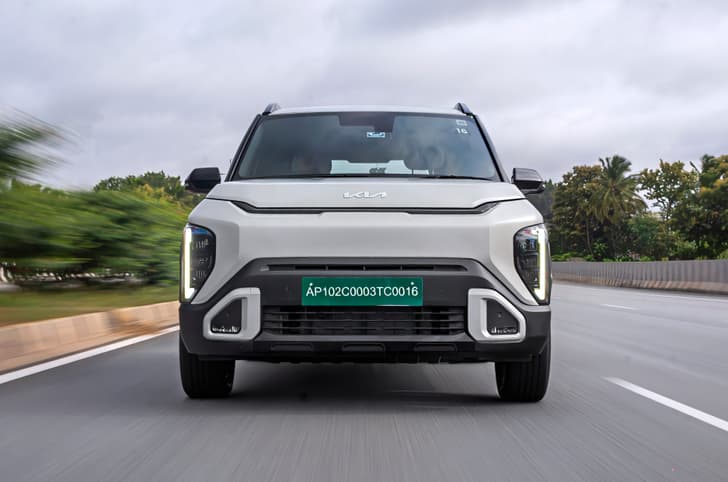
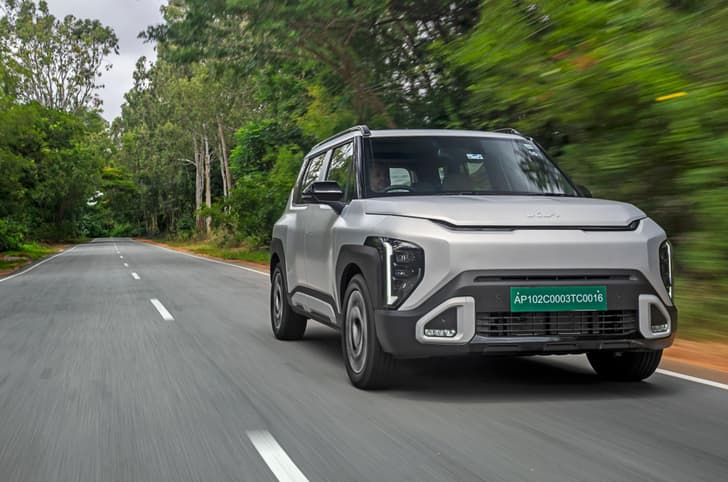
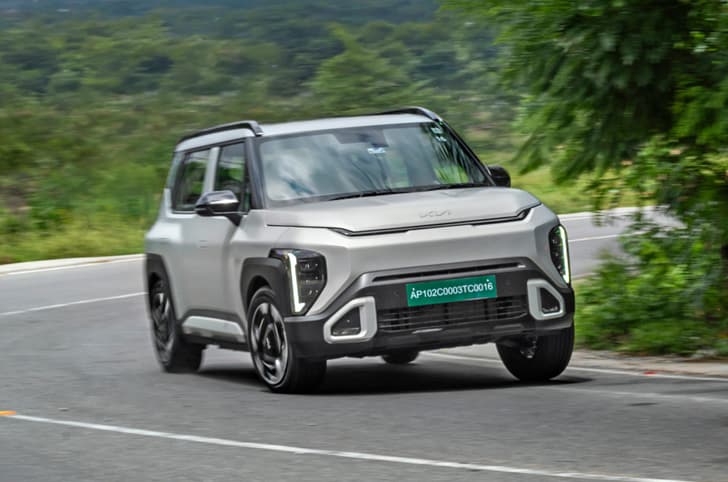
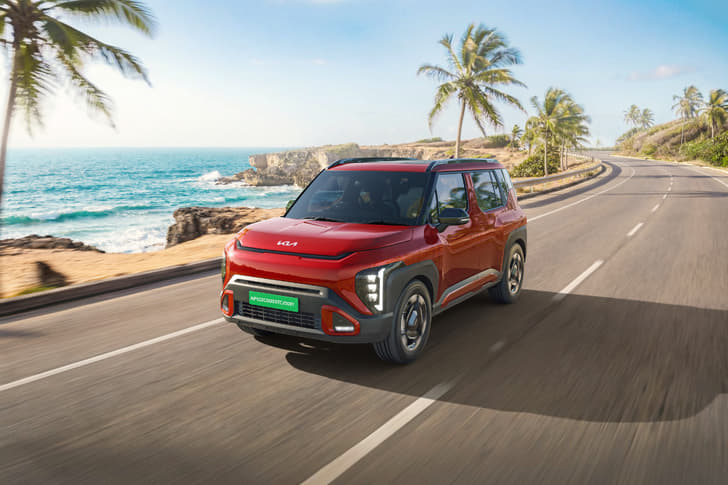
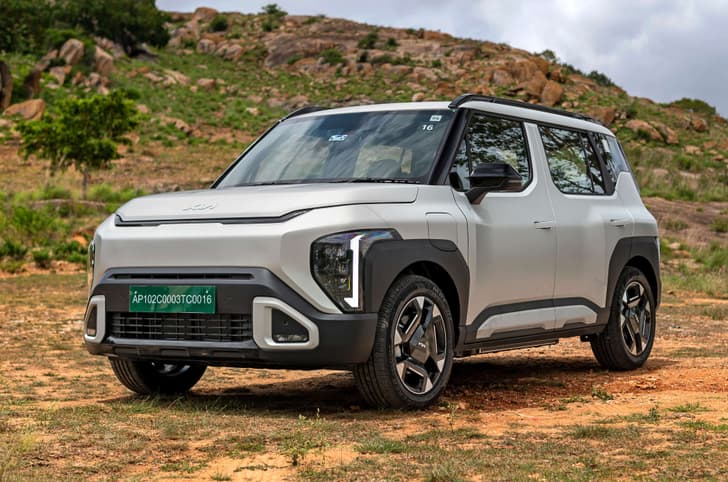
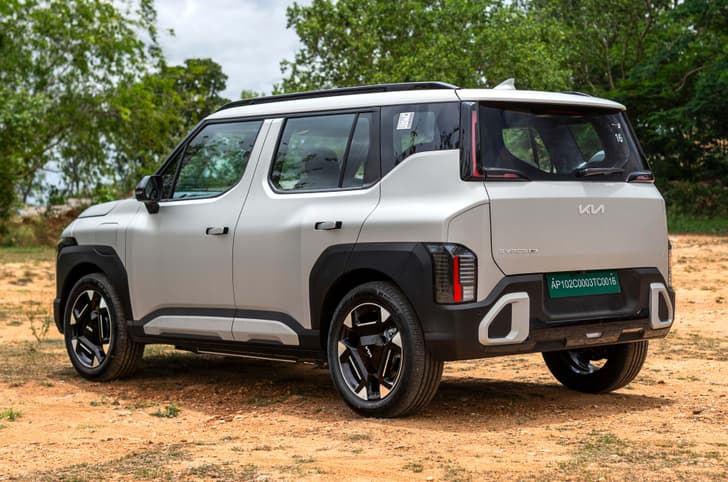
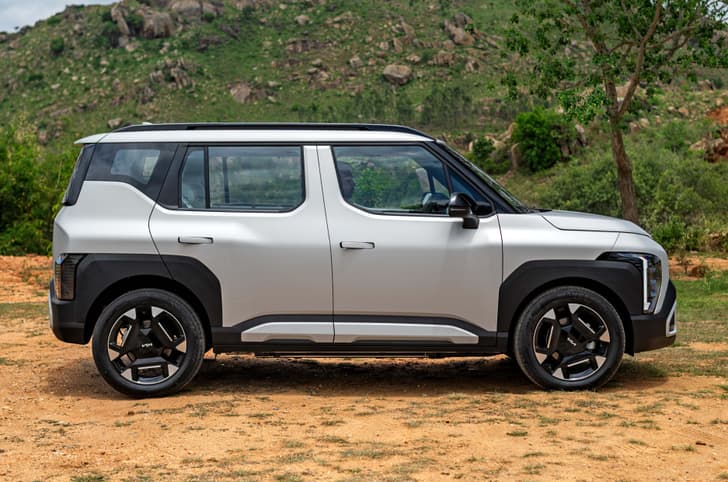
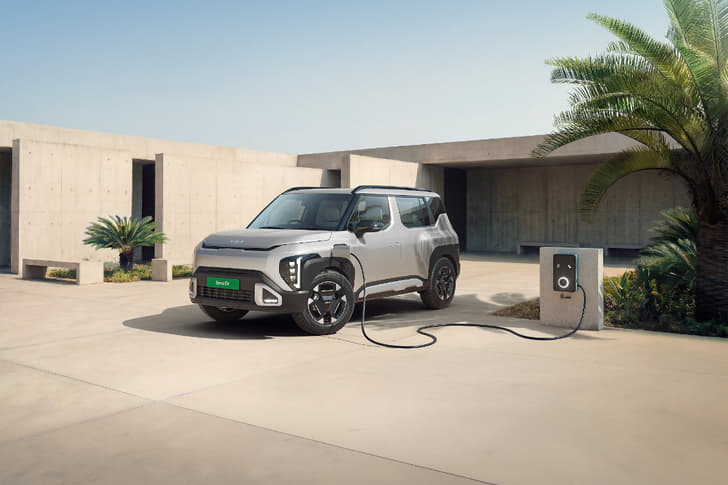
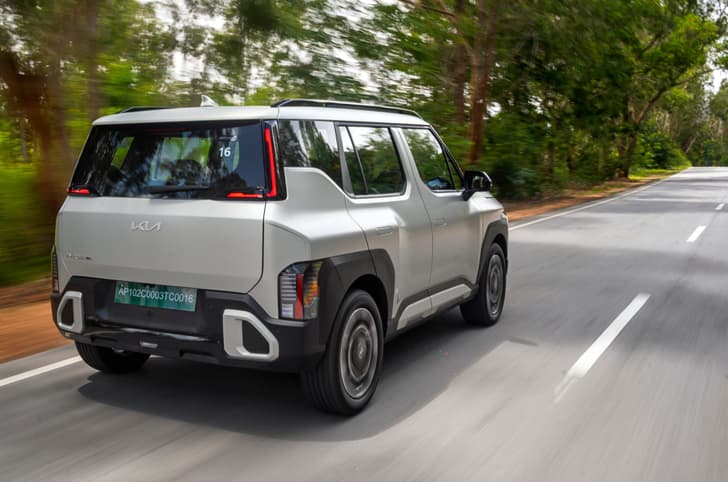
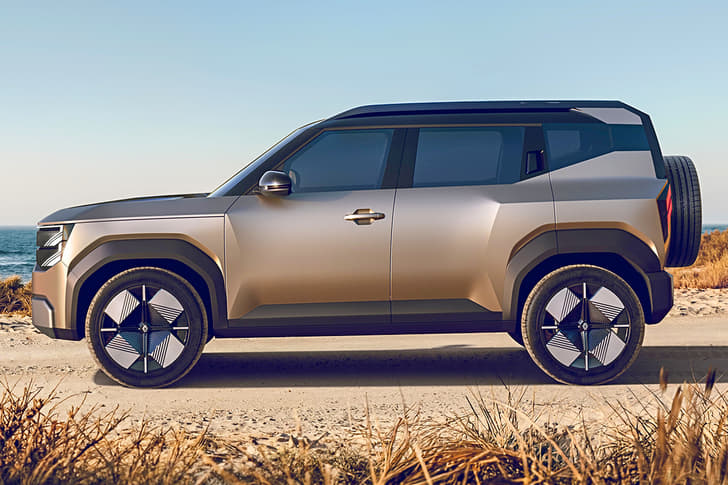
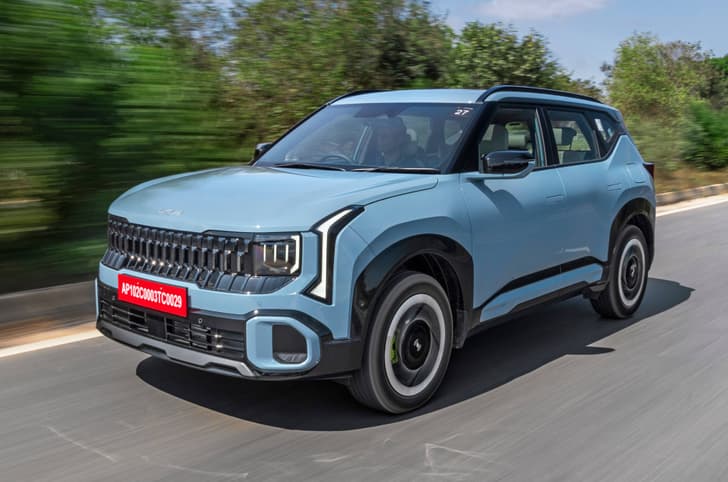
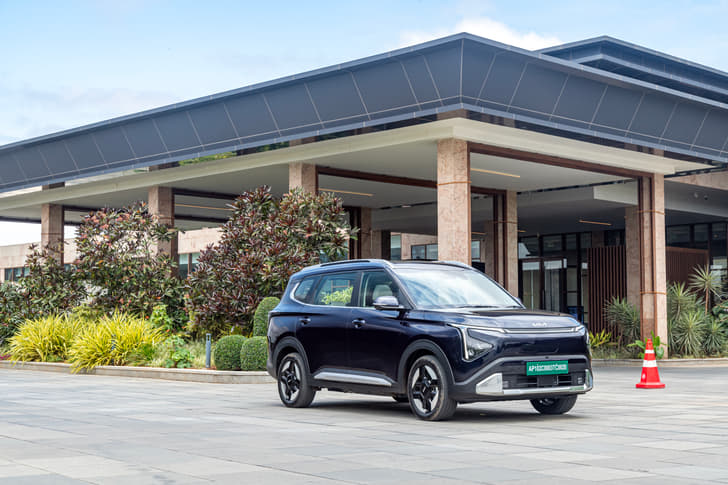
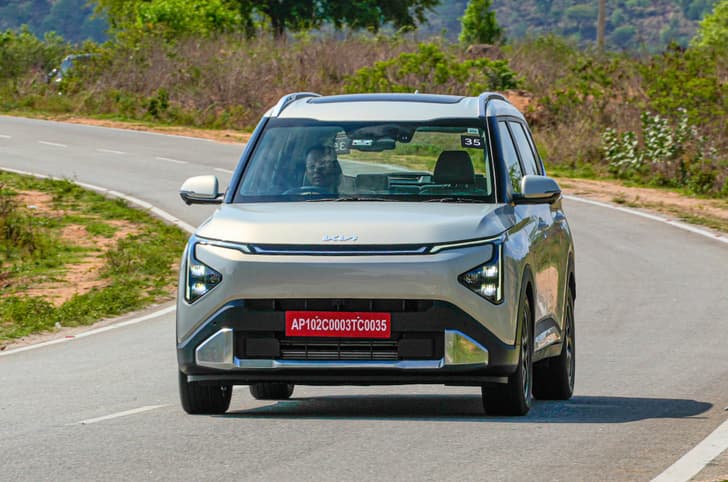
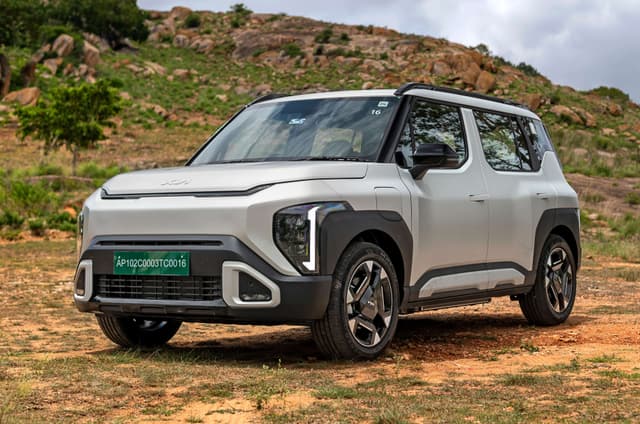
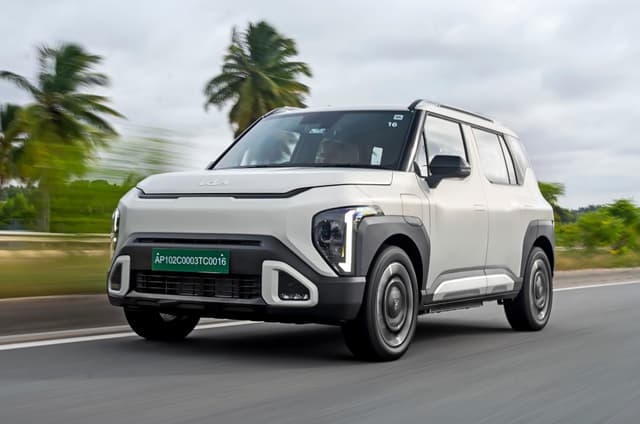
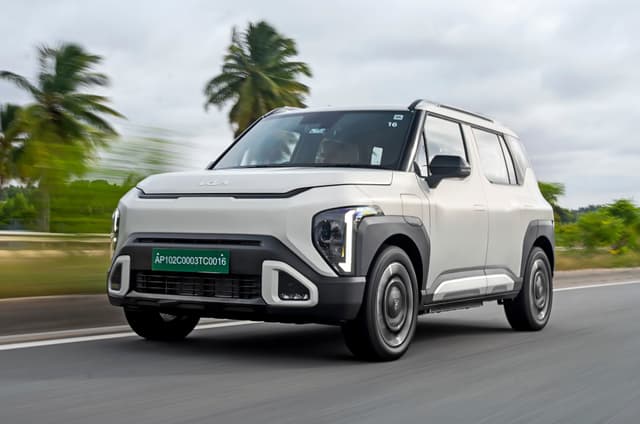
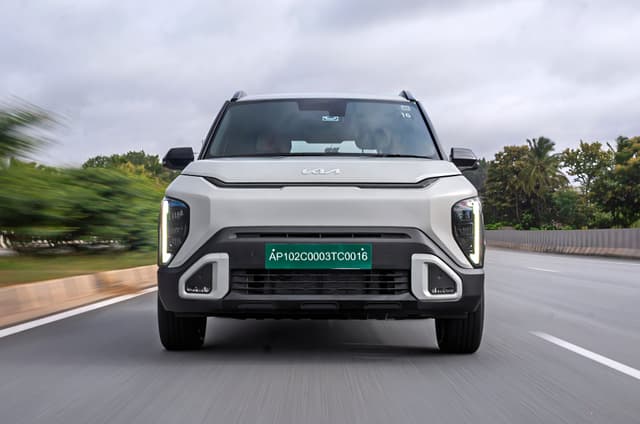
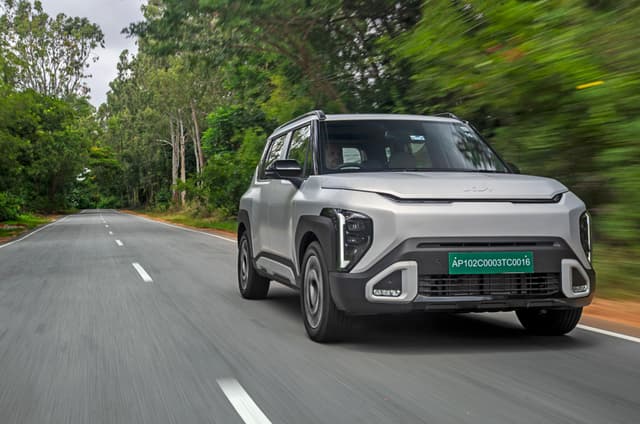
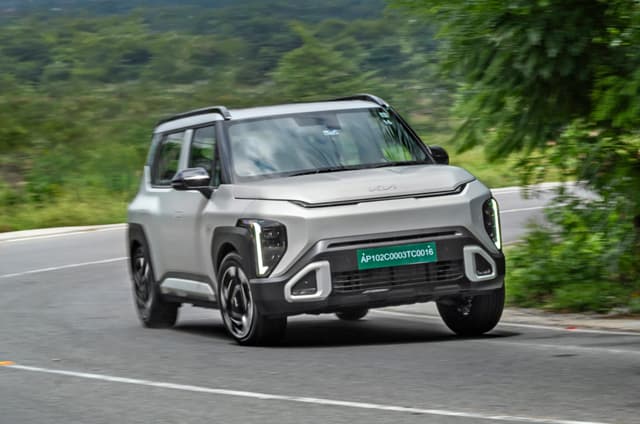
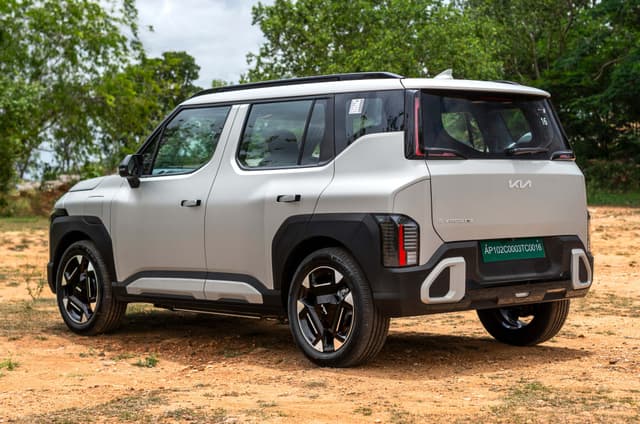
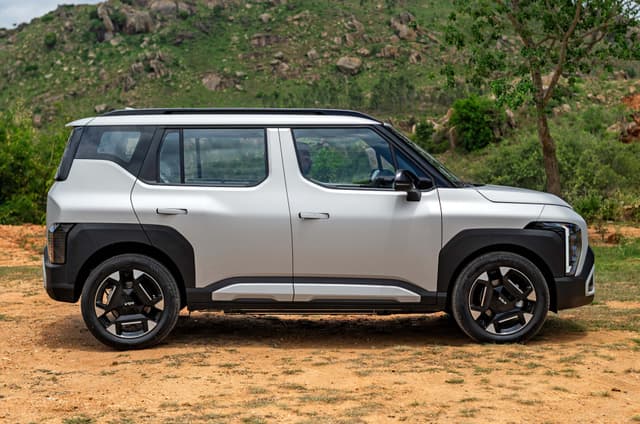
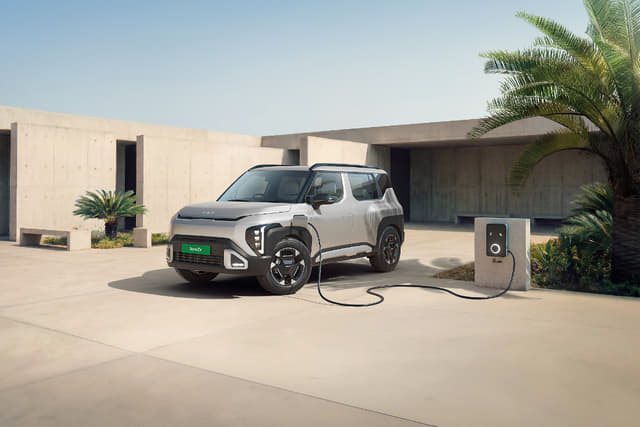
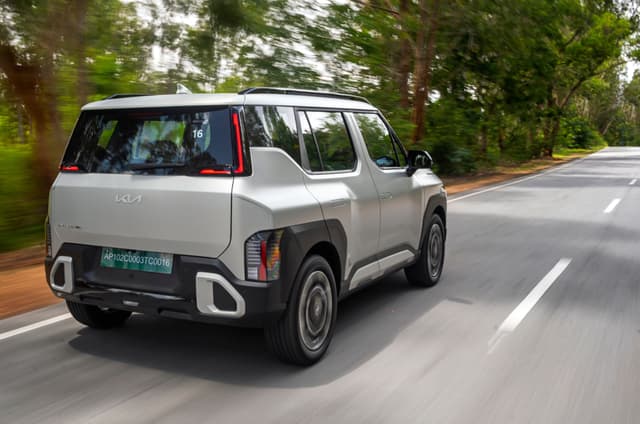
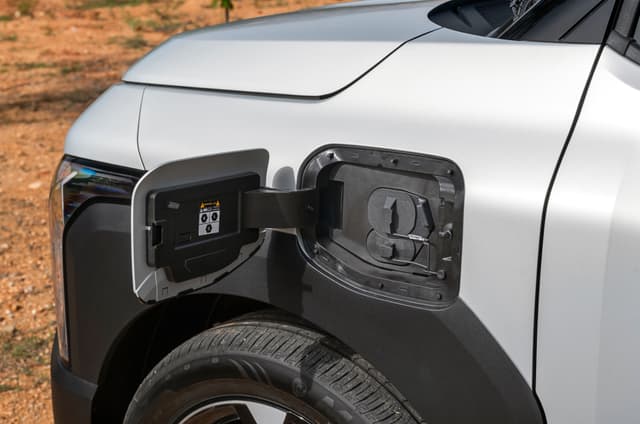
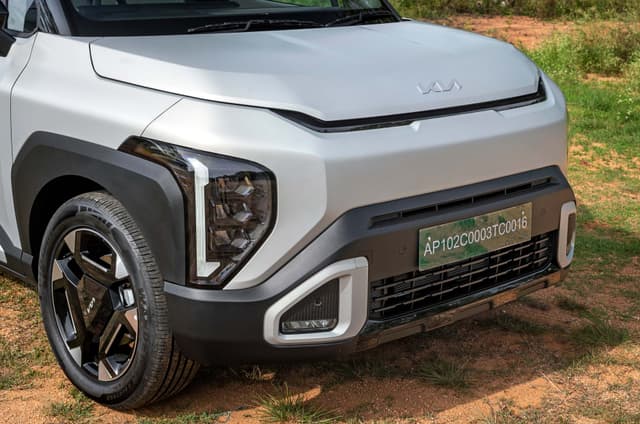
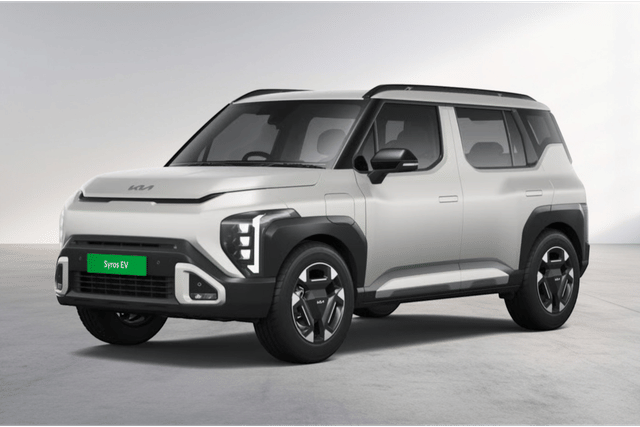
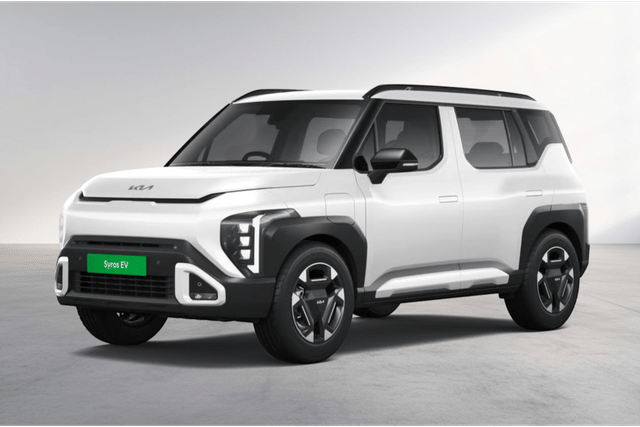
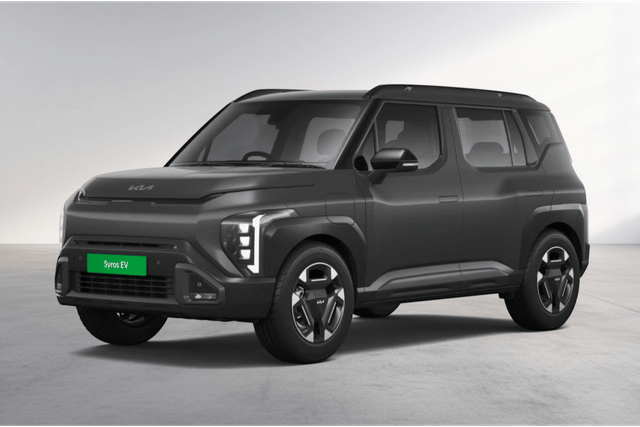
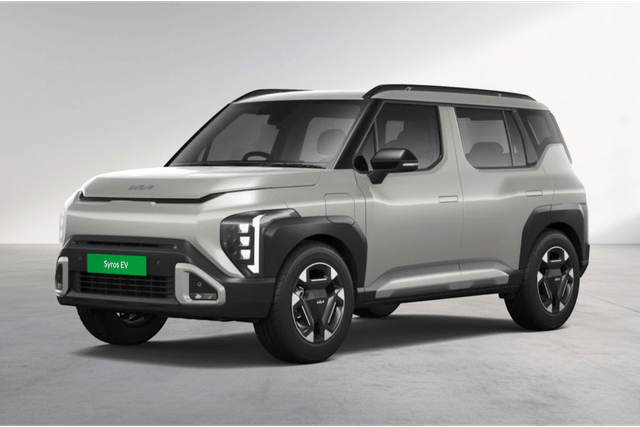
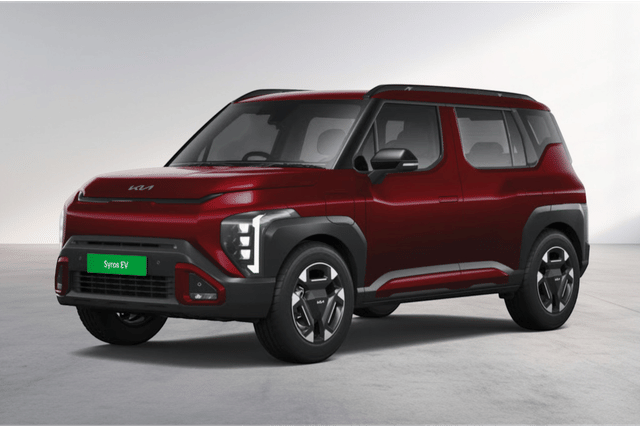
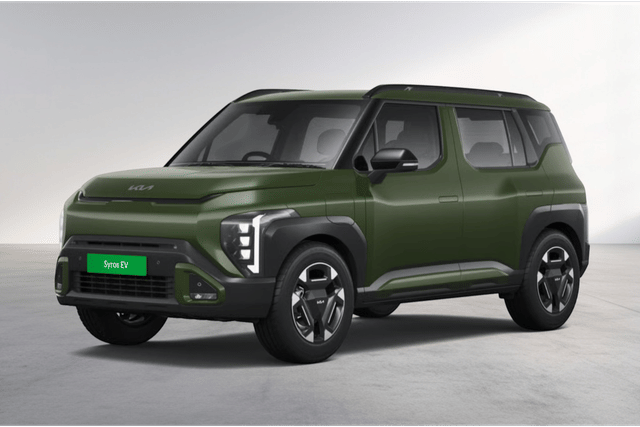
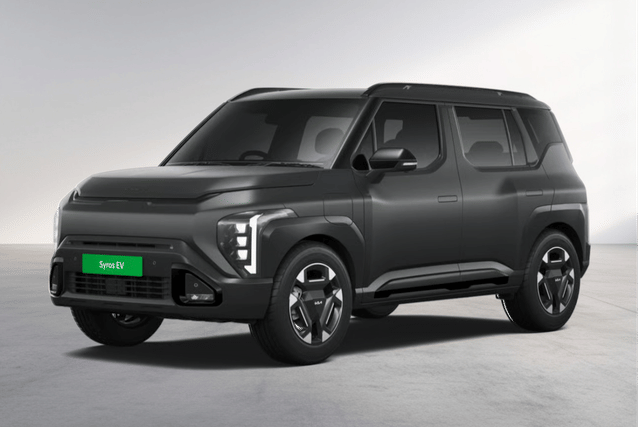
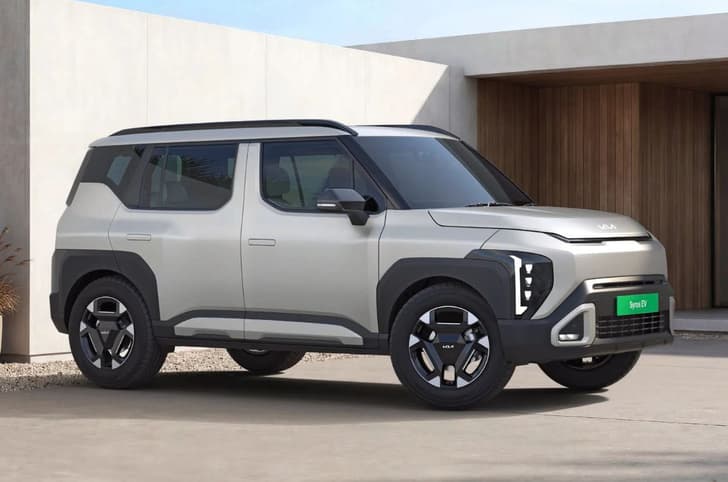
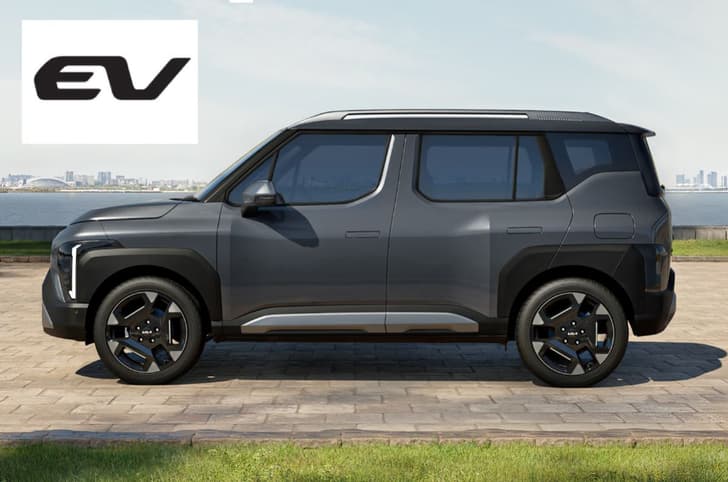
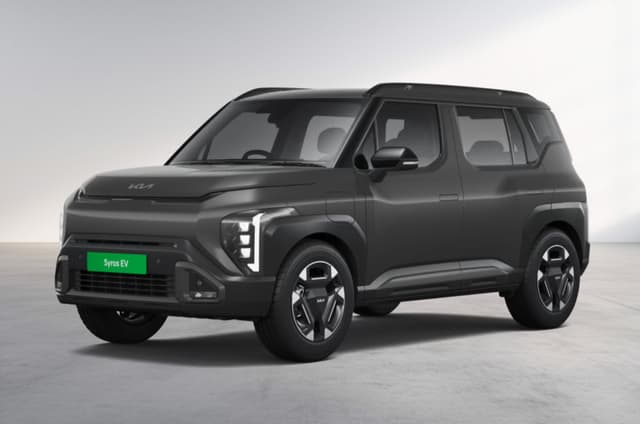
The Kia Syros EV looks largely similar to the ICE-powered Syros, retaining signature design details like the tall-boy stance, vertical LED headlamps, tail-lamps, and DRLs. Because it is an EV, it features a charging flap on the front-left fender, while the EV badging on the tailgate subtly distinguishes it from the ICE version.
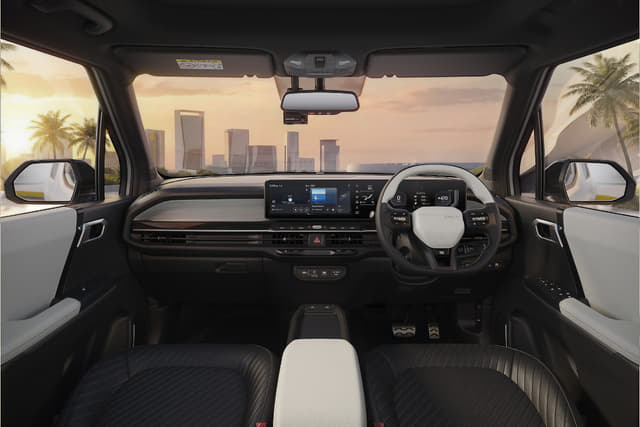
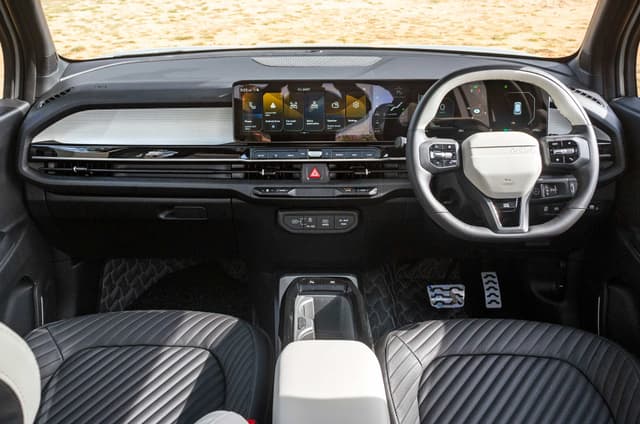
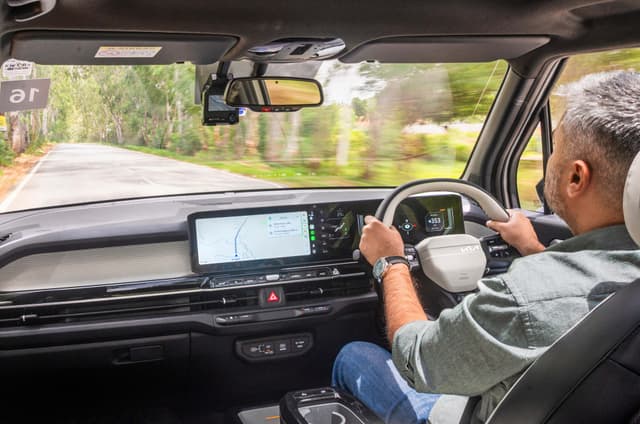
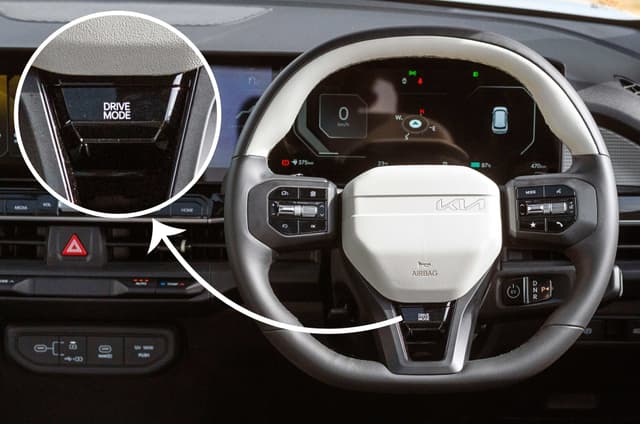
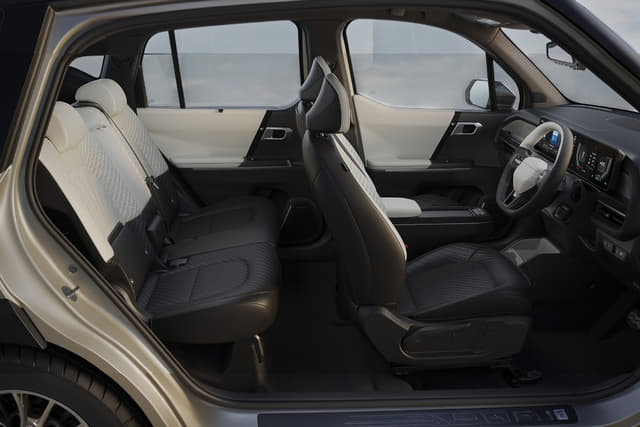
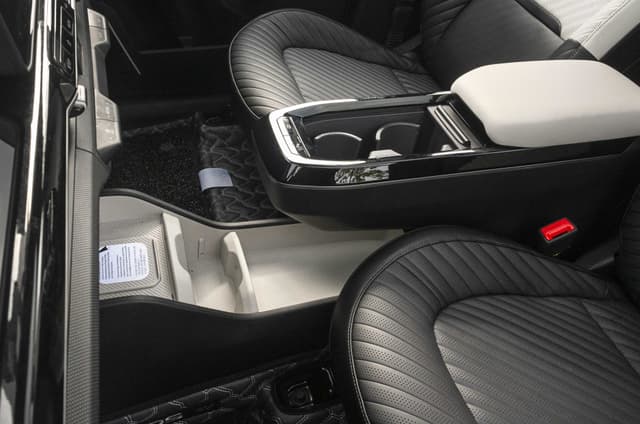
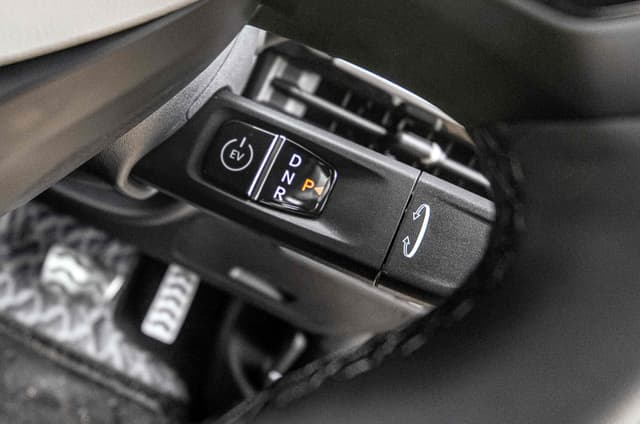
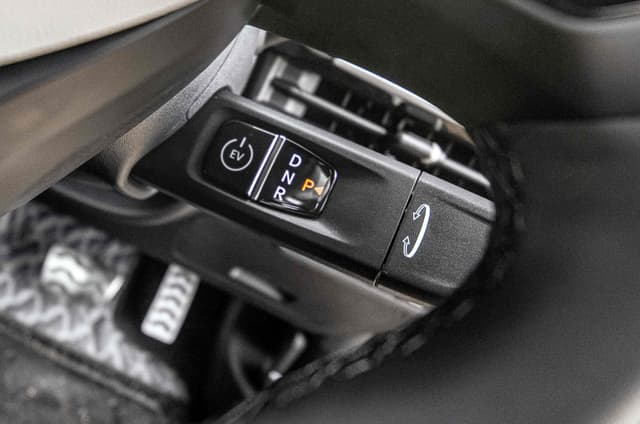
Similar to the exterior, the interior closely mirrors the layout of the ICE version. Depending on the trim chosen, you get a two-tone colour theme for the cabin and seat upholstery. The dashboard is dominated by a triple-screen setup, and it features a revised centre console since the drive-select lever has been moved to the steering column.
Kia Syros EV Latest Updates
- 23 July 2026: Kia Syros EV launched at Rs 13.49 lakh
- 15 July 2026: Kia Syros EV revealed with up to 526km range.
- 11 July 2026: Kia Syros EV all details leaked ahead of launch, unofficial bookings open.
- 5 July 2026: Kia teases upcoming Syros EV.
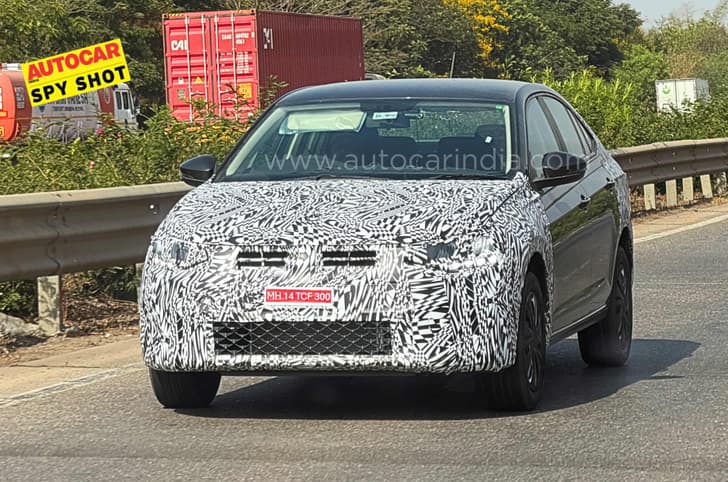
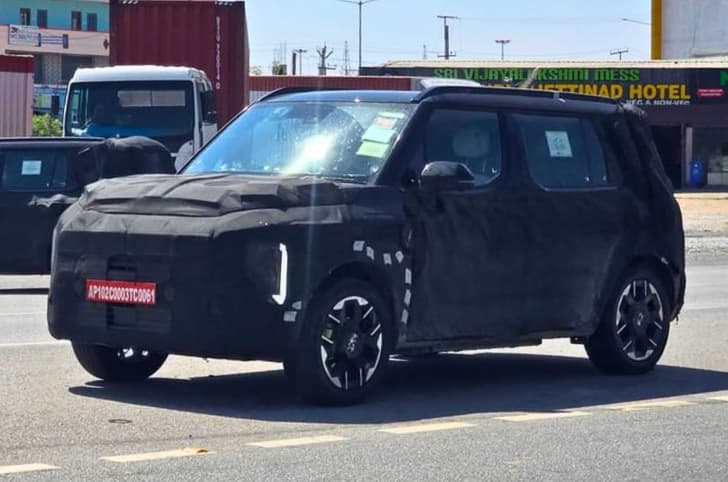
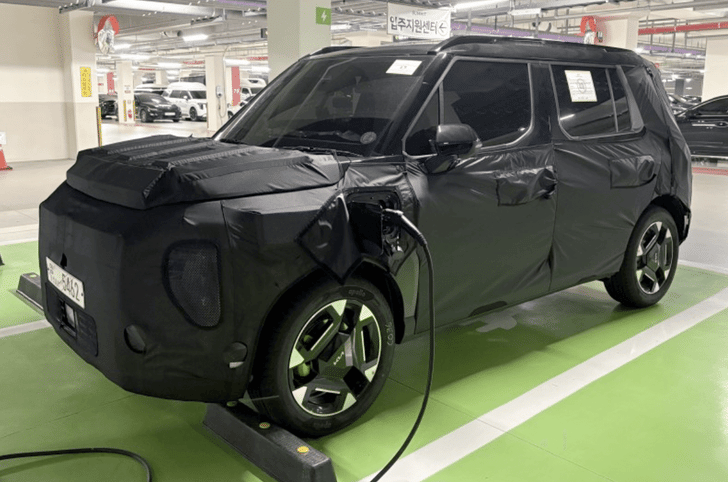
- 26 February 2026: Kia Syros EV spied in India.
Kia Syros EV Features and specifications
Our Rating | 8 |
Battery Range | 443 km - 526 km |
Fuel Type | Electric |
Transmission | Auto |
Seats | 5 |
Body Style | SUV |
Doors | 5 |
Claimed Electric Motor Range | 526 km |
| Fuel Type/ Propulsion | Electric |
| Motor Type | Permanent Magnet Synchronous Motor |
| Number of Motors | 1 |
| Gearbox Type | Auto |
| Drive Mode Types | Multiple |
| Battery Capacity | 51.4 kWh |
| Charging Time | 4 hour 50 mins 10 - 100% (11kW AC) |
| Claimed Range | 526 km |
| Front Suspension Type | McPherson Strut |
| Front Springs | Coil Springs |
| Rear Suspension Type | Coupled Torsion Beam Axle |
| Rear Springs | Coil Springs |
| Length | 3995 mm |
| Width | 1805 mm |
| Height | 1670 mm |
| Wheelbase | 2550 mm |
| Ambient Lighting | |
| Climate Control | 1-zone |
| Cruise Control | Yes (Adaptive) |
| Cup Holders |
| Adaptive Cruise Control | |
| Airbags | 6 |
| Anti Theft Alarm | |
| Anti-Lock Brakes (ABS) |
| Antenna | Shark Fin |
| Daytime Running Lights | LED |
| Follow Me Home Headlamps | |
| Front Fog Lamps |
| Speedometer | Digital |
| Tachometer | Digital |
| Adjustable Front Headrests | |
| Adjustable Rear Headrests |
| Android Auto | Wireless |
| Apple CarPlay | Wireless |
| Branded Music System | Harman/Kardon |
| Display | 12.3-inch Touchscreen |
| Check Vehicle Status via App | |
| Digital Key | |
| Find My Car | |
| Live Location Sharing |
Kia Syros EV price & variants
The Kia Syros EV variants include 7 options sold over five trims, namely HTK, HTK+, HTX, HTX+ and X-Line. The 42kWh battery pack is offered with the HTK, HTK+ and HTX variants, while the 51.4kWh battery pack is offered with the HTK+, HTX, HTX+ and X-Line variants.
The Kia Syros EV ex-showroom price ranges between Rs 13.50 lakh and Rs 20.00 lakh. Kia Syros EV on-road price in Mumbai is Rs 14.31 lakh and Rs 21.20 lakh.
Both the 42kWh and 51.4kWh battery packs are paired to a front-mounted motor. In the former, the motor delivers 135hp and 255Nm, while it produces 171hp and 255Nm in the latter.
With a 11kW AC charger, the 42kWh takes 4 hours to charge from 10-100 percent, while the 51.4kWh takes 4 hours and 50 minutes to charge. With a 100kW DC charger, both versions take 39 minutes to charge.
Kia Syros EV expert review
We like
Impressive performance and range
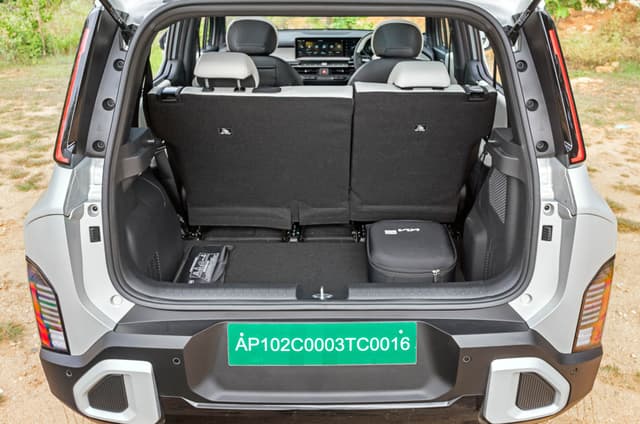
Spacious and practical cabin
Feature packed
We don't like
Pricey at the top end
7
10
9
9
8
8
7
Reviewed by: Lenny D'sa
Kia Syros EV Official Brochure
Download the complete brochure with specs, features, and variants.
Kia Syros EV User Reviews
Tell us about your experience
Kia Syros EV reviews

Kia Syros EV comparison


Kia Syros EV Range
The Kia Syros EV gets a claimed range of 423km for the 42kWh battery pack. Meanwhile, the larger 51.4kWh battery pack gets a claimed range of 526km.
| PowertrainThe combination of engine type, fuel, and transmission that powers your vehicle and determines how it drives and what it runs on. | ARAI RangeMileage certified by the government, tested under controlled lab conditions. Real-world mileage will vary. |
|---|---|
Electric-Automatic (Auto) 42 kWh | 443 km |
Electric-Automatic (Auto) 51.4 kWh | 526 km |
Kia Syros EV news
Kia Syros EV Images
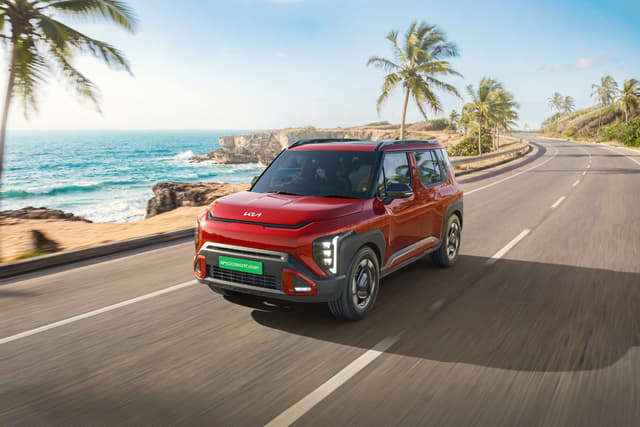
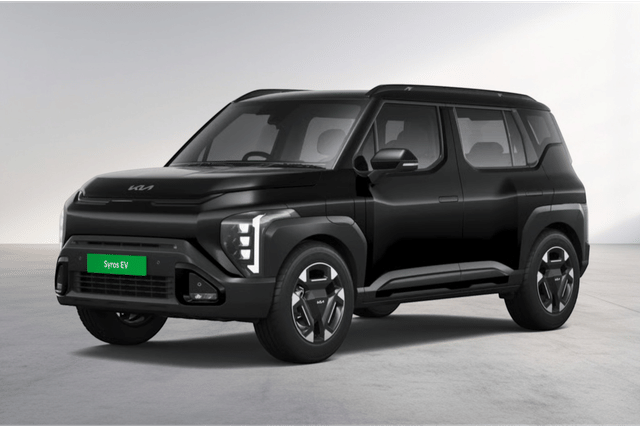
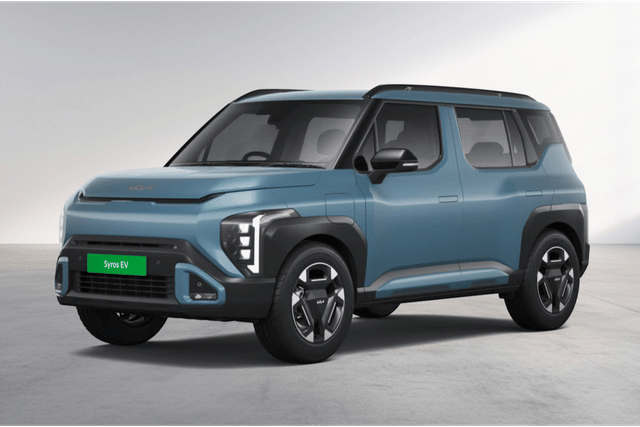
The Kia Syros EV images showcase its tall-boy design, EV-specific design bits, interior and colours on offer.
Kia Syros EV Colours
The Kia Syros EV colours include Ivory Silver Matte, Frost Blue, Gravity Grey, Pewter Olive, Magma Red, Ivory Silver Gloss, Aurora Black Pearl, Glacier White Pearl, and Xclusive Matte Graphite. Of these, the top X-Line trim is available solely in the Aurora Black Pearl and Xclusive Matte Graphite colours.
Kia Syros EV FAQs
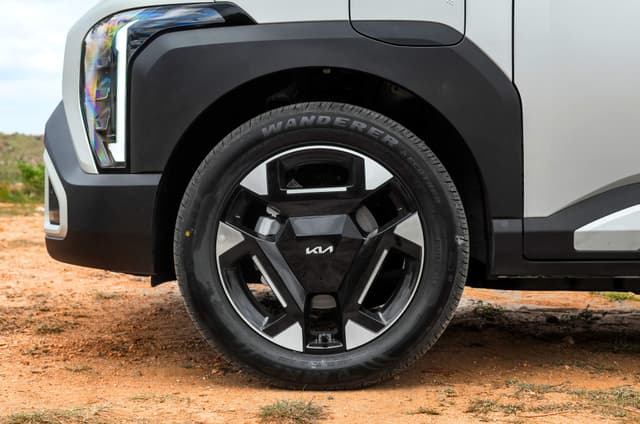
Being an EV, the Kia Syros EV features a charging flap on the front fender, different alloy wheel designs and EV badging on the tailgate.
Its interior gets a revised centre console design as the gear lever is moved to the steering column.
Additionally, the Syros EV gets more features like Level 2 ADAS, automatic flush door handles, a 360-degree camera, a digital key, puddle lamps, multi-colour ambient lighting, and metal pedals.
Yes, with the most powerful version delivering 171hp and 255Nm, the Syros EV is more powerful than the ICE Syros' 120hp, 172Nm petrol and 115hp, 253Nm diesel powertrains.
With a 51.4kWh battery pack paired to a motor producing 171hp and 255Nm and a claimed range of 526km, the Syros EV gets the largest battery, is the most powerful, and has the highest claimed range in the compact eSUV space.
While the prices of the Syros EV are yet to be revealed, it is expected to be more affordable than the Carens Clavis EV since it's a compact model. Currently, it's the Clavis EV that's the most affordable Kia EV on sale in India.
Questions you may find useful
I am currently using a 2024 VW Virtus 1.5 GT (electric seats variant) and have completed 16,000 km. My current monthly running is around 1,000 km, mostly in the city. Should I continue with this car or switch to an EV? My Virtus has an online resale value of around Rs. 14 lakh, and I do not want to spend more than Rs. 3-4 lakh over its resale value. Please suggest whether I should buy an EV within this budget or continue with the Virtus.
If you enjoy driving, we'd recommend you stick with your Volkswagen Virtus 1.5 GT. At 16,000km and a 1,000km/month usage pattern, mostly in the city, the car is still relatively new and well within its prime ownership window. The 1.5 TSI is a strong, efficient engine and the Virtus is a genuinely enjoyable car to drive, especially in urban conditions where its size and performance are well suited. Your budget of Rs 14 lakh resale plus Rs 3-4 lakh extra puts you in the Rs 17-18 lakh range, which limits your electric car options to models like the Tata Nexon EV, Mahindra XUV 3XO EV, MG Windsor and Kia Syros EV. While these are competent cars, they will not feel like a meaningful upgrade over the Virtus in terms of overall ownership experience. The financial case for switching to an EV at this stage is also weak given the depreciation hit you would take on a nearly new car. Unless you have a strong desire to go electric, it makes more sense to continue with the Virtus for a few more years and revisit the EV decision when your usage pattern or the EV market justifies it.
Hi everyone, We currently own a Chevrolet Sail Sedan Diesel and are planning to upgrade. I'm having a tough time deciding between buying another diesel SUV or switching to an EV. Our usage pattern is quite different from most buyers. We drive around 50 km per week, almost entirely within the city. Highway trips are very rare, maybe once or twice a year. Because of this, I feel an EV makes more sense, and I absolutely love the smooth and quiet driving experience that electric cars offer. At the moment, I'm considering the Tata Nexon EV, Kia Syros EV (newly launched), and the Hyundai Creta Electric, especially the new BaaS option in the base variant. I'm leaning slightly towards Kia/Hyundai because they seem to have a better reputation for battery management, software, overall reliability, and after-sales service compared to Tata. If I decide to stay with diesel, the base model Kia Seltos Diesel would probably be my choice. However, I'm quite concerned about modern diesel systems, particularly DPF regeneration and DEF/AdBlue-related issues. Since our driving is mostly short city trips with very little highway usage, I'm worried that a diesel may not be the right fit in the long run. Given our usage pattern, what would you recommend: Kia Seltos Diesel, Tata Nexon EV, Kia Syros EV, or Hyundai Creta Electric? I'd especially appreciate feedback from owners who have experience with these cars in predominantly city driving. Thanks in advance!
Between the Nexon EV, Syros EV and Creta Electric, the Nexon EV is the most affordable option. But we'd strongly recommend the Syros EV - it is a very sensible choice. It is priced well, has a good feature set, and cabin space is excellent. Kia's battery management, software and service network inspire more confidence for long-term ownership. Overall, the Syros EV is the more balanced package, and even though the Creta Electric is a good car, the Syros EV comes across as better value for money.
I have a 2021 Hyundai Venue (second base variant), and my daily running is around 45-50 km. Should I replace it with a new car, or should I continue using it? If I do replace it, should I choose an EV or a petrol car? I am looking for a car that offers good comfort, spacious interiors, good mileage, and an automatic transmission. Would the Hyundai Verna HX6 Plus Automatic be a good choice, or would you recommend a better petrol or EV option?
With a daily running of 45- 50 km, you are already clocking around 16,000- 18,000 km a year, which is a healthy mileage. And if you can arrange for home charging, an electric car will significantly reduce your running costs.Since you have a Rs 15-20 lakh budget, you can consider the new Kia Syros EV. This Kia car is a compact yet very spacious car, with excellent cabin comfort, and is feature-rich too. This will be a good upgrade from your outgoing vehicle. If you want an ICE vehicle, the Hyundai Verna HX6 Plus automatic is a good option. This Hyundai car offers excellent comfort, a spacious cabin and a smooth automatic gearbox. Both the Syros EV and Verna IVT are excellent options.
Sir, I am planning to buy the top variant of either the Tata Sierra EV (Empowered A) or the Kia Syros EV (X-Line). I have bookings for both. The Sierra costs me Rs 24.79 lakh, which is about Rs 5 lakh more than the Kia. I do not mind paying more for the Sierra because it gives me a bigger car and more features. But the irritant is their insistence that I should pay an additional Rs 49,000 for the 7.2kW AC fast charger. And it has no BaaS option either. What is your considered advice?
The Tata Sierra EV is a genuinely impressive product with a spacious cabin, strong feature list and a premium feel. The Rs 49,000 charge for the 7.2kW AC charger on the Sierra EV is an irritant, but look at the bigger picture; you are getting a much larger, more powerful car than the Syros EV, with a bigger battery and healthier range too.Sure, the Syros EV is an excellent option and benefits from Kia's more predictable, fuss-free ownership experience. However, if you have your heart set on the Sierra EV and don't mind paying the Rs 5 lakh premium, we'd suggest you follow your heart.
My monthly driving is around 3,000 km, so I'm planning to buy an EV. I'm looking for a car that can handle both city driving and highway trips comfortably. Please suggest the best EV options.
Did you mean 3,000 km a month? If it is 30,000 km a month, that means you are doing over 1,000 km a day, which is an exceptionally high usage pattern.In that case, even an EV is not the right solution. The best EVs currently on sale would require multiple charging stops every day, and the time spent charging would quickly outweigh any fuel savings. For this level of usage, a diesel car is still the most practical and cost-effective option.If you're looking for a multipurpose vehicle for both city and highway driving, a Kia Seltos diesel would be a much better fit. It is comfortable, spacious, and an efficient long-distance cruiser. Its refined diesel engine is well suited to covering high mileages without the charging constraints of an EV.EVs make the most sense for drivers with high annual running but predictable daily distances, where overnight or scheduled charging is practical. They are less suitable for extremely high daily usage, where charging time becomes a significant limitation.If you still prefer an EV, you could consider the upcoming Kia Syros EV, with a 51.4kWh battery and a claimed range of up to 526 km on a single charge. It is likely to be priced within your Rs 15-20 lakh budget. Despite its compact footprint, it offers a spacious cabin, with an extremely efficient powertrain, given that it is shared with the Kia Carens Clavis EV and Hyundai Creta Electric.
Upcoming Cars


Kia Cars


Trending Cars

Latest Cars