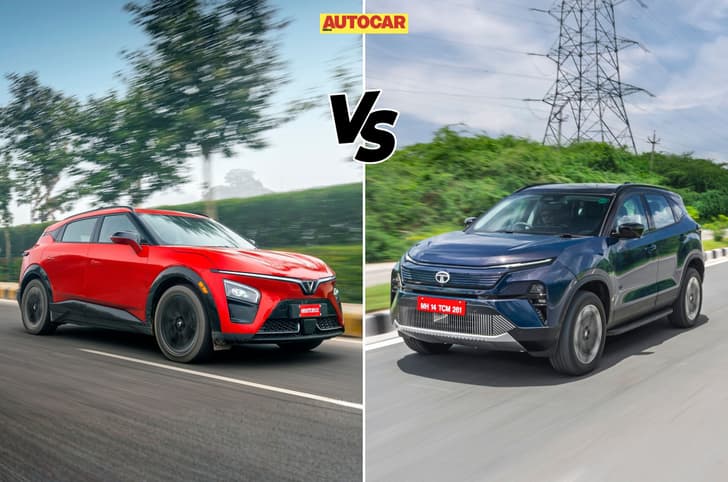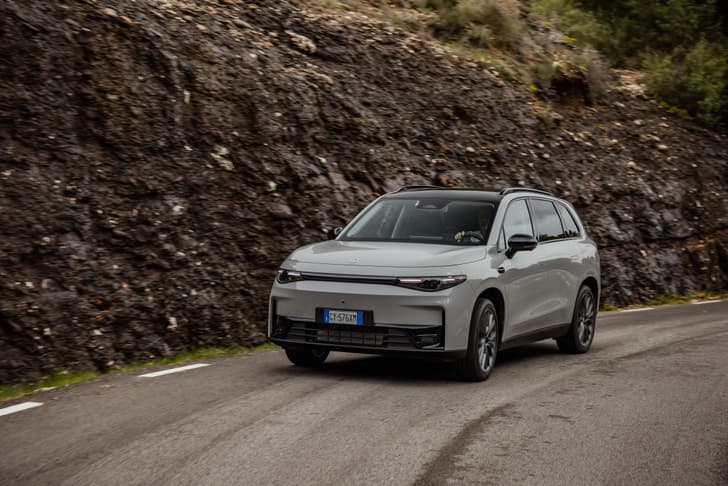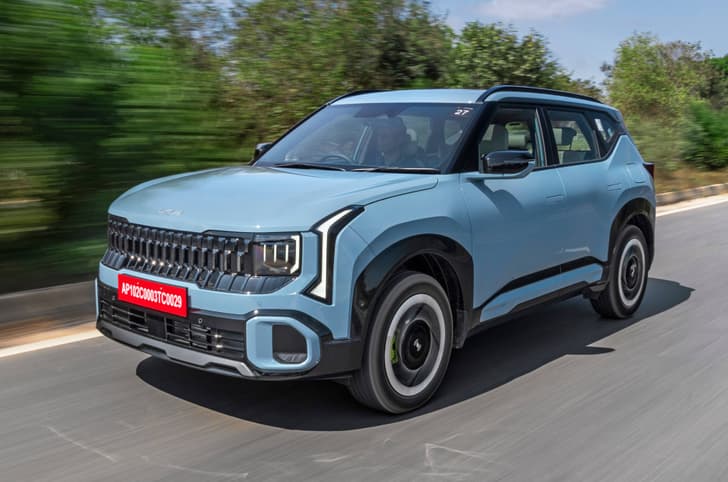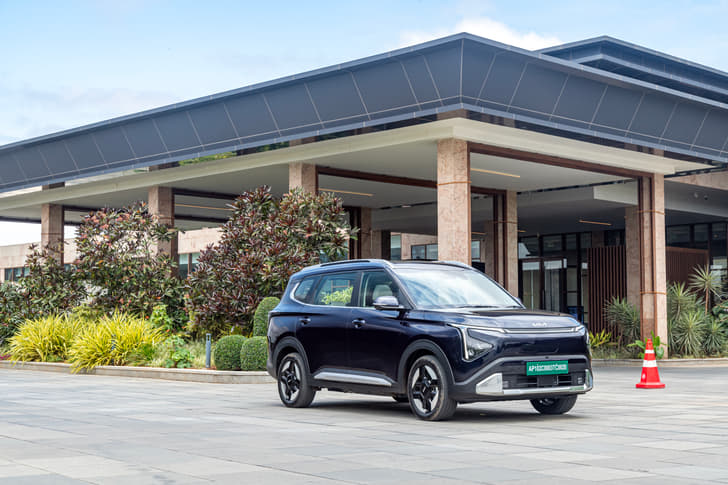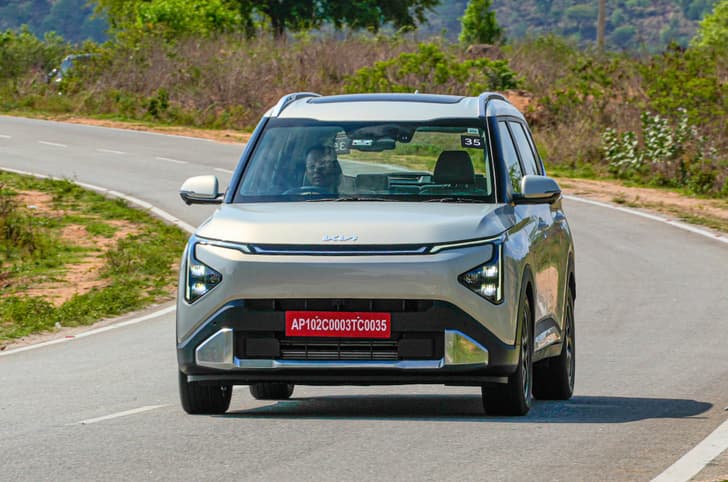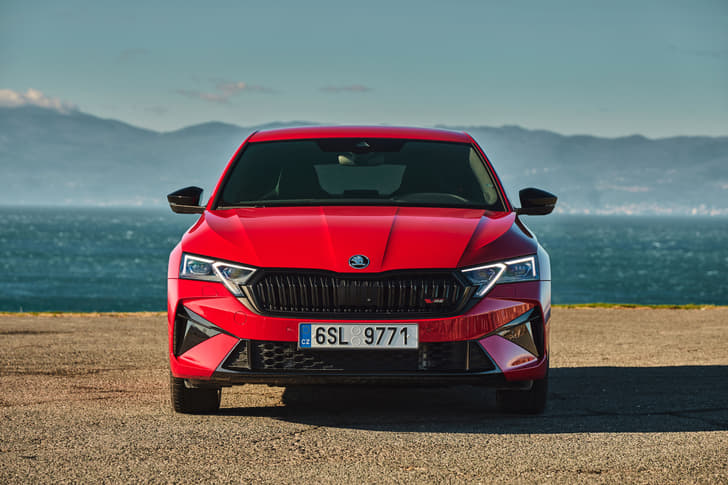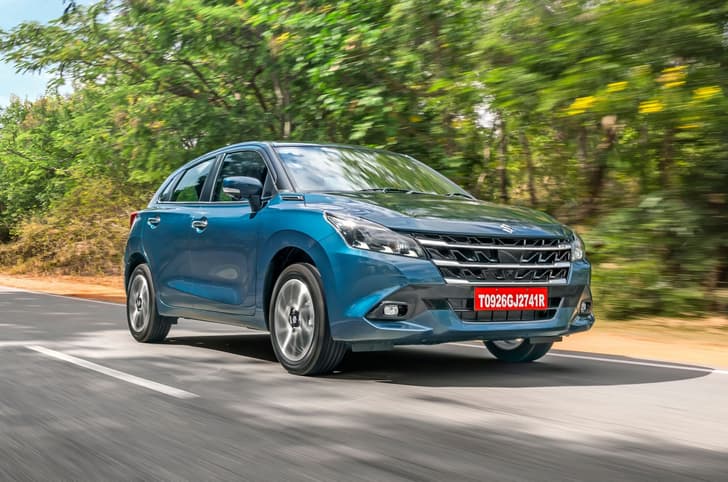


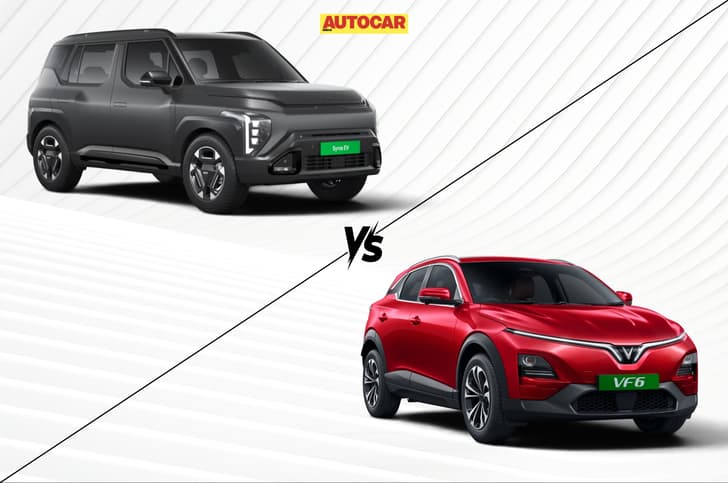
The Kia Syros EV and Vinfast VF6 are the most affordable electric vehicles from their respective brands. The premium Kia offering is sold in the compact SUV space, one below the VF6’s midsize SUV segment. So, can it match or even outdo the larger VF6 when it comes to specifications and features? We compare the Kia Syros EV X-Line ER and Vinfast VF6 Wind Infinity top-spec variants to find out.
Kia Syros EV X-Line ER vs Vinfast VF6 Wind Infinity: Dimensions
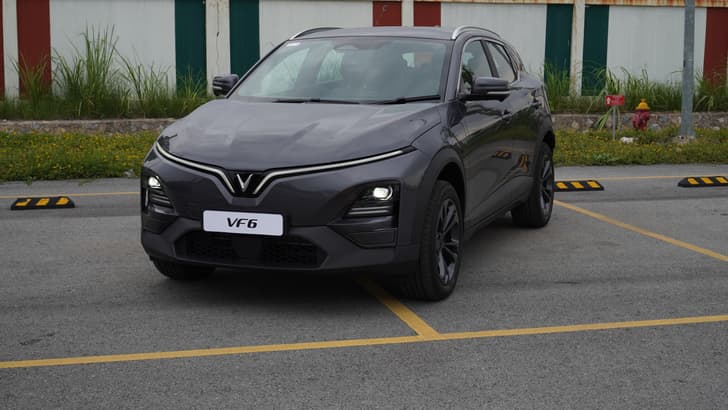
Clearly, the Vinfast VF6 is the larger SUV between the two. It is 246mm longer, 29mm wider and has a 180mm longer wheelbase. However, the Syros is 55mm taller and offers 7mm higher ground clearance. It also gets a 16-litre frunk, a feature missing on the VF6. In terms of luggage space, the VF6 offers 423 litres of boot space, but the Syros EV can hold up to 465 litres when its sliding rear seats are pushed forward, although capacity drops to 390 litres with the seats in their rearmost position. The VF6 also rides on larger 18-inch alloy wheels compared to the 17-inch units on the Syros EV.
Kia Syros EV X-Line ER vs Vinfast VF6 Wind Infinity: Powertrains
The two SUVs use a single-motor, front-wheel-drive setup, but the VF6 has the bigger 59.6kWh battery pack compared to the Syros EV’s 51.4kWh unit. It also produces 33hp more power and 55Nm more torque. Despite this, the Syros EV is quicker, with a claimed 0-100kph time of 8.1 seconds compared to the VF6’s 8.9 seconds. It also has a clear advantage in terms of claimed driving range, offering 526km on a single charge, which is 63km more than the VF6’s 463km, despite having a smaller battery pack.
Kia Syros EV X-Line ER vs Vinfast VF6 Wind Infinity: Charging speeds
Both the Syros EV and VF6 support 100kW DC fast charging. However, Kia claims a 39-minute charging time for a 10-80 percent top-up, while Vinfast’s claimed 25-minute figure is for the slightly lower 10-70 percent charging window. On the AC charging front, the Syros EV supports charging speeds of up to 11kW, taking 4.5 hours to charge from 10 to 100 percent. The VF6, meanwhile, supports up to a 7.2kW AC charger, although Vinfast has not yet revealed its charging time.
Kia Syros EV X-Line ER vs Vinfast VF6 Wind Infinity: Exterior features
Not a lot separates them when it comes to exterior features, with both offering LED tail-lamps, powered outside rearview mirrors (ORVMs), alloy wheels, body cladding and a rear spoiler. However, the VF6 comes with LED projector headlamps, while the Syros EV gets LEDs with reflectors. Another differentiation is that the Syros EV gets flush-fitting door handles, whereas the VF6 is equipped with conventional pull-type door handles.
Kia Syros EV X-Line ER vs Vinfast VF6 Wind Infinity: Interior features
Speaking of interior features, both are well equipped and offer a wireless phone charger, ventilated front seats, connected car technology, one-touch up/down function for all windows, wireless Apple CarPlay and Android Auto and an 8-speaker sound system. The VF6 gets a slightly larger 12.9-inch infotainment screen, an 8-way power-adjustable driver’s seat and dual-zone climate control.
The Syros EV, meanwhile, stands out with a 12.3-inch digital driver’s display, a 5-inch climate control display, an openable panoramic sunroof, rear sunshades, rear seat base ventilation, and sliding and reclining rear seats. It also gets USB Type-C ports throughout the cabin, while the VF6 has Type-A ports at the front and rear and only a single 90W Type-C port for rear passengers. Additionally, the Syros EV features a premium Harman Kardon sound system and more comprehensive ambient lighting (dashboard, doors and footwell area), whereas the VF6 offers just footwell lighting.
Kia Syros EV X-Line ER vs Vinfast VF6 Wind Infinity: Driving features
Differences here are fewer, save for the Syros EV’s household-style 3-pin power socket for powering certain electrical devices, along with steering-mounted paddleshifters to adjust the level of regenerative braking. Regen levels can be adjusted via the touchscreen on the VF6, but an internal V2L (vehicle-to-load) charging socket is absent here. Drive modes and adaptive cruise control are offered by both models.
Kia Syros EV X-Line ER vs Vinfast VF6 Wind Infinity: Safety features
Again, not much separates them when it comes to the safety kit. Both offer ABS with EBD, electronic stability control, hill-start assist, a tyre-pressure monitoring system (TPMS), a 360-degree camera, front parking sensors, an electronic parking brake, an auto-dimming interior rearview mirror (IRVM), Isofix child-seat anchors, front and rear disc brakes and Level 2 advanced driver assistance systems (ADAS).
The VF6, however, gets seven airbags, one more than the Syros EV’s six, along with rain-sensing wipers. It has also secured a full 5-star Bharat NCAP safety rating. The Syros EV, meanwhile, was not crash-tested by Bharat NCAP at the time of writing, but it is likely to score 5 stars, like its ICE counterpart.
Kia Syros EV X-Line ER vs Vinfast VF6 Wind Infinity: Prices and verdict
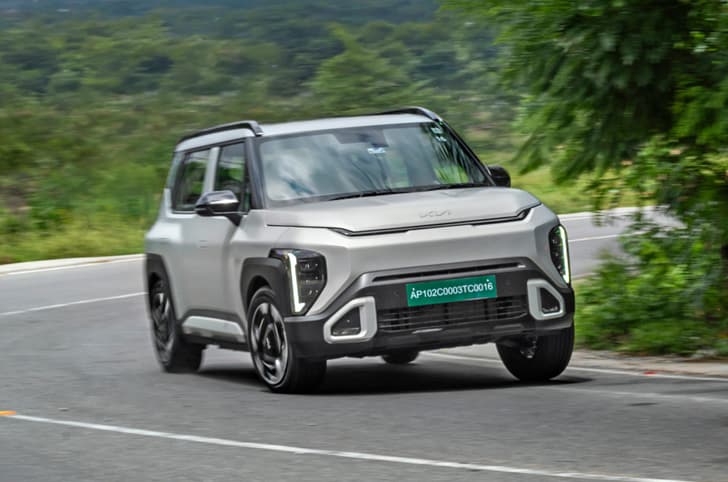
There’s no doubt that both the Kia Syros EV and Vinfast VF6 are feature-rich electric SUVs. However, despite being positioned a segment below the VF6, the Syros EV makes a strong case for itself with its overall package. It offers several features aimed at pampering the rear-seat passengers, including sliding and reclining seats with ventilation (seat base only), sunshades and an openable panoramic sunroof. While it has a smaller footprint than the VF6, we found in our review that the Syros EV still offers a spacious cabin, helped by its boxy design and good interior packaging.
The Syros EV also has an advantage when it comes to claimed driving range. Despite using a smaller battery pack, it offers a higher range, an important factor for most EV buyers. While both SUVs are priced very close to each other at the top end, the Syros EV is clearly on the expensive side for its segment. However, the overall package goes a long way towards justifying its price. Buyers can also reduce the upfront cost by quite a lot by opting for the Battery-as-a-Service (BaaS) scheme with the electric Syros, though this option is not available with the VF6.
Another advantage for the Syros EV is Kia’s wider sales and service network across the country, along with its stronger brand recognition among buyers. Vinfast, on the other hand, is still new to the market, with a relatively limited sales and service network. This could also play an important role in the overall ownership experience.

 Glenn Noronha
 Dipan Sur
 Dhruv Dhaka