Last Updated on: 09 Oct 2026
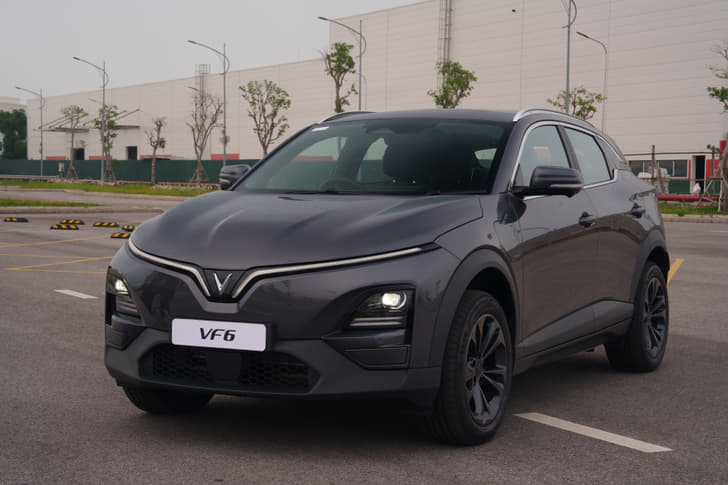
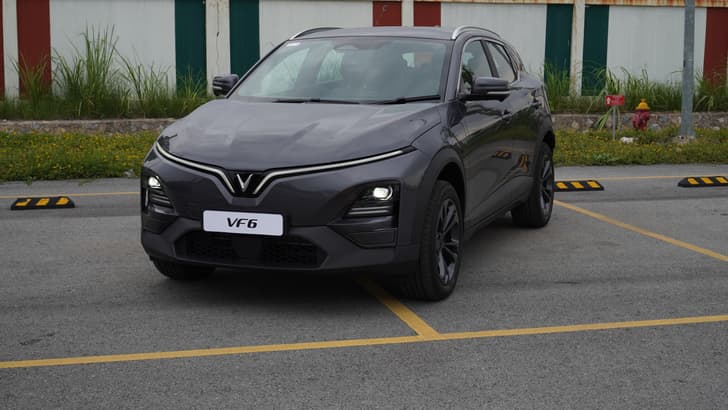
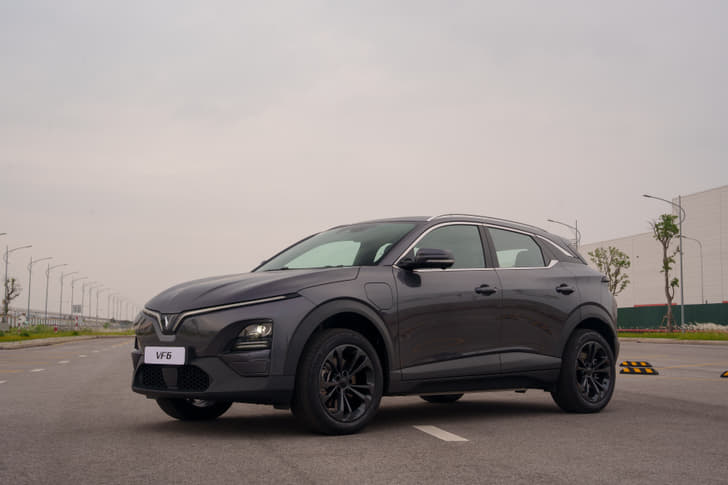
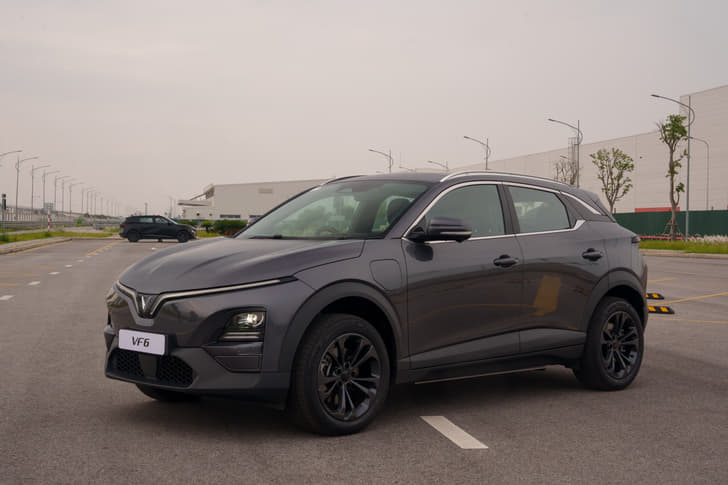
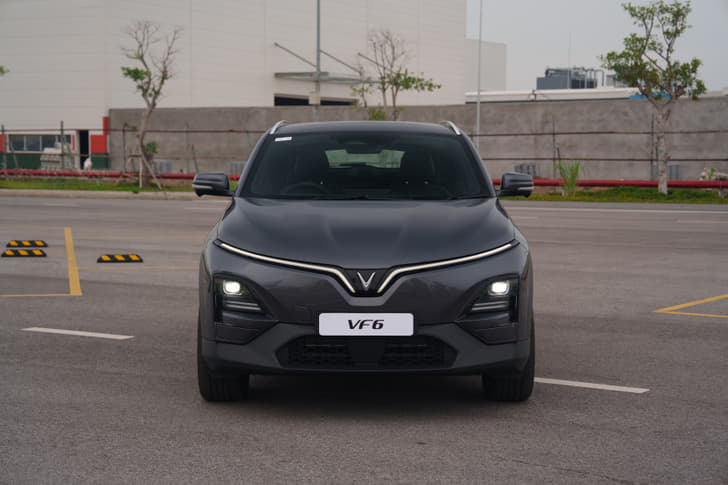
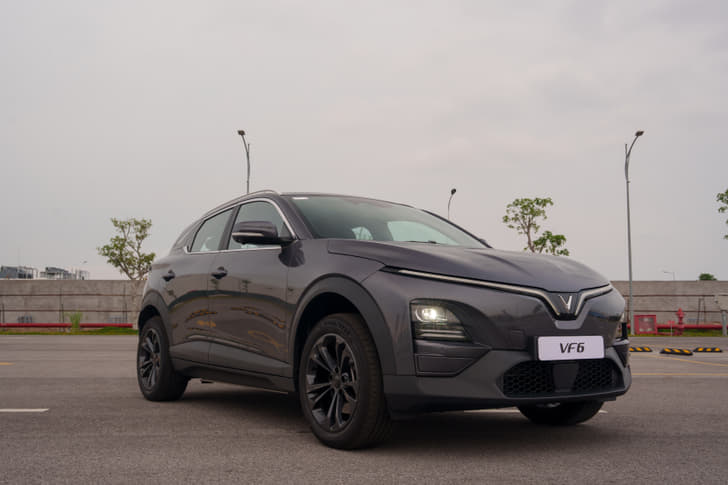
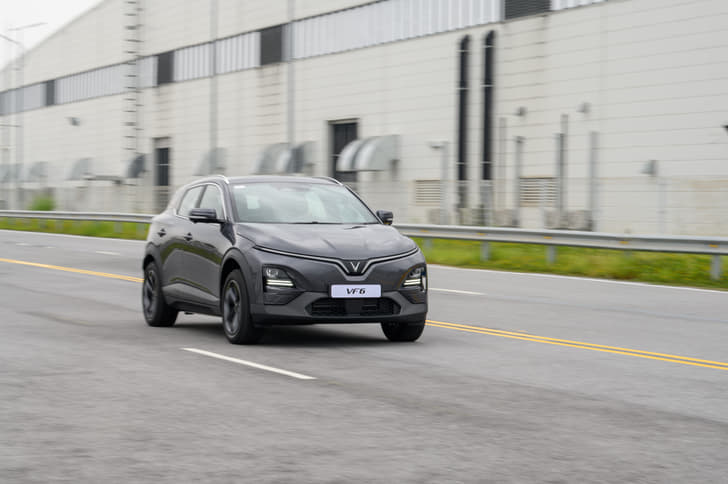
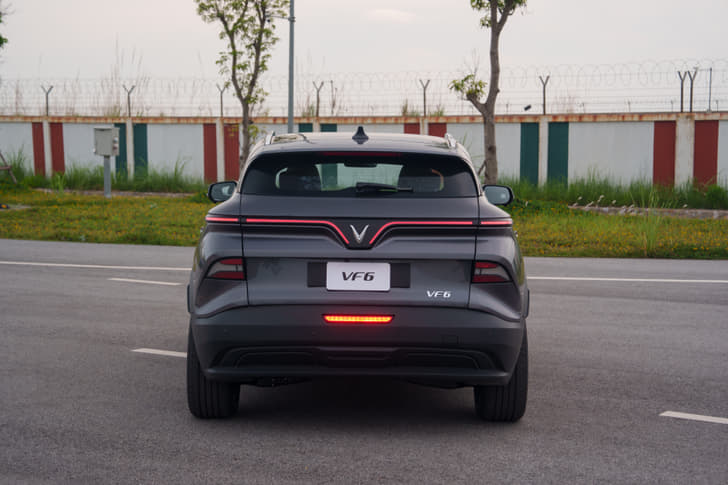
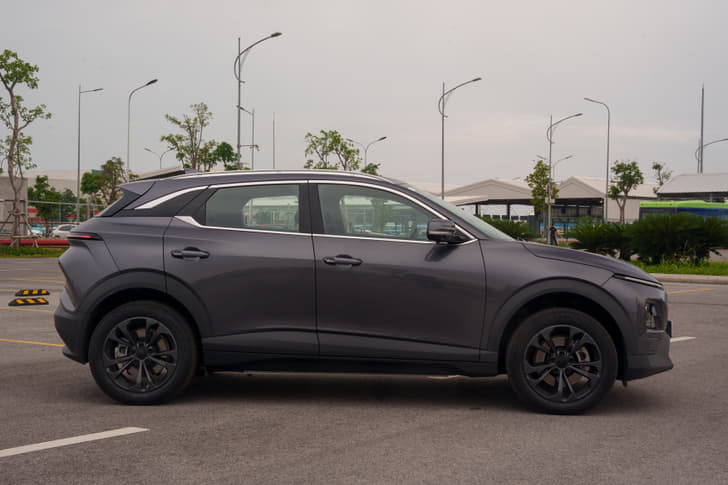
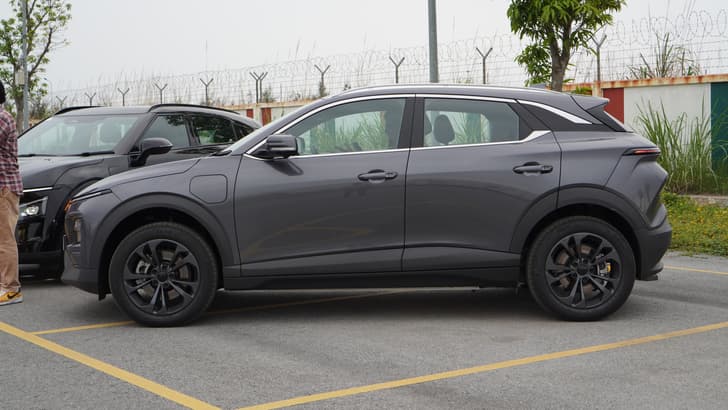
Vinfast VF6 Wind Infinity
Vinfast VF6 Wind Infinity Key Features
- Rear Washer/Wiper
- Impact Sensing Auto Door Unlock
Vinfast VF6 Wind Infinity specifications
Engine & Transmission
Fuel Type/ Propulsion | Electric |
Motor Type | Permanent Magnet Synchronous Motor |
Pure Electric Driving Mode | Yes |
Gearbox Type | Auto |
Number of Gears | 1 |
Manual Shifts via Gear Lever on Automatic Gearbox | No |
Paddle Shifters for Automatic Gearbox | No |
Sport Mode for Automatic Gearbox | Yes |
Drive Layout | Front Wheel Drive |
Lockable Differential/s | No |
Max Motor Power | 204hp |
Max Motor Torque | 310Nm |
Fuel & Performance
Auto Start/Stop | No |
Battery Capacity | 59.6 kWh |
Charging Time | 25min 10% to 70% (100kW DC) hrs |
Claimed Range | 480 km |
Suspension & Steering
Front Suspension Type | Independent, MacPherson Strut |
Front Springs | Coil Springs |
Rear Suspension Type | Independent, Multi-link |
Rear Springs | Coil Springs |
Damper Control | No |
Ride Height Adjust | No |
Type of Power Assist | Electric |
Steering Adjust type | Manual |
Steering Adjust | Tilt and Telescopic |
Front Brakes | Discs |
Rear Brakes | Discs |
Wheel Size | 18 inches |
Wheels | Alloys |
Spare Wheel | No |
Dimensions
Length | 4241 mm |
Width | 1834 mm |
Height | 1580 mm |
Wheelbase | 2730 mm |
Ground Clearance | 190 mm |
Kerb Weight | 2020 kg |
Boot Capacity | 423-1576 litres |
Doors | 5 |
Vinfast VF6 Wind Infinity features
Comfort
| Power Windows | Front and Rear |
| Acoustic Windshield | |
| Glove Box | |
| Front Seatback Pockets | |
| Foldable Seatback Table | |
| Power Windows with One Touch-Down | All |
Safety
| Airbags | 7 |
| Anti Theft Alarm | |
| Side Airbag | |
| Anti-Lock Brakes (ABS) | |
| Seat Belt Warning | |
| Speed Sensing Door Lock |
Exterior
| Body Coloured Bumpers | |
| LED taillights | |
| Outside rear view mirror (ORVM) | |
| ORVM turn indicators | |
| Roof Rails | |
| Follow Me Home Headlamps |
Interior
| Speedometer | Digital |
| Tachometer | Digital |
| Trip Meter | |
| Average Fuel Consumption | |
| Average Speed | |
| Distance to Empty |
Entertainment
| Audio System | |
| Speakers | 8 |
| CD Player | |
| Branded Music System | |
| USB Input | |
| AUX Input |
Connected Car Features
| Find My Car | |
| Over the air (OTA) updates | |
| Summon Mode | |
| Remote Sunroof Open / Close via App | |
| Remote Car Lock/Unlock via App | |
| Remote AC On / Off via App |
Vinfast VF6 variants
 Blind Spot MonitorFully Digital Digital Instrument ClusterPhone-based Satellite NavigationOver the air (OTA) updatesElectric Adjust for Driver's SeatAdaptive Cruise ControlFixed Glass Sunroof8 SpeakersFront Only Ventilated SeatsRoof RailsRear Washer/WiperAdaptive Cruise ControlFixed Glass SunroofFront Only Ventilated Seats8 Speakers
Vinfast VF6 comparison
Questions you may find useful
I am confused whether I should go for EV or not. I own 2 cars. One is an 8 year old i20 and other one is a 4 year old XUV 700 AX5 MT PTR. I am thinking of changing i20. Which EV will be suitable for highway and city use. I have driven Vinfast VF6 and MG Windsor. Both are good but Vinfast is new to India. Kindly suggest

 Vinfast VF6MG WindsorKia Syros EV
Hi Autocar Team, I currently own a 2021 Maruti Suzuki Swift ZXi (P) and have covered 100,000 km. My daily running is around 90–95 km for my office commute, and I live in Delhi-NCR while working in Greater Noida. I am a family of two, and my ownership experience so far has been completely hassle-free. The Swift is still running perfectly and delivers an average of around 22 km/l. Since I have now crossed the 100,000 km mark, should I consider upgrading? Given my daily running and the fact that I can manage home charging, I feel an EV could suit my requirements. Should I consider the Maruti Suzuki e Vitara Alpha or the VinFast VF6 Wind?
Maruti Suzuki e VitaraVinfast VF6Maruti Suzuki SwiftI’m planning to buy an electric SUV in Delhi with an on-road budget of Rs. 20-21 lakh. My usage will mainly involve a 30-40 km daily office commute, along with occasional weekend highway trips. The VinFast VF6 Wind Infinity has caught my attention because of its design, features, and range, but I’m hesitant about its after-sales support, service network, resale value, and long-term reliability. Given my requirements, would you recommend the VF6, or is there a better EV in this price range that offers a more dependable ownership experience?
Vinfast VF6Hyundai Creta ElectricI am thinking between Evitara and VF6, which one would be an ideal choice for s family of , 2 adults and 2 kids ? I am looking at comfortable rides in cities and highways too, good build quality and safety with atleast a range of 350+ kms range. My budget is around 17-20 lakhs. VF6 is so tempting with their 3 years free fast charging, 3 years maintenance free but just worried about their service and network. Any other choices that fits my budget?
I drive around 50-60KM AVRG per day , so what car do you recommend me , i already own a skoda rapid 1.6tdi 2013 model and a innova crysta 2.4v 2022 model , and looking into a daily driver in ev segment and needs to suit my family of 4 , the car i looked into was vf6 , vf7 , xev9e , mg zs ev. Should i go ahead with the xev9e or the the above mentioned cars or should i wait for the Tata siera launch ?
Vinfast VF6 price in India
Upcoming Cars

Vinfast Cars
Trending Cars


Latest Cars