I have a daily commute of nearly 200 km on a fixed route, with 90% highway driving and 10% city usage. My budget is up to ₹20 lakh on-road. I am open to any fuel type, including EVs. What would you suggest for my usage?

An electric vehicle will be extremely cost effective, given your 200km daily running. And if you can manage with home charging, your running costs will be lower than ₹2 per km, which will be a significant saving compared to a petrol, diesel or even hybrid.
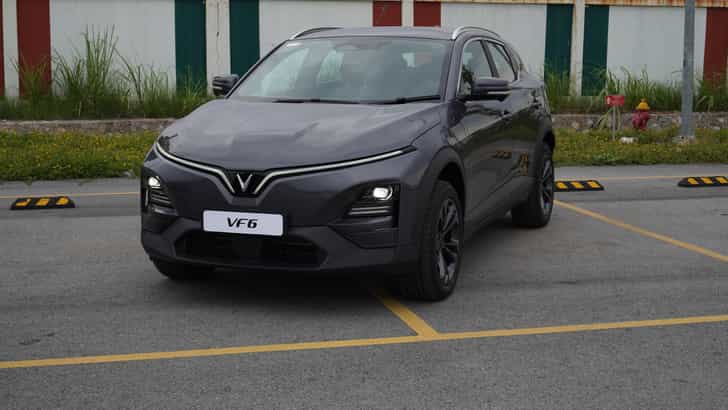
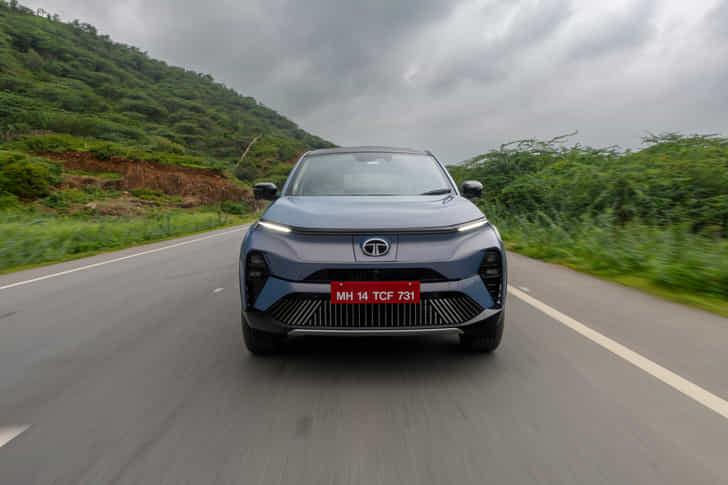
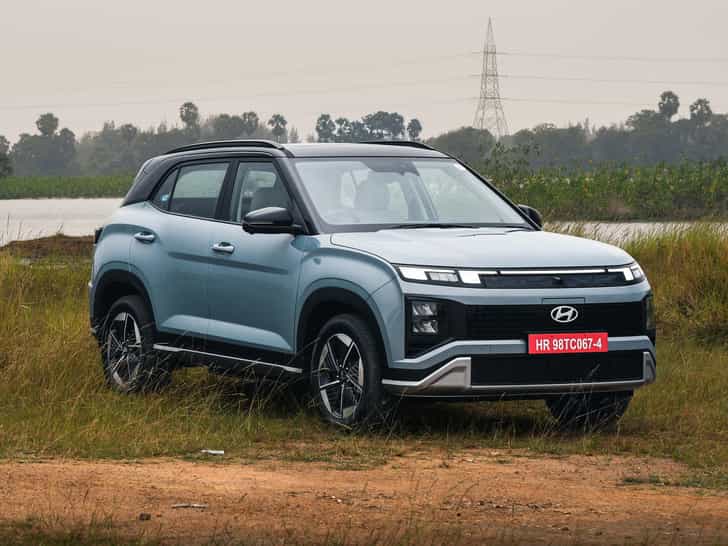
You could narrow down your search to the Vinfast VF6 which has a 59.6kWh battery and a claimed range of 480km; Tata Curvv EV which has a 55kWh battery and a claimed range of 502km; and a base Hyundai Creta Electric with a 42kWh battery and which has a claimed range of 420km.
Out of these, the Vinfast VF6 has the most premium interior, most powerful motor, and the longest warranty coverage. The Curvv EV is the best equipped, while the Creta Electric, even though it has the smallest battery, its real-world range will be more than sufficient for your daily use with overnight slow charging. We'd strongly recommend you drive all these three cars and pick the one that appeals to you the most.
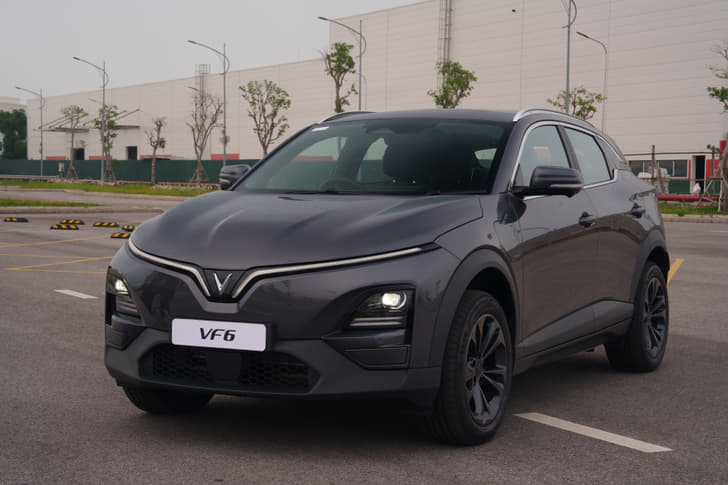
Vinfast VF6
Explore cars mentioned
More posts on similar cars

Curated collections

Popular discussions right now
Upcoming launch buzz
Community discussions on upcoming launches
Tata
Aeris
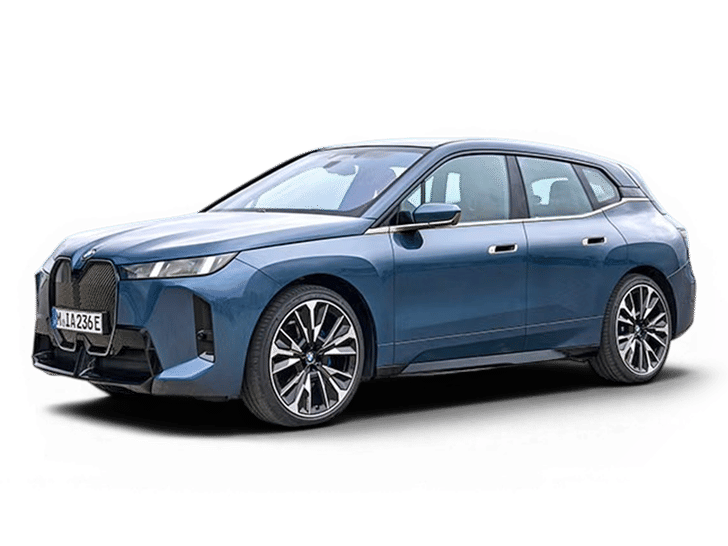
BMW
iX facelift
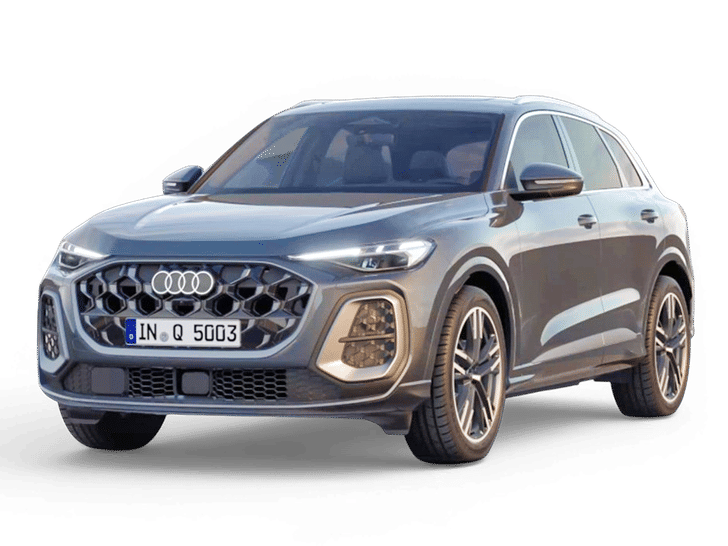
Audi
New Q5
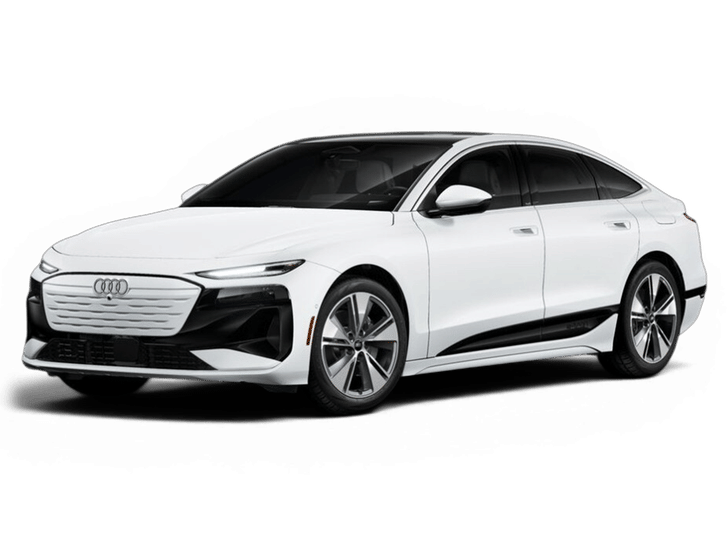
Audi
A6 e-tron
Audi
Q6 e-tron
Audi
e-tron GT facelift
Volkswagen
Virtus facelift
Audi
A5

Vinfast
VF5
Mercedes-Benz Maybach
S-Class facelift




Posted on: 7 May 2026