Vinfast Cars Under 50 Lakh in India (4)
Discover the best Vinfast Cars Under 50 Lakh. Our comprehensive guide covers detailed specifications, expert reviews, pricing information, and buying advice for Vinfast Cars Under 50 Lakh. Find the perfect cars that matches your requirements and budget.


Filter your search


Filter your search
Trending Questions on Vinfast Cars - Answered by Autocar Experts
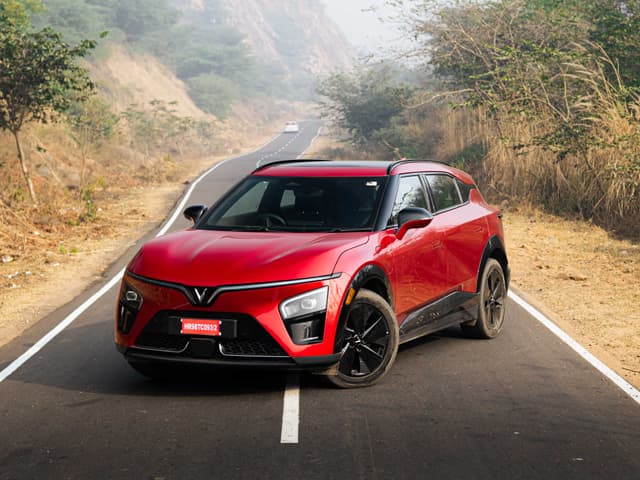
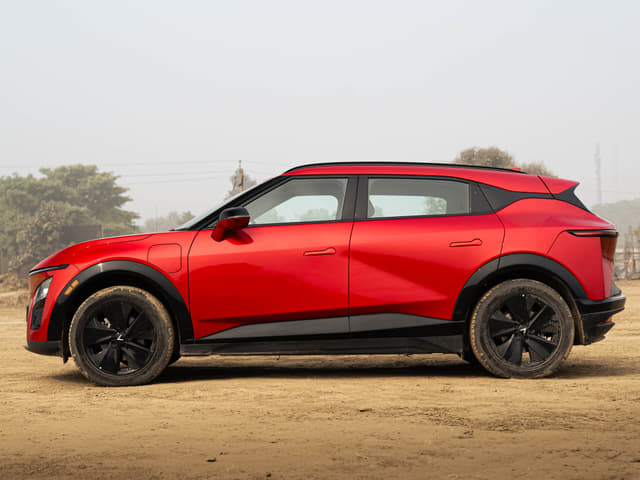
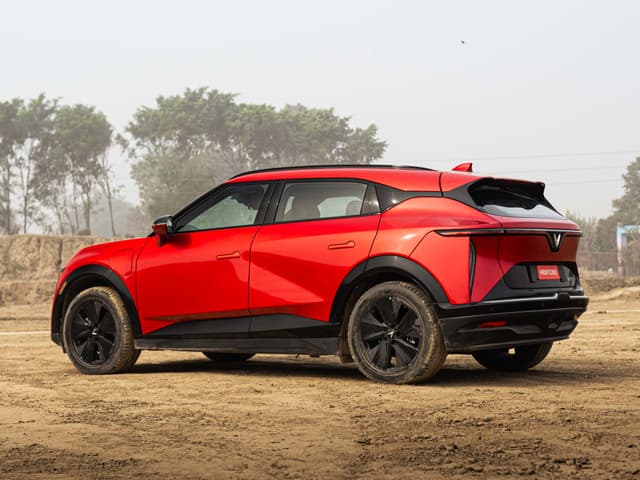
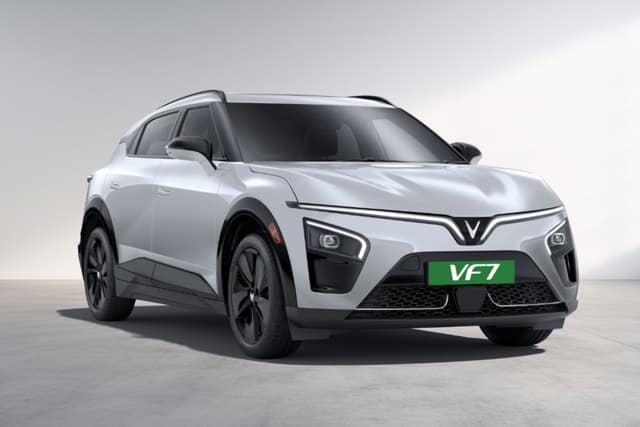
Hi, I have been using a VW Polo TDI for the last 10 years, and it has done 1,20,000 km. I am planning to exchange it for an EV and would like to know which would be a good car for my budget of Rs. 20-25 lakh. I am looking for something that offers good value for money, reliability, and hassle-free ownership. I like the VinFast VF7, BYD Atto 3, and Mahindra XEV 9S. I have shortlisted the XEV 9S because, within my budget, it seems to offer good value for money, with a 79kWh battery and 7-seat capacity. I have not considered the Tata Sierra or Tata Safari. I also feel the Creta Electric and MG Windsor have a lower range, so I have not considered them. Considering everything, including after-sales service and long-term ownership, which would be the best overall car for my budget? This is a significant investment for my family, and I plan to keep the car for at least 10 years.
The BYD Atto 3 is a well-built and reliable EV with a proven track record, but it is a 5-seater and does not offer the same level of practicality, feature set or even the performance as the XEV 9S. The VinFast VF7 is an interesting option, but you can only get the entry-level variant in your budget, and while it has strong performance, as a package, it still trails behind the XEV 9S. Since you want a 7-seater, the Tata Sierra EV is ruled out considering its 5-seater layout. The Mahindra XEV 9S is the best choice in your budget and given your requirements. It offers a large battery, good range and a practical 7-seat layout, making it a sensible family EV. However, it is worth noting that the third row is best suited for children or occasional use, and the boot space is limited with all seats up. Within Rs 25 lakh, you can get the Pack One Above variant with the bigger 79kWh battery pack and a decent feature set. Given your priorities of value for money, reliability and hassle-free ownership, the Mahindra XEV 9S is the best fit if you need a 7-seater.
Looking to buy a new EV in the Rs 24-25 lakh range. I have shortlisted the Tata Sierra EV and VinFast VF7. My expected running is around 1,200km per month, with about 75% city use. Which of these is more likely to offer a fuss-free experience in terms of running and service? I am not too bothered about features, but safety and reliability are important. Both options seem sorted on the former, but I am not clear on the latter.
Go for the Tata Sierra EV. With your running of 1,200 km monthly and 75% city usage, an EV makes perfect sense, and the Sierra EV is the safer ownership choice. Tata has a well-established EV service network, proven battery and motor technology, and a strong track record with the Nexon EV and Punch EV. The Sierra EV also offers a spacious cabin, comfortable ride and good range for your daily needs.VinFast is still new in India, and while the VF7 is an interesting product, the long-term service and support ecosystem is still unproven. Since you are not chasing features and prioritise reliability and safety, the Tata electric car is the more sensible and fuss-free choice.
Can I buy the MG ZS EV in 2026? I am getting the Exclusive Plus model for Rs. 18.5 lakh on-road.
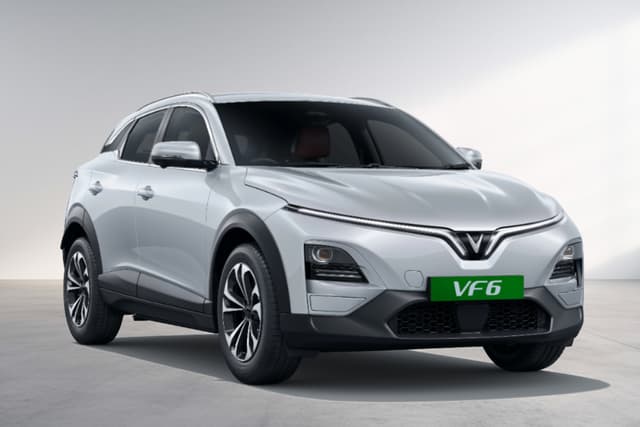
The MG ZS EV has been around since 2021, and it has barely been updated since. As of today, there are far more modern, better equipped, and more efficient electric cars available in the market. So even though the pricing is attractive, we'd advise you to consider a newer car instead. For Rs. 18.5 lakh on-road, you can consider the Kia Syros EV, Vinfast VF6, Tata Curvv EV, or even the MG Windsor.
I’m planning to buy an electric SUV in Delhi with an on-road budget of Rs. 20-21 lakh. My usage will mainly involve a 30-40 km daily office commute, along with occasional weekend highway trips. The VinFast VF6 Wind Infinity has caught my attention because of its design, features, and range, but I’m hesitant about its after-sales support, service network, resale value, and long-term reliability. Given my requirements, would you recommend the VF6, or is there a better EV in this price range that offers a more dependable ownership experience?
Given your usage pattern of a 30-40 km daily commute with occasional highway trips, the VinFast VF6 Wind Infinity is a tempting option with its strong range and feature set. However, your concerns about after-sales support, service network and long-term reliability are valid. VinFast is still a relatively new player in India, and while the company is making efforts to establish a service network, it does not yet have reach of more established brands. So it really boils down to the support you have in your area. If there is a dealer close to you and in the areas you drive to, you could go ahead with the car. As for the company itself, Vinfast is investing in expanding their network and has also massive plans for India for their auto business as well as other businesses like the GSM app based taxi service. From that point of view you need not worry as they are not a fly-by-night operator. If you would however you would prefer an electric car from an established brand, the Mahindra BE6 would be a good option as it too has a striking coupe like design, as this seems to be what you prefer. As an all rounder the Hyundai Creta EV would be a good option.
I am thinking between Evitara and VF6, which one would be an ideal choice for s family of , 2 adults and 2 kids ? I am looking at comfortable rides in cities and highways too, good build quality and safety with atleast a range of 350+ kms range. My budget is around 17-20 lakhs. VF6 is so tempting with their 3 years free fast charging, 3 years maintenance free but just worried about their service and network. Any other choices that fits my budget?
Last Updated on: 16 Aug 2026