autocar-logo
Delhi

Last Updated on: 25 Sep 2025

Front View
Front View
Front Right Three Quarter
Rear View
Front Right Three Quarter
Front View
Alloy Wheels
Front View

Tata Punch EV Expert Review

Autocar score
9
₹10.28 - ₹13.38 Lakh
On road price, Delhi
Delhi
Starting₹14,963 /month
EMI calculator

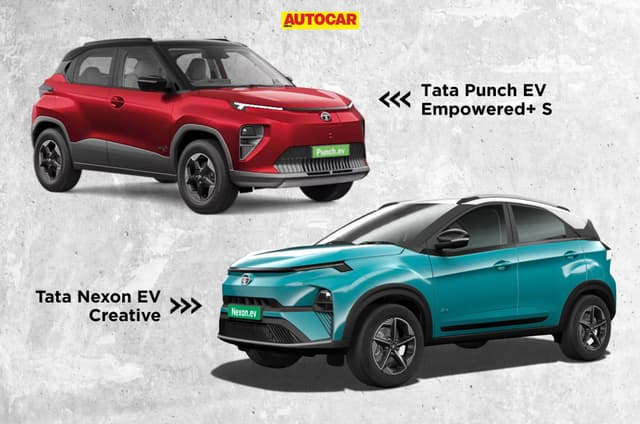
The Punch EV is Tata Motors’ smallest electric SUV and is aimed at buyers who want a city SUV with electric power, which is smaller than the popular Nexon EV.  The Punch EV is helping the brand further solidify its presence in the electric vehicle market where the it is positioned above the Tiago EV. The Punch EV is Tata’s fourth electric offering, but crucially, it’s got the potential to become India’s bestselling EV. Our expert review tells you why you should decide to buy the Punch EV as your next electric car.

Show more

Tata Punch EV pros and cons

We like

  • Strong and linear acceleration

  • Very comfy ride

  • Feature packed

We don't like

  • Narrow rear seat

  • No spare tyre

Tata Punch EV expert review

Autocar score
9

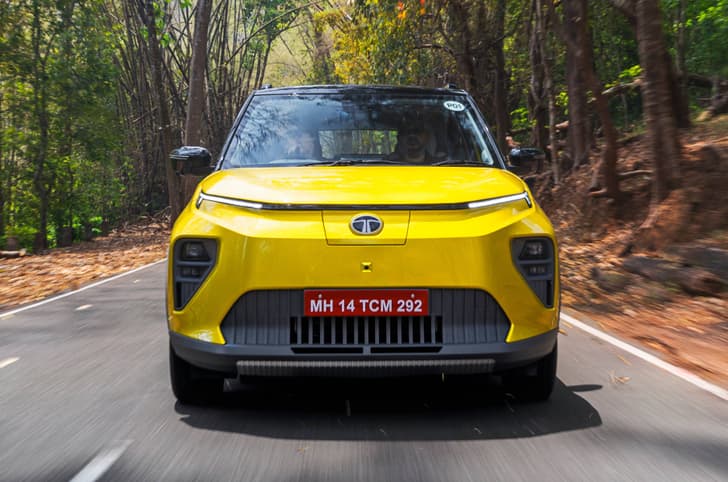
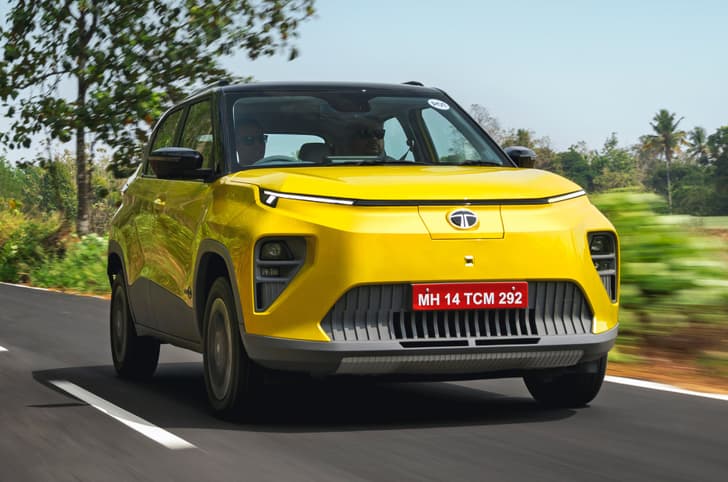
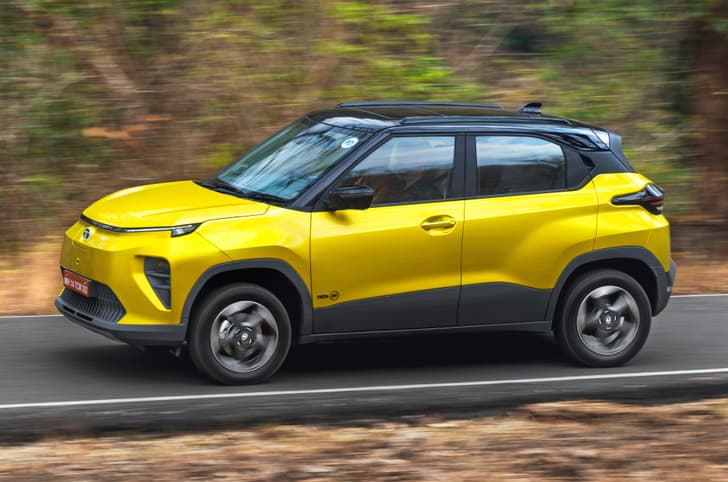
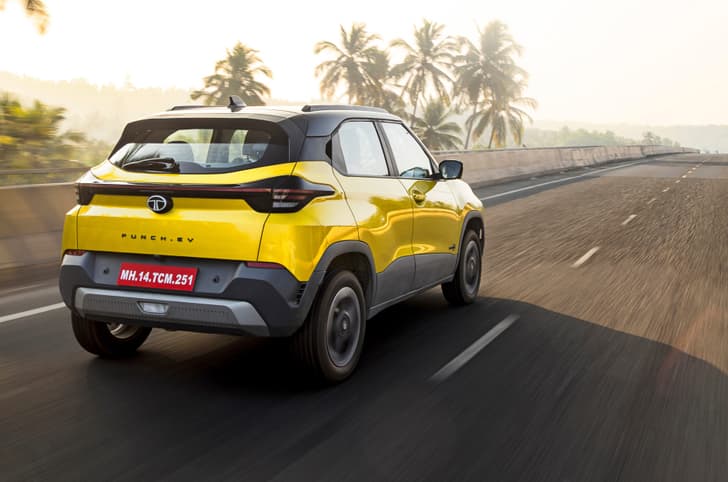
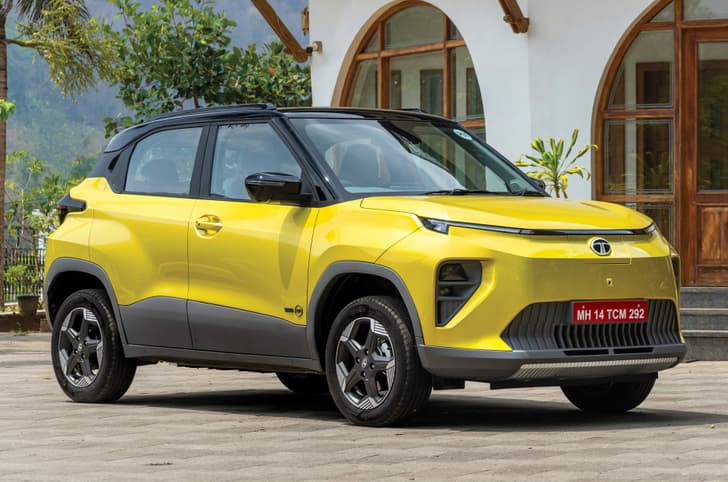
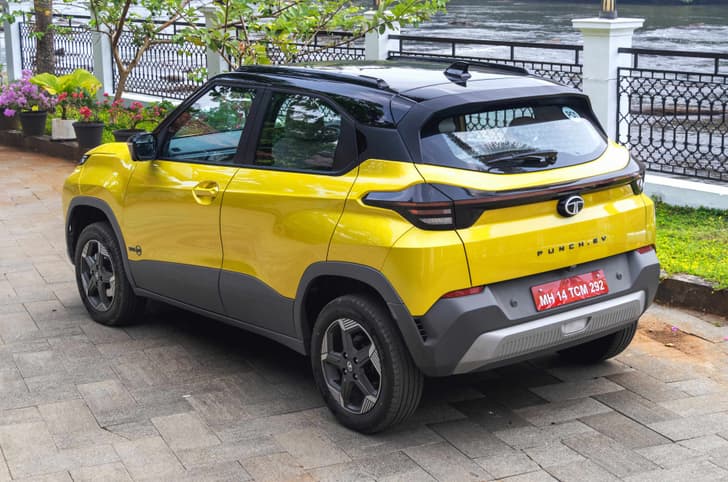
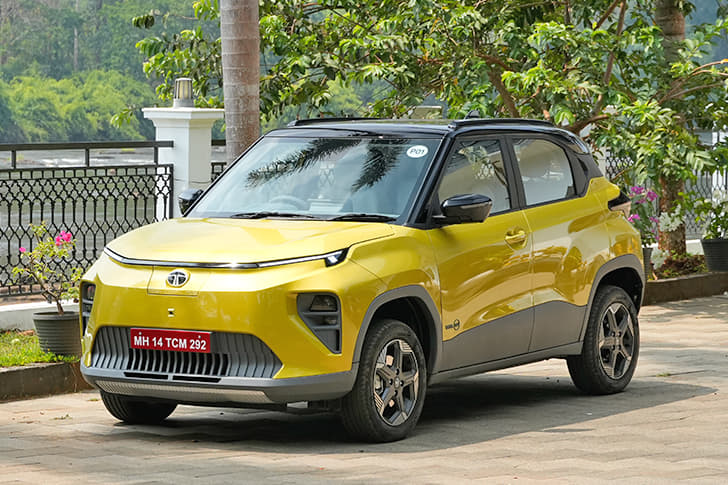
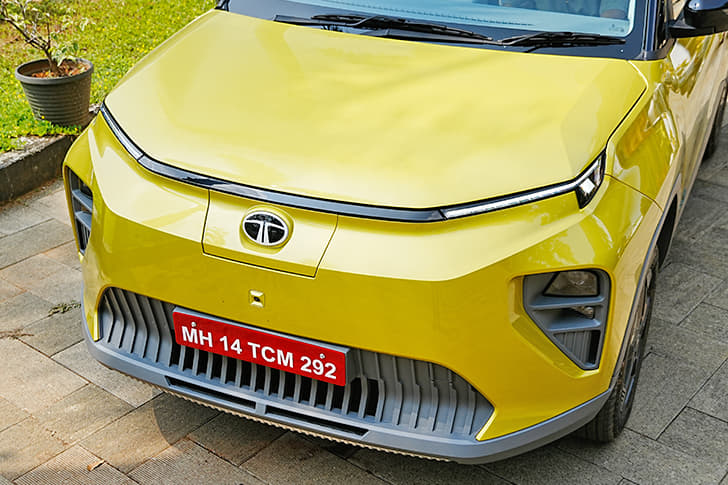
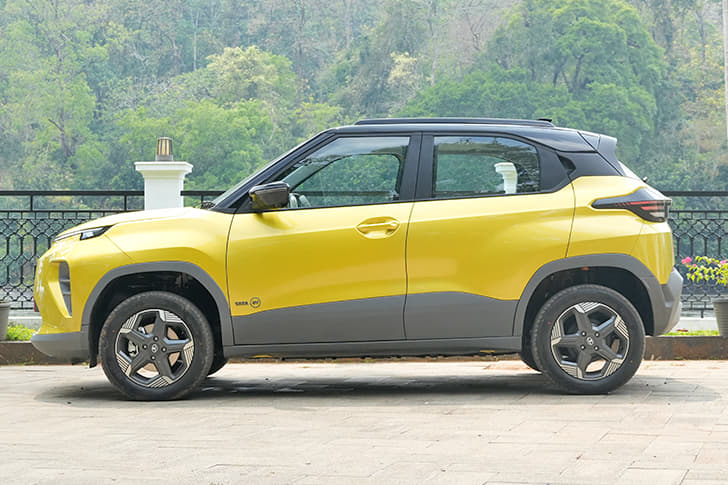
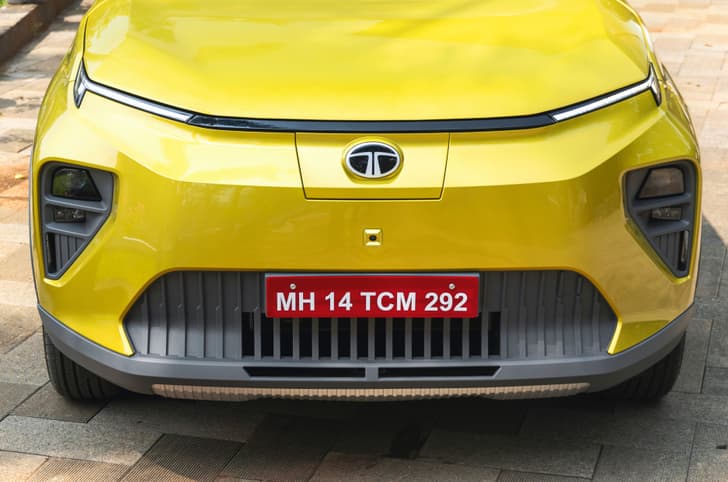
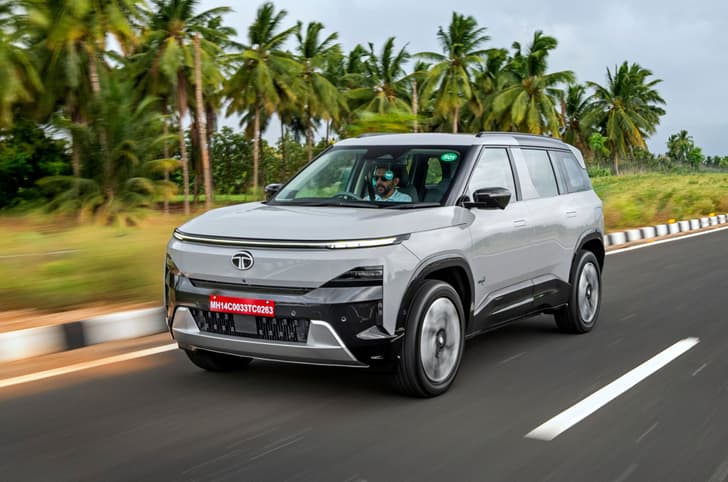
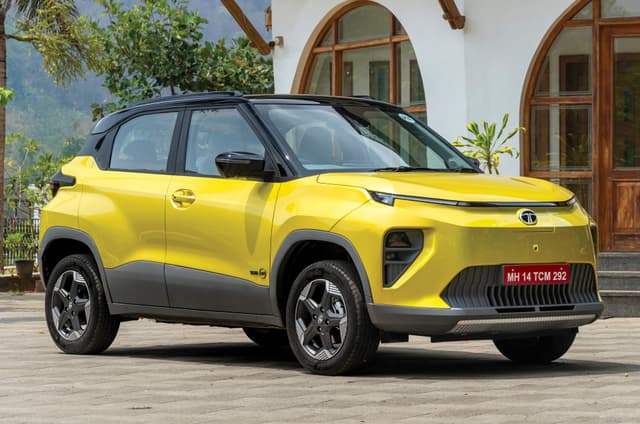
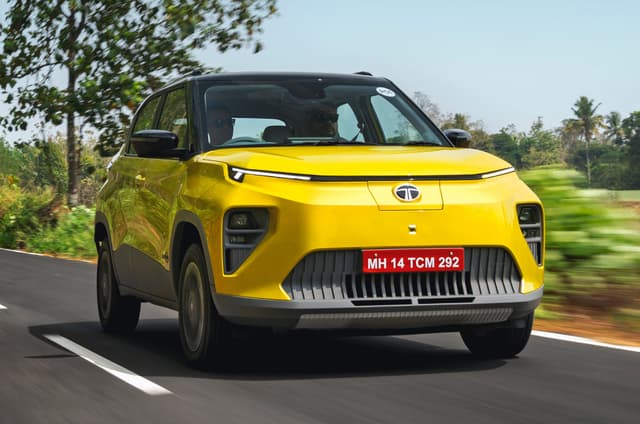
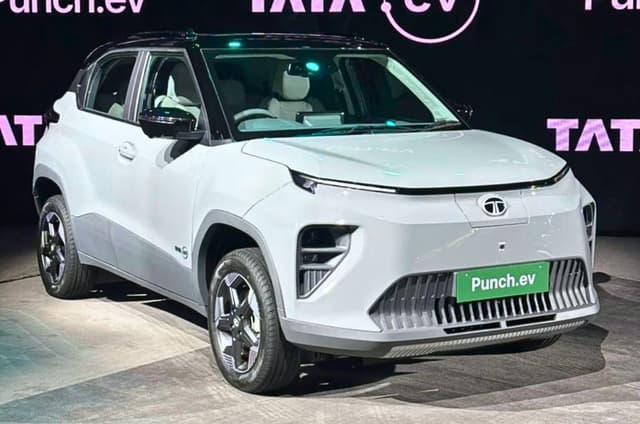
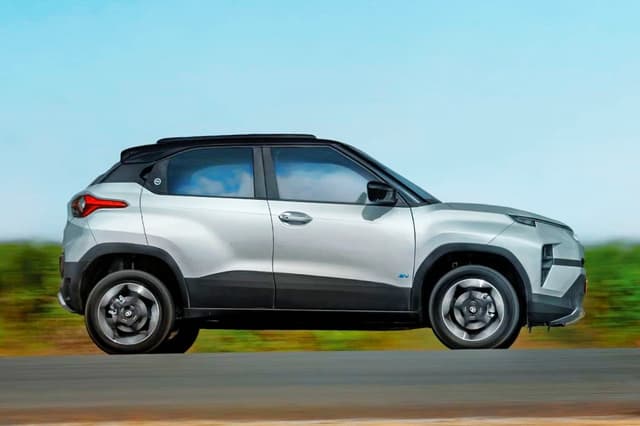
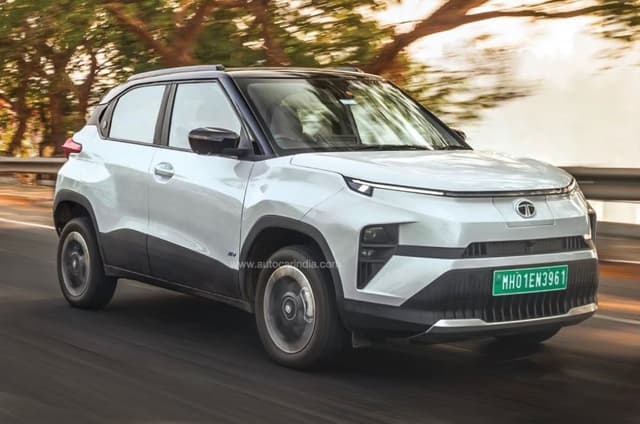
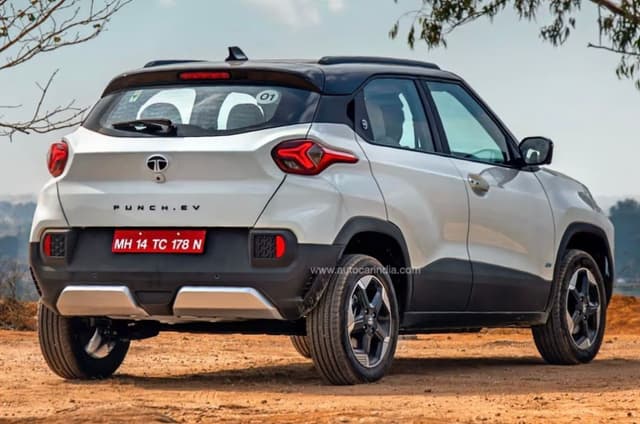
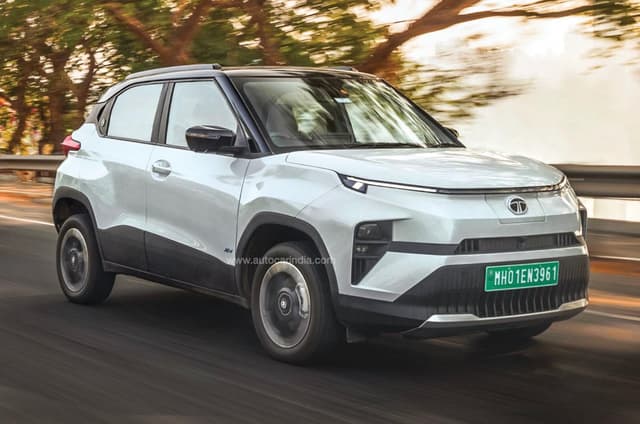
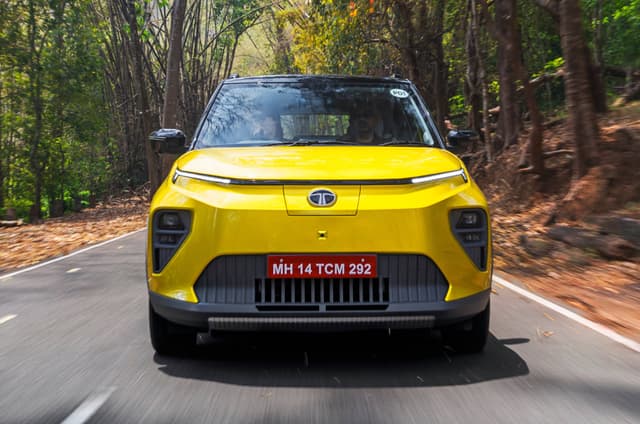
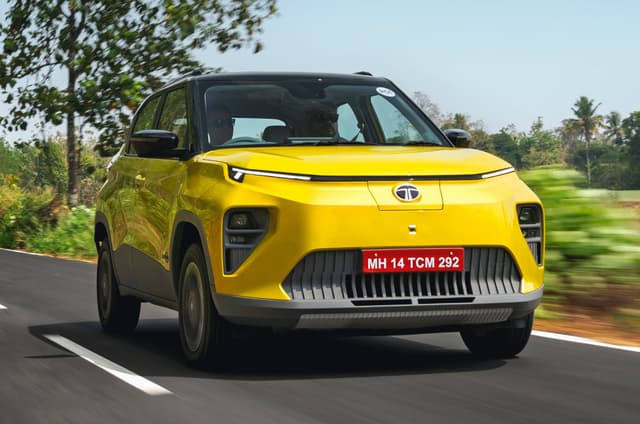
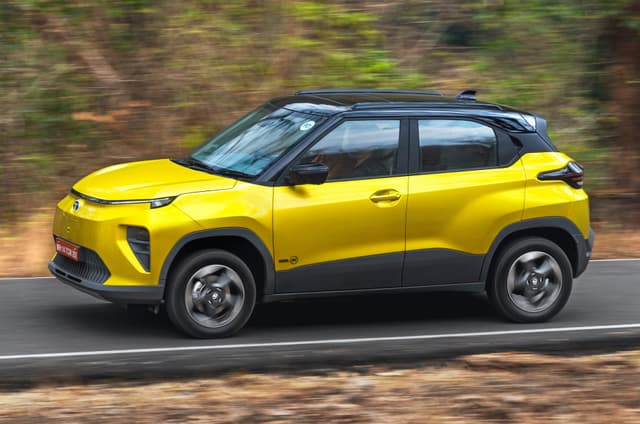
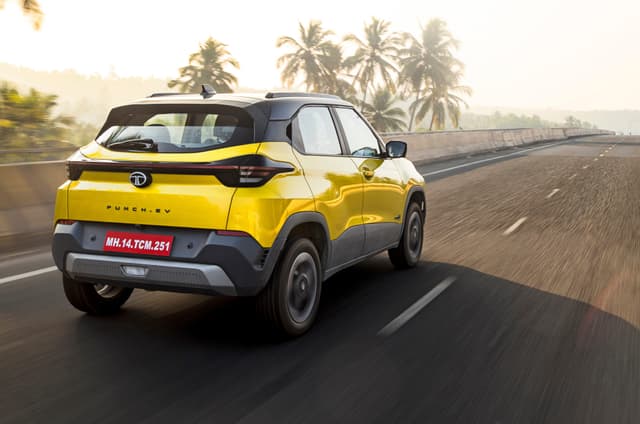
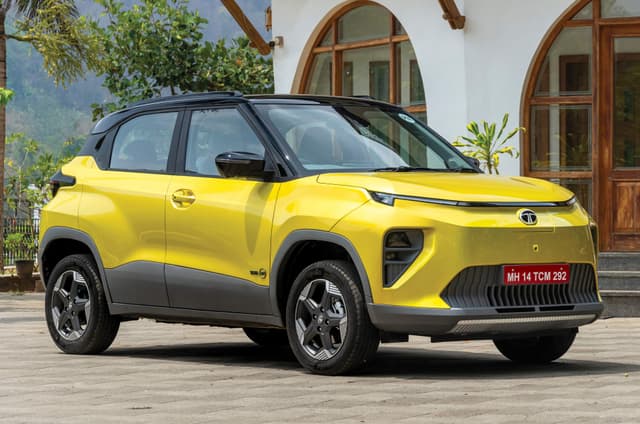
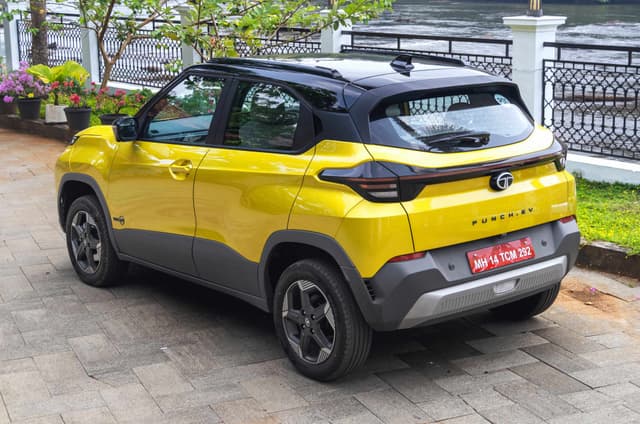
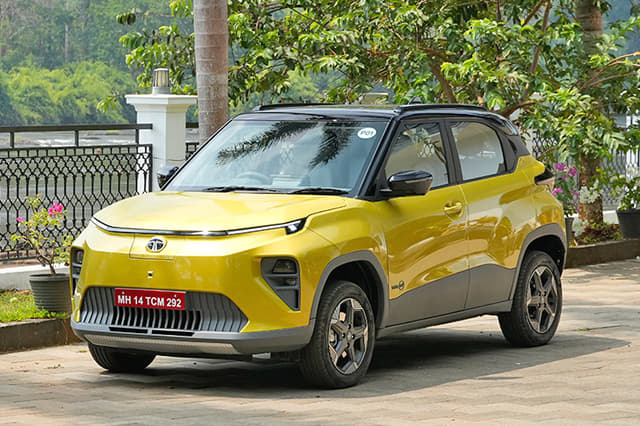
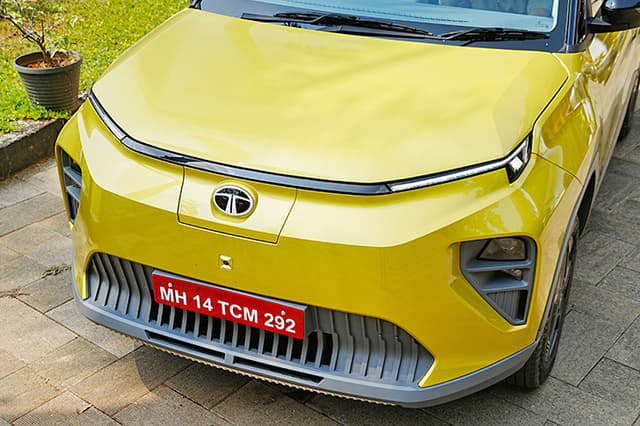
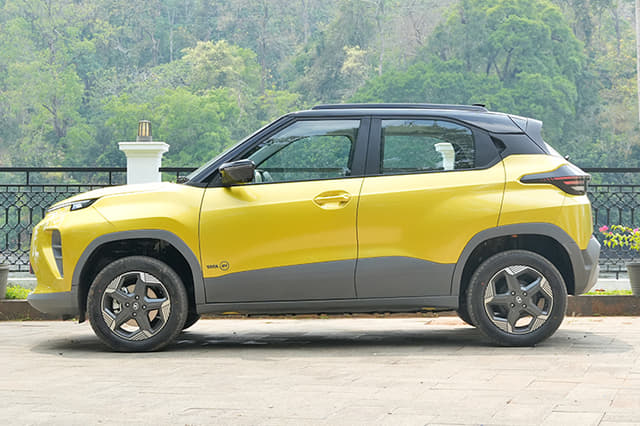
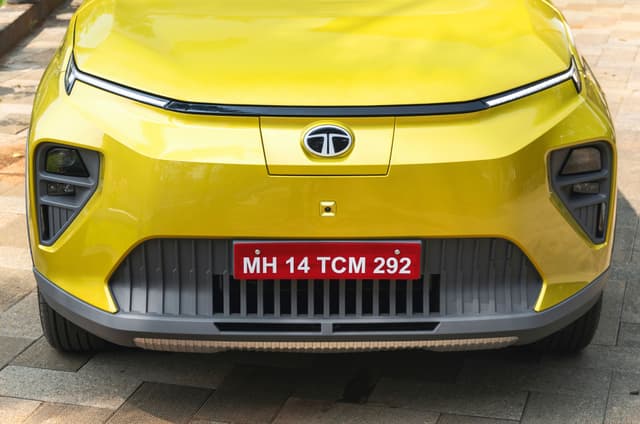
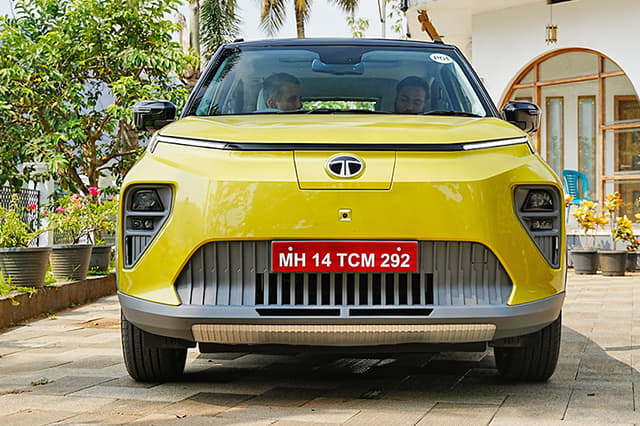
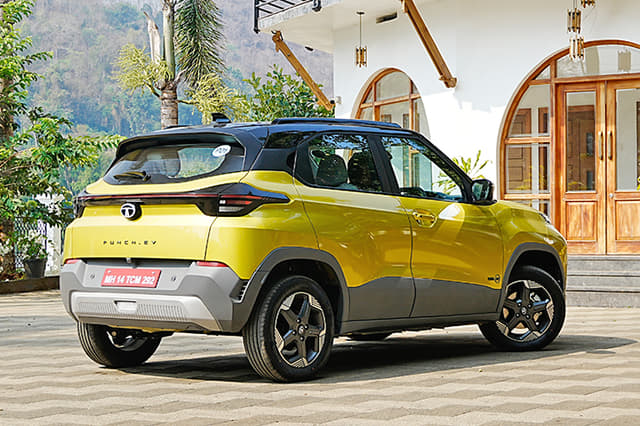
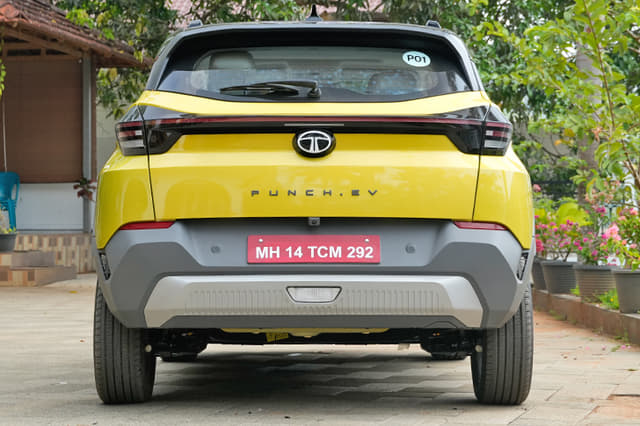
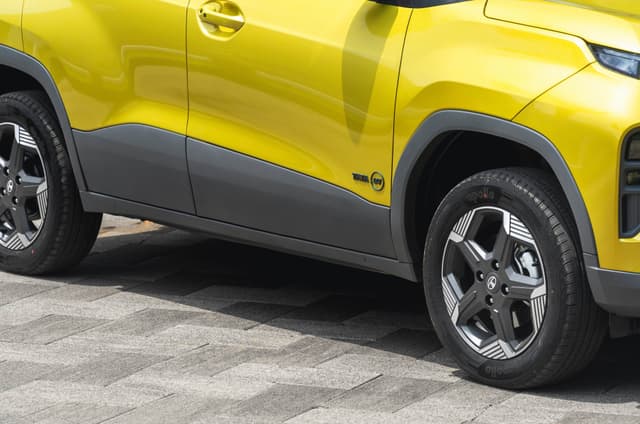
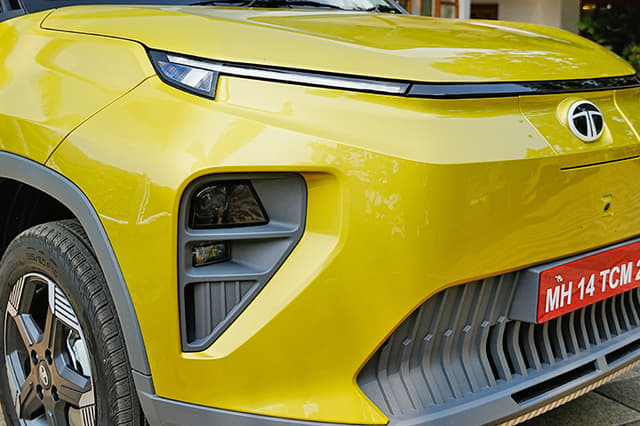
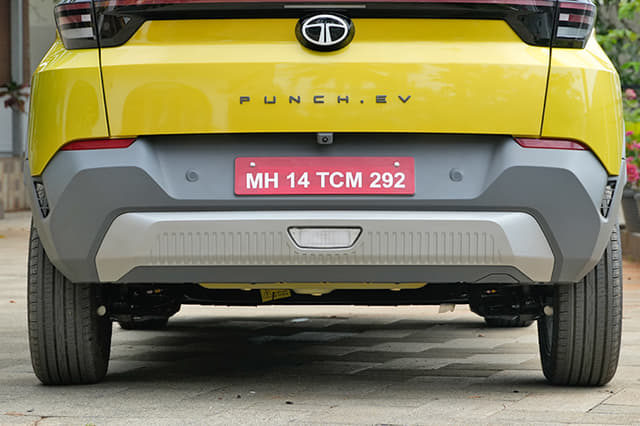
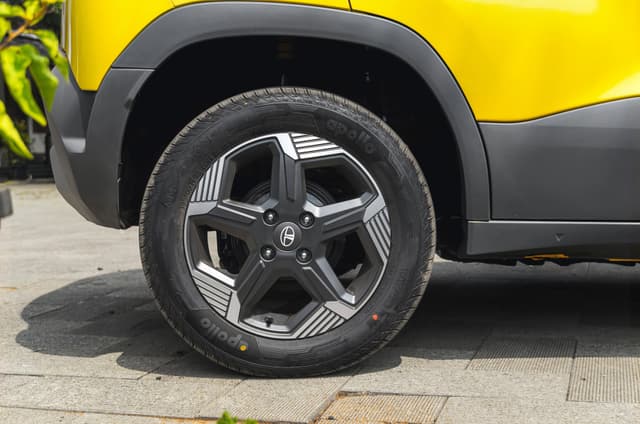
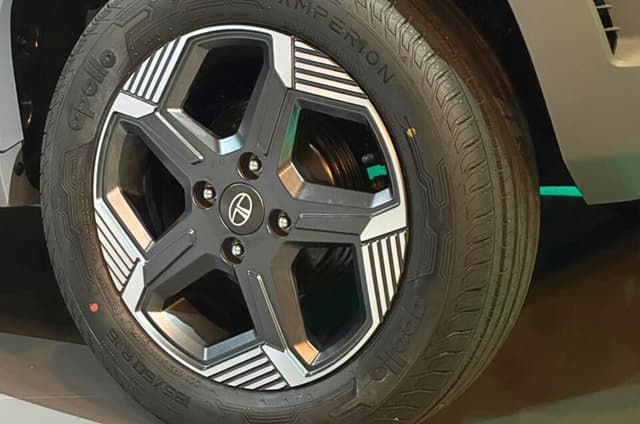
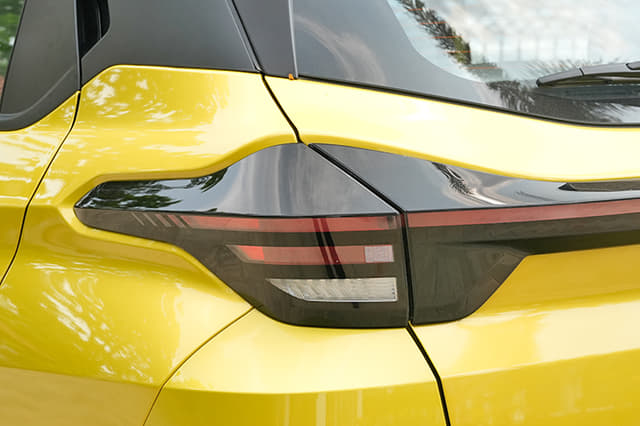
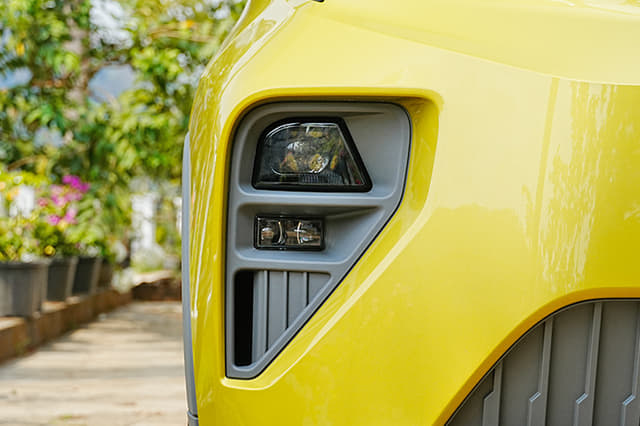
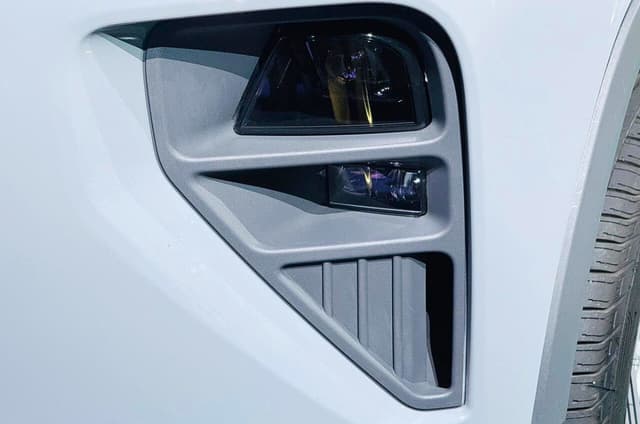
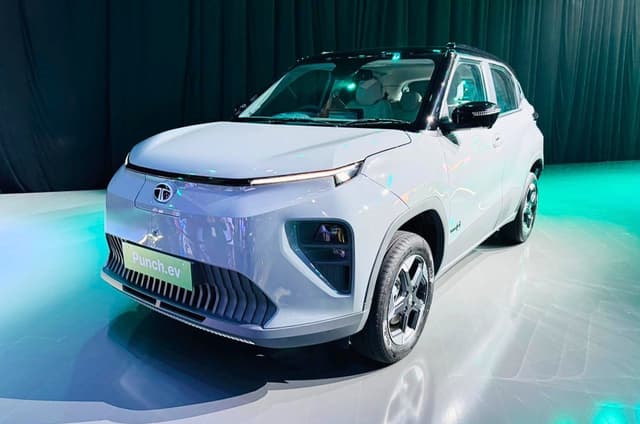
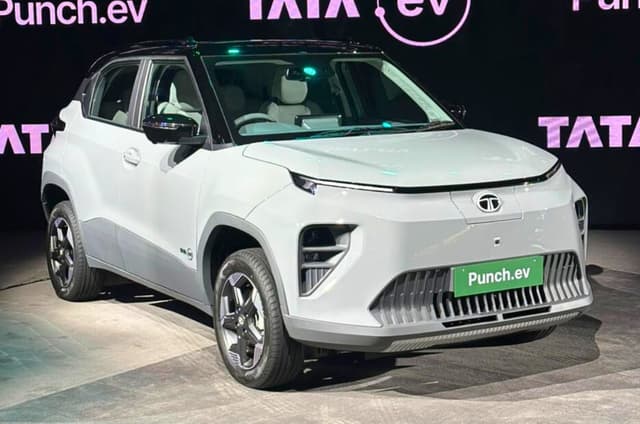
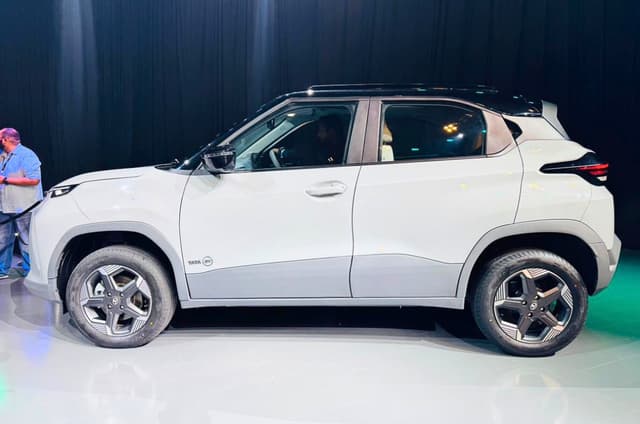
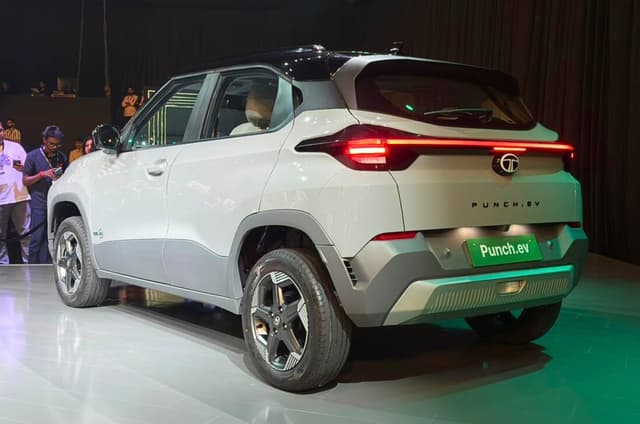
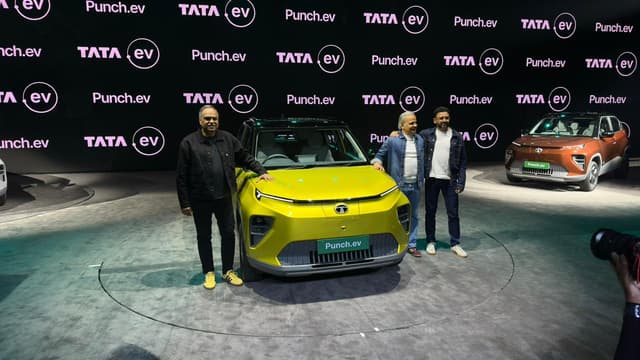
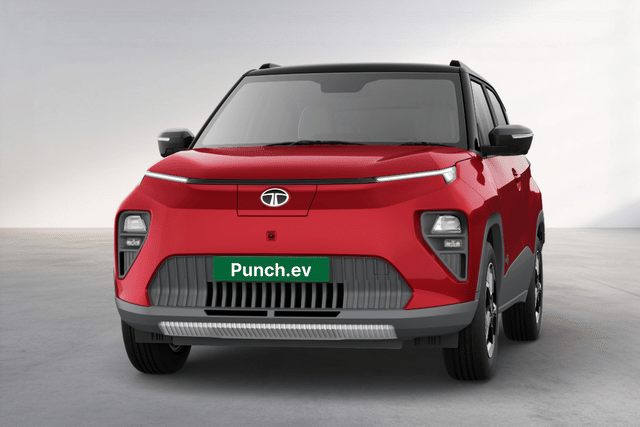
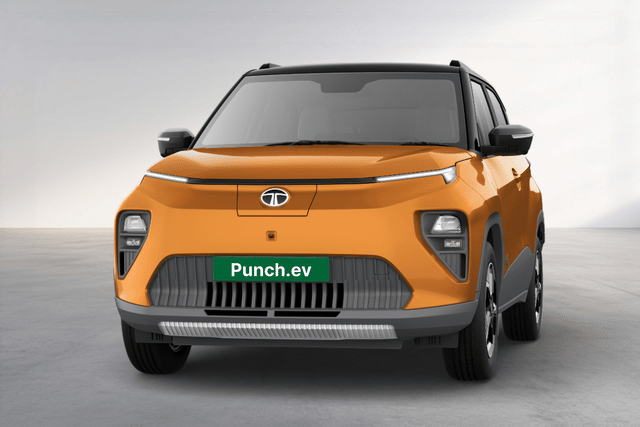
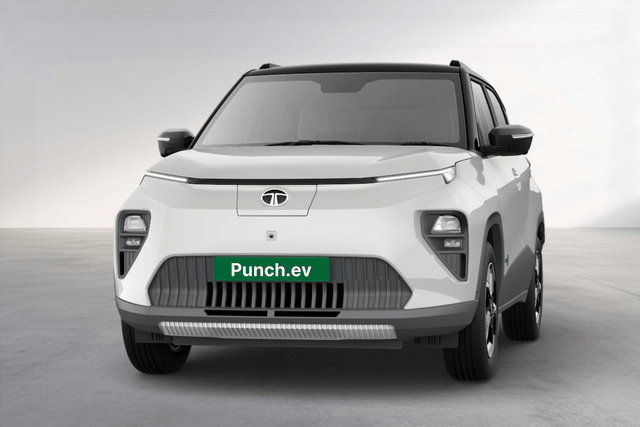
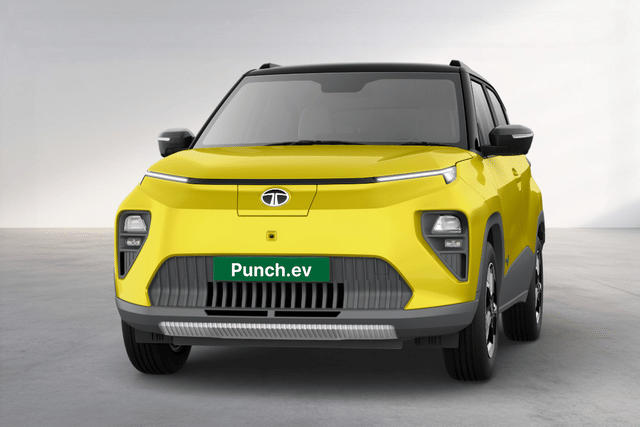
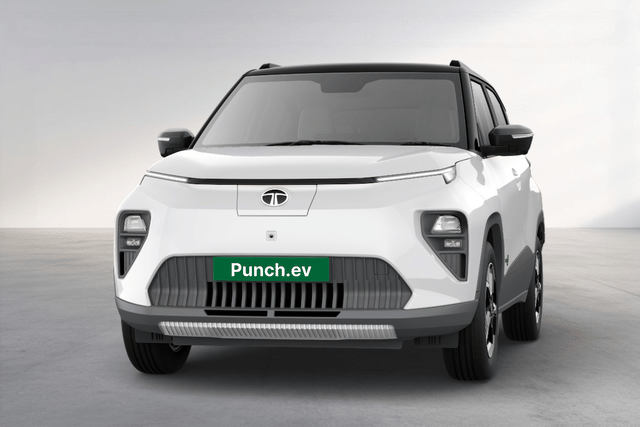
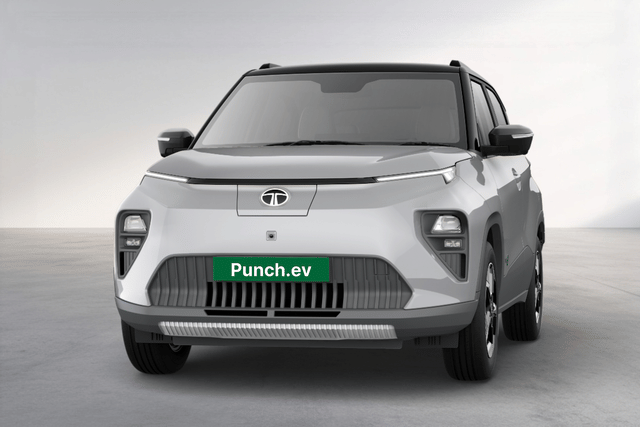
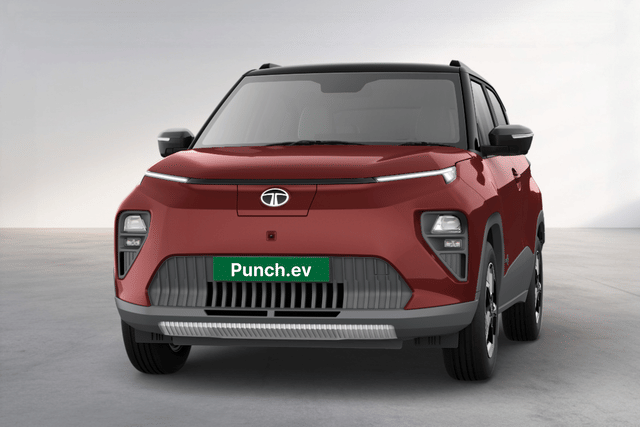
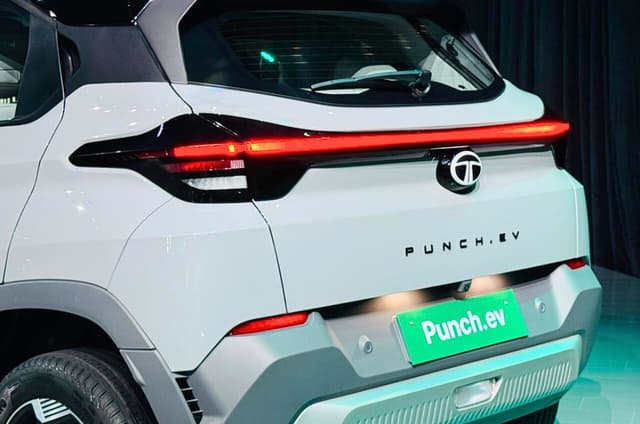
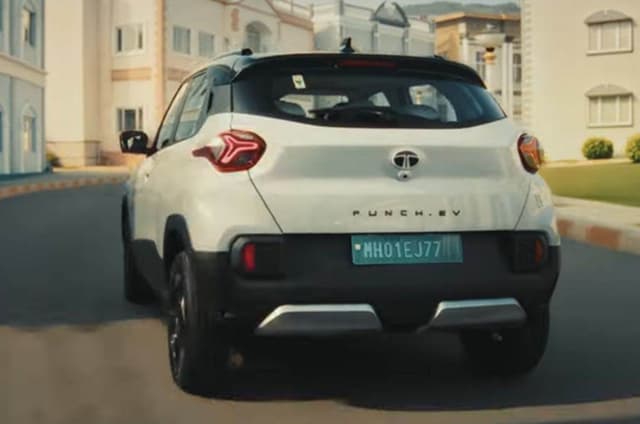
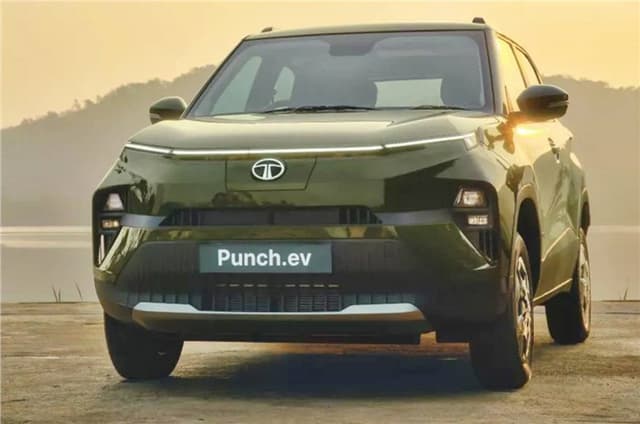
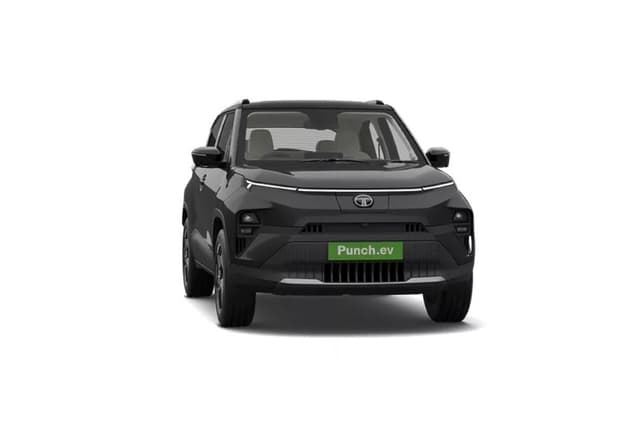
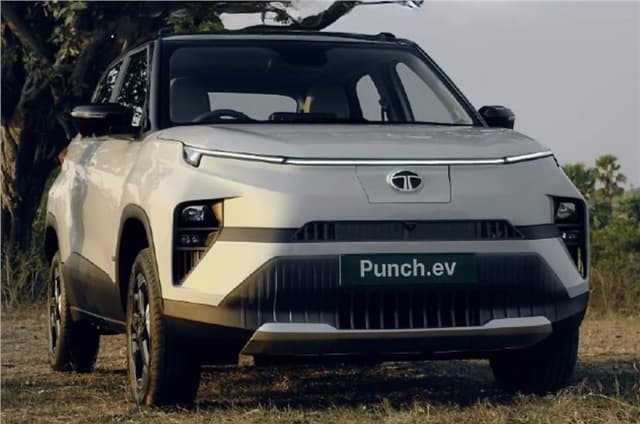
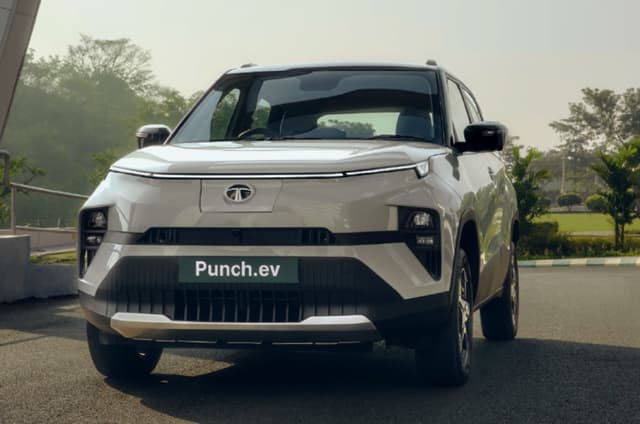
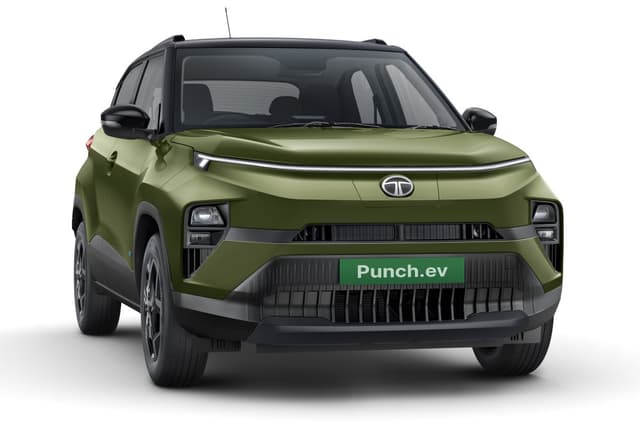
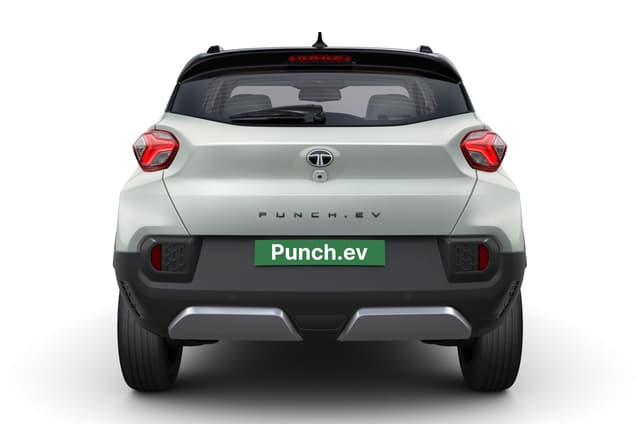
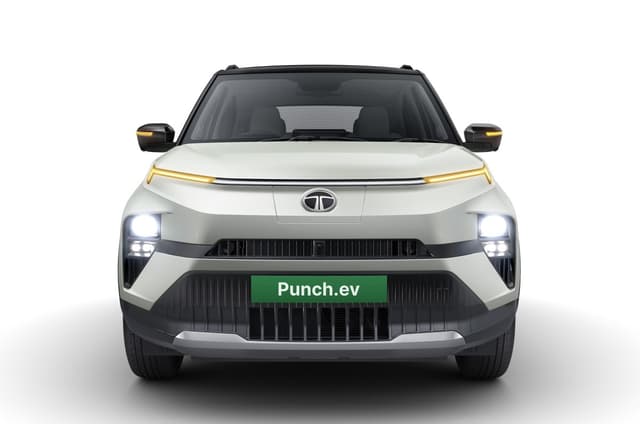
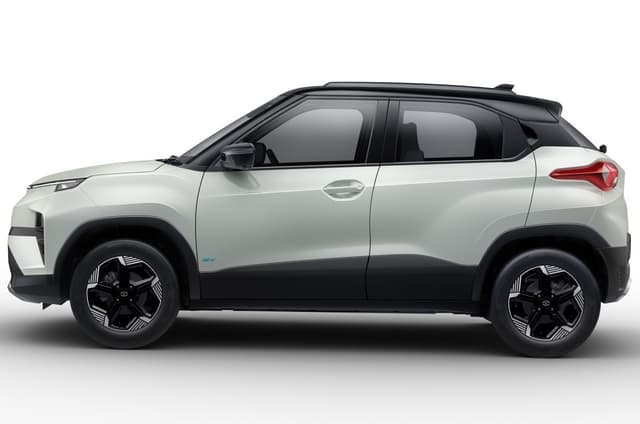
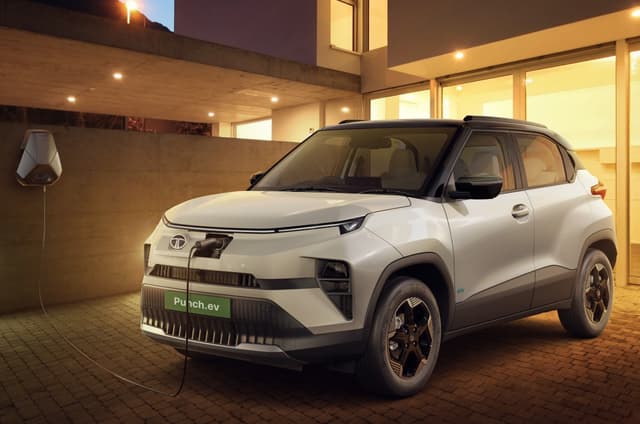
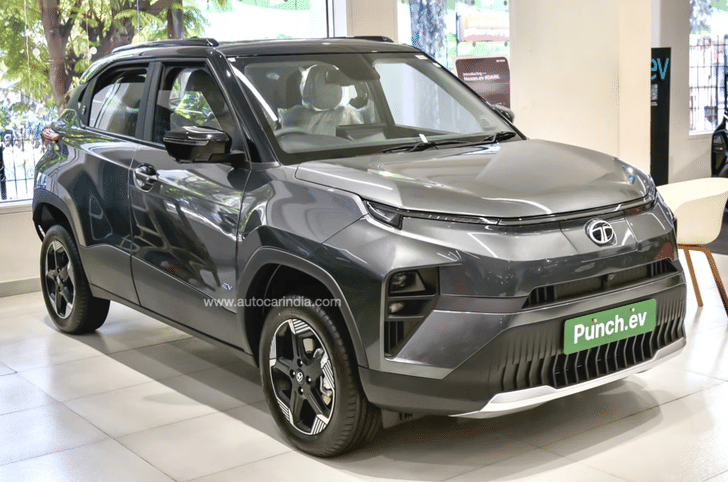
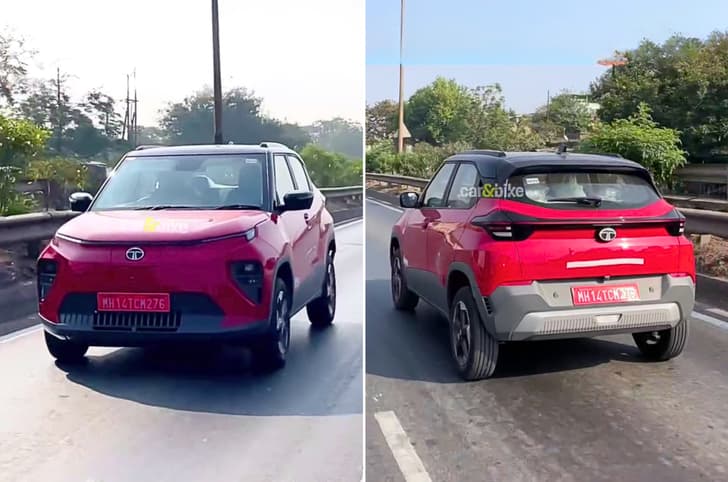
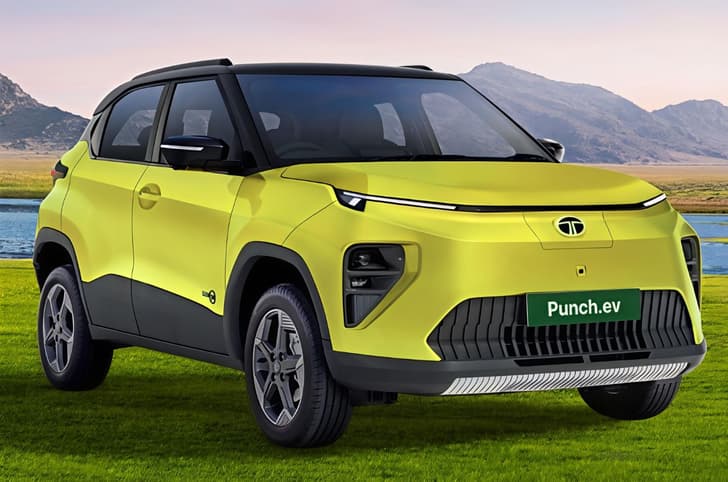
The updated Punch EV drops the earlier black plastic strip linking the headlights for a cleaner, more aero-focused look, and the LED light bar connecting the Y-shaped DRLs is gone as well. The charging flap remains centrally placed, while the only air intake sits low in the bumper. Lower down, the plastics are now finished in a lighter grey, with the 16-inch alloys matching in matte grey. At the rear, it adopts the ICE Punch’s connected LED tail-lamps and chunky bumper with a low-mounted reverse light. 
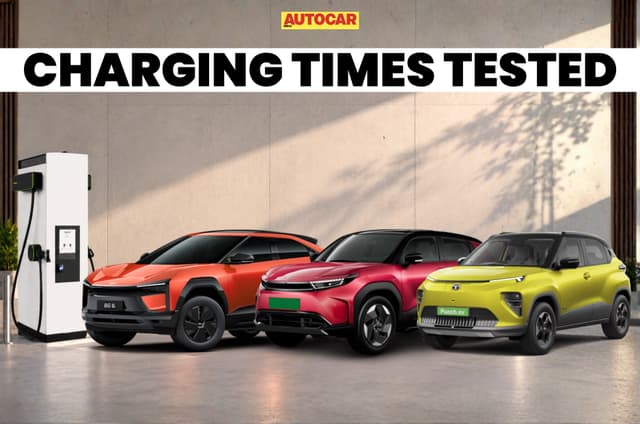
The bigger changes lie under the skin. Based on the Acti.ev platform, the Punch EV now gets 30kWh and 40kWh battery packs, switching from cylindrical to prismatic cells while retaining LFP chemistry. These rectangular cells pack more efficiently, allowing more to fit into the same space. Charging speeds have increased to 65kW, up from 50kW, enabling a claimed 10-80 percent top-up in 30 minutes.
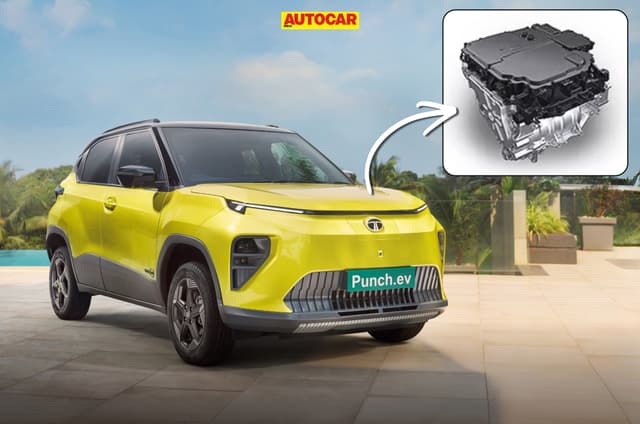
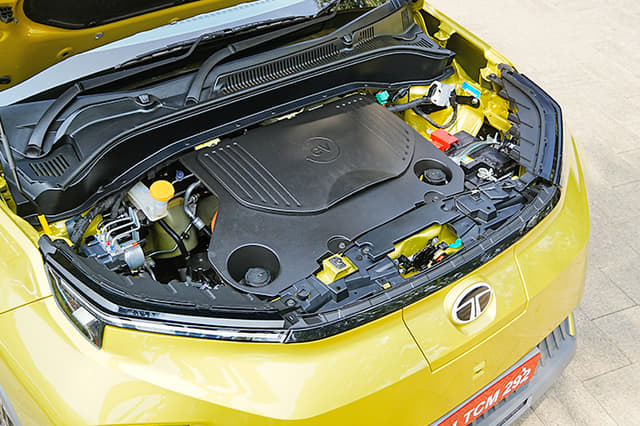
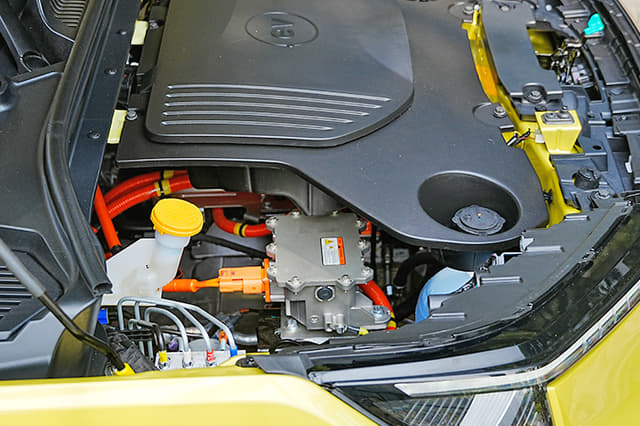
The powertrain is now integrated into a compact 6-in-1 unit combining the motor, inverter, reduction gear, DC-DC converter, PDU and onboard charger. Tata says it is 28 percent lighter, 50 percent smaller and 6 percent more efficient, while reducing electrical connections, semiconductors and high-voltage cables by 30 to 40 percent, lowering complexity and production costs.


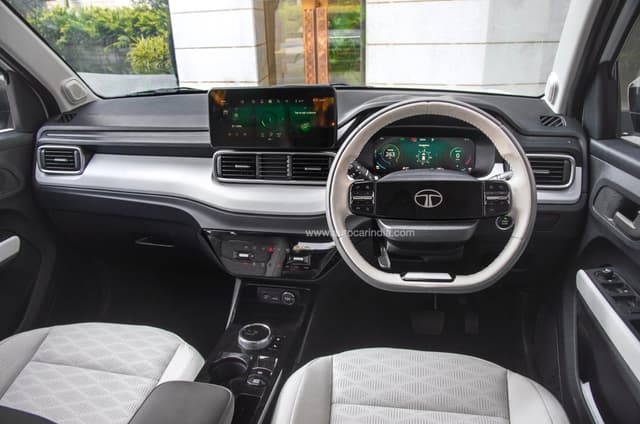
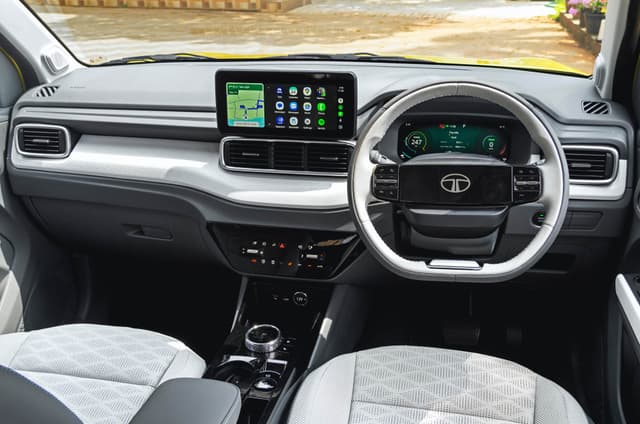
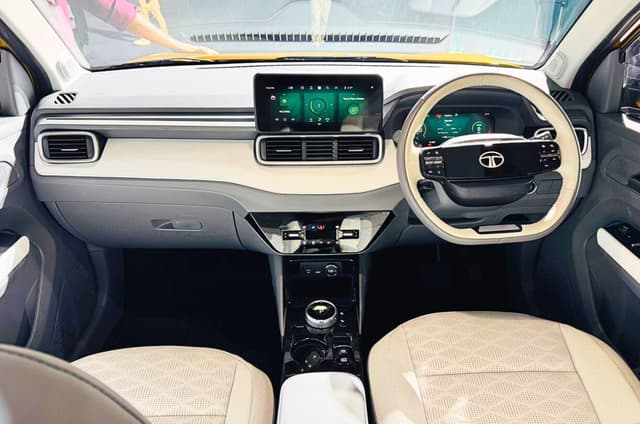
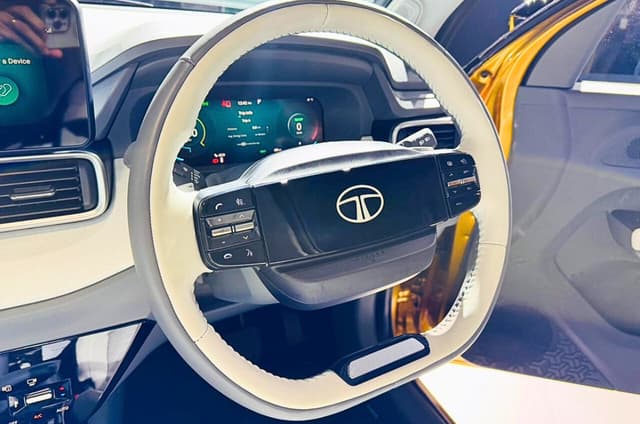
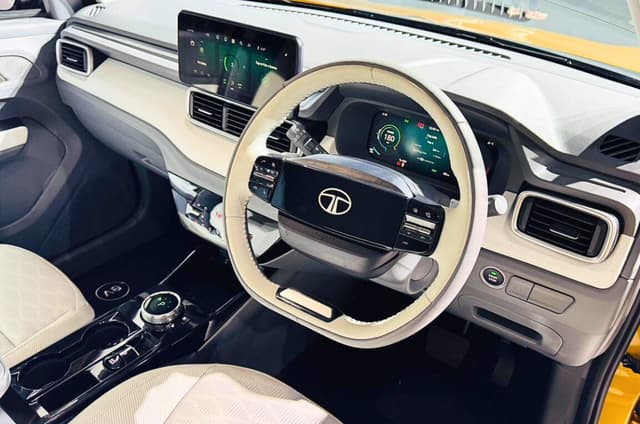
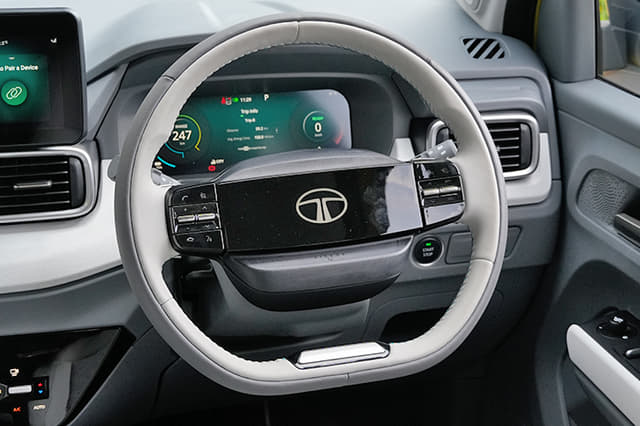
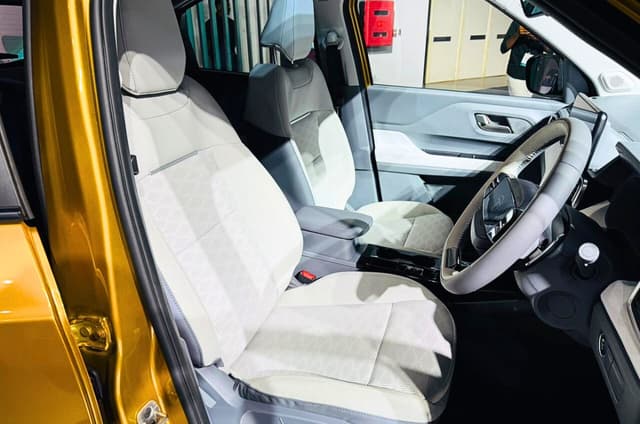
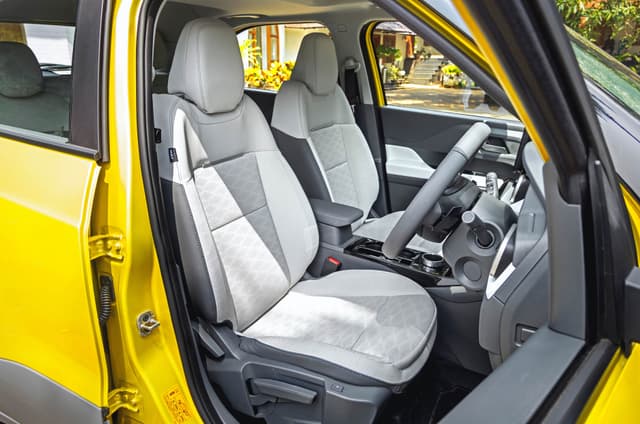
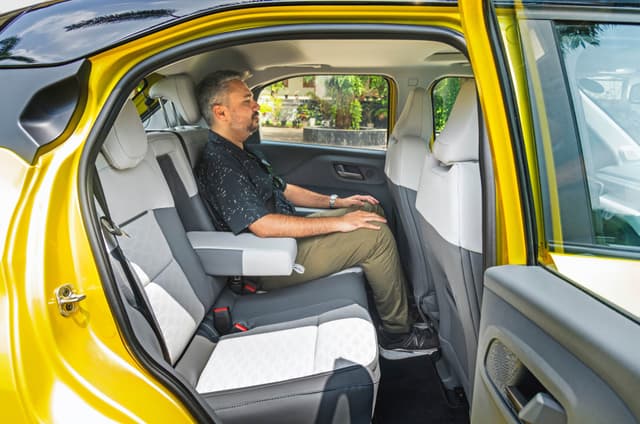
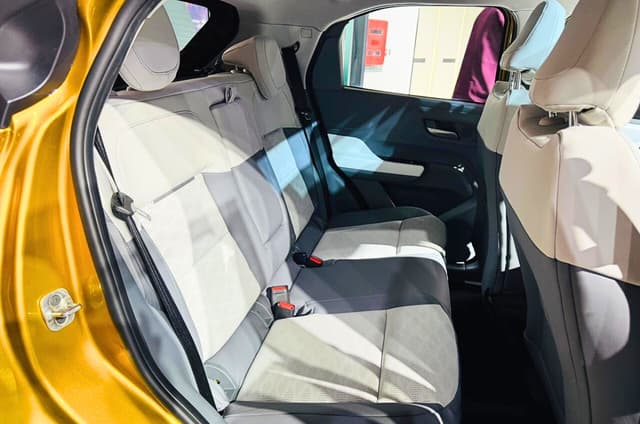
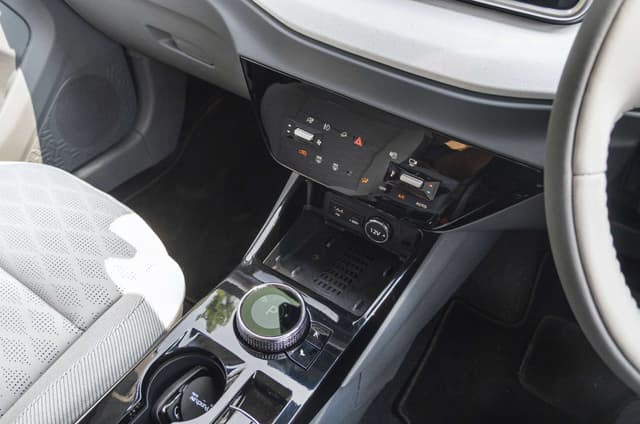
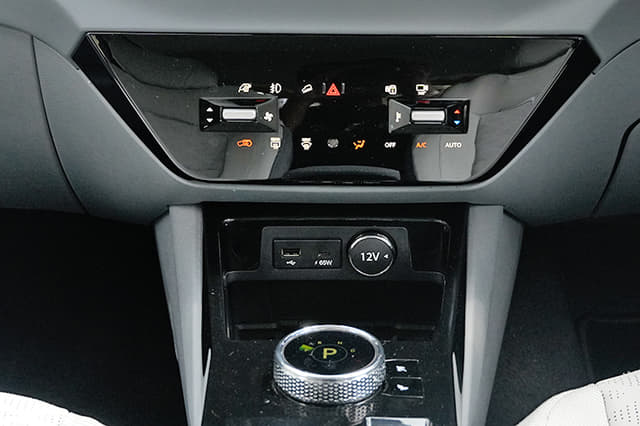
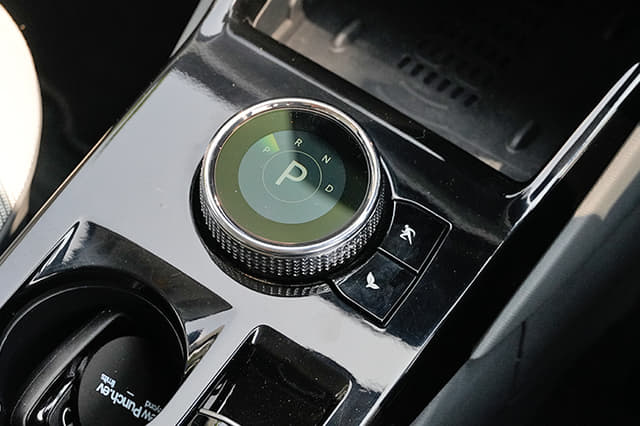
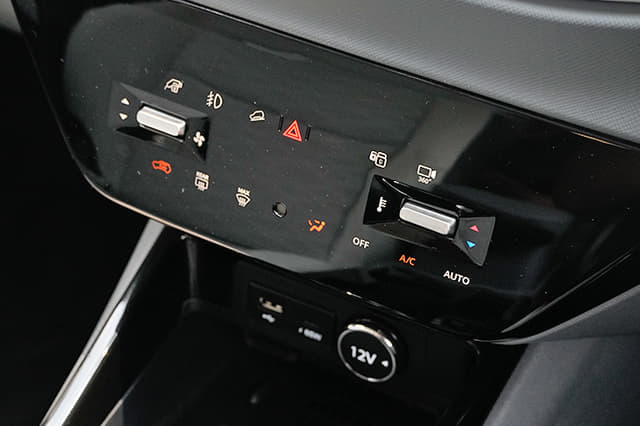
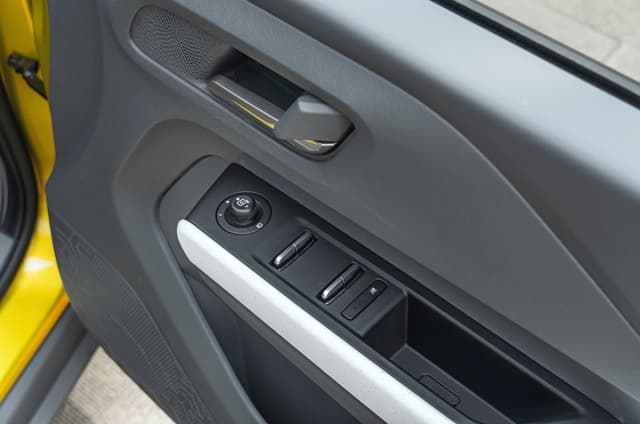
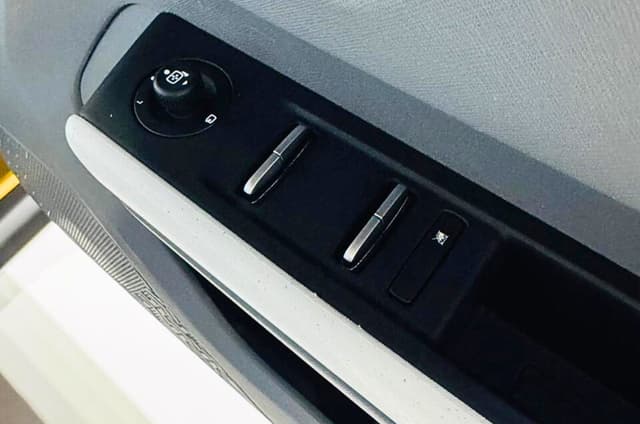
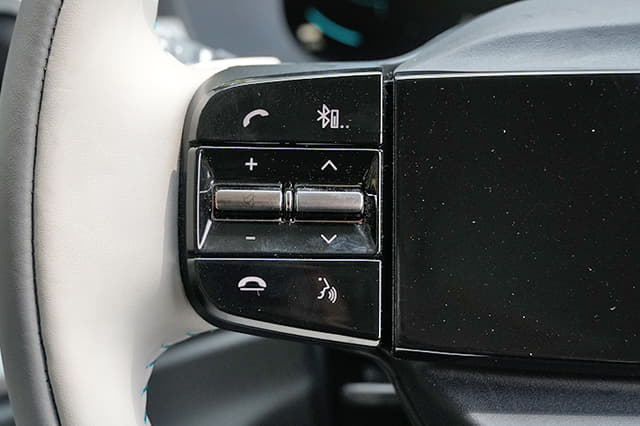
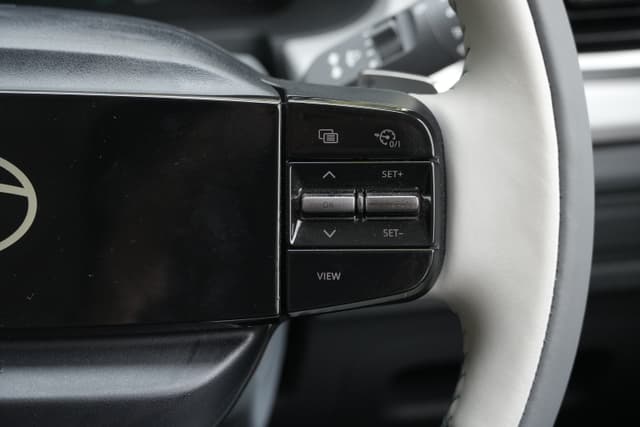
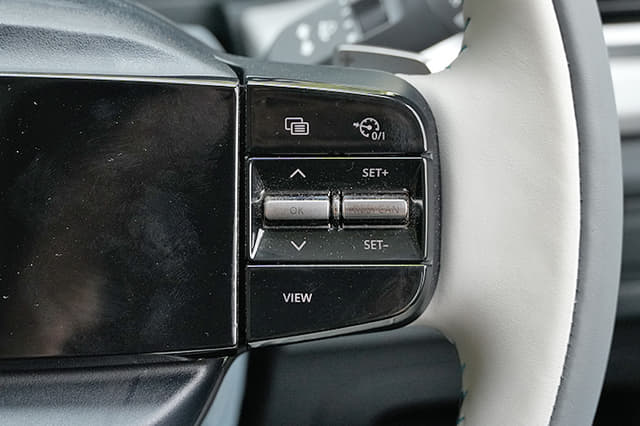
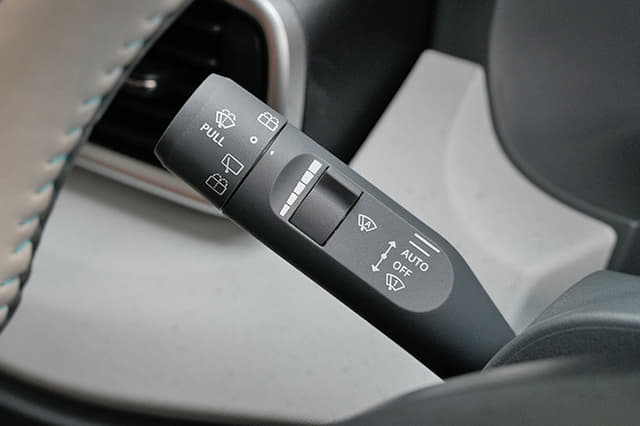
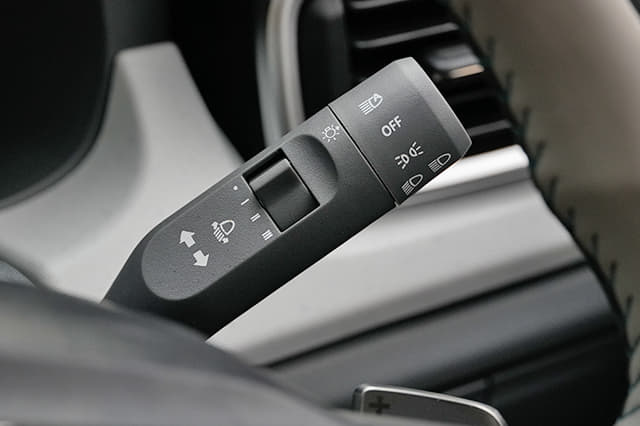
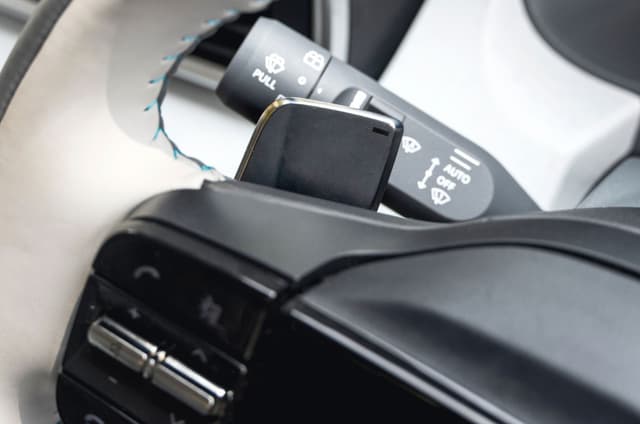
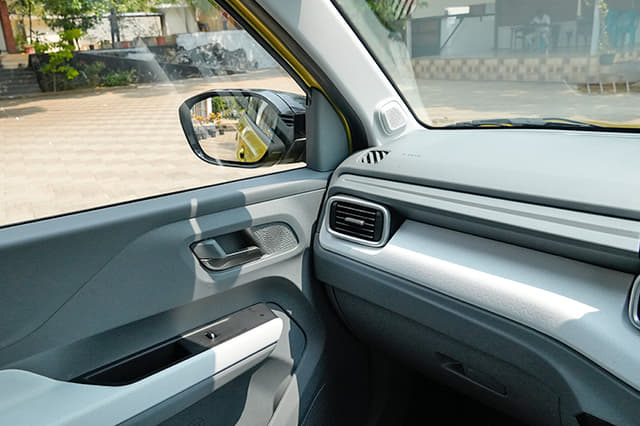
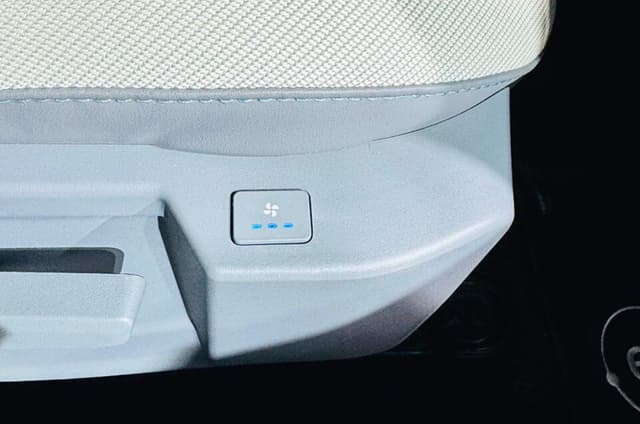
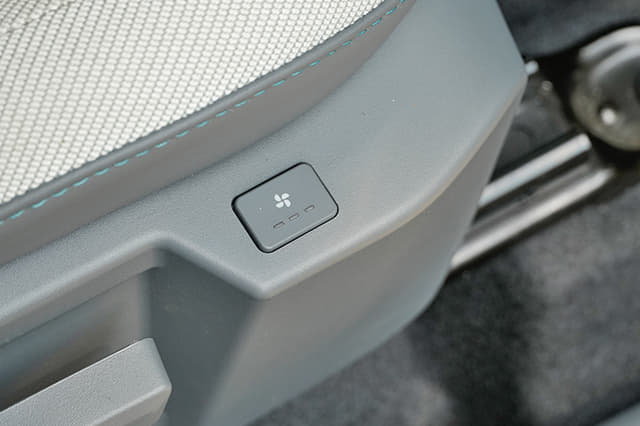
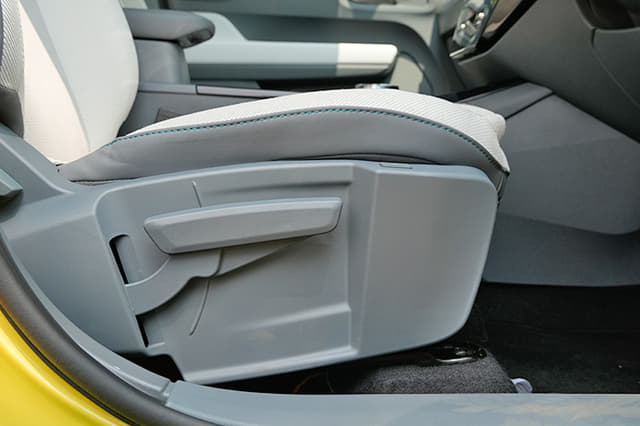
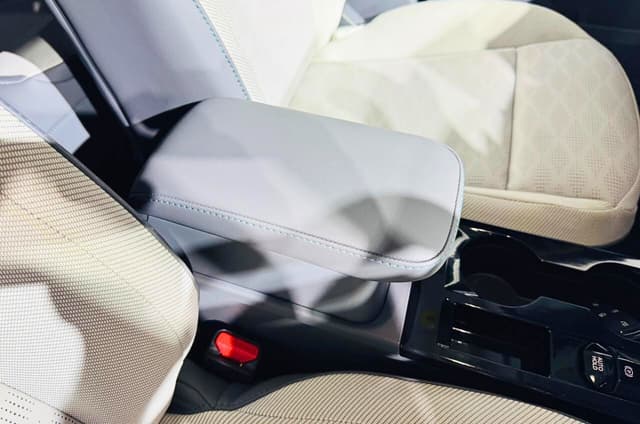
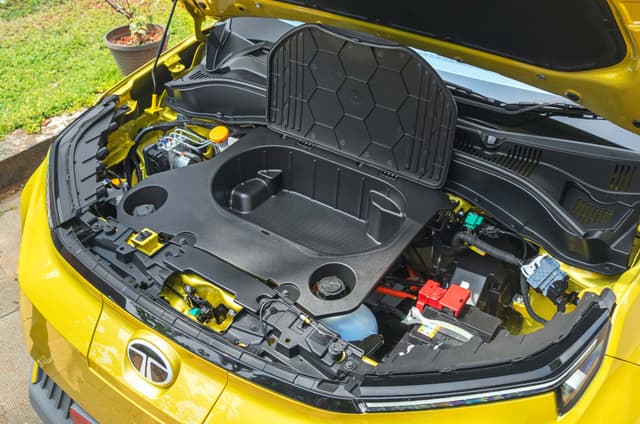
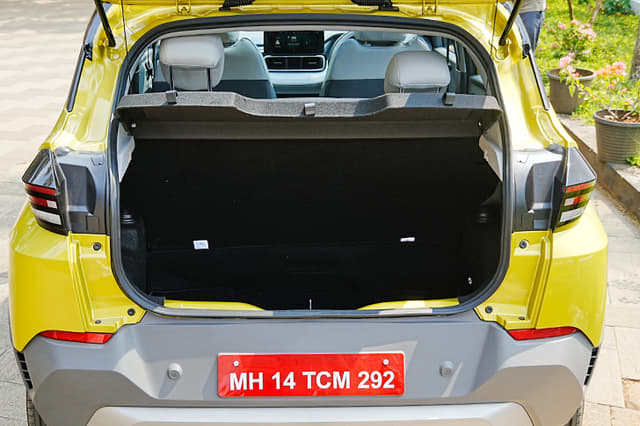
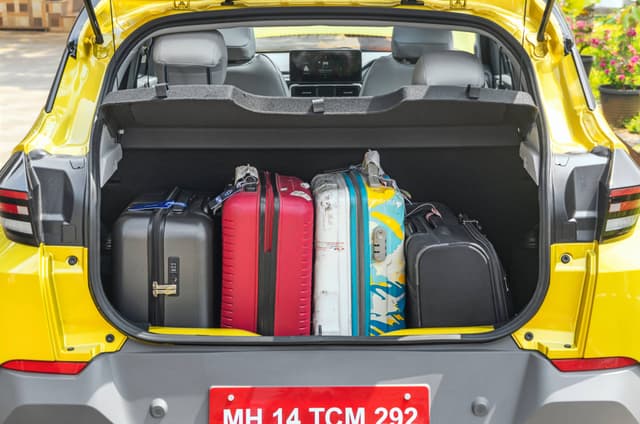
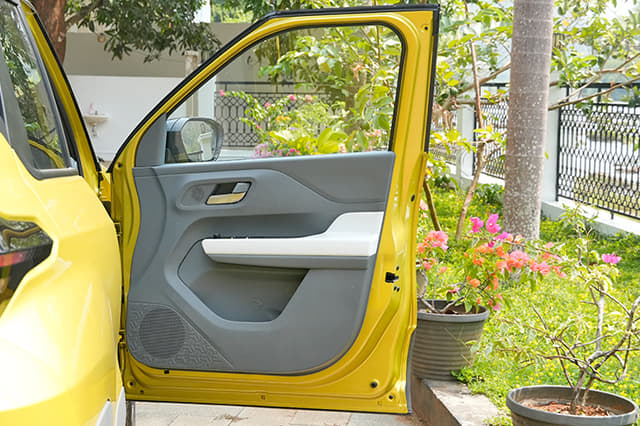
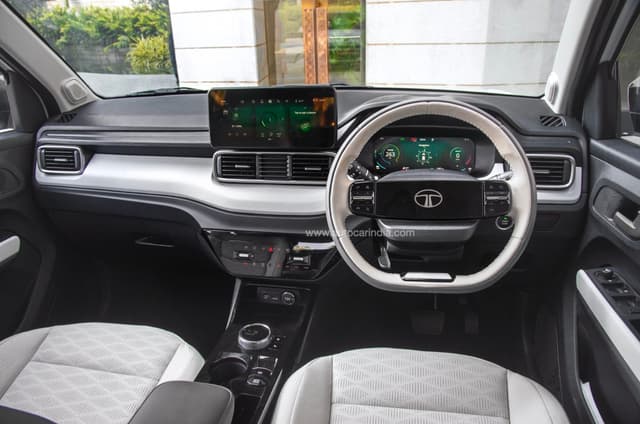
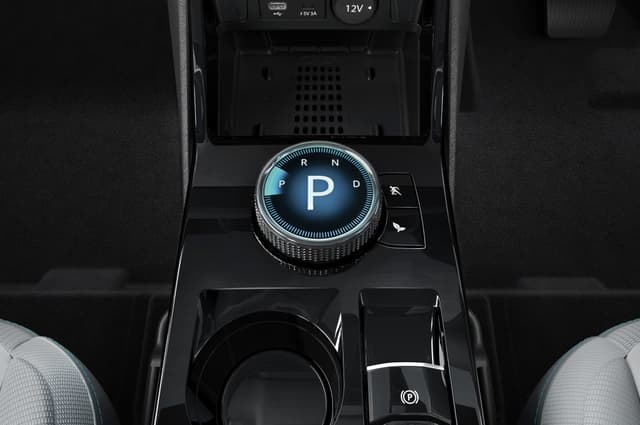
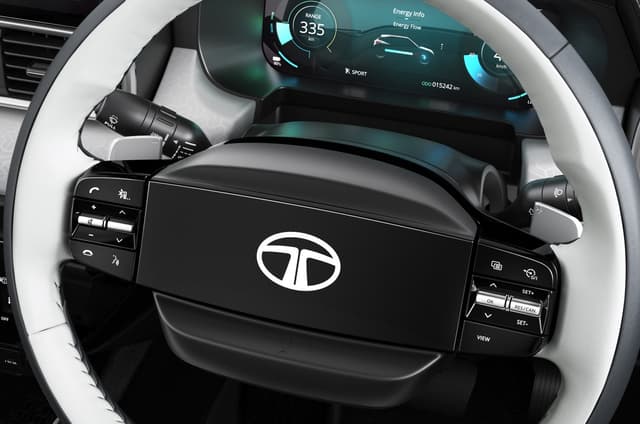
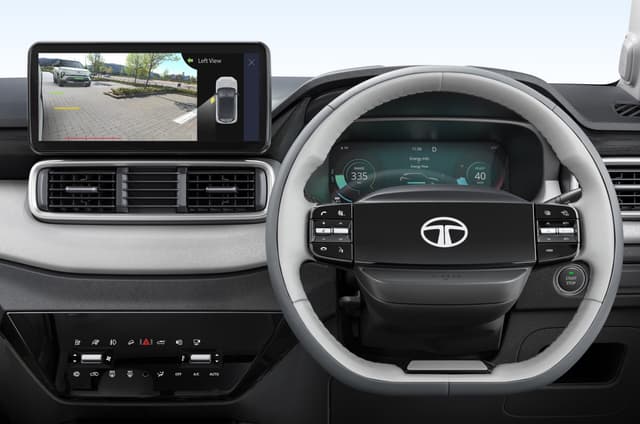
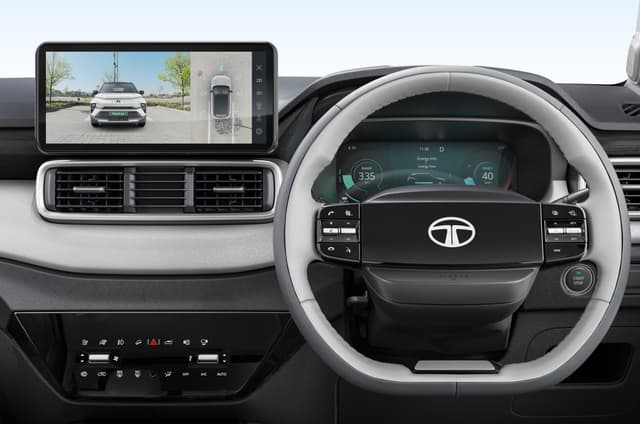
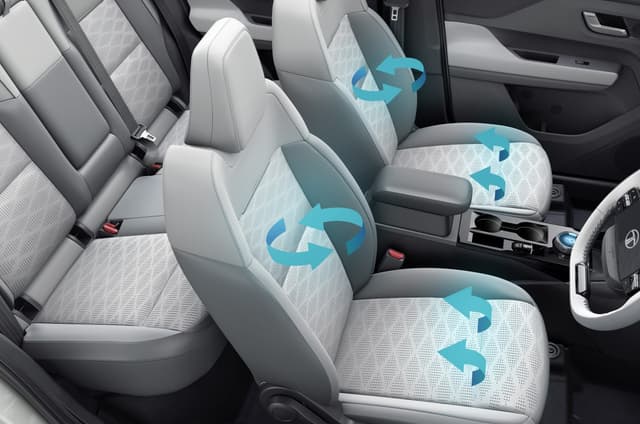
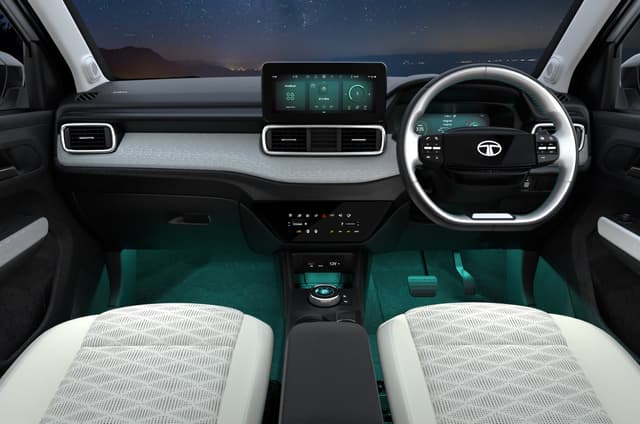
Getting in and out remains easy thanks to the wide 90-degree opening doors. Inside, the cabin feels airier with the new lighter grey plastics while a textured white trim breaks the monotony. The seats follow a white and grey theme, with leatherette upholstery and fabric inserts on the front bolsters. Control stalks from the Sierra are carried over, while the vertically oriented toggle-style window switches can feel counterintuitive initially. Front-seat comfort is strong, with good support and ventilation on the top trim. The high seating position offers good visibility, though reach adjustment for the steering is still missing. The centre console houses an armrest, cupholders and a wireless charging pad, but the rotary gear selector can be slow to respond. Storage is decent, with door pockets for bottles and an umbrella, plus a cooled glovebox. Rear seat space is adequate, with good cushioning and thigh support, though three passengers will be a squeeze. Rear AC vents are still missing, and the seatbelt warning chime can be intrusive. Boot space stands at 366 litres, and there’s a small frunk too.

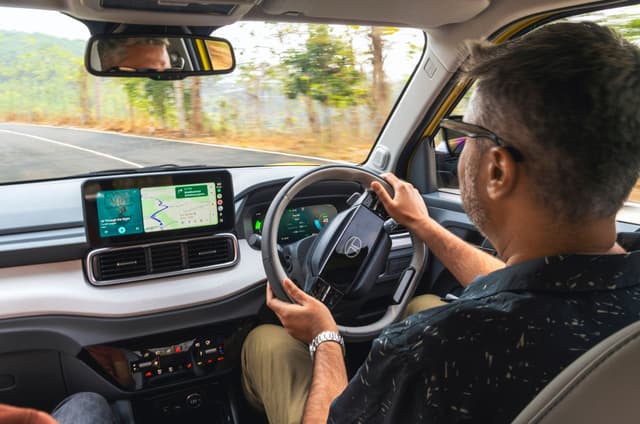
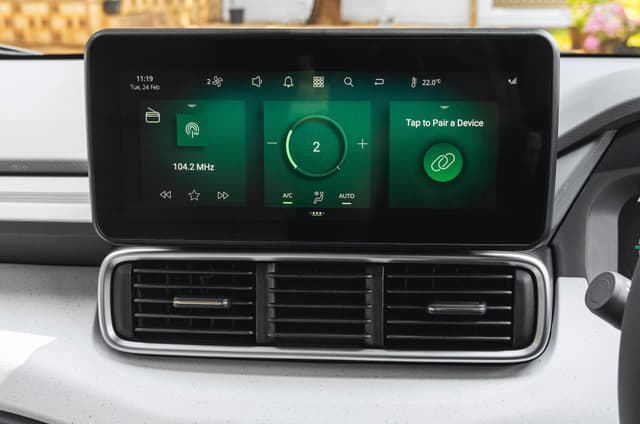
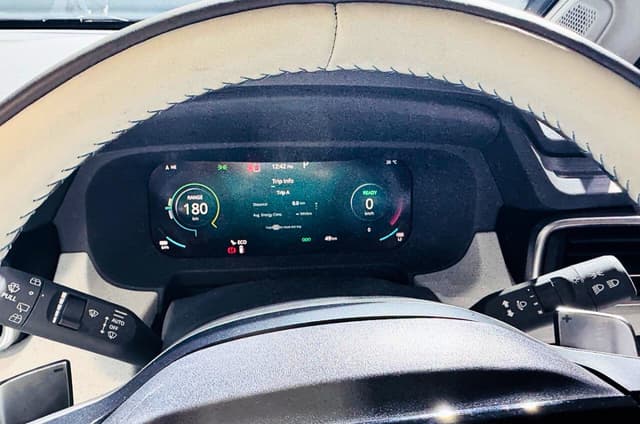
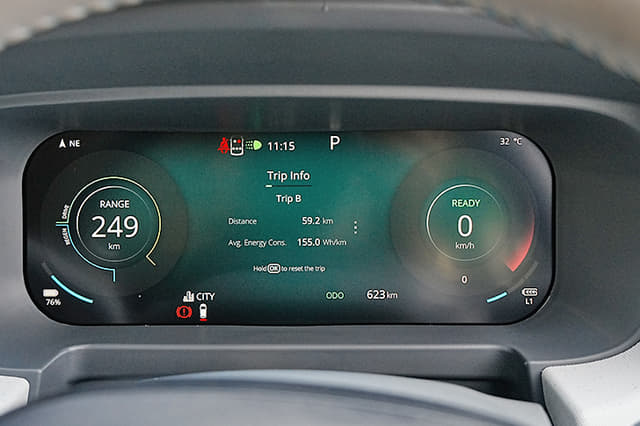
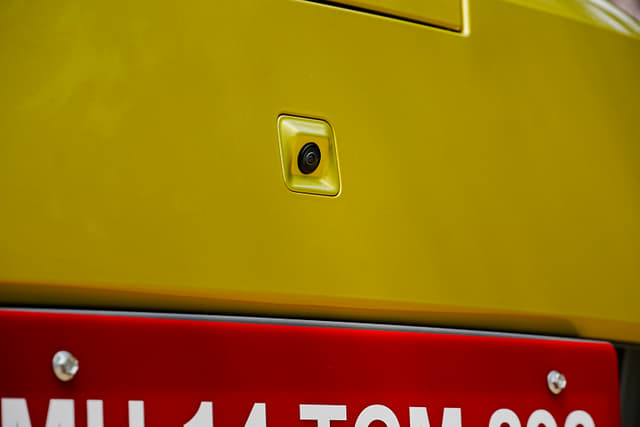
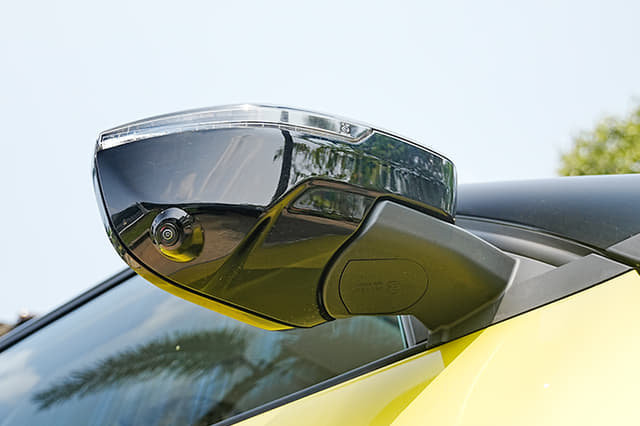
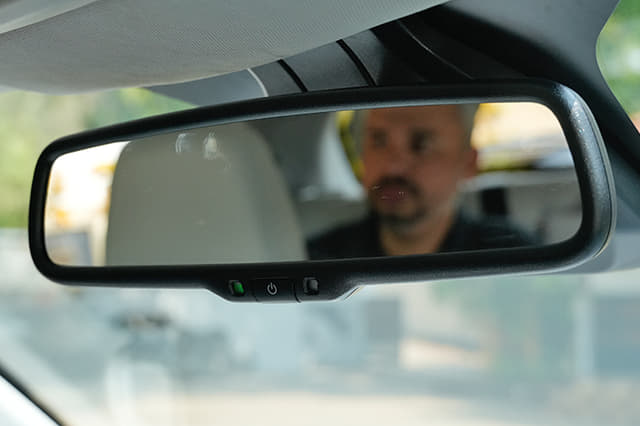
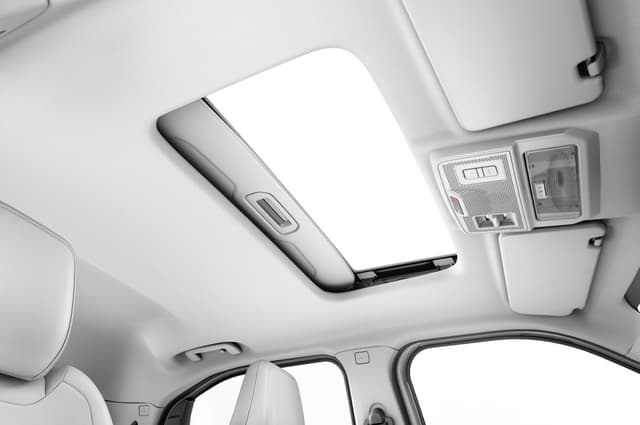
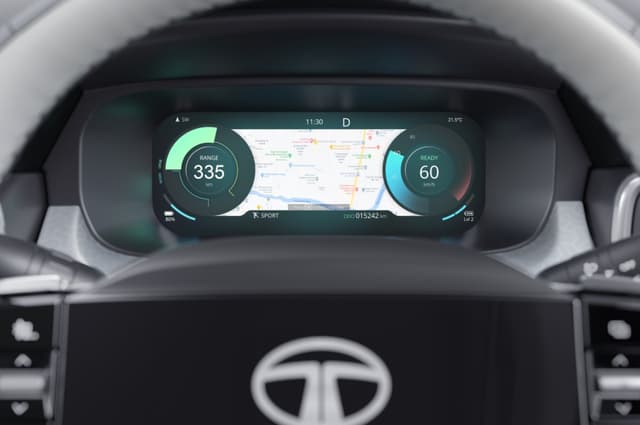
With the update, the Punch EV hasn’t gained notable new features, but it remains well equipped. Highlights include a 10.25-inch Harman infotainment system with wireless connectivity, a sharp 360-degree camera, built-in apps and multiple voice assistants. There’s also a 10.25-inch driver’s display with map projection, though some fonts are a bit small to read on the move. Other features include an air purifier, auto-dimming IRVM, cruise control and a small sunroof, while ambient lighting has been dropped.
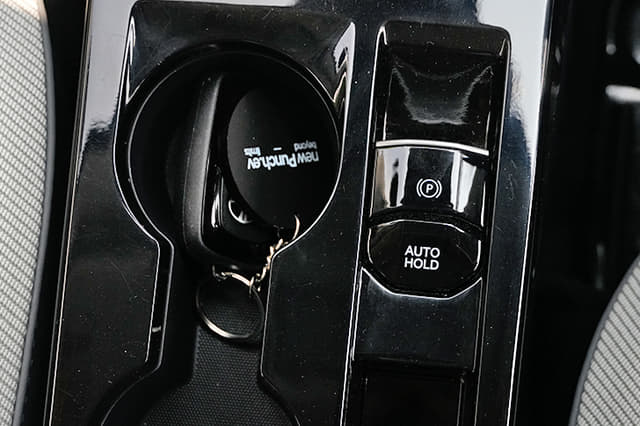
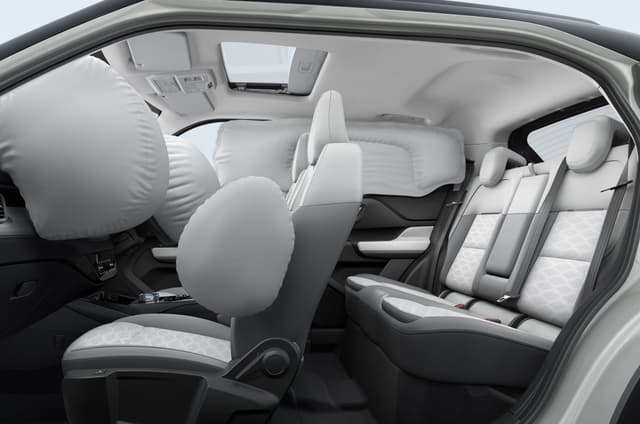
Safety is comprehensive, with six airbags, ESP, ABS with EBD, Hill Hold Assist and ISOFIX mounts offered from the base Smart trim. A new addition is a High Beam Alert that warns the driver if high beams are used below 40kph for over a minute. The Smart+ adds an electronic parking brake with auto hold and a reverse camera. As before, there’s no spare wheel, only a puncture repair kit with an inflator.

Power is up slightly, now at 88hp for the smaller battery and 129hp for the larger one, with torque at 154Nm for both. Performance remains strong; it pulls cleanly from a standstill and builds speed smoothly, with linear delivery that makes it easy to drive in traffic. There are three drive modes – Eco, City and Sport. Eco remains usable in everyday driving, City is well suited to most situations, while Sport is the most engaging. It isn’t aggressively quick, as power delivery is tuned for range and usability, but the instant torque is still enough for a 0-100kph time of 9.1 seconds. Refinement is a highlight, with minimal motor noise. The cabin stays quiet, with only a slight increase in road noise at higher speeds.
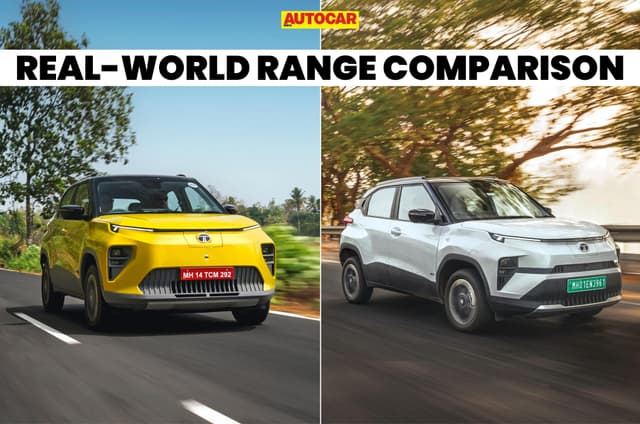
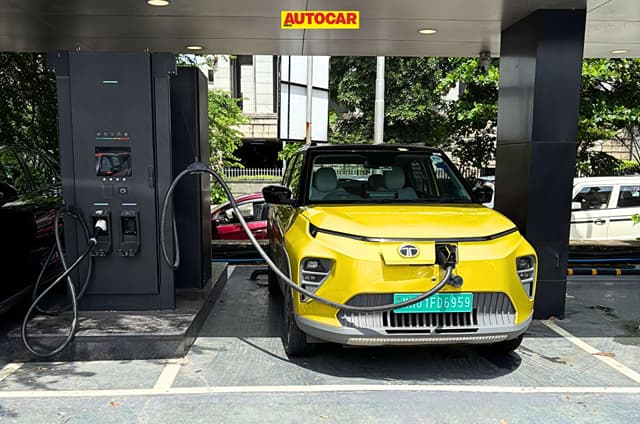
Range has improved thanks to the larger batteries and a more efficient motor. Tata Motors now claims 375km for the 30kWh version and 468km for the 40kWh, both under the MIDC cycle, up from 315km and 421km earlier. It also states real-world range of around 260–275km for the smaller battery and 335–355km for the larger one under its C75 metric, representing what 75 percent of customers could expect based on past usage data. For reference, the earlier 35kWh long-range model returned a combined range of 229km in our test, and this updated version is expected to improve on that.
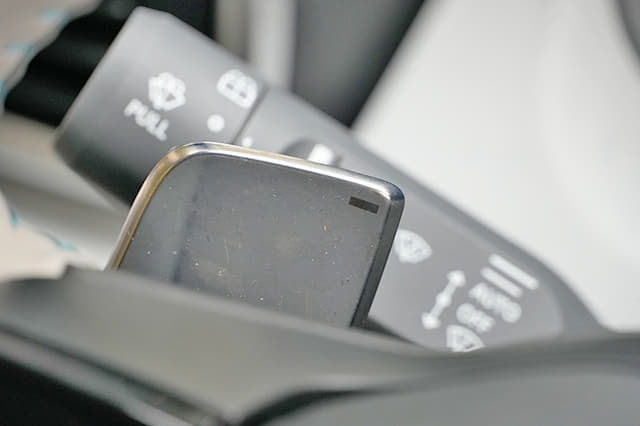
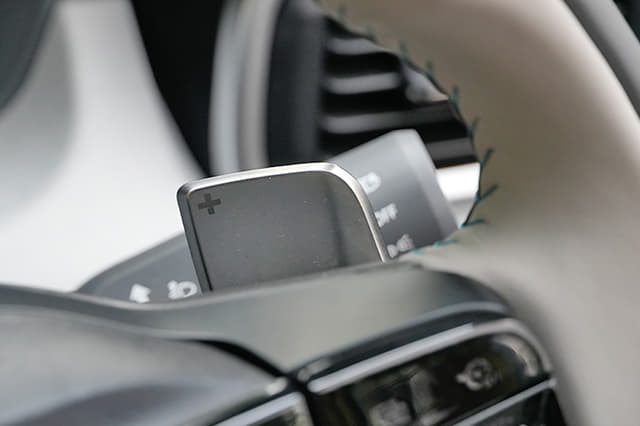
No changes have been made to the suspension, and none were needed. The Punch EV continues to ride with the maturity of a car from a segment or two above. To manage the battery weight, it uses stiffer springs than the ICE version, but increased torsional rigidity allows for softer dampers. The result is a pliant, absorbent ride where even sharp potholes are well cushioned. As speeds rise, the body remains well controlled, and high-speed stability is impressive. Through corners, there is body roll, but the low-mounted battery keeps it feeling planted and secure. The steering isn’t particularly light at low speeds, building to a nicely weighted feel as you go faster. It isn’t the most communicative, but it is direct enough to place the car accurately, making it easy to settle into a smooth rhythm on flowing roads. Regenerative braking adds to this ease, with four selectable levels via paddles. Level 0 allows free coasting, while level 3 offers strong deceleration without bringing the car to a stop. The switch to rear drum brakes also has a technical advantage, as they are less prone to binding or noise in EVs. Braking performance remains confident, though we’ll confirm stopping distances in a full test.

The updates to the Punch EV focus on improving efficiency while lowering manufacturing costs, and this is reflected in the pricing. It now starts at Rs 9.69 lakh and goes up to Rs 12.59 lakh – Rs 30,000 cheaper at the base and up to Rs 1.85 lakh less at the top end. The Battery-as-a-Service programme lowers the entry price further to Rs 6.49 lakh, with the battery available on a rental basis at Rs 2.6 per kilometre. While there are some cost-cutting measures, none significantly detract from the overall experience, making it strong value for money.

Reviewed by: Lenny D'sa

Tata Punch EV Images

Front View Image - 33208
Front View Image - 33207
Front Right Three Quarter Image - 33220
Rear View Image - 33215
Front Right Three Quarter Image - 33206
Front Right Three Quarter Image - 33219
Front Right Three Quarter Image - 33231
Front View Image - 33232
Alloy Wheels Image - 33230
Front View Image - 33210
Front View Image - 33233
Rear View Image - 33243
Rear View Image - 33228
Dashboard Image - 33212
Dashboard Image - 33150
Infotainment System Image - 33149
Dashboard Image - 33144
Infotainment System Image - 33262
Front Row Seats Image - 33147
Front Row Seats Image - 33218
Second Row Seats Image - 33216
Rear View Image - 33143
Dashboard Image - 33213
Dashboard Image - 33211
Dashboard Image - 33151
Dashboard Image - 33237
Front Row Seats Image - 33204
Dashboard Image - 33221
Console Storage Image - 33251
12v Power Outlets Image - 33250
Door Controls Image - 33202
Door Controls Image - 33148
Leather Wrapped Steering Wheel Image - 33242
Steering Wheel Image - 33249
Steering Mounted Controls Image - 33248
Steering Mounted Controls Image - 33238
Steering Mounted Controls Image - 33239
Steering Wheel Image - 33214
Leather Wrapped Gear Knob  Shift Selector Image - 33240
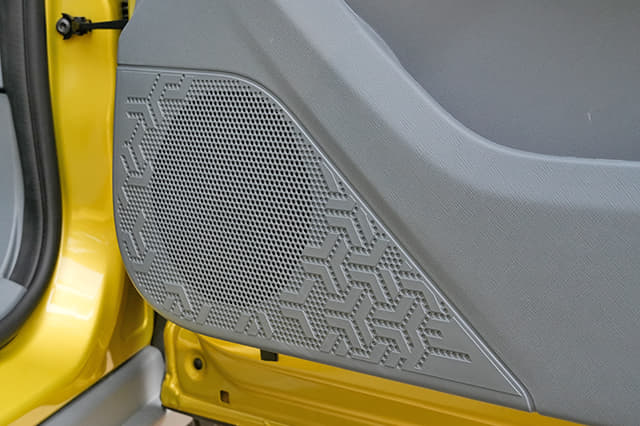
Speakers Image - 33255
Dashboard Image - 33253
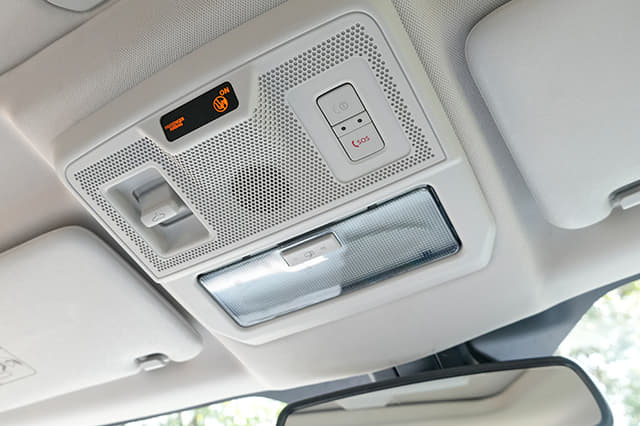
Cabin Lamps Conventional Image - 33256
12v Front Power Outlet Image - 33222
Leather Seats Image - 33146
Electrically Adjustable Driver Seat Image - 33260
Driver Armrest Storage Image - 33261
Color Gray, Beige Image - 33145
Console Storage Image - 33252
Alloy Wheels Image - 33205
Front View Image - 33246
Rear View Image - 33229
Rear View Image - 33227
Color Yellow Image - 33224
Color Yellow Image - 33223
Color Yellow Image - 33245
Color Yellow Image - 33209
Open Bonnet Engine Shot Image - 33236
Front Row Seats Image - 33244
Rear View Image - 33217
Body Colored Bumpers Image - 33203
Color Black, Silver Image - 33138
Tail Light Tail Lamp Image - 33225
Color Yellow Image - 33234
Color White Image - 33140
Rear View Image - 33226
Body Colored Bumpers Image - 33257
Rear View Image - 33247
Orvm Blinker Image - 33235
Foot Controls Image - 33259
Front Left Three Quarter Image - 33141
Front Left Three Quarter Image - 33136
Front Right Three Quarter Image - 33142
Front Right Three Quarter Image - 33137
Front View Image - 33135
Bengal Rouge color Image - 33152
Caramel color Image - 33153
Empowered Oxide color Image - 33154
Fearless Yellow color Image - 33155
Pristine white color Image - 33156
Pure Grey color Image - 33157
Supernova Copper color Image - 33158
Rear View Image - 33139

Tata Punch EV videos