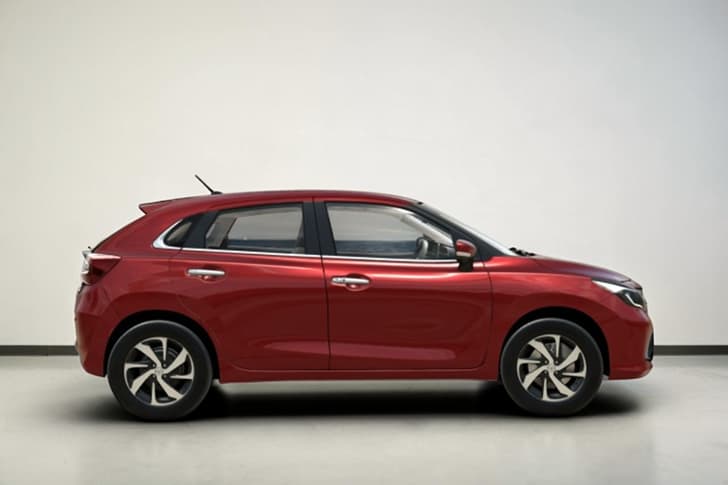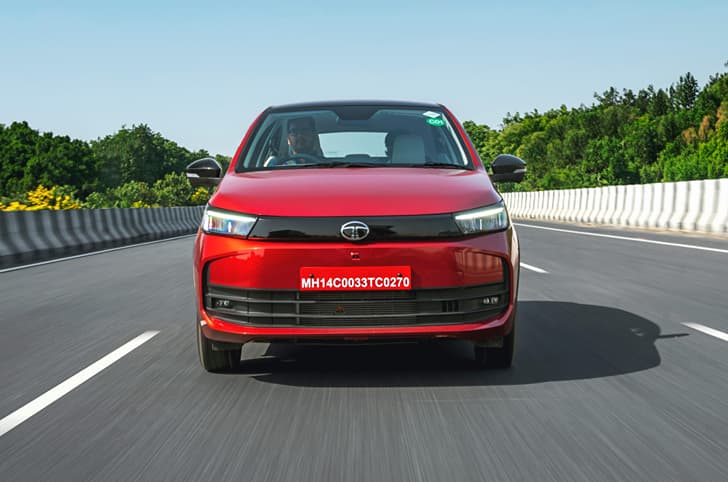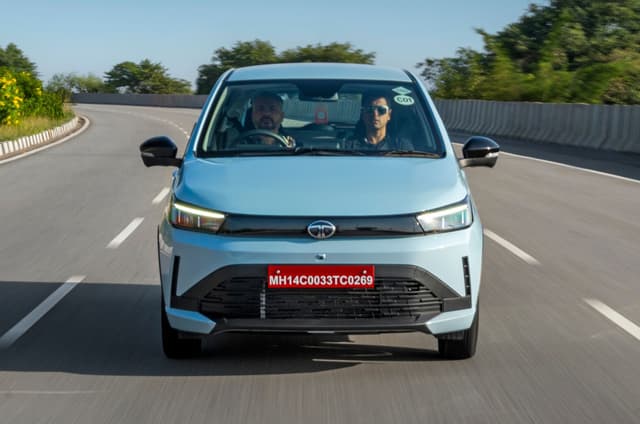
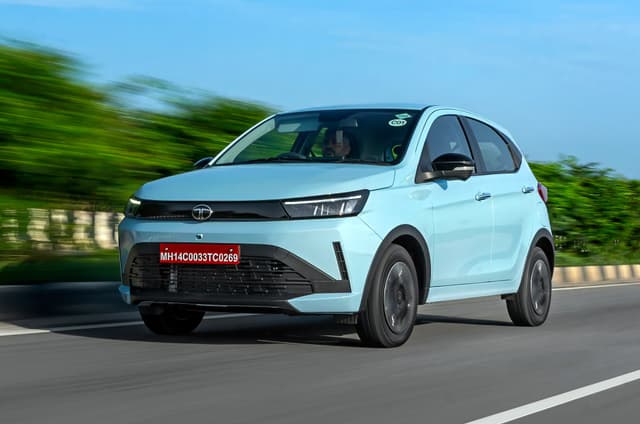
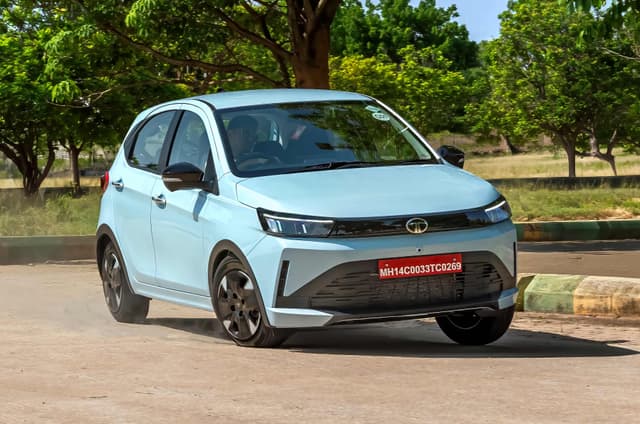
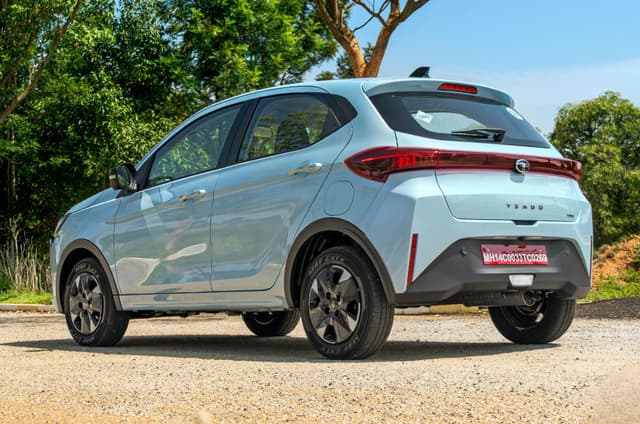
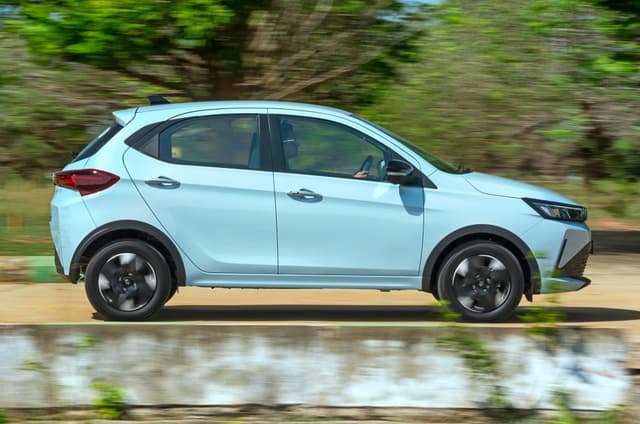
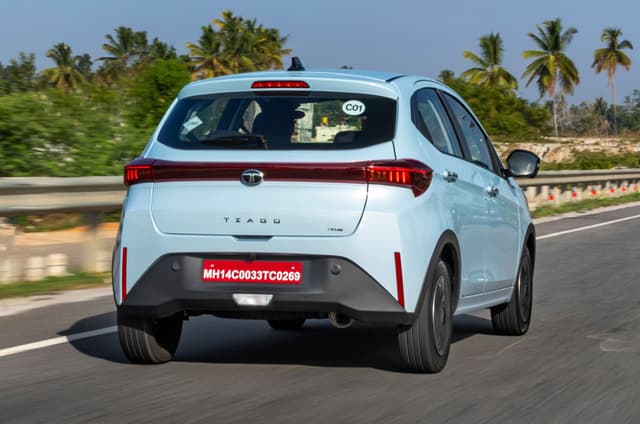
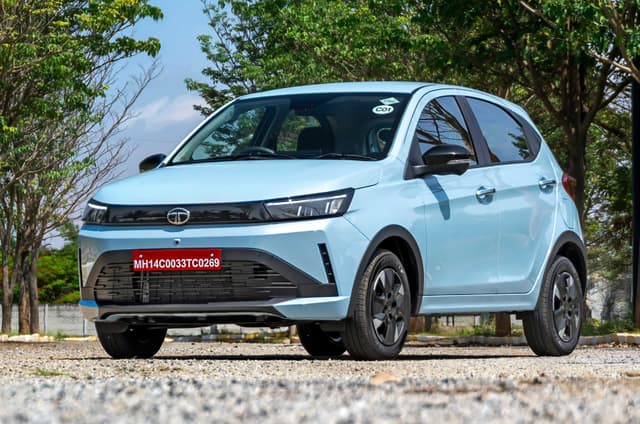
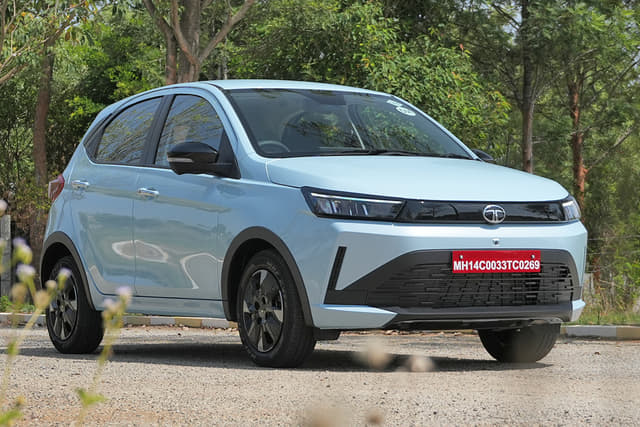
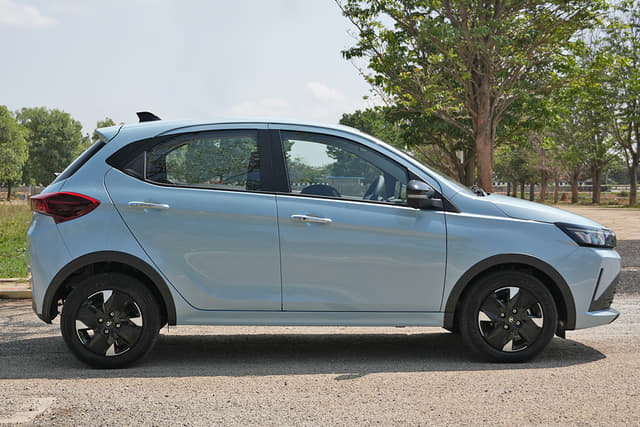
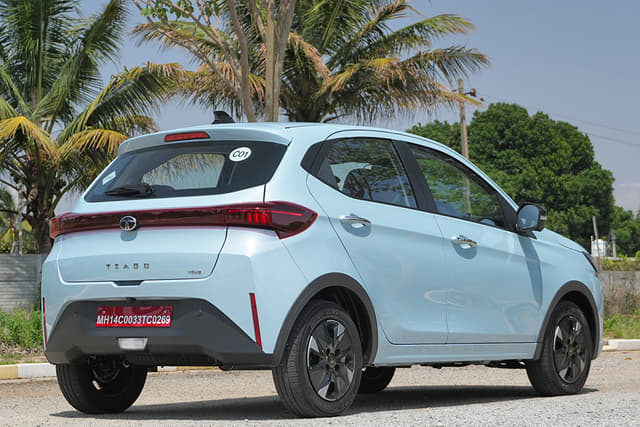
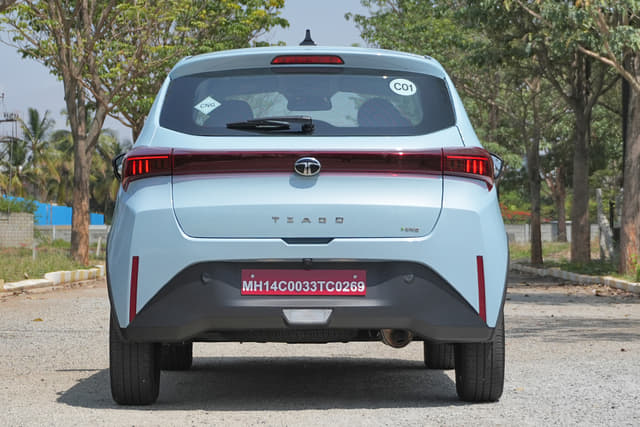
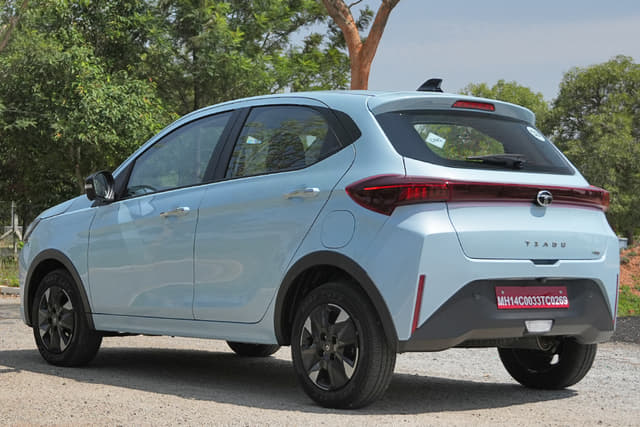
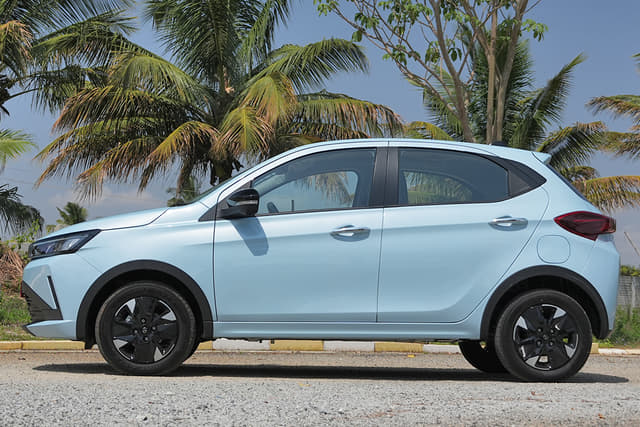
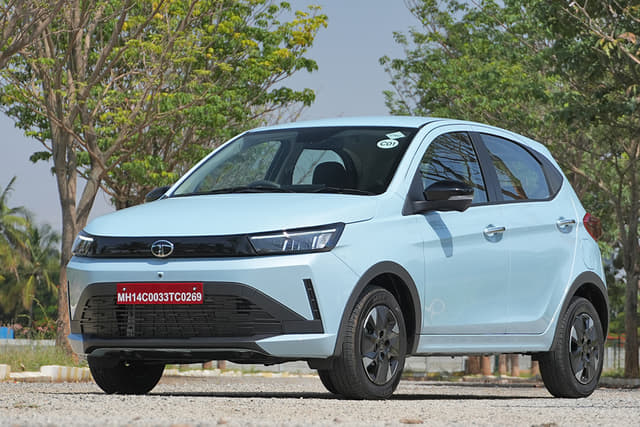
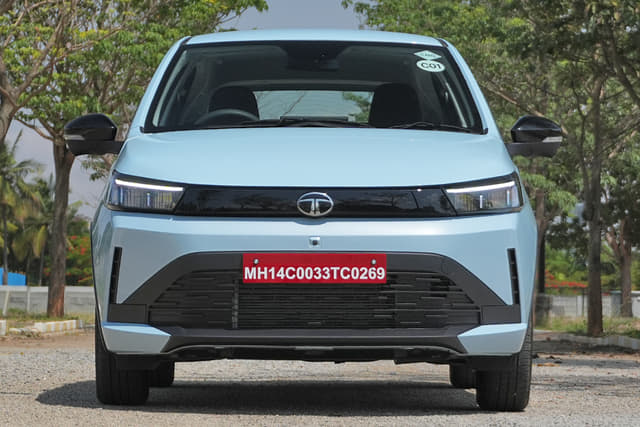
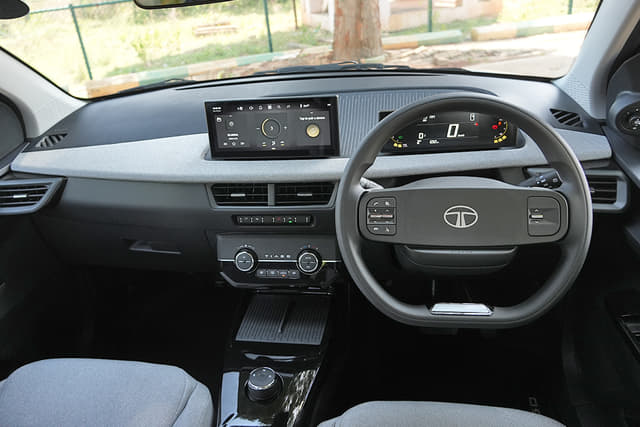
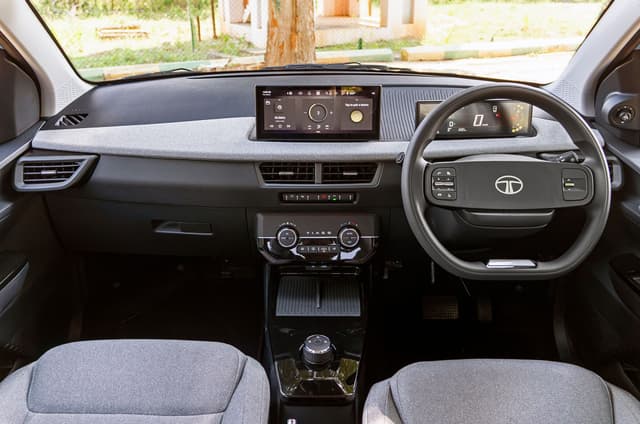
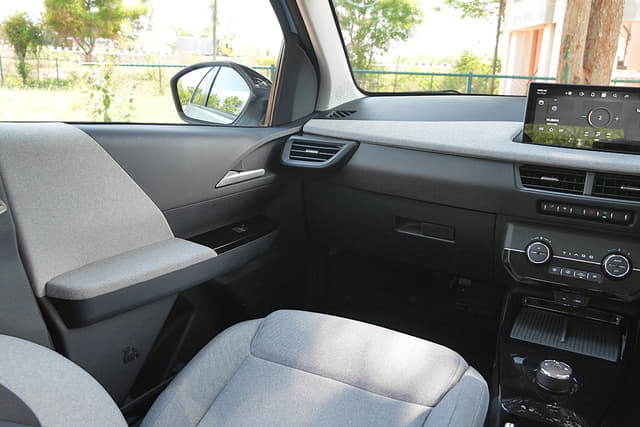
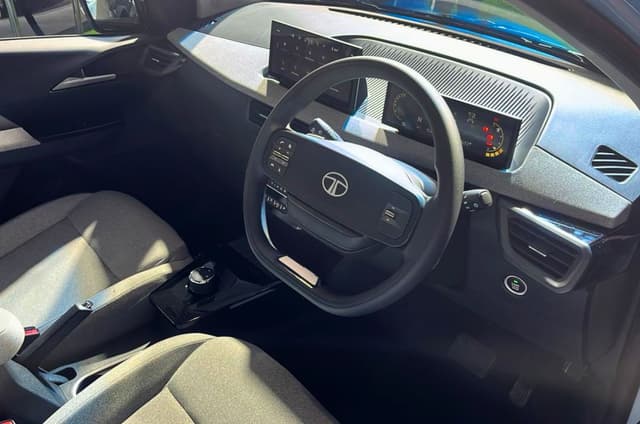
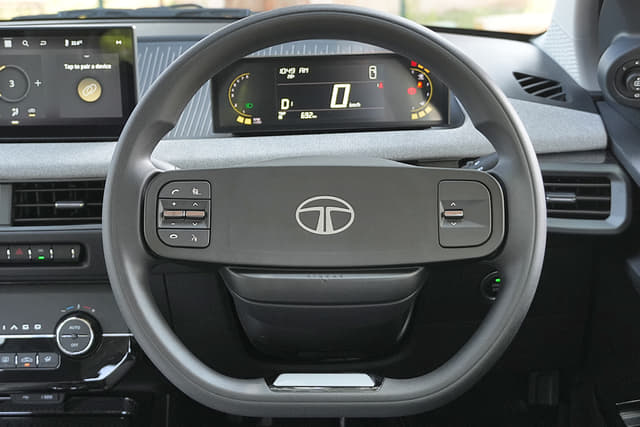

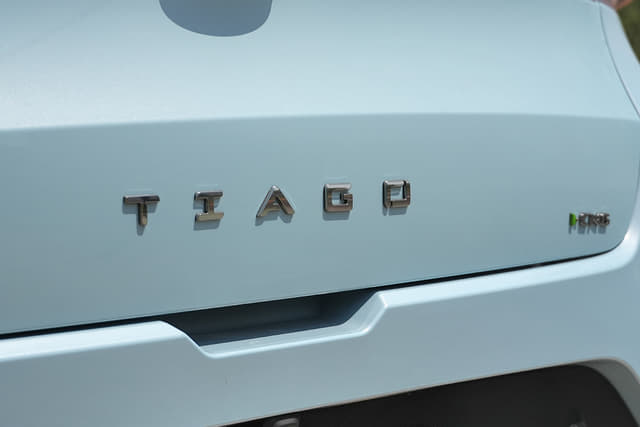

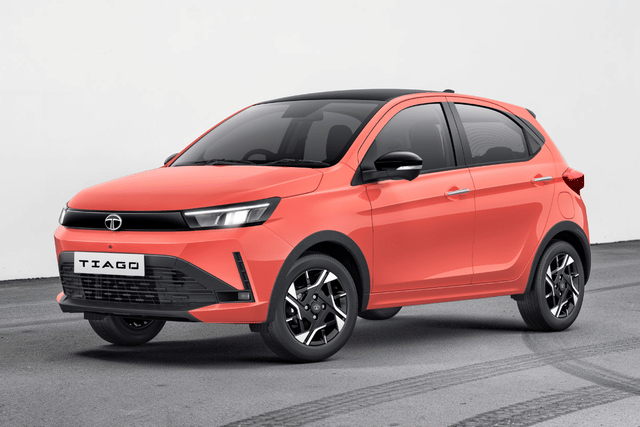
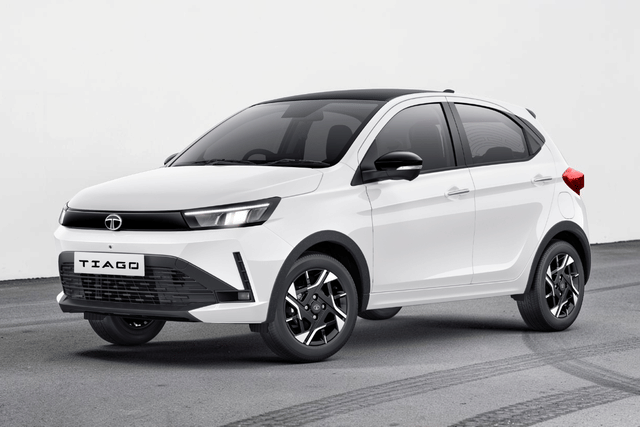
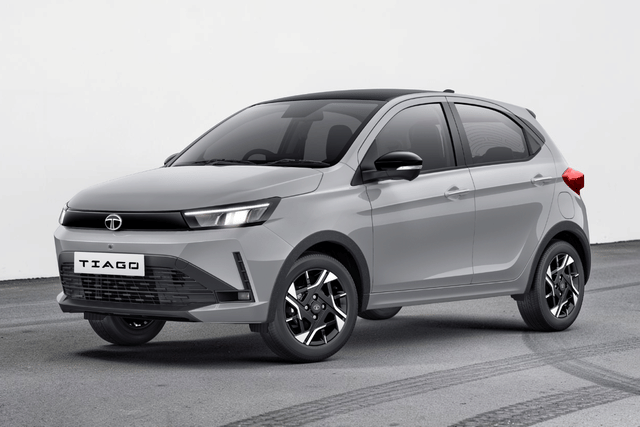
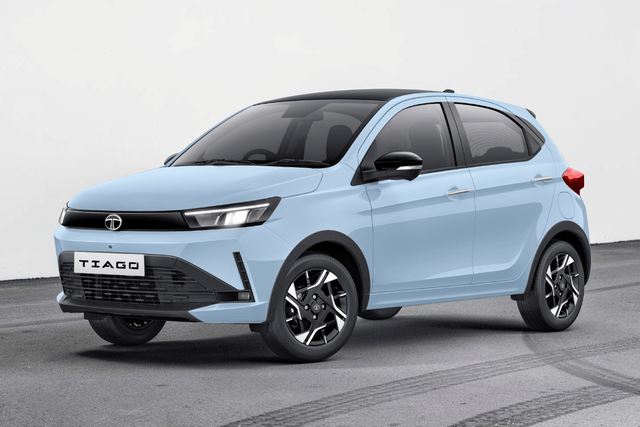
Upgrade Tiago 3XO AX7 Automatic


Last Updated on: 12 Oct 2026
Tell us about your experience
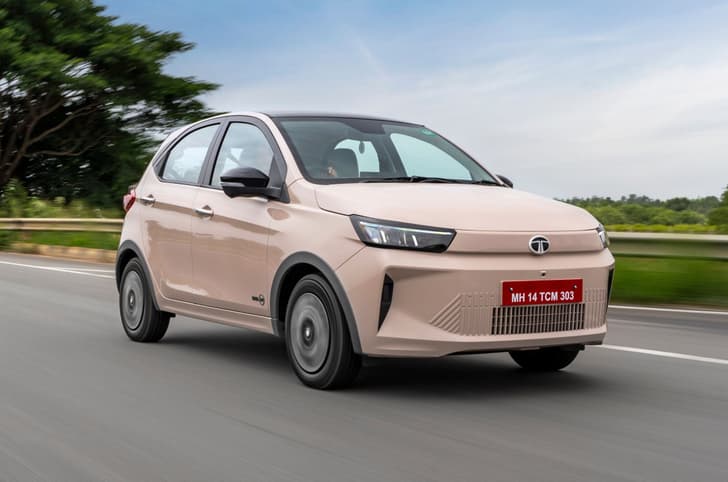
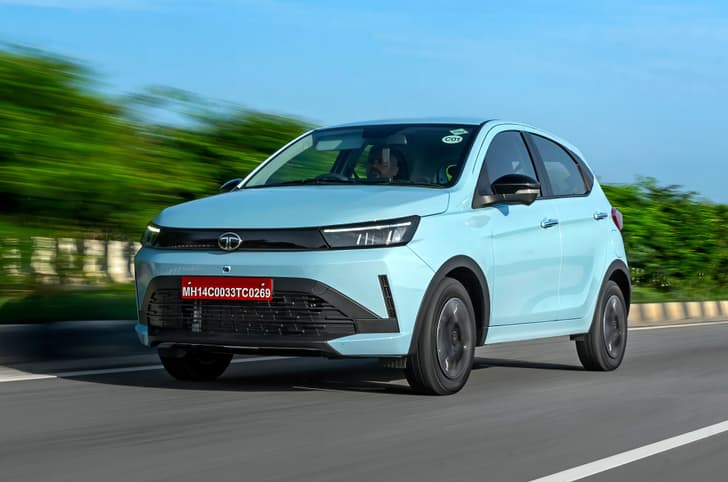
Sabhi companies mein is segment ka best car hai, Tata Tiago middle-order class ke liye ek real car hai. Yeh India mein best selling car banne wali hai, Tata motors ka no 1 car brand hai.
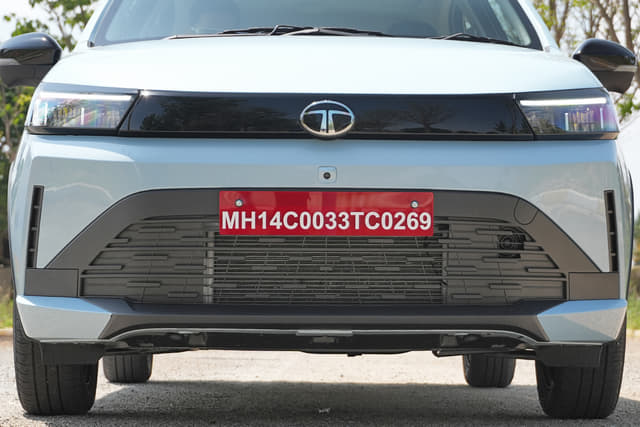
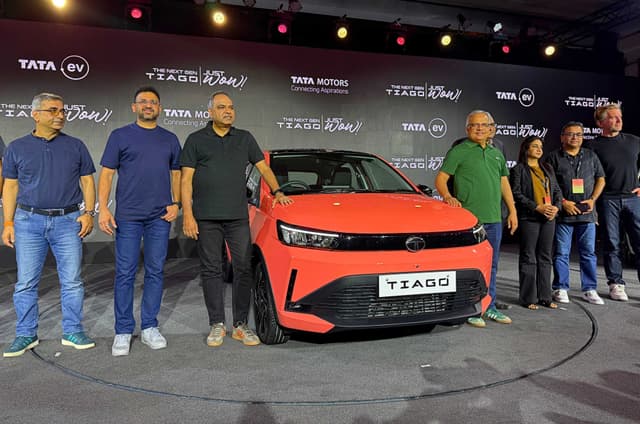
Safety ke sath car ko fuel cost mein bhi accha performer hona chahiye. Fuel cost mein economy, baki Tata customer ki pasand par vishesh dhyan deta hai. First look se to satisfactory lag rahi hai, design bhi shandar hai, market mein tahalka macha degi yeh Tiago car.
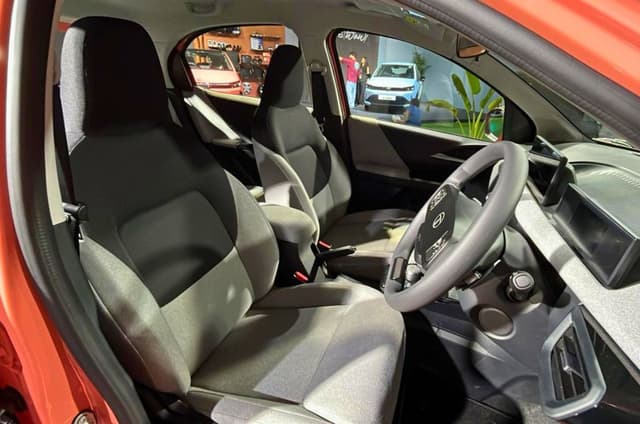
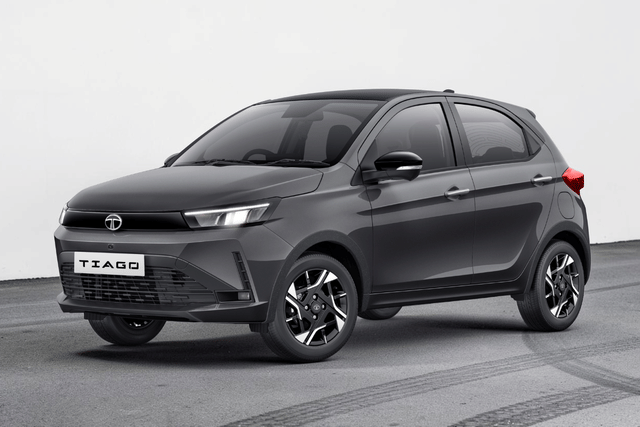
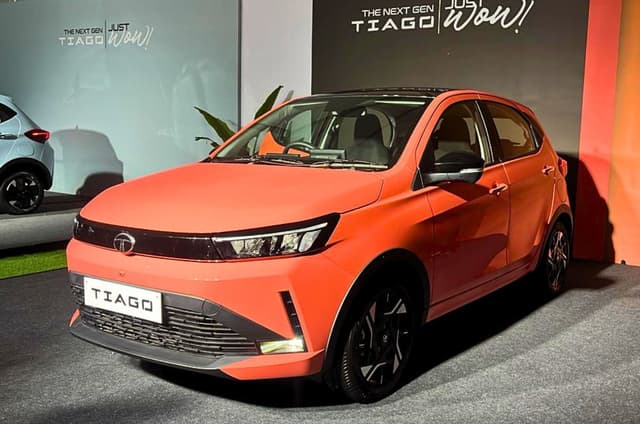
Yeh choti family ke liye perfect car hai aur design aur color options hatchback segment mein bohot acchi hain. Tiago sabse safest car hai. Yeh choti rides ke liye bhi acchi hai aur family trips ke liye bhi, especially interior bohot premium lagta hai Tata Punch se. Best car hai first time buyers ke liye, choti car, city traffic riding ke liye acchi.
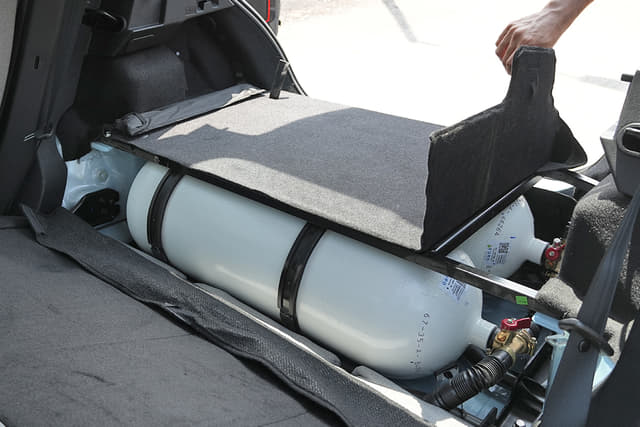
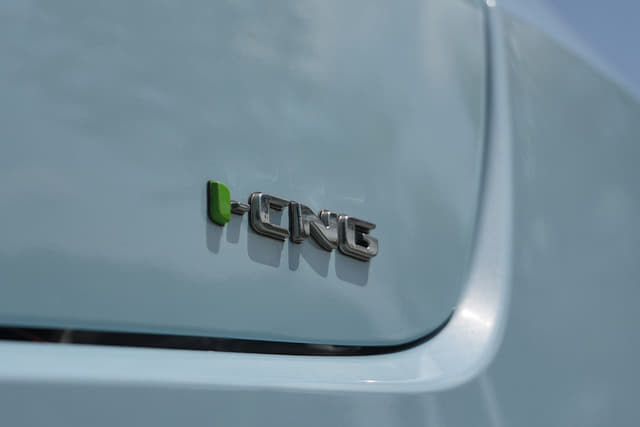
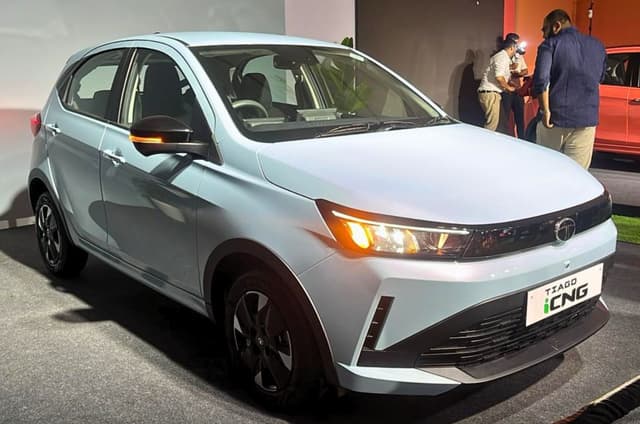
Maine 2022 ka CNG version kharida. Main is car se bohot khush hoon jo hume comfort aur safety dono deti hai. Highway par yeh 30-32 km/kg mileage deti hai, local mein 18-20 km. Ab 2026 hai aur yeh smoothly chal rahi hai. Koi shikayat nahi, Tiago ka AC bohot accha hai, jaldi chill karta hai. Overall, main Tata se khush hoon.
Best affordable, safest aur enough space wali car. Main isse pichle do saal se use kar raha hoon aur iska facelift aur naye features incredible hain. Tata apni build quality aur better experience ke liye jaana jaata hai, Tiago is segment ki best car hai. Engine aur power kisi aur car se behtar hai is segment mein.
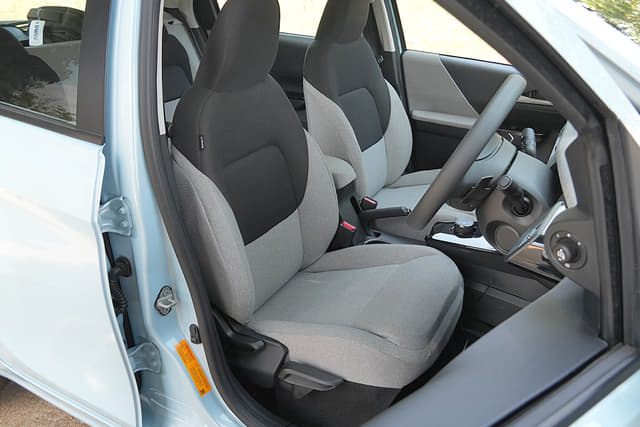
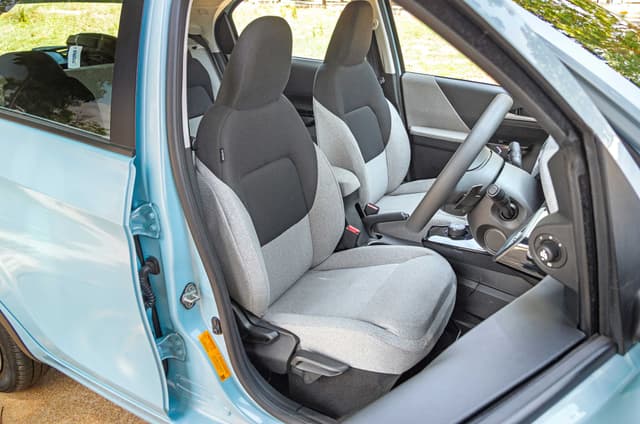
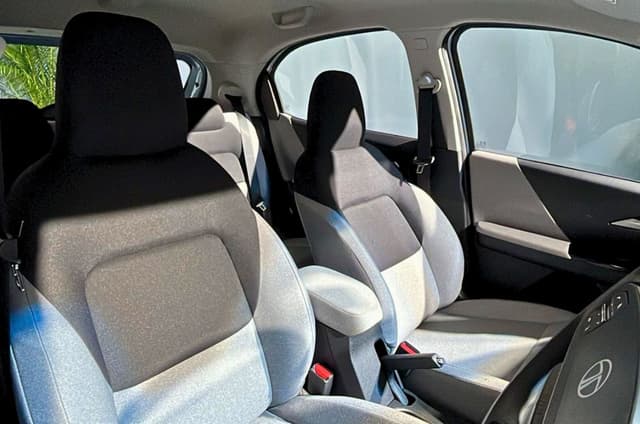
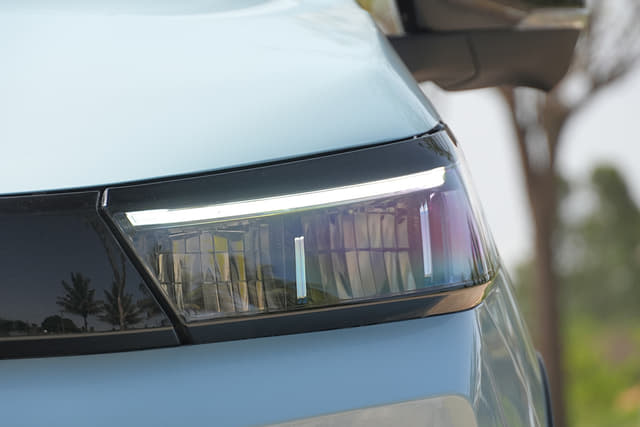
Style aur comfort amazing hai, car seat fabric, lights, aur performance class experience dete hain. Long trip ke liye highly recommend karta hoon.
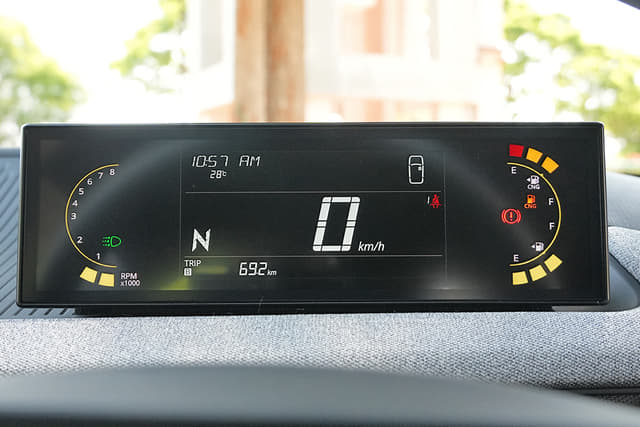
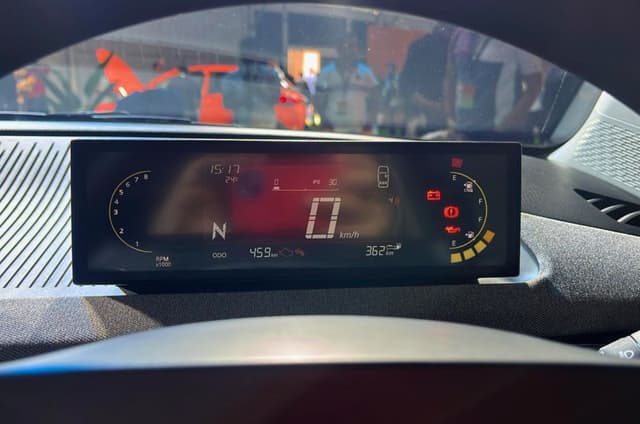
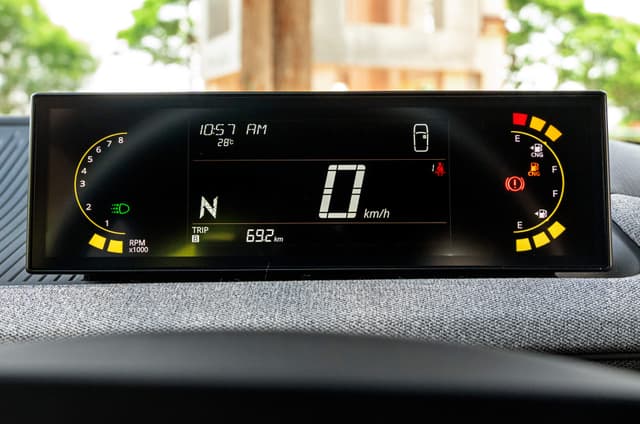
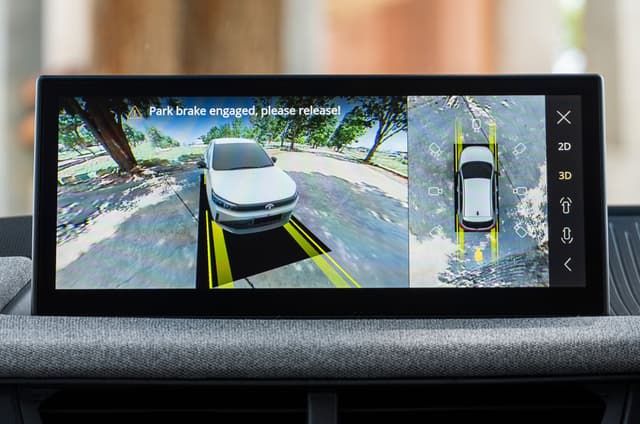
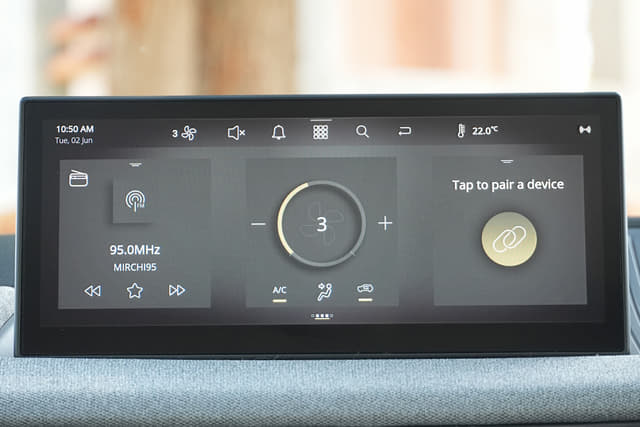
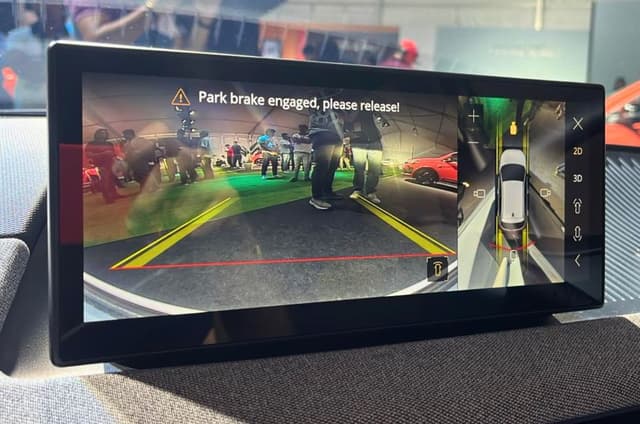
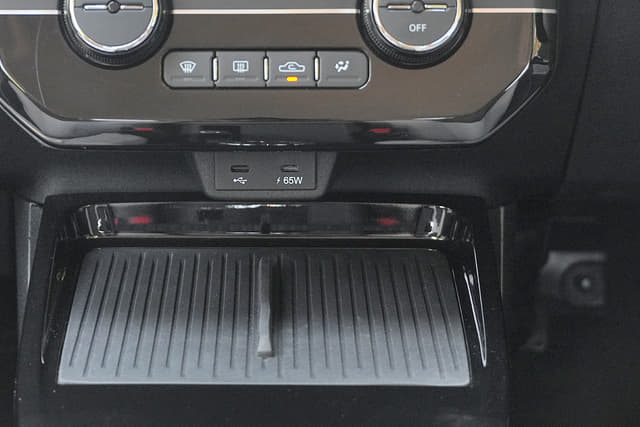
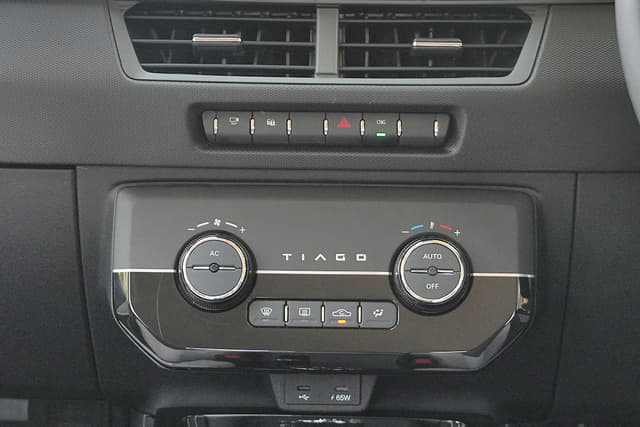
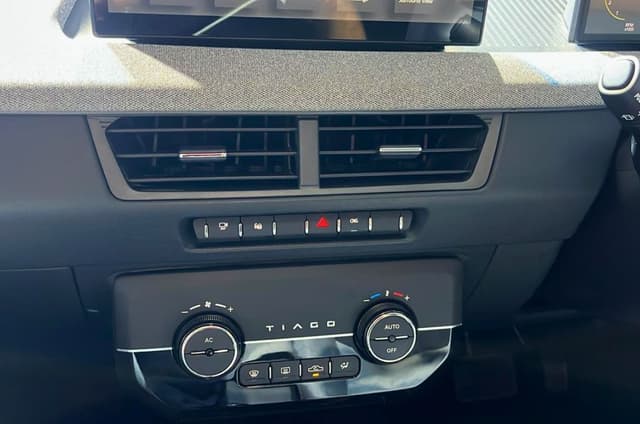
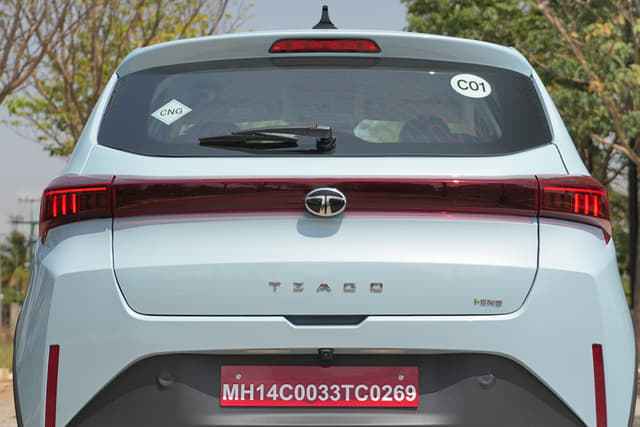
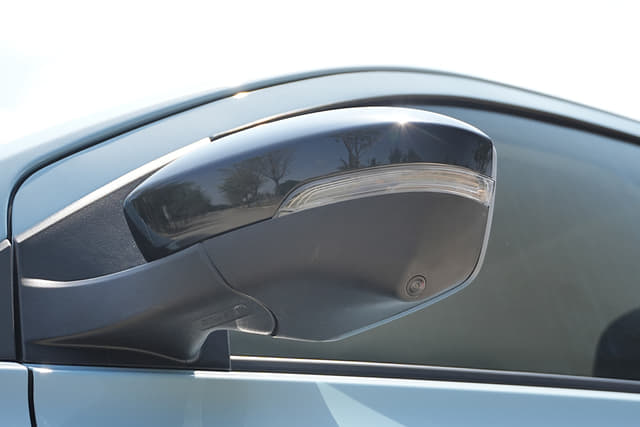
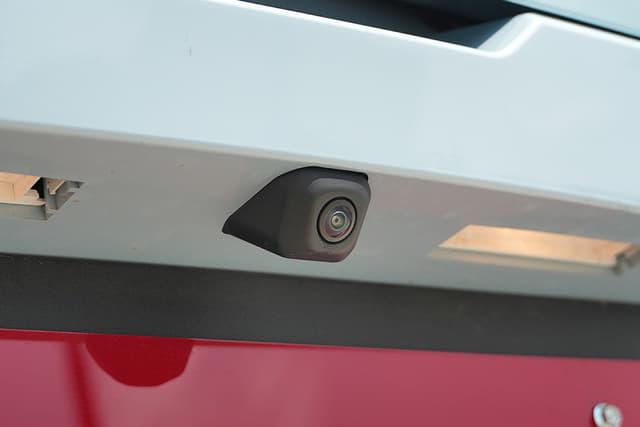
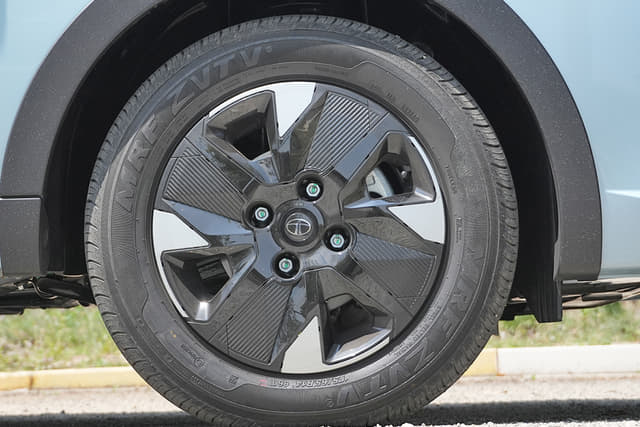
Yeh car is segment mein acchi hai. Is car mein aapko 360 camera, alloy wheels, CNG+ AMT, digital instrument cluster, bada center screen, reverse parking sensor, digital AC control, auto climate control, cruise control, airbag milta hai. Agar aap Tata ki Tiago lete hain to safety bhi full milegi aur mileage bhi smart features ke sath milega. Nice car.
Compact design nuclear family ke liye accha hai. Huge features hain aur kisi bhi car mein safety aur security ka compromise nahi hai. Look aur design se satisfied hoon.
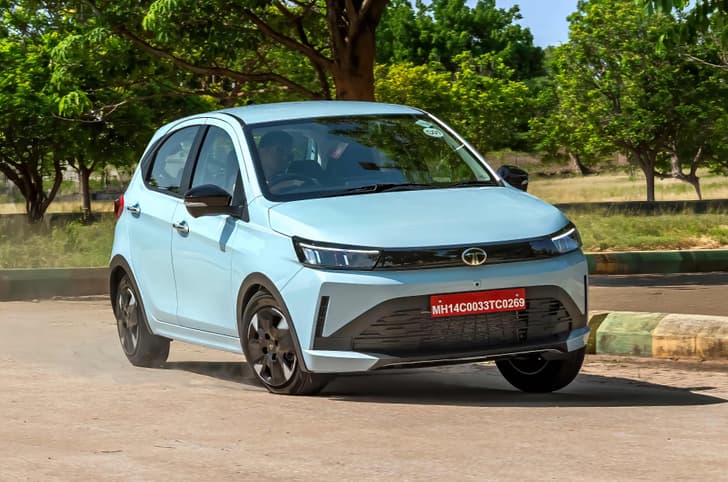
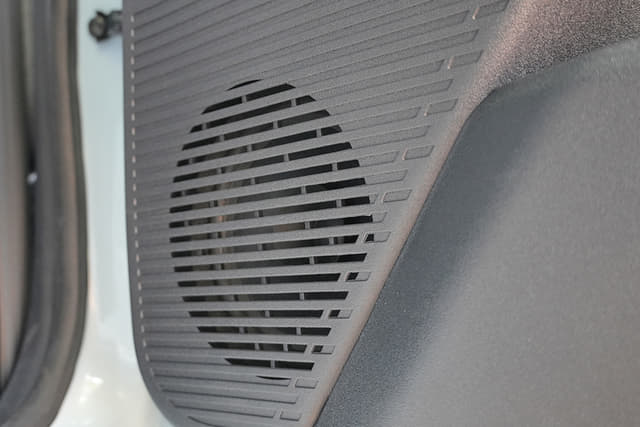
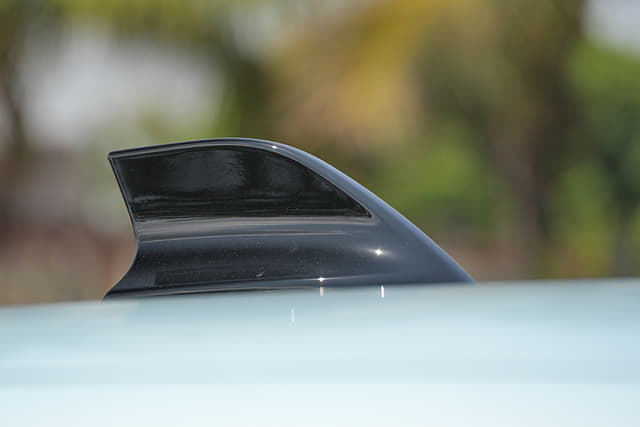
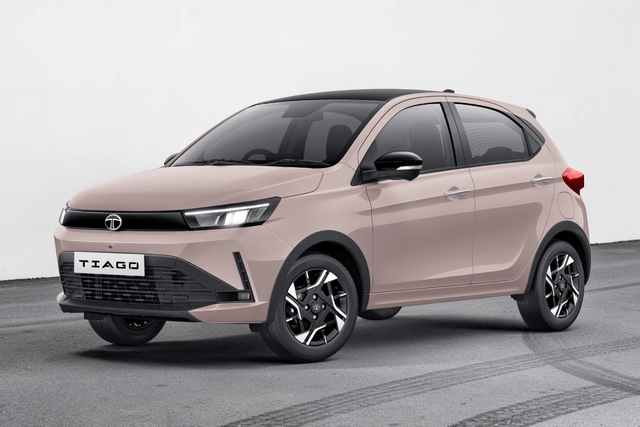
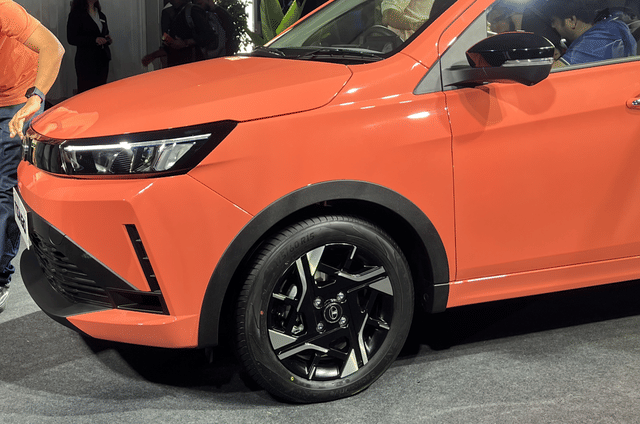
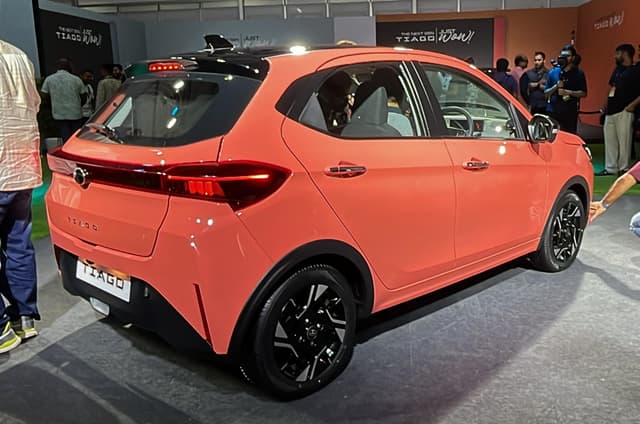
Tiago Creative ka booking usually straightforward hai. Lekin, kyunki 'Creative' top-tier variant hai, ismein tech packed hai, waiting periods 2 se 6 weeks tak ho sakte hain. Exterior sleek, 'shark-nose' front grille ke saath hai. Interior mein 10.25-inch touchscreen infotainment system best sound quality offer karta hai.
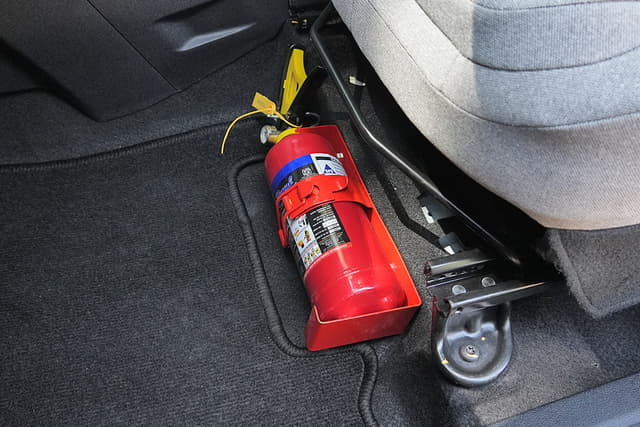
Tata middle class logon ka sapna pura karta hai. Tata Tiago India mein available best budget hatchbacks mein se ek hai. Iska stylish design, achha build quality, aur impressive safety features hai. Yeh car road par strong aur stable feel hoti hai, jo city traffic aur highways dono mein confidence deti hai.
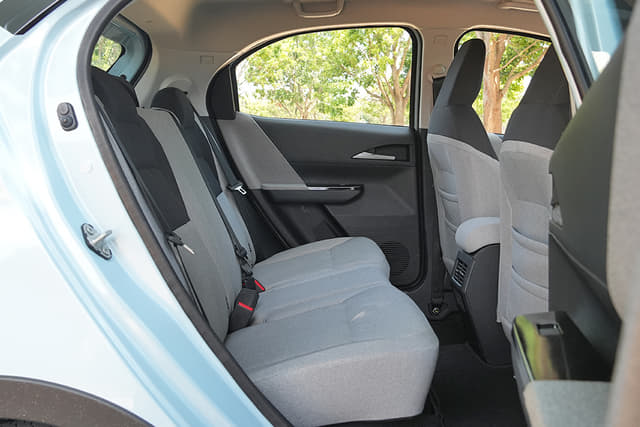
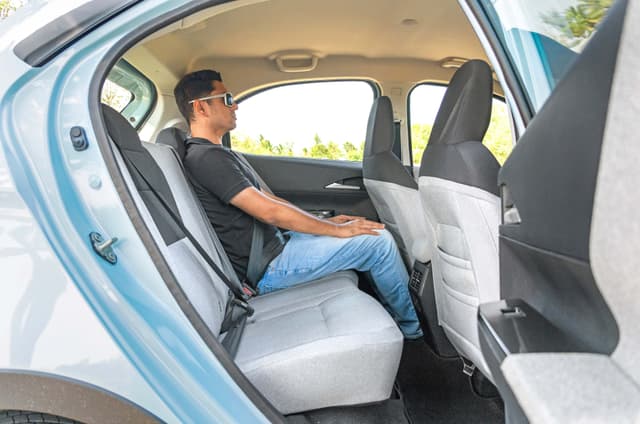
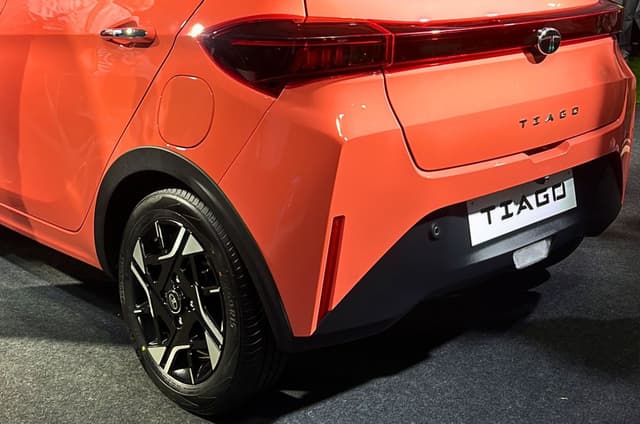
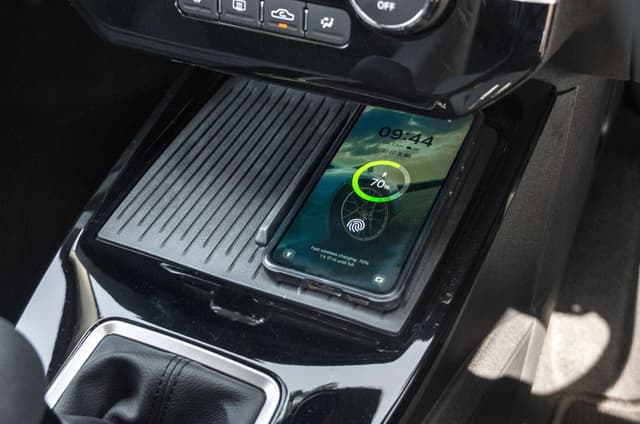
Richer cabin experience
Remains a user-friendly city hatch
Petrol engine is not as refined as rivals
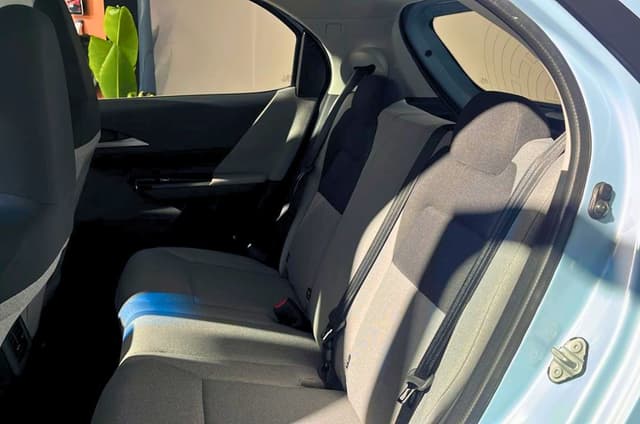
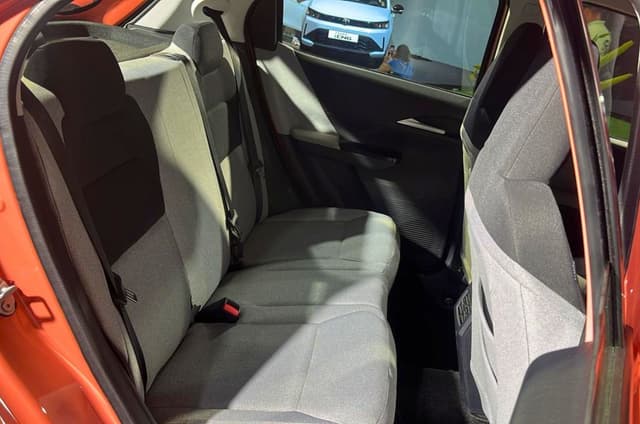
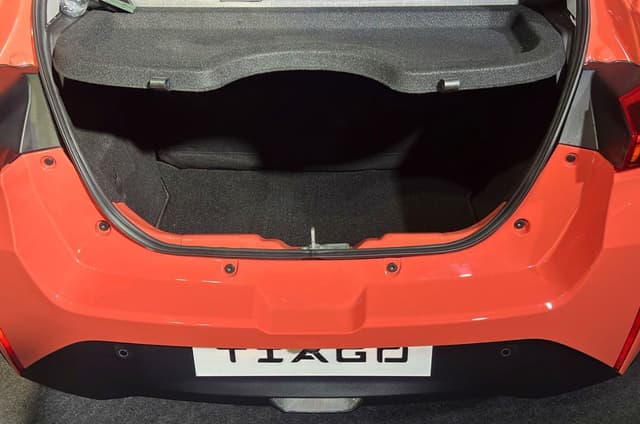
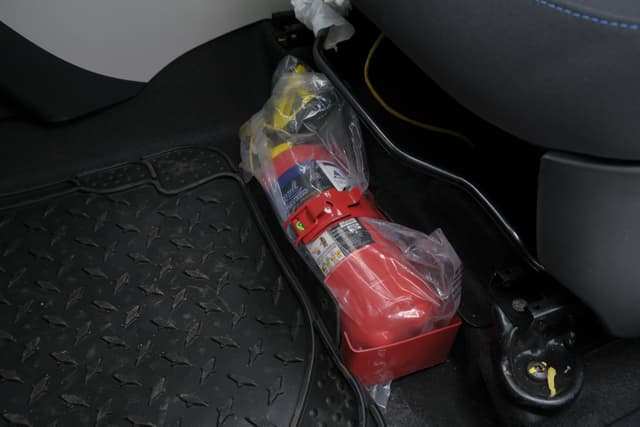
Missing rear head restraints, load-cell sensors
Driving Tata tiago xt 2021 from last 5 years. Good car in terms of stability on highways. Better than Swift, wagonr and celerio in this segment. However, pickup and acceleration seems sluggish on highways during overtake.
Hi, I am planning to buy a car but am confused between the Tata Tiago CNG and the Swift CNG.

 Tata TiagoMaruti Suzuki Swift
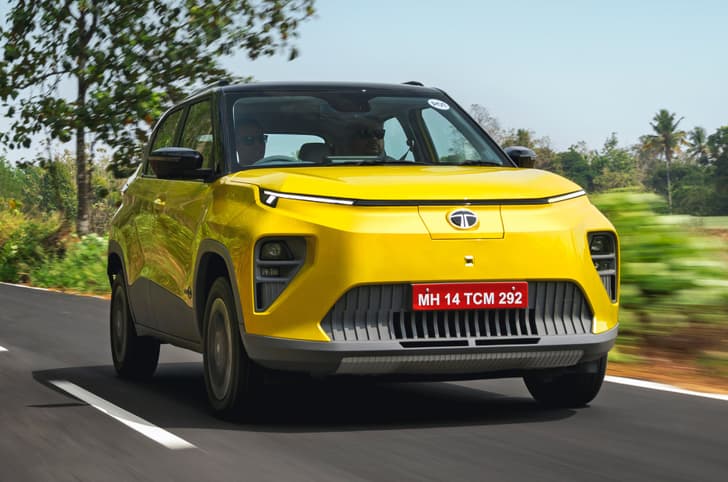
I am looking to upgrade from my Tiago and have received compelling offers on two cars. The Mahindra XUV 3XO AX7 Turbo is available for Rs 14.5 lakh on-road, while the Honda City ZX CVT ADAS is priced at Rs 17.5 lakh on-road. For the exchange, Honda is offering around Rs 4 lakh for my Tiago, while Mahindra is offering around Rs 2.6 lakh. Which car should I buy?
Mahindra XUV 3XOHonda CityTata TiagoHelp me choose the right car for my usage. Please be practical and challenge my assumptions. My situation: I am 31 and work as a software developer. I currently work from home in Balsane, Dhule, but I am moving to Mumbai around March. My wife and I are expecting a baby in February. My parents live in a village where local transport is poor. My Mumbai office is near Powai, but parking is difficult. I prefer a manual car. Usage: My current running is around 10,000 km per year, but it may increase. I travel between Mumbai and Balsane, which is around 400 km one way, around 5-7 times a year, along with Dhule/Sakri and local trips. I also drive around Mumbai on weekends. The AC is usually on, and on long trips, the car will have my wife, baby, and luggage. Budget: Rs. 6-9 lakh on-road. I am willing to spend more only if it is genuinely worth it. Shortlist: - Tiago XE Petrol - Punch Pure+/Smart Petrol - Punch Pure+/Smart CNG - Brezza LXi turbo-petrol Please tell me: 1. Which one should I buy and why? 2. Petrol vs CNG for my usage? The CNG premium is around Rs. 1 lakh, and the nearby village pump may open around Diwali, but this is not guaranteed. 3. What real-world mileage can I expect with the AC on? 4. Please consider loan interest, fuel costs, maintenance, depreciation, and resale value. 5. Is the Brezza worth the extra money? 6. Give me one final choice and tell me what I should avoid.
Maruti Suzuki BrezzaTata PunchTata TiagoMaruti Suzuki DzireI am planning to upgrade from Tiago under a budget of 14 to 15 lakh. I got a quote for the 3XO AX7 automatic around 14.5 lakh. I was earlier looking for Brezza automatic ZXI plus 15 lakh quote. Should I buy 3XO or at least check some other cars? My yearly running is between 8,000-9,000 km which involves both city and highway driving with weekend trips once in two three months.
Mahindra XUV 3XOMaruti Suzuki BrezzaTata Tiago