Last Updated on: 14 Oct 2026
Toyota Glanza Expert Review
Toyota Glanza What You Need to Know
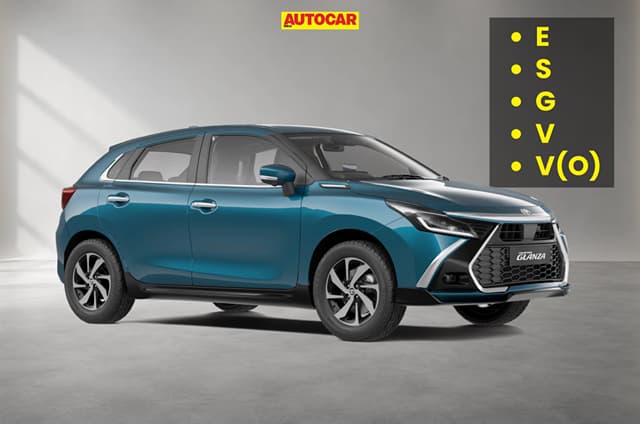
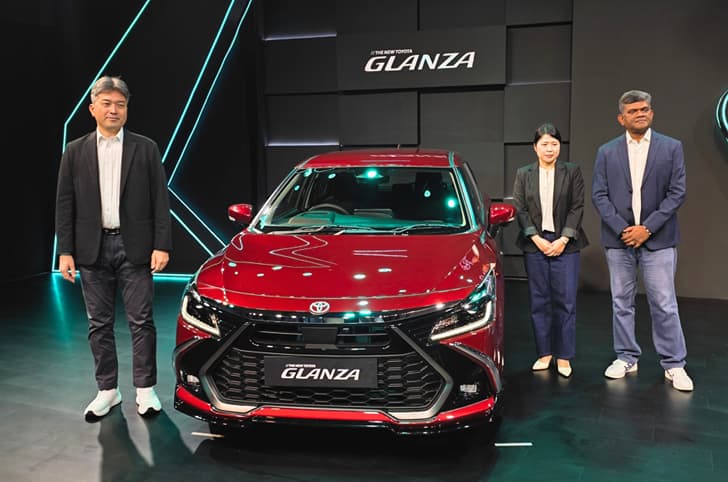
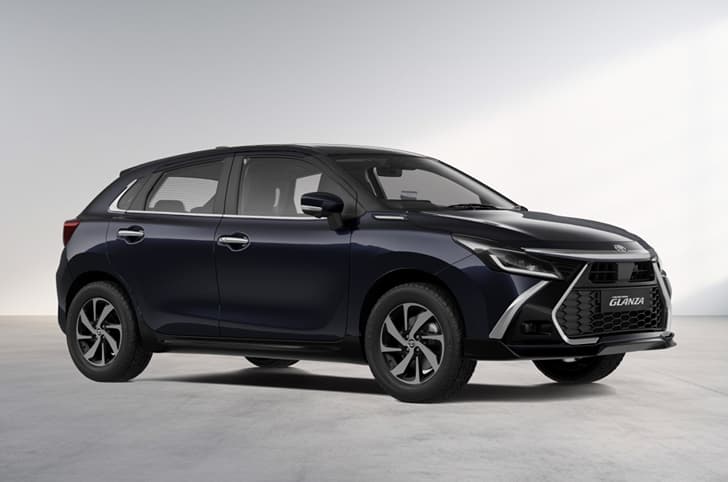
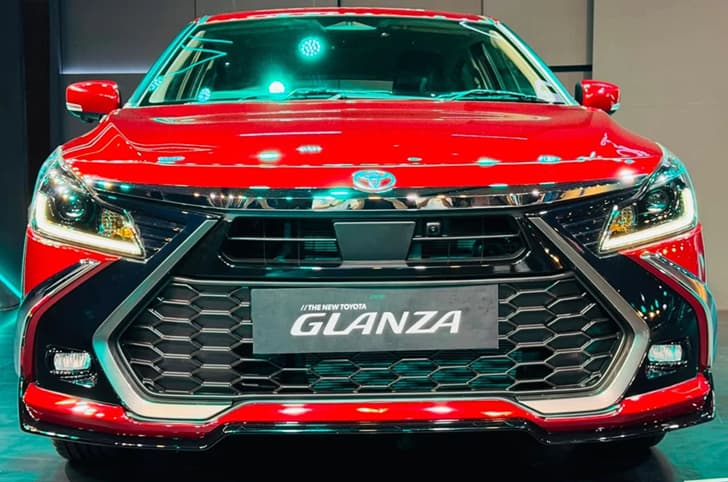
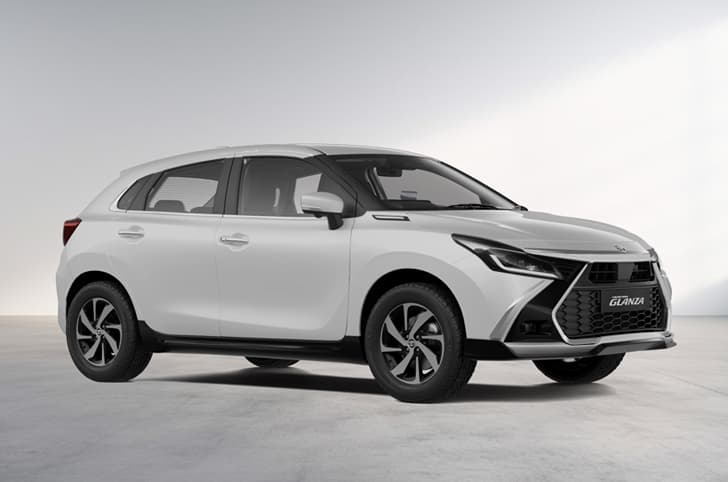
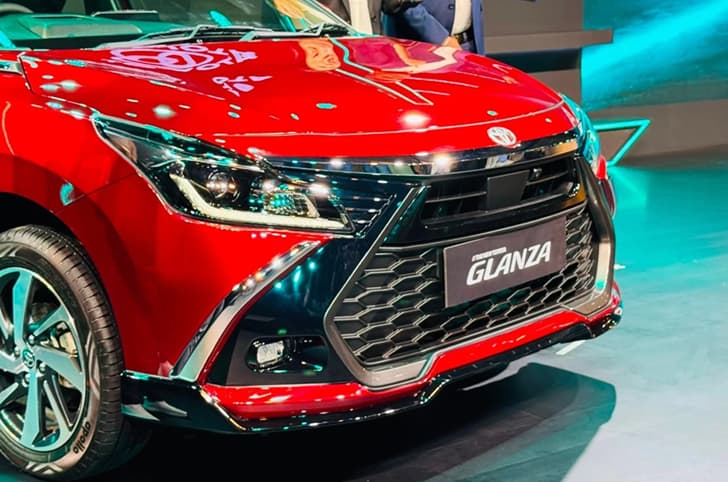
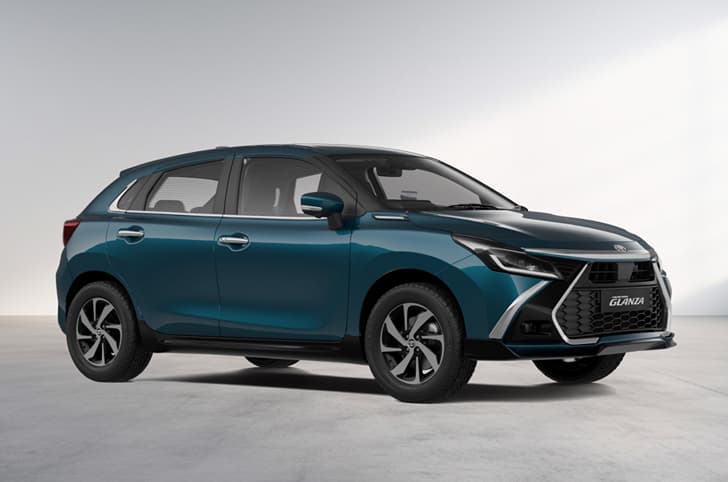
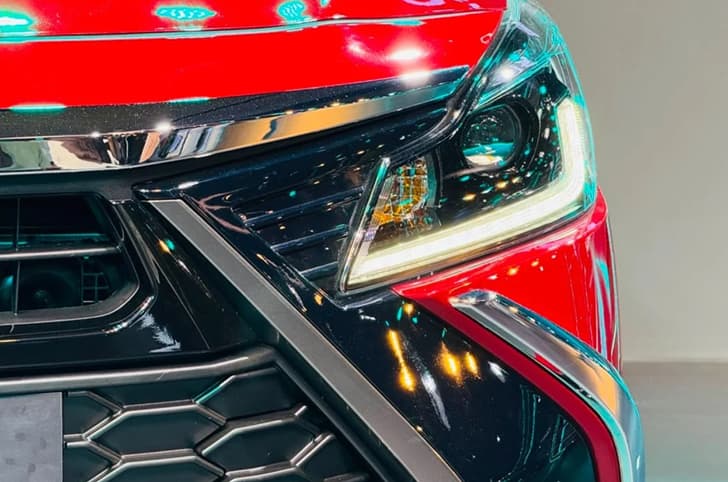
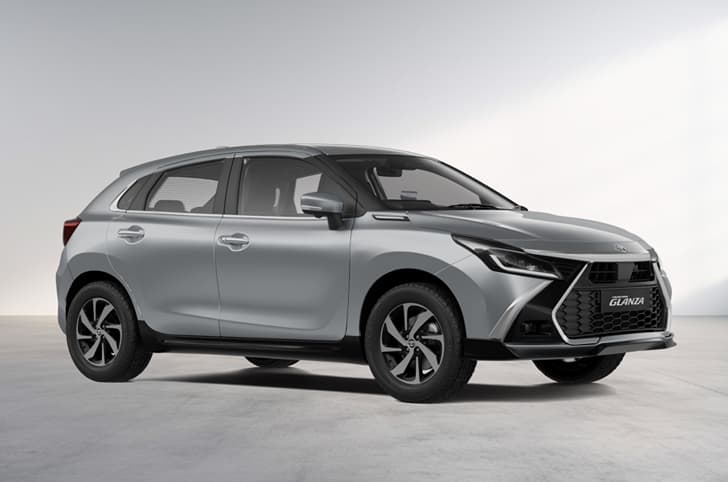
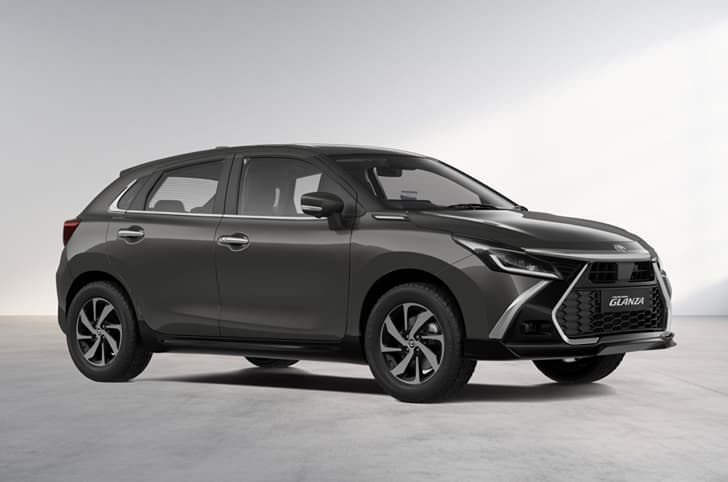
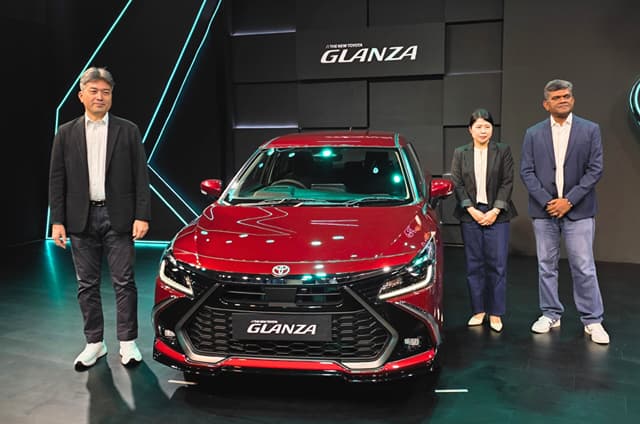
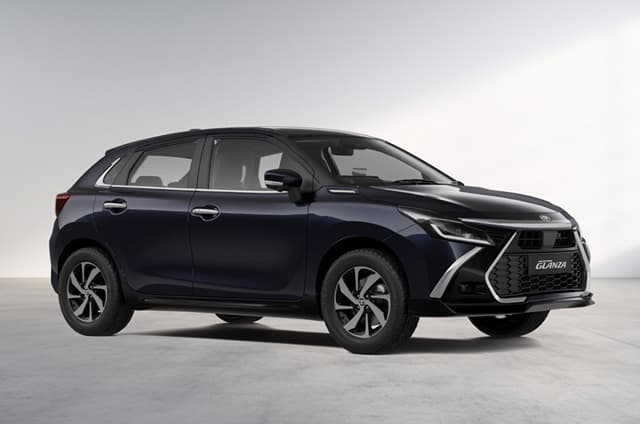
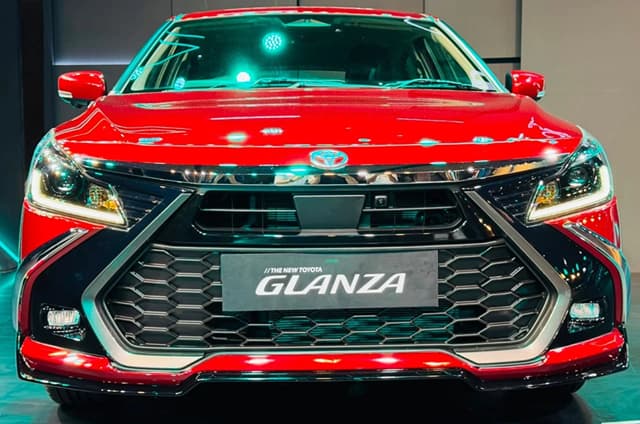
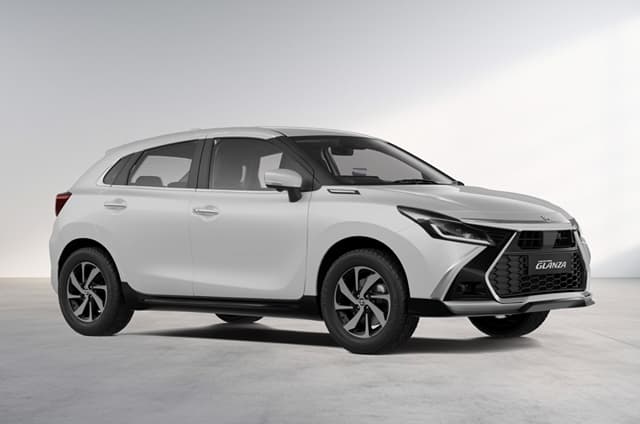
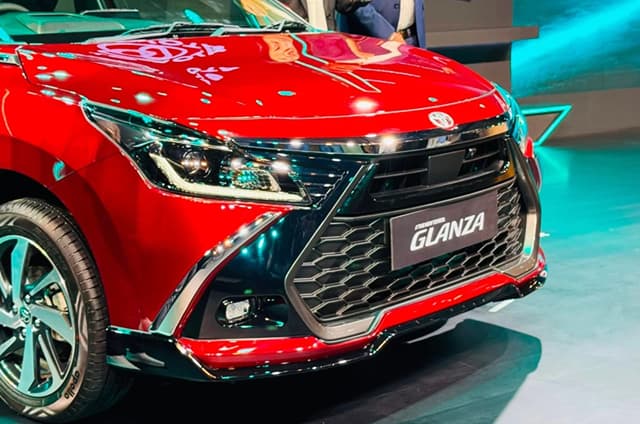
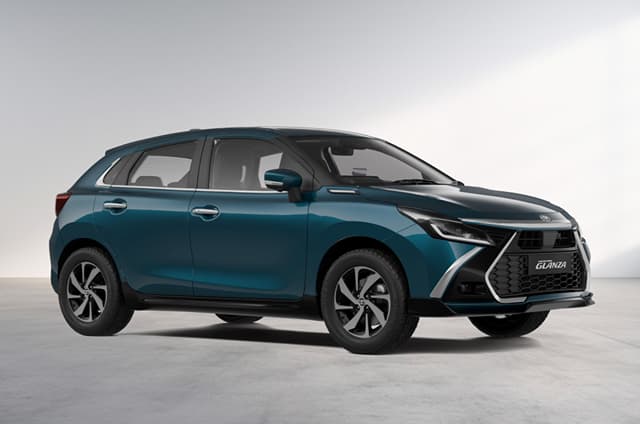
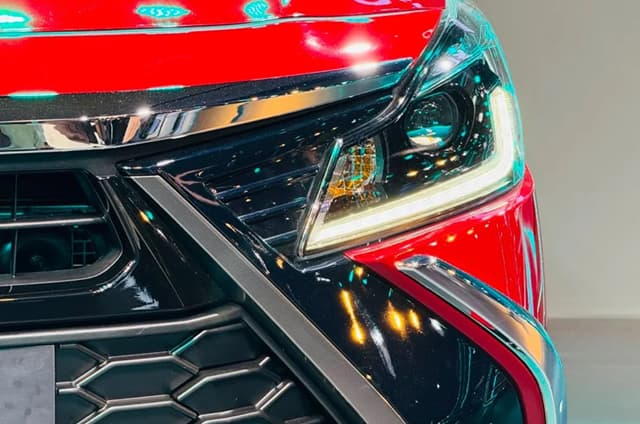
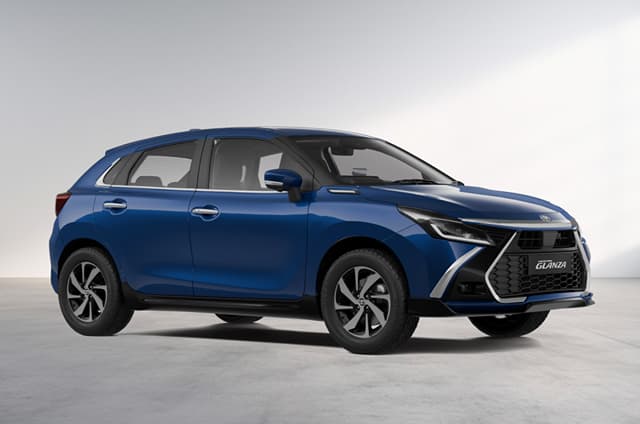
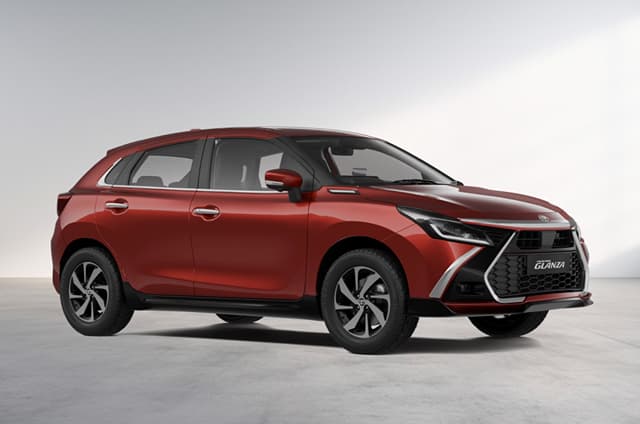
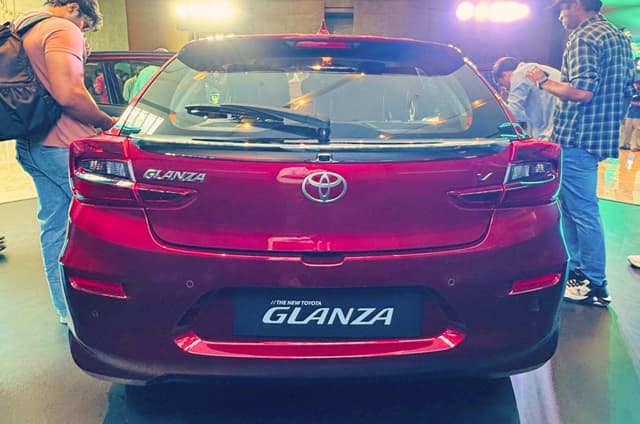
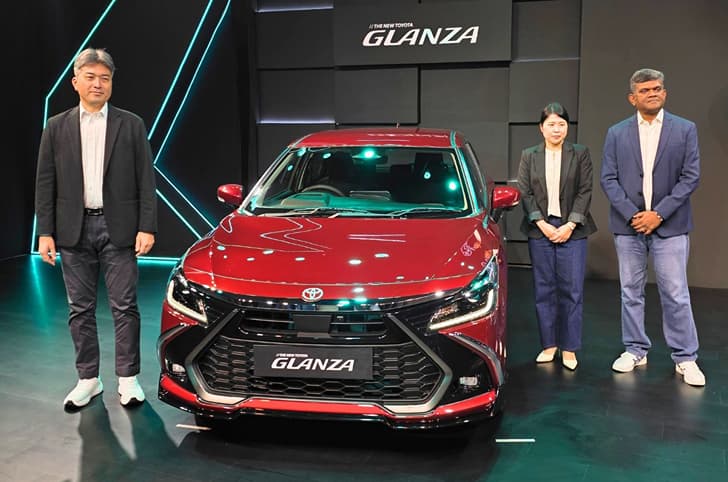
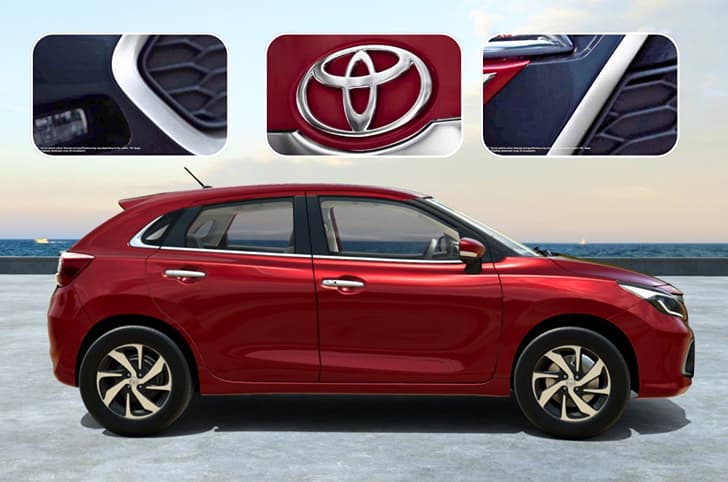
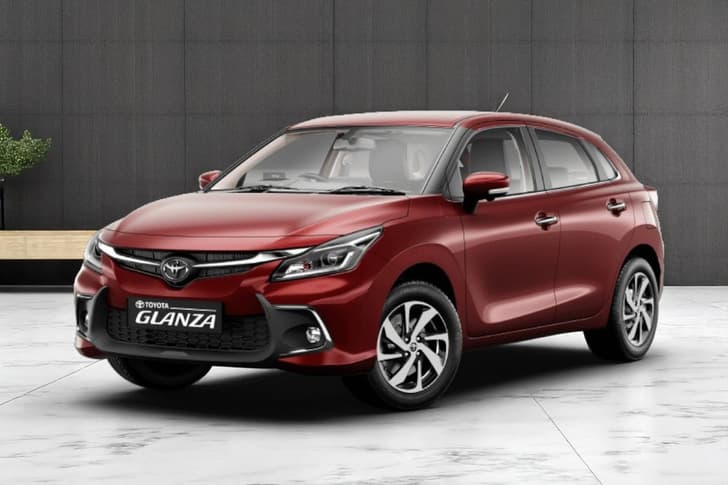
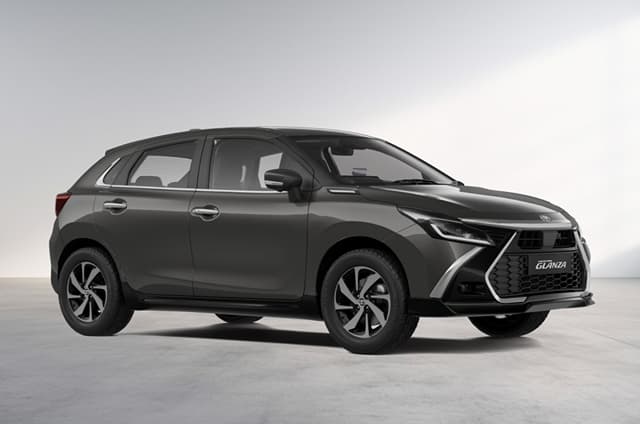
The Glanza facelift is expected to get the same exterior updates as the Baleno facelift, with most of the changes focused on the front. The grille is larger and gets three horizontal chrome slats, gloss-black detailing and a radar module for the new ADAS tech. The bumper is also new, with gloss-black trim connecting the new LED fog lamps.
Some of the new features introduced on the Baleno facelift could also come to the Glanza. These include a Level 2 ADAS suite, ventilated front seats, a wireless phone charger with ventilation and a tyre pressure monitoring system (TPMS).
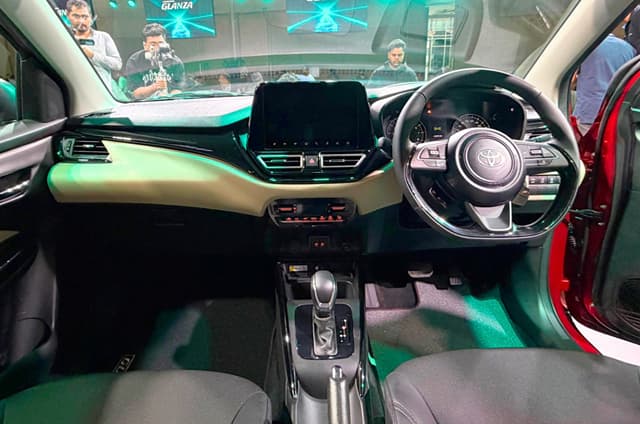
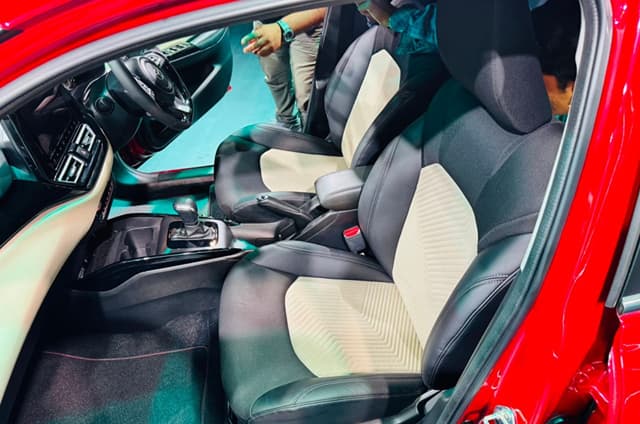
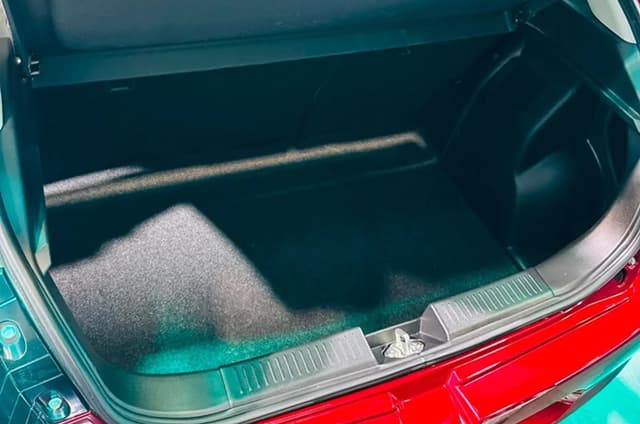
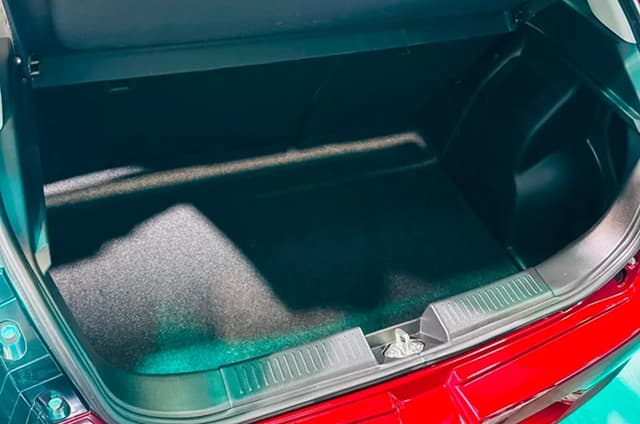
The Glanza facelift is expected to retain the basic cabin layout of the outgoing model, but our experience with the Baleno facelift gives an idea of what to expect. The Baleno’s cabin is largely unchanged, with a layered dashboard, flat-bottom steering wheel and good-quality materials in key areas. The front seats are comfortable and supportive, while rear-seat space is one of its strengths, with good headroom, legroom and under-thigh support even for taller passengers. Practicality is also good, with large door pockets, a decent glovebox and useful storage around the centre console. The Baleno also gets dedicated rear AC vents, USB charging ports and UV-cut glass, while boot space stands at 318 litres.

The move to the Z-series engine brings a noticeable improvement in fuel efficiency on the Baleno facelift, and a similar trend is expected for the Glanza if it gets the same powertrain. The Baleno petrol-manual has a claimed efficiency of 23.80kpl, while the AMT is rated at 24.77kpl. The CNG manual version claims 33.61km/kg. Real-world figures will likely be lower than these claimed numbers.
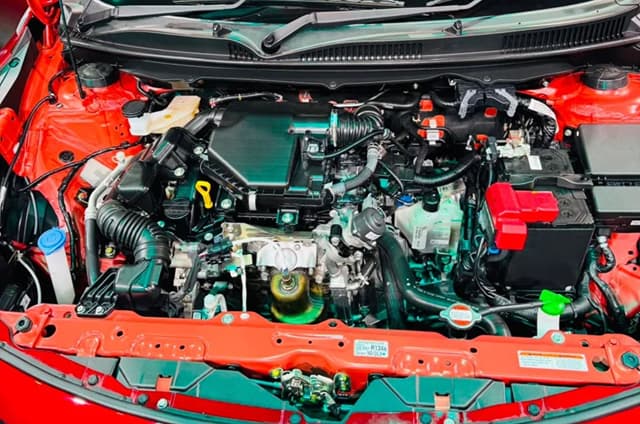
The biggest change for the Glanza facelift is expected to be under the bonnet. Like the Baleno facelift, it is expected to move from the older 1.2-litre four-cylinder engine to the newer 1.2-litre three-cylinder unit. On the Baleno, this engine produces 83hp and 112Nm, which is 7hp and 1Nm less than the outgoing engine. Despite having one fewer cylinder, our experience with the Baleno shows that the Z-series engine is smooth and refined for a three-cylinder unit, with good low-speed response and easy drivability. It does not feel as strong as the older engine at higher revs, but it works well as a city-friendly motor. The 5-speed manual is the pick of the two, while the 5-speed AMT is smoother than most AMTs but can still hesitate during quick overtakes. A CNG version is also expected.
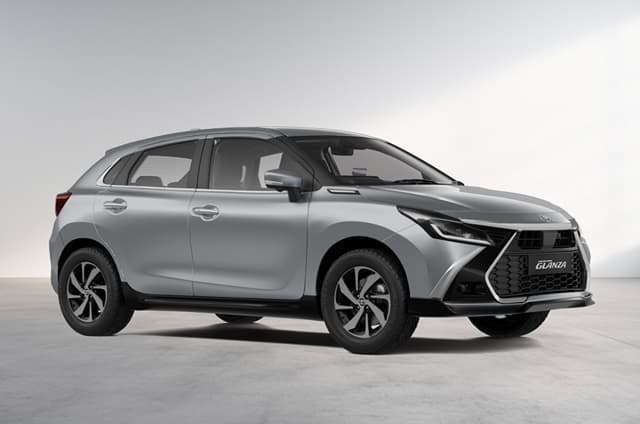
Based on our experience with the Baleno facelift, the Glanza should continue to focus more on ride comfort than outright handling. The Baleno’s soft suspension setup delivers a comfortable low-speed ride and does a good job of absorbing most road imperfections. It also remains composed at higher speeds, with good control over vertical and side-to-side movements. The steering is light at low speeds and gains weight as speeds rise, making it easy to drive in the city while still feeling reassuring on the highway. Handling is not its strongest point, but body control is good and braking performance is adequate.
Reviewed by: Autocar India News Desk
Toyota Glanza reviews

Toyota Glanza Images
Upcoming Cars


Toyota Cars

Trending Cars


Latest Cars