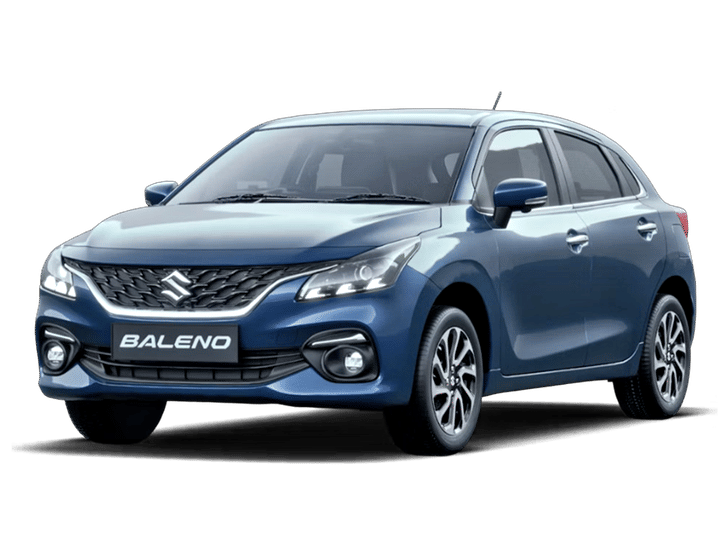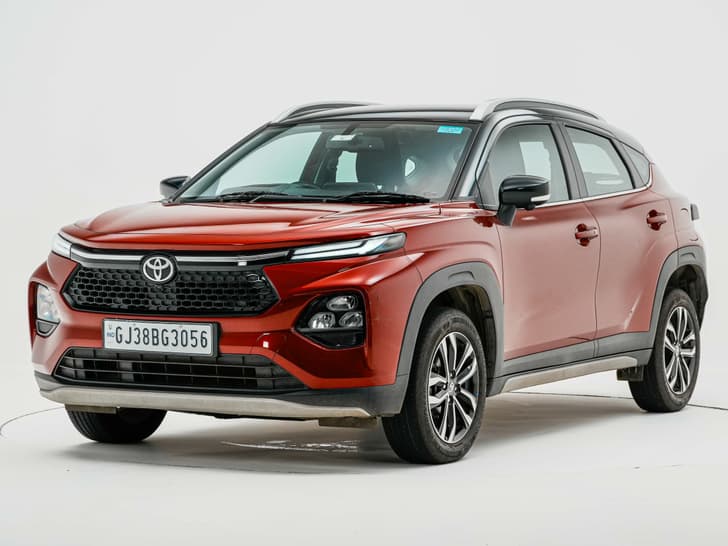

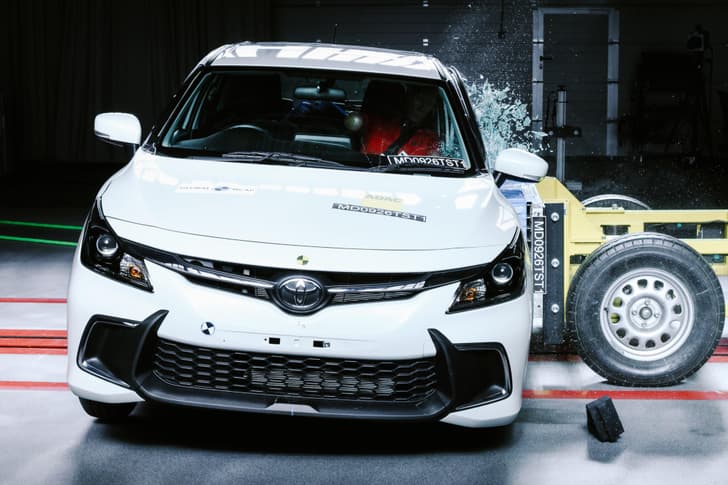
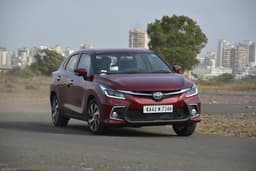
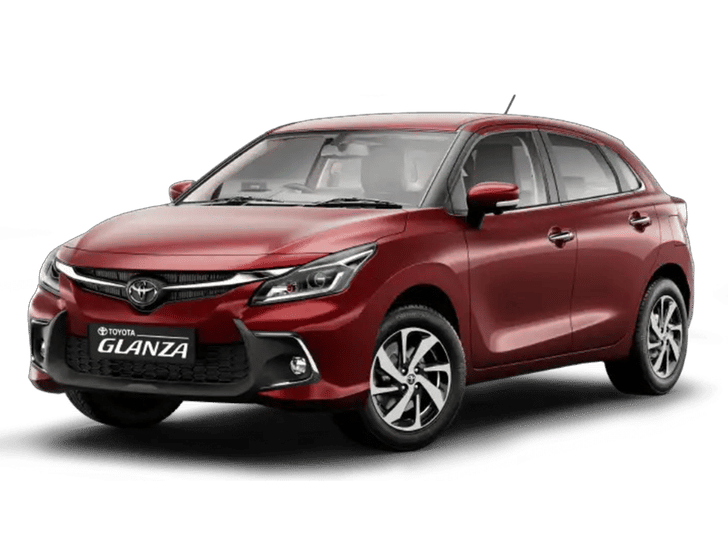
The South African-spec Toyota Starlet scored 0 stars for adult occupation protection (AOP) during the latest round of Global NCAP crash testing. Made in India and exported to the South African market, the Starlet is mostly identical to the Toyota Glanza that’s sold here, but gets a larger and more powerful 105hp 1.5-litre petrol engine. The Glanza itself is a rebadged Maruti Suzuki Baleno, which scored 4 stars in Bharat NCAP crash tests.
- GNCAP-tested Starlet was equipped with 2 airbags only
- Mostly poor protection in side-movable deformable barrier test, unstable bodyshell
- 0 points for 3-year-old child dummy protection in side impact test
"This is a shocking zero-star result from Toyota. The Starlet, one of the most popular cars sold in South Africa, had an unstable bodyshell, as well as poor head and chest protection which are both a cause for serious concern," remarked Global NCAP CEO Richard Woods.
Toyota Starlet adult occupant protection test results
0/34 points (0 stars)
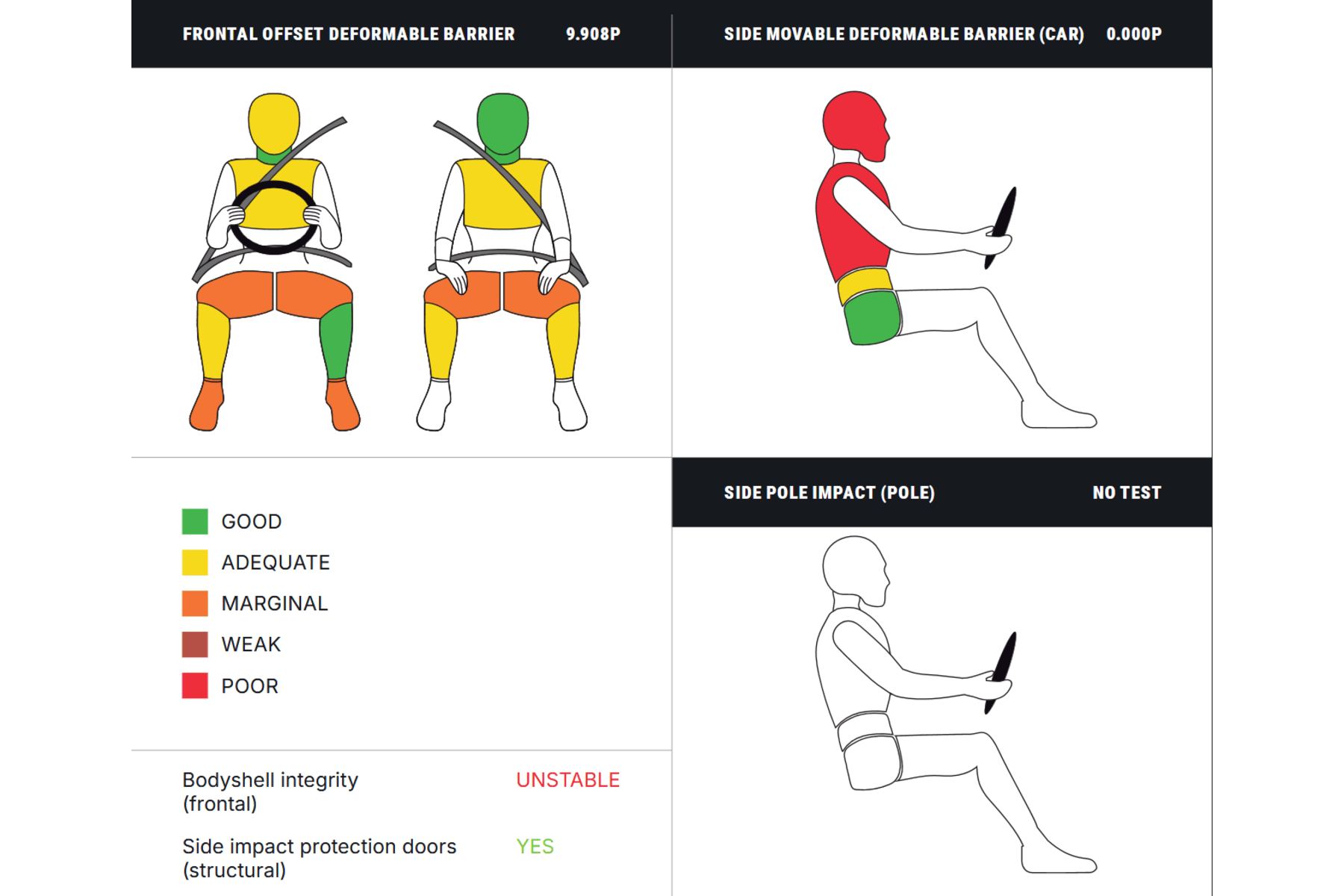
In the frontal offset deformable barrier test, the Starlet delivered ‘Good’ protection to the driver’s neck and left tibia, and the co-driver’s head and neck. The driver’s head, chest, and right tibia, as well as the co-driver’s chest and tibiae, received ‘Adequate’ protection. Lastly, protection for both of the test dummies’ thighs, and the driver’s feet, was marked ‘Marginal’. The Starlet's bodyshell integrity was deemed 'unstable'.
Coming to the side-movable deformable barrier test, the lack of side airbags resulted in ‘Poor’ protection for the dummy’s head and chest, ‘Adequate’ protection for the abdomen, and ‘Good’ protection for the pelvis. GNCAP opted not to conduct the side pole impact test as the Starlet “does not offer standard side head protection.”
Toyota Starlet child occupant protection test results
29.33/49 points (3 stars)
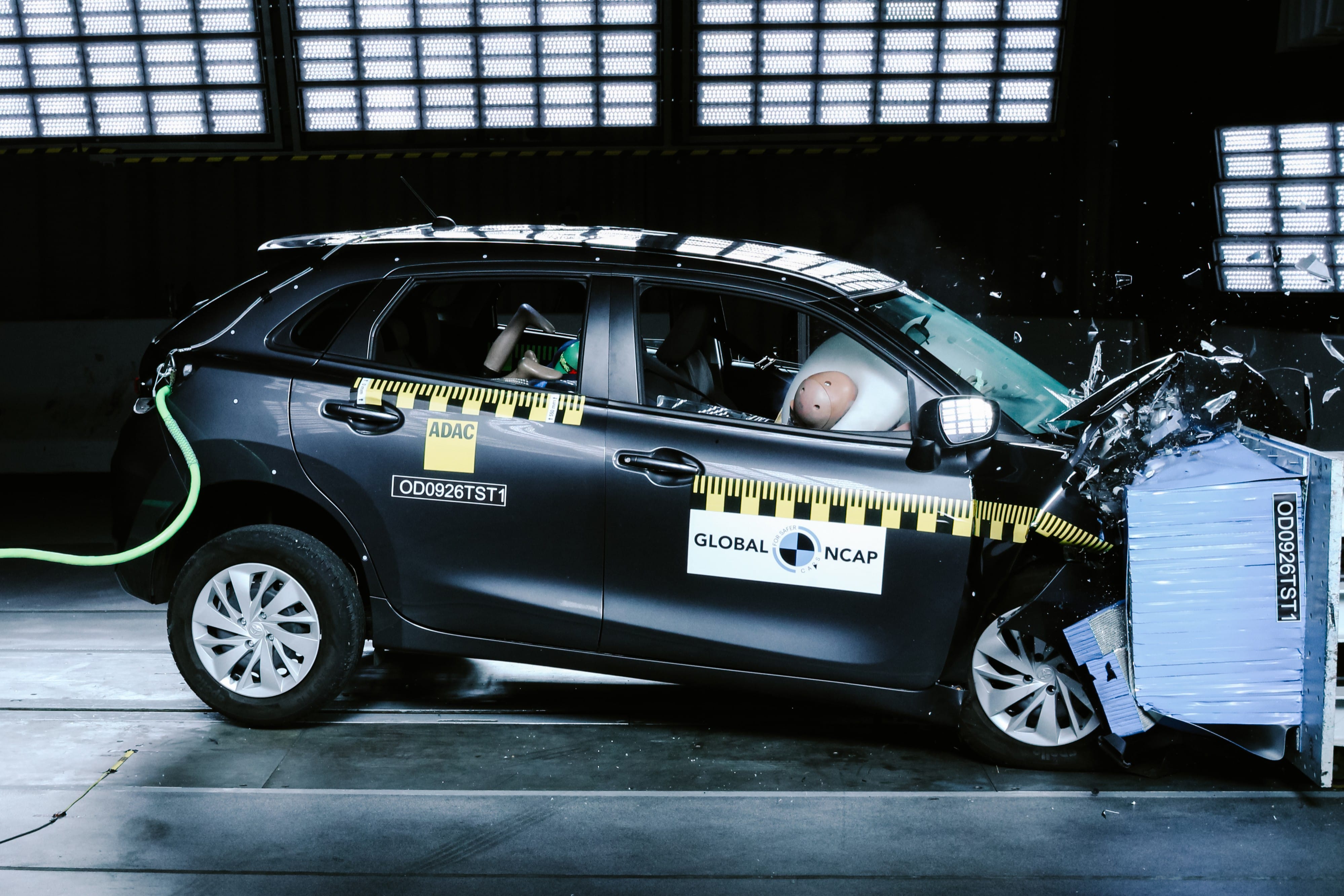
For the frontal impact test, the Starlet was given 6.71 out of 8 points for the 18-month-old child dummy and a meagre 2.81 out of 8 points for the 3-year-old child dummy. The latter score is a result of the Starlet not being able to prevent contact between the dummy’s head and the interior of the vehicle, along with “low” chest protection.
In the side impact test, the Starlet received a full 4 out of 4 points for the 18-month-old child dummy and 0 out of 4 for the 3-year-old child dummy. GNCAP remarked that this is due to the 3-year-old dummy’s head being exposed in the child restraint.
The Starlet’s CRS installation score was 10.81 out of 12 points, with deductions for not offering the possibility to disconnect the passenger airbag in case a rearward-facing CRS is installed in the co-driver seat. It also got a 5/13 vehicle assessment score.
What community is saying on the Glanza?
Toyota Starlet standard safety features
Only 2 airbags in tested model
The Starlet tested by Global NCAP was equipped with 2 airbags (driver and co-driver), instead of the 6 airbags offered as standard with the Glanza. Other standard safety equipment for the tested Starlet comprised electronic stability control (ESC), ISOFIX child seat anchor points, seatbelt reminders for all seats, and pretensioners for the driver and co-driver seatbelts.
Global NCAP has confirmed that, following the crash test, Toyota has updated the South African-spec Starlet with “additional safety features” as standard, most notably side, head and body airbags. Global NCAP has confirmed that it will subject this updated Starlet to crash-testing in the near future too.
Variance between Baleno BNCAP and Starlet GNCAP ratings
Dual-airbag Baleno scored 4 stars in AOP
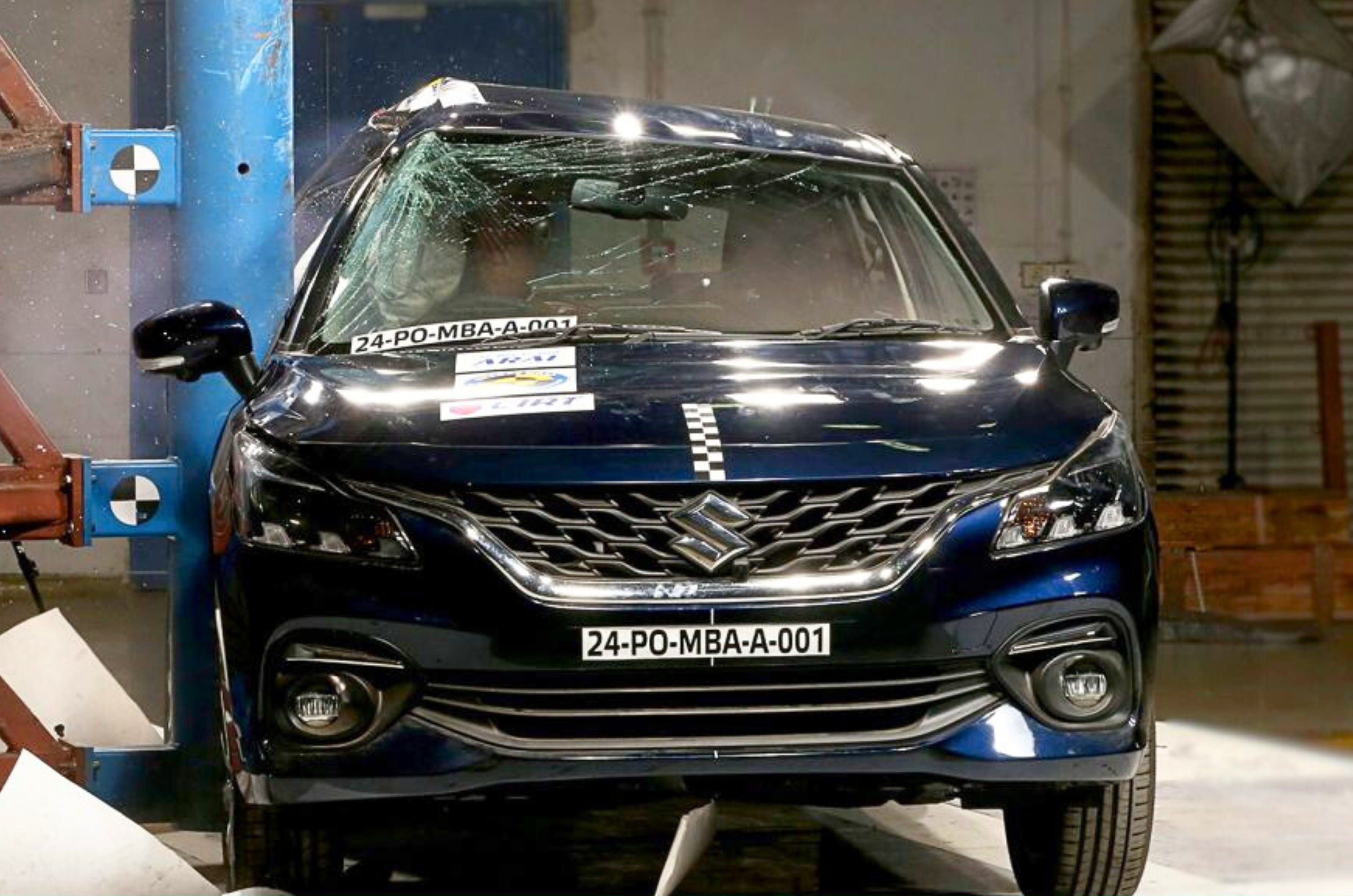
The Starlet’s underwhelming GNCAP performance is notable because the Baleno scored 4 stars in AOP during Bharat NCAP crash tests conducted last year. This rating was granted to both the 2-airbag and 6-airbag versions of the Baleno, with the former marking a discrepancy with the Starlet’s GNCAP results. The 2-airbag Baleno scored 24.04/32 points (4 stars) in AOP and 34.81/49 points (3 stars) in COP in BNCAP's testing. It also offered the same standard safety features as those of the Starlet.
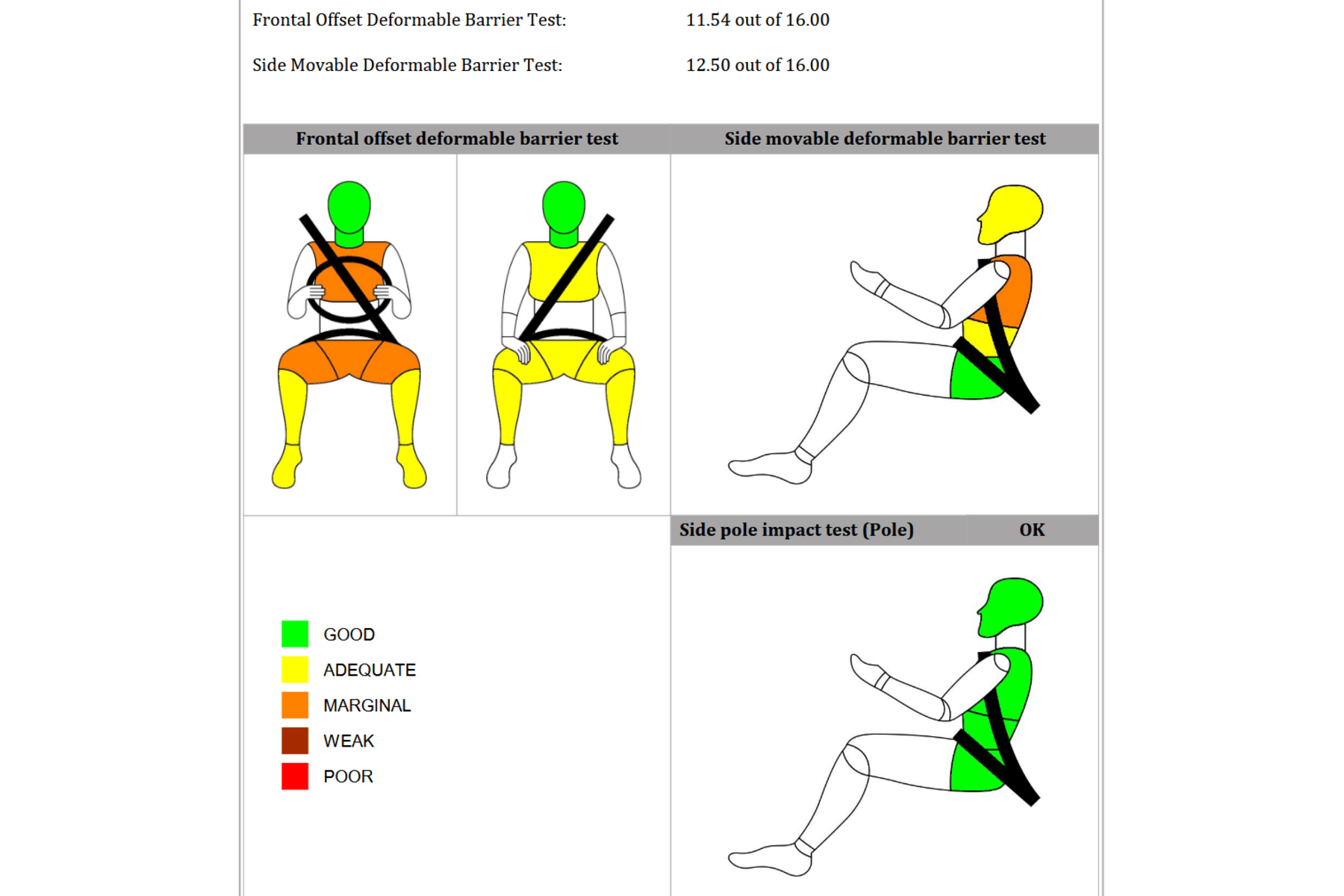
Per BNCAP's AOP report, the Baleno fared much better than the Starlet in the side-movable deformable barrier and side impact pole tests. The Baleno also offered better protection to the co-driver than the Starlet in the frontal offset deformable barrier test, though driver protection was largely similar between the two. Unlike GNCAP, BNCAP does not test for bodyshell integrity.
Coming to COP, the Baleno scored a full 4 out of 4 points for both the 18-month-old and 3-year-old child dummies in the side impact test – the Starlet scored zero points for the latter. In the frontal impact test, the Maruti hatchback brought home 7.17 out of 9 points and 1.63 out of 8 points for the 18-month-old and 3-year-old dummies, respectively. The latter score is interesting as it's lower than that of the Starlet. However, the Baleno did outscore the Starlet in terms of higher CRS installation (12/12) and dynamic scores (6/13).
The difference listed above could be chalked up to separate testing protocols between BNCAP and GNCAP, but precise details remain unclear. We have reached out to Toyota India for an official statement regarding the Starlet’s GNCAP results, but have yet to receive a response.

 Dipan Sur
 Dhruv Dhaka