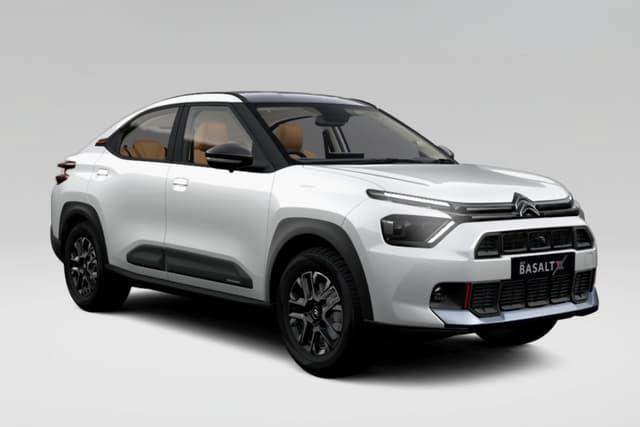
Suv Cars Under 10 Lakh in India (31)
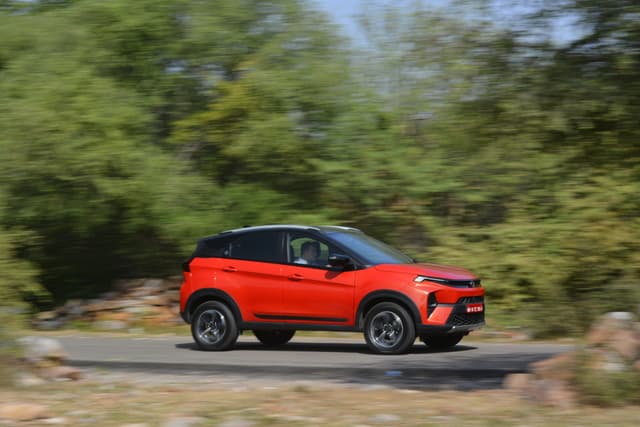
Discover the best Suv Cars Under 10 Lakh. Our comprehensive guide covers detailed specifications, expert reviews, pricing information, and buying advice for Suv Cars Under 10 Lakh. Find the perfect cars that matches your requirements and budget.


Filter your search


Filter your search


Filter your search


Filter your search


Filter your search
Filter your search
Filter your search
Find cars by transmission


Find cars by transmission
Find cars by fuel type


Find cars by fuel type
Still have more question?
Get answers from Autocar experts and owners
- 9,000+discussions
- 20,000+users online
- 10,000+members
Trending Questions on Cars - Answered by Autocar Experts
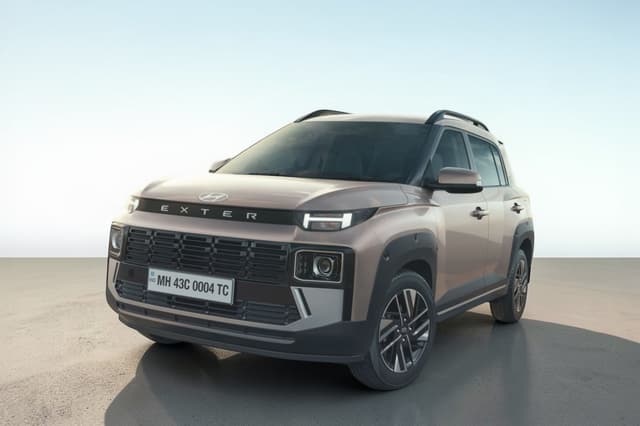
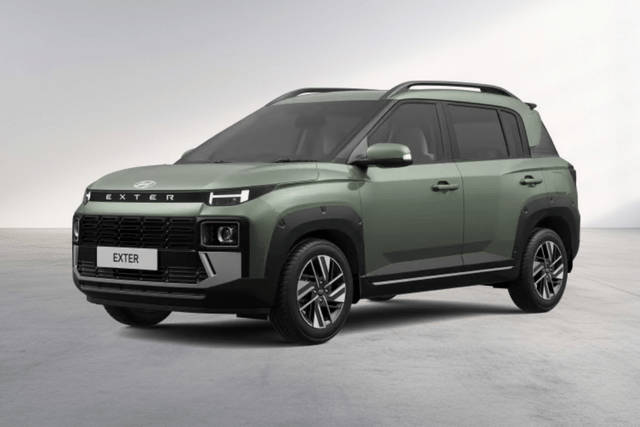
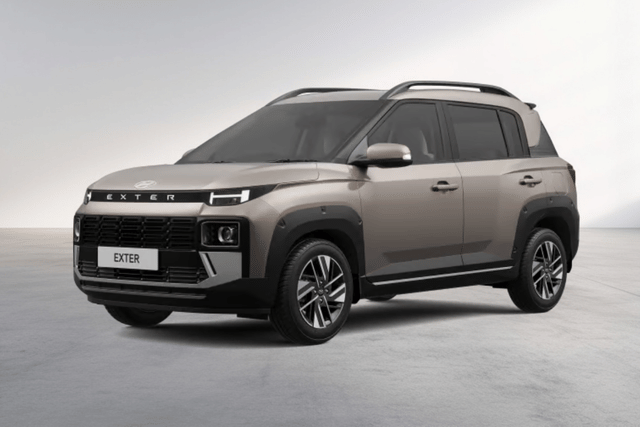
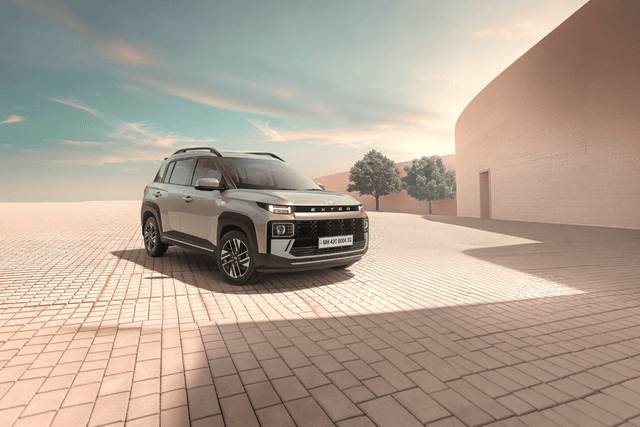
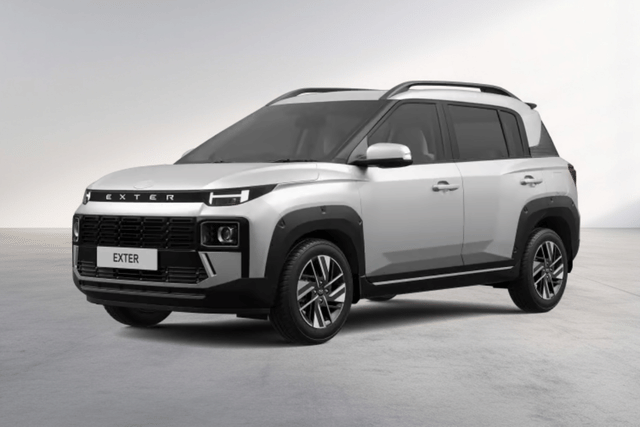
My budget is Rs 8-9 lakh. I need an AMT SUV to be driven by a lady, mainly for daily Chennai city commuting of about 80 km. My focus is currently on the Hyundai Exter AMT. Are there any better suggestions, or should we go for a CNG AMT by Tata?
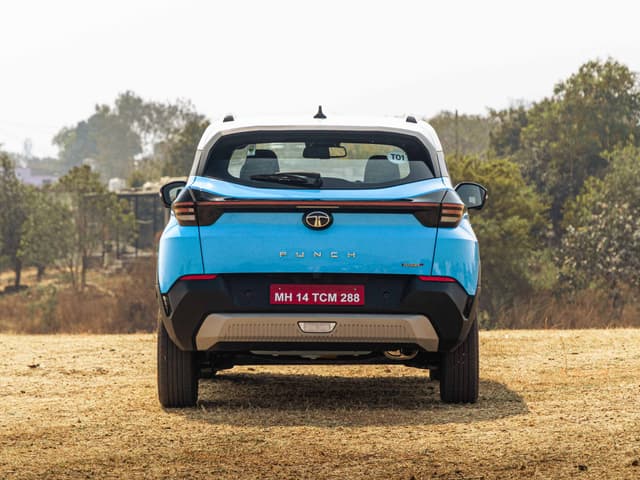
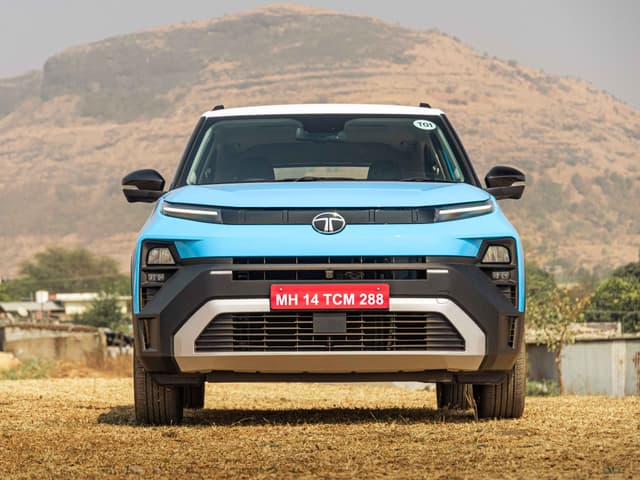
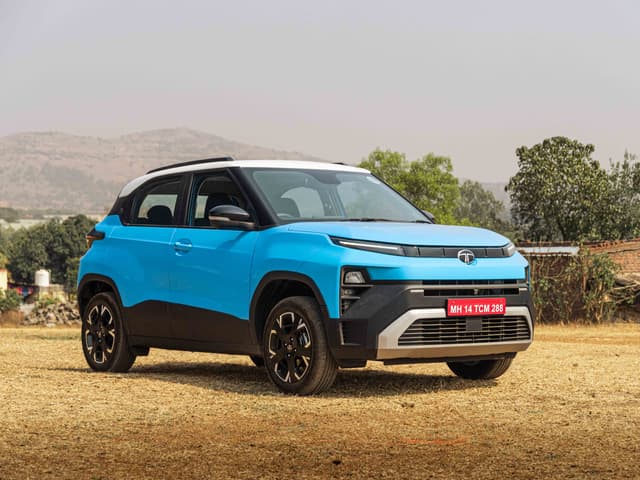
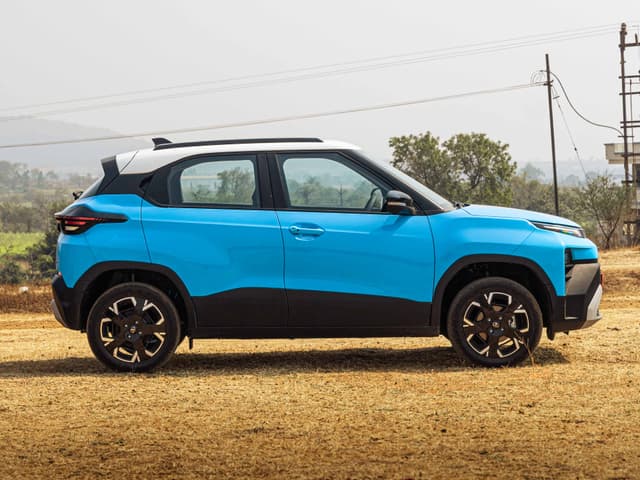
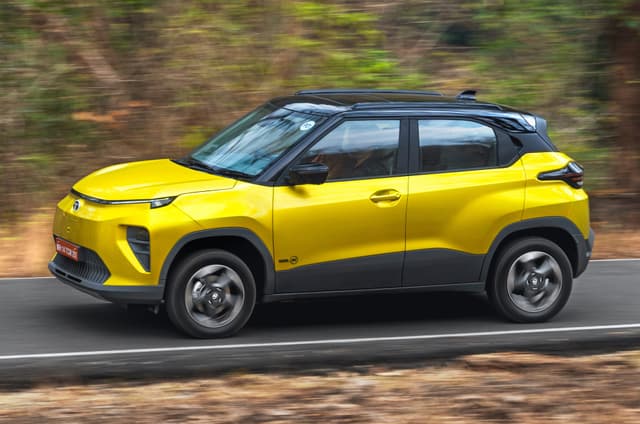
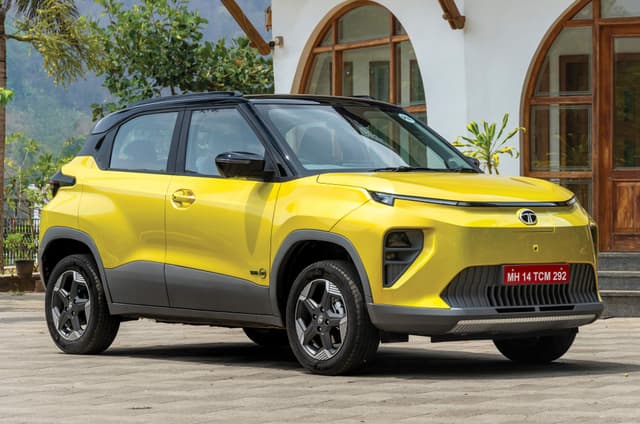
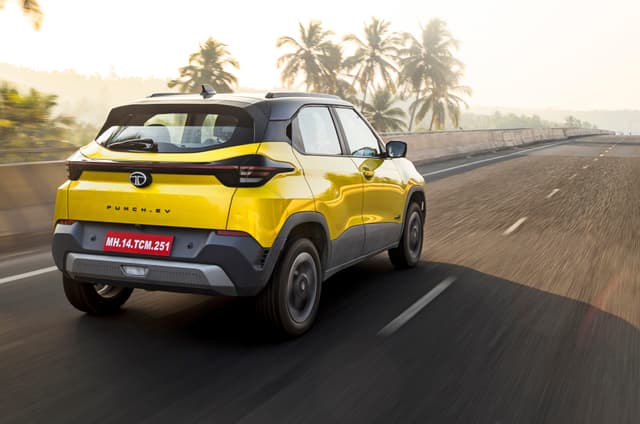
Considering your daily running of around 80km, we would actually suggest opting for a CNG car to keep running costs down. The Hyundai Exter CNG is a good option, but it is available only with a manual gearbox. This is where the Tata Punch CNG AMT makes a lot of sense, as it combines lower running costs with the convenience of an automatic, which should reduce the stress of driving in Chennai traffic. This car also feels solidly built, has a comfortable ride and offers adequate performance. If you are open to a hatchback, the Maruti Suzuki Baleno CNG AMT is another option within a similar budget. This Maruti Suzuki car offers more cabin space and the convenience of a CNG automatic, although you will have to compromise on the SUV stance and the Punch's higher seating position.
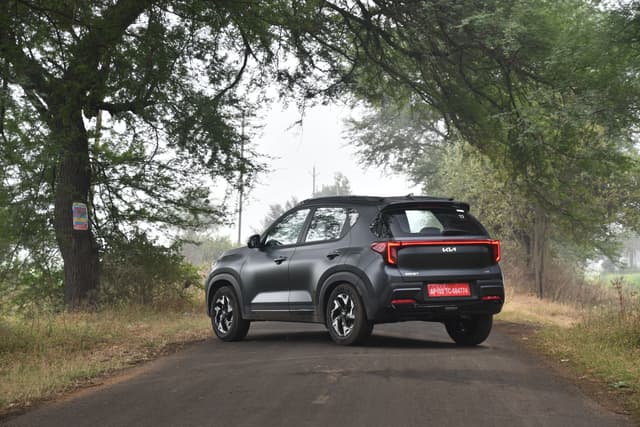
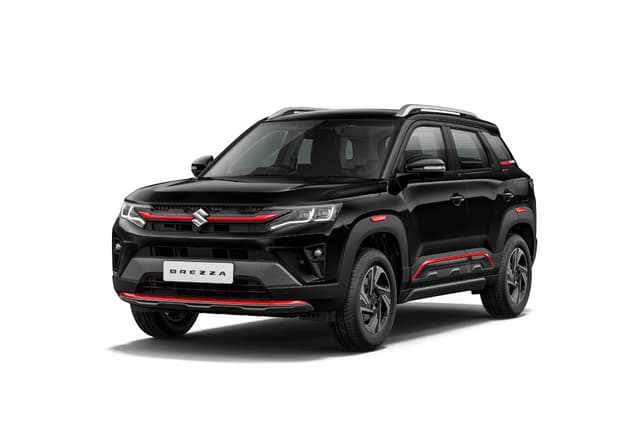
I want to buy a new car, preferably a sub-4m SUV, with a budget of Rs 10 lakh on-road. I currently own a 2021 third-gen Maruti Suzuki Swift with the 1.2-litre naturally aspirated petrol engine, which I plan to sell before buying the new car. The roads in my city and surrounding areas are in poor condition, and my Swift often scrapes underneath, so I am looking for a car with good ground clearance. I drive less than 8,000km a year, with the car mainly being used on Sundays and for occasional 500-800km road trips. I have shortlisted the Brezza VXi, but I am also hearing concerns that its turbo-petrol engine may not last 15 years like a naturally aspirated engine. This has left me confused about whether I should go for it or consider another car. Which car would be the most suitable for my usage?
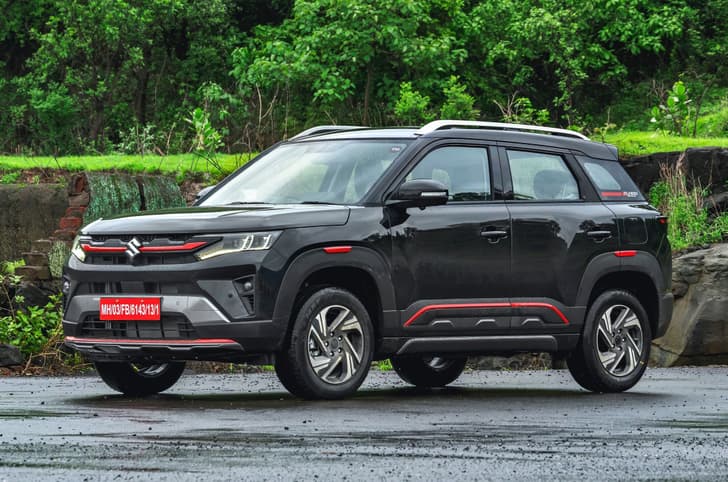
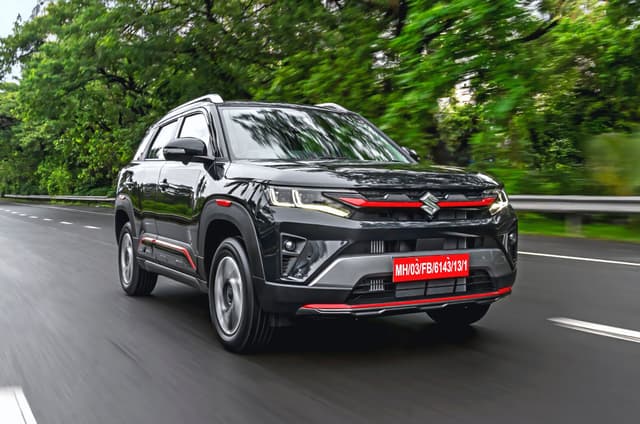
Go for the Maruti Suzuki Brezza 1.5 petrol manual. It is the most sensible upgrade from your Swift given your usage and priorities. Your annual running is low, so petrol is the right choice, and your main concern is ground clearance and durability on bad roads. The Brezza has good ground clearance and a proven naturally aspirated engine that is known for its reliability and longevity. The 1.5 petrol is a simple, stress-free engine that will easily last 10-15 years with proper maintenance, and Maruti's service network adds to the peace of mind.The concerns around turbo petrol engines are often overstated. Modern turbo petrols are reliable when maintained properly, but they are more complex and can be more expensive to repair out of warranty. Given your low running and long-term ownership intent, the naturally aspirated 1.5 is the safer bet.The Brezza is also a comfortable 5-seater with a decent boot, making it well-suited for your Sunday drives and road trips. If you want to save some money, the Mahindra XUV 3XO 1.2 turbo petrol is also a good option with a more powerful engine and a wider cabin, but the Brezza's ownership experience and long-term reliability make it the better fit for your requirements.
My car usage is hardly twice or thrice a week. I don't use my car for daily travel. My budget is Rs 10 lakh. I currently have a 2012 Hyundai Eon Sportz and want to upgrade to a better make and model, preferably a crossover or SUV. Which would be the best option among the following: Tata Punch/Nexon, Maruti Fronx, Renault Kiger, and Mahindra 3XO?
With your usage pattern of driving just two or three times a week, the priority should be a petrol car that is easy to live with, reliable and inexpensive to maintain. The Mahindra XUV 3XO is the best choice from your shortlist. It is one of the most spacious compact SUVs in the segment, has a wide cabin that makes it a genuinely comfortable five-seater, and the turbo petrol engine is punchy and enjoyable to drive. This Mahindra car also offers a strong safety package and good value for money.The Tata Nexon is a good alternative, but the XUV 3XO feels more spacious and better finished inside. The Tata Punch is a segment below and does not feel like a meaningful upgrade from your Eon. The Maruti Fronx is a sensible and reliable choice, but it does not feel as premium or as spacious as the 3XO.
I am 66 years old and retired. I have been driving a Hyundai i10 1.2 Magna for the past 16 years and am now looking to upgrade to a slightly larger, SUV-type vehicle. My driving is primarily within the city, with occasional highway trips of around 400-600 km. On average, I drive about 500 km a month. My key requirements are a comfortable and fuel-efficient car with powerful headlights. My budget is up to Rs 10 lakh. Kindly suggest suitable options.
Given your usage pattern of around 500 km a month, mostly city driving with occasional 400-600 km highway trips, and a budget of up to Rs 10 lakh, the Maruti Suzuki Fronx AMT is the most sensible upgrade from your i10. The 1.2-litre naturally aspirated petrol engine is efficient and reliable, and the car is easy to drive in traffic. Maruti’s service network and ownership experience are also strong, which is important for long-term peace of mind.
Hi, I currently own a 10-year-old WagonR K-Series CNG, which has covered close to 1 lakh km. I’m now planning to upgrade, but my budget is relatively tight - around Rs. 8-9 lakh. My priorities are: Low maintenance and running costs A car that I can keep for the long term Good reliability Easy ingress and egress, especially because I have senior citizens at home I’m considering the Maruti Suzuki Brezza LXi turbo petrol, mainly because I can get an aftermarket infotainment/player fitted according to my preference. I also like the Brezza because of its higher seating position and SUV-like stance, which should be more comfortable for my parents. However, I’ll probably need another six months to save enough money for the purchase. Am I thinking in the right direction with the Brezza? More importantly, is buying a petrol car a sensible decision in late 2026 or early 2027? Given my requirements, budget, current WagonR, and the fact that I want to keep the next car for many years, I’d really appreciate advice on whether the Brezza is the right choice or whether there are better alternatives I should consider.
You are thinking in the right direction with the Brezza. It is one of the most sensible upgrades from a Wagon R CNG, especially given your priorities of low maintenance, reliability and long-term ownership. The higher seating position and easy ingress/egress will make a noticeable difference for senior citizens, and Maruti's service network and ownership experience remain among the best in the country.On the fuel question, buying a petrol car in late 2026 or early 2027 is absolutely fine. Modern petrol engines are engineered to handle E20 fuel, and there is no official roadmap beyond E20 at this stage. The main impact of higher ethanol blends is a slight reduction in fuel efficiency, not a fundamental reliability concern. The only thing to consider is your budget. The Brezza LXi turbo petrol is a good choice, but it is worth considering the Maruti Suzuki Fronx CNG as well. It will give you the same low running costs you are used to, along with Maruti's reliability and service reach. The Brezza remains the better choice if the higher seating position and SUV stance are a priority, but the Fronx CNG is the more cost-effective option if running costs are the primary concern.
Last Updated on: 18 Nov 2026