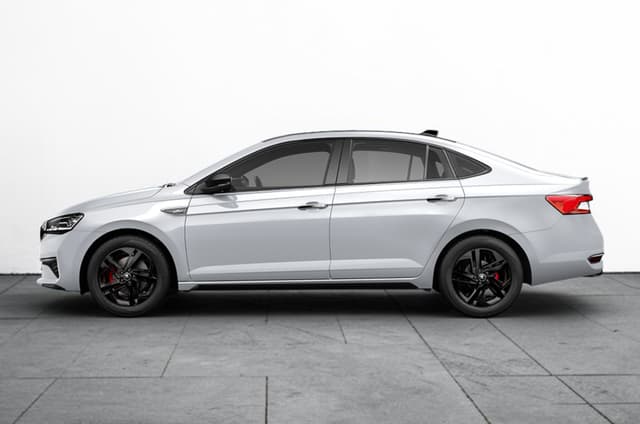
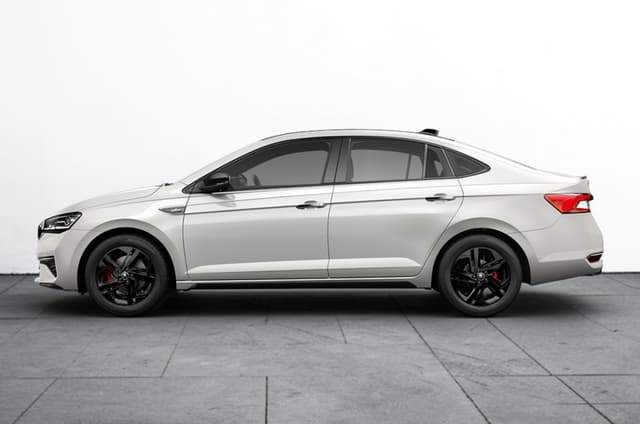
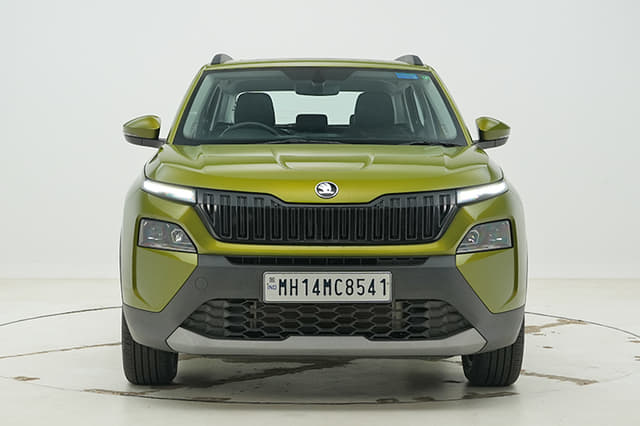
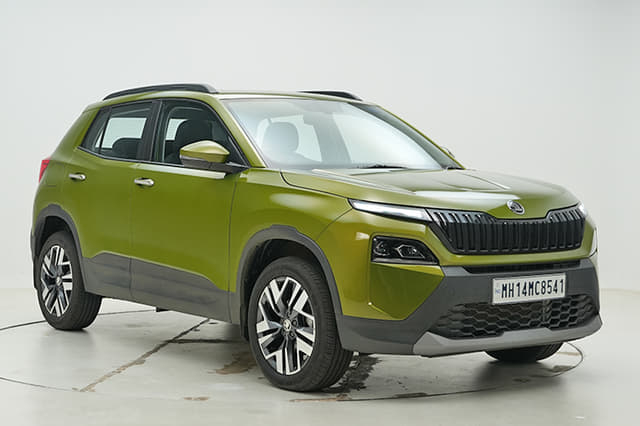
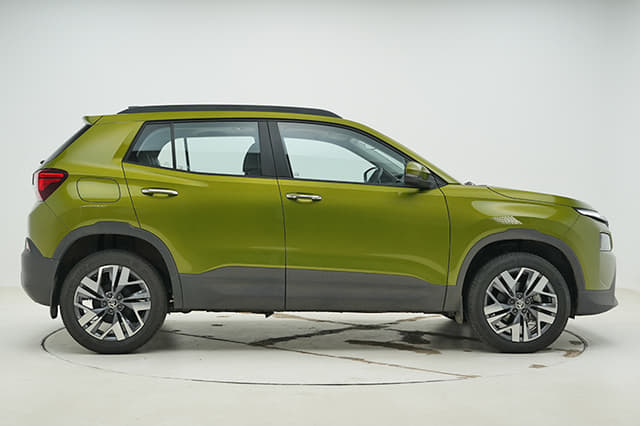
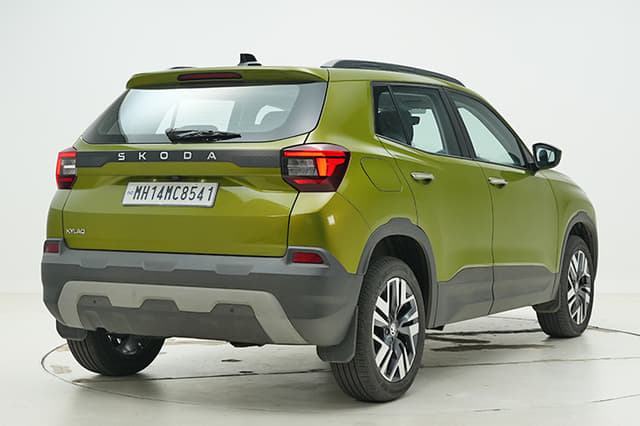
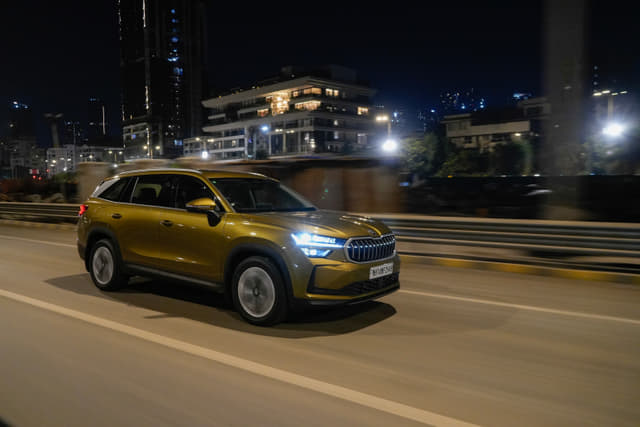
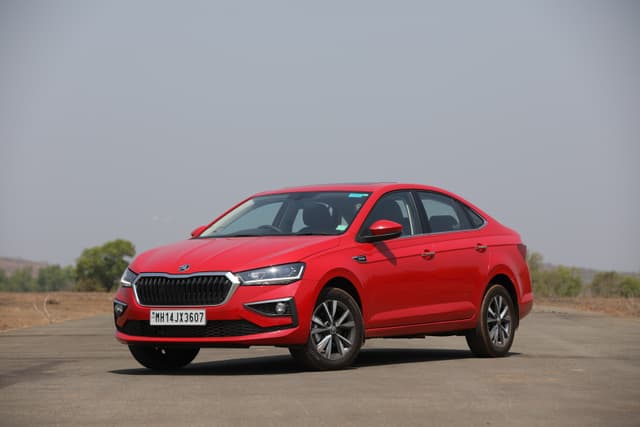
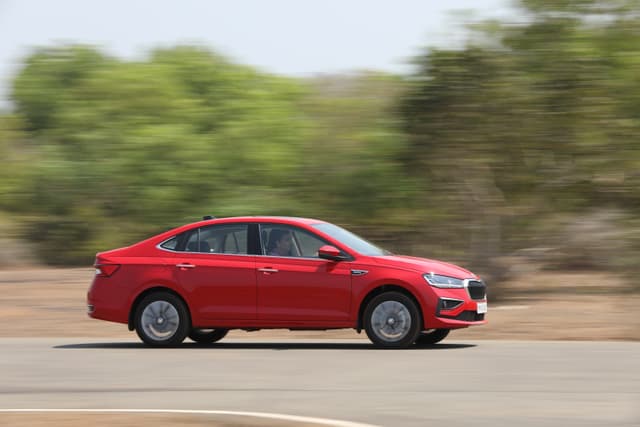
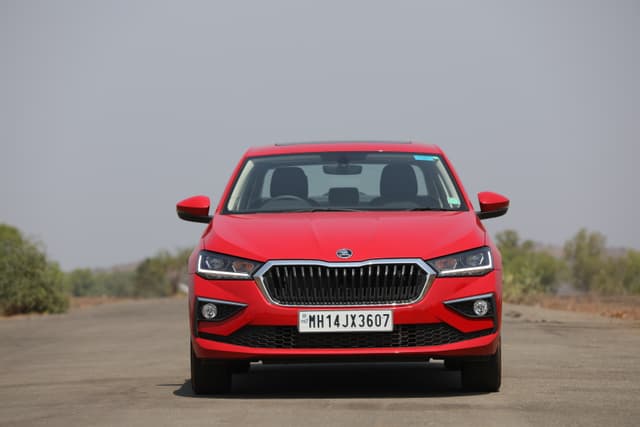
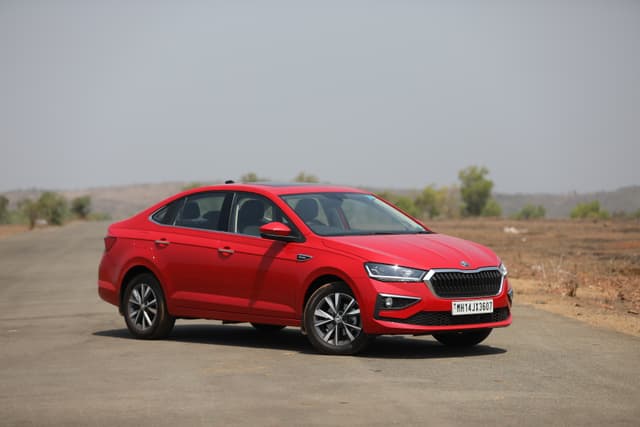
Skoda Petrol Cars in India (6)
Discover the best Skoda Petrol Cars. Our comprehensive guide covers detailed specifications, expert reviews, pricing information, and buying advice for Skoda Petrol Cars. Find the perfect cars that matches your requirements and budget.


Find cars by body type

Trending Questions on Skoda Cars - Answered by Autocar Experts
I used to own a Tata Nexon AMT petrol for five years, but I had to sell it due to a serious manufacturing-related rusting issue and a poor service experience. I’m now looking to buy a new automatic petrol SUV with a budget of up to Rs 14 lakh. The car will mainly be used for weekend driving within the city, with perhaps one long trip every month. The annual running is expected to be only around 5,000- 6,000 km. A car that does not require much hassle in terms of servicing would be a major plus. Good power output and decent fuel efficiency are also important. What options can be considered?
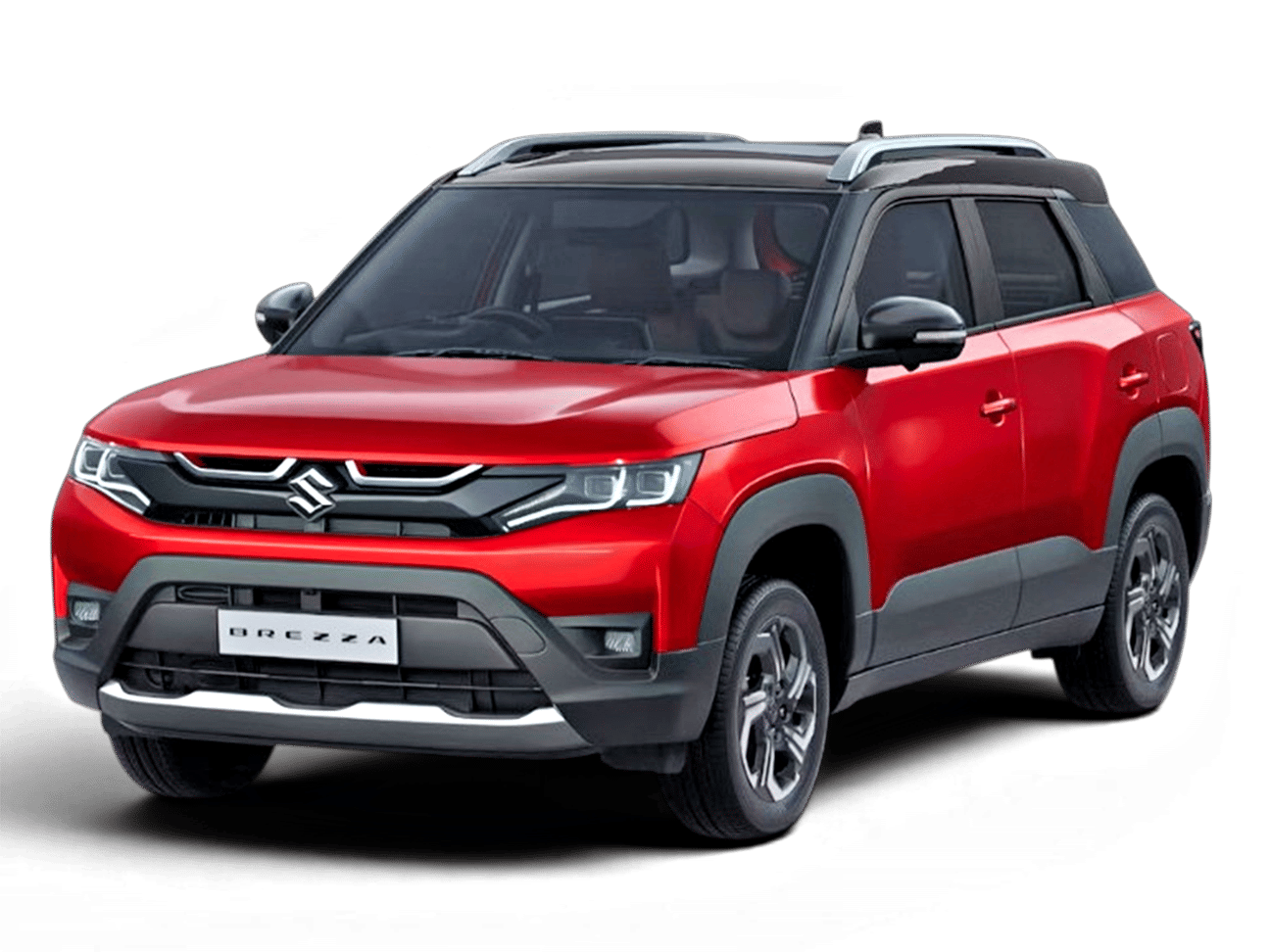
Given your low annual running, weekend city use and a monthly highway trip, a petrol automatic is the right choice. Since you had a poor experience with Tata cars, we would recommend the Maruti Suzuki Brezza automatic. It is a reliable, hassle-free SUV with a proven service network, which is exactly what you are looking for. The 1.5-litre petrol engine is smooth and the 6-speed torque converter automatic is far better than the AMT you had in the Tata Nexon. It is not the most powerful car in the segment, but it is dependable and easy to live with.If you want something with a bit more power and a more engaging driving experience, the Skoda Kylaq 1.0 TSI automatic is a good alternative. The turbo petrol engine is punchy and the 6-speed torque converter automatic is smooth in the city. Skoda's service network is not as extensive as Maruti's, but it has improved significantly in recent years.The Mahindra XUV 3XO petrol automatic is also worth considering. It is one of the most powerful cars in the segment and offers a strong feature list, but the boot is on the smaller side.Overall, the Brezza is the safest recommendation for your requirements. If you want more performance, the Kylaq is the better choice.
I am currently using my dad's Maruti Ritz and wish to upgrade to a more premium sedan or SUV. My current shortlist includes the Toyota Hyryder Strong Hybrid, Skoda Slavia, and Honda City e:HEV. Several thoughts and concerns keep coming to mind regarding each vehicle. The Hyryder is not a proper SUV, and its 3-cylinder engine has more vibration than 4-cylinder engines. The Slavia's 4-cylinder engine is giving single-digit fuel efficiency, especially with the E20 fuel concerns. I am also worried about the long-term maintenance of its turbo engine. The City e:HEV is priced above Rs. 20 lakh, attracting luxury tax, and its on-road price goes beyond Rs. 25 lakh. I am not sure whether the cost-benefit equation will work in favour of the City. The Slavia facelift is also around the corner. I wish to keep my next car for at least 10 years.
Based on your requirements, the Toyota Urban Cruiser Hyryder Strong Hybrid is the most sensible upgrade. Your concerns about the 3-cylinder engine are understandable, but in the hybrid, the petrol engine is assisted by the electric motor, which smooths out the power delivery and reduces the typical 3-cylinder vibrations. This Toyota car also delivers excellent fuel efficiency, especially in city driving, which will make a significant difference over a 10-year ownership period. While it may not be a "proper" SUV in the traditional sense, it offers a higher seating position, good ground clearance and a comfortable ride, making it a practical and premium upgrade from the Ritz.The Honda City e: HEV is a strong alternative, but the higher price pushes it into a different budget bracket, and the cost-benefit equation becomes harder to justify. The Skoda Slavia is a great driver's car with a smooth 4-cylinder engine, an extremely practical cabin and strong performance, but if efficiency is a high priority, it is best to stick to the strong hybrid. The Slavia will receive an update soon, which will also feature a new gearbox which replaces the earlier Aisin-sourced 6-speed torque converter (AQ250) with a newer Aisin 8-speed torque converter (AQ300). This will be exclusive to the 1.0-litre engine and will be a bit more efficient too. However, in comparison to a strong hybrid, nothing really comes close. Overall, the Hyryder Strong Hybrid offers the best balance of efficiency, reliability and ownership experience for your needs.
I’m planning to buy a premium SUV. Most of my driving will be in Bangalore city traffic, with occasional highway trips, around twice a month. I’m currently considering the Mahindra XUV 7XO top-end petrol automatic and the Skoda Kodiaq L&K. I understand there’s a significant price difference between the two, but my budget allows for either. I enjoy driving and won’t be hiring a chauffeur, so the driving experience is important to me. While both SUVs offer similar power on paper, does the Kodiaq provide a noticeably better sense of quality, cabin feel, driving pleasure, and after-sales service that justifies its higher price? I’m also open to suggestions from other brands that fit my requirements, such as entry-level Audi or BMW models, except Tata vehicles. Your expert advice would be a great help. Thank you.
Go for the Skoda Kodiaq Selection L&K. The Mahindra XUV 7XO is a genuinely impressive SUV with strong performance, a feature-rich cabin, and excellent value for money, but the Kodiaq is on a different level. The quality of the materials, the solidity of the build, the refinement, and the overall sense of premium engineering are immediately apparent. Its 2.0-litre TSI petrol engine is also an excellent unit, delivering strong performance and a genuinely enjoyable driving experience. The XUV 7XO is a very good SUV and offers outstanding value for money. However, the Kodiaq feels like a truly premium product, and if budget is not a concern, it is the one to choose.As for after-sales service, Skoda cars network is not as extensive as Mahindra cars, but it has improved significantly in recent years, and ownership experiences are generally positive. If you're open to other brands, the BMW X1 is also worth considering. It is smaller than the Kodiaq, but it is rewarding to drive and offers a genuinely premium experience. Overall, if you can comfortably afford the Kodiaq, it is the SUV that is most likely to keep you satisfied in the long run.
Hello everyone, I've been driving a Hyundai Elite i20 CRDi since 2014, and after more than a decade, I'm planning to upgrade during the upcoming Dussehra/Diwali season. I live in a Tier-2 city, and my budget is up to ₹18 lakh (on-road). After a lot of research, I've shortlisted two cars: - Skoda Kylaq Sportline (upcoming) - Citroën Basalt X Fuel efficiency isn't a priority for me. What matters most is driving pleasure, stability, and long-term reliability. I have a few questions for owners and enthusiasts: 1. Which brand is likely to be more reliable in the long run, especially with E20 petrol? 2. How do the driving dynamics of the Basalt X compare with the Kylaq? I'm particularly interested in steering feel, handling, ride quality, and overall confidence at highway speeds. 3. How has your ownership experience been in terms of service, maintenance, and reliability? I'd really appreciate insights from people who have driven or owned either of these cars. Thanks in advance!
We are first-time car buyers from Warangal, Telangana. Both my parents, who are above 50 years of age, will be driving the car regularly, and nobody in our family has owned a car before. Around 60% of our usage will be on highways. We plan to keep the car for a minimum of 6-8 years. We also expect decent mileage, although we understand that both are turbo-petrol cars, so we are not expecting very high fuel efficiency. Between the Kylaq's torque converter and the Venue's DCT, which one is genuinely easier and less stressful to drive for a 50 years+ first-time driver in daily city traffic? For Kylaq Signature Plus AT owners, how is the automatic transmission performing in real-world city driving? Are there any complaints after a few months of ownership? We do have a Skoda dealership in our city, but we would like to know how smooth the actual service experience has been for owners in similar Tier-2 cities. Given that we previously cancelled our Venue HX8 DCT booking due to concerns about ethanol blending, which was priced at Rs. 16.1 lakh on-road, does going back to the Venue HX6 make practical sense, or are we just going in circles? I'm personally interested in the Kylaq, but the car will mostly be used by my parents. If any issue occurs, I want the service centre to be able to resolve it easily without troubling them too much or having the car remain at the workshop for weeks.
In your case, the Venue HX6 Turbo DCT is the better choice. The Hyundai Venue price starts at Rs 8.00 lakh and goes up to Rs 15.65 lakh (ex-showroom, Delhi).While the Kylaq is the more enjoyable SUV to drive and its torque converter automatic is smoother than the Venue's DCT in slow-moving traffic, your priorities are different. This will be your family's first car, both your parents (50+) will be driving it regularly, and you plan to keep it for 6-8 years. In that context, Hyundai's larger service network, more established ownership experience and easier support in a tier-2 city like Warangal give it the edge.The Kylaq's 6-speed torque converter is an excellent automatic petrol car and is likely to feel more natural than the Venue's DCT in bumper-to-bumper traffic. However, the Venue's DCT has matured over the years and is perfectly manageable with normal driving. On the highway, both cars perform well, but the Kylaq has the better ride and handling balance, making it the more rewarding car to drive.As for going back to the Venue after cancelling the HX8, it doesn't mean you're going in circles. The HX6 sits at a much better price point and represents stronger value for money than the HX8 did. Also, concerns around future ethanol blending shouldn't be the deciding factor today. E20 petrol will continue to remain the standard fuel for the foreseeable future, and manufacturers design their latest turbo petrol engines to run on it.
Last Updated on: 16 Aug 2026