Autocar India
•3w

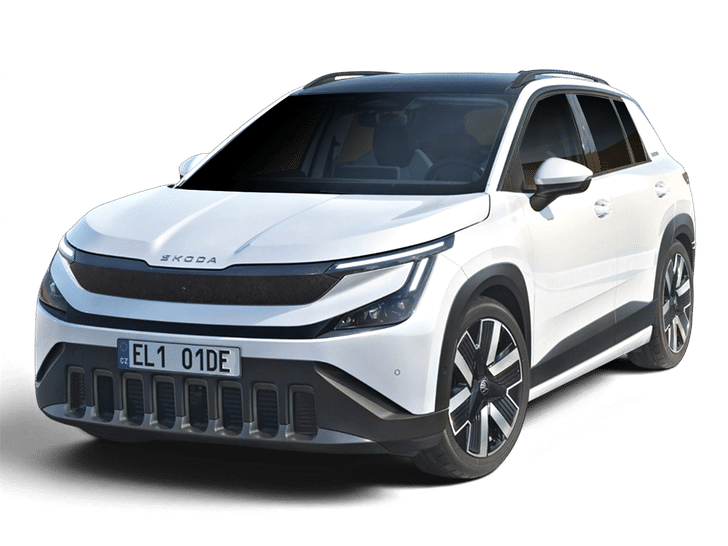
I am planning to buy an automatic car in Bangalore. I have shortlisted the Skoda Kylaq AT (torque-converter automatic) and Tata Punch AMT. My usage involves 80% running on highway and 20% within the city. I take one long distance trip of around 800 km (up and down) every quarter. I prefer petrol cars with automatic transmission. Please compare both cars in terms of real-world highway and city mileage, highway comfort, ride quality and driver fatigue during long trips. It should have good safety ratings and safety features. I am also concerned about engine performance and highway overtaking capability. Please guide me about a car and its on-road price in Bangalore. It should be a value for money car which has affordable service costs, maintenance and long-term reliability. Expected monthly and annual fuel expenses are based on my driving pattern. Finally, recommend the single best car for my needs, explaining which model and variant offer the best balance of mileage, safety, comfort and ownership costs.

Verified
•8h

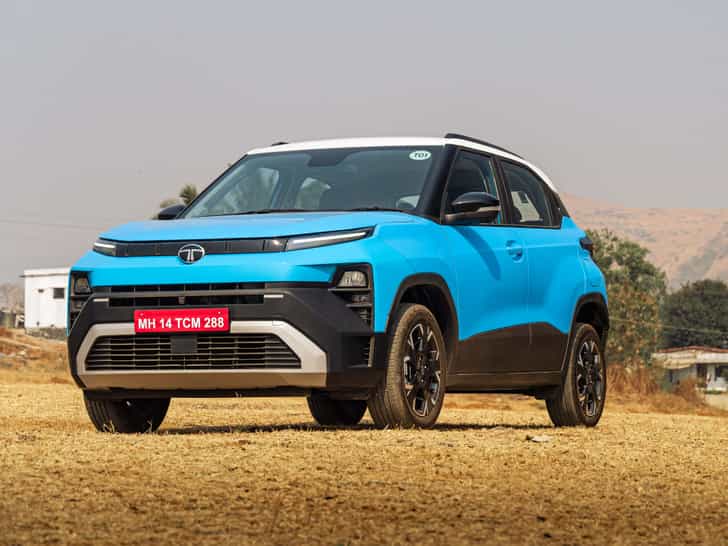
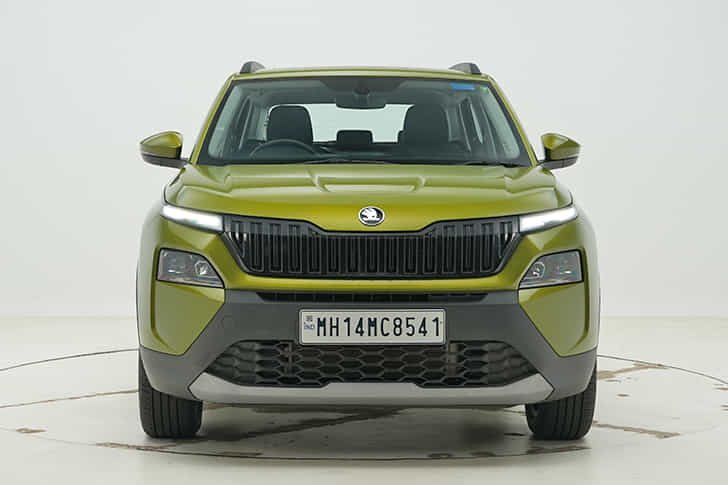
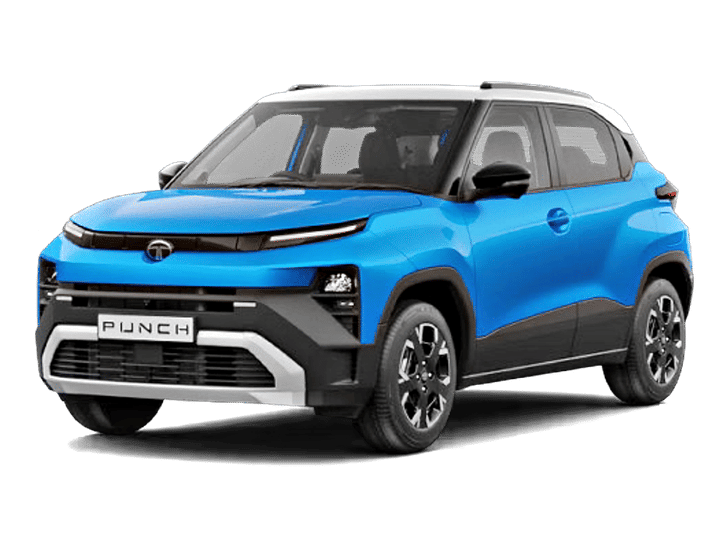
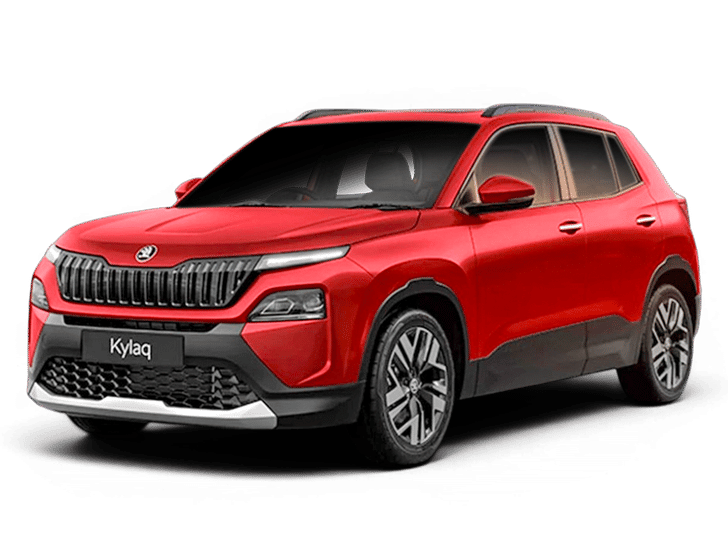
Go for the Skoda Kylaq 1.0 TSI automatic. Your usage is 80% highway with regular 800 km round trips, so you need a car that is comfortable at speed, stable on the highway and easy to live with over long distances. The Kylaq’s 1.0 TSI turbo petrol engine is punchy and overtaking is effortless, while the new 8-speed torque converter automatic is smooth and reliable. The Punch, with its compact dimensions, is a good city car, but won't feel as stable and planted on the highway. Moreover, the AMT gearbox is not as smooth and the naturally aspirated engine lacks the punch you need for quick overtakes.

Service costs for Skoda have improved in recent years and are broadly comparable to Tata, but neither brand is up to the high water mark set by the likes of Maruti or Toyota when it comes to overall service experience. As for fuel efficiency, the less powerful and naturally aspirated Tata has the advantage overall, and the TSI engine of the Skoda is highly sensitive to your driving style. However, given your use is largely on the highway, the gap in numbers shortens considerably, and you'll appreciate the added punch of the Skoda.

Overall, the Punch, which sits in a lower segment compared to the Kylaq, also feels that way, and if you're prepared to stretch for a Kylaq AT, we recommend doing so, as it is the superior vehicle overall.
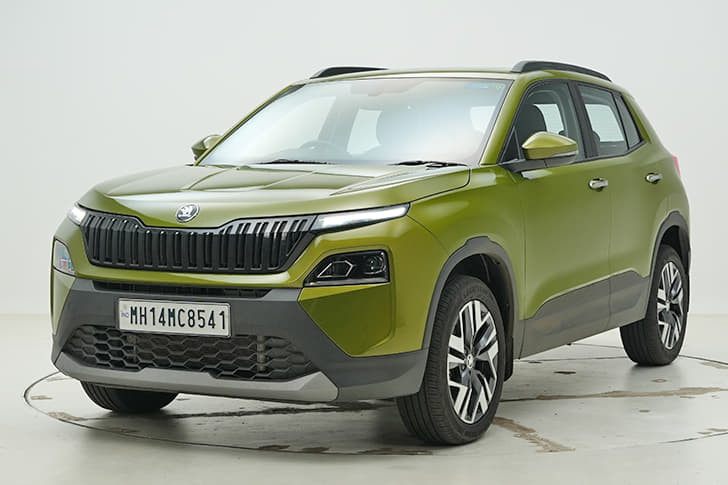
Skoda Kylaq

Skoda Kylaq

•3m•

I agree with this 👍

More posts on similar cars

•2w

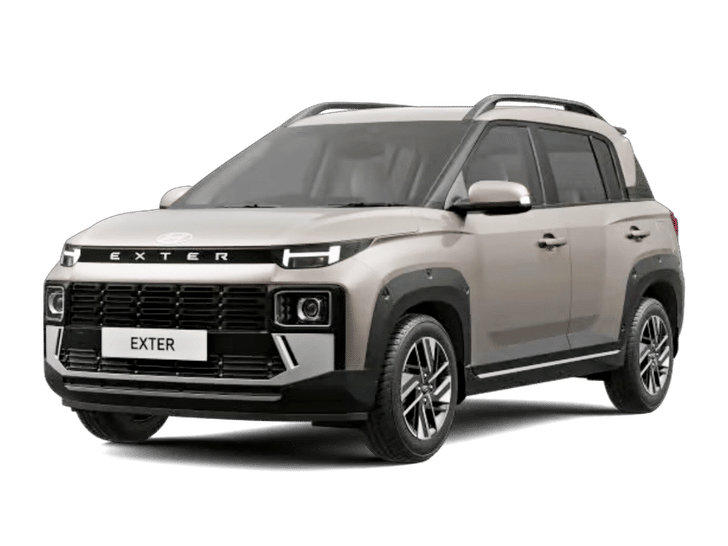
I’m about to buy my first car, and my budget is around Rs 7.5-8 lakh. I’m considering only manual petrol models and am confused between the Hyundai Exter and the Tata Punch. I’ve driven the Exter and really liked how smooth it is to drive and shift, as well as how quiet it is. I haven’t driven the Punch yet, but sitting in it felt better than the Exter because of the visibility and commanding driving position. I also like the Punch’s looks, but I’m worried about the after-sales experience. My daily city driving will be limited to 20-25 km, plus a 500 km highway round trip every three months. Please help me decide.

Verified
•10h

Between your two picks, the Hyundai Exter has the more refined powertrain. Its four-cylinder engine feels very smooth, and the clutch and shift action are light, making it very easy to drive in traffic. Performance is also stronger, and space and practicality are marginally better. Hyundai also has a strong reputation for reliability and after-sales service, so it offers peace of mind, which is important for your first car.The Tata Punch doesn't have the same level of refinement, but its ride quality is superior to the Exter's. It also has a higher driving position, which will be useful since you are a new driver. Tata's service can be inconsistent, so check your local dealer's reputation before you commit. Overall, the Exter is the more sensible choice; however, if ride quality and a high seating position are non-negotiable for you, then the Punch is a fine alternative.

VehicleHyundai Exter
VehicleTata Punch

Has E20 fuel affected your mileage?

Is ADAS worth paying extra for in a car?

Popular discussions right now

•1w

I’m planning to buy a new car, and my annual running is around 40,000km, primarily involving highway drives and ghat sections. I have shortlisted the Kia Seltos Diesel HTX and the upcoming facelifted Toyota Innova Hycross ZX. I’m considering two approaches: either buy the Innova Hycross and keep it for the next 10 years, given its reputation for longevity and the expectation that its engine can last at least 4 lakh kilometres, or buy the Seltos, drive it for around 2 lakh kilometres over 4–5 years, sell it and upgrade to a brand-new Seltos or another car of a similar price and size. On paper, the Innova Hycross Hybrid seems like the better choice, considering its long-term reliability and features such as the Ottoman reclining seats. However, I’m concerned that I might get bored of it after four years or that it may start feeling outdated as newer technologies and features enter the market. This makes the second option appealing, as it would allow me to upgrade to a brand-new car every 4–5 years. Which approach would make more sense in the long run, considering my high annual running and ownership costs?

Verified
•6d

It seems like you're leaning towards the Kia Seltos Diesel HTX, and we think it is a good choice. The diesel engine feels adequately powered for highway usage and ghat driving, and it is likely to return respectable efficiency too. Moreover, despite being modern with all the latest tech and features, the Seltos will be substantially more affordable than the Toyota Innova Hycross hybrid. So unless you need the Innova's extra space, or you frequently travel with six or seven passengers, the Kia Seltos diesel is your best bet.

VehicleKia Seltos
VehicleToyota Innova HyCross

Upcoming launch buzz

Community discussions on upcoming launches
Add a photo of your Kylaq

First sightings, real road conditions, delivery buzz

Posted on: 6 Nov 2026