Last Updated on: 30 Mar 2026
Tata Punch Expert Review
Our expert review of the Tata Punch highlights its strengths in Features And Safety, Ride Comfort And Handling, Exterior Design And Engineering. Some areas of improvement include Mileage / Range And Efficiency, Value For Money.
Tata Punch pros and cons
We like
Well-sorted ride and handling balance
Punchy turbo-petrol engine
User-friendliness
We don't like
NA petrol engine feels lackluster
Top variants are pricey
Tata Punch expert review
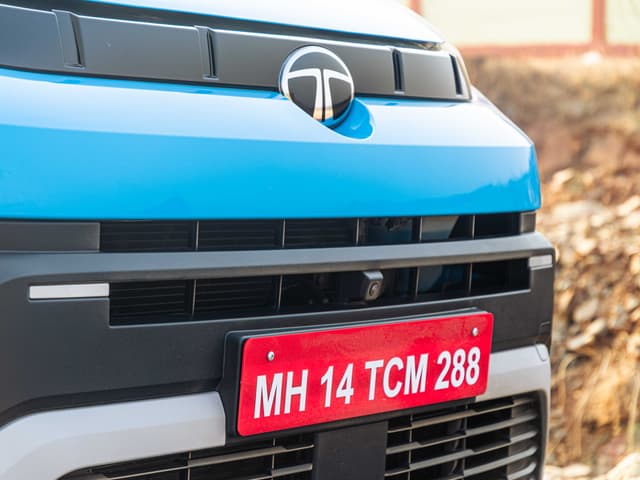
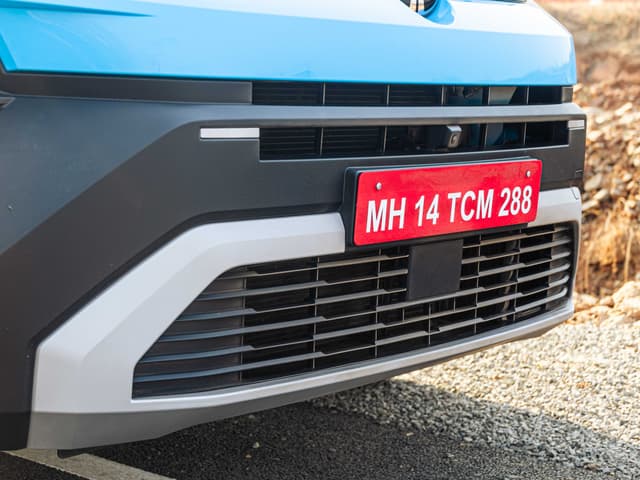
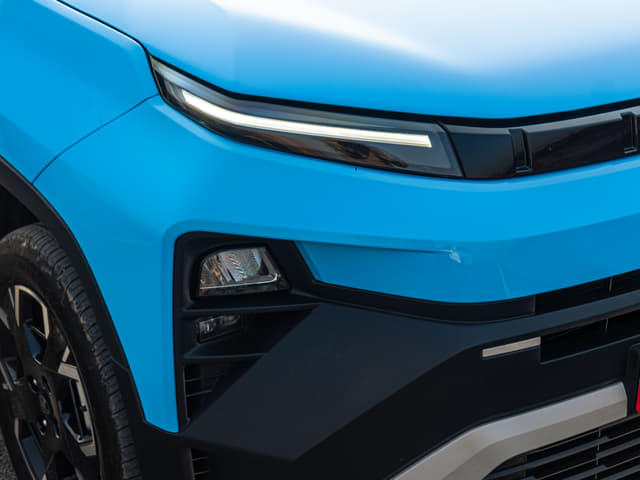
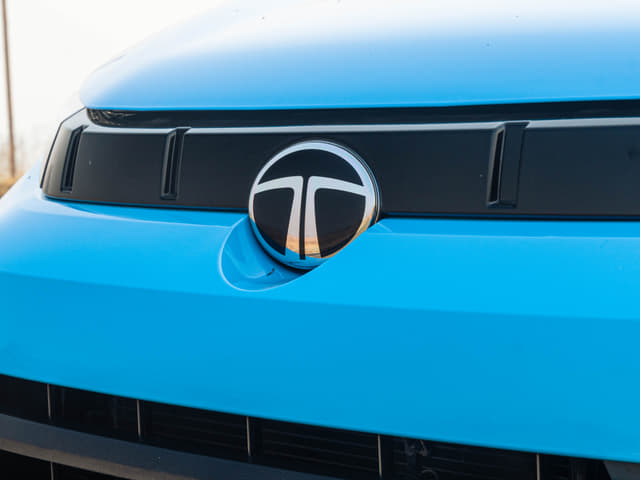
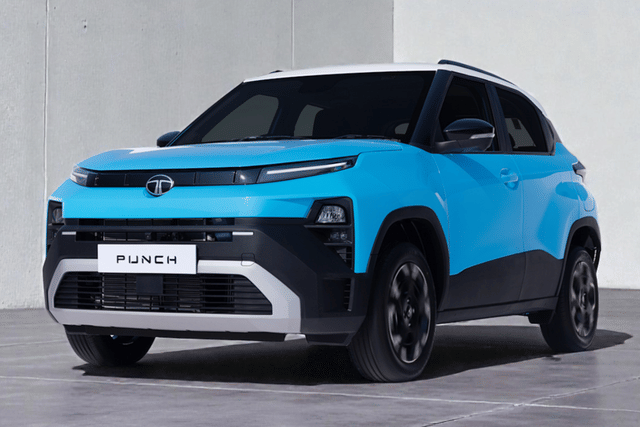
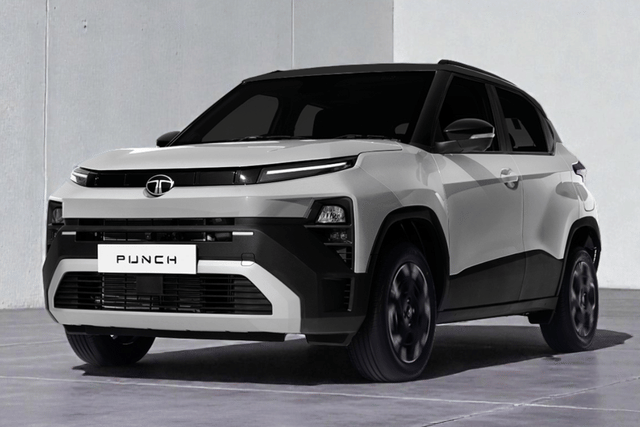
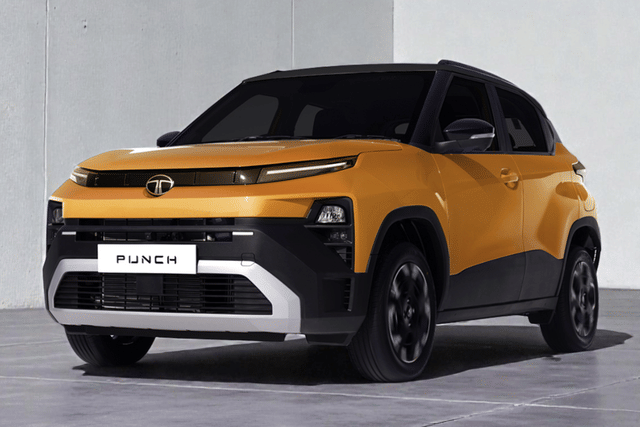
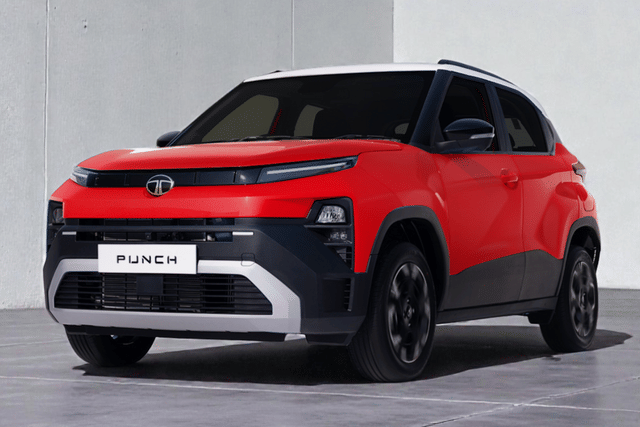
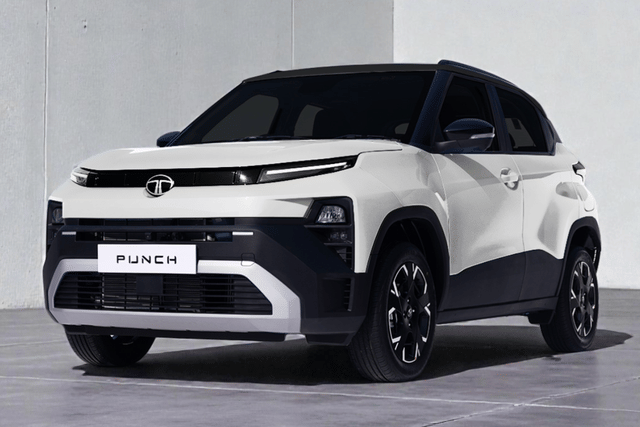
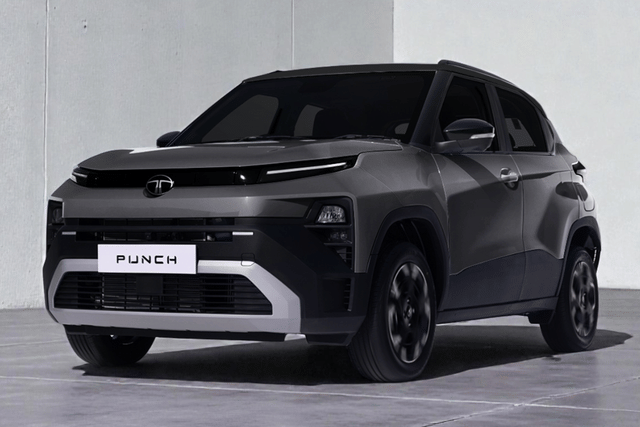
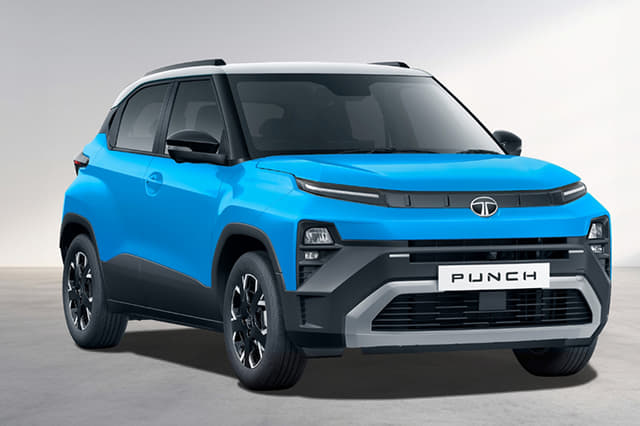
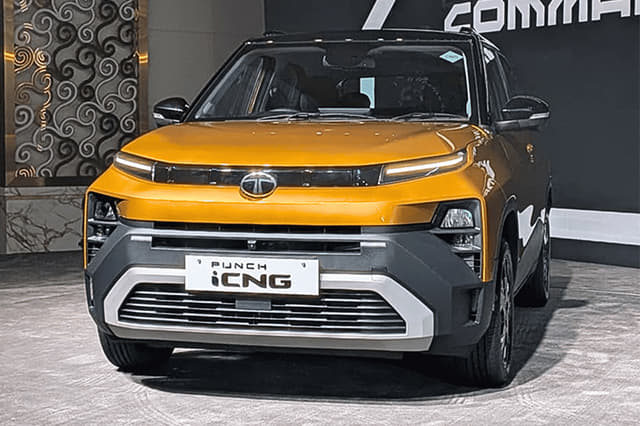
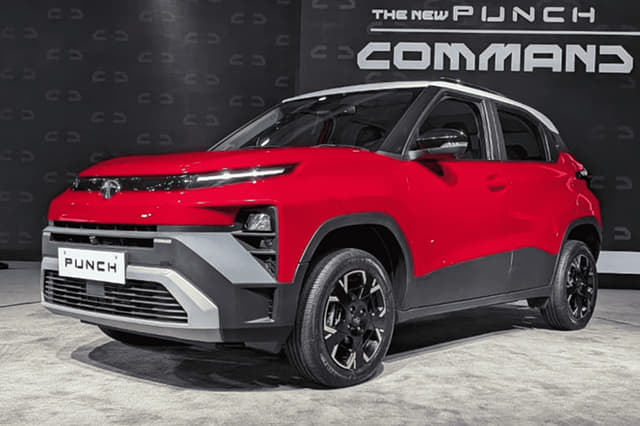
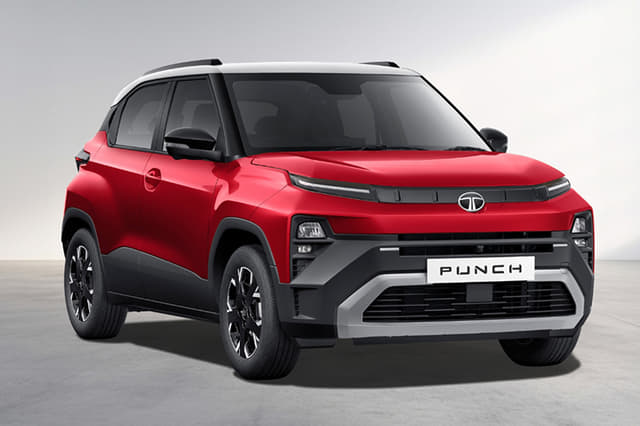
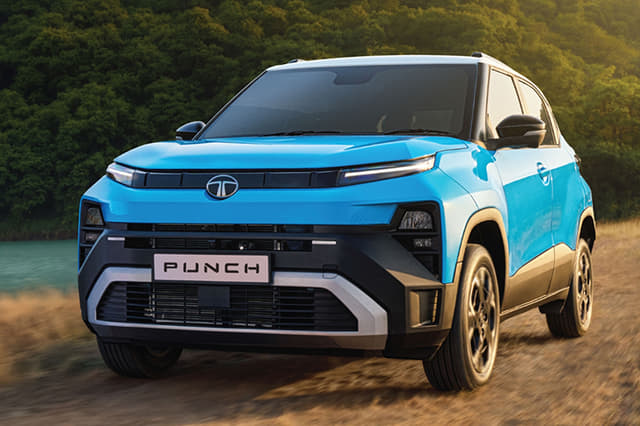
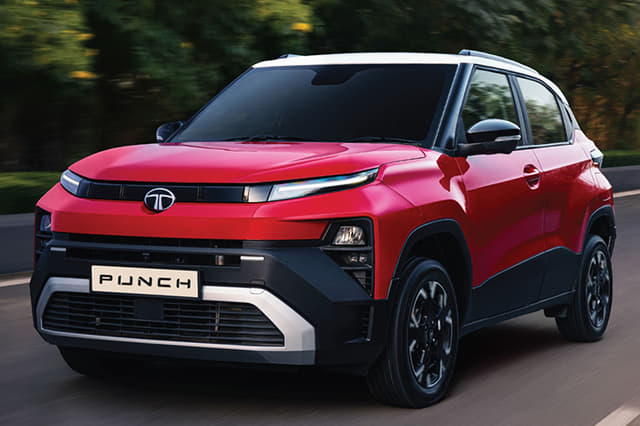
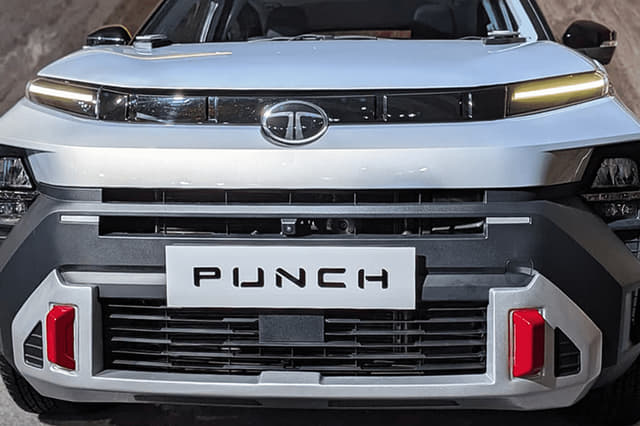
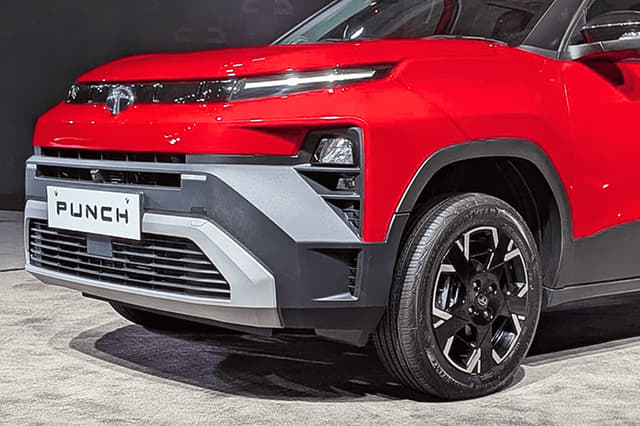
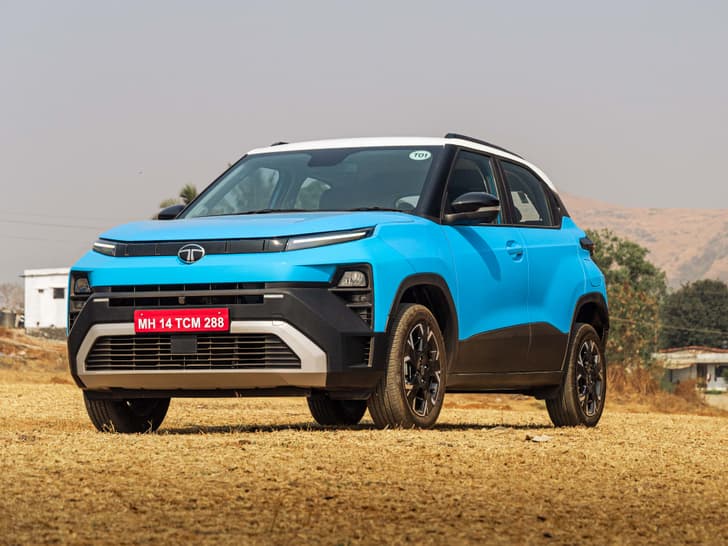
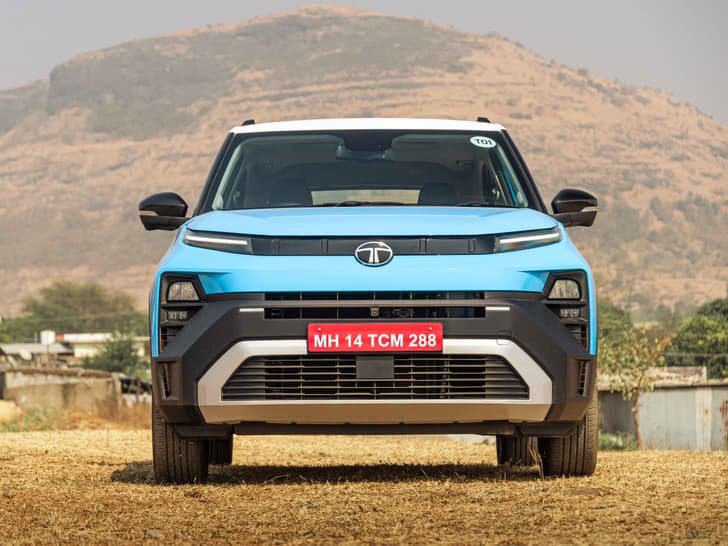
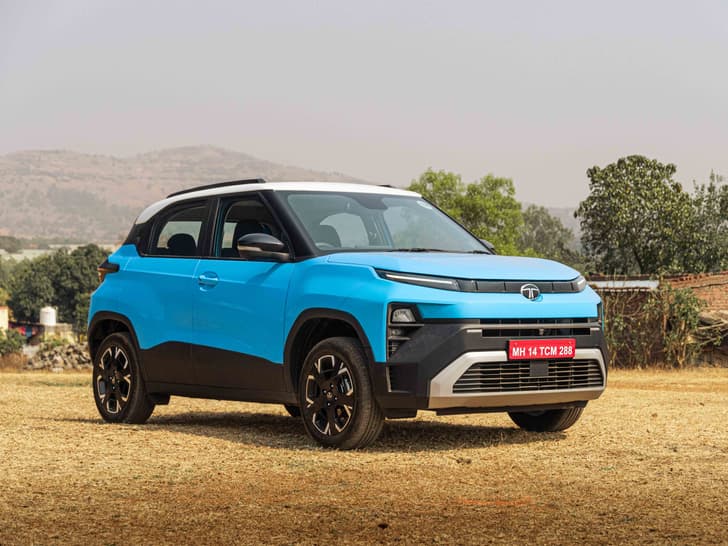
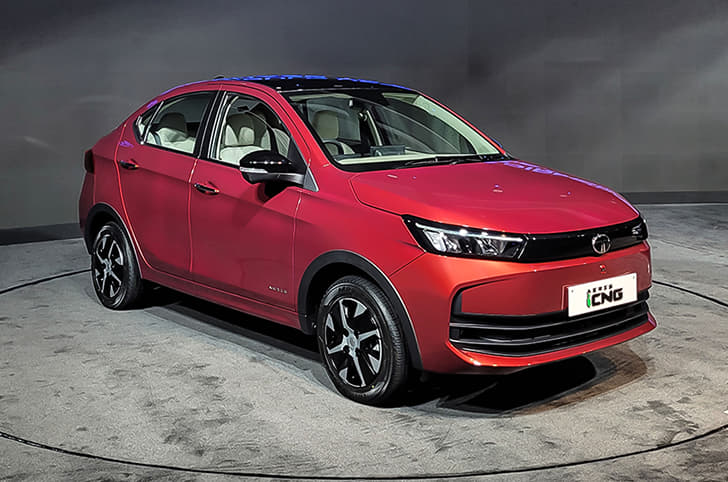
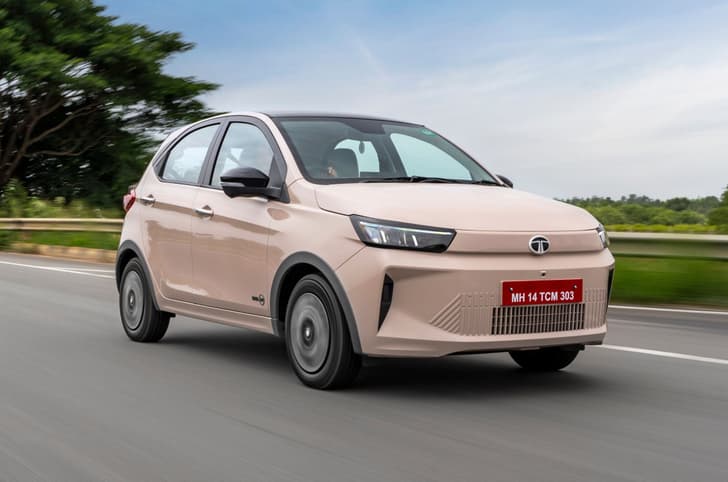
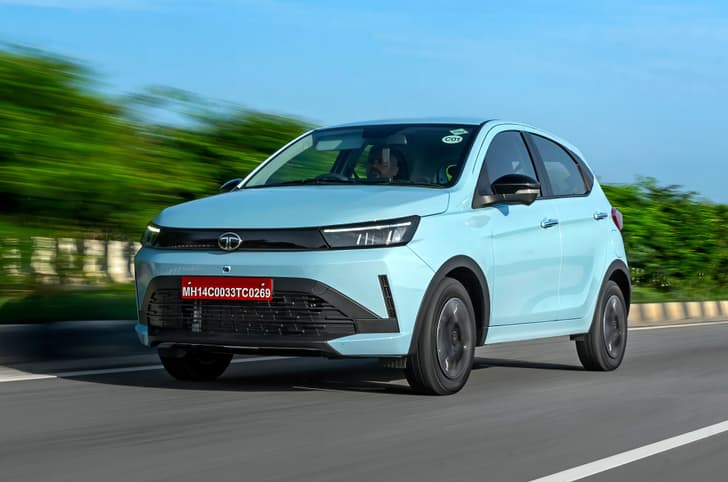
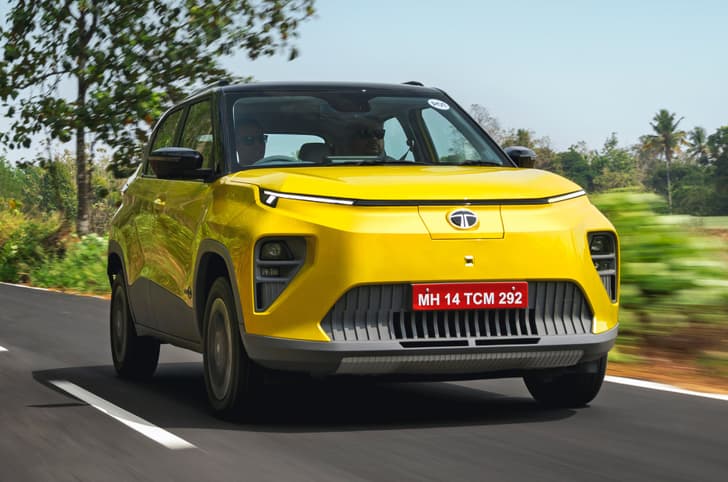
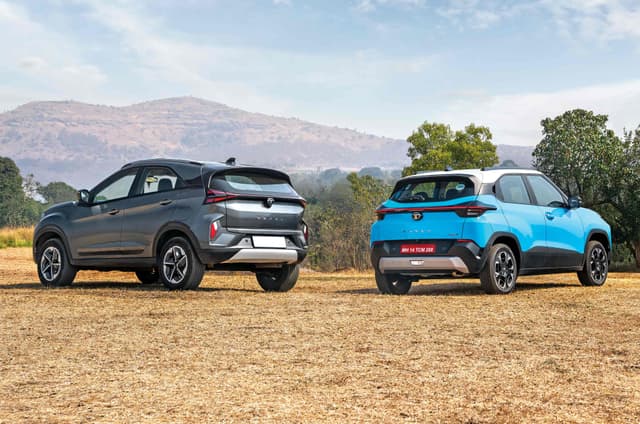
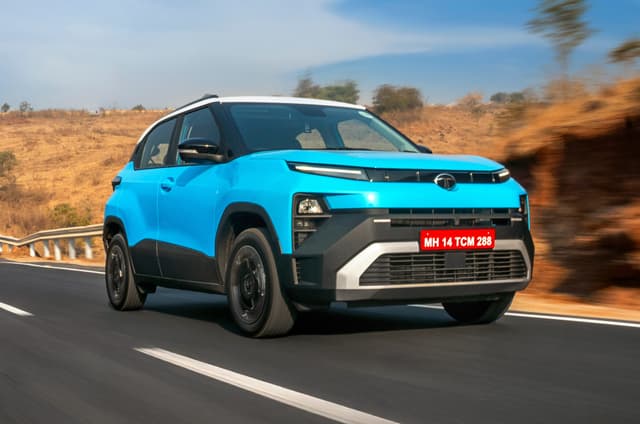
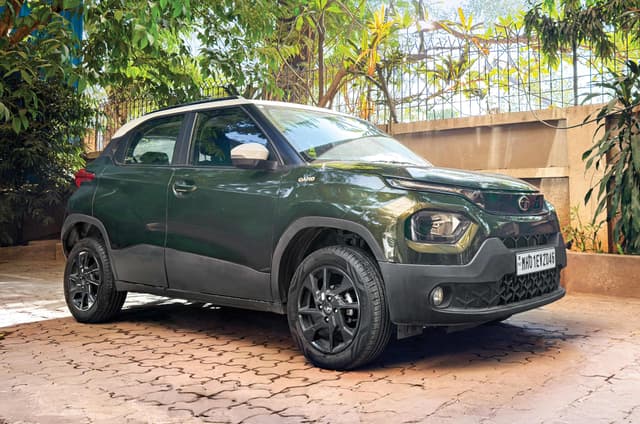
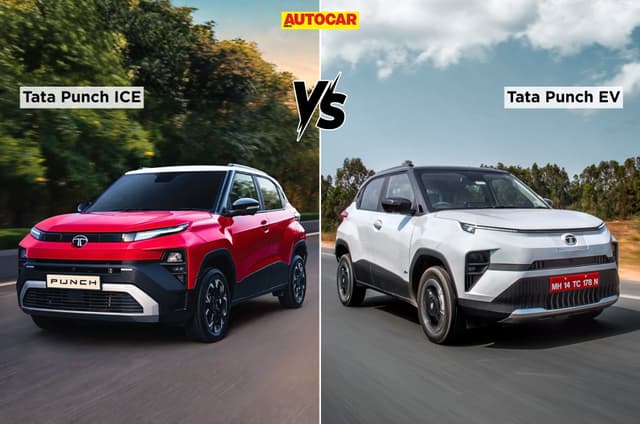
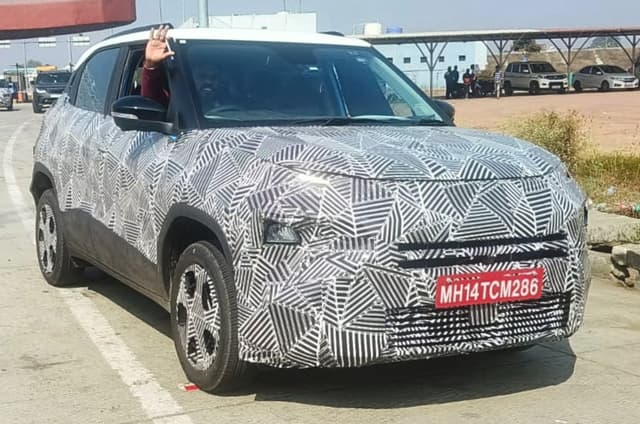
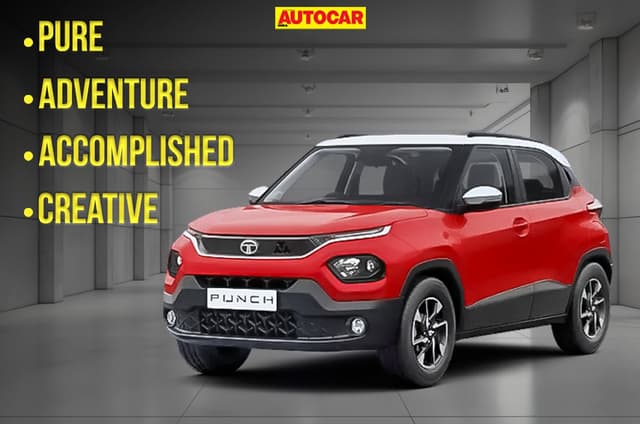
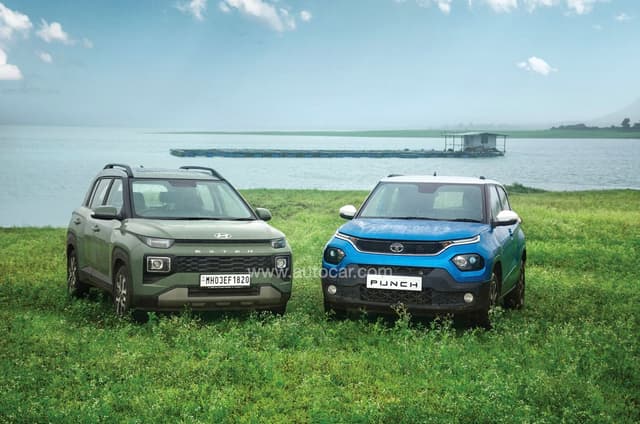
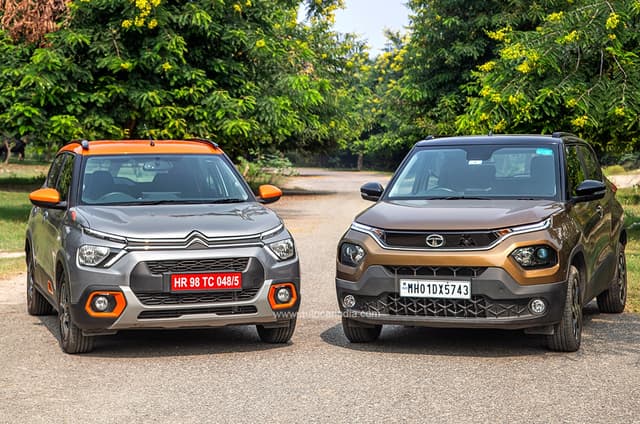
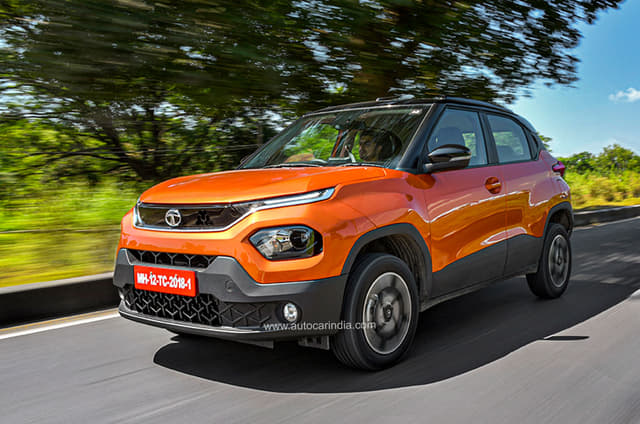
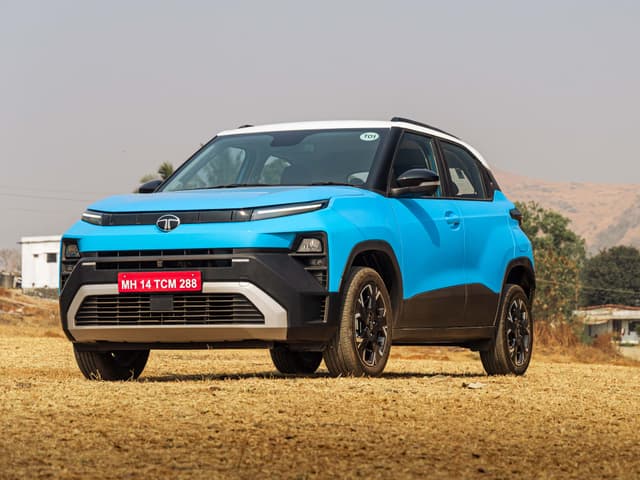
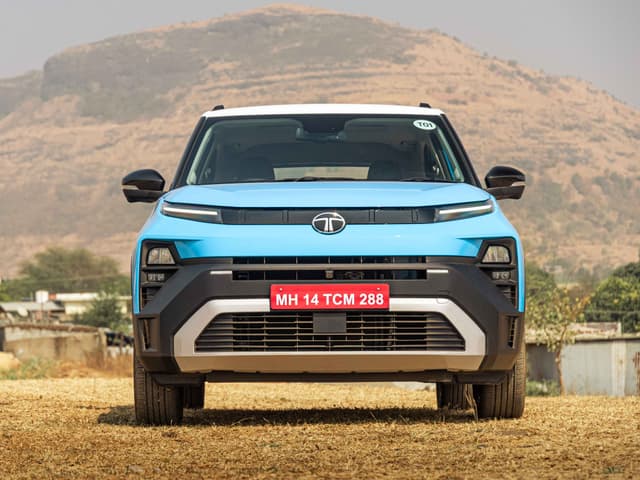
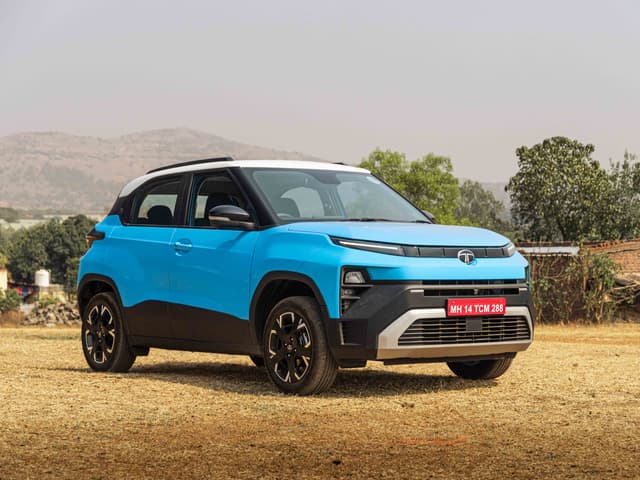
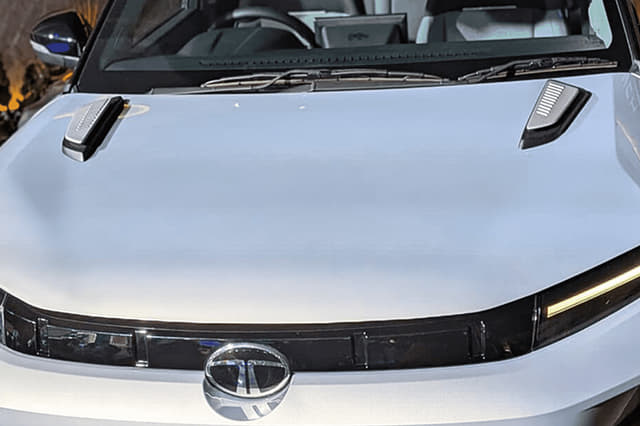
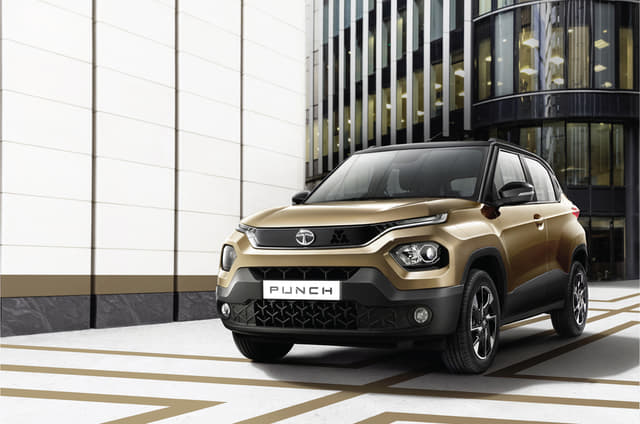
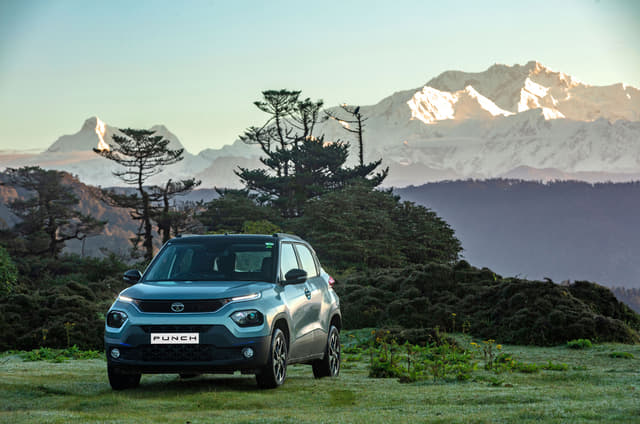
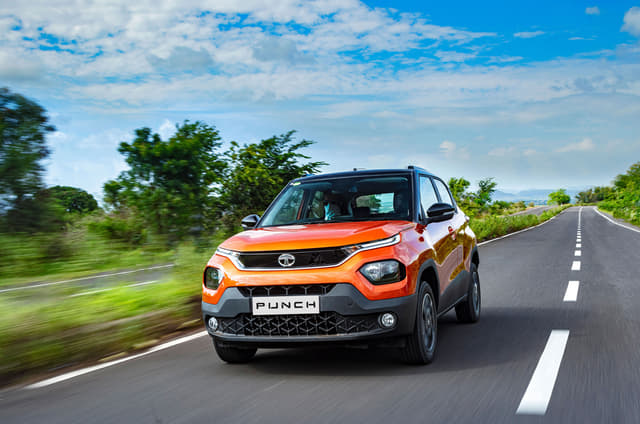
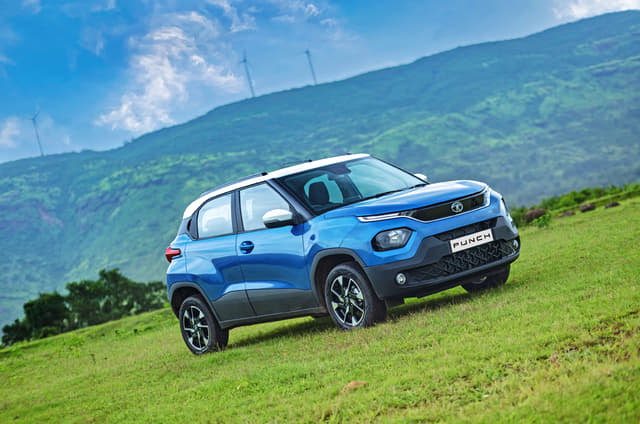
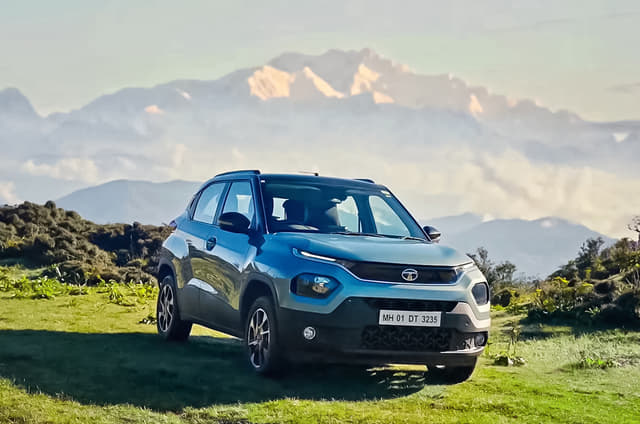
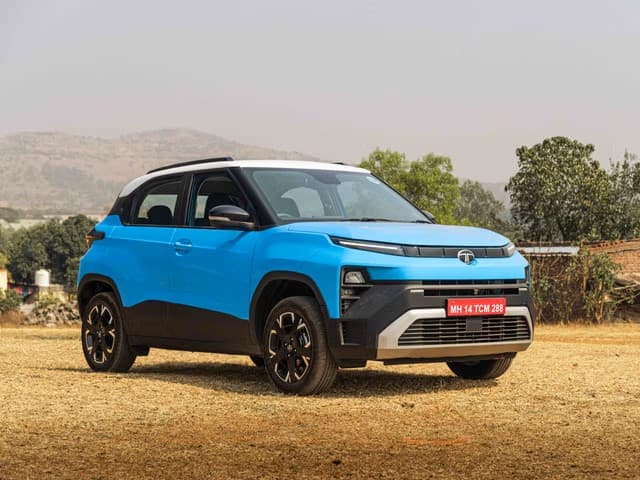
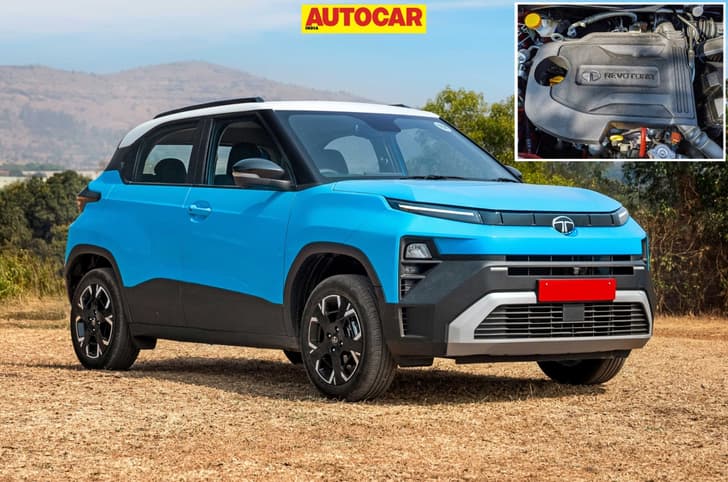
With the facelift, the Punch’s design has been aligned with the Punch EV that debuted in 2024, giving it a more contemporary face. Up front, you get vertically stacked LED headlamps positioned in the bumper, with LED DRLs placed higher up within gloss-black trim. Unlike the EV, there’s no lightbar here, but the execution still looks clean. The reworked bumper features thick black body cladding and a silver surround for the air intake, lending the Punch a slightly more muscular and rugged stance.
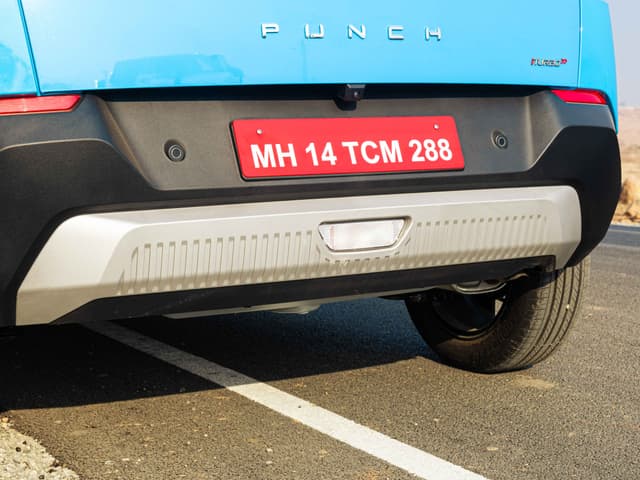
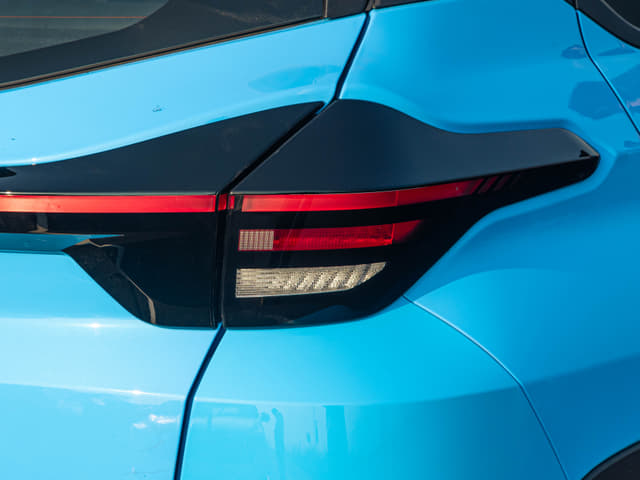
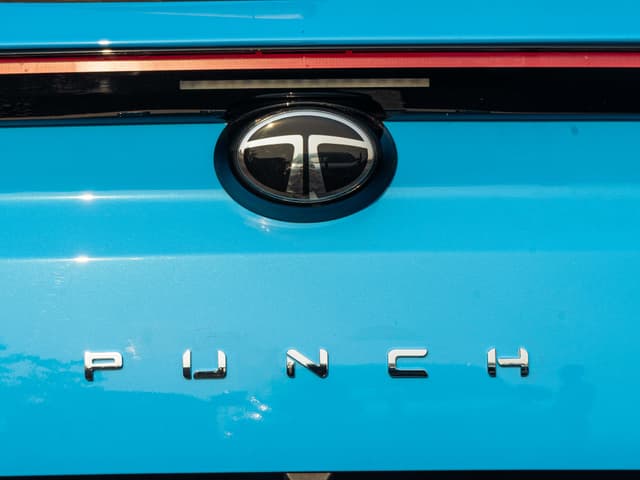
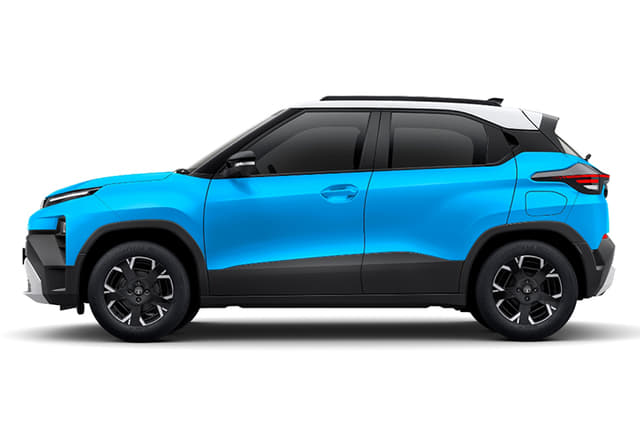
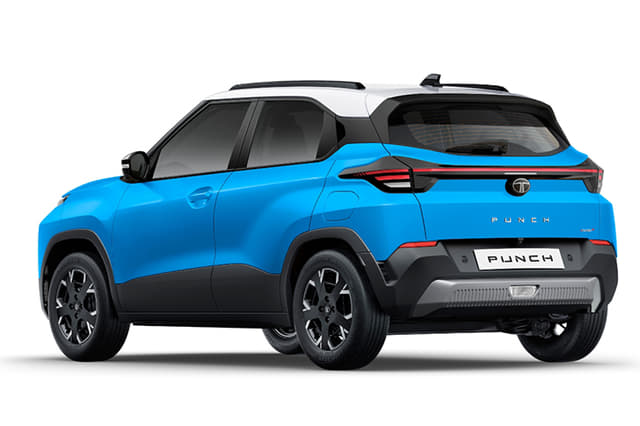
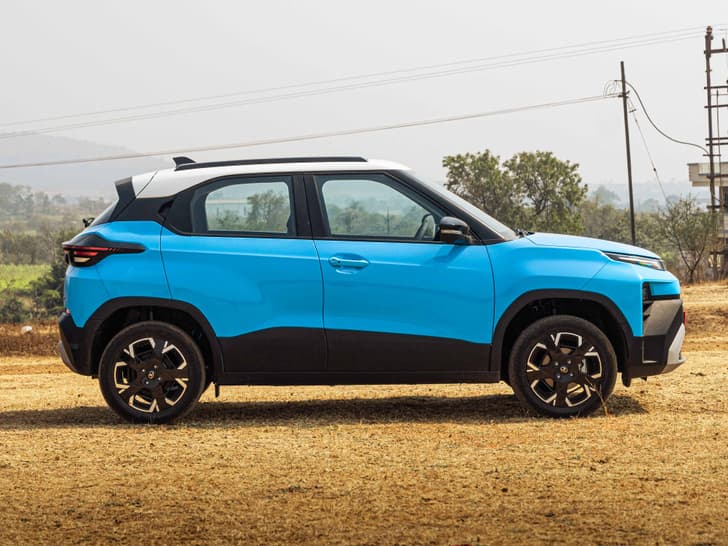
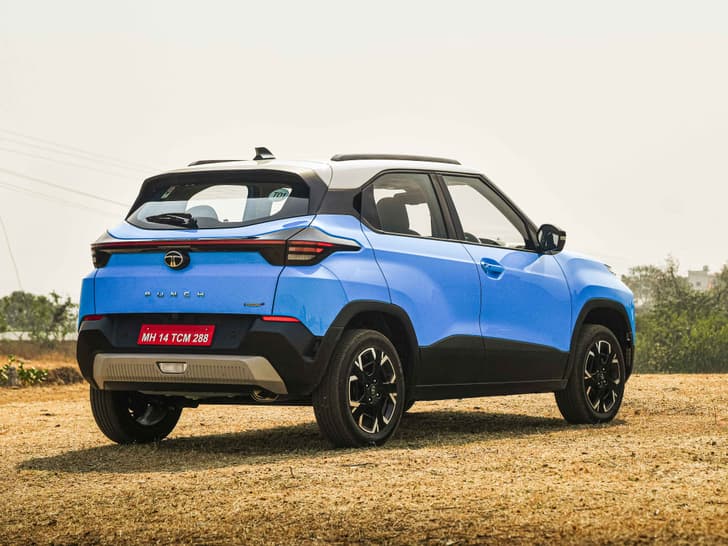
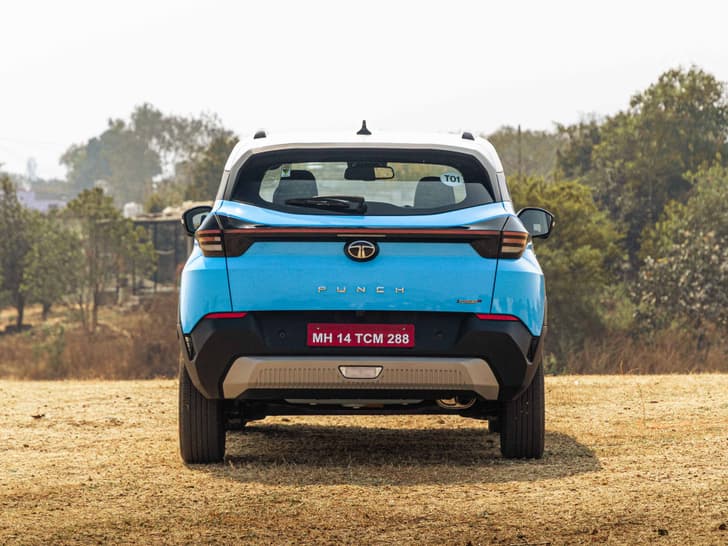
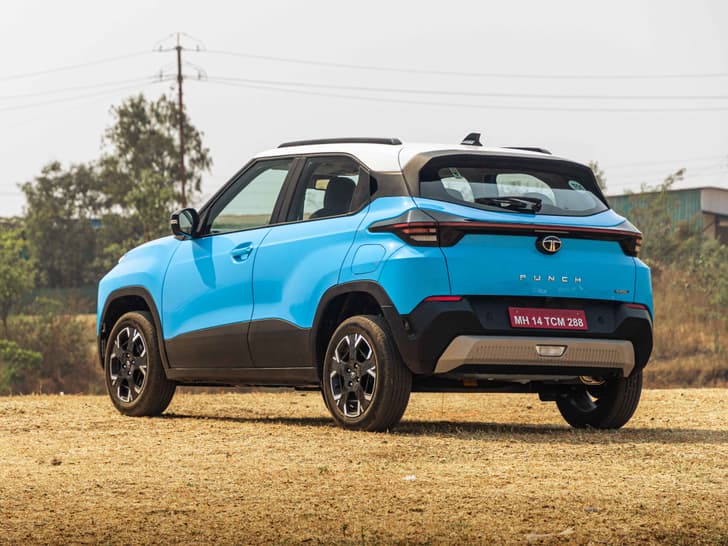
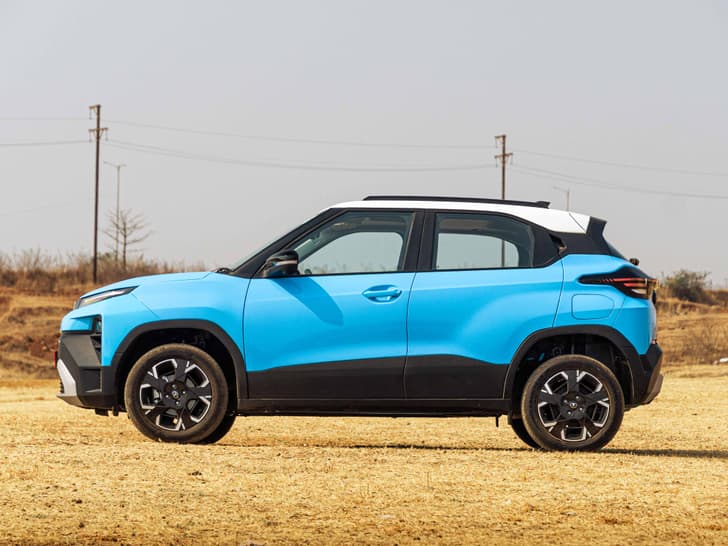
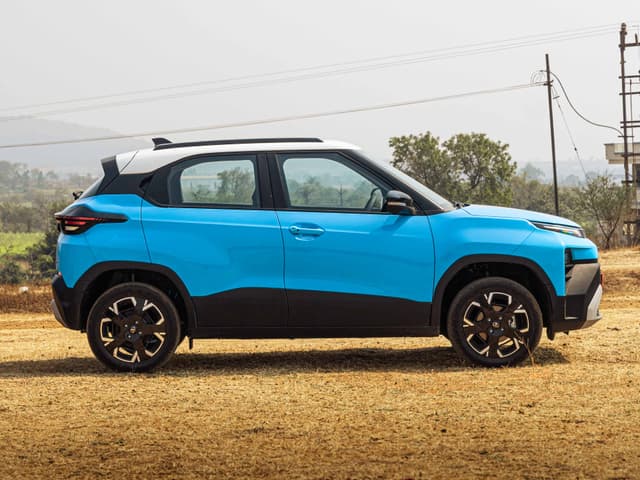
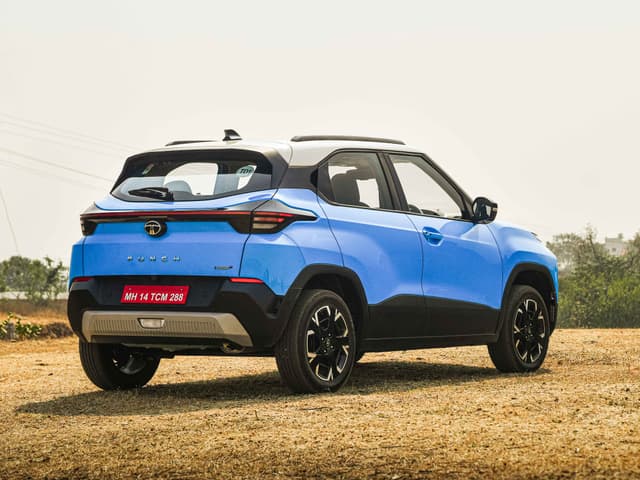
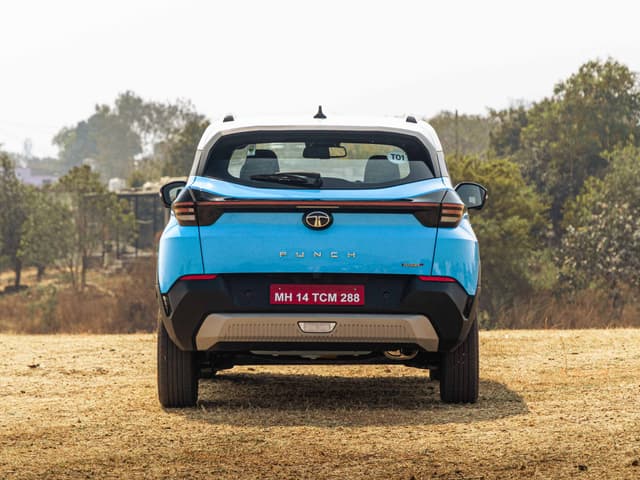
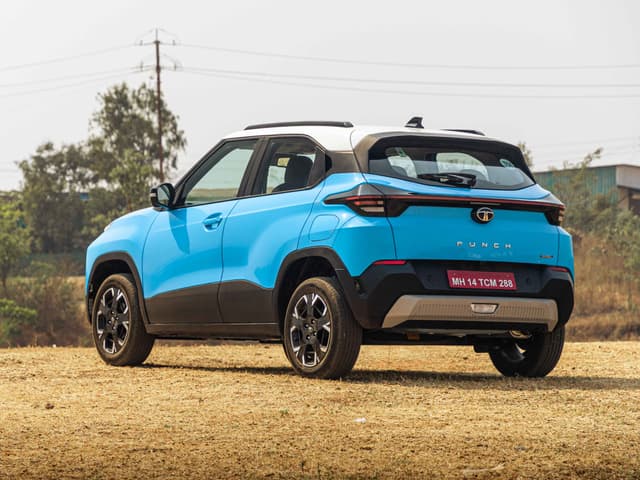
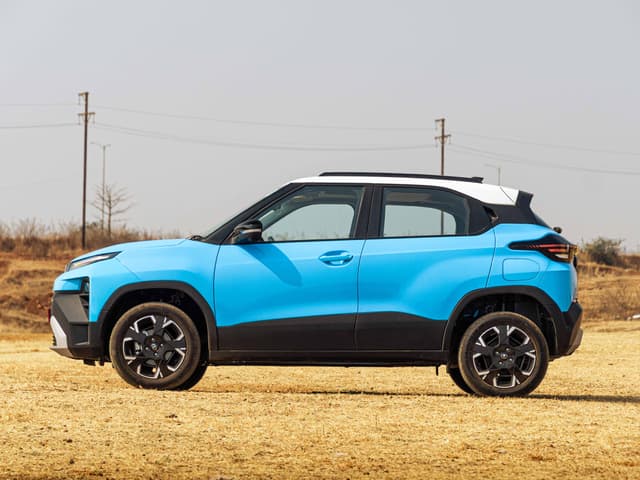
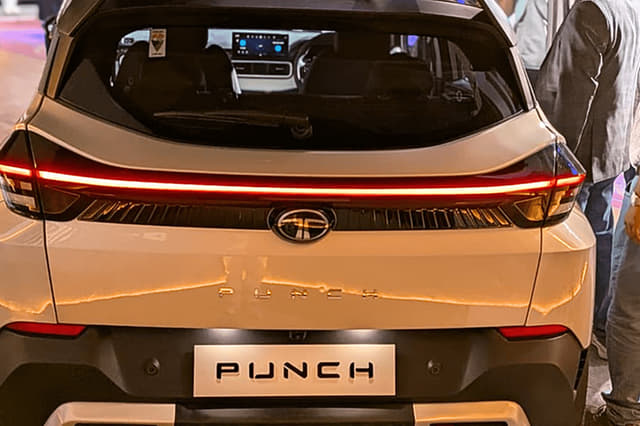
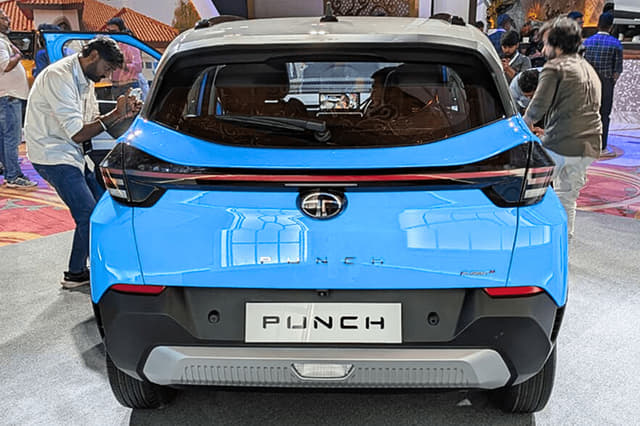
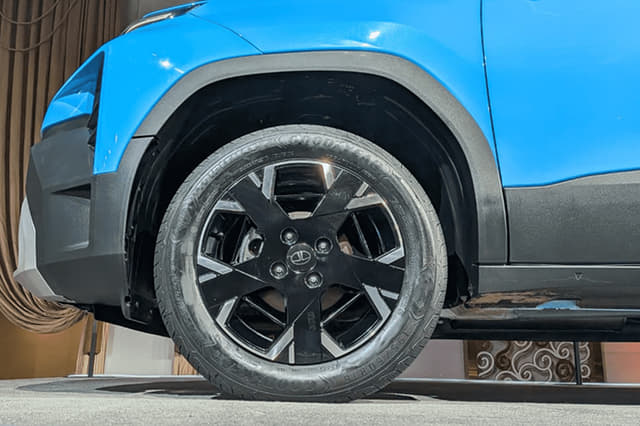
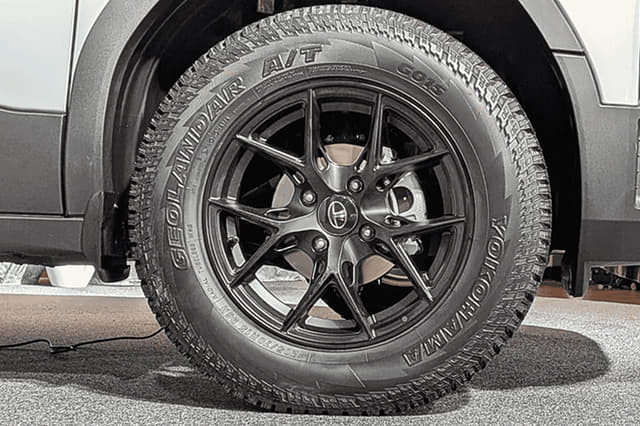
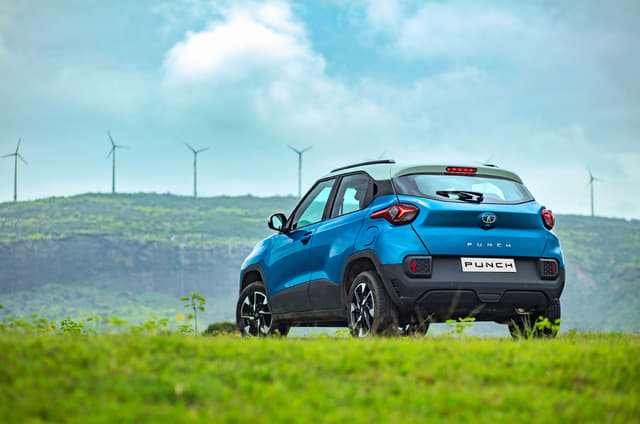
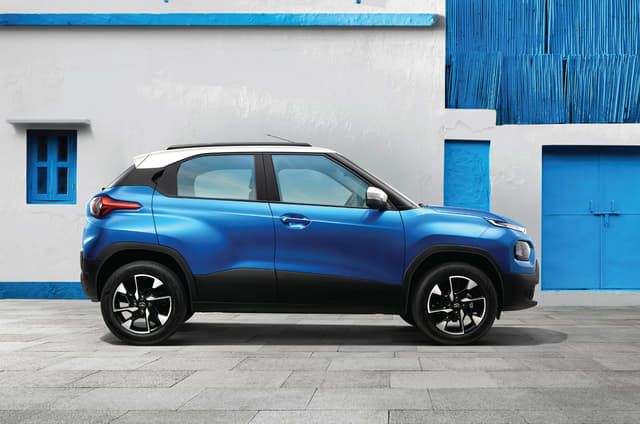
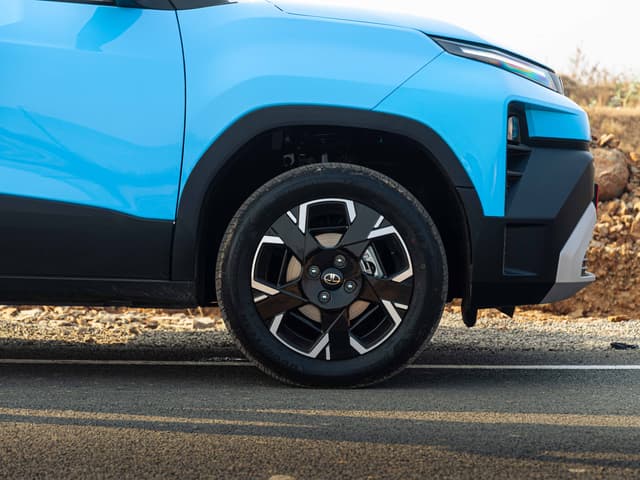
In profile, changes are minimal, with the silhouette remaining the same. The most noticeable update is the new 16-inch dual-tone alloy wheels. At the rear, the facelift brings new LED tail-lamps connected by a light bar, which visually widens the car and aligns it with Tata’s newer models. A revised rear bumper with a faux silver skid plate rounds off the SUV-inspired look.
The Punch facelift is offered in six colours: Bengal Rouge, Caramel, Coorg Clouds, Cyantafic, Daytona Grey and Pristine White, with the first four being all-new additions. It continues to sit on Tata’s ALFA platform and retains 90-degree opening doors for easy access. Ground clearance is 193mm, while water-wading capacity is rated at 400mm.

8
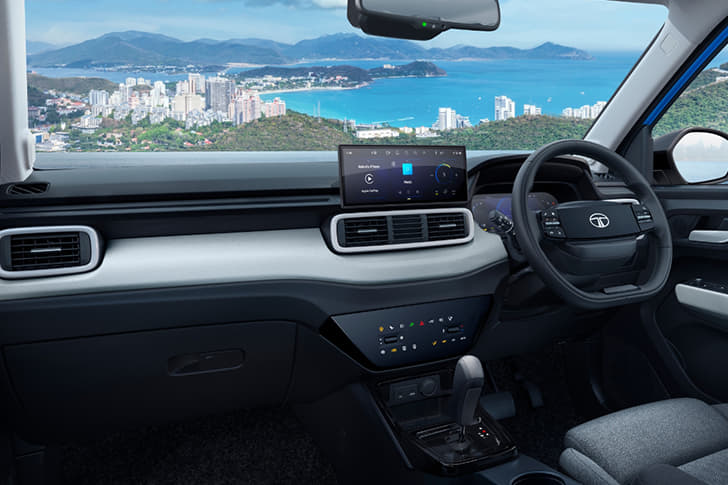
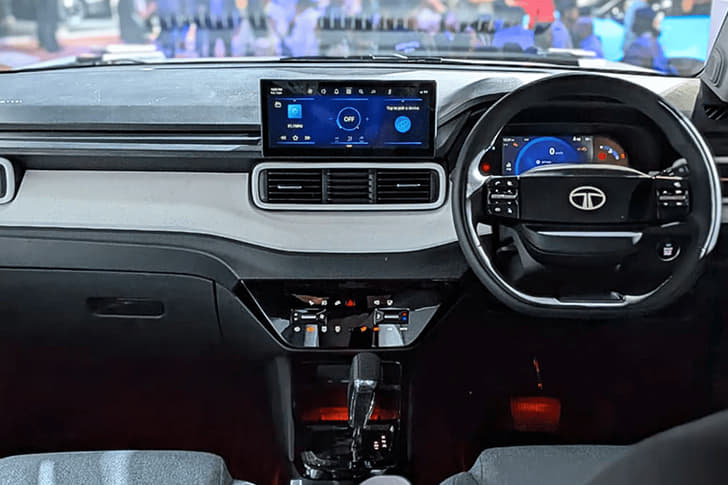
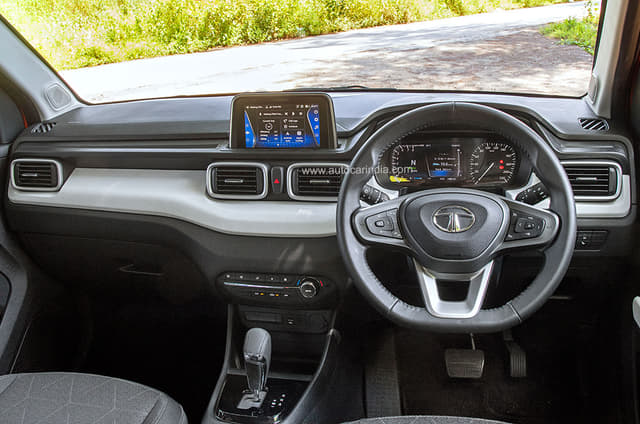
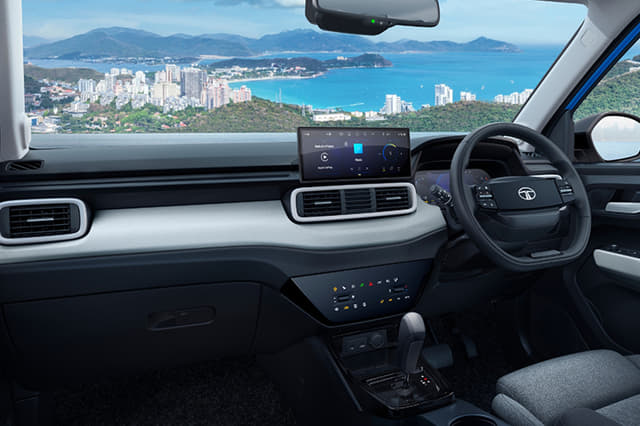
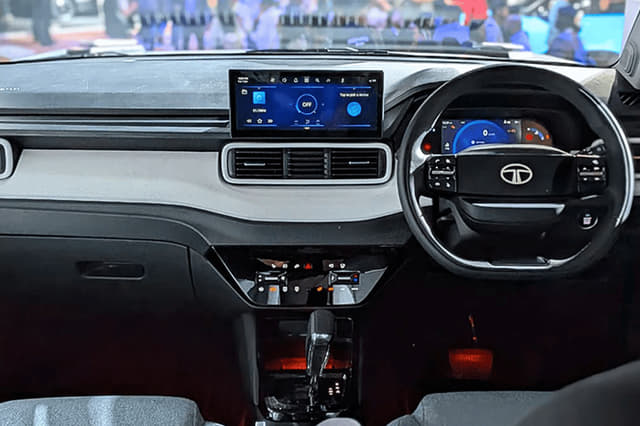
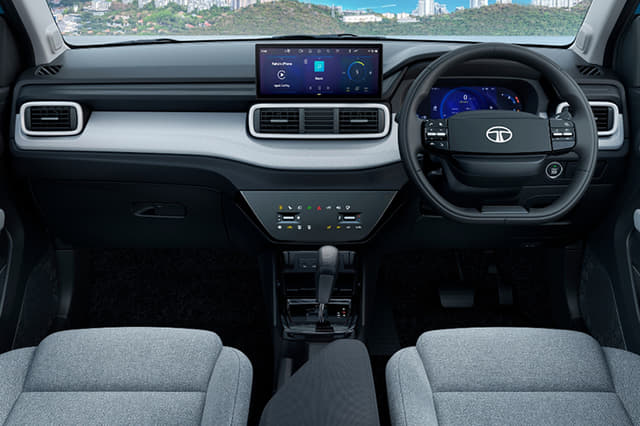
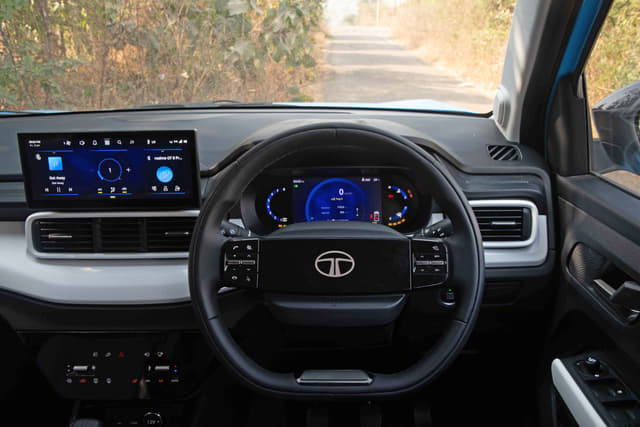
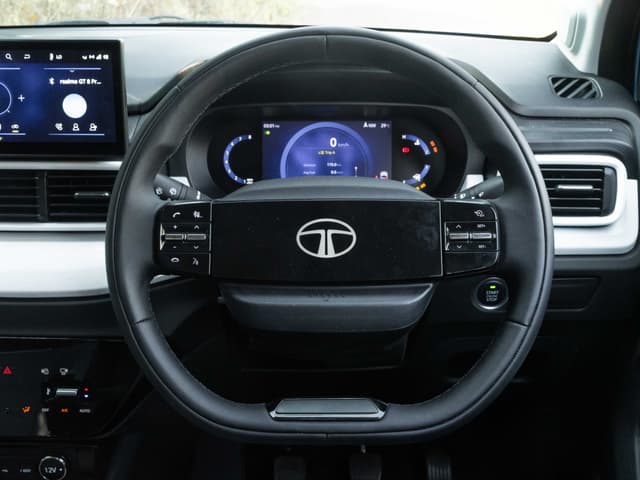
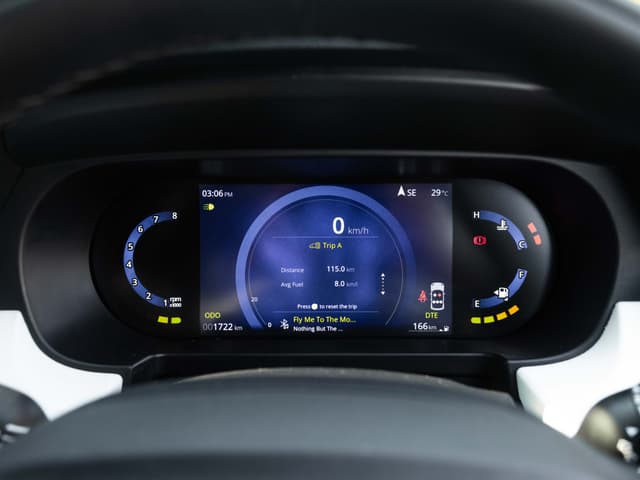
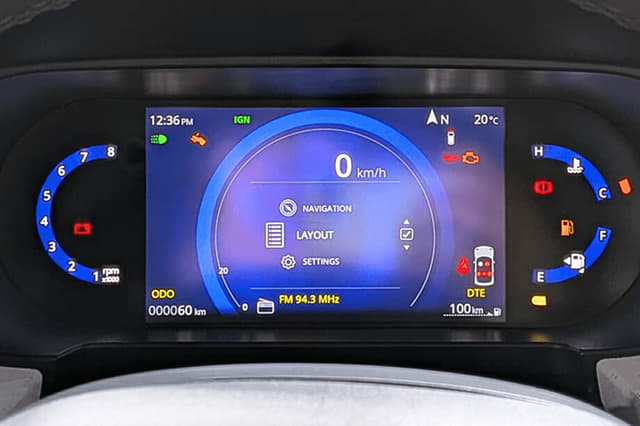
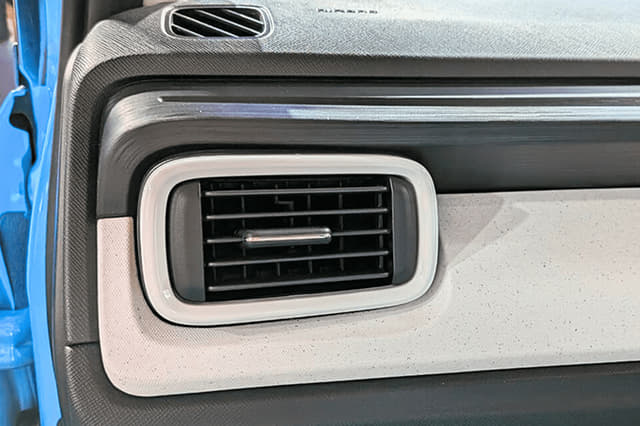
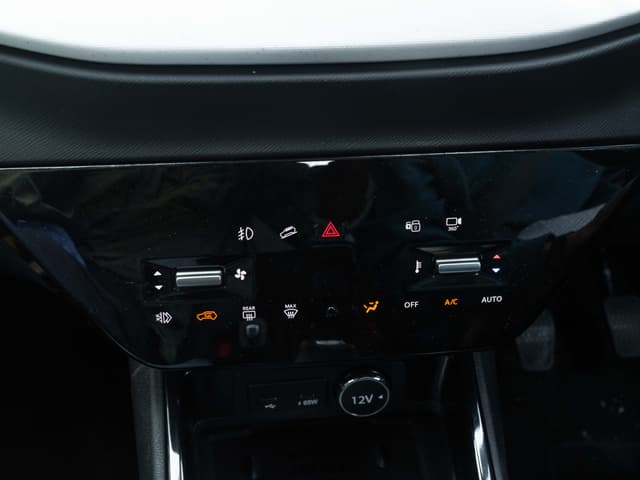
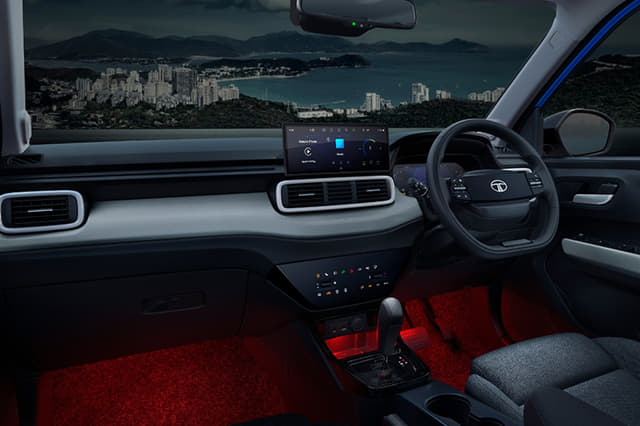
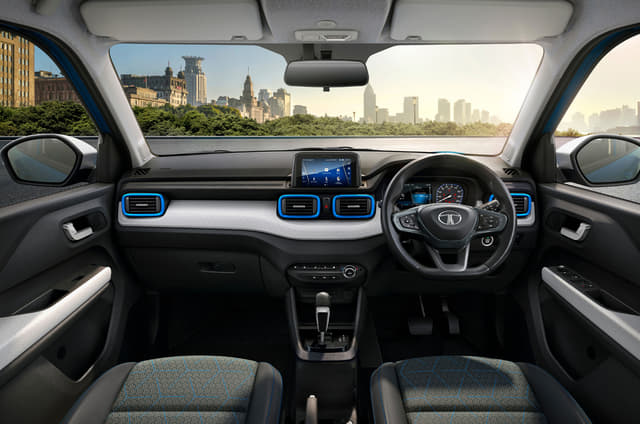
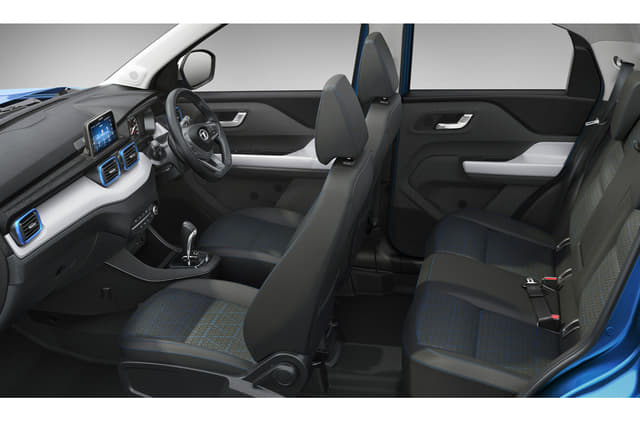
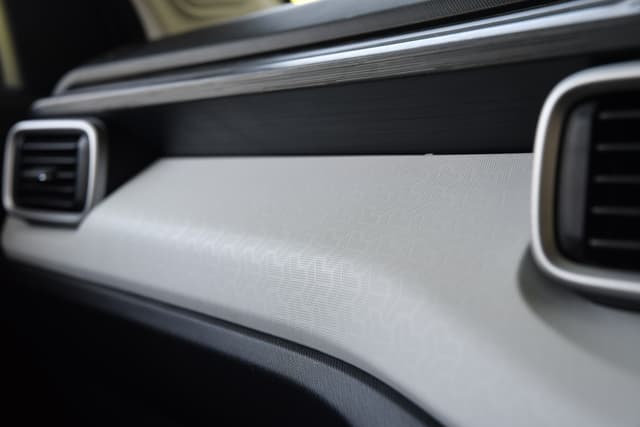
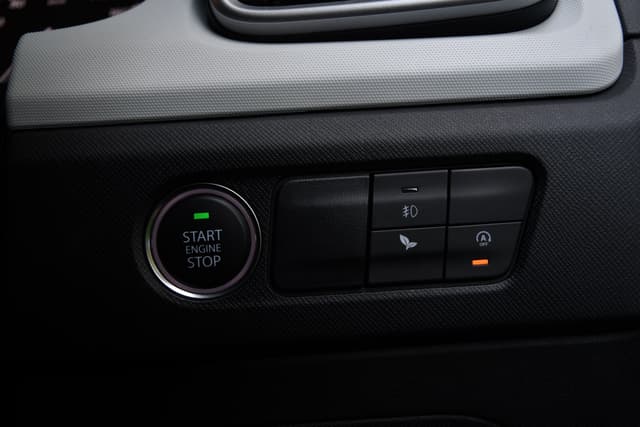
Inside, the layout is largely familiar, though there are some notable updates. The new two-spoke steering wheel with an illuminated Tata logo adds a more premium touch, while the revised touch-based climate control panel looks modern but isn’t very intuitive to use on the move. Top-spec variants now get a 7-inch digital instrument cluster with customisable displays, though some information appears a bit small. In the CNG version, it also shows petrol versus CNG usage.
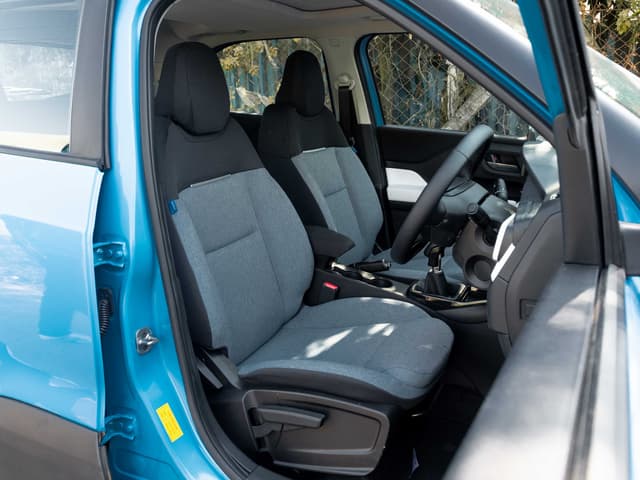
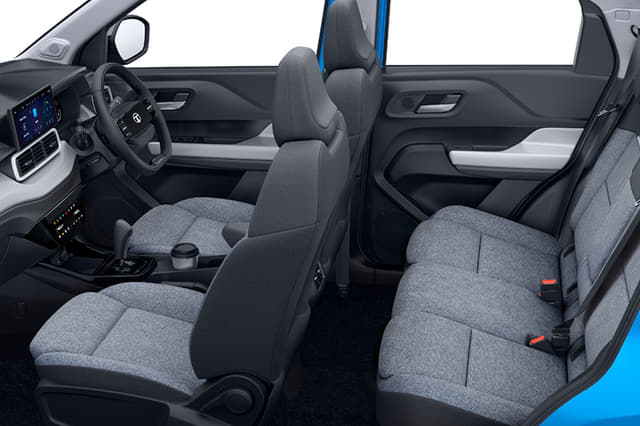
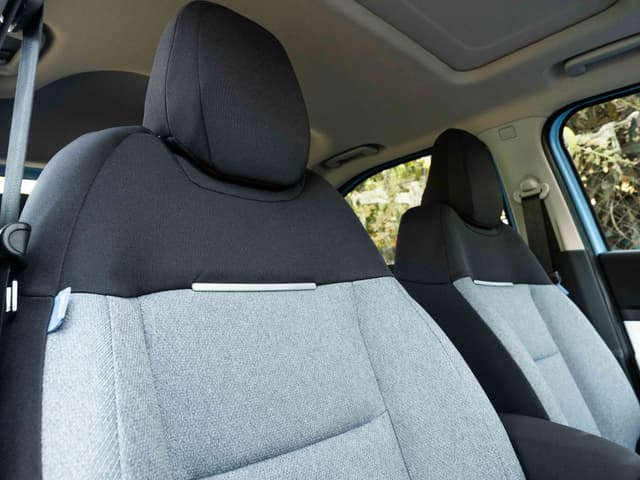
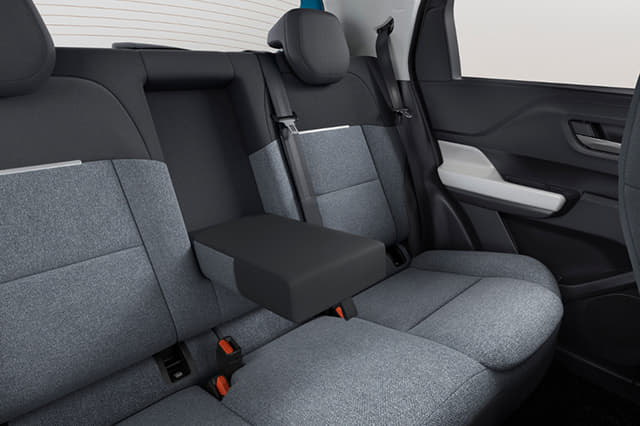
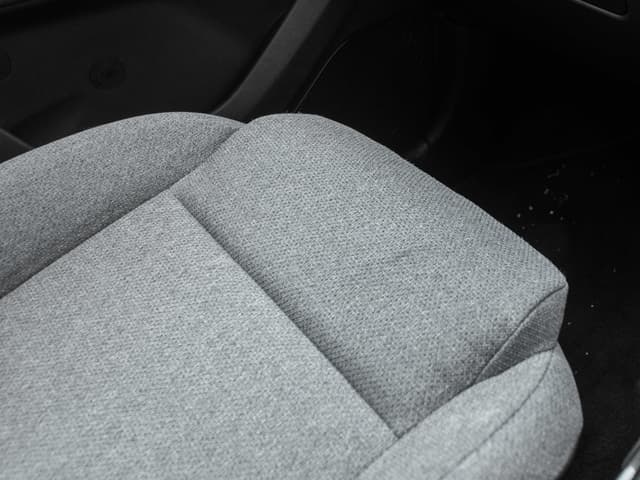
The seats retain fabric upholstery but now feature a refreshed design inspired by the Punch EV, finished in a black-and-grey theme. They’re well-cushioned, and the high seating position offers good visibility. A significant upgrade is the addition of extended thigh support for both front and rear seats, which improves long-distance comfort.
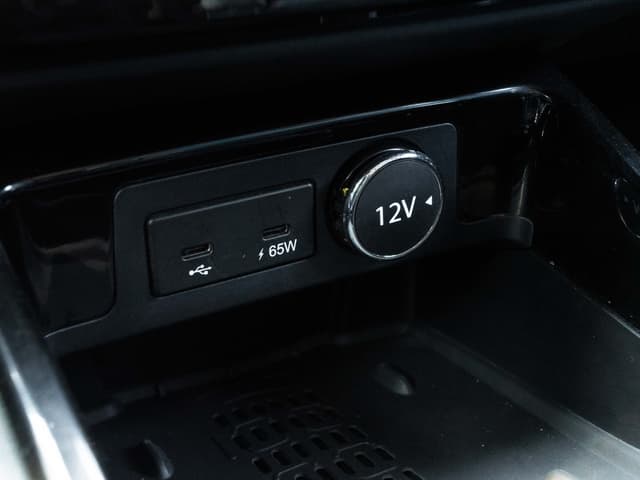
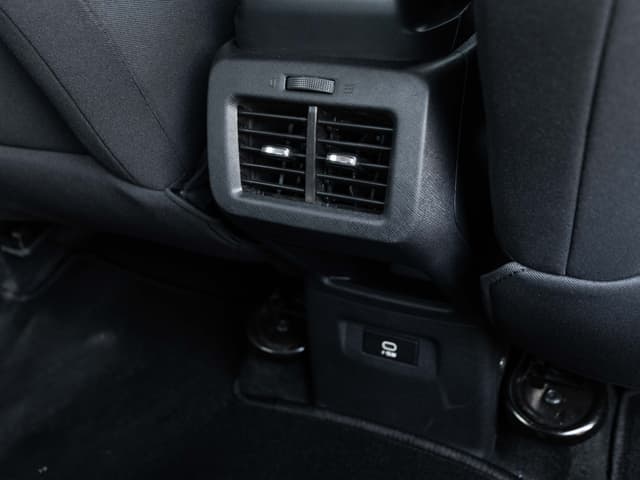
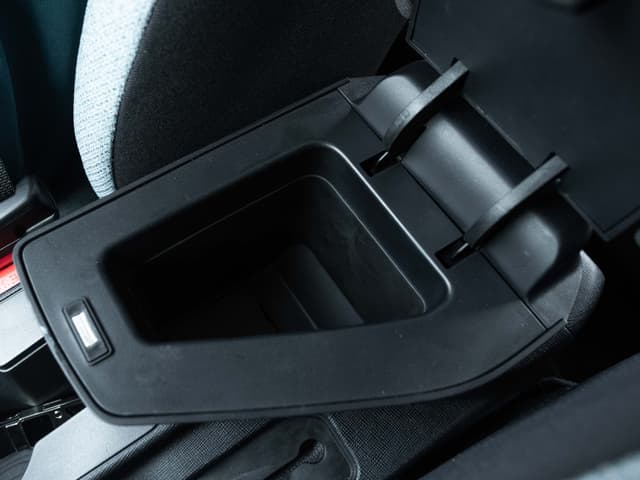
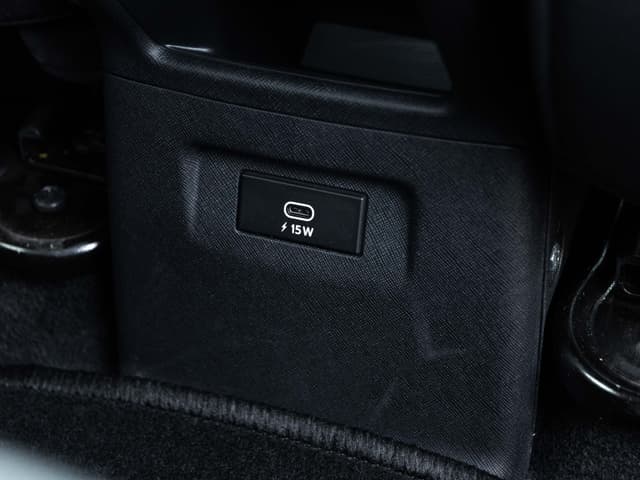
Rear-seat space remains generous for the segment, with good kneeroom and a flat floor that aids comfort for a third passenger. That said, the backrest feels slightly upright, headroom will be tight for taller occupants, and only the outer rear passengers get adjustable headrests. On the plus side, rear AC vents, a type-C charging port and a fold-down centre armrest have been added.
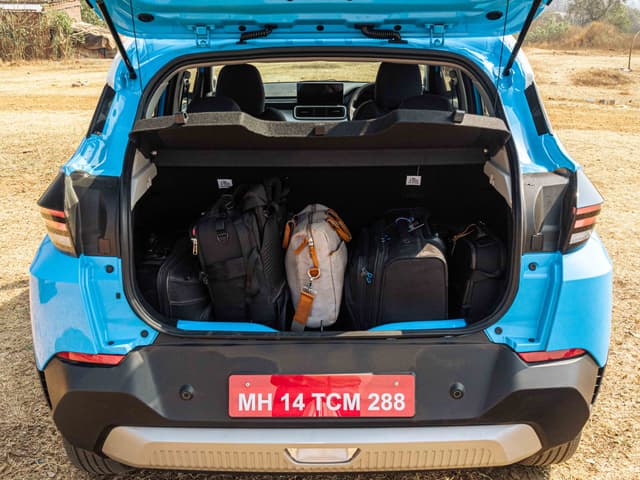
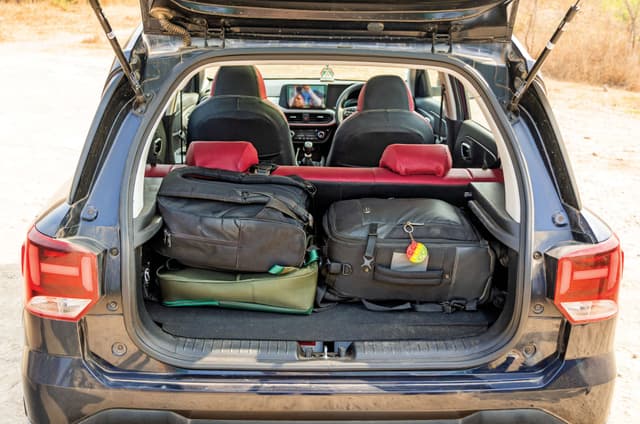
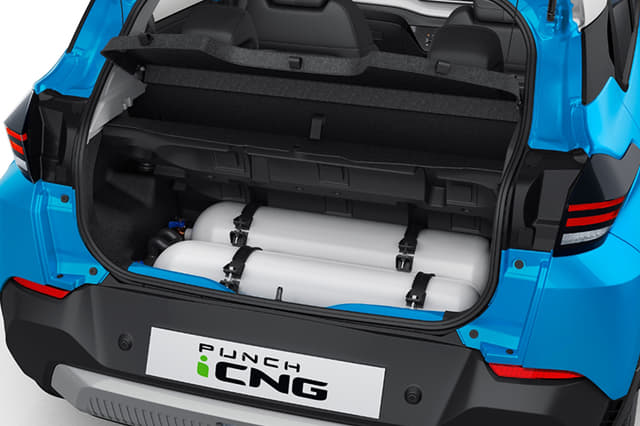
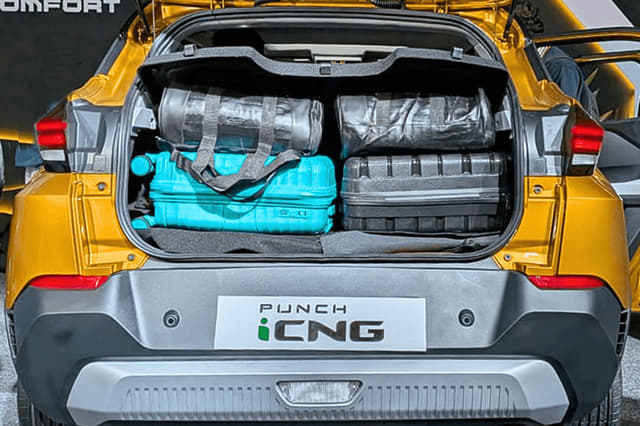
Boot space stands at 366 litres for petrol versions and 210 litres for CNGs, with both getting a spare wheel mounted under the car.
8
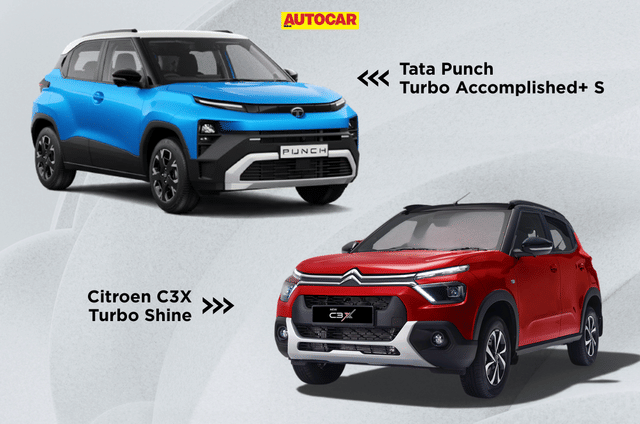
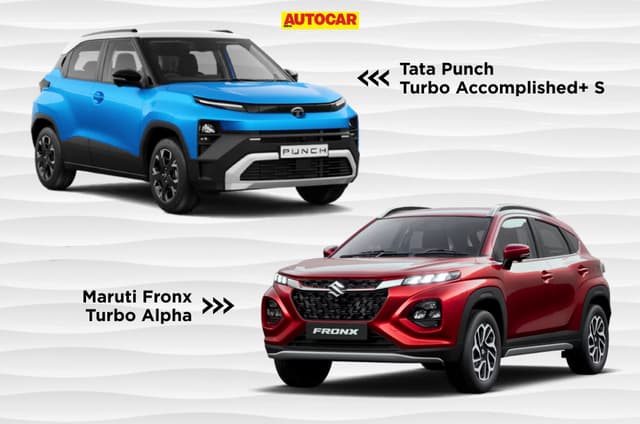
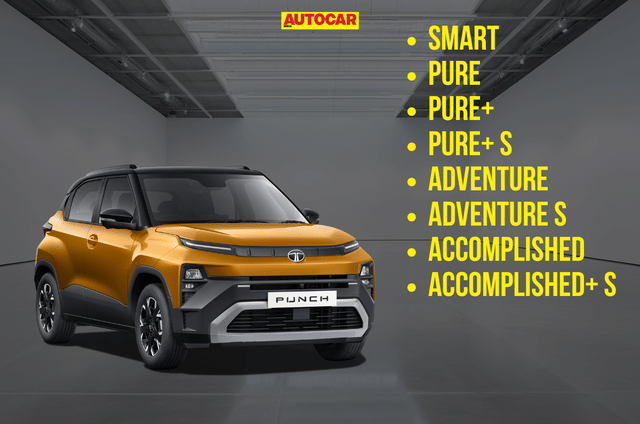
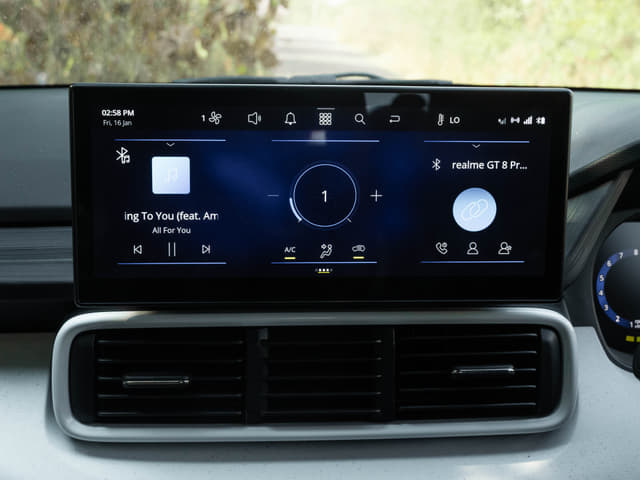
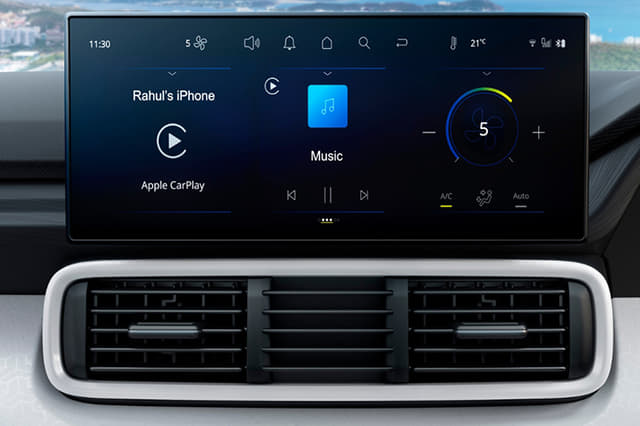
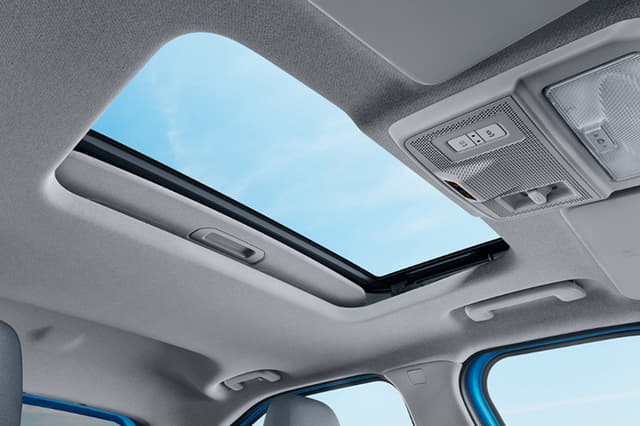
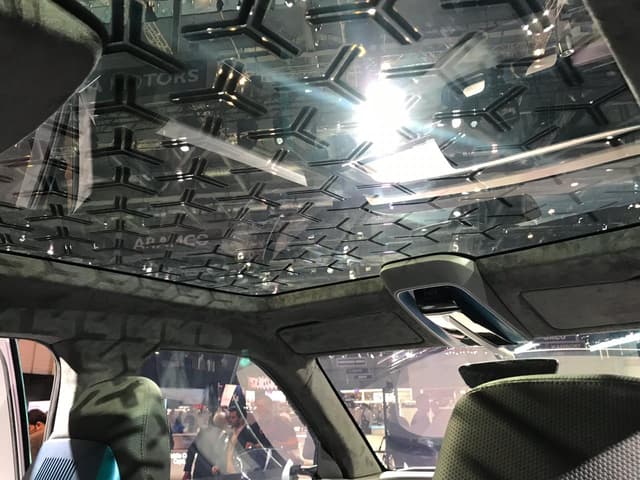
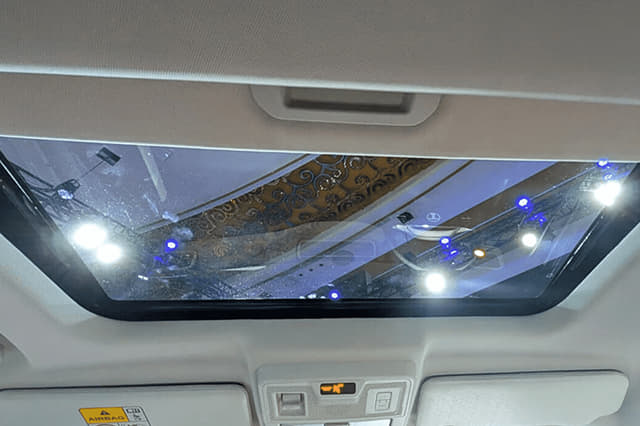
The Punch remains well equipped, especially in the range-topping Accomplished+ S trim. Highlights include a 10.25-inch touchscreen with wireless smartphone connectivity, a single-pane sunroof, auto climate control, connected tech, ambient lighting, blind-spot monitoring, cruise control and 16-inch alloys.

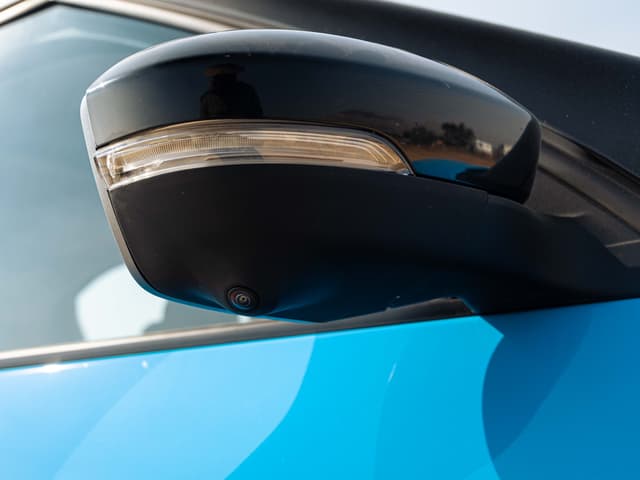
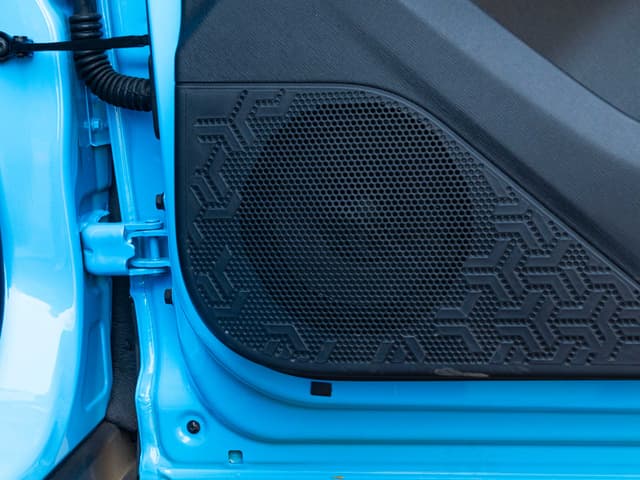
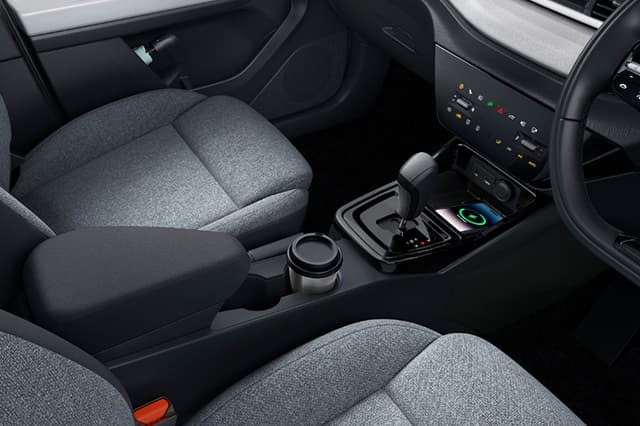
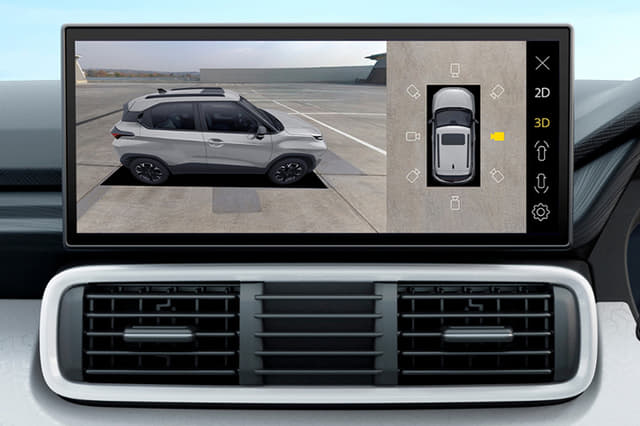
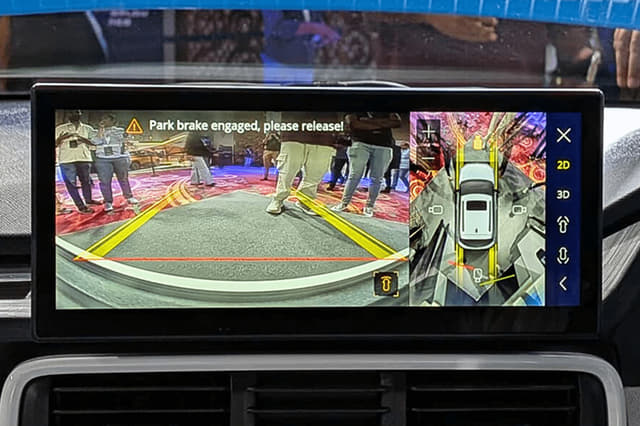
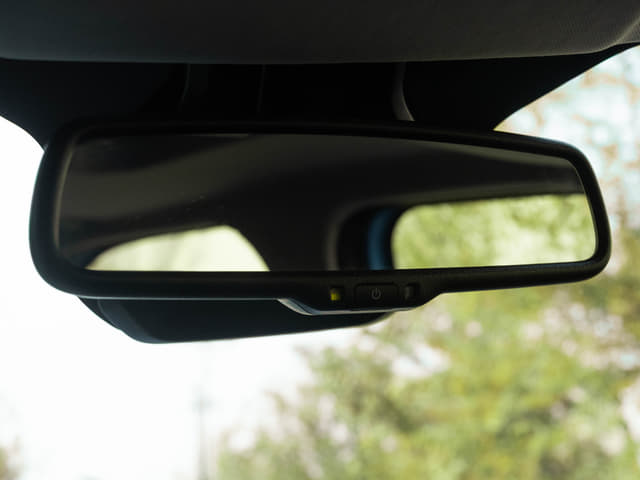
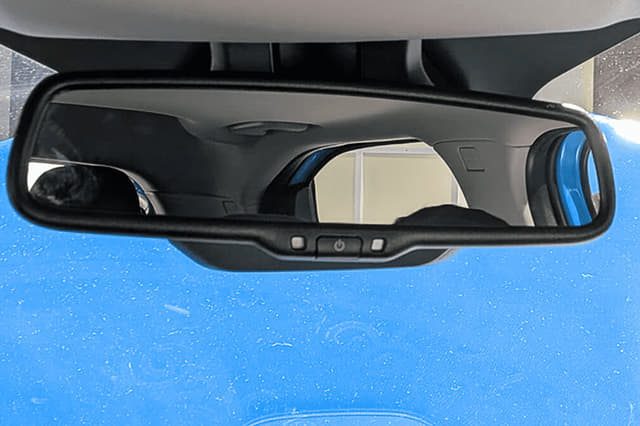
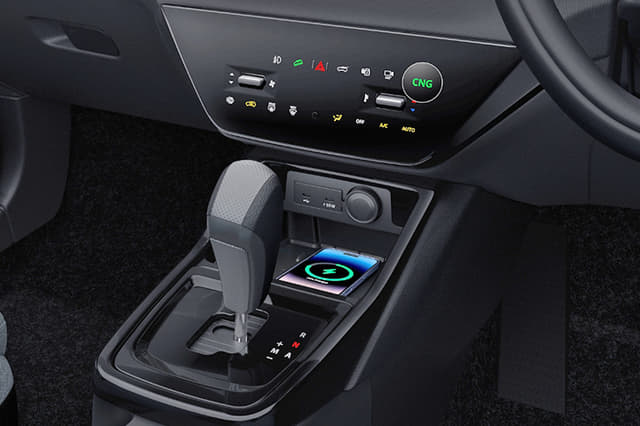
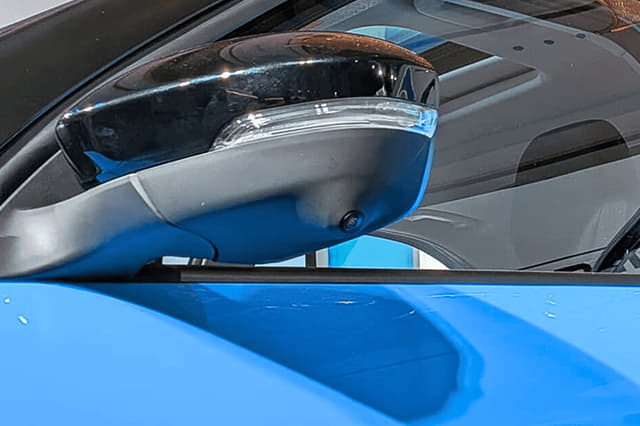
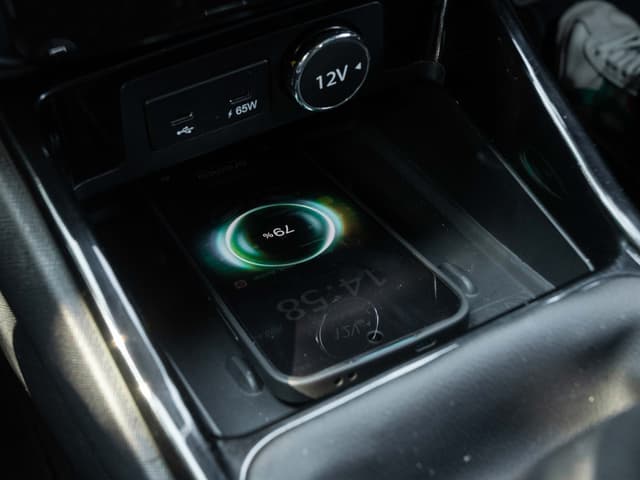
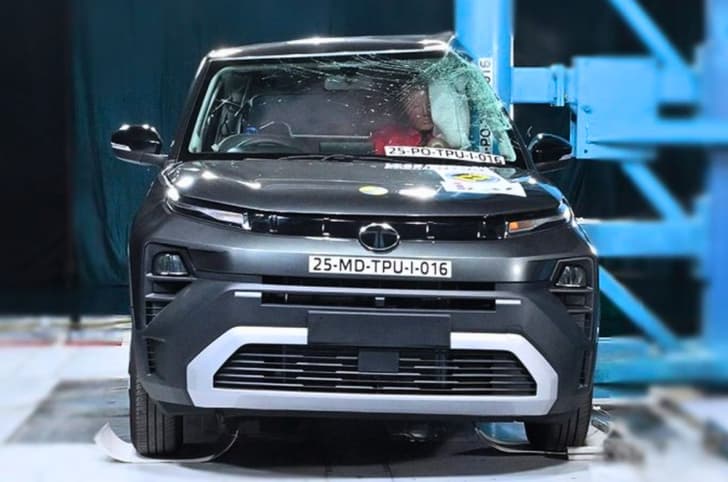
New additions include the 7-inch digital instrument cluster, a sharp 360-degree camera, wireless phone charging, an auto-dimming IRVM and an 8-speaker sound system. Safety is comprehensive, with six airbags as standard, ESP, TPMS, hill hold and descent control, ISOFIX mounts and three-point seat belts for all passengers. The Punch facelift has also earned a 5-star Bharat NCAP rating.
9
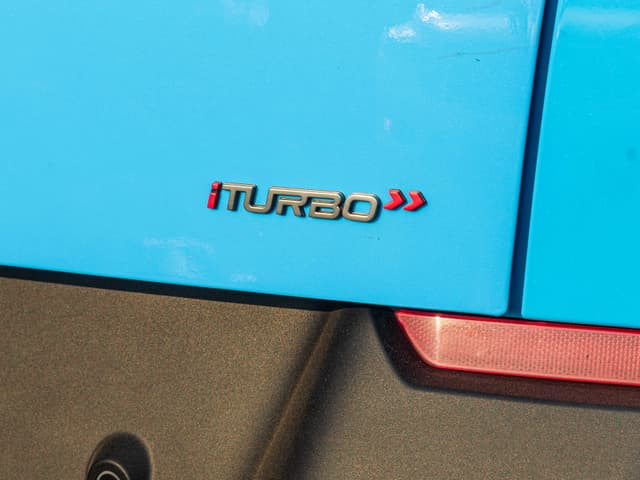
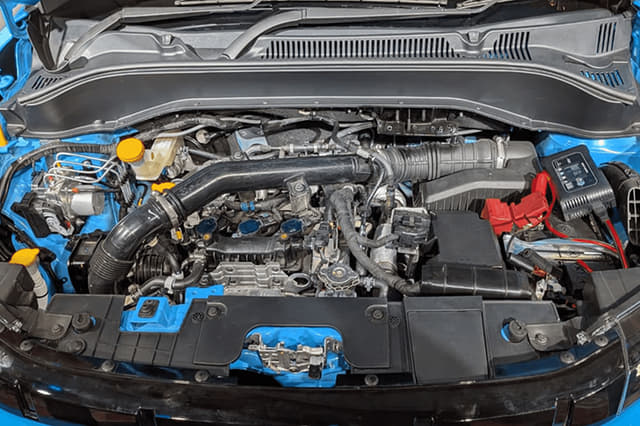
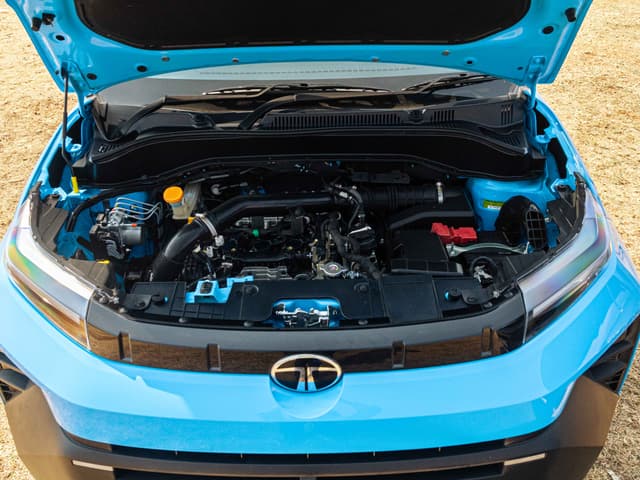
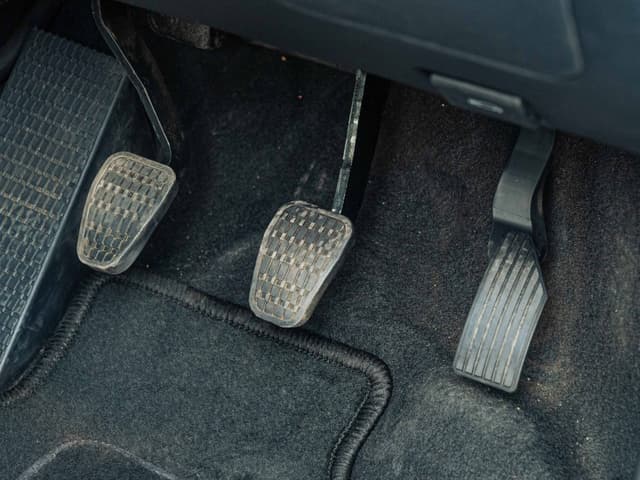
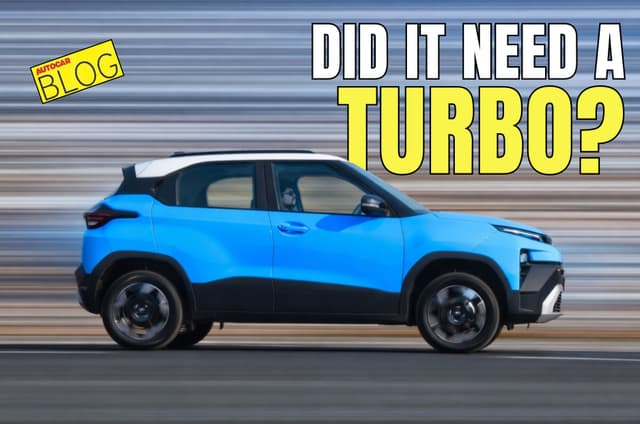
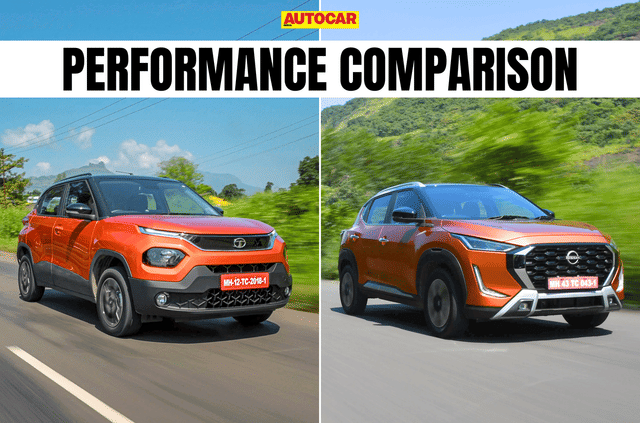
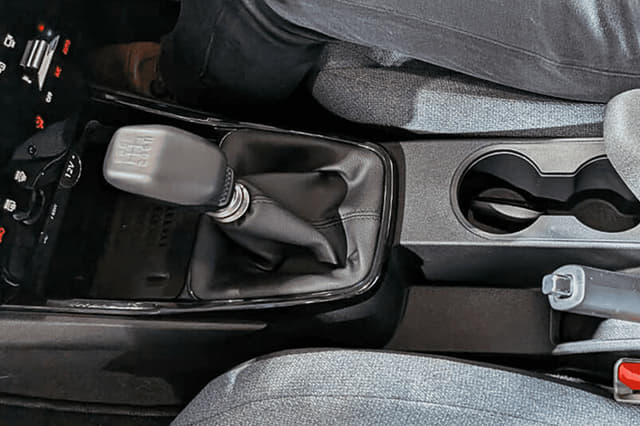
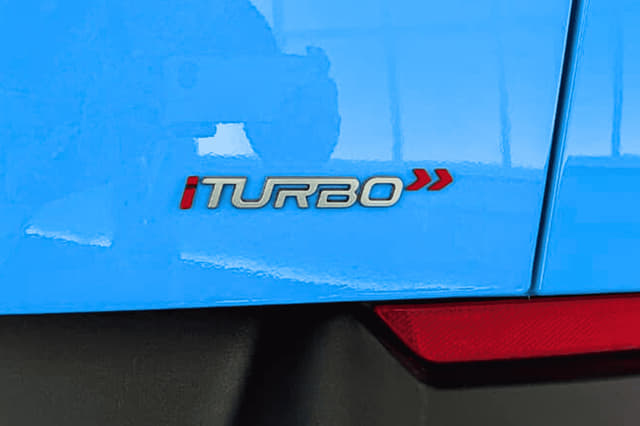
Unusually for a facelift, Tata has introduced two new powertrains: a turbo-petrol manual and a CNG-AMT. The 1.2-litre turbo-petrol, borrowed from the Nexon, produces 120hp and 170Nm and is paired with a 6-speed manual. It transforms the Punch, delivering strong performance and eager responses, with Tata claiming a 0-100kph time of 11.1sec. The gearbox, however, has a heavy clutch and slightly notchy shifts when driven hard.
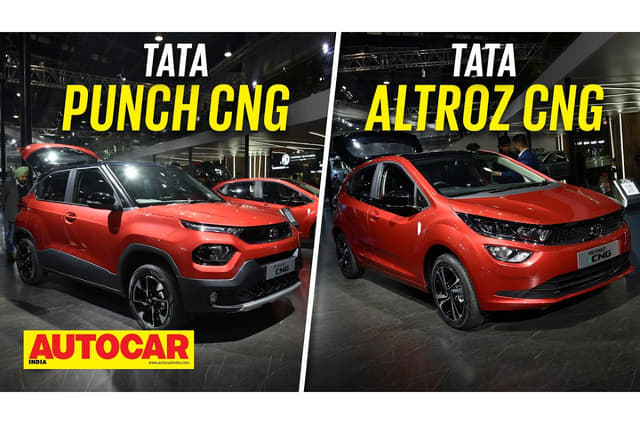
The CNG-AMT uses the familiar 1.2-litre naturally aspirated engine with 73hp and 103Nm. Performance is modest, but it’s adequate for city use and relaxed highway driving. The AMT behaves well when driven gently, and the transition between petrol and CNG modes is smooth. Dual CNG cylinders under the floor help preserve boot space, and Tata has added CNG-specific safety features.
8
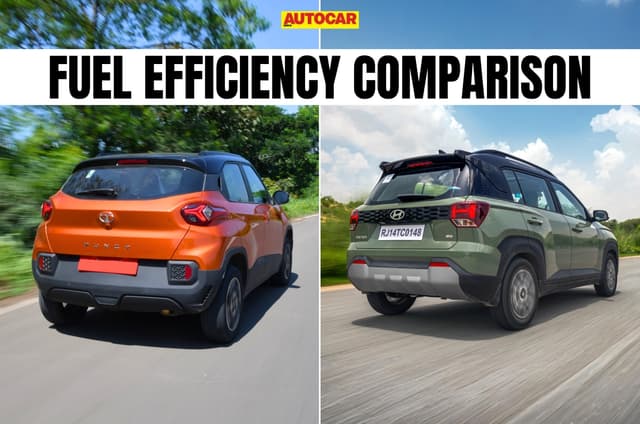
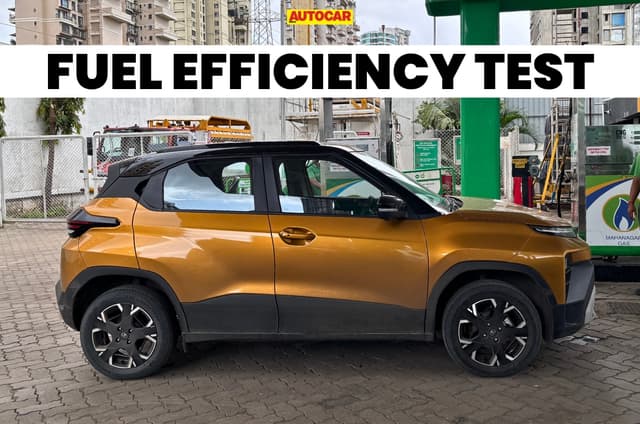
We couldn’t conduct real-world mileage tests, and official figures are yet to be revealed. One downside is that the turbo-petrol’s MID doesn’t display efficiency below 8kpl, which can be misleading.
7
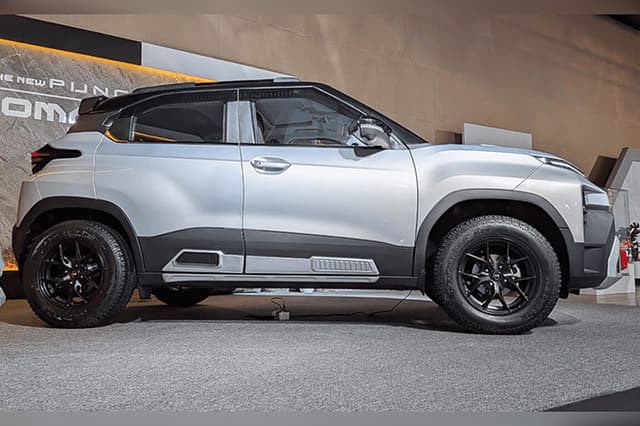
Ride and handling remain standout strengths. The suspension feels robust, soaking up rough roads with composure, while stability at higher speeds is excellent. The light steering is city-friendly yet consistent on the highway, and body control through corners is impressive. Even on an off-road course, the Punch performed admirably, backed by strong, progressive brakes.
9
Prices start at Rs 5.59 lakh, but top variants stretch up to Rs 10.54 lakh, overlapping with the Nexon. While the naturally aspirated petrol remains a weak point, the turbo-petrol finally adds the punch the SUV needed, and the CNG-AMT broadens its appeal. Overall, the updated Punch builds on its strengths and looks set to continue its strong sales run.
7
Reviewed by: Soham Thakur
Tata Punch reviews

Tata Punch Images
Tata Punch videos