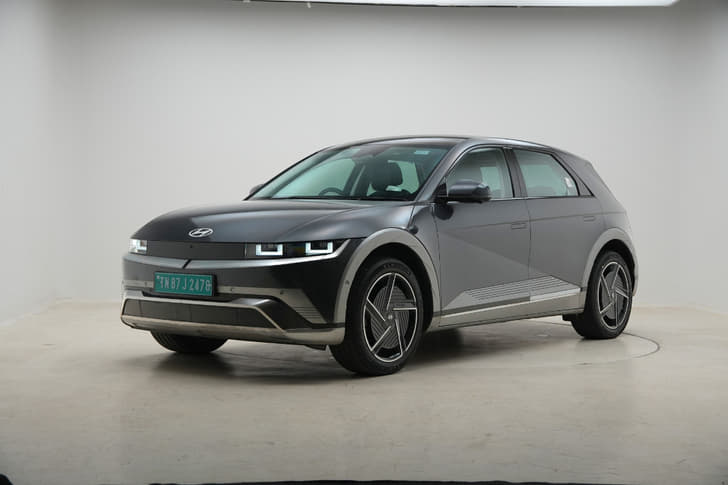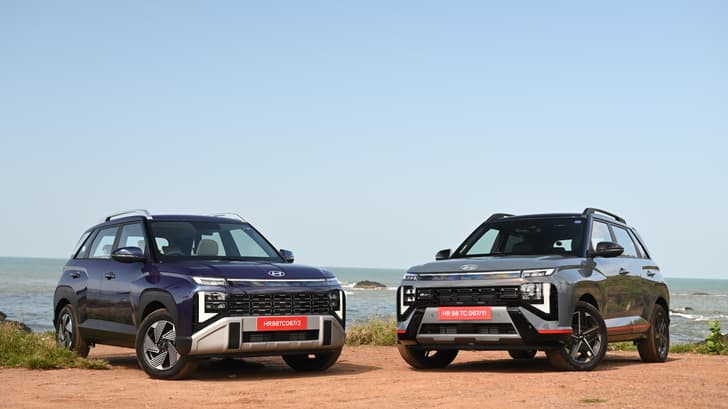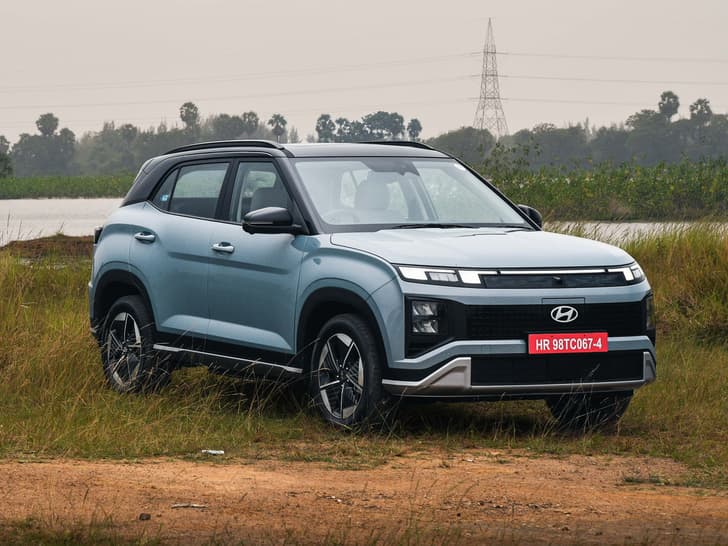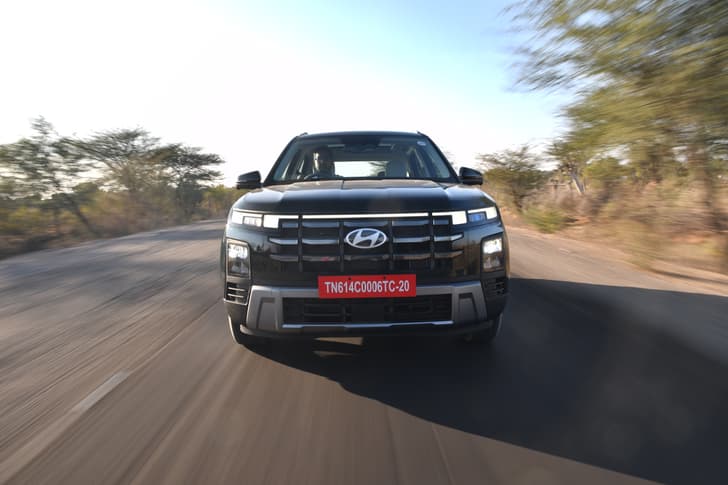


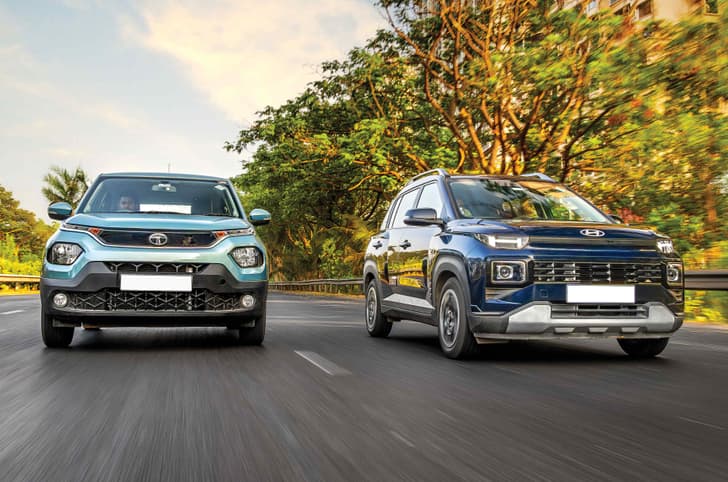
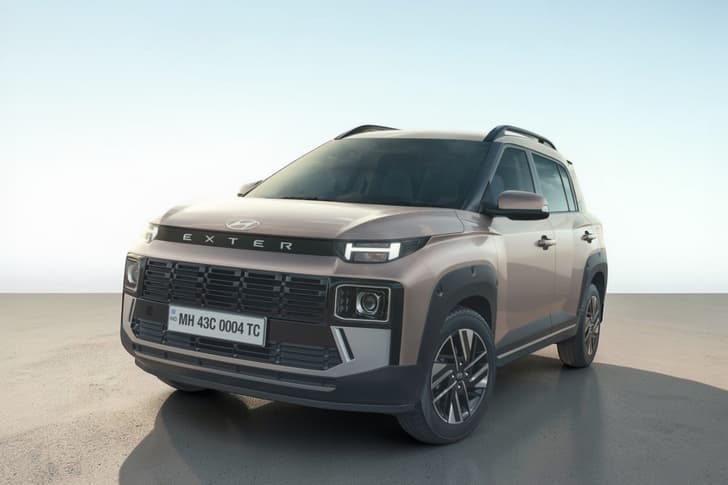
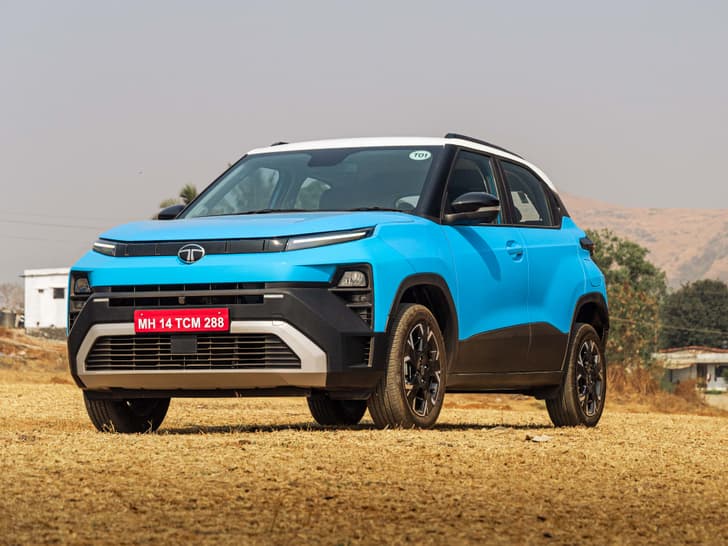
Two years ago, we pit the petrol-automatic versions of the Hyundai Exter and Tata Punch against each other. Then, the Exter had the upper hand thanks to its smoother and more refined powertrain. Today, we revisit this rivalry, but with a twist: both sub-compact SUVs are here in their CNG avatars. While they share several traits, like a dual-cylinder CNG setup, a claimed efficiency of 27km/kg and premium features, including a sunroof, this time, the spotlight is on their real-world efficiency.
Explore full specs, features, and a price breakdown in our Punch vs Exter comparison.
Tata Punch CNG vs Hyundai Exter CNG interior and ergonomics
Let’s begin with the Punch. It’s easy to understand why this Tata is among the country’s bestselling cars. The basics are done right – its high-riding stance, wide-opening doors and easy ingress make it especially friendly for elderly passengers. The high seating position offers a commanding view of the road, and the visible bonnet edges further help drivers feel in control. The driving experience is enhanced by light steering, gear shifts that are easy to execute (though not as precise as the Exter’s) and a clutch that doesn’t require much effort. Further, individual front armrests enhance long-distance driving comfort, and a surprisingly impressive audio system adds to its appeal.
Switching over to the Hyundai, it’s clear why it continues to earn praise for its user-friendliness. Every control, from the gearbox to the steering, feels lighter and more polished – just right for urban use. While its seating position isn’t as high as the Punch’s, outward visibility remains excellent, thanks partly to its lower window line. The fit, finish and overall cabin quality are marginally better than the Tata, but the dark, monotone theme doesn’t feel as inviting, and the seats leave a bit to be desired. They feel a little too compact and don’t offer the same level of support as the Punch’s.
Tata Punch CNG vs Hyundai Exter CNG engine and performance
The Punch’s engine performance has never been its strong point, and in its CNG avatar, it feels even more sluggish. While it can keep pace with urban traffic, it begins to struggle when asked for more. The Punch’s real strength lies in its composure at highway speeds; it feels stable and reassuring, which is something it does noticeably better than the Exter.
On the move, the Exter feels extremely refined. The 4-cylinder engine is quieter and more eager to rev, and its overall smoothness is hard to ignore. Thanks to shorter gearing and smart engine calibration, you rarely need to shift gears. It pulls cleanly from as low as 1,000rpm, making it ideal for stop-and-go traffic. In our acceleration tests, the Exter Hy-CNG Duo sprinted from 0 to 100kph in 14.85 seconds, a full 3 seconds quicker than the Punch iCNG. Moreover, the Exter is significantly quicker than the Tata when accelerating from 20 to 80kph in the third gear and 40 to 100kph in the fourth.

On the highway, though, the Exter doesn’t feel as composed as the Punch. There is noticeably more vertical movement over undulations. Also, its engine spins 300rpm higher than the Punch’s, at 3,300rpm, while cruising at 100kph in the top gear. This also explains why its highway efficiency is slightly lower at 30.3km/kg in our test, while the Punch iCNG’s is 31km/kg. However, the Hyundai returned 22.8km/kg in the city because of its better drivability, much higher than Tata’s 20.7km/kg. Both cars delivered an impressive overall average, close to their claimed 27km/kg figure.
Tata Punch CNG vs Hyundai Exter CNG fuel efficiency
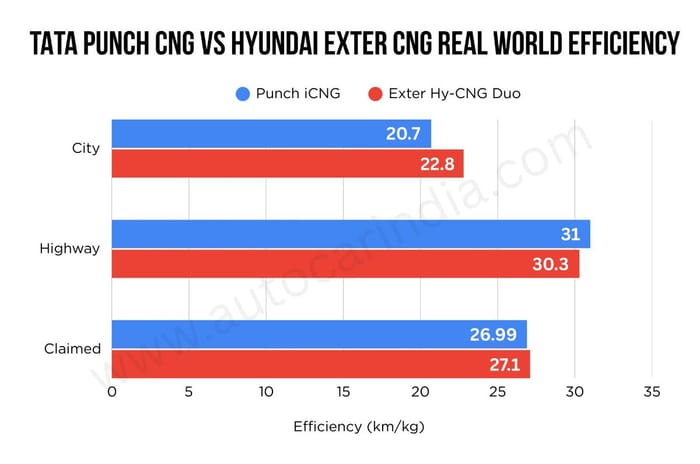
To determine their actual fuel efficiency, we devised a simple test. We first ran both cars until their CNG tanks were completely empty. After that, we refilled approximately 2 kg of gas in each vehicle and drove them around in real-world conditions within the city until they ran out of CNG. Then, we repeated the procedure and ran them on the highway. Since filling the exact same quantity of gas in each car is nearly impossible, we’ve calculated their efficiency based on the actual distance covered divided by the gas quantity.
Tata Punch CNG vs Hyundai Exter CNG features and safety
For the record, the Tata Punch featured here is the Adventure + mid variant, whereas the Hyundai Exter is in its top-end SX trim. That said, to keep this comparison fair, we’re evaluating both cars based on their respective top-spec versions. Interestingly, Tata offers a broader spread of variants with the Punch iCNG. Its entry-level trims are more affordable than Hyundai’s CNG offerings, though its higher trims are pricier than the Exter.
When it comes to features, the Punch iCNG impresses with additions like cruise control and a large 10.25-inch touchscreen, which the Hyundai misses. But the Exter hits back with key safety features such as six airbags, a tyre-pressure monitoring system, hill-start assist and electrically folding mirrors, all of which are absent in the Punch.
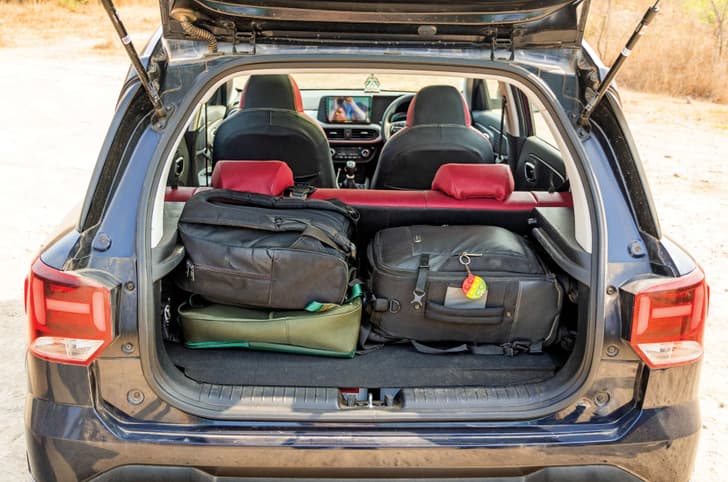
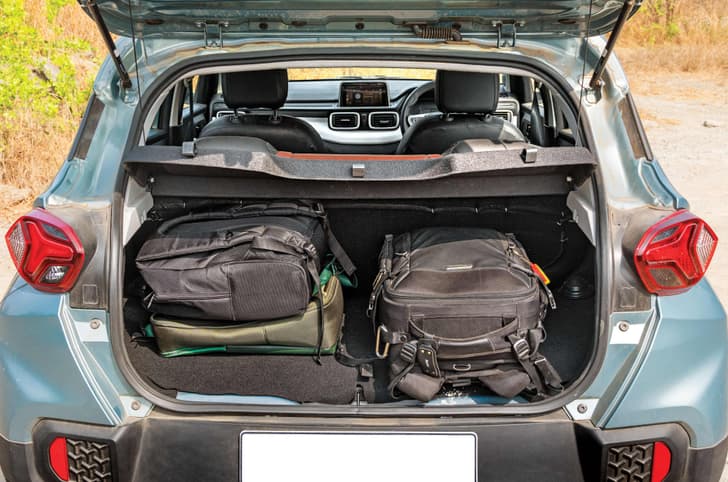
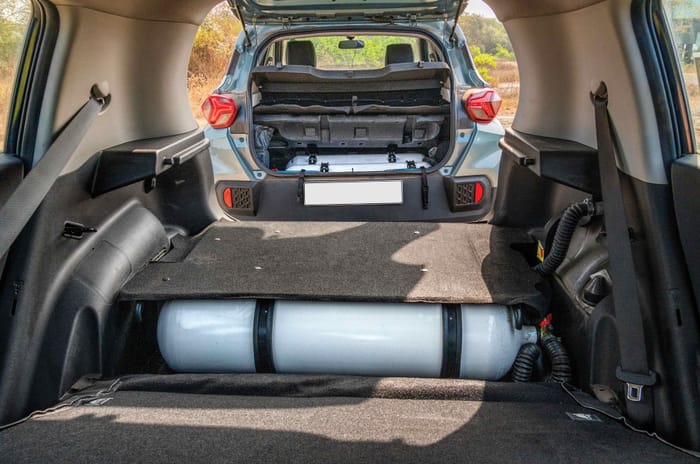
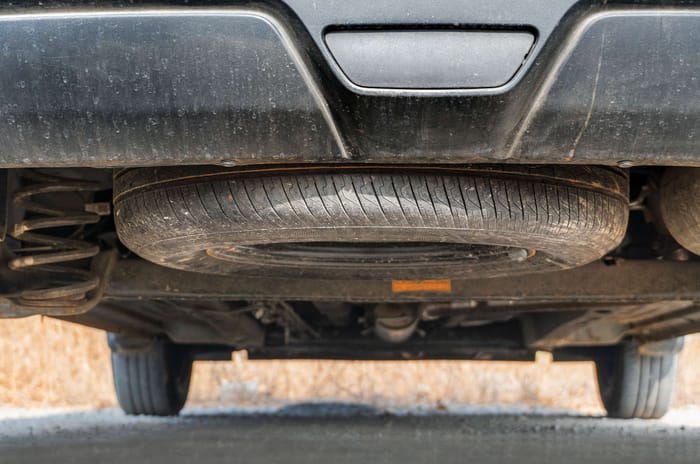
Both cars use dual CNG cylinders mounted below the boot floor, which naturally compromises cargo space compared to their petrol-only counterparts. That said, the Punch’s boot feels a bit more usable, especially if both cars’ parcel shelves are removed. Moreover, Tata provides a full-size spare tyre, while the Exter makes do with just a tyre repair kit.
Tata Punch CNG vs Hyundai Exter CNG verdict
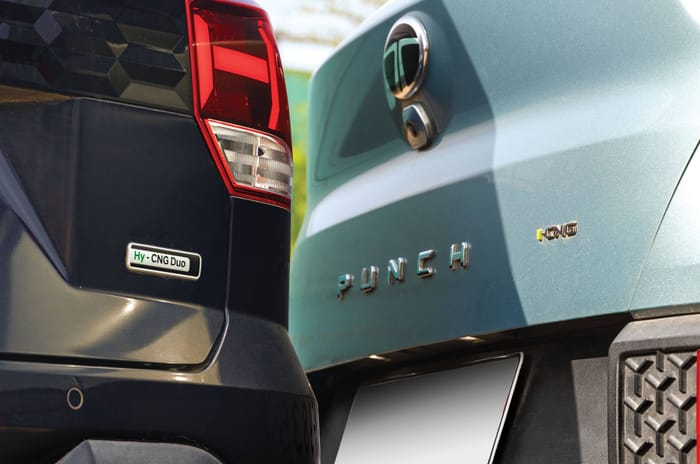
To sum things up, the Tata Punch iCNG is a compelling option for buyers looking for an economical, compact and practical highway cruiser. Its tough build, elevated seating and great audio system add plenty of appeal. Where it falls short is in outright performance and the absence of key safety features like hill-start assist, tyre-pressure monitoring and additional airbags. The Hyundai Exter, on the other hand, is the smoother, more refined and easier-to-drive option in the city. It delivers better fuel efficiency, offers more safety features, and still manages to undercut the Punch on price – despite packing in more equipment overall. It may not lead the sales charts just yet, but it’s the Exter that feels like the better-rounded product, and for that reason, it’s the winner in this comparison.
 Gavin DSouza
 Lenny D'sa
 Sergius Barretto
 Soham Thakur