
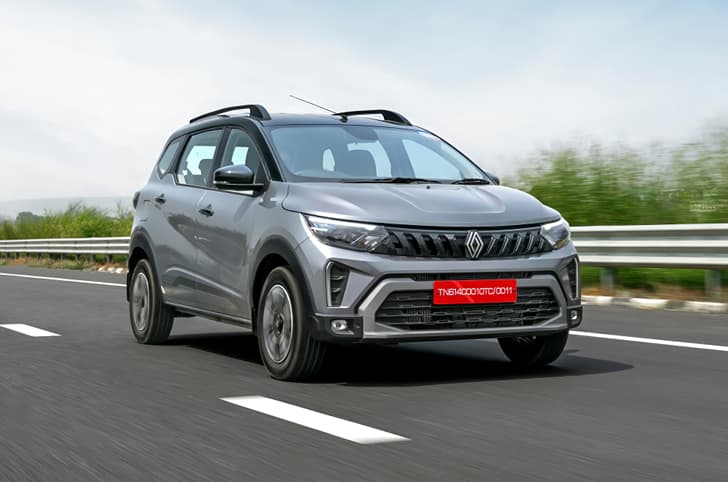
The Renault Triber, ever since its introduction in 2019, has always stood out for its excellent packaging, versatile cabin and strong value-for-money proposition. But the biggest chink in its armour was the underpowered 1.0-litre naturally aspirated engine, which struggled especially when the MPV was fully loaded. Renault has finally addressed that with the introduction of the Triber turbo petrol, and along with the engine have come changes that are more significant than one might think.
Renault Triber Turbo Exterior Design and Engineering
To start off, Renault has significantly reengineered the platform on which the Triber is based. Now called the Renault Group Entry Platform (RGEP) instead of the CMF-A, it makes use of 10 percent more high-strength steel, which is said to improve structural durability. The RGEP platform can support ICE, CNG, AMT and CVT powertrains. The reengineering now also enables the Triber to have an underbody-mounted twin-CNG tank setup, which is in the pipeline.
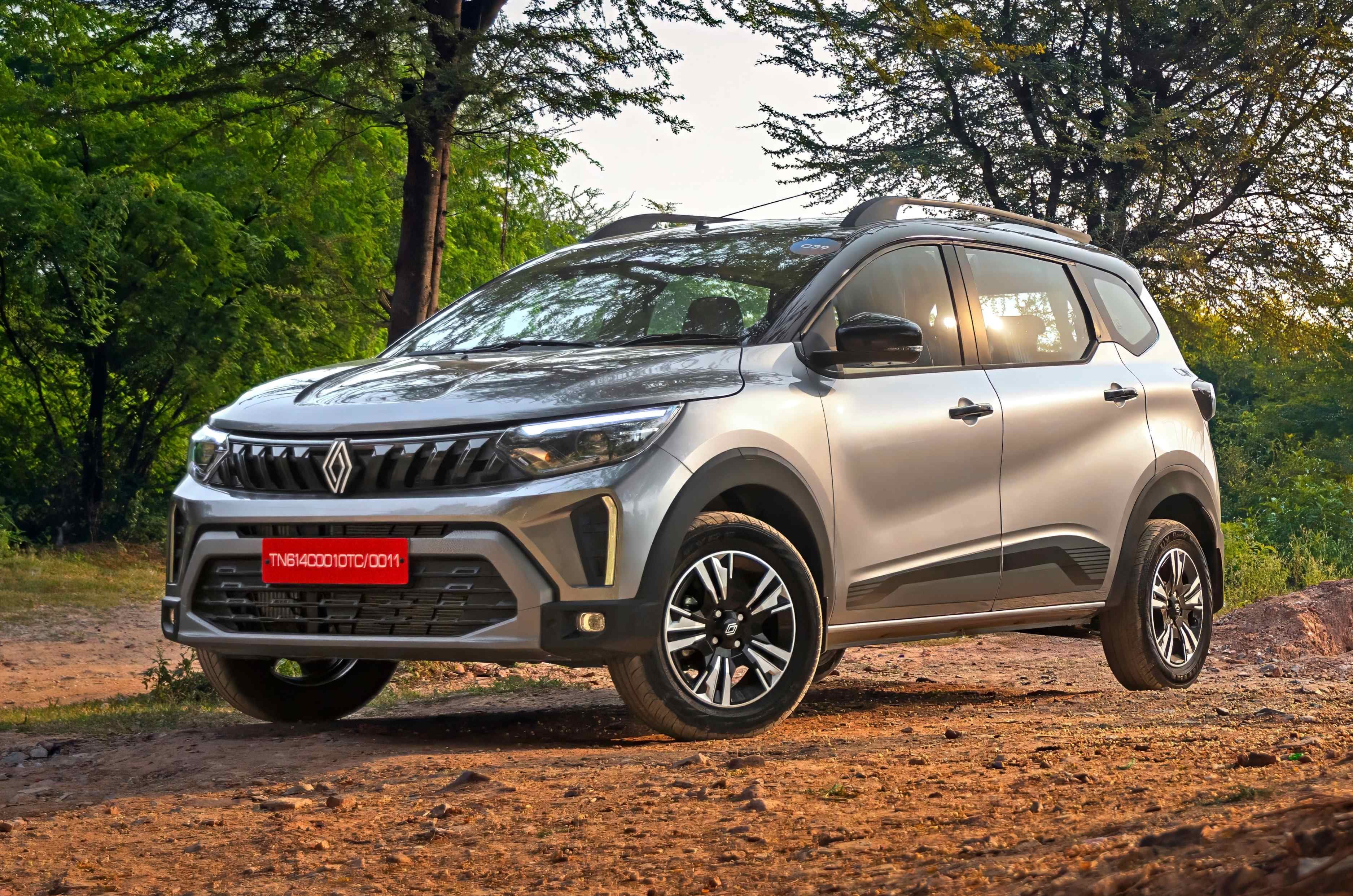
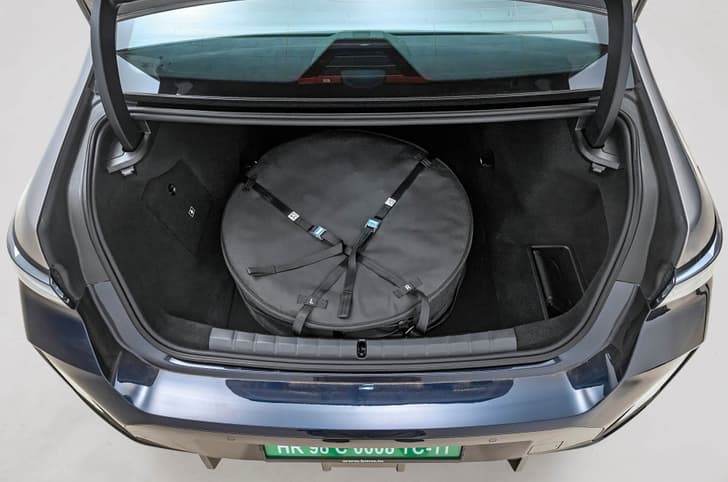
Dimensions-wise, it remains identical: 3,985mm long, 1,935mm wide, and 1,643mm high, with a 2,636mm-long wheelbase. Ground clearance is a substantial 182mm, while boot space without the third row of seats is pegged at 625 litres. However, the Triber has now done away with its underbody-mounted spare tyre in anticipation of the CNG tanks, and what you get instead is a tyre inflator and puncture repair kit.
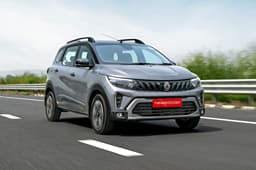
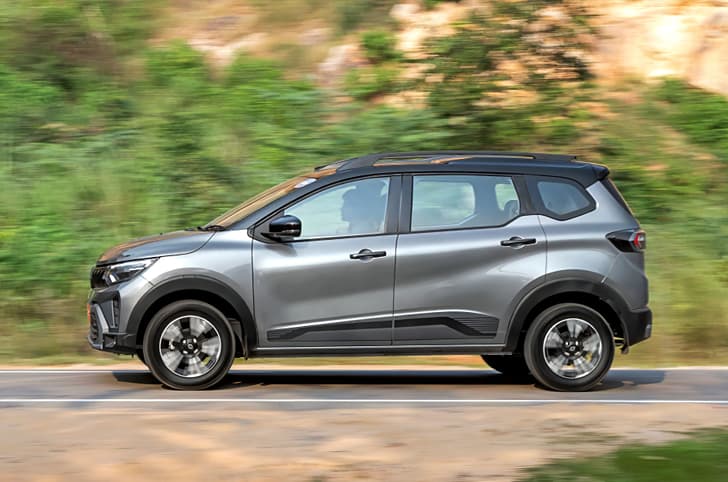
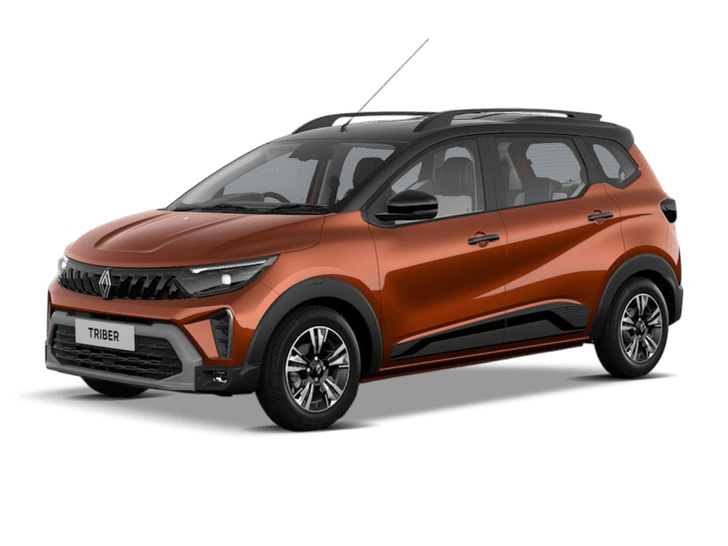
Otherwise, there’s nothing to report in terms of design changes. Up front, you get a gloss-black grille sporting Renault’s new logo flanked by LED headlamps with LED daytime running lamps (DRLs). There’s a large air dam lower down in the bumper with a silver surround and fog lamps in the lower outer edges. Along the sides, there are 15-inch wheels with dual-tone covers that are cleverly designed to look like alloys, functional roof rails, and gloss-black door handles and outside rearview mirrors (ORVMs) to match the dual-tone roof.
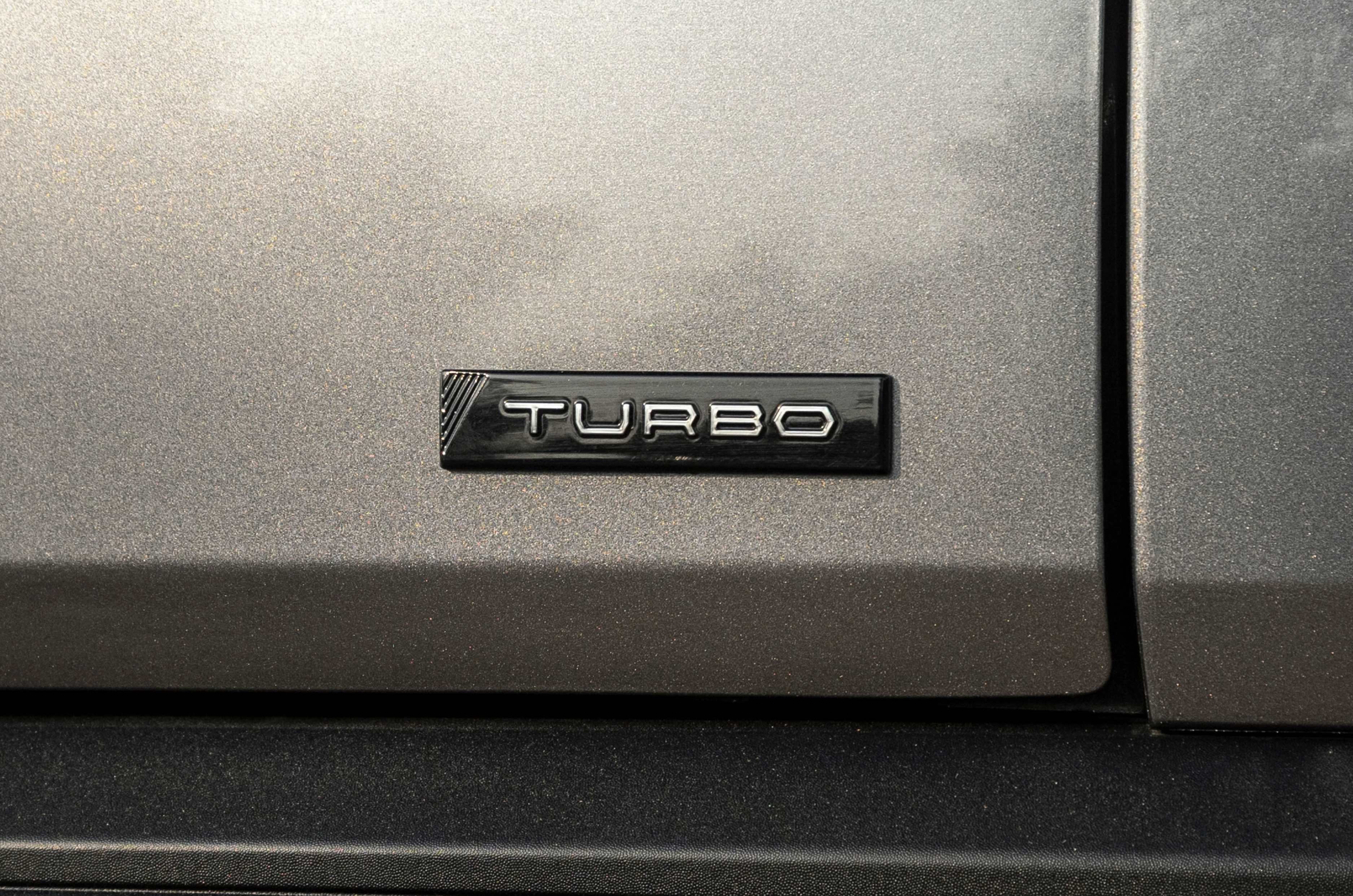
At the rear, the clear-lens LED tail-lamps are connected by gloss-black trim, and there’s Triber badging as well as a new Turbo badge on the tailgate.
Renault Triber Turbo Performance and Refinement
Coming to the heart of the matter, the Triber now finally gets turbo power. It’s the same 1.0-litre three-cylinder ‘HR10’ mill that also does duty in the Kiger and the Duster 1.0, but a new engine management system means it puts out a higher 180Nm of torque than both. Power, though, is an identical 100hp, and as such, the Triber turbo is claimed to do 0-100kph in 10.8sec.
We put it to the test and managed a time of 11.9sec in less-than-ideal conditions. This represents a massive improvement over the naturally aspirated Triber’s 0-100kph time of 16.55sec. There’s a significant improvement in terms of in-gear acceleration as well, although the taller third and fourth gears mean the gap isn’t nearly as wide as the standing acceleration.
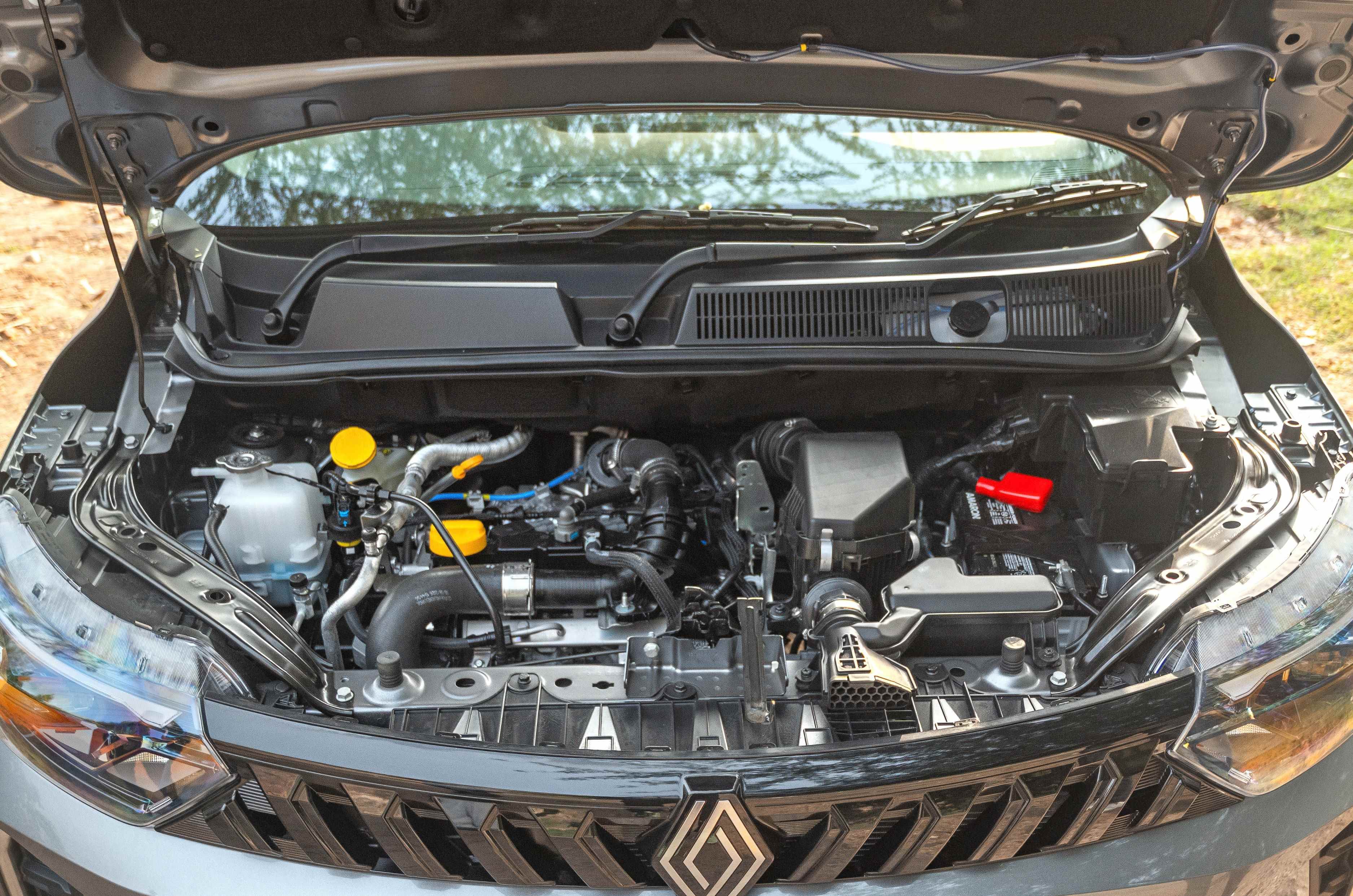
The engine itself exhibits the typical three-cylinder thrum and vibrations at idle, but it gets smoother as revs build before getting very audible inside the cabin right at the redline. Power delivery isn’t linear, as there’s a prominent step up around the 2,500rpm mark, though the midrange is strong, and it’s where you’d want to spend most of your time. Most importantly, though, you never feel short of pulling power even when fully loaded, addressing the biggest shortcoming of the Triber.
Below 2,000rpm and off-boost, the engine exhibits the same hesitance as its naturally aspirated counterpart, likely due to fuelling that prioritises fuel economy. So in order to make smooth progress, it’s best to keep it near the 2,000rpm mark.
Apart from the new engine, Renault has reworked the Triber’s thermal management system to meet the turbo engine’s higher cooling requirements. It now features a new BLDC fan cooling system, as seen on certain hybrids and EVs, resulting in a 35 percent higher air intake and more efficient and reliable cooling.
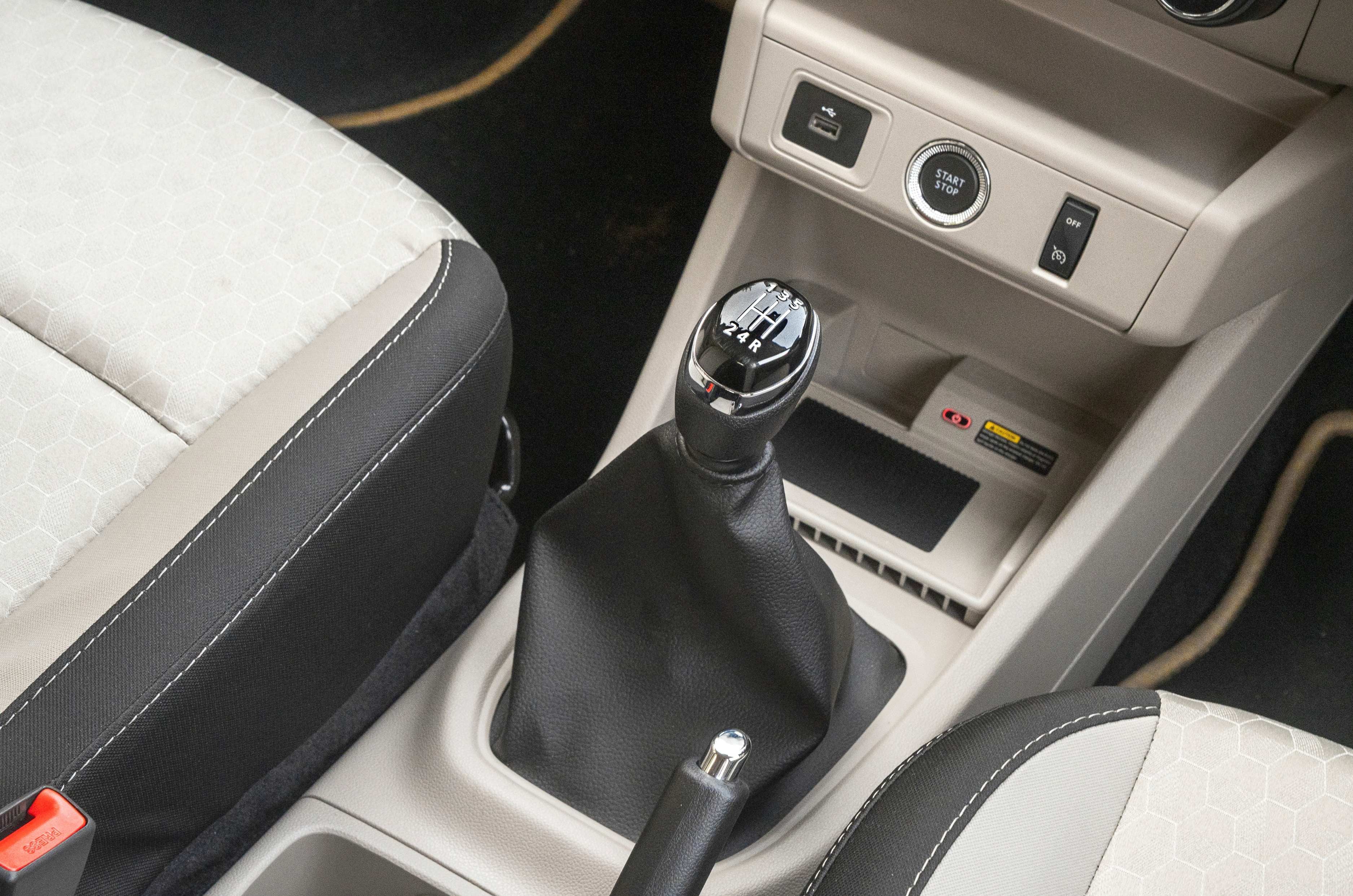
The only gearbox option with the Triber turbo is a 5-speed manual, though a CVT automatic is slated to arrive soon. This 5-speeder isn’t the slickest around, and it does take effort to slot it into gears. Thankfully, the clutch pedal is light, which alleviates city driving.
Renault Triber Turbo Fuel Efficiency
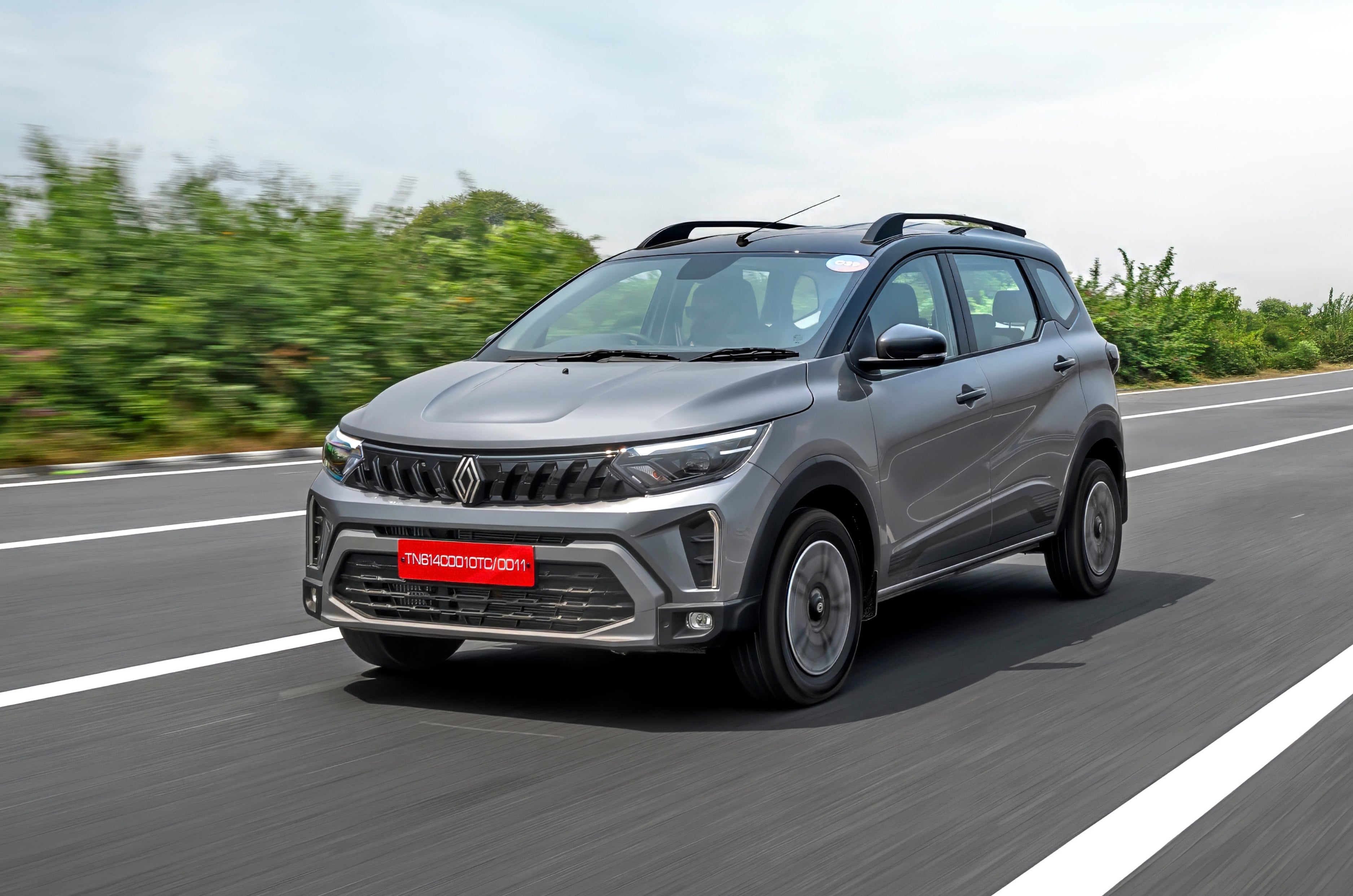
Despite the move to turbocharging, Renault claims fuel efficiency hasn’t taken a hit and has been enhanced instead. With a claimed figure of 21kpl, the Triber Turbo is said to be more economical than the naturally aspirated manual Triber, which is pegged at 19.76kpl. However, in real-world driving scenarios, expect the Triber Turbo to be less fuel-efficient and almost certainly even less so than the NA version.
Renault Triber Turbo Ride Comfort and Handling
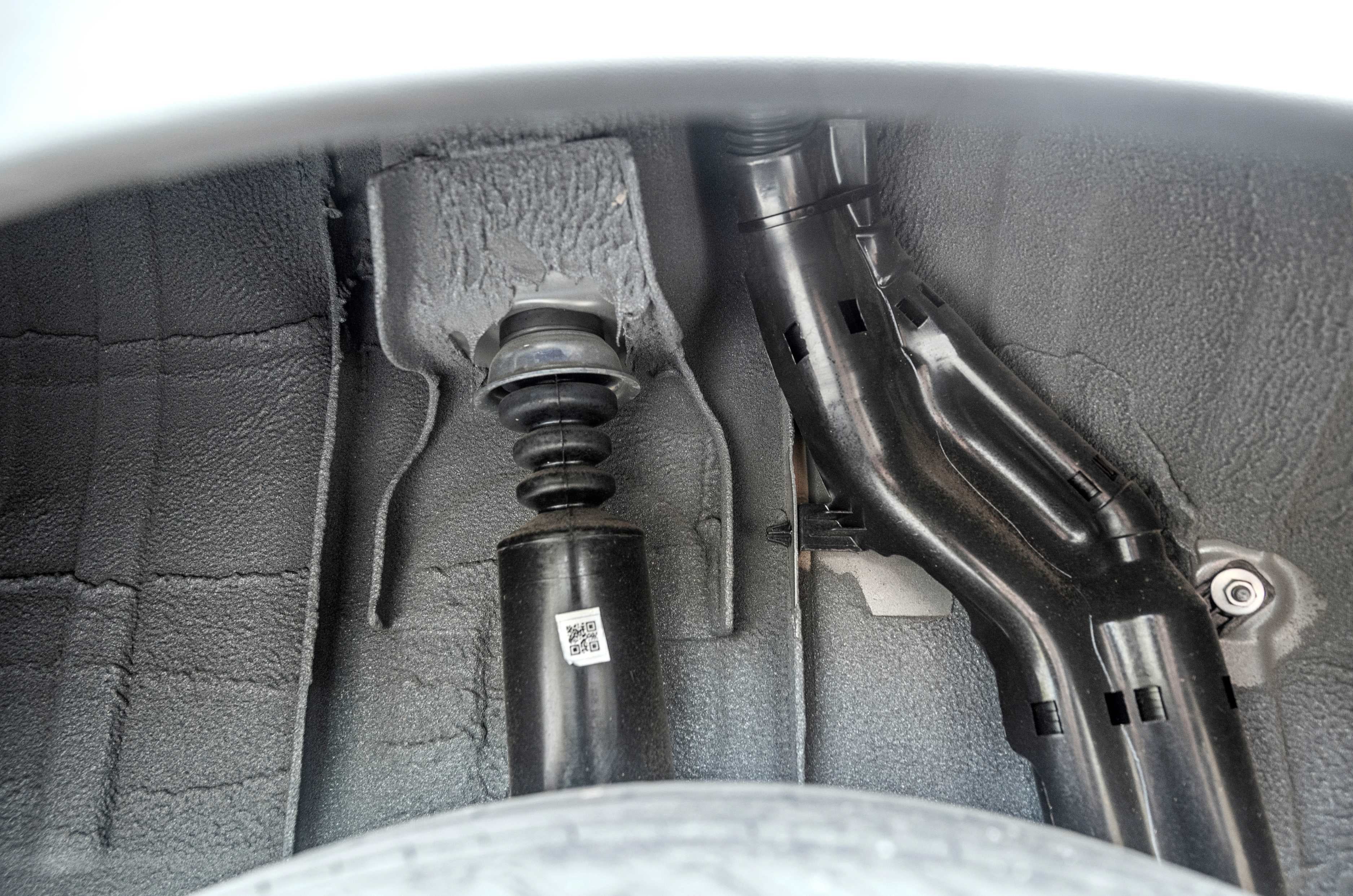
There have been some significant changes with respect to the suspension, steering and brakes too. The Triber turbo weighs 80kg more than the NA Triber, so it gets enhanced springs, new valve tech in the shock absorbers and anti-roll bars at the front and rear for better body control. And those changes have worked.
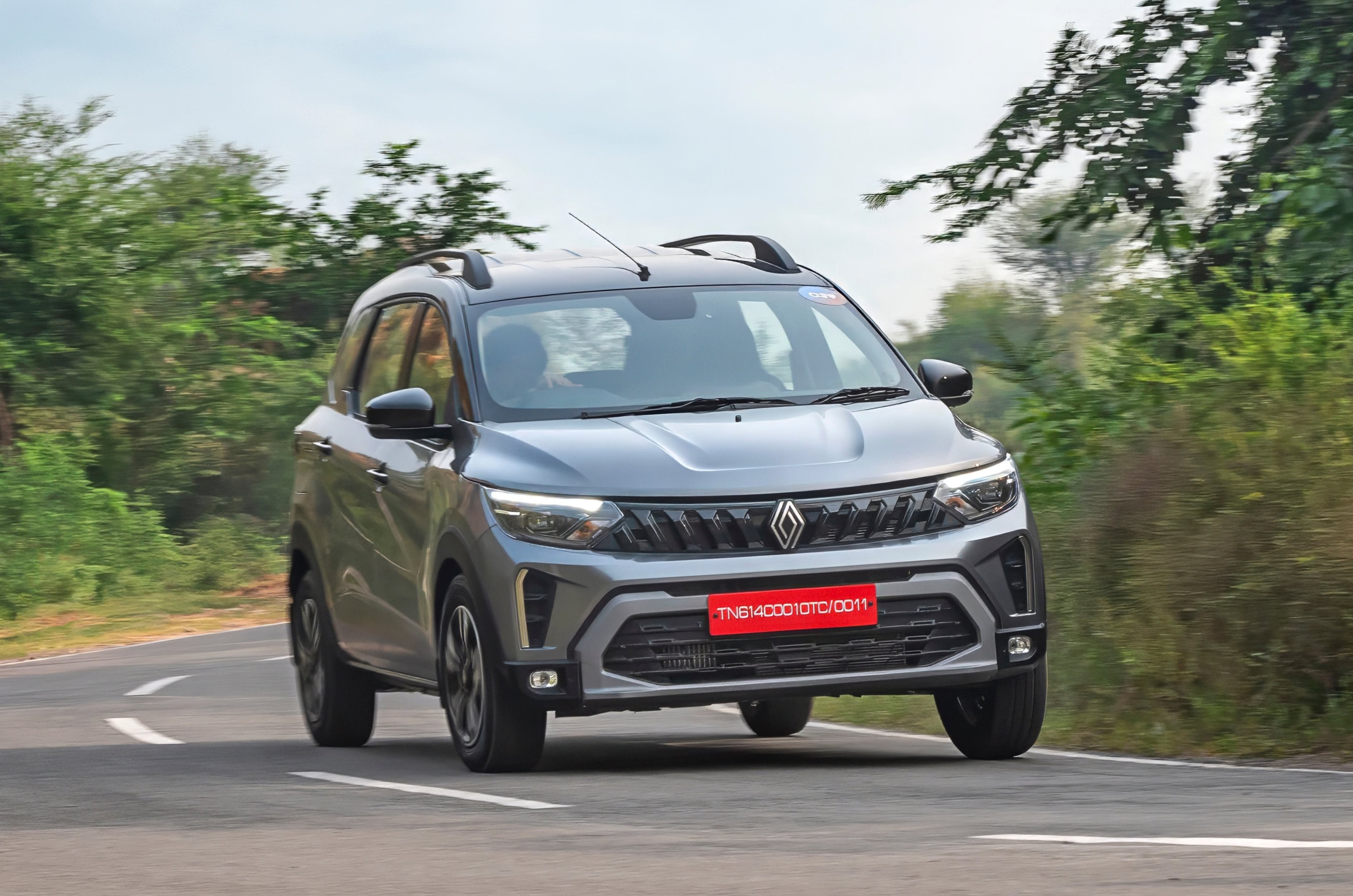
The Triber’s ride now feels even more composed at high speeds and less brittle at lower speeds, and the body roll is better managed around bends. Overall, the Triber shows impressive composure out on the road, more so than what its 1-tonne kerb weight would suggest.
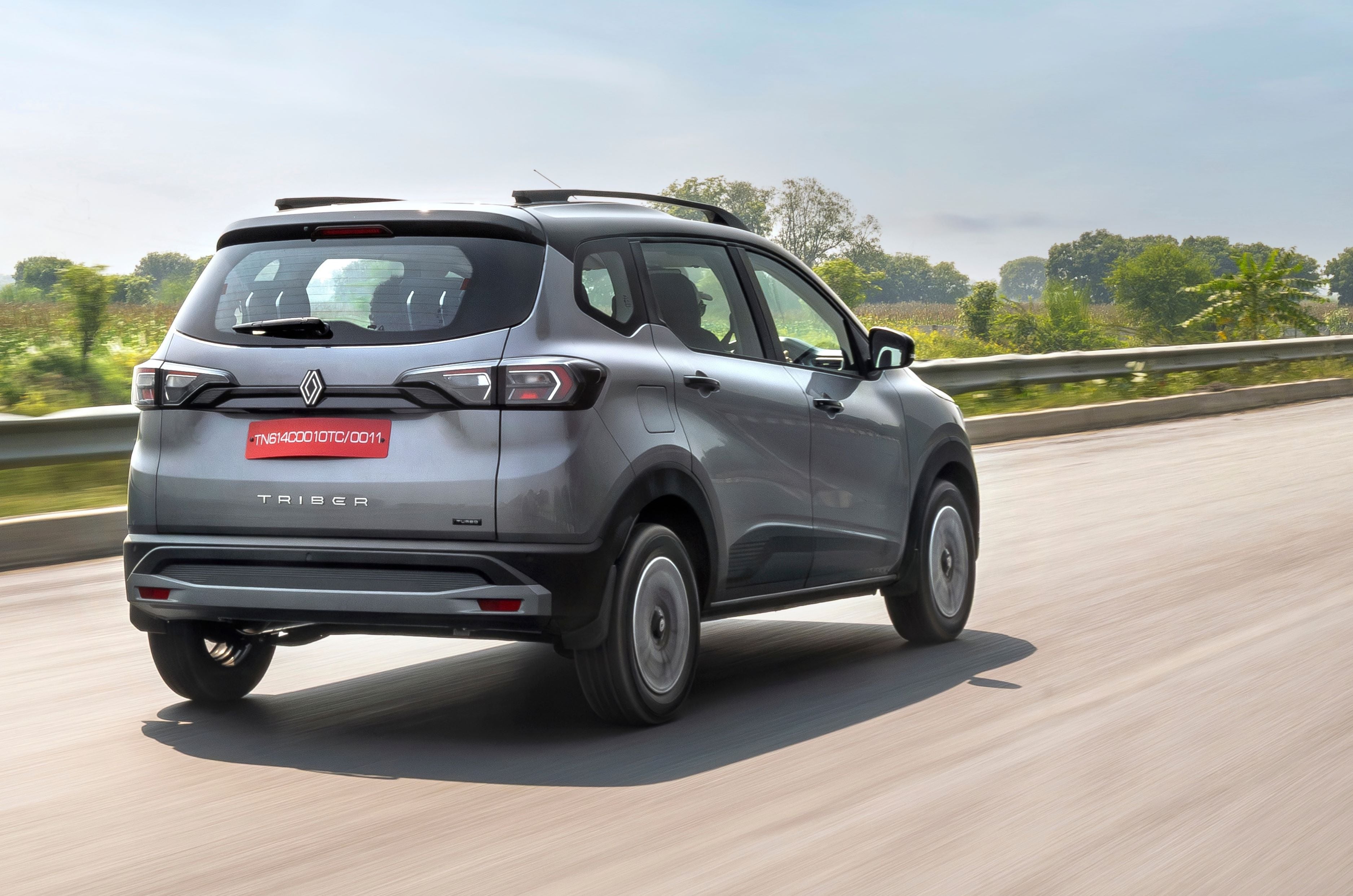
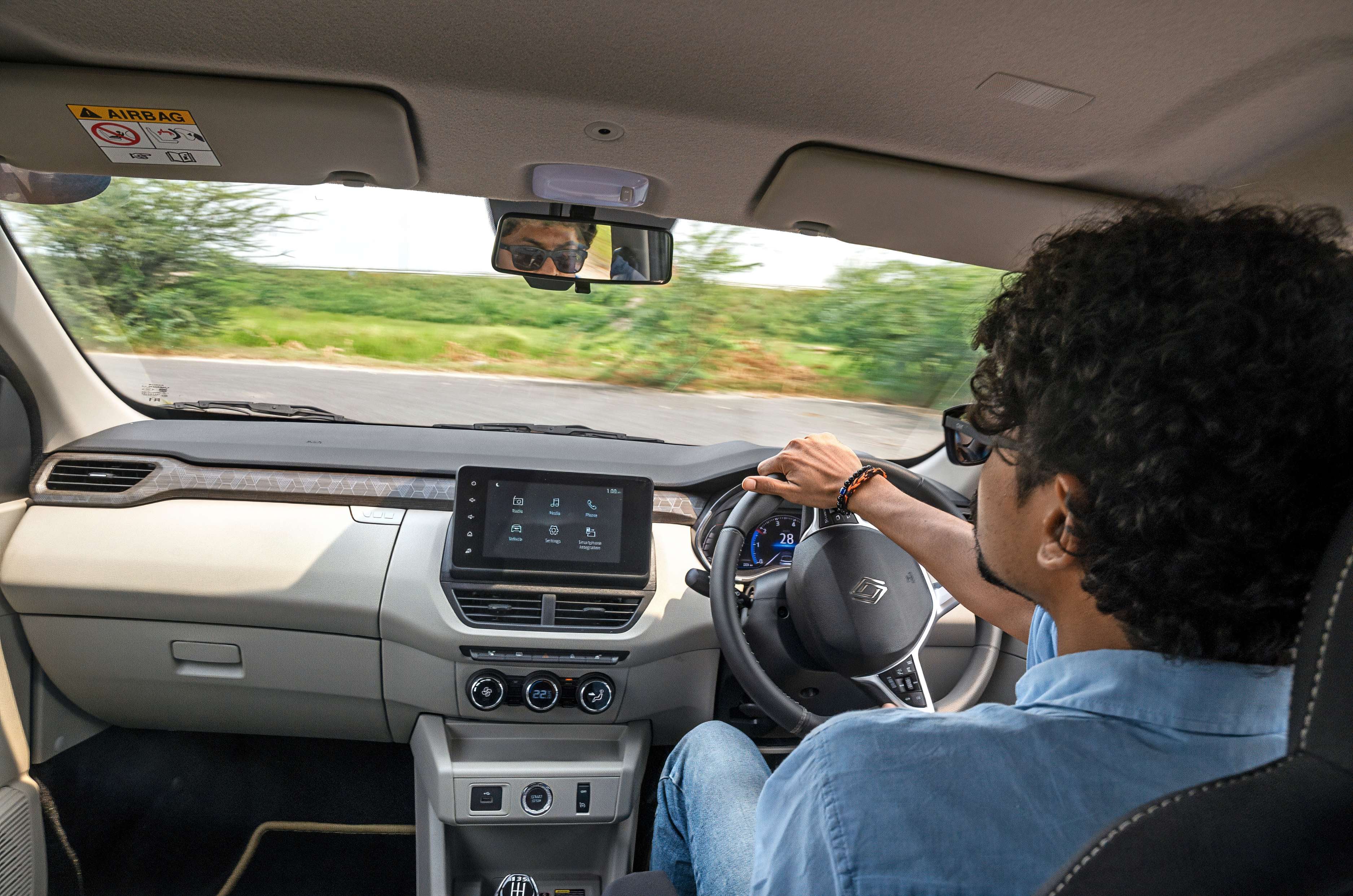
The steering, however, is less convincing. Renault says it was lightened to compensate for the added weight, but perhaps that was overkill. It is too light and virtually devoid of feel, making parking and navigating tight city streets effortless, but it feels increasingly disconnected as speeds rise.
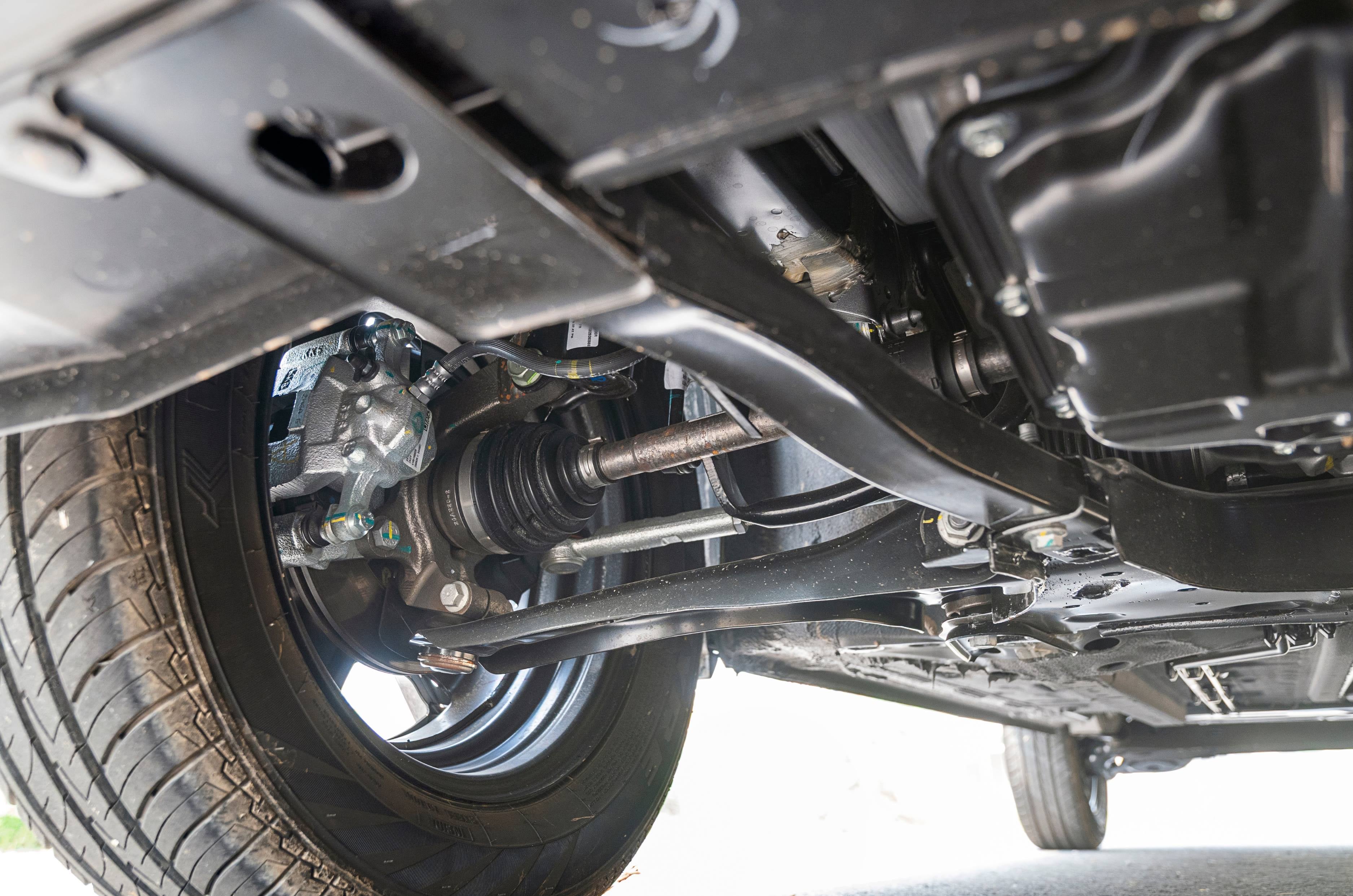
The braking systems have also been better optimised, and it features new ‘low drag’ calipers that are said to aid fuel efficiency. We found the braking to be adequate and similar to the NA version. Road and tyre noise is also quite apparent, especially at higher speeds.
What community is saying on the Triber?
Renault Triber Turbo Interior Space and Comfort
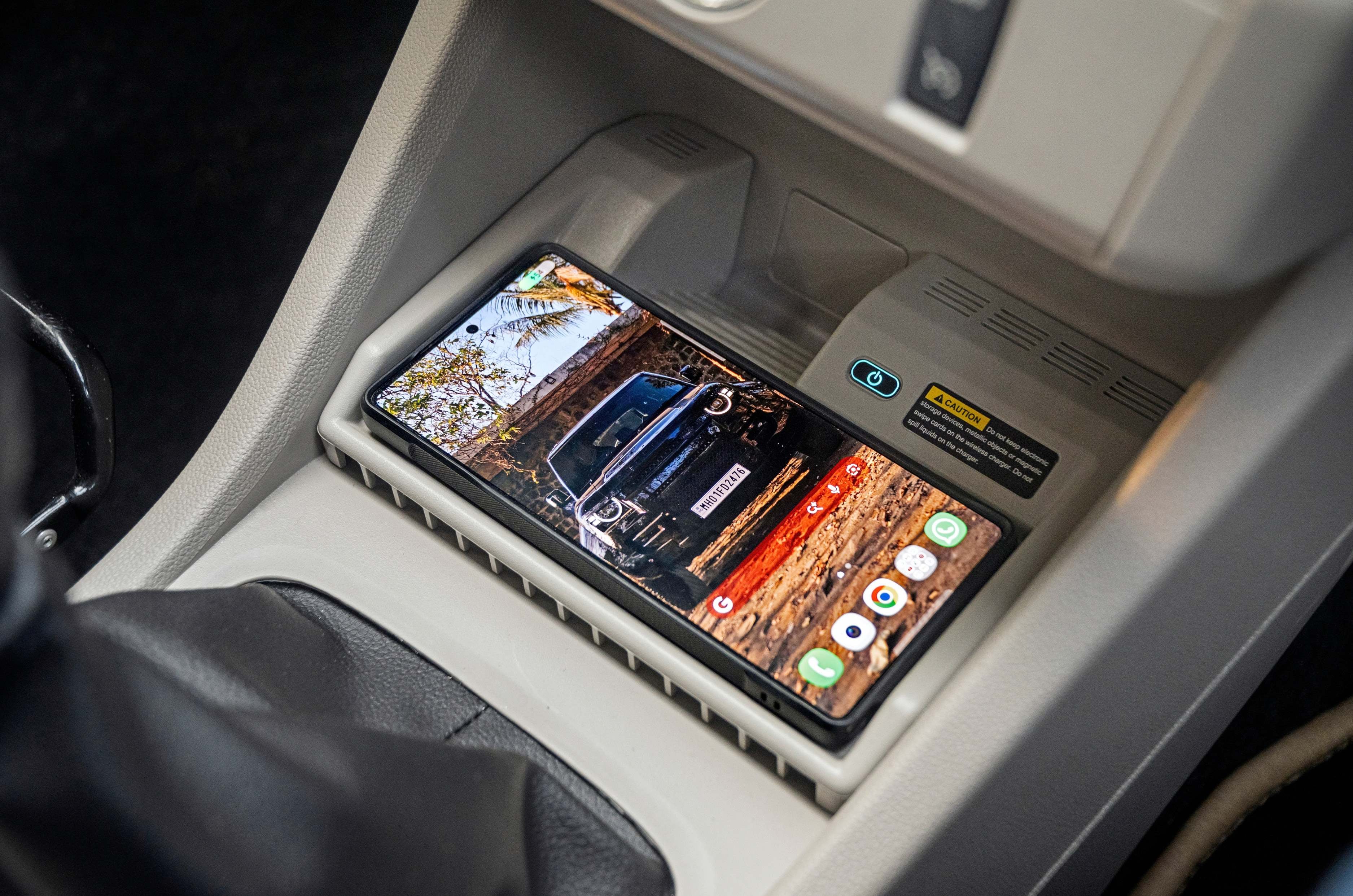
The interior, like the exterior, remains identical. The Triber’s cabin gets a grey-and-beige theme, the infotainment screen is positioned higher up on the dashboard with the AC vents lower down, and there’s a rather nice-looking faux-wood trim on the dashboard with silver detailing. The steering wheel is borrowed from the Kiger, and a curious cost-cutting measure is seen here: only the section between the 10 and 2 o’clock positions gets a leather wrap. Other cost-cutting measures remain too, like the basic roof liner, interior lighting elements and exposed steering linkage. Storage space remains a strong point, though. It continues with two large glove boxes, a smartphone shelf in the centre console, two cup holders, a useful cooled storage bin and sizeable door pockets.
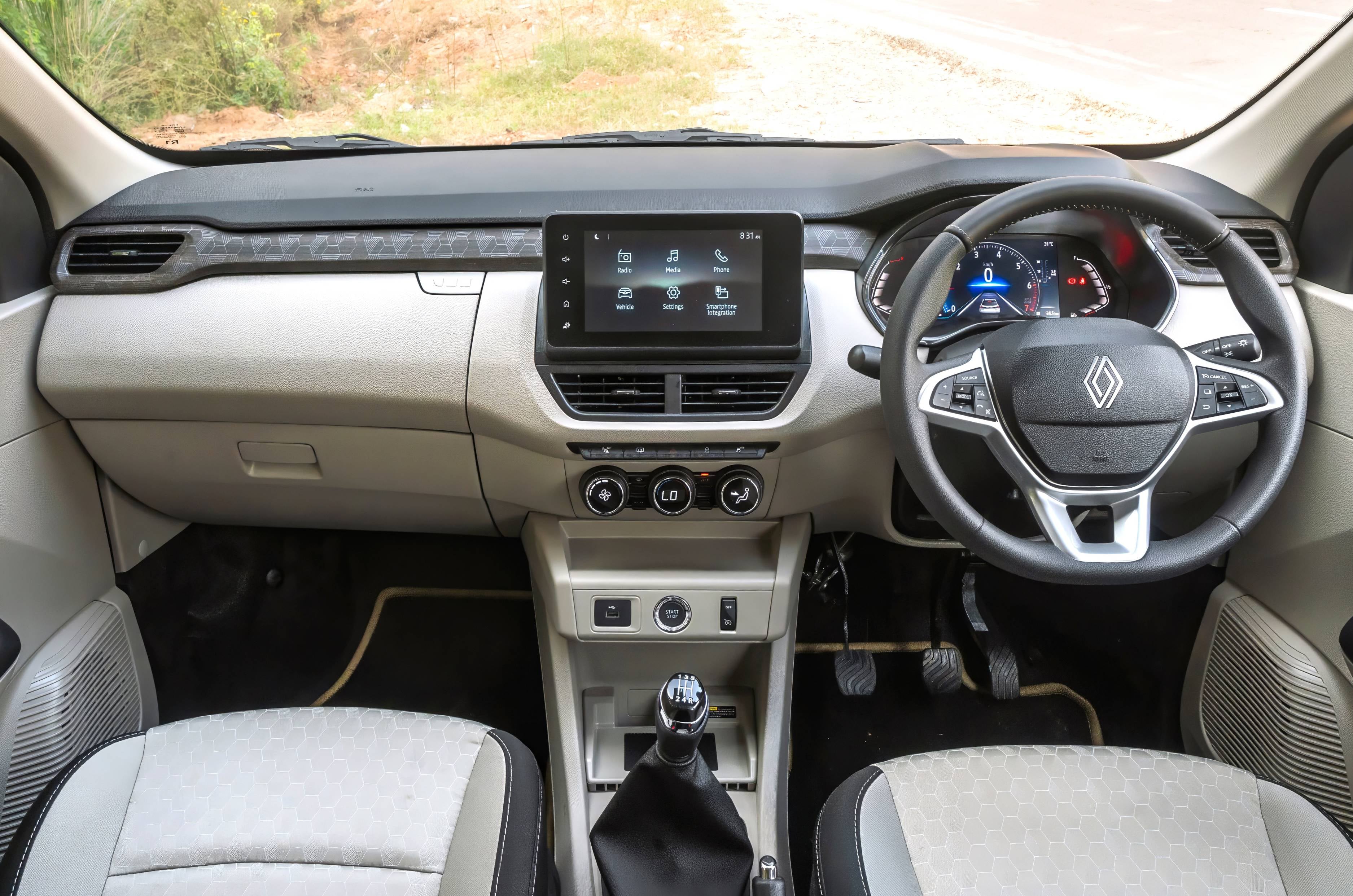
The Triber continues to make an impressive case for space efficiency, packing a surprisingly roomy cabin into a sub-4-metre footprint. The front seats are adequately comfortable, and the driver gets an armrest, although a bit more lumbar and thigh support would be welcome. Shoulder, head and elbow room are all generous, though the cramped footwell and lack of a dead pedal are misses.
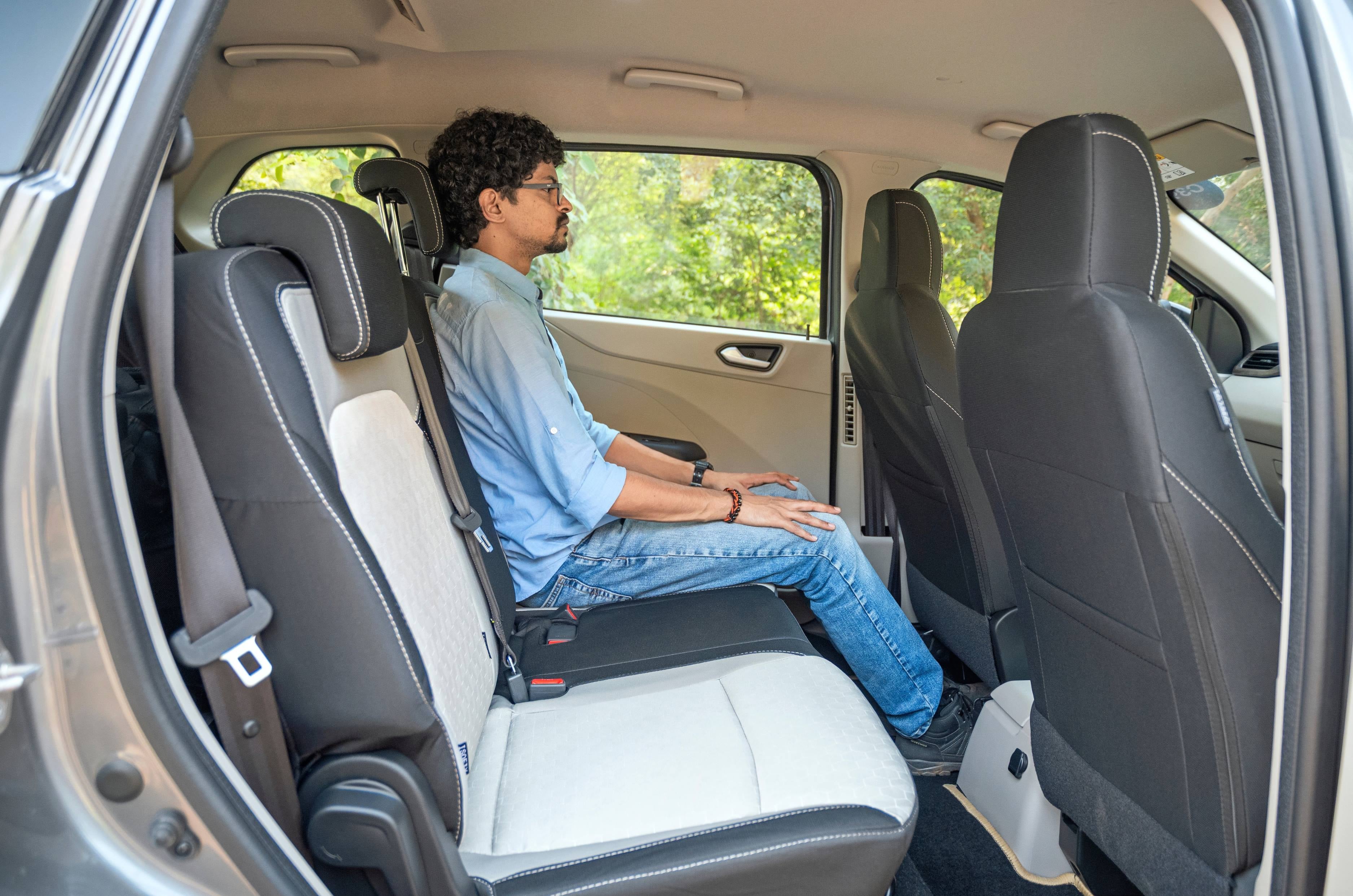
The second row is the most comfortable place, offering great space and adjustability as the entire row slides, reclines and can be split-folded. Dedicated AC vents are neatly integrated into the B-pillars, with a fan-speed control knob positioned between the front seats, and it’s nice that you get adjustable headrests here, unlike in the front. The seat cushioning is decent too, although seating three adults abreast will still be tight.
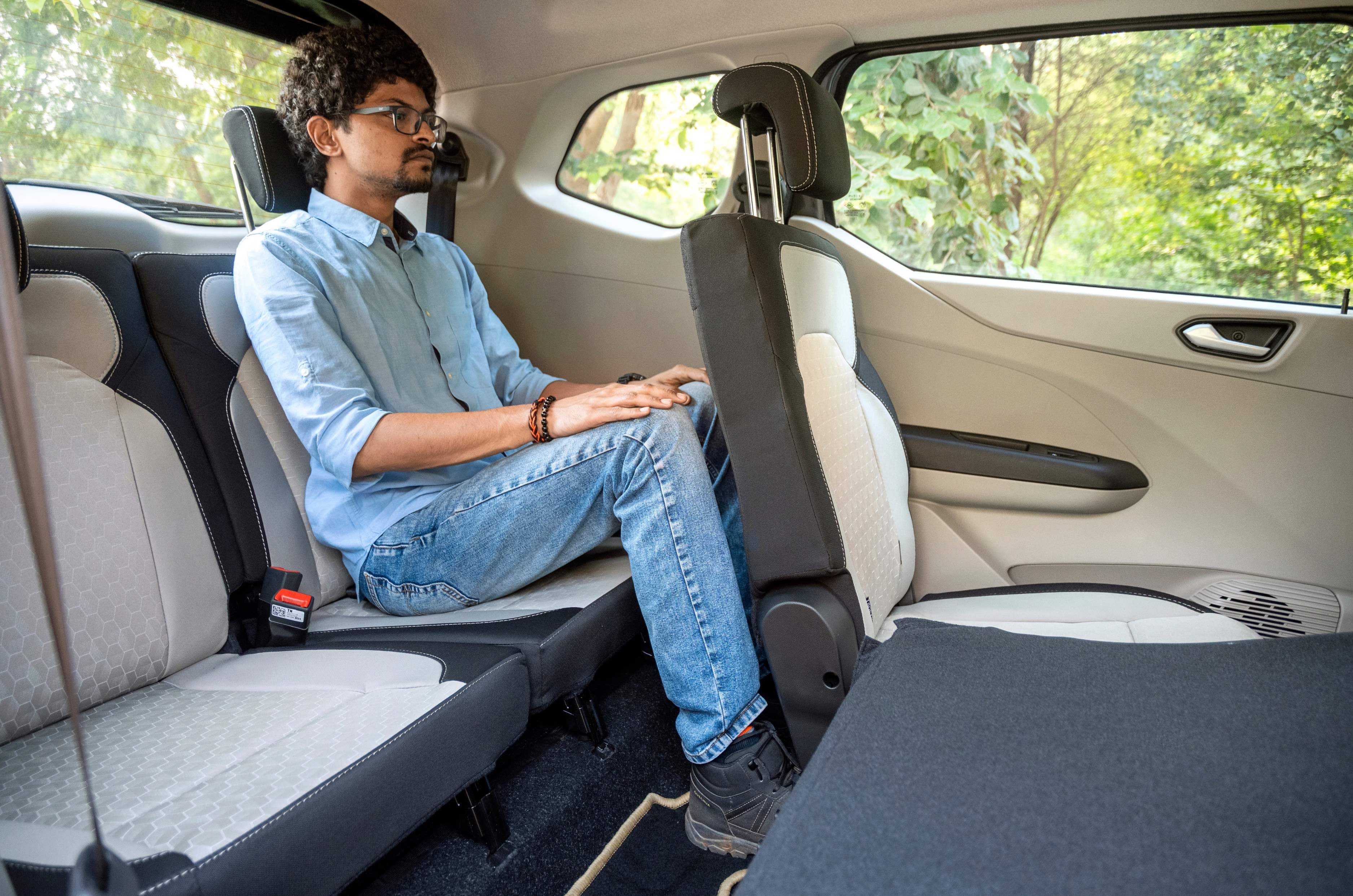
The third row remains the Triber’s real USP. Access is relatively straightforward, thanks to the middle row’s tumble-forward mechanism, which is operated by a lever. To accommodate anyone larger than a child, the second row needs to be pushed forward, but once settled in, the rearmost seats are surprisingly comfortable, particularly for shorter journeys. There are even AC vents, adjustable headrests and three-point seatbelts back here.
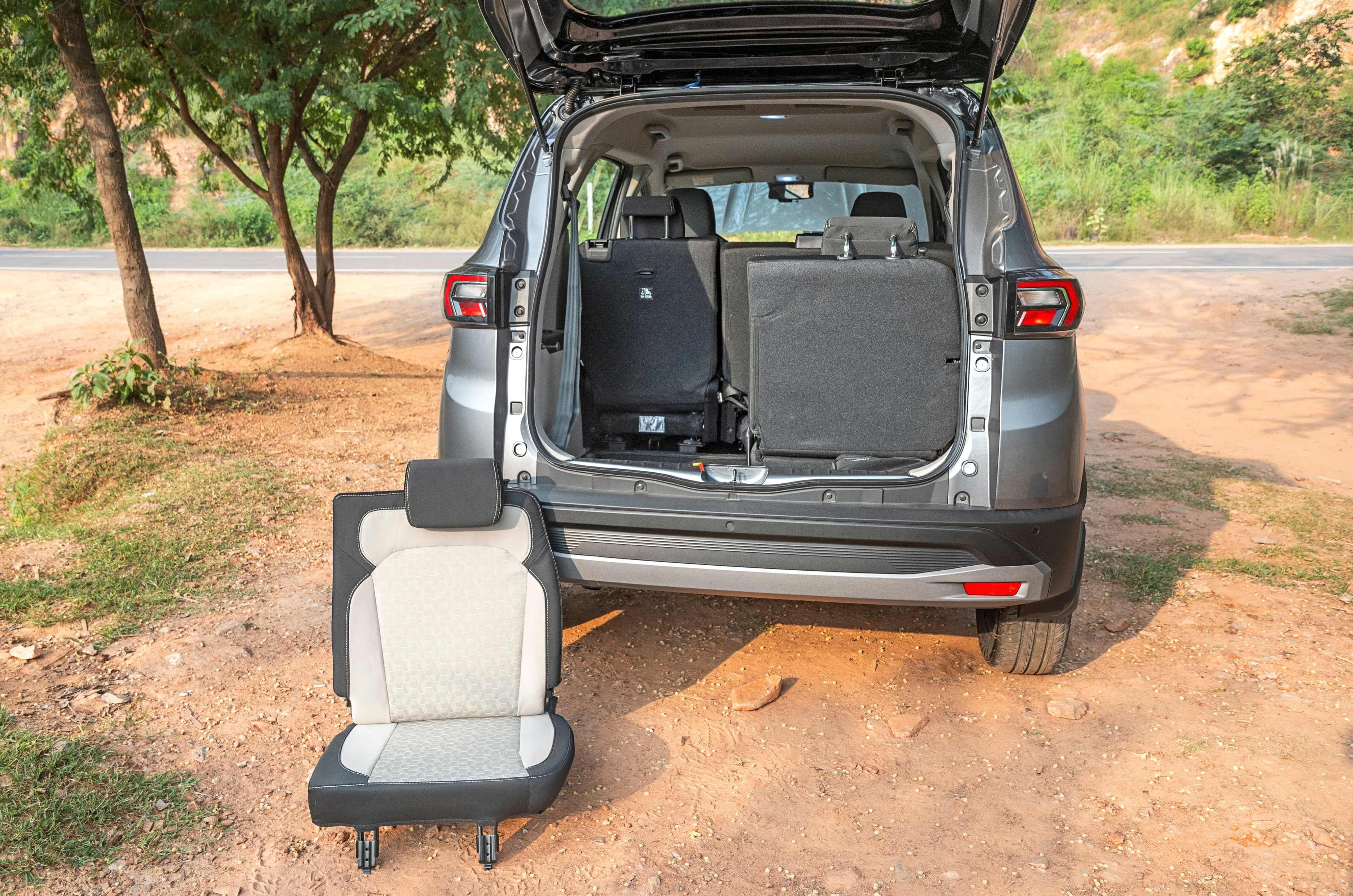
As before, the seats can also be removed entirely to liberate much more cargo space. The biggest concern here remains the tailgate’s proximity to the passenger’s head.
Renault Triber Turbo Features and Safety
The feature set remains unchanged as well, and the Triber remains well-equipped for the price. You get an 8-inch infotainment screen, and though it’s not very slick to use, it does feature wireless Android Auto and Apple CarPlay. Then there’s a 7-inch digital cluster, a wireless phone charger, auto climate control with separate blower control for the rear, a cooled centre storage box, auto headlamps and wipers, rear washer/wiper, cruise control, push-button start/stop and more.
Safety features include six airbags, Isofix mounts, ABS, EBD, ESP, traction control, hill-start assist, a tyre-pressure monitoring system and parking sensors at both ends. Notably, Renault has also retuned the ABS, ESC and traction control specifically for this Turbo version. It’s also worth remembering that the earlier Triber secured a 4-star rating in Global NCAP crash tests, which is commendable.
Renault Triber Turbo Value for Money
Priced from Rs 7.84 lakh to Rs 8.99 lakh (ex-showroom), the Renault Triber turbo represents a great option for value-conscious buyers. Variant-to-variant, it costs Rs 94,000 to Rs 1.11 lakh more than the naturally aspirated version, which is a fair ask considering the significant mechanical changes.
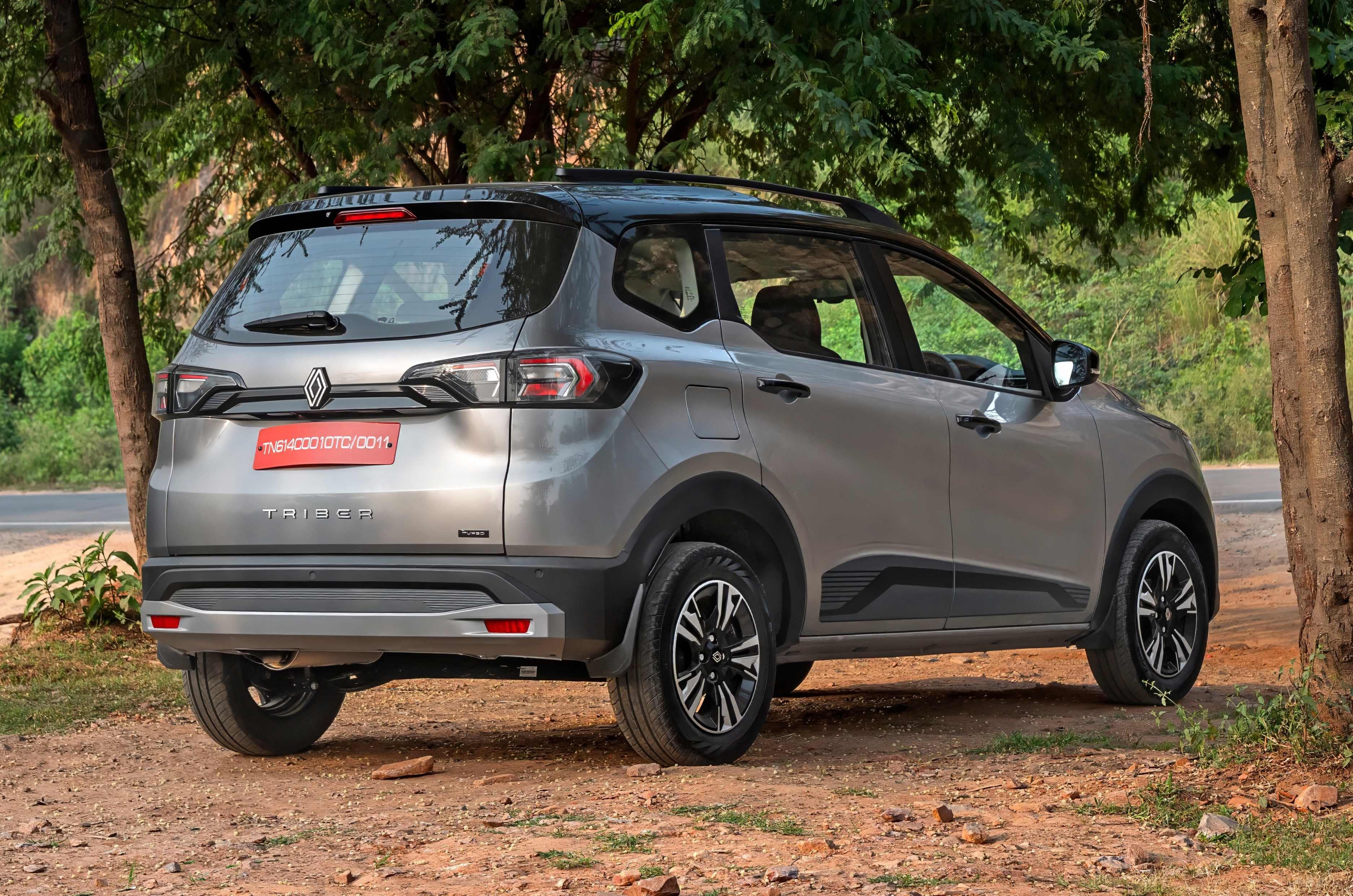
With this turbo petrol engine option, Renault has addressed the Triber’s biggest weakness, which was its performance. The MPV now feels much more drivable and an able highway cruiser, and the suspension changes make it feel more sure-footed too, all of which leave it more rounded than before. Sure, the evident cost-cutting, high NVH and notchy gearbox remain, but these shortcomings are easily outweighed by its strengths. The Triber remains a cleverly packaged, versatile and value-for-money people mover that’s just gotten even better now.
 Saumil Shah
 Sergius Barretto
 Nikhil Bhatia
 Lenny D'sa