

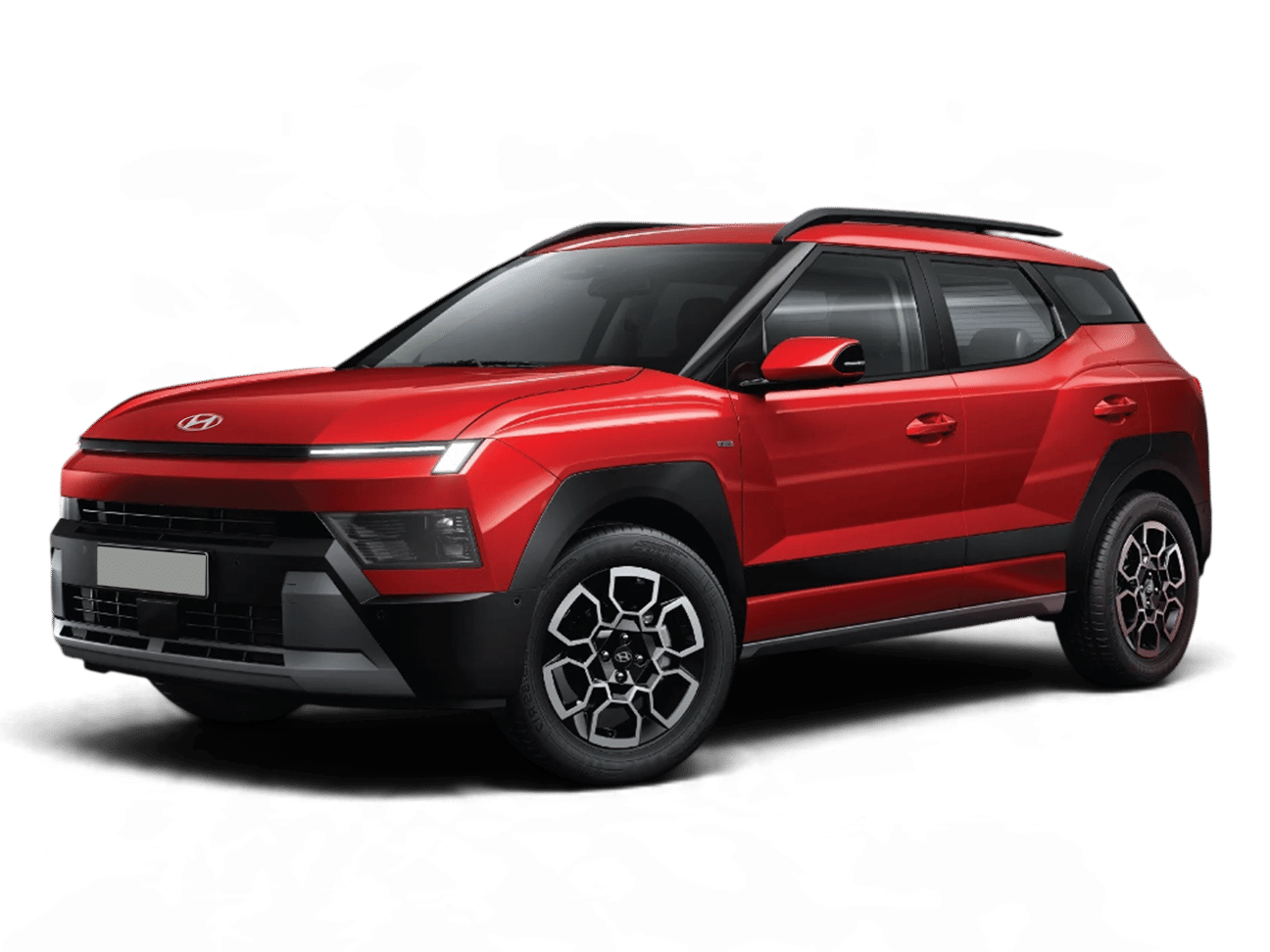
Hyundai’s newest midsize SUV offering is the Bayon, which has the Maruti Suzuki Victoris in its crosshairs. Much like how the Victoris fills the gap between the sub-four-metre Brezza and the Grand Vitara, the Bayon slots in between the Venue and Creta. With prices ranging from Rs 10 lakh to Rs 18 lakh, its entry-level price undercuts its chief rival by Rs 50,000, while the top-spec version is Rs 57,000 more expensive. Initially offered with a sole 1.5-litre petrol, paired with manual and automatic transmissions, can the Bayon take the fight to the Maruti?
Bayon Exterior Design and Engineering

Now in its second-generation iteration in India, the Bayon is built on Hyundai’s Global K Enhanced platform. It features an advanced electronic and electrical architecture with integrated artificial intelligence, over-the-air updates and Level 2 ADAS, among other technologies, making it Hyundai’s most technologically advanced ICE offering in India.
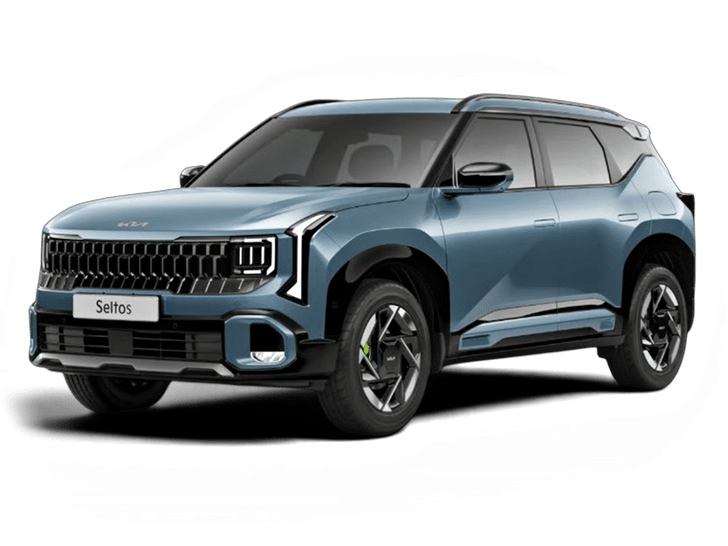
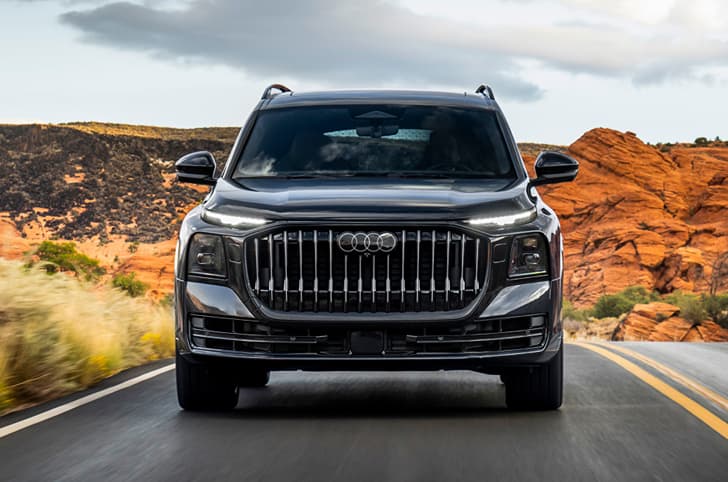
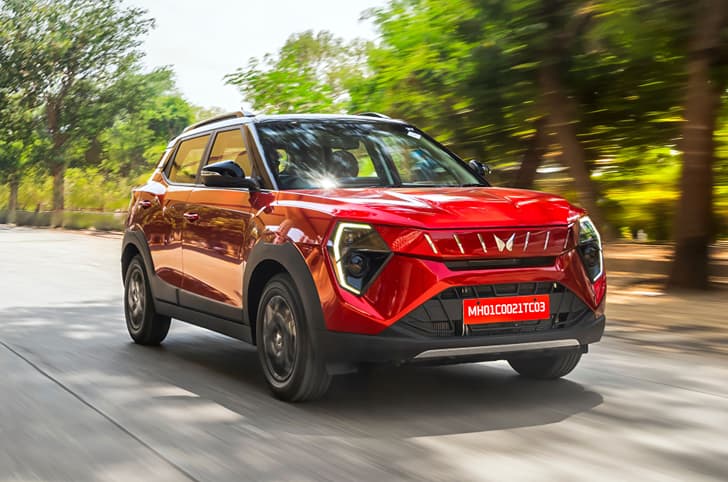
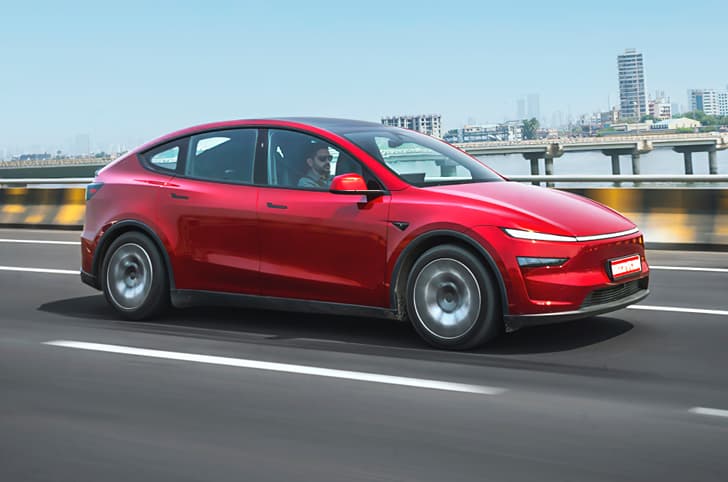
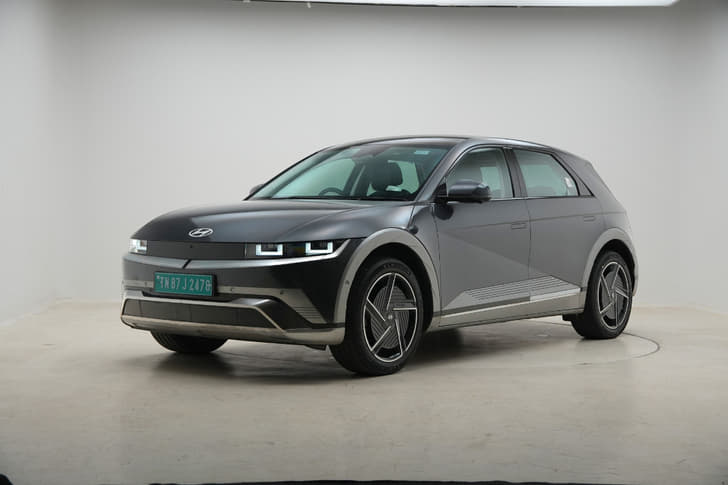
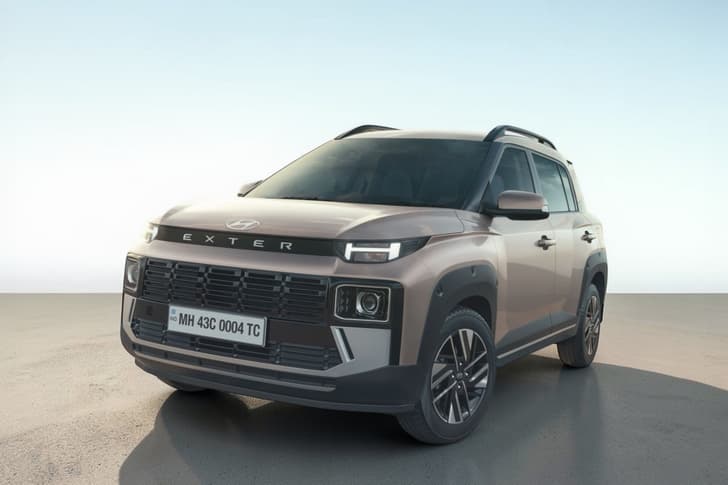
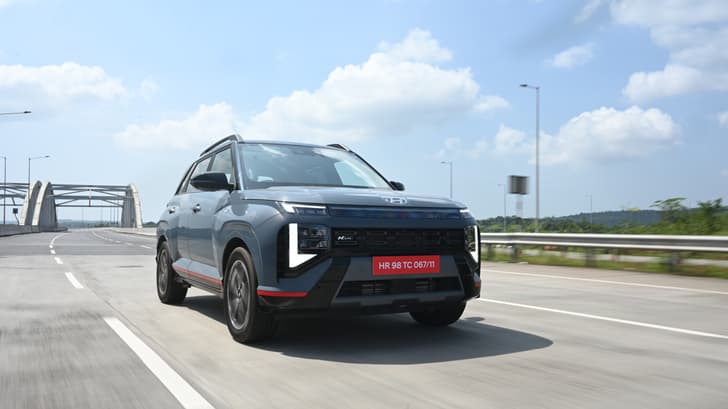
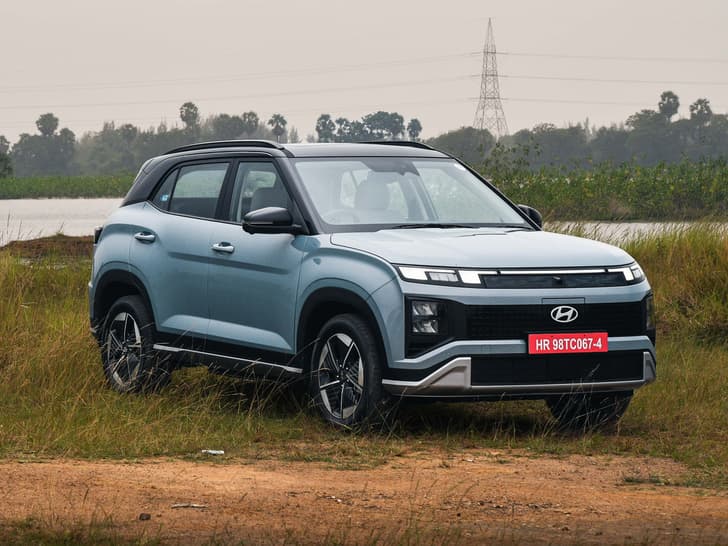
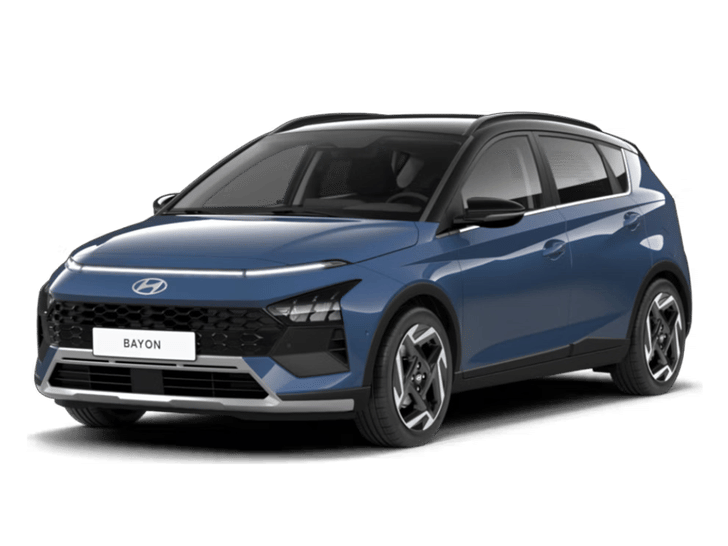
While the first-generation Bayon’s unconventional styling limited its appeal to European markets, the second-generation model adopts a more universally appealing design that could find favour with both European and Indian buyers. It sports a fresh, modern design language, with striking LED lighting all around, exaggerated black plastic cladding and sharp body lines defining its character.


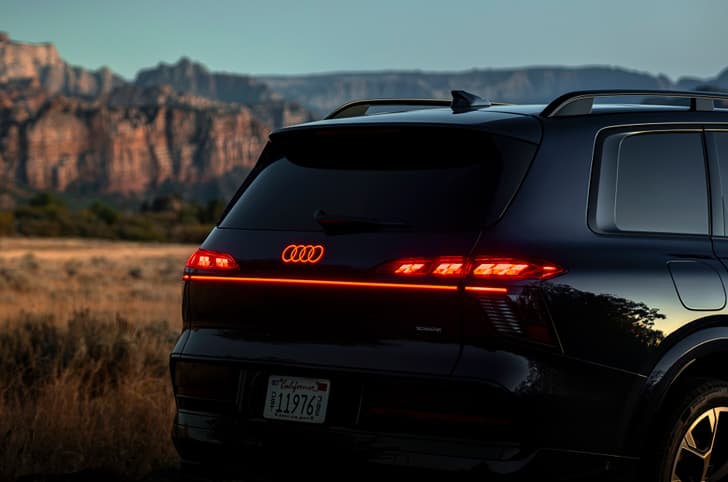
The rear is particularly interesting, with a sloping windscreen and a large spoiler incorporating a vertically mounted high-mounted stop lamp in a white casing. The Bayon name is spelt out across the boot, although there are no variant or engine badges. The tail-lamps have a split design, with slim parking lights and indicators above, horizontally oriented brake lights below and reversing lights flanking the number plate. The two-tone rear bumper adds further visual interest.

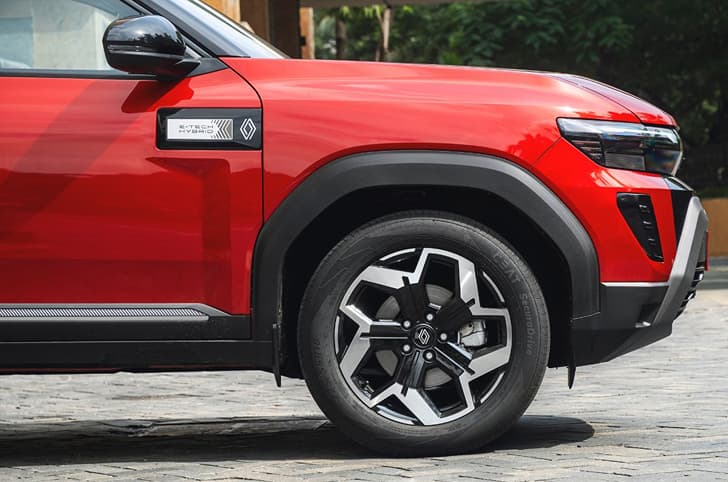
Even the two-tone 17-inch alloy wheels are eye-catching. An India-friendly 205mm unladen ground clearance, along with bridge-type roof rails, further enhances its visual height. However, there’s no escaping the relatively low roofline, which gives it the appearance of a swoopy crossover rather than an imposing SUV.
In terms of dimensions, the Bayon is 115mm shorter than the Victoris and 50mm lower, but is 15mm wider. Its 2,600mm wheelbase is identical to its core rival and just 10mm shorter than the Creta’s.
Bayon Interior Space and Comfort

Hyundai has got the choice of colours, textures and materials spot-on. The combination of light grey and black lends the Bayon’s cabin a premium, inviting feel. Interestingly, while the dual-tone exterior paint options are available, they are paired with an all-black cabin featuring red accents. More importantly, cabin quality and overall fit and finish are impressive, and feel like a clear step above even the more expensive Creta.

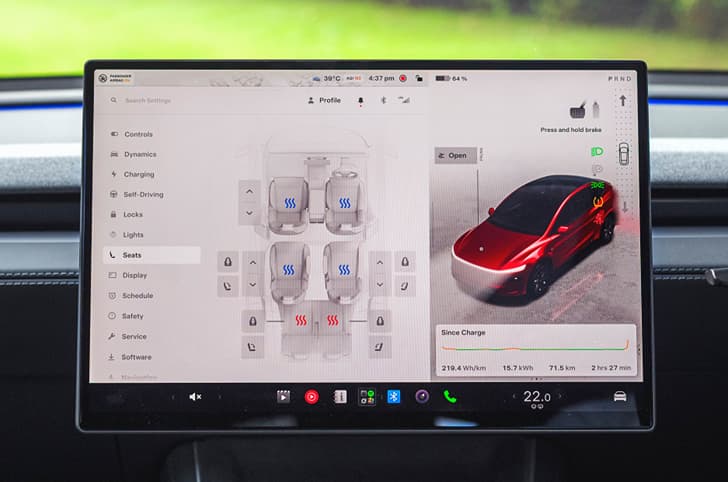
In keeping with its SUV positioning, the Bayon gets vertically oriented air vents and a climate control console that give the dashboard an upright appearance. The chunky, leather-wrapped steering wheel feels expensive to hold, while the twin screens for the instrument cluster and infotainment system lend the cabin a modern, tech-focused look. Both screens also score highly for usability, with a straightforward interface that is easy to navigate.
A new addition is an interactive AI voice assistant that works via the onboard e-SIM. It is quite clever and understands the Indian accent well, although its performance can become temperamental in areas with poor network coverage.

One of the biggest highlights, surprisingly, is the manual gear lever. Its quality and tactile feel set a benchmark even for cars from segments above. The automatic's drive selector, meanwhile, has a sporty appearance and, with its red stitching, looks like it could have come straight from the N Line parts bin.
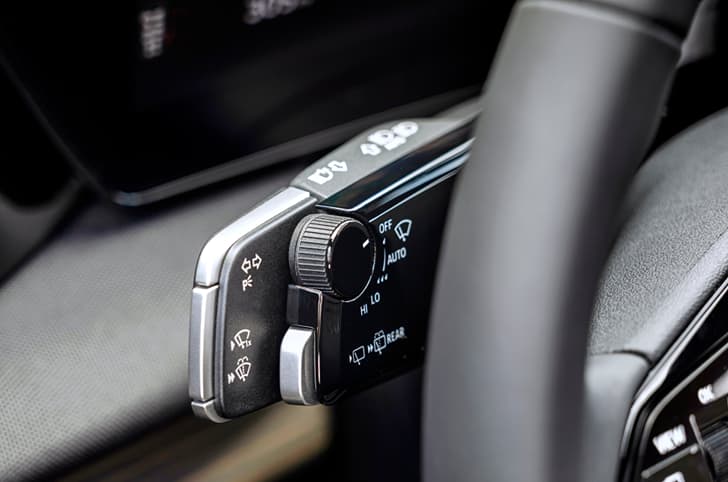
The sensible mix of physical buttons, knobs and touch-operated functions makes the overall user experience simpler and more familiar. As is typical of Hyundai, ergonomics are well sorted, and the high seating position, along with ample adjustment, means even shorter drivers and those new to the car will find it easy to get comfortable.

As mentioned earlier, the Bayon’s wheelbase is just 10mm shorter than the Creta’s, which translates into broadly similar cabin space, particularly at the rear. Kneeroom and footroom are good by segment standards, but the low roofline eats into headroom for taller occupants. Consequently, the sculpted rear seats for two passengers and the sense of space doesn't feel quite as good as the relatively boxier Creta. On the plus side, the backrest gets a two-step recline function, and even its more upright setting is comfortable. However, for an otherwise well-equipped car, the absence of rear sunshades is disappointing. This is possibly a feature that hasn't been considered essential in Europe, which seems to be the primary market the car was designed for.

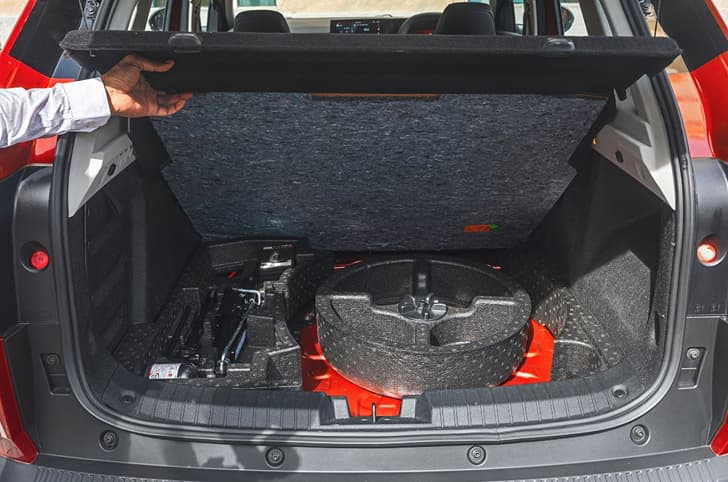
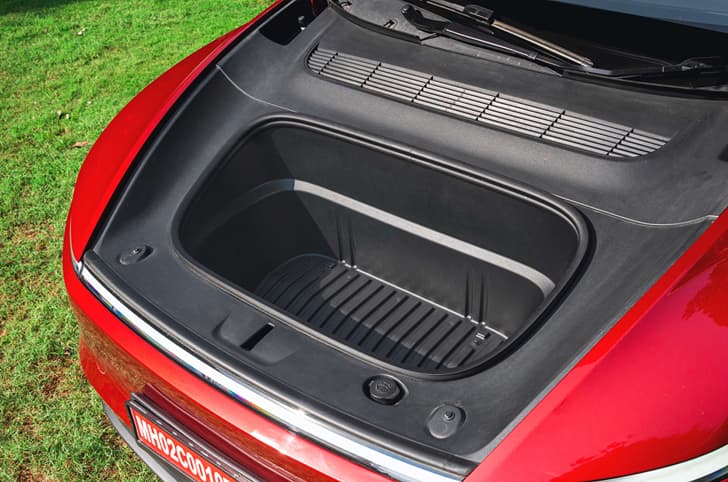
The Bayon gets a 505-litre boot, measured up to the roof, although its actual usable capacity is par for the course. The 60:40 split rear seats add flexibility, while a spare tyre neatly tucked beneath the boot floor enhances practicality. The loading lip, however, is rather high and could make loading and unloading heavy luggage a bit of a struggle.
What's your first reaction to Bayon?
Bayon Features and Safety

Hyundai is confident that the new K Enhanced platform is sufficiently well engineered to achieve a five-star rating in crash tests conducted by Indian safety agencies. The Bayon also gets Level 2 ADAS Pro, with the IVT version offering an enhanced suite of features. These include adaptive cruise control with navigation-based functionality, allowing the car to adjust its speed according to road curves and speed limits. Lane-keep assist, forward collision assist, blind-spot warning, cross-traffic alert and high-beam assist are among the features common to the top-spec manual and IVT versions.

Standard safety equipment includes a tyre pressure monitoring system, six airbags, hill-start assist, ESP, ABS with EBD, speed-sensing door locks, ISOFIX child-seat anchors and a burglar alarm.
The top-spec variant gets a fairly comprehensive equipment list, including 17-inch alloy wheels, a panoramic sunroof, 12.3-inch instrument cluster and touchscreen, wireless Android Auto and Apple CarPlay, a Bose audio system, a powered driver's seat, ventilated front seats, drive modes, paddle shifters and a dashcam, among other features.
What community is saying on the Bayon?
Bayon Performance and Refinement

The 1.5-litre naturally aspirated petrol engine is a familiar unit, and, as in the Creta, Kia Seltos and Carens Clavis, it continues to impress with its smoothness and refinement. Throttle response is crisp and power delivery is linear. While there's adequate pulling power for both city and highway use, the engine isn't particularly exciting. The absence of a turbocharged engine's strong mid-range punch means you'll occasionally find yourself revving it harder to execute quick highway overtakes.

The engine is paired with a six-speed manual transmission, which is among the slickest units around. Shifts are short and precise, and the gear lever, with its excellent quality and tactile feel, makes rowing through the gears a genuine pleasure. Shift effort is low, while the clutch is sufficiently light, making this a particularly user-friendly combination.
The automatic option is a chain-driven continuously variable transmission (CVT), which is once again smooth and seamless in operation. The CVT version also gets Eco, Normal and Sport drive modes, which alter shift logic, throttle response and steering feel. New to this version is a Dash mode, which activates automatically in Eco or Normal when the system detects aggressive throttle inputs and the engine is under load. While there is no additional torque assistance from a mild-hybrid system, Dash mode is claimed to make the CVT respond quicker and hold a lower ratio for stronger acceleration.

In practice, however, the benefits of Dash mode are barely perceptible. You'd probably only know it is working when its indicator lights up on the instrument cluster. Like the Creta, the Bayon also gets paddle shifters for manual control, simulating eight gear ratios. These come in handy when you need engine braking on downhill stretches or want to prepare for a quick highway overtake.
Push harder, though, and the familiar CVT characteristics begin to surface. Aggressive throttle inputs bring on the 'rubber-band' effect that CVTs are notorious for, with engine revs rising sharply under hard acceleration. That said, the effect is less pronounced than in several other CVTs, and the rise in engine speed is accompanied by a reasonably brisk build-up of pace.
Bayon Ride Comfort and Handling

The Bayon has a distinctly European ride character, with an underlying firmness that makes it noticeably stiffer than the Creta. The good news is that this firmness never translates into a harsh or jarring ride, even over sharp potholes. The high-profile tyres deserve some credit here, as they do a good job of absorbing the initial impact. Body control is also good, with rocking and lateral movements kept well in check.

At highway speeds, the Bayon feels predictable and composed. Its handling will satisfy most owners, although it isn't particularly sporty, nor does it pretend to be. The automatic's drive modes increase steering effort in Sport mode, but even then, the steering doesn't feel particularly sharp or communicative.
Bayon Should You Buy Now or Wait
The Hyundai Bayon does have its limitations. It is smaller than its rivals, and its swoopy, crossover-like stance may not appeal to buyers seeking the imposing road presence typically associated with an SUV. Its low roofline also compromises the sense of space in the cabin, particularly with the all-black interior. Then there's the limited powertrain choice: with only a petrol engine on offer initially and CNG slated for January 2027, buyers looking for diesel, turbo-petrol, hybrid or EV options are left out. Finally, the top-spec Bayon is also slightly more expensive than its direct rival, the Maruti Suzuki Victoris.

However, it would be unfair to dismiss the Bayon as just another midsize SUV in an already crowded segment. It gets several fundamentals right, including modern styling, an inviting cabin, a comprehensive features list and, most importantly, a very user-friendly nature. The 1.5-litre petrol engine is smooth, refined and responsive, and is complemented by either a slick manual gearbox or a seamless CVT automatic.
For buyers specifically looking at a midsize Hyundai SUV, the Bayon makes a compelling case over the petrol Creta, particularly if they prefer a fresher design and a more contemporary cabin. Yes, its appeal will be limited by its powertrain options, packaging compromises and pricing at the top end. But its likeable nature and ease of use make it well worth considering.
 Hormazd Sorabjee
 Soham Thakur
 Nikhil Bhatia
 Dipan Sur