Last Updated on: 30 Sep 2026
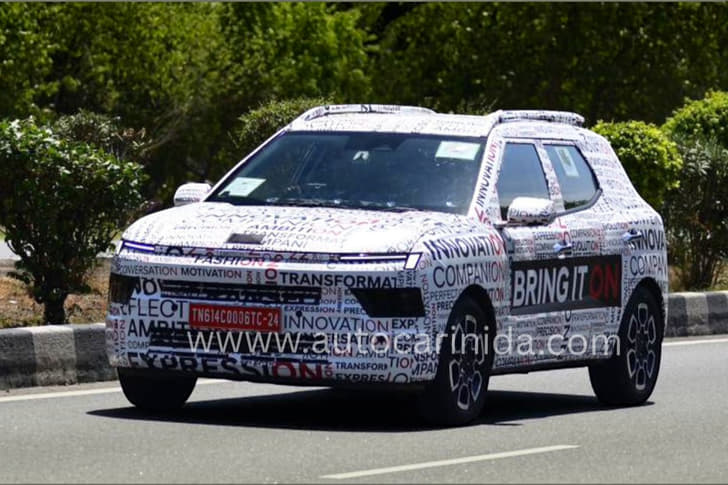
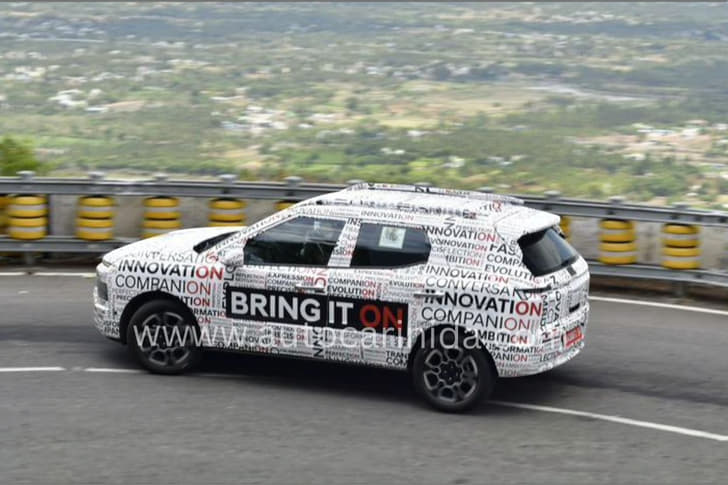
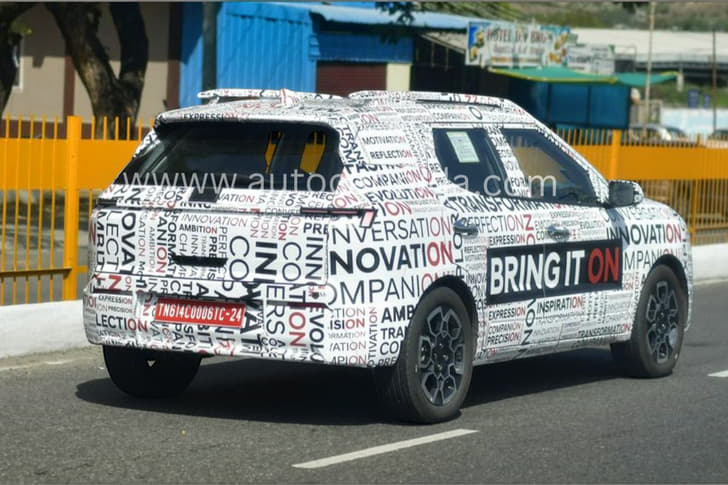

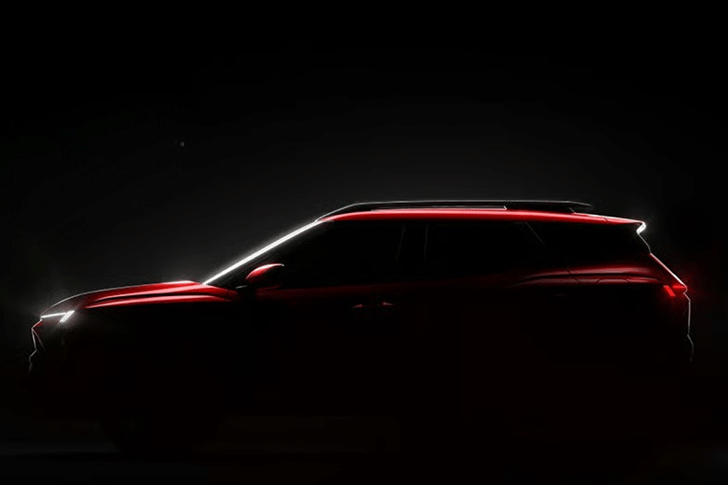
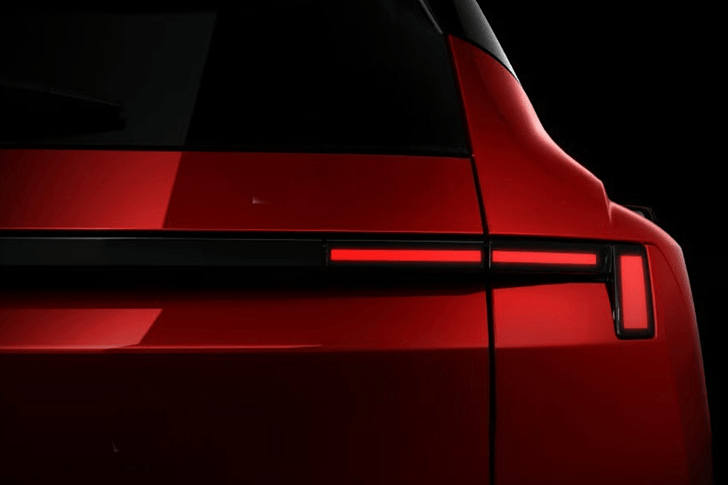
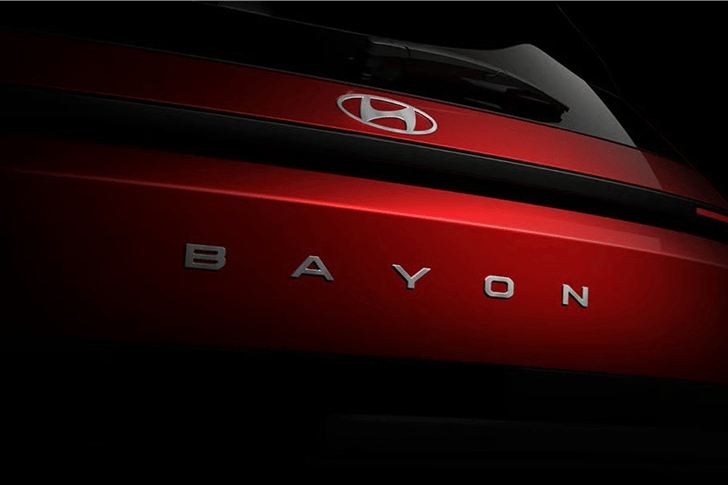
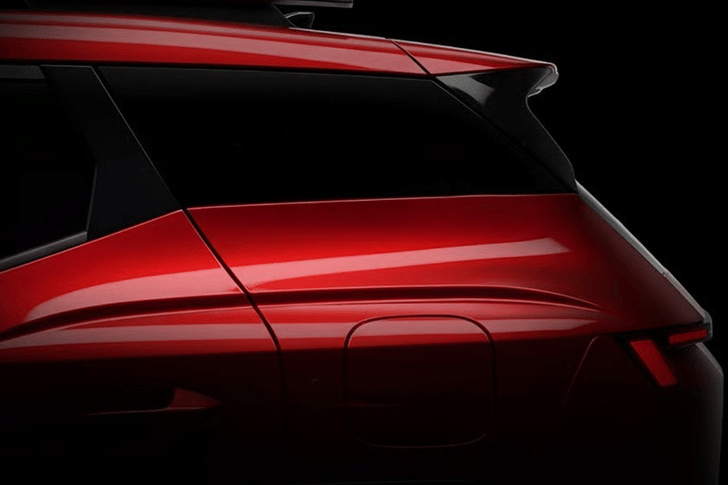
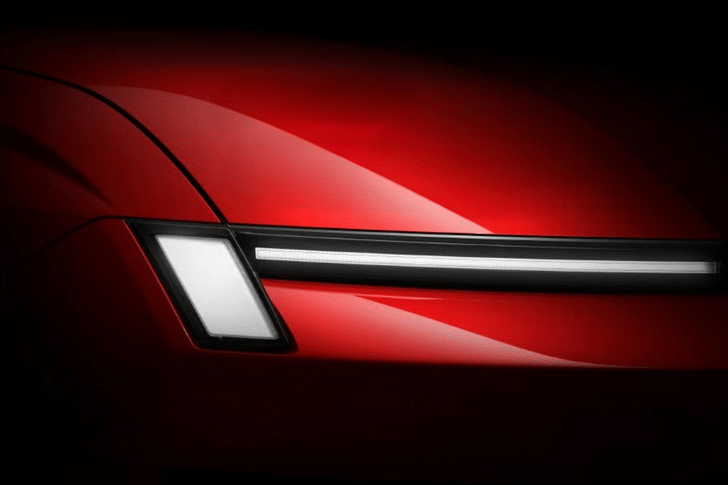
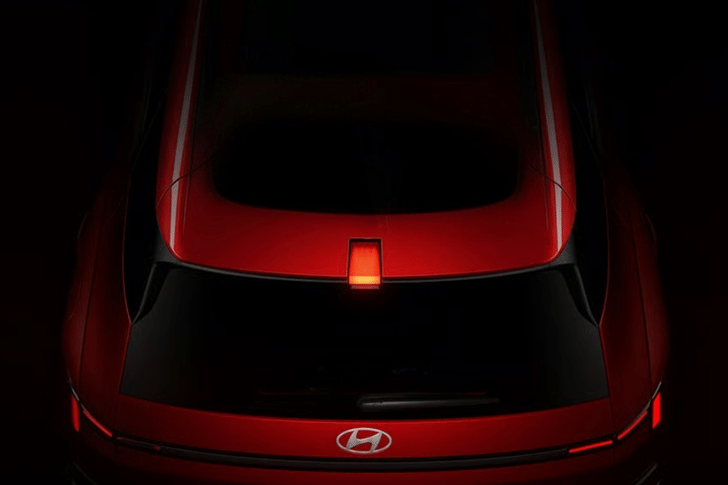
Hyundai Bayon specifications
Hyundai Bayon key specifications
Engine 1497 cc | Fuel Type Petrol |
Body Style SUV |
Hyundai Bayon specifications
Engine & Transmission
Engine Displacement | 1497 cc |
Number of Cylinders | 4 |
Engine Installation | Front |
Fuel Type/ Propulsion | Petrol |
Max Engine Power | 115 hp at 6300 rpm |
Max Engine Torque | 143.8 Nm at 4500 rpm |
Suspension & Steering
Wheels | Alloys |
Hyundai Bayon features
Exterior
| Headlight Type | LED |
| Outside rear view mirror (ORVM) | |
| Spoiler | |
| LED taillights |
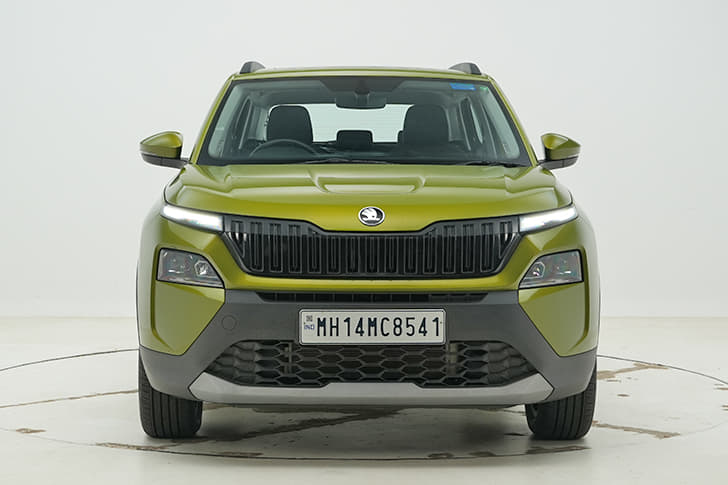
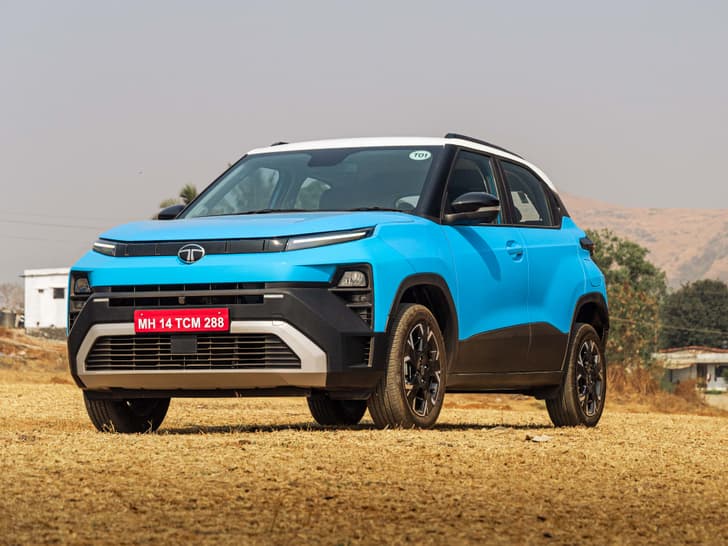
Specifications of Hyundai Bayon alternatives

Questions you may find useful
I currently drive a Hyundai i10 CNG, with daily running of around 6 km in Gurgaon city traffic and a monthly highway drive of around 200 km. I am now planning to upgrade my car, with an on-road budget of Rs. 12 lakh for a petrol sub-4-metre SUV, up to Rs. 14 lakh for a petrol midsize SUV, and Rs. 15 lakh for an EV. I live in a rented apartment on the second floor, so I am apprehensive about getting an EV. I prefer an EV, but installing a charger could be complicated due to the sanctioned load. My running could increase to nearly 800 km per month in the future. My key priorities are: - Good suspension and ride comfort, as I have a back problem - Decent fuel efficiency in heavy city traffic - Low to medium maintenance costs - Auto hold and ventilated seats would be good to have I sometimes consider buying a manual, but I mostly prefer an automatic. I am currently considering the Maruti Brezza, Baleno AMT, Fronx AMT/AT, Sonet iMT, Exter AMT, and even the upcoming Inster, VF3, and Bayon. I am open to other suggestions as well. Note: I had a bad driving experience with the Punch AMT, as it caused back fatigue.

 Maruti Suzuki BrezzaKia SonetMaruti Suzuki BalenoHyundai ExterHyundai Bayon
I'm a first-time car buyer planning to purchase an automatic petrol car in Q3 2026, mainly for city use and occasional long trips. I want modern features such as a 360° camera, wireless Android Auto/Apple CarPlay, etc. My budget is around Rs. 10-12 lakh, but I can extend it to Rs. 14 lakh if the car is feature-rich and offers good safety, ADAS, etc. Initially, I shortlisted the Hyundai i20 Asta variant, but I have heard that it will receive a facelift soon. I have also heard that Hyundai will be launching the Bayon soon. So, I am a little confused about whether it is a good decision to buy a car that is due for a facelift, wait for the Hyundai Bayon launch, or consider other alternatives such as the Hyundai Venue, Kia Sonet, or Mahindra XUV 3XO. I am avoiding Maruti Suzuki because I have read that the features and safety offered in this price range are not as good as those of the competition. Please advise me. Thanks.
Mahindra XUV 3XOMaruti Suzuki VictorisHyundai CretaHyundai i20Hyundai BayonHyundai VenueKia SonetHyundai Bayon On Road Price in India
Upcoming Cars

Hyundai Cars
Trending Cars


Latest Cars