Autocar India
1w

I'm a first-time car buyer planning to purchase an automatic petrol car in Q3 2026, mainly for city use and occasional long trips. I want modern features such as a 360° camera, wireless Android Auto/Apple CarPlay, etc. My budget is around Rs. 10-12 lakh, but I can extend it to Rs. 14 lakh if the car is feature-rich and offers good safety, ADAS, etc. Initially, I shortlisted the Hyundai i20 Asta variant, but I have heard that it will receive a facelift soon. I have also heard that Hyundai will be launching the Bayon soon. So, I am a little confused about whether it is a good decision to buy a car that is due for a facelift, wait for the Hyundai Bayon launch, or consider other alternatives such as the Hyundai Venue, Kia Sonet, or Mahindra XUV 3XO. I am avoiding Maruti Suzuki because I have read that the features and safety offered in this price range are not as good as those of the competition. Please advise me. Thanks.

Verified
16m

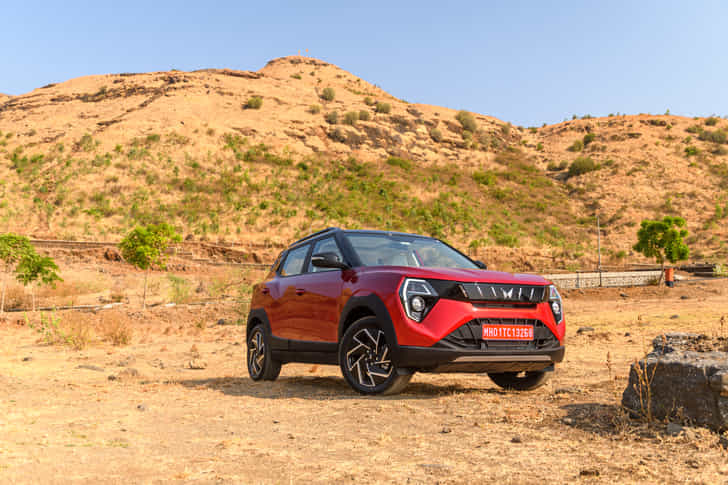
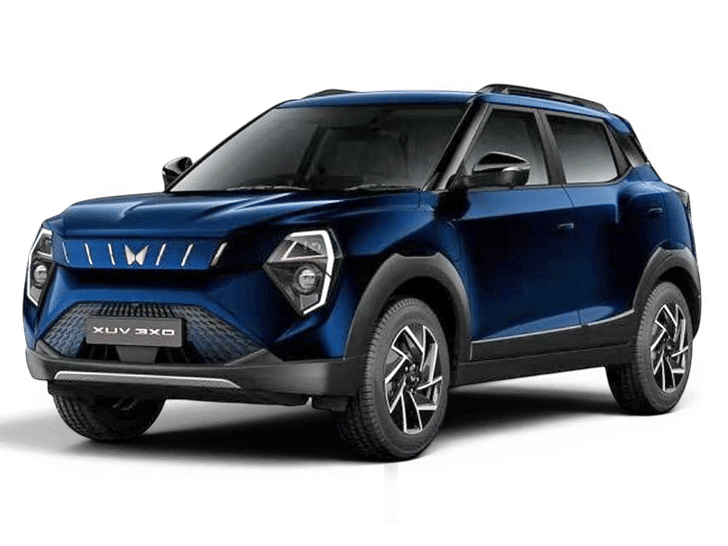
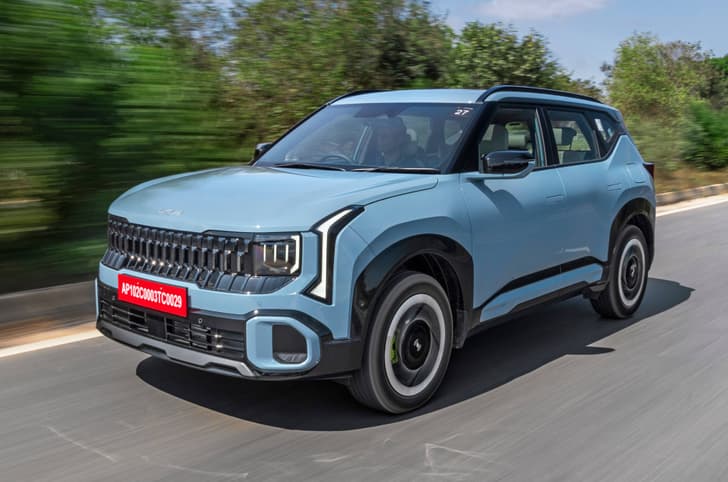
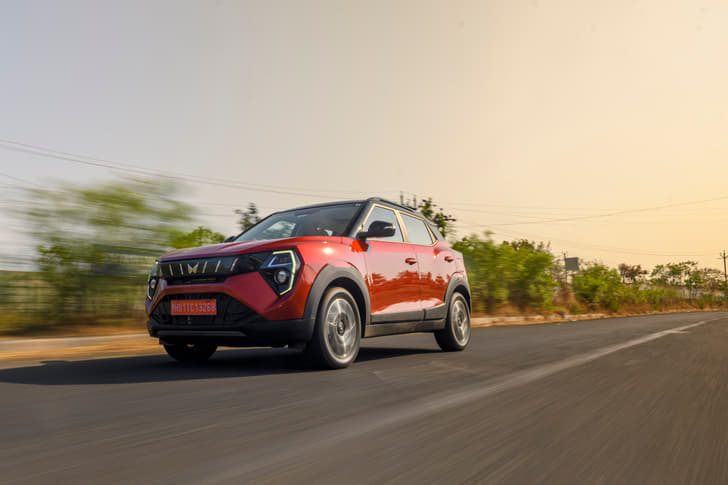
The Mahindra XUV 3XO petrol automatic is a strong fit for your usage. Its smooth 6 speed automatic, light steering and compact footprint make it very easy to live with in the city, especially in traffic and tight parking conditions. Importantly, it already ticks your feature requirements, including a 360° camera, wireless Android Auto and CarPlay, and even ADAS, within your stretched budget of around Rs 14 lakh. It also feels reassuringly solid. The XUV range has built a good safety reputation, and the turbo petrol engine offers strong low end performance, making it well suited to both city driving and occasional highway runs.

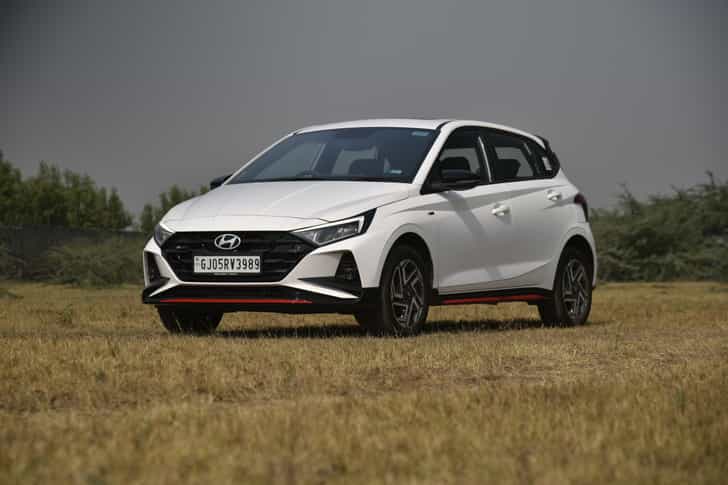
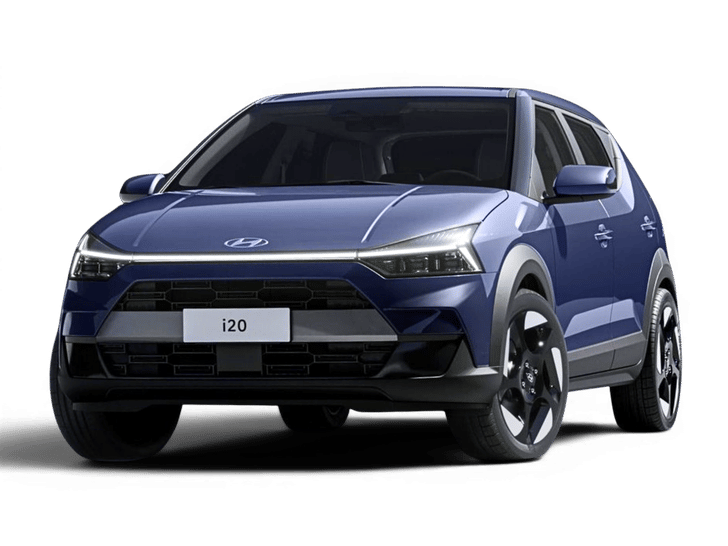
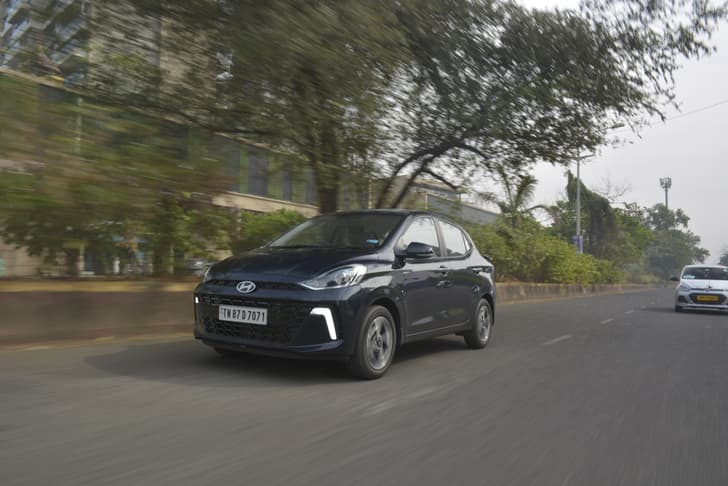
On the i20, while it remains a well rounded premium hatchback, the current version does miss out on features like a 360° camera and ADAS. There is talk of a facelift, but timelines are not confirmed, and it is unclear whether Hyundai will add these features, so waiting specifically for that may not guarantee what you are looking for.

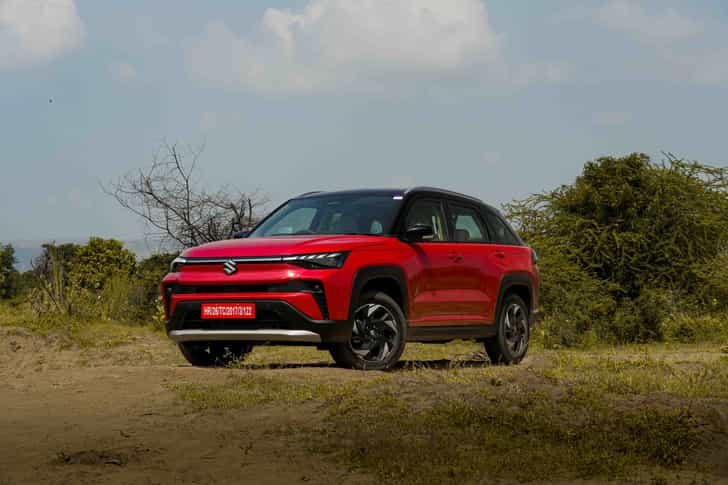
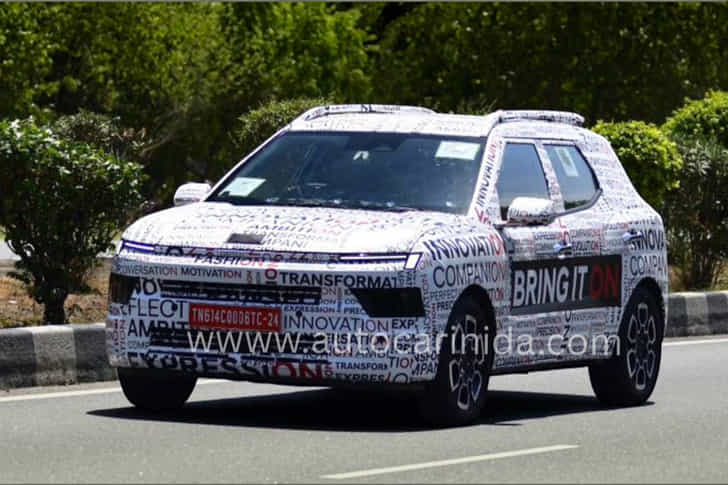
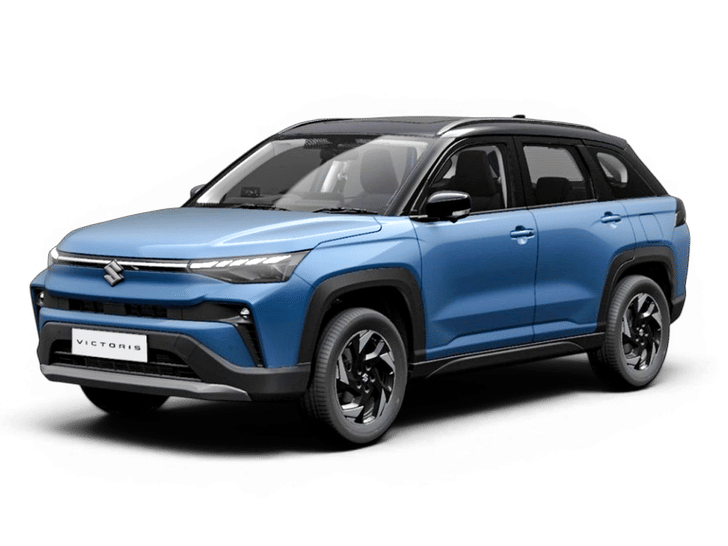
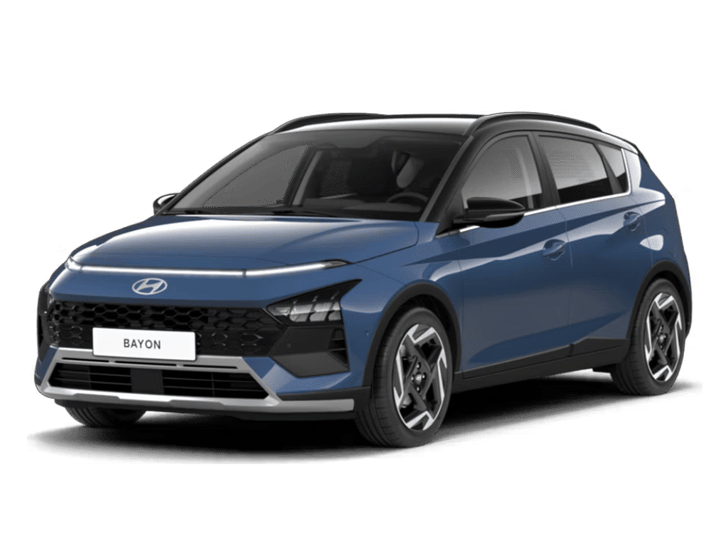
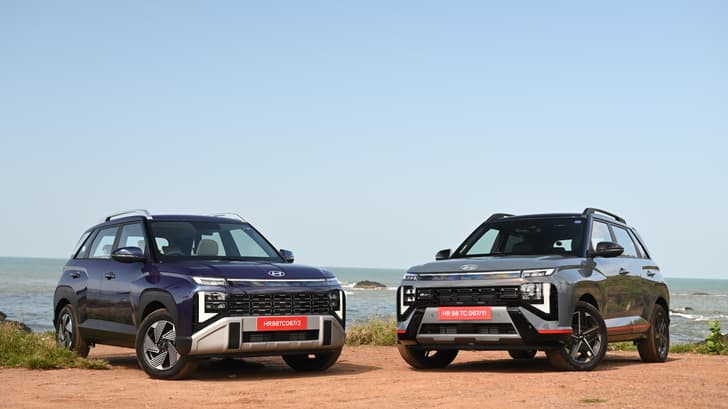
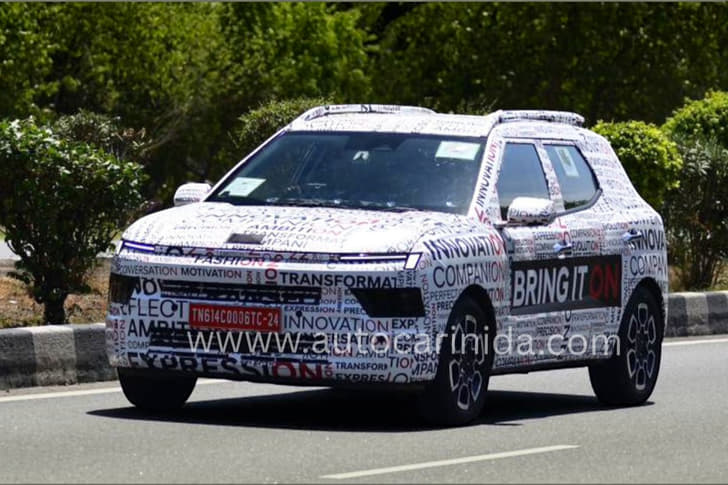
As for the upcoming Bayon, Hyundai is expected to bring it around September, but it will likely be a larger, around 4.3 metre crossover as a Maruti Suzuki Victoris rival and positioned below the Creta. That means it may not be as feature rich in the variants that fall within your budget. It could also end up competing more with mid size SUVs rather than sub 4 metre options.

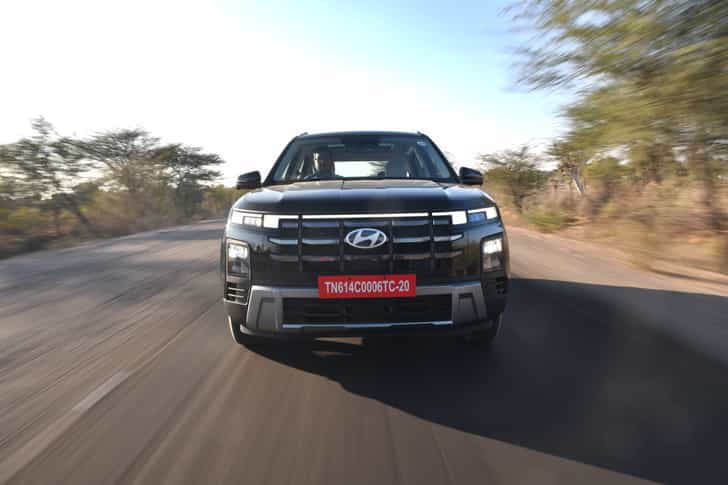
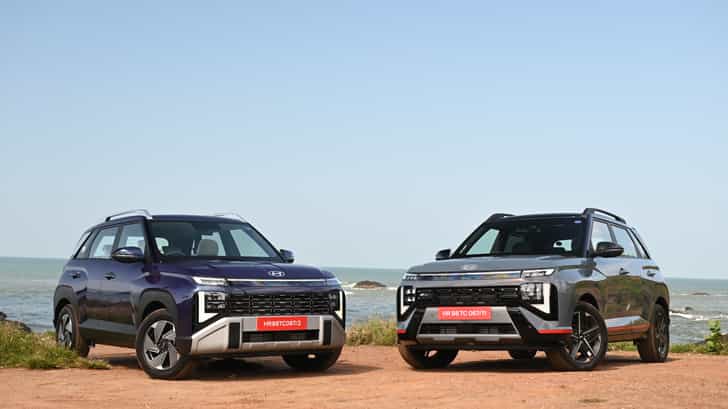
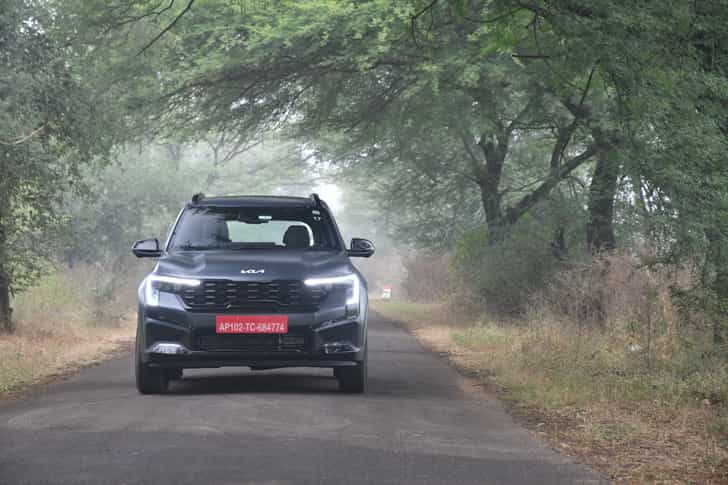
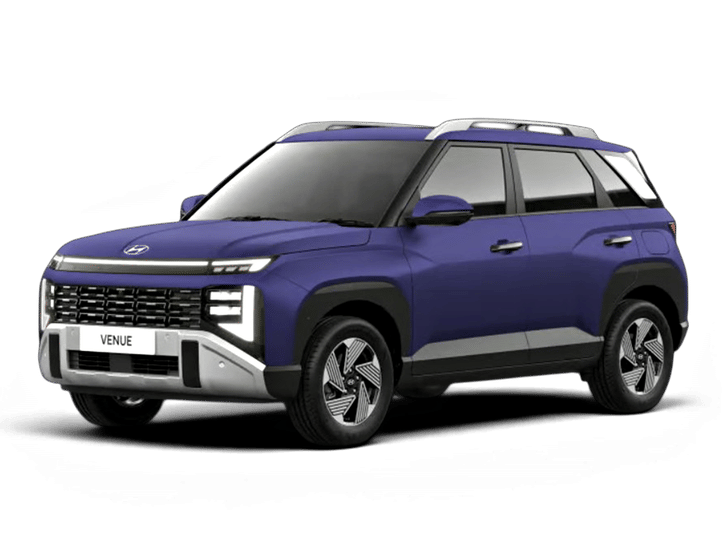
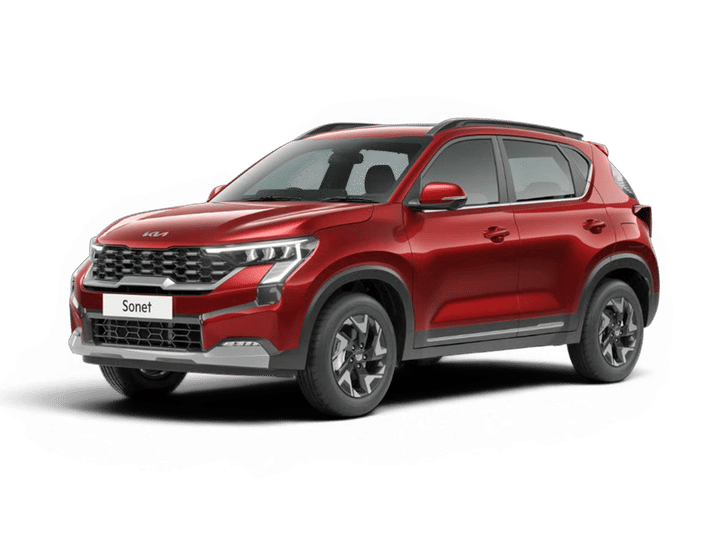
The Venue and Sonet are polished and easy to recommend, but the variants that offer both ADAS and a 360 degree camera tend to stretch well beyond Rs.14 lakh on road. 
Mahindra XUV 3XO

Mahindra XUV 3XO

More questions on similar cars

5d

I have a budget of Rs.10 lakh and want an automatic car. My usage will be around 70-80% in the city and 20% on highways in Bangalore. I have shortlisted Hyundai i20 Asta IVT, Honda Amaze ZX CVT, Tata Nexon AMT Pure Plus and Maruti Suzuki Baleno AMT. I want a decent city fuel efficiency of around 10-12 kmpl. I also want a car that will not feel boring after 5-6 years and has a youthful appeal with a bit of style. Please help me choose the right one.

Verified
17h

Pick the Hyundai i20 Asta IVT. For mostly Bangalore city use, it feels light and easy to drive and its clean, sporty look will still feel young in five years. It's very efficient too, though some others might be better. The automatic is the smoothest to drive and the most polished in traffic, but that trim will likely go past your Rs 10 lakh budget; settle for the Sportz (O) instead. A quick word on the rest. The Honda Amaze CVT is smooth, friendly and efficient, but as a compact sedan it might not deliver the style statement or road presence you want. The Baleno will be the most efficient; in real-world traffic you can expect around 11-13kpl if you are judicious with the throttle, and the cabin is airy and comfy for the daily grind. However, the AMT is not as smooth as the i20’s automatic. Tata Nexon AMT gives you SUV stance and presence, but the AMT is clunky in stop-go and city economy is weaker, so your 10-12kpl requirement is a stretch.

VehicleHyundai i20
VehicleHonda Amaze
VehicleTata Nexon
VehicleMaruti Suzuki Baleno
1d

We are planning to buy a car and are confused between the Hyundai i20 Asta Optional and the Hyundai Venue HX6T 1.2-litre NA petrol. Our budget is up to Rs. 12.5 lakh, and we drive around 8,000km annually, mostly in the city with light to moderate traffic. We occasionally take highway trips. We currently own a 2015 Wagon R VXi. The quoted prices are Rs. 10.44 lakh for the i20 and Rs. 12.7 lakh for the Venue. What makes more sense, a small hatchback or a Venue?

Verified
1d

With an annual running of just 8,000km, mostly in the city, the Hyundai i20 simply makes more sense. It offers the same 1.2-litre naturally aspirated petrol engine as the Venue, but being lighter, it should feel a little more responsive and should also be slightly more fuel-efficient. Considering you're comparing the top-spec i20 Asta (O) with a mid-spec Venue HX6, the i20 also offers a more premium cabin, a richer feature list and, at over Rs 2 lakh less, represents significantly better value for money.The Hyundai Venue HX6 is worth considering if you specifically want the higher seating position and SUV styling. However, with the same engine, the extra weight means it is unlikely to offer any performance advantage, and you'll be paying a significant premium primarily for the SUV body style.Coming from a 2015 Wagon R, both cars will feel like a substantial upgrade in terms of refinement, comfort and features. Unless the higher driving position is a non-negotiable requirement, we'd save the money and choose the i20.

VehicleHyundai i20
VehicleHyundai Venue
6d

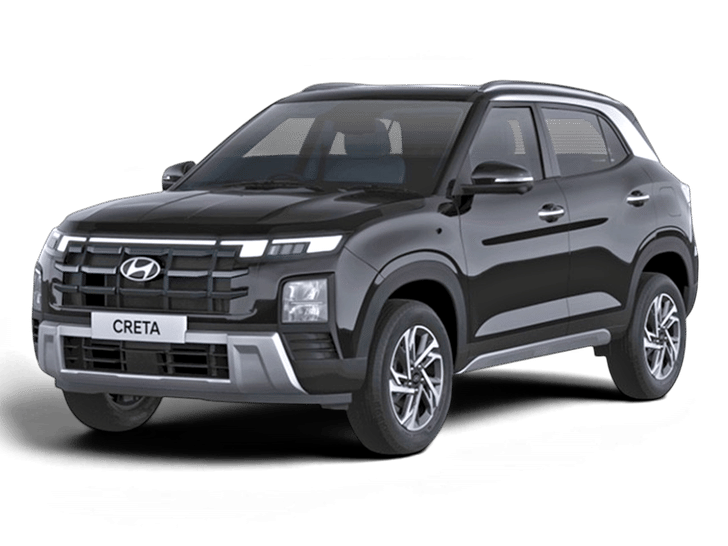
My running is around 2,500 km per month, currently between Faridabad and Dwarka. My route is likely to change next year, but the monthly distance should remain similar, with more highway driving than at present. Budget is max Rs. 21 lakh on-road. Looking for a safe, reliable, long-term car that is comfortable for the driver. I generally prefer sedans. For context, I drove an 8th-gen Civic AT for 2.5 lakh km and am currently driving a Ciaz AT. I've shortlisted a few options, but each seems to have a drawback: Punch EV 40 - Seats felt too hard, cabin didn't feel very premium. Sonet Diesel AT GTX - Safety concerns. Venue Diesel AT SX(O) - City fuel efficiency doesn't seem great. Curvv Diesel AT - Concerned about long-term prospects as it doesn't seem to be selling well. Verna 1.5 Turbo DCT - Worried about city fuel efficiency. City Hybrid - Stretching beyond my budget. Creta Petrol AT - Safety rating not very reassuring. Am I missing any good options? Would appreciate suggestions, especially from people with high annual running and long-term ownership experience.

Verified
1d

Given your 2,500km monthly running, we'd actually recommend looking at a strong hybrid rather than a diesel. Our pick would be the Maruti Suzuki Victoris Hybrid. It fits within your budget, has a 5-star Bharat NCAP safety rating, offers excellent fuel efficiency in both city and highway driving and is backed by Maruti Suzuki's extensive service network. It also provides the kind of smooth, refined driving experience that should feel like a natural progression from your Civic and Ciaz. While it isn't a sedan, it offers generous interior space and excellent long-distance comfort.Another advantage is that, being a petrol hybrid, it is a more future-proof choice for Delhi NCR. With increasing scrutiny on diesel vehicles and evolving regulations in the region, a petrol hybrid offers greater long-term peace of mind while still delivering running costs that are comparable to many diesel SUVs.The City Hybrid would have been another obvious recommendation given your preference for sedans, but as you've mentioned, it stretches your budget.Among your shortlisted cars, we'd still lean towards the Verna Turbo DCT if you want to stay with a sedan. However, with your annual running, fuel costs will be significantly higher than with a strong hybrid.We would also be cautious about choosing the Seltos, Sonet or Venue diesel purely for efficiency. While all three use the same proven 1.5-litre diesel engine paired with a torque-converter automatic, it isn't the most fuel-efficient diesel automatic in real-world conditions.

VehicleMaruti Suzuki Victoris
VehicleHyundai Verna
VehicleHyundai Venue
VehicleKia Seltos
VehicleKia Sonet

Popular discussions right now

1w

My annual running is below 7,000 km, and I plan to keep my next car for 12-15 years. I am confused between Grand Vitara, Hyryder, Elevate, Creta, Seltos and Victoris. My priorities are reliability, a good balance of power and fuel efficiency, family comfort, low maintenance and long-term ownership. I am also concerned about India's future ethanol-blending policy (E20 and higher blends). Which of these would be the best long-term choice and why?

Verified
6d

With an annual running of less than 7,000km, fuel efficiency should not be the deciding factor. Instead, you should focus on comfort, reliability, ownership experience and how well the car will age over the next 12-15 years. That's why we wouldn't prioritise the Grand Vitara, Hyryder or Victoris Hybrid. Their hybrid systems command a price premium that you'll struggle to recover with such low annual usage.Between the remaining options, the Kia Seltos strikes the best balance. It offers a refined and proven naturally aspirated petrol engine, a smooth IVT automatic, a spacious and premium cabin, excellent comfort and a strong ownership experience. It also feels newer and more upmarket than the Elevate, while the Creta is due for a generational update sooner.The Honda Elevate deserves a mention for its simplicity and reliability. If absolute mechanical simplicity is your priority, it is arguably the safest long-term bet. However, it doesn't feel as premium as the Seltos. The engine and CVT combination isn't quite as refined, and Honda's dealer network is smaller.As for ethanol blending, we wouldn't let it influence your purchase decision. While there is plenty of discussion around E25, E27 and E30 fuels, there is currently no confirmed roadmap for such a transition. More importantly, all of these cars are E20-compliant, and manufacturers have engineered a degree of tolerance beyond that. The most likely effect of higher ethanol blends would be a small reduction in fuel efficiency and slightly accelerated wear of certain fuel-system components over a very long period, not a major reliability issue.

VehicleKia Seltos
VehicleHonda Elevate
VehicleMaruti Suzuki Grand Vitara
VehicleMaruti Suzuki Victoris
VehicleToyota Urban Cruiser Hyryder
1w

Dear Autocar experts, I have tentatively decided to buy the Mahindra XUV 7X0 petrol AX7L AT as my next ride. To be frank, it is out of a lack of choice and options that I have made this decision in my head. In terms of capability, it is a downgrade, as I'm moving on from my beautiful Ford Endeavour 3.2 Titanium AT. Of course, it has a long list of bells and whistles that will be all new (and strange) to me. Being based in Delhi NCR, I am reluctant to go for a diesel again at this time. My driving in the city is quite minimal, say about 15kms max per day on average, but always in the clutches of peak Delhi traffic. I am terrified of BSVI diesel DPF horror stories. I am hoping that the 7X0 will be able to negotiate hills, mountain terrains and roads satisfactorily, as I make these trips quite frequently. I plan to keep this car for the next 4-5 years till India sorts out its fuel preferences and diktats, and fresh options are introduced that combine clean energy and performance along with the infrastructure to support them. Is my thought process sound? If not, please poke as many holes in it as you can.

Verified
5d

Your plan seems sound for Delhi-NCR, because petrol dodges the 10-year diesel cap and DPF hassles, and your 15 km daily crawl will not punish petrol the way it would a BS6 diesel. The XUV 7XO petrol AT has strong performance and will certainly keep you satisfied while negotiating hill climbs. Sure, coming from an Endeavour 3.2, this will feel like a step down in terms of road presence and off-road ability. However, despite being a front-wheel drive monocoque, it still exudes an underlying toughness, which gives you ample confidence while dealing with rough terrain. Additionally, the tech and safety are up-to-date, and the three-row flexibility will come in handy, too, although boot space with all three rows in place is low. On the flipside, this petrol-AT is thirsty, so expect single-digit city fuel economy figures.If you aren't in a hurry, consider waiting for the Jetour T2 plug-in hybrid SUV that JSW is expected to launch in the latter half of this year. Sure, it'll be more expensive than the Mahindra, and it might not have the off-road capability of your outgoing Endeavour, but since you aren't fully convinced of the Mahindra, this could be worthy of your consideration.

VehicleMahindra XUV 7XO
VehicleJSW Motors Jetour T2

Posted on: 1 Jul 2026