Autocar India
13h

I am looking to buy an electric car in the Rs. 20-30 lakh price range. My driving is mostly within the city, with an annual running of only 5,000-7,000 km. Would you recommend buying an EV now, or would it be better to wait for the newer models that are expected to launch over the next few months?

Verified
1h

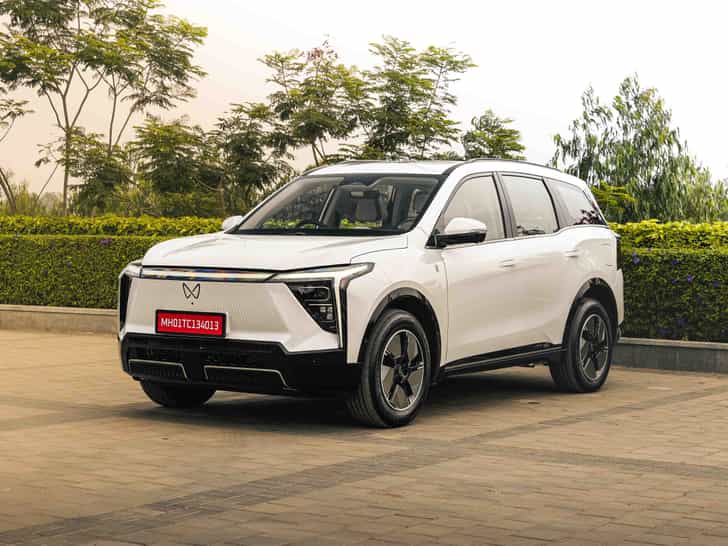
With 5,000-7,000 km a year and mostly city driving, you are the ideal EV buyer. The Mahindra XEV 9S in its top-spec Pack Three guise will comfortably fit in your budget. With a 79kWh battery pack, you can easily expect a real-world range of around 480km in daily driving conditions. The 9S is also a full-size SUV with three rows, so practicality is excellent. There is a usable frunk as well, and the feature list is extensive with connected tech, panoramic sunroof, front and rear ventilated seats, drive modes, Level 2 ADAS and much more. Also, with 286hp, the 9S has plenty of performance for everyday needs. The overall package strikes a good balance and hence is our recommendation.
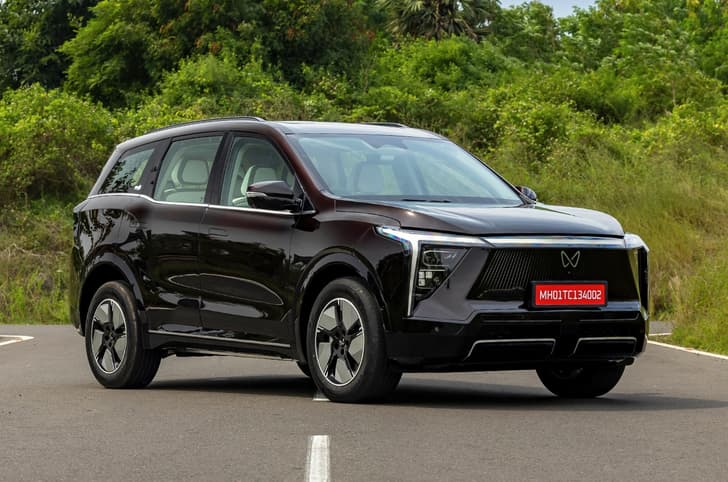
Mahindra XEV 9S

Mahindra XEV 9S

Explore cars mentioned
8s

@vijay.67 After driving the XEV 9S, I felt good comfort.

More questions on similar cars

7h

I have a strict budget of Rs. 12 lakh, and I'm looking for an automatic car, preferably with a DCT transmission in Kochi, Kerala. This will be my first car, and I don't have a lot of driving experience, so ease of driving is an important factor. My monthly running is around 500 km, with about 60% of it being in bumper-to-bumper city traffic. I'm primarily considering sub-4-meter SUVs. A reverse camera is a must-have feature for me, and after-sales service is also important. I recently test drove the Kia Sonet Petrol DCT and really liked it. However, I'd love to hear recommendations for other sub-4-meter SUVs in this budget. I'm also curious about the long-term reliability of DCTs. I've come across reports of jerking and drivability issues in heavy traffic after around 70,000 km. How common are these problems, and should they be a concern given my driving pattern, especially considering this will be my first car?

Verified
2h

Given your budget and requirements, the Kia Sonet petrol DCT is actually a very sensible choice. This Kia car is one of the most polished sub-4-metre SUVs on the market, with a refined turbo-petrol engine, a well-appointed cabin and a strong aftersales network. The DCT gearbox is quick and smooth in normal driving, and the car is compact enough to be easy to manoeuvre in city traffic. The reverse camera is available on mid-spec variants, so you do not have to stretch your budget to the top-end model.On the DCT reliability question, it is important to be realistic rather than alarmist. DCTs are fundamentally different from torque converter automatics. They use two clutches and can feel slightly jerky at crawling speeds, especially in stop-start traffic. Over very high mileages, clutch wear can become a factor, but this is not a widespread issue at 70,000 km if the car is driven sensibly and serviced on schedule. The Sonet's DCT is one of the better-tuned units in the segment, and for your monthly running of 500 km, it should not be a major concern. The key is to avoid excessive creeping on the brake and to shift to Neutral when possible.If you are open to alternatives, the Mahindra XUV 3XO petrol automatic is worth considering. This Mahindra car uses a torque converter automatic, which is smoother at low speeds and better suited to heavy traffic. The 3XO is also one of the most spacious sub-4-metre SUVs, with a wide rear bench and a strong safety rating. However, the boot is smaller than the Sonet's, and the overall cabin does not feel as premium.Given your requirements, the Sonet petrol DCT remains the best fit.

VehicleKia Sonet
VehicleMahindra XUV 3XO

Curated collections

Popular discussions right now
6d

I currently own a Skoda Kushaq Petrol AT. Everything is fine except the mileage. I am getting only around 10-13kpl with E20 petrol. My daily running is around 100 km. Should I buy a diesel car or an electric car?

Verified
5d

With a daily running of around 100 km, fuel efficiency becomes a major factor in ownership costs. The Skoda Kushaq petrol automatic is a good car, but the 10-13kpl you are seeing is typical for a turbo petrol automatic, especially with E20 petrol. At this usage, a diesel or a strong hybrid makes far more sense.If you do regular highway runs, a diesel is still the most practical and cost-effective solution. The Mahindra XUV 7XO diesel automatic would be the recommendation here. It is a strong highway car, comfortable, spacious and the diesel engine will deliver significantly better fuel efficiency than your Kushaq. Diesel running costs will be far lower over your kind of mileage. If that is out of your budget, something smaller like a Kia Seltos diesel, while not as powerful, is even more efficient.If your usage is mostly city a strong hybrid could be a better solution. The Maruti Suzuki Victoris is the most practical and cost-effective option. It is well priced, has a proven track record and will dramatically reduce your running costs. The strong hybrid is better suited to the city, where it is more likely to run on its electric motor than use the engine and deliver the better mileage.

VehicleSkoda Kushaq
VehicleKia Seltos
VehicleMahindra XUV 7XO
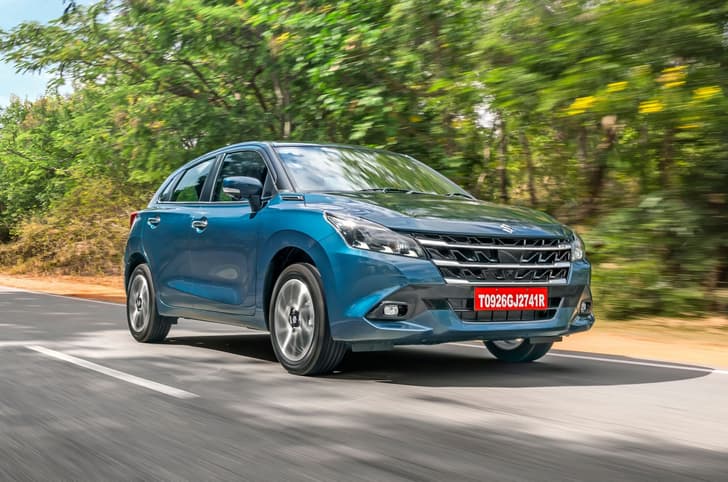
VehicleMaruti Suzuki Victoris

Posted on: 3 Aug 2026