Last Updated on: 25 Sep 2025
Hyundai Venue Expert Review
Take a closer look at the Hyundai Venue through our expert inspection. Get insights into its driving experience, comfort, safety features, and overall performance.
Hyundai Venue pros and cons
We like
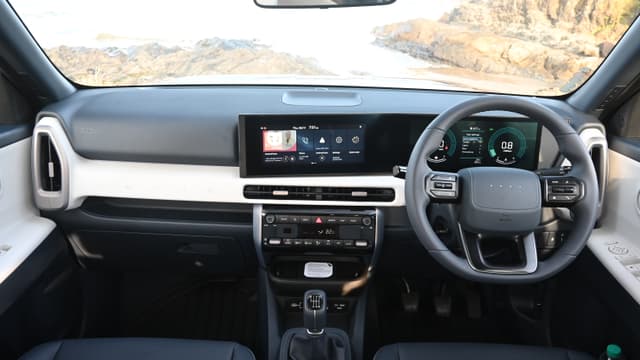
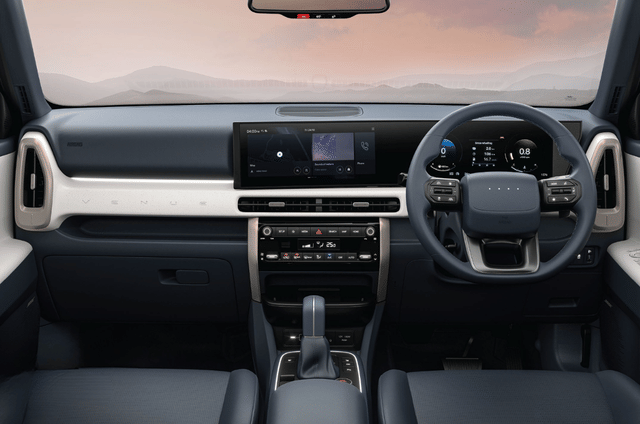
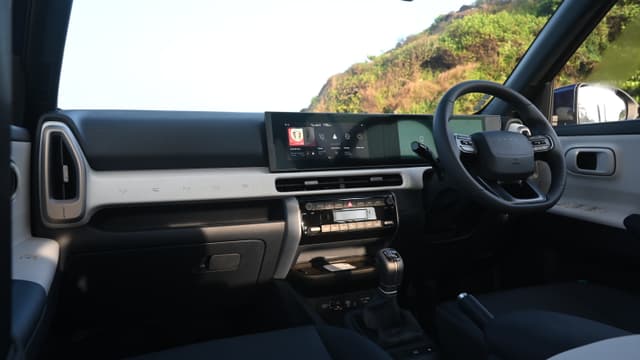
Cabin looks and feels premium
Slick infotainment system
Refined diesel and smooth auto combo.
We don't like
Ride still has an underlying firmness
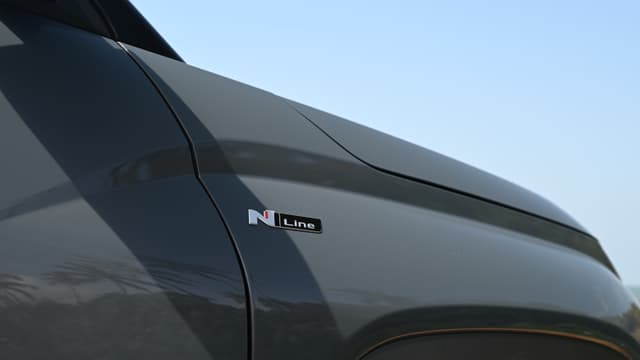
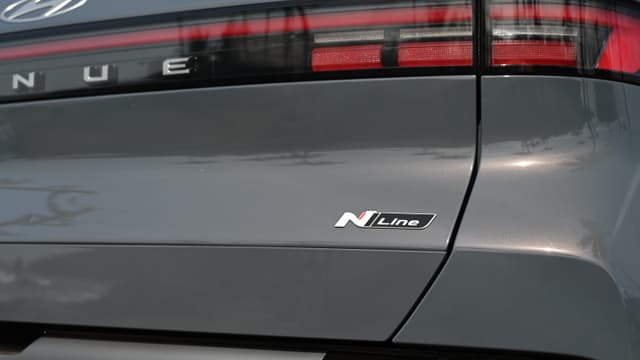
N Line mechanically identical to standard version.
Hyundai Venue expert review
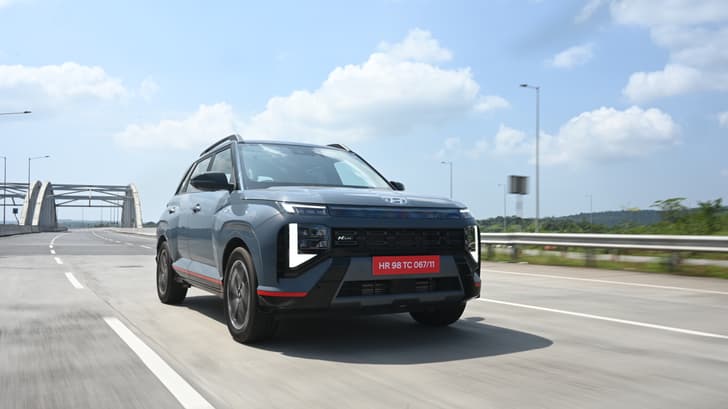
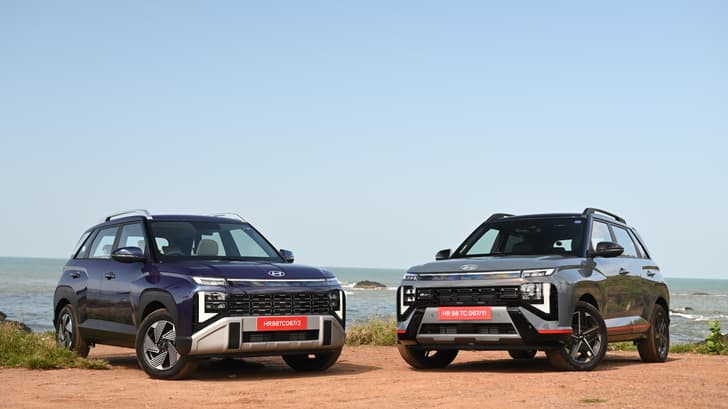
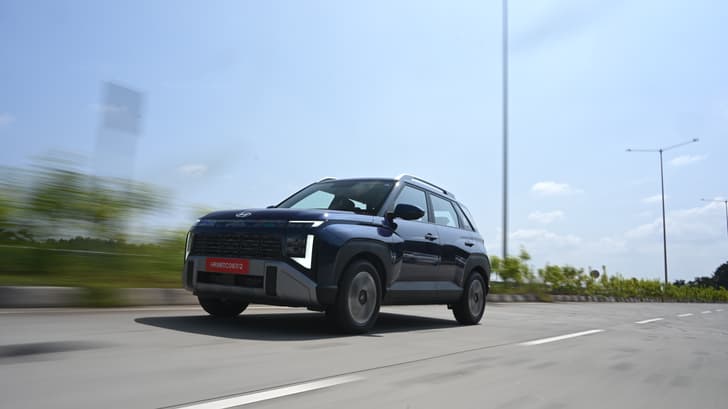
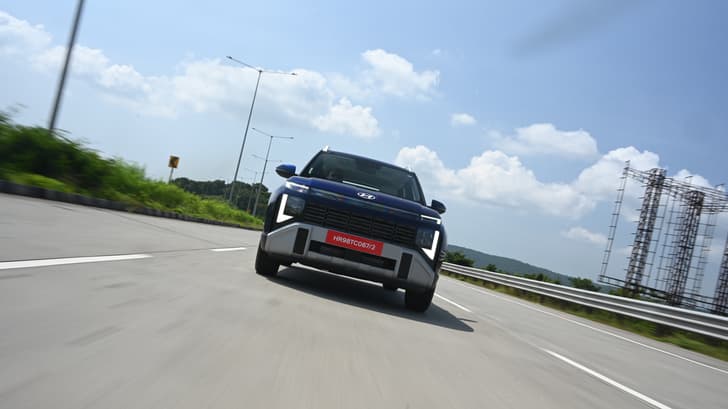
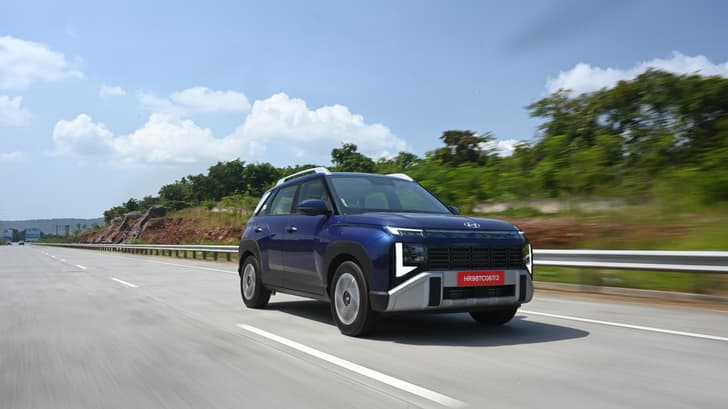
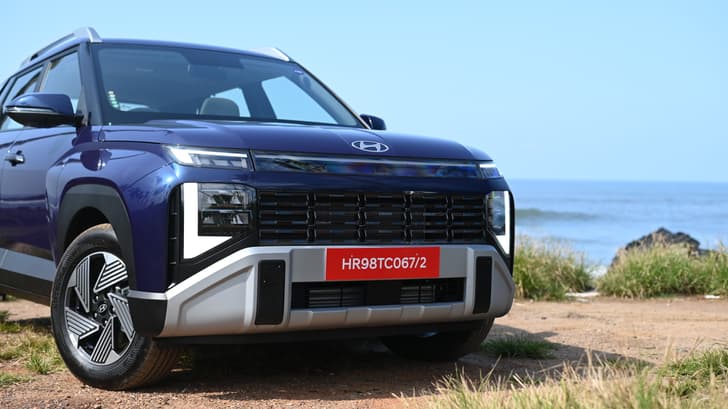
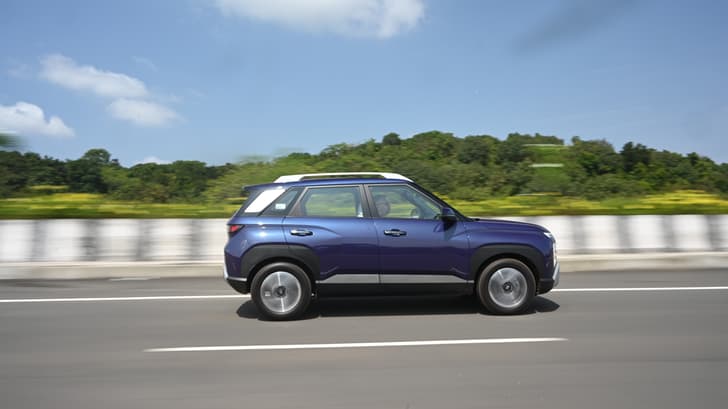
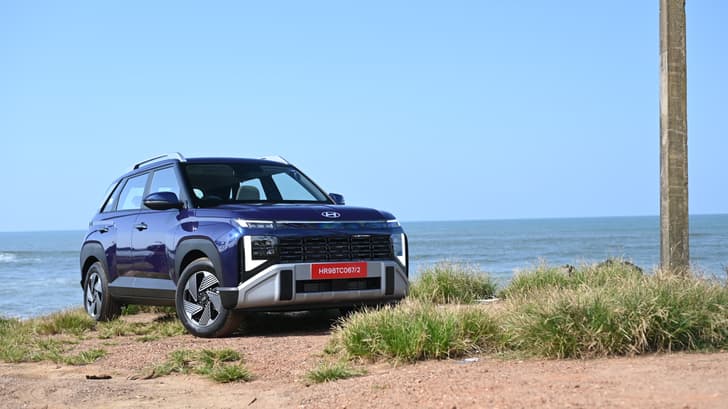
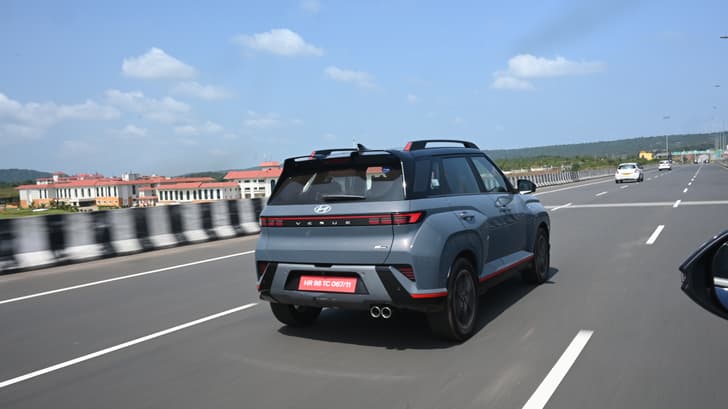
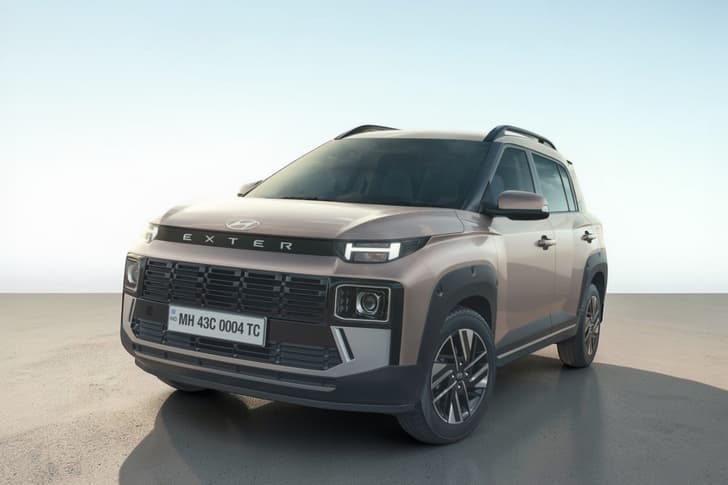
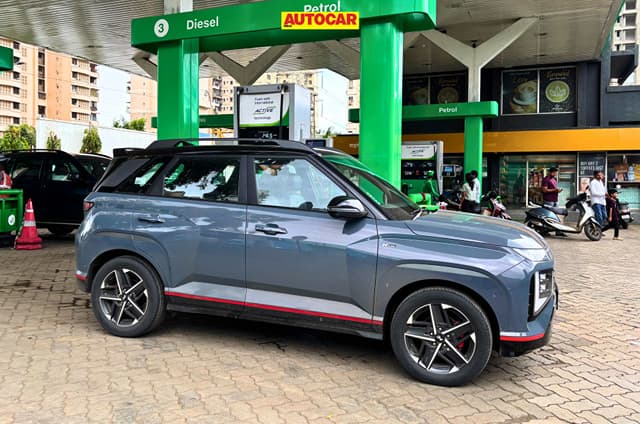
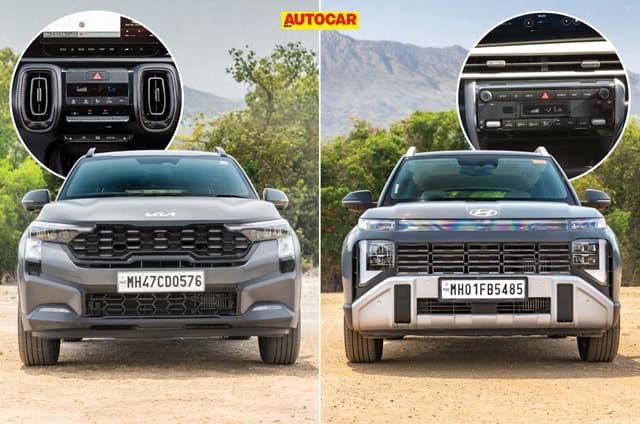
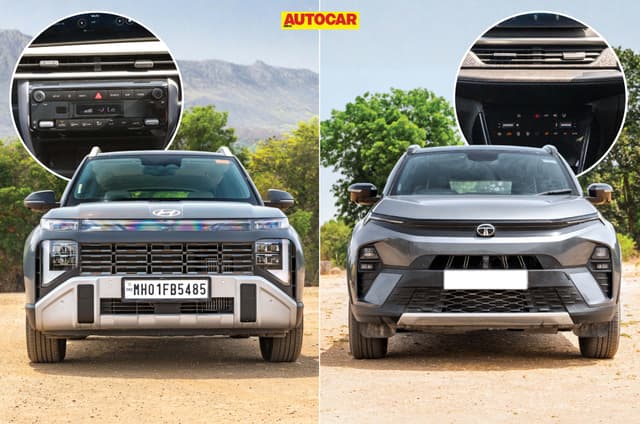
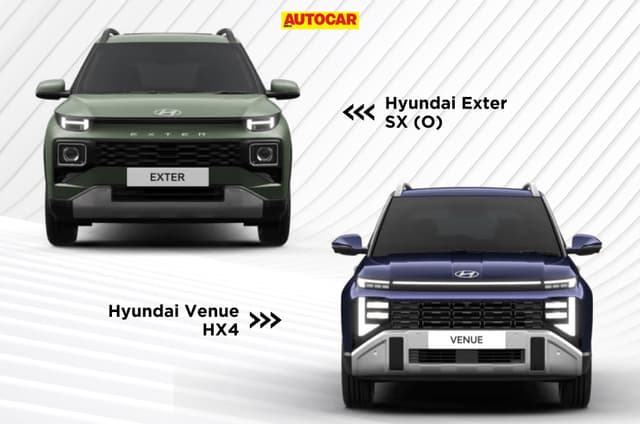
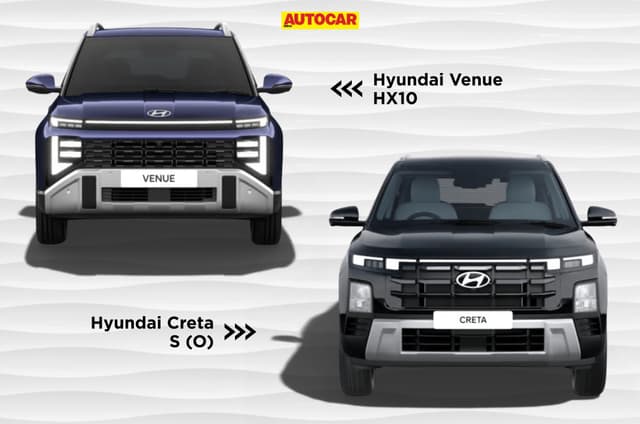
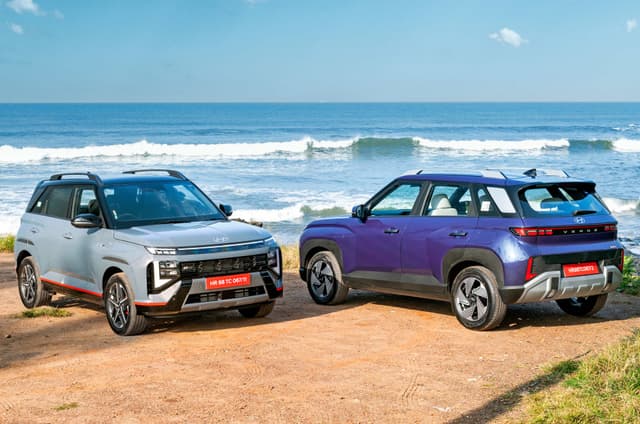
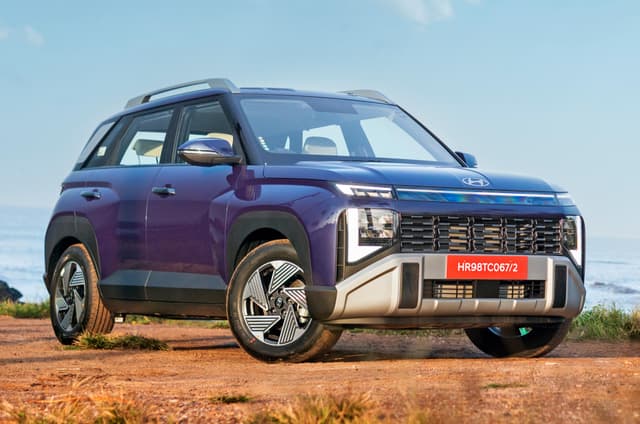
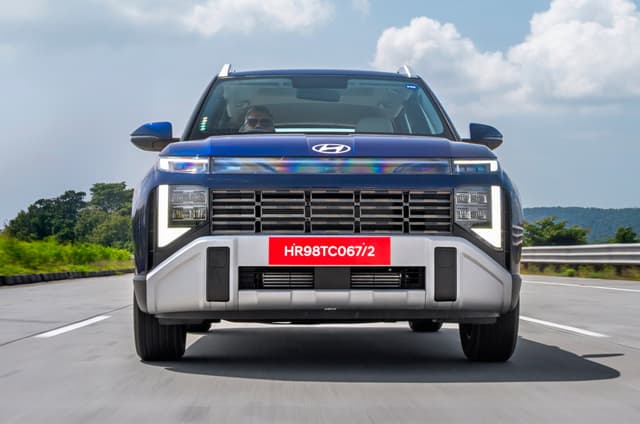
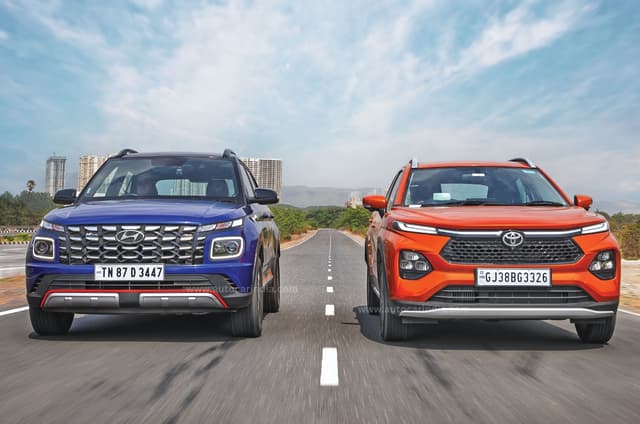
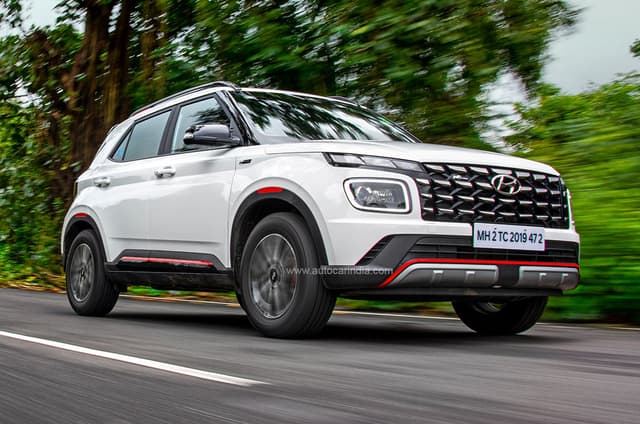
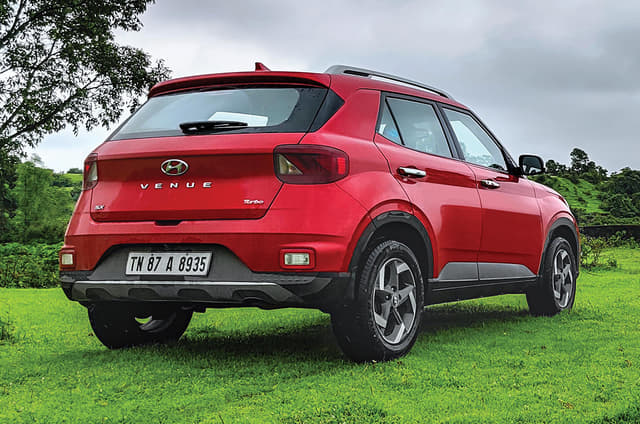
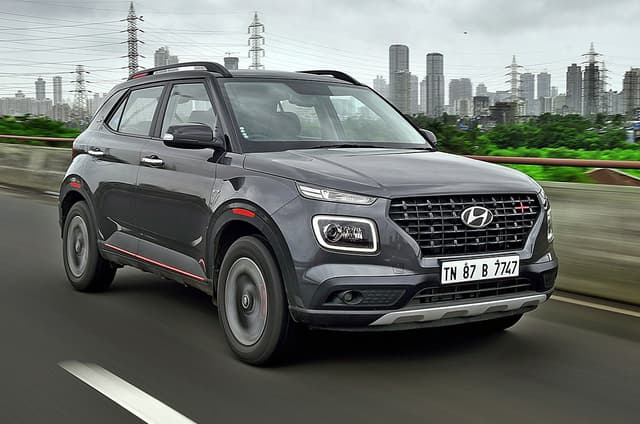
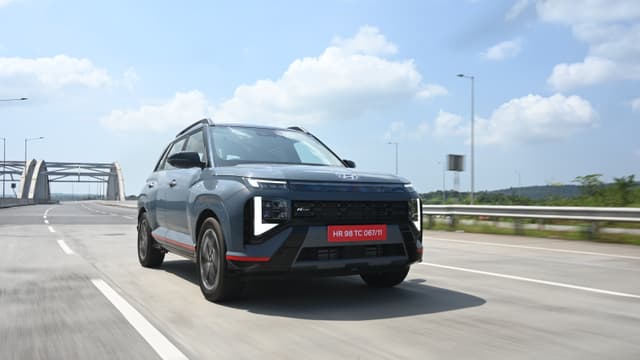
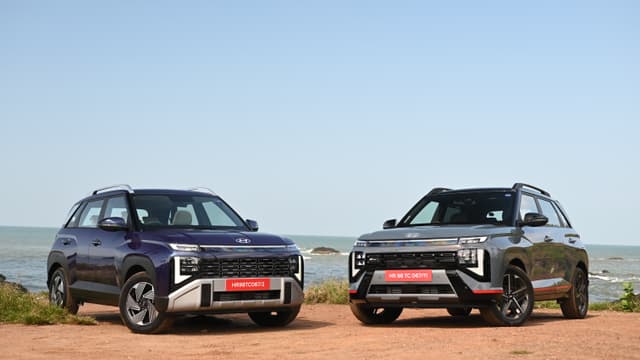
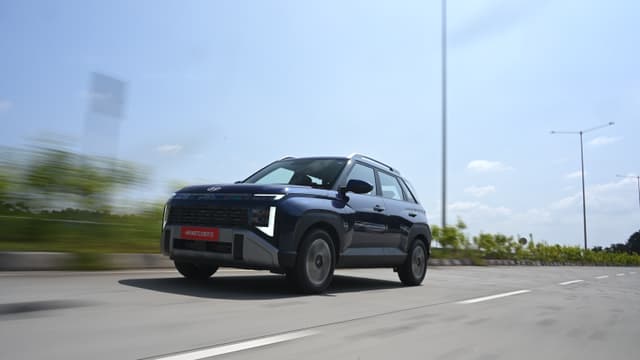
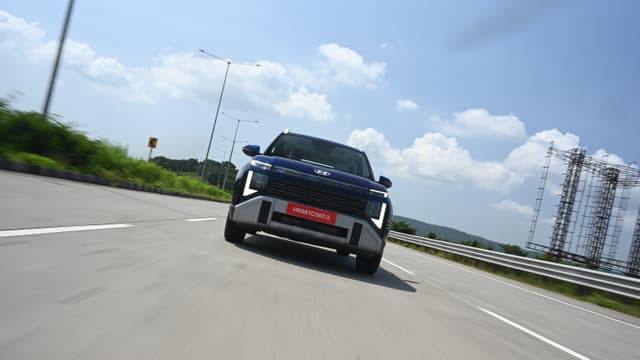
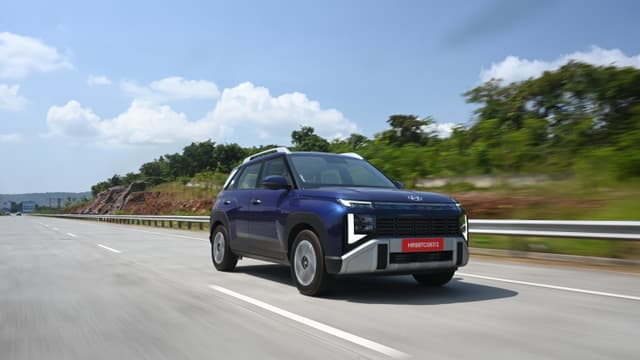
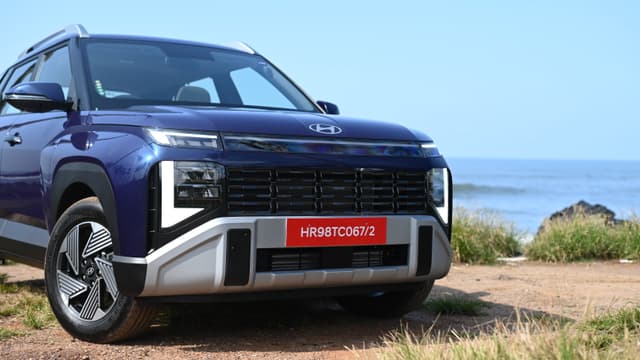
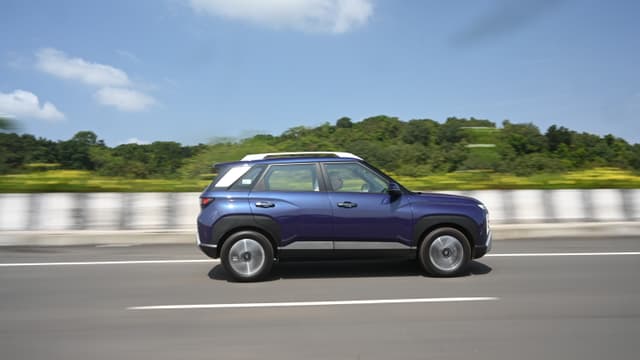
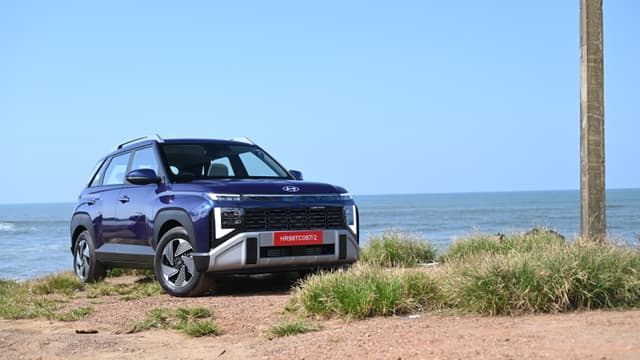
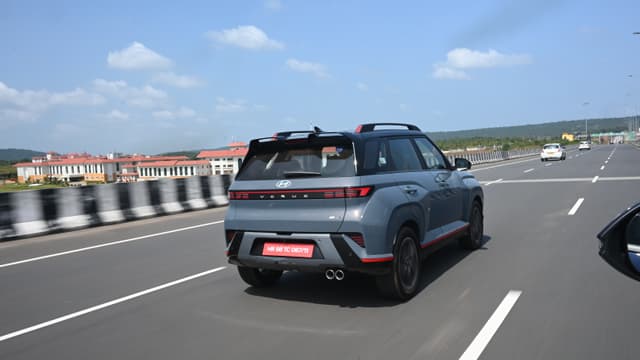
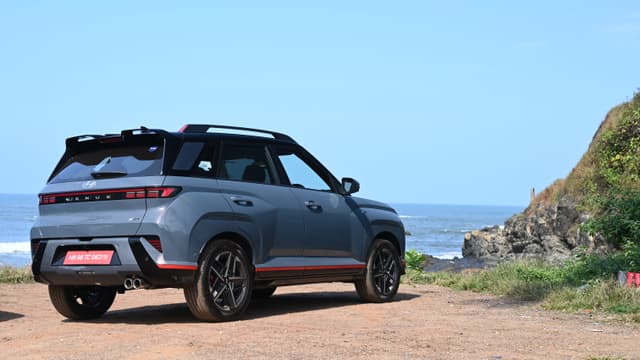
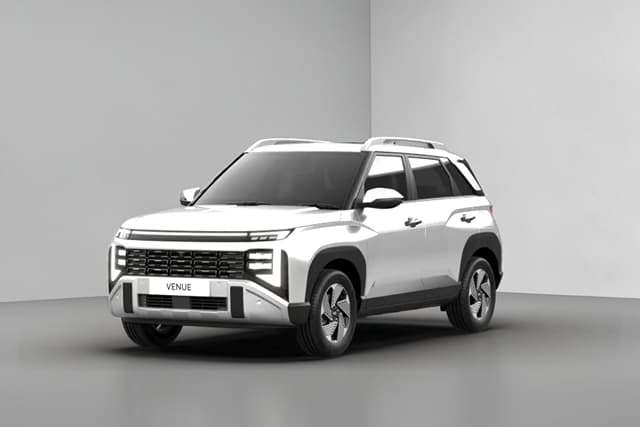
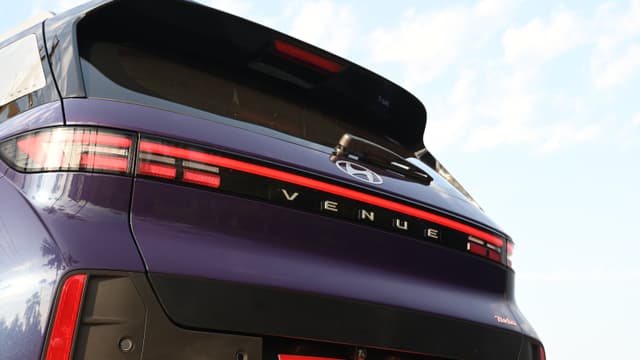
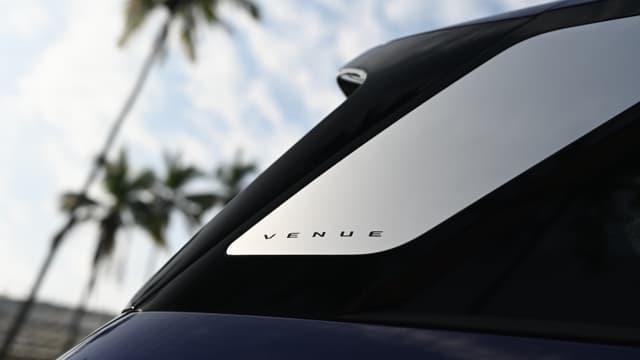
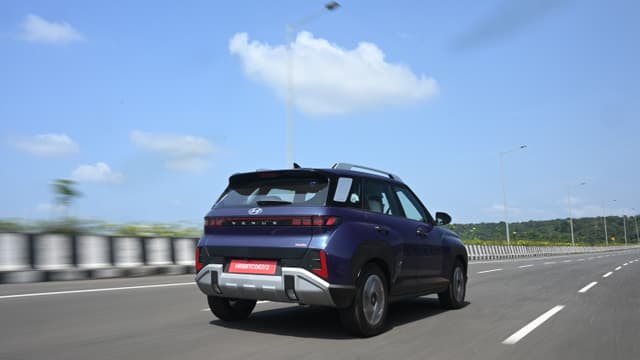
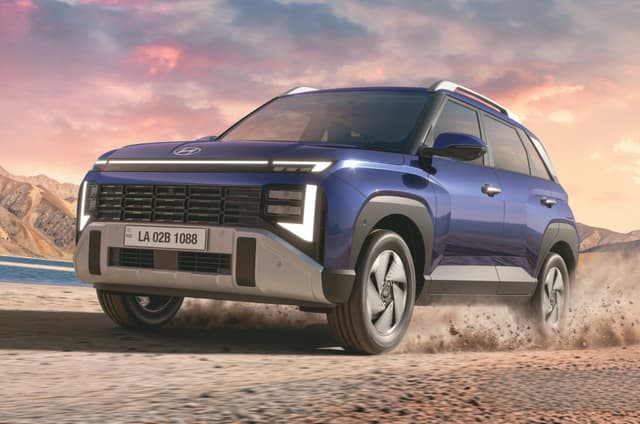
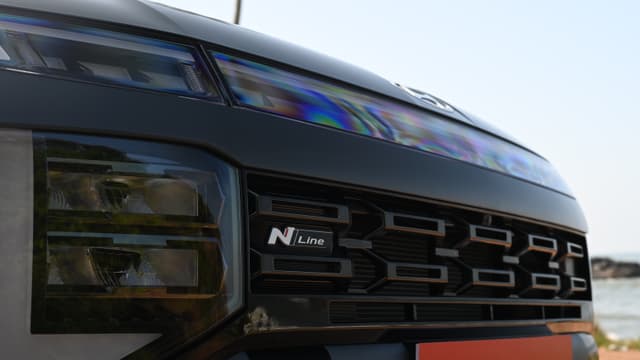
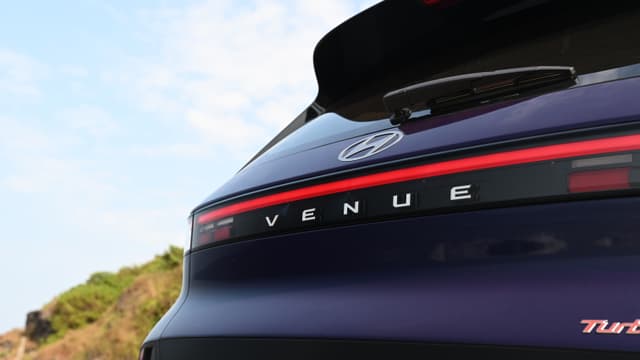
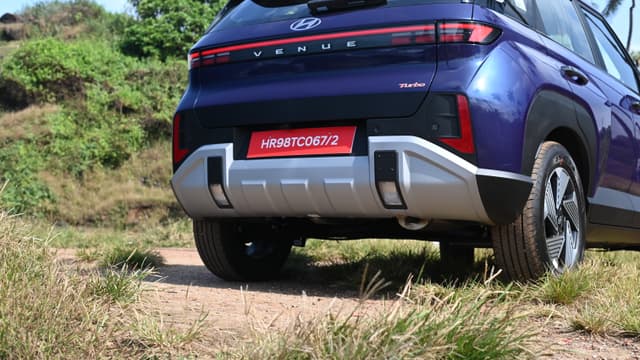
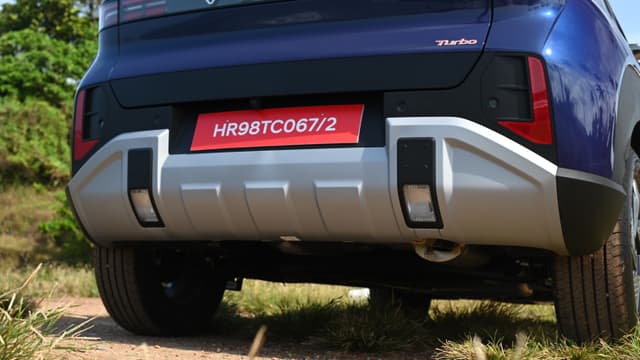
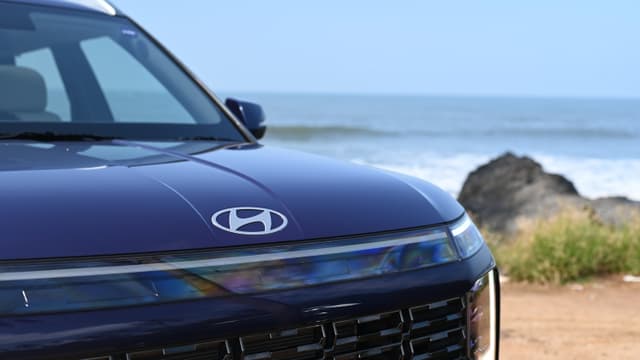
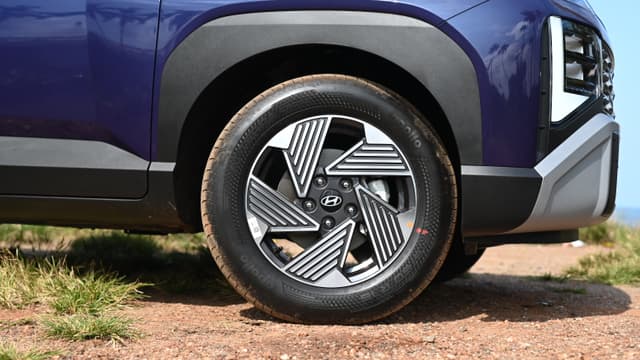
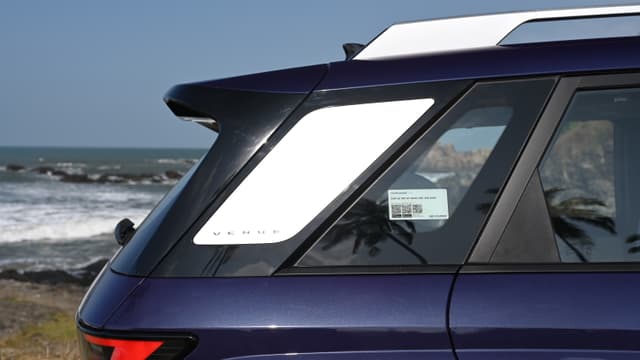
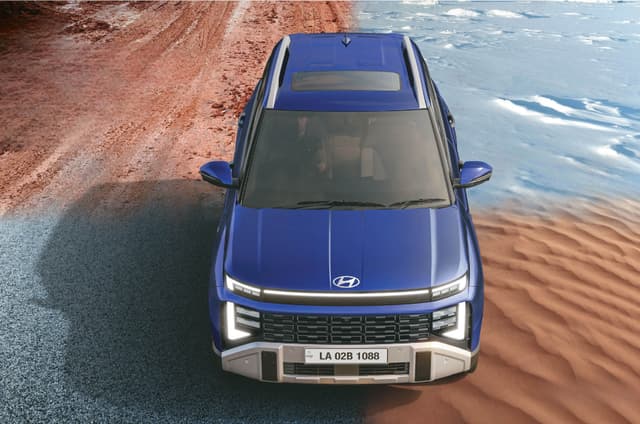
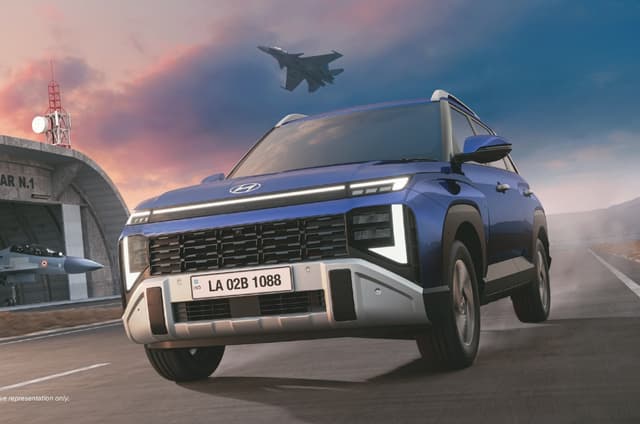
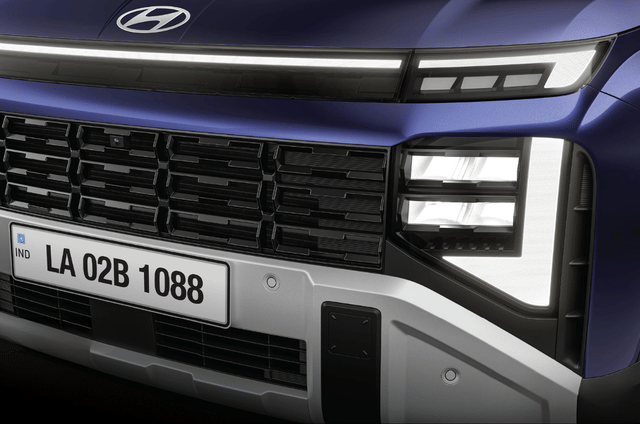
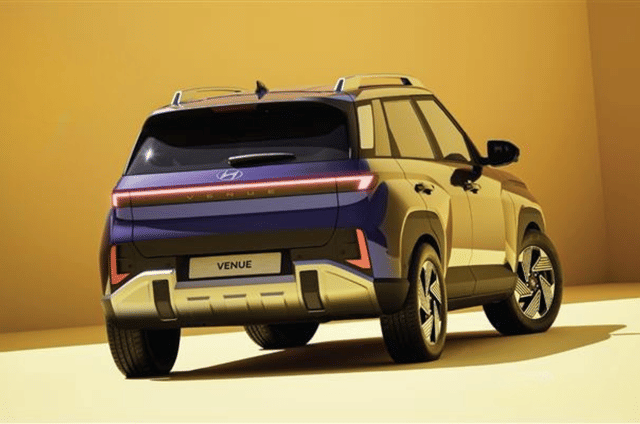
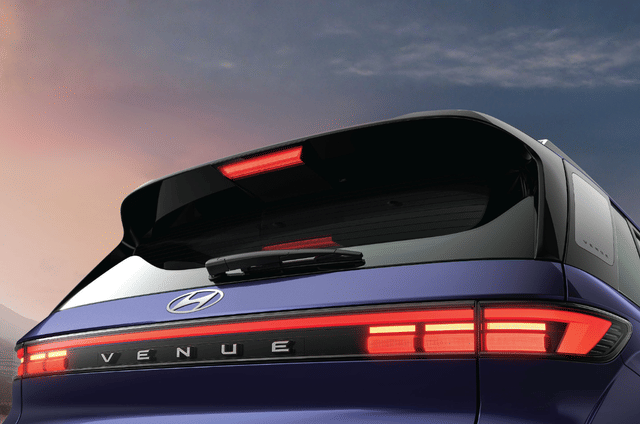
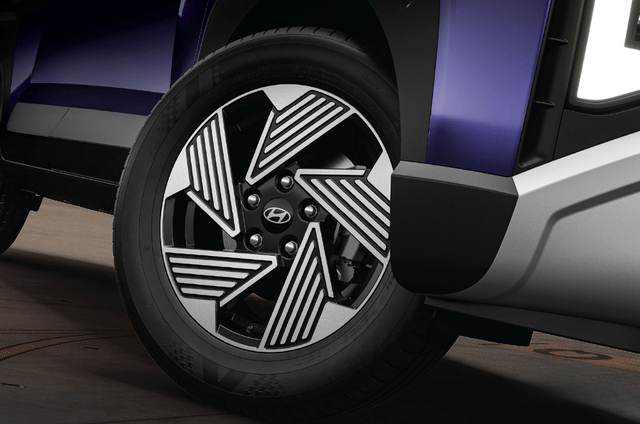
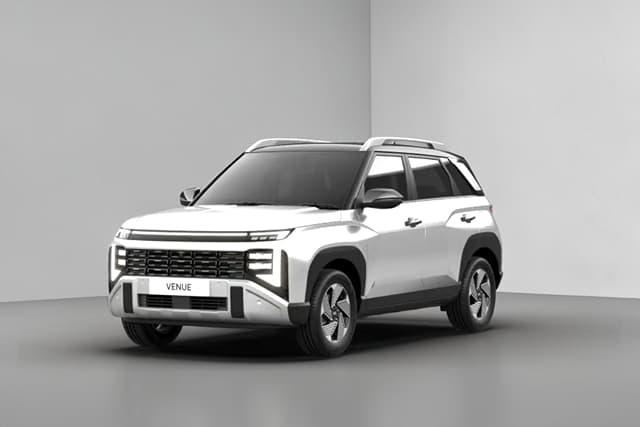
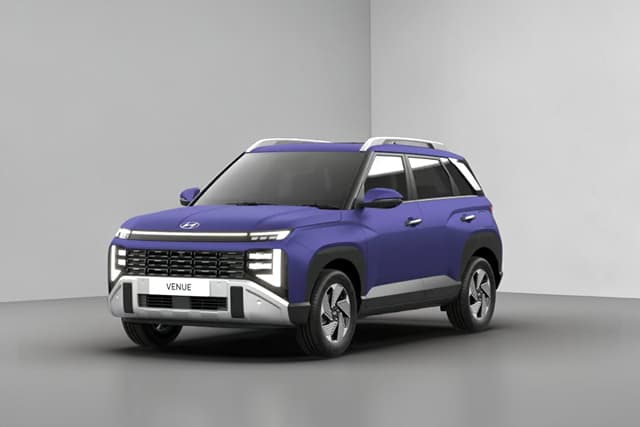
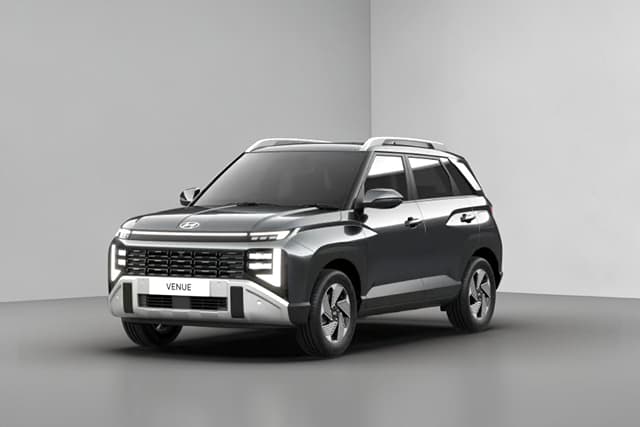
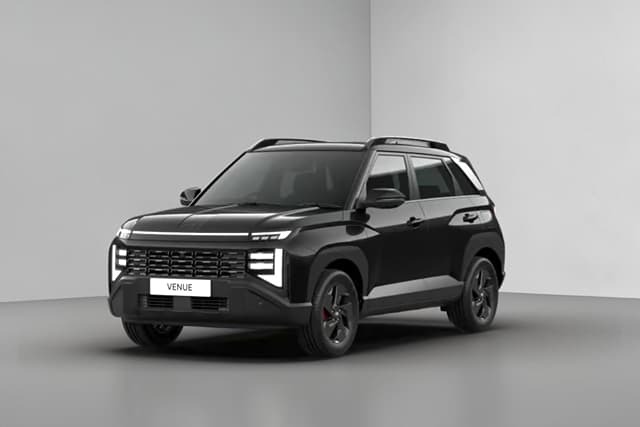
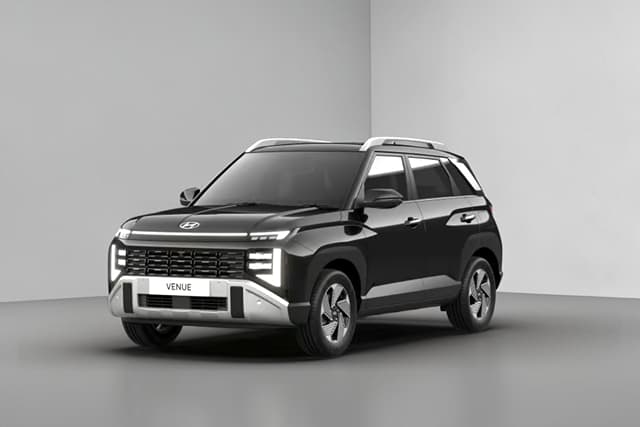
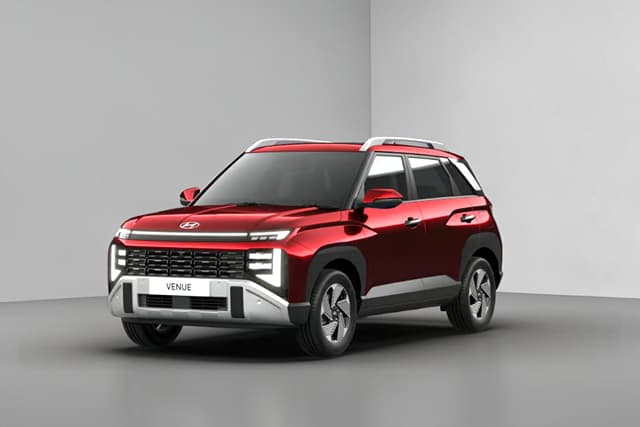
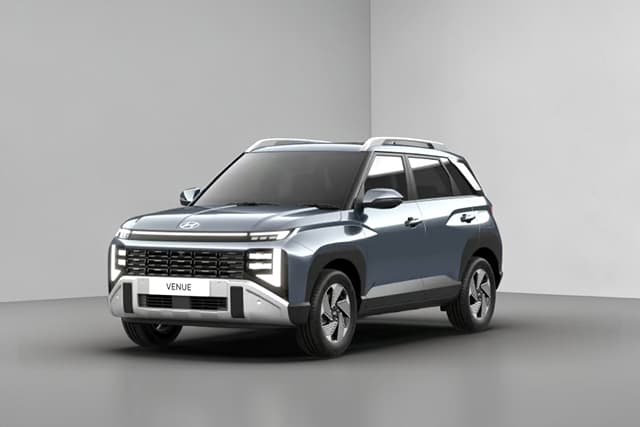
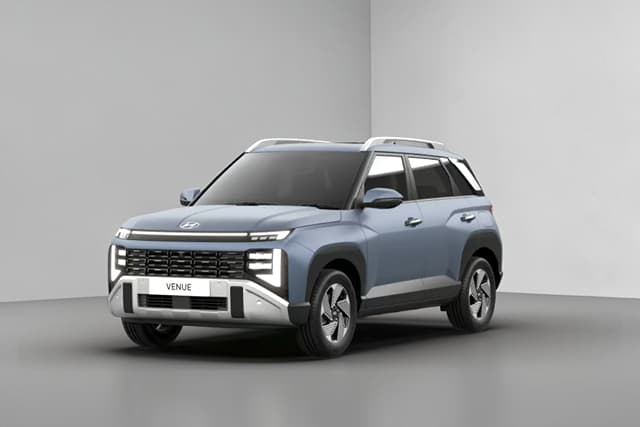
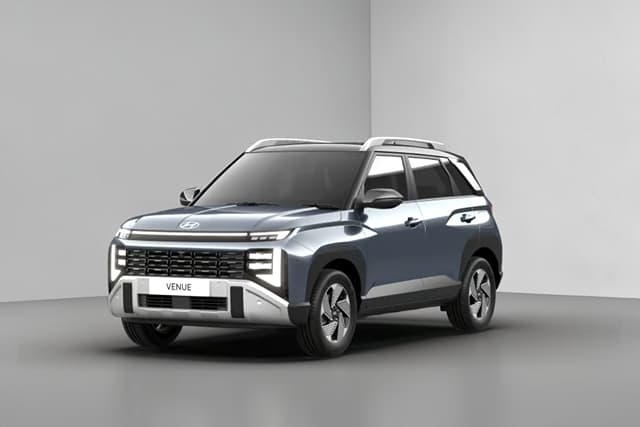
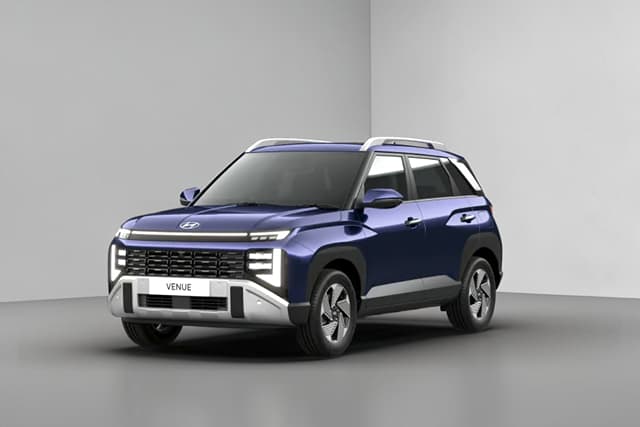
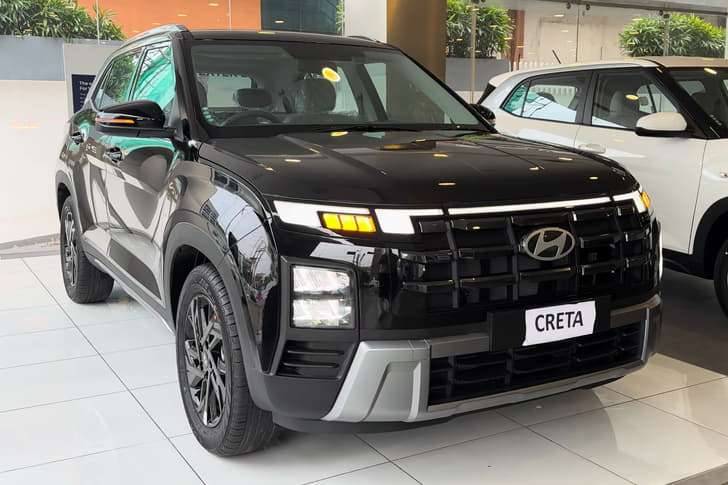
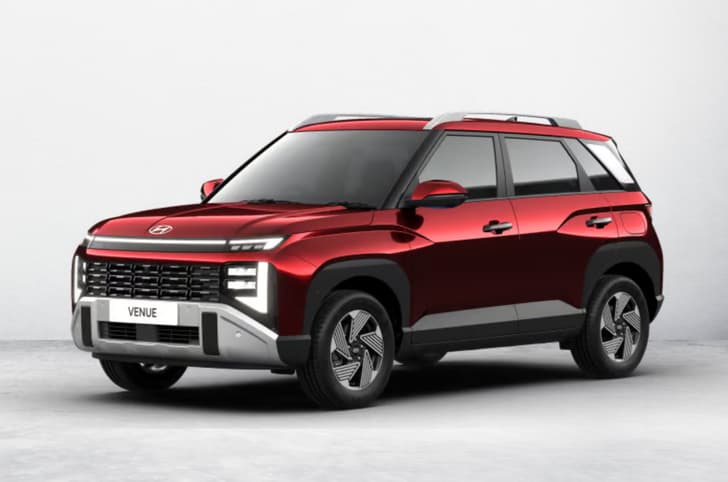
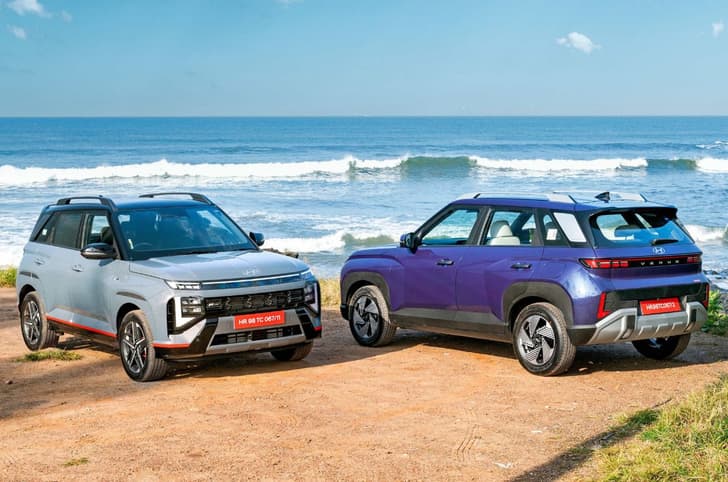
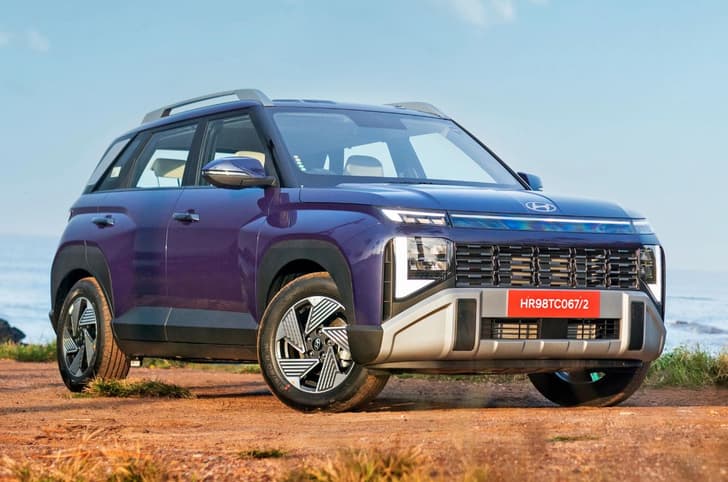
The new Venue sits on the global K1 platform shared with the Kia Syros. It’s more rigid and slightly larger – 30mm wider, 48mm taller, and with a 20mm longer wheelbase. The platform also makes it a software-defined vehicle capable of OTA updates for new features and fixes. Hyundai has nailed the proportions, avoiding the undertyred look some rivals suffer from, while giving the N Line a distinct identity. The front end borrows cues from the Creta, Exter and even the Palisade, while sharp creases, flared fenders and a new C-pillar quarter glass define the side. The standard car runs on 16-inch wheels, while the N Line gets striking 17s with red brake calipers. Overall, it’s an edgy design that stands out, even if it won’t appeal to everyone.
9.0
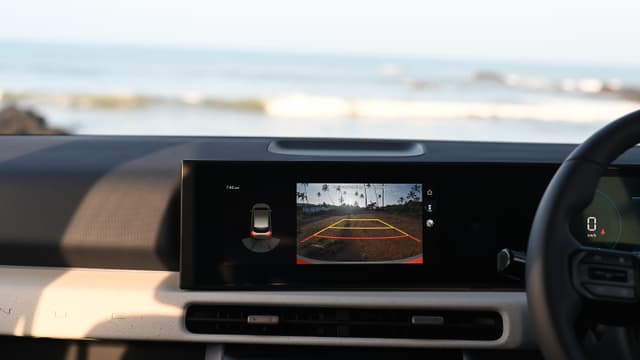
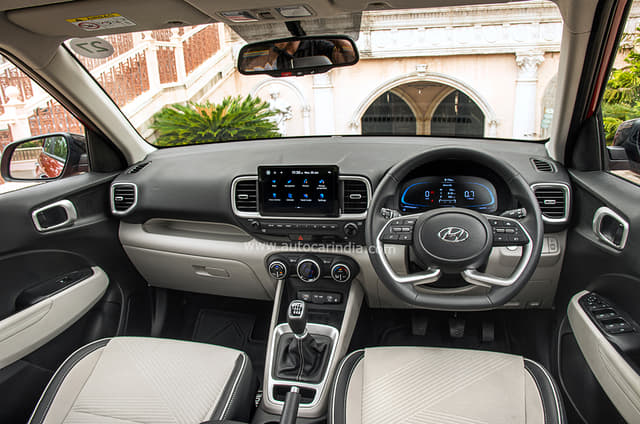
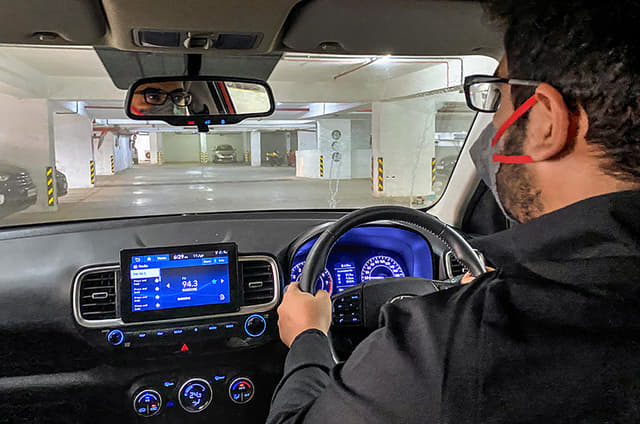
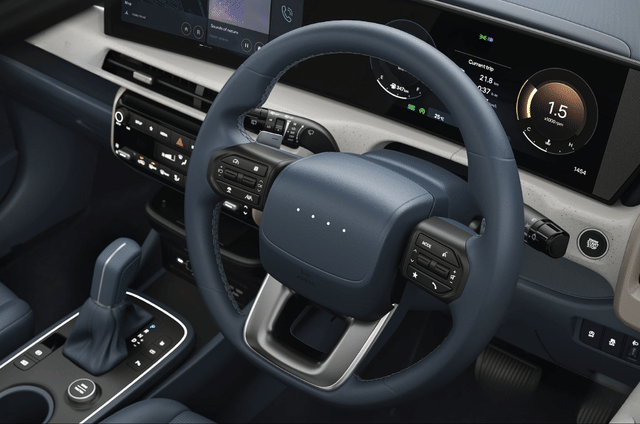
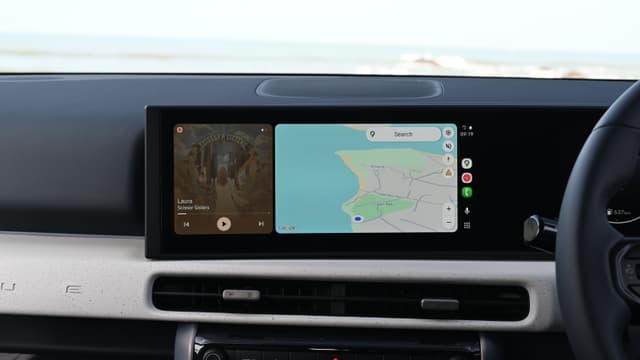
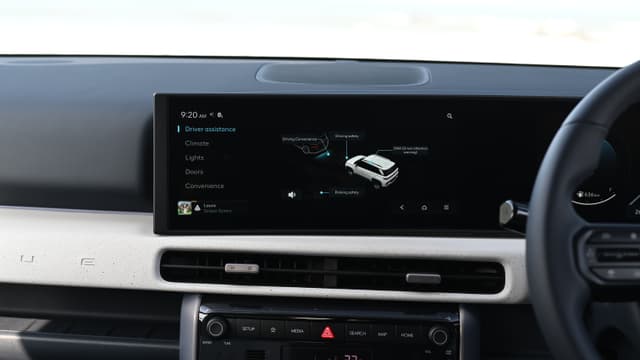
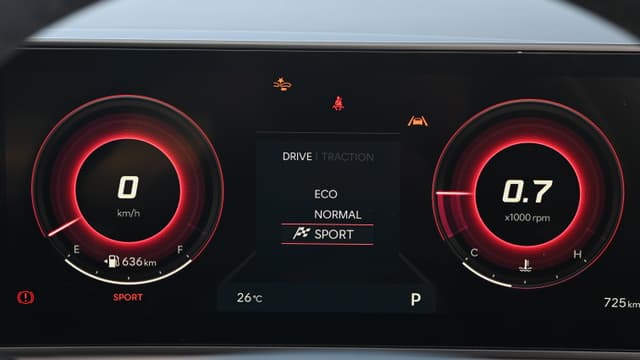
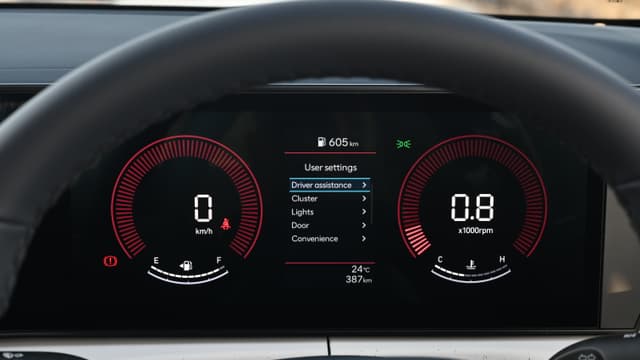
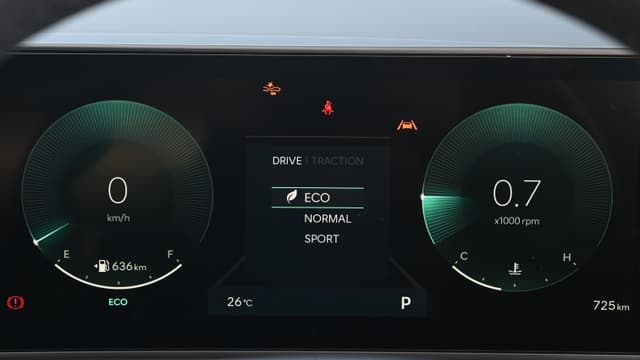
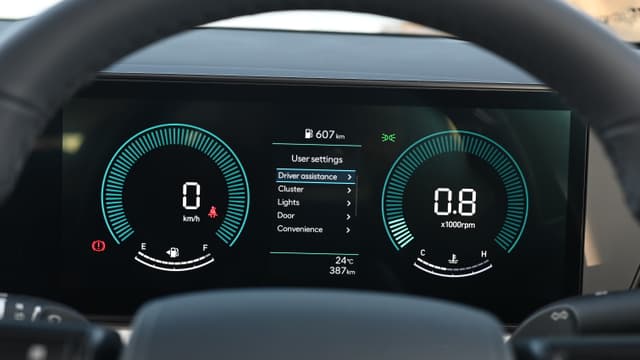
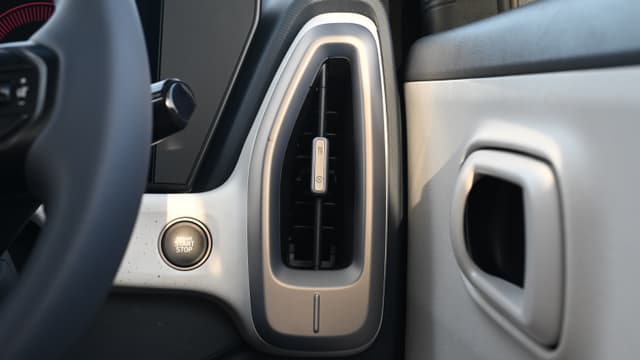
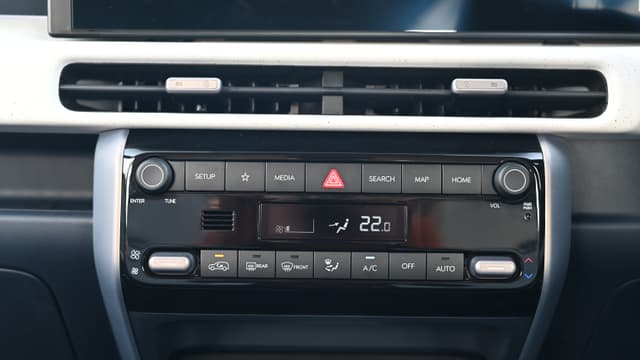
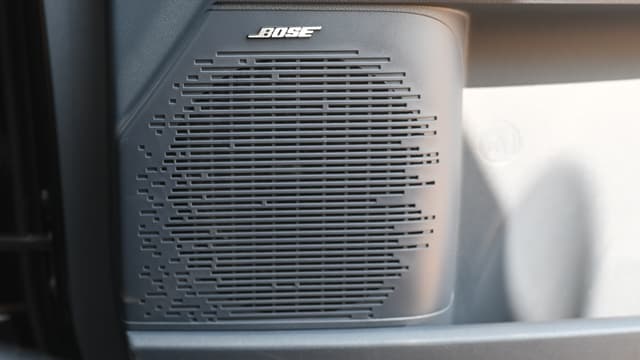
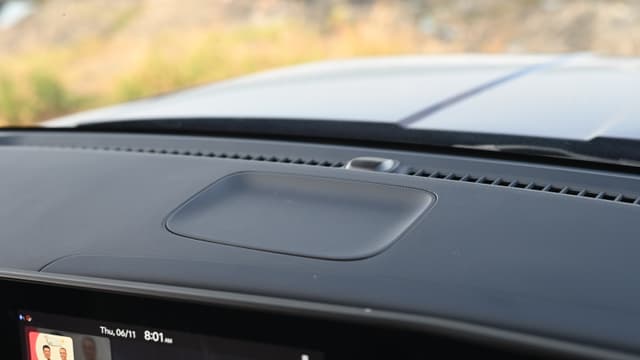
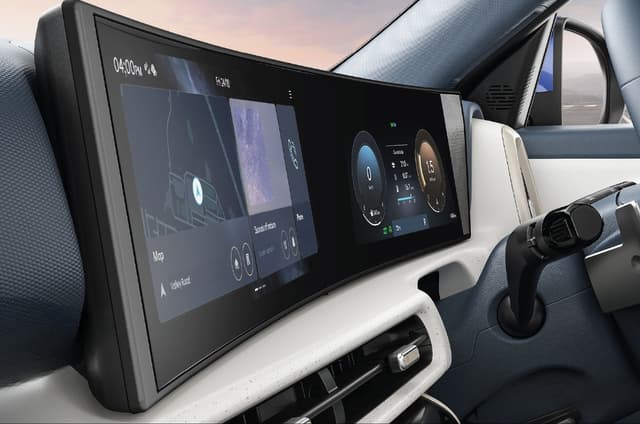
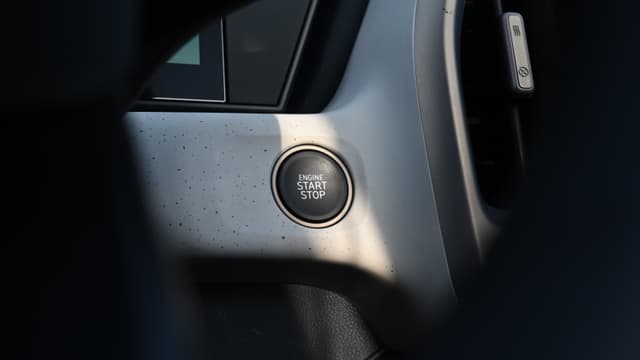
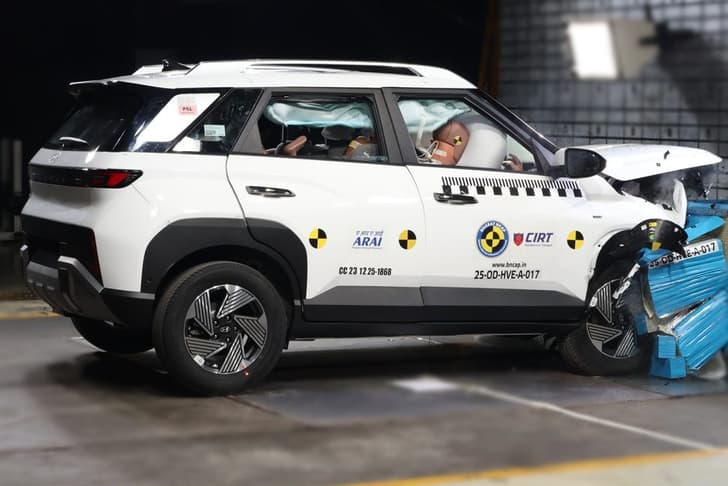
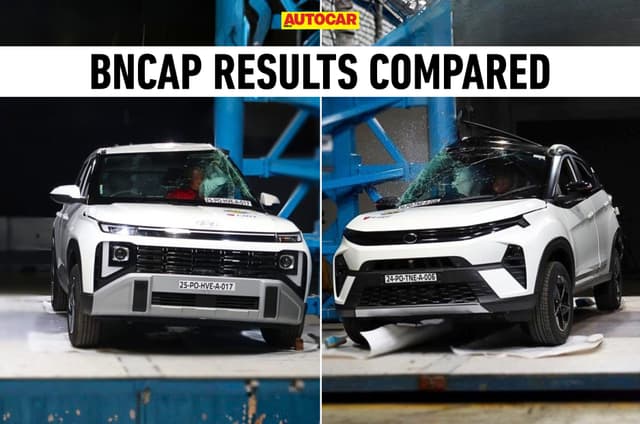
The dual 12.3-inch screens for the infotainment and digital driver’s display are larger than even the Creta’s and on par with the Syros. Powered by NVIDIA tech, the infotainment system is quick, responsive and has superb resolution – best seen in the 360-degree camera view. Features include ventilated front seats, a wireless charger, smart key with push-button start, an 8-speaker Bose system and a single-pane sunroof. The Venue also gains Hyundai’s SmartSense Level 2 ADAS, up from the earlier Level 1 setup. Safety kit is comprehensive, with six airbags, ABS, ESC, VSM and ISOFIX mounts standard from the HX2 trim. It hasn’t yet been crash-tested, but Hyundai expects a 5-star Bharat NCAP rating, given the Kia Syros’ strong performance.

9.0
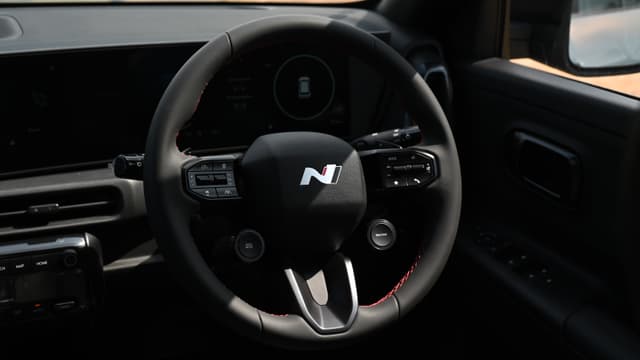
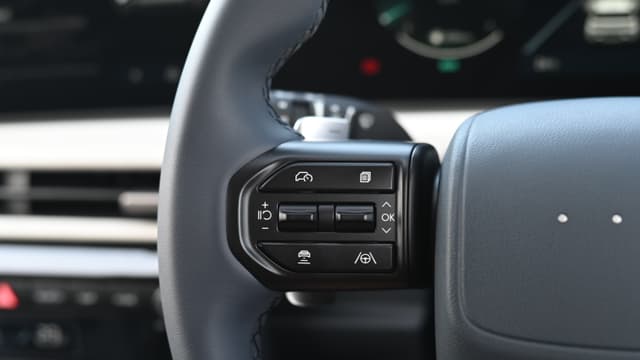
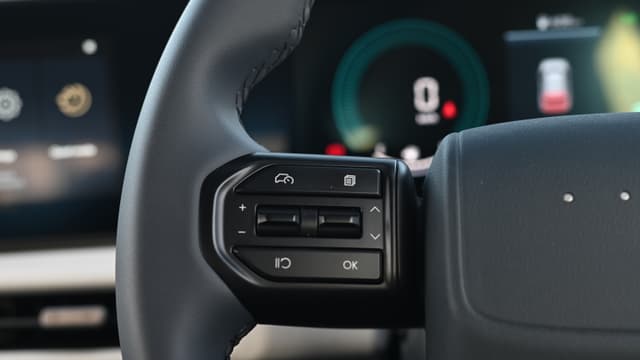
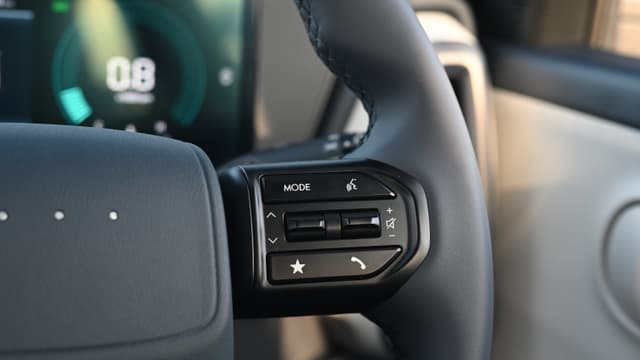
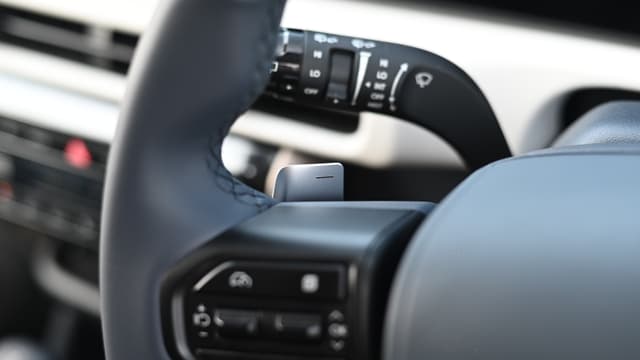
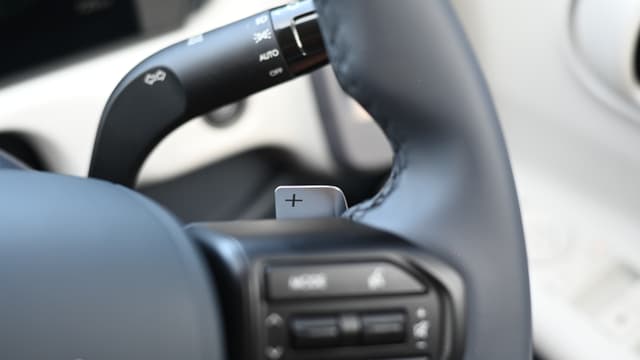
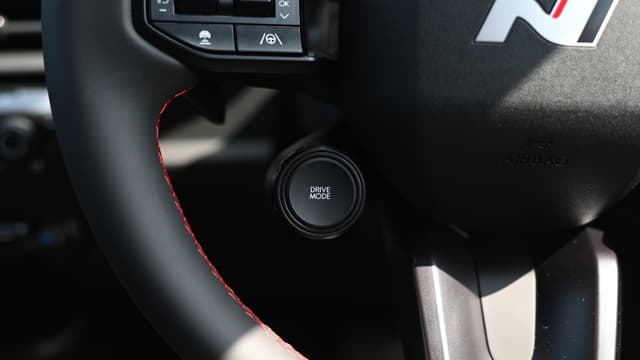
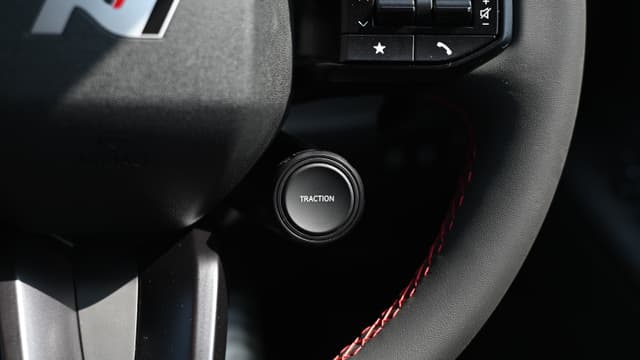
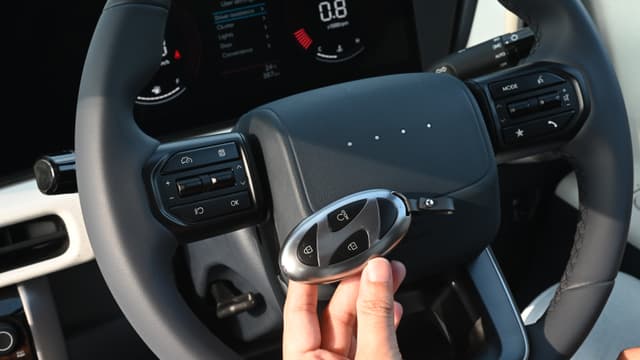
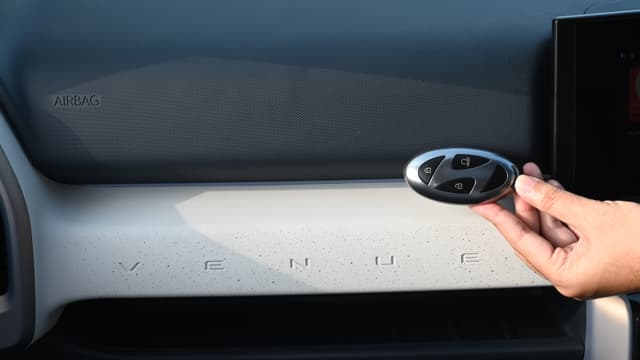
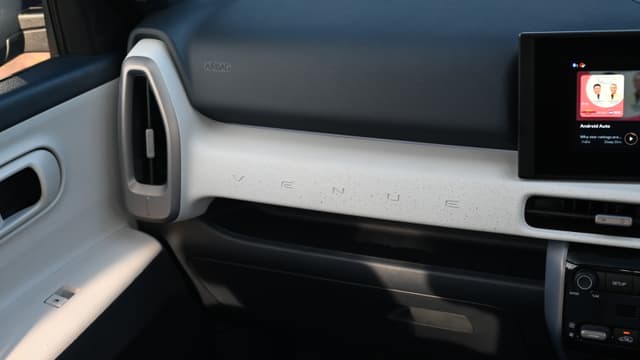
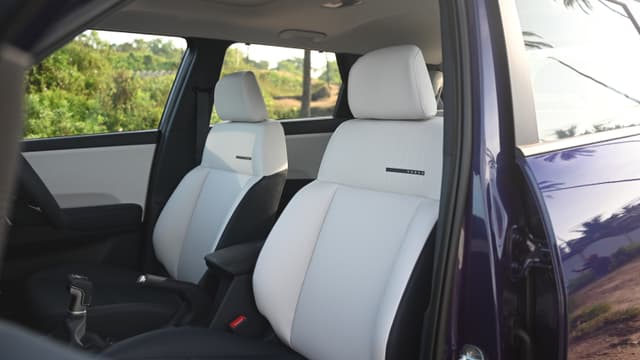
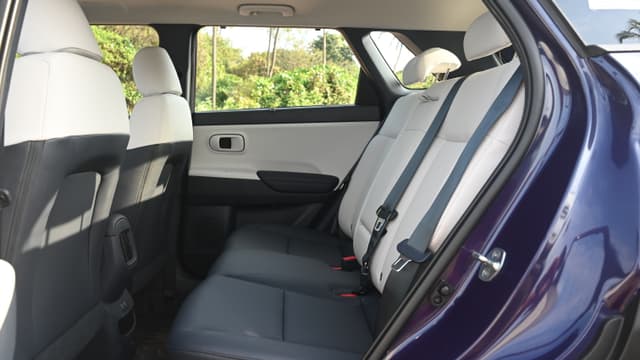
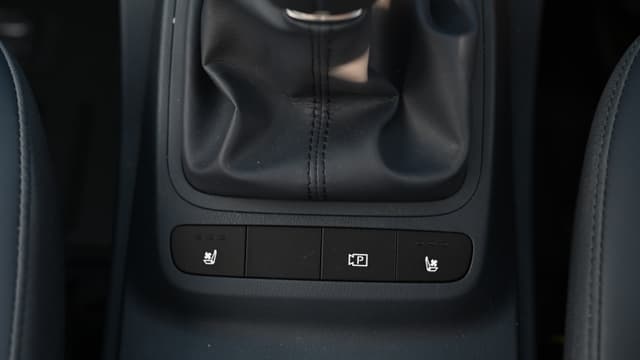
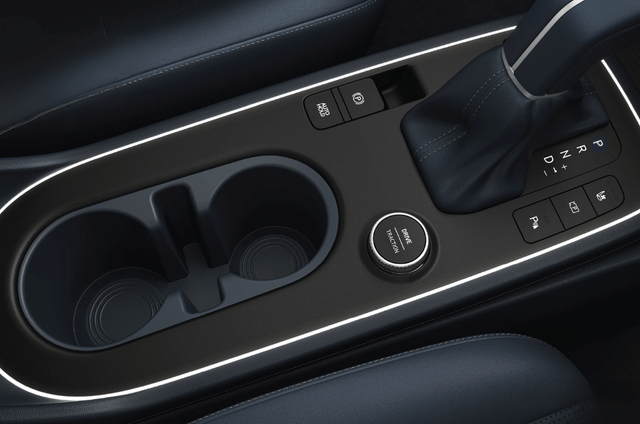
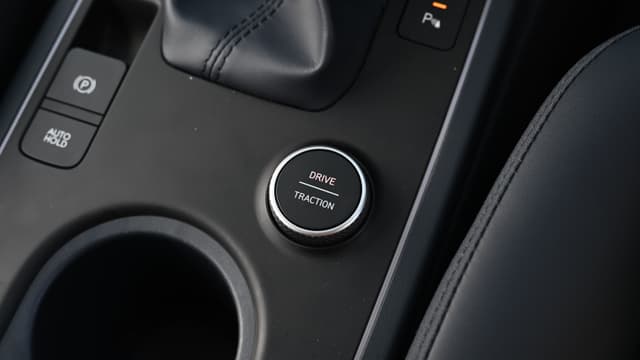
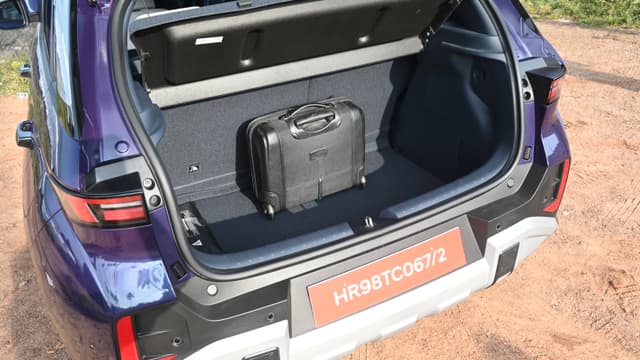
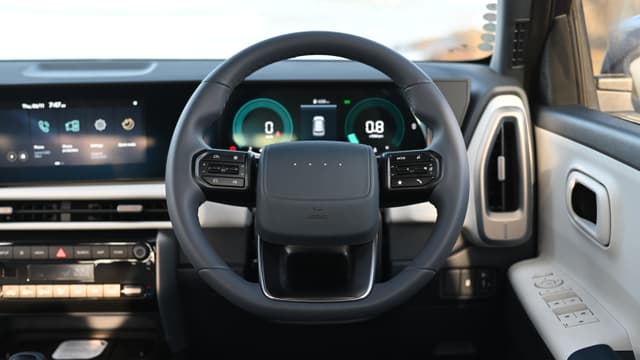
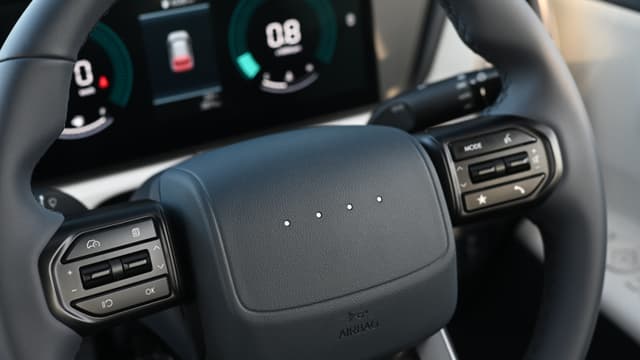
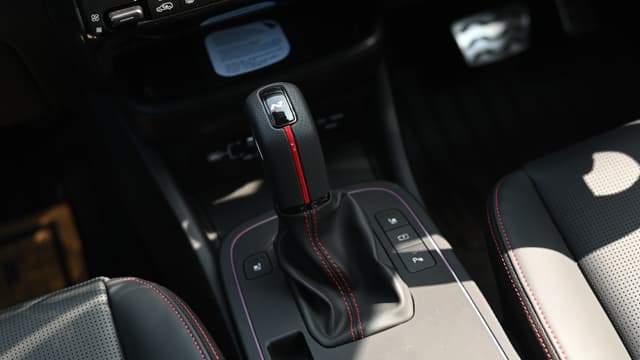
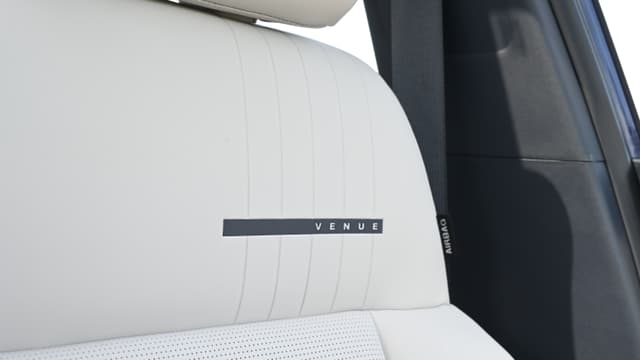
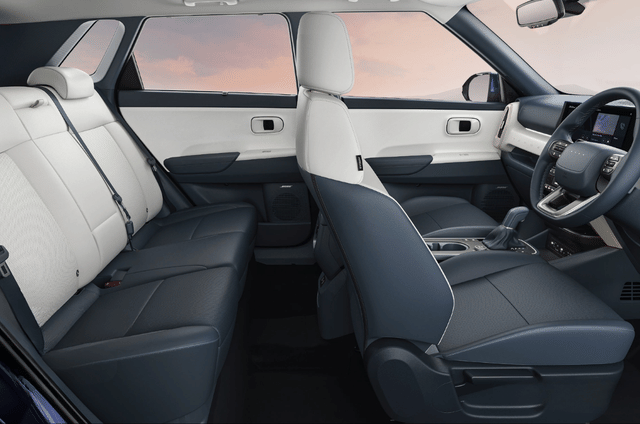
The rear seat now offers more knee room thanks to the 20mm longer wheelbase and scooped-out front seat backs, though thigh support could be better. Shoulder room is slightly improved, but seating three abreast remains tight. Boot space has grown from 350 to 375 litres. Up front, the cabin feels cleaner and more modern, with a curved display neatly integrating the infotainment and digital instruments. A new steering wheel with four dots (Morse code for H) replaces the Hyundai logo, while automatic versions get a “coffee-table” centre console. Despite the hard plastics, quality and detailing impress. The dual-tone blue-and-white upholstery adds airiness, while the N Line gets an all-black interior with red accents and a sporty Ioniq 5 N–style steering wheel. Rivals like the Syros and Nexon offer more space, but the Venue’s design and finish stand out.
8.0
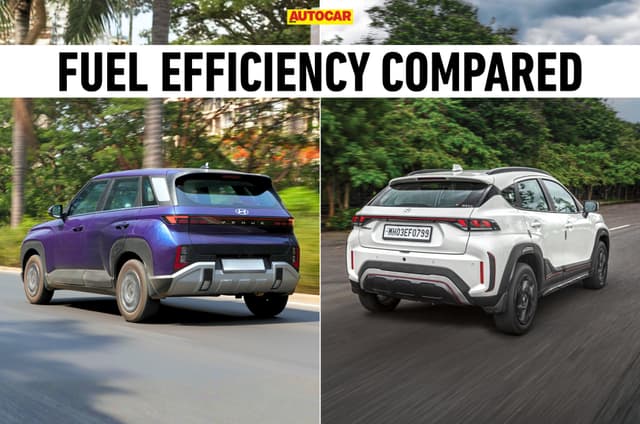
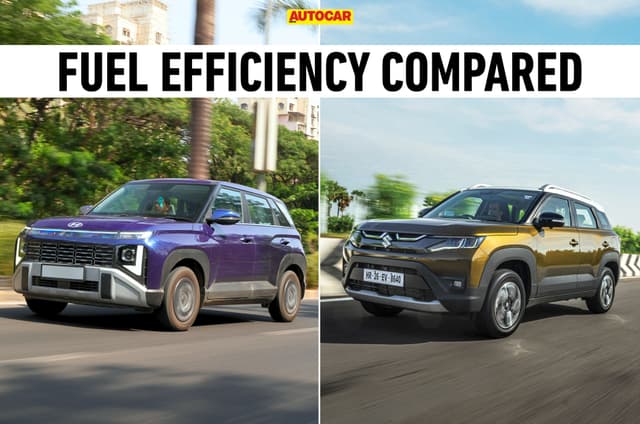
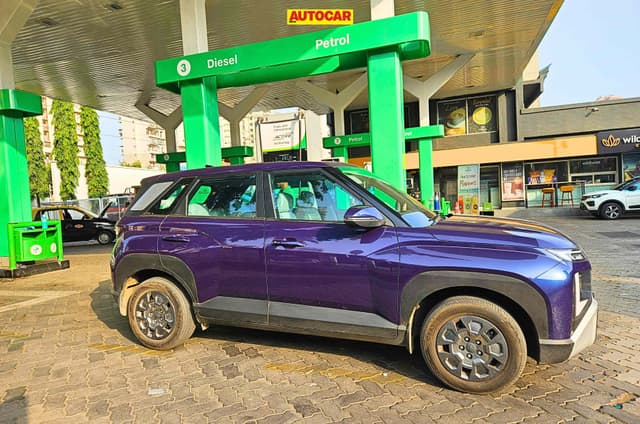
The ARAI mileage figure for the 1.2-litre petrol engine is 18.05kpl, while the turbo manual and DCT better that, delivering 18.74kpl and 20kpl respectively. The 1.5-litre diesel achieves 20.99kpl with the manual, however this drops significantly to 17.9kpl with the optional automatic.
8.0
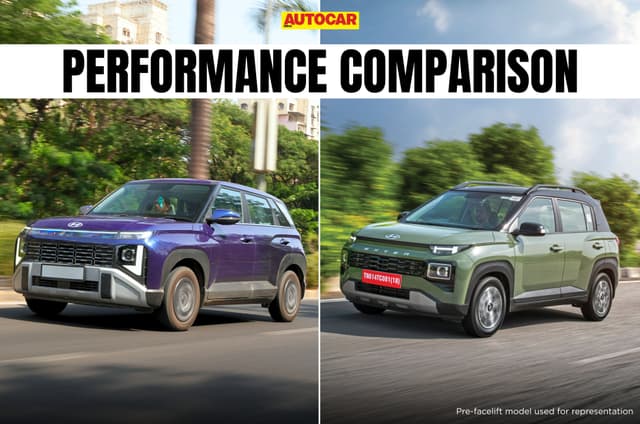
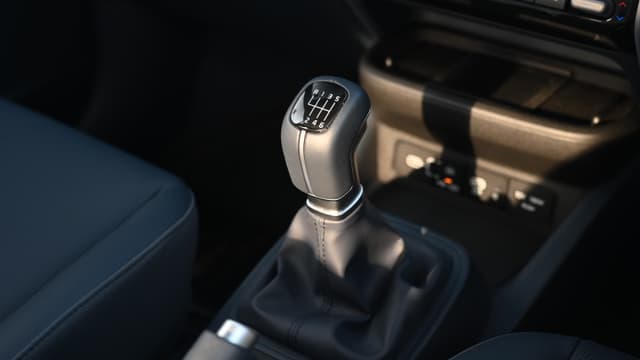
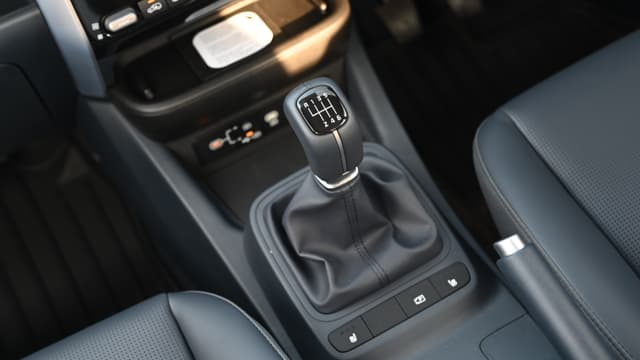
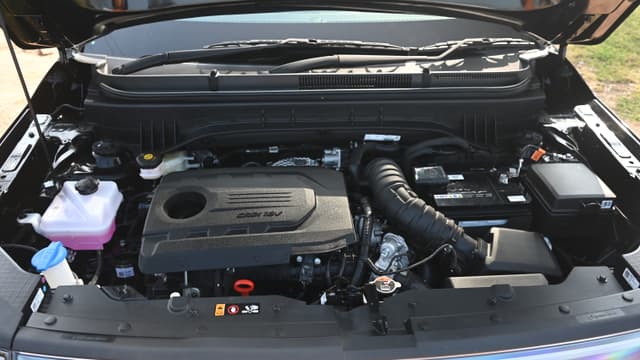
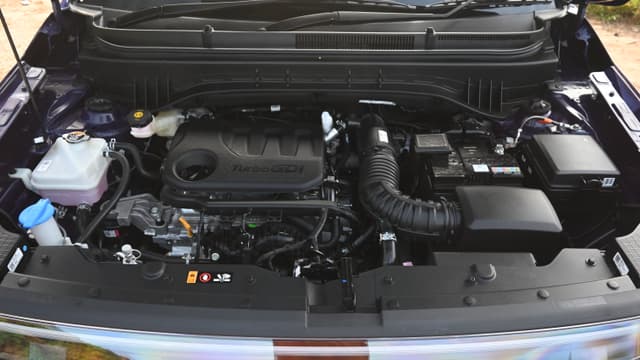
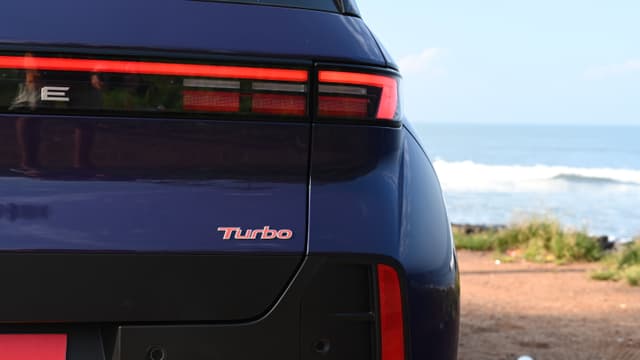
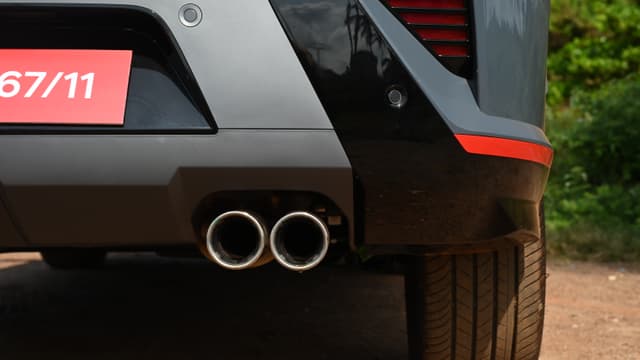
The base engine is a 1.2-litre four-cylinder petrol producing 83hp and 115Nm, paired with a 5-speed manual. Above that sits the 1.0-litre turbo-petrol with 120hp and 172Nm, offered with a 6-speed manual or 7-speed DCT. The diesel option is a 1.5-litre unit with 116hp and 250Nm, now available with a 6-speed torque converter auto alongside the manual. The turbo-petrol is the most engaging, with mild lag below 2,000rpm before strong mid-range punch. The N Line’s exhaust adds a sporty burble, while both transmissions suit the engine well. The DCT is mostly smooth, with only mild hesitation at crawling speeds. The diesel impresses with refinement – barely audible below 2,000rpm – but runs out of steam past 3,500rpm. The auto’s smoothness complements it, though initial throttle response feels a bit dull.
8.0
The new Venue is slightly more softly sprung than its predecessor with a noticeable improvement in low-speed bump absorption. However, the damping is still not totally sorted with an underlying firmness coming through. Come across a sudden pothole or even worse a series of them, and the Venue will thud through. The ride also felt a tad too busy on the rippled concrete highways of Goa. While the Venue’s ride is not inherently uncomfortable, rivals like the Tata Nexon and Mahindra XUV 3XO do a better job of ironing out imperfections. The Venue N Line runs exactly the same setup as the regular car with only a slight firmness coming from the larger 17-inch wheels. All versions of the Venue steer almost exactly the same, with a direct but light and somewhat lifeless steering that never really weighs up at speed.
7.0
Despite the generation shift, it’s been priced keenly to start with – from Rs 7.89 lakh (ex-showroom). Move up the range though and prices climb sharply, reaching Rs 14.74 lakh for the turbo DCT, Rs 15.48 lakh for the top-spec N Line and Rs 15.69 lakh for the diesel automatic, putting it among the priciest in the segment, but it still represents solid value for what it offers. The design is edgy and modern with plenty of wow factor in N Line guise, while the tech-laden cabin looks and feels genuinely premium. It’s not perfect, but then nothing in this segment is.
8.0
Reviewed by: Lenny D'sa
Hyundai Venue reviews

Hyundai Venue Images
Hyundai Venue videos


.jpg?w=640&q=75)